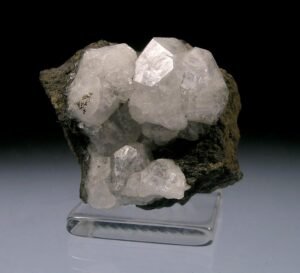
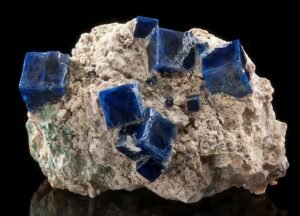
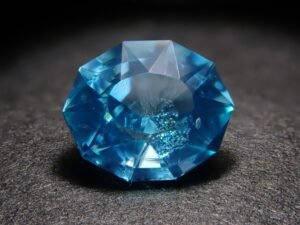
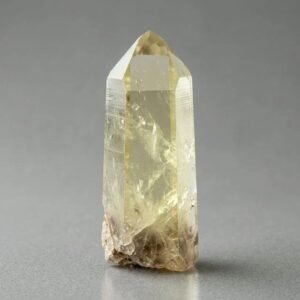
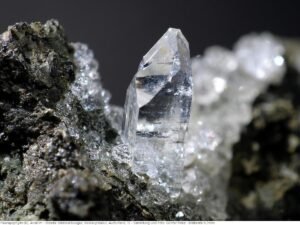
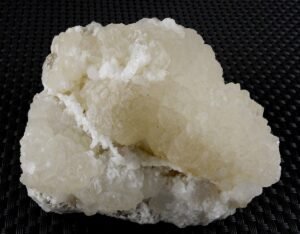
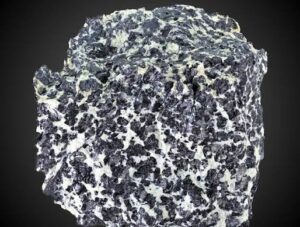
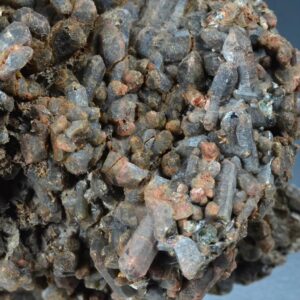
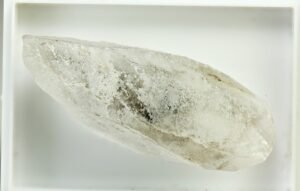
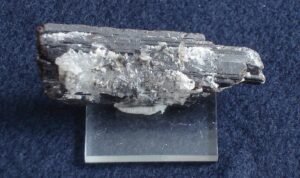
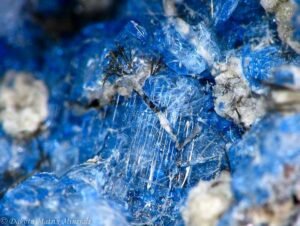
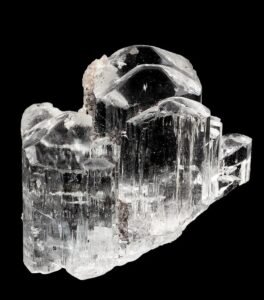
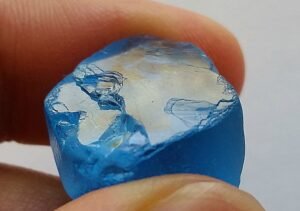
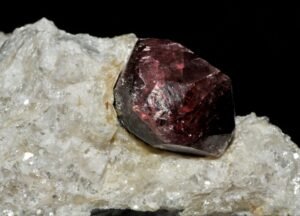
Analcime is a hydrated sodium aluminium tectosilicate mineral belonging to the zeolite group, typically forming characteristic trapezohedral crystals within igneous rocks and hydrothermal cavities.
Apatite is a group of phosphate minerals widely distributed across igneous, metamorphic, and sedimentary rocks, and serves as the primary commercial source of phosphorus.
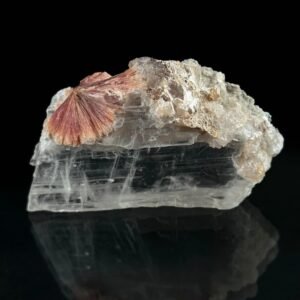
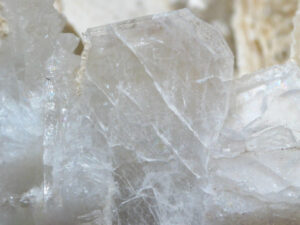
Apophyllite is a group of phyllosilicate minerals typically recognized by their vitreous to pearly luster, translucent to transparent white or pale crystals, and frequent occurrence in basaltic cavities alongside zeolites.
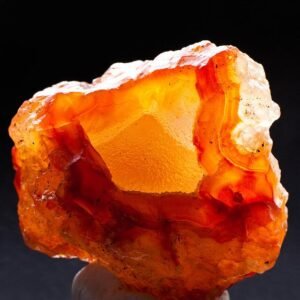
Carnelian is a translucent to semi-opaque chalcedony variety known for its warm reddish-orange to brownish-red coloration caused by iron oxide inclusions.
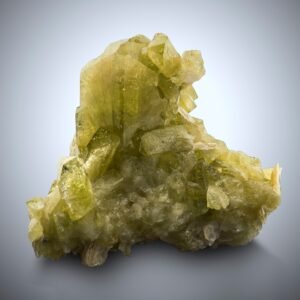
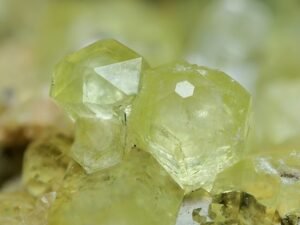
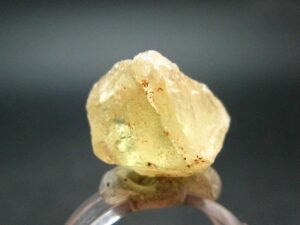
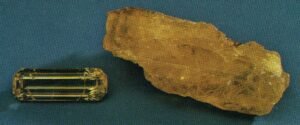
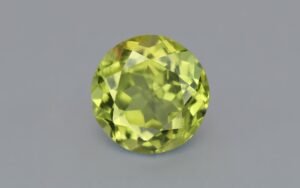
Brazilianite is a sodium aluminum phosphate mineral typically characterized by its translucent to transparent yellow-green crystals and soft, glassy luster.
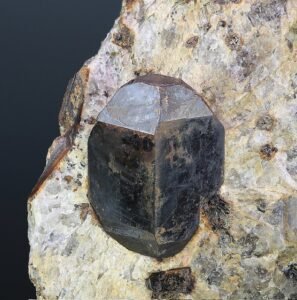
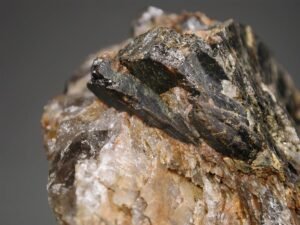
Samarskite is a rare, complex oxide mineral containing rare-earth elements, uranium, thorium, and niobium, known for its dark color, vitreous to resinous luster, and high degree of metamictization caused by internal radioactivity.
Witherite is a naturally occurring barium carbonate mineral (BaCO₃) that serves as a primary source of barium and is notable for its high density and relative rarity compared to barite.
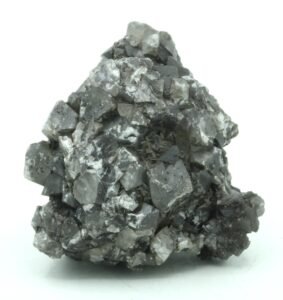
Cattierite is a rare cobalt disulfide mineral belonging to the pyrite group, typically found in hydrothermal deposits alongside other sulfide minerals.
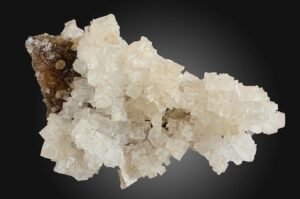
Halite, commonly known as rock salt, is the natural mineral form of sodium chloride (NaCl) that crystallizes in the isometric system and forms essential salt deposits through the evaporation of ancient saline waters.
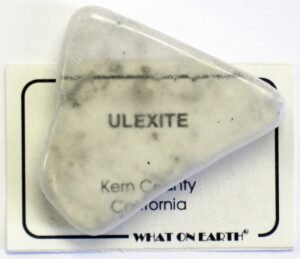
Ulexite, also known as “television stone,” is a hydrated borate mineral famous for its parallel fibrous crystal structure that transmits light along its fibers to project an image from underneath onto its surface.
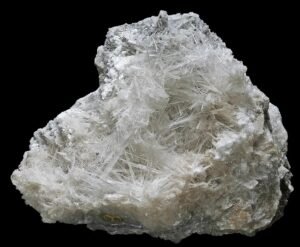
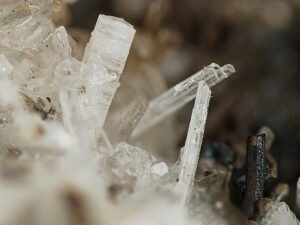
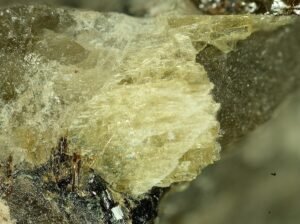
Xonotlite is a hydrated calcium silicate mineral renowned for its fibrous crystal structure and exceptional thermal stability, making it a widely used material for high-temperature industrial insulation.
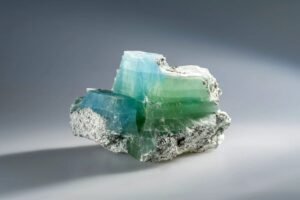
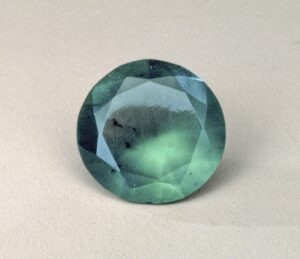
Euclase is a rare beryllium aluminum silicate mineral that typically forms pale blue, green, or colorless prismatic crystals characterized by perfect cleavage.
Cancrinite is a complex sodium aluminum silicate mineral containing carbonate and hydroxyl groups, typically found as a yellow, white, or orange constituent in silica-undersaturated igneous rocks such as nepheline syenites.
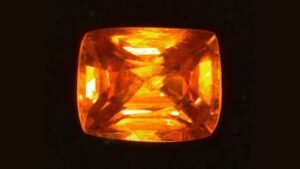
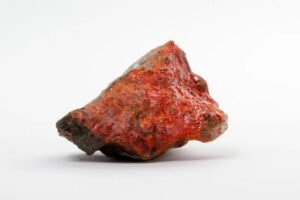
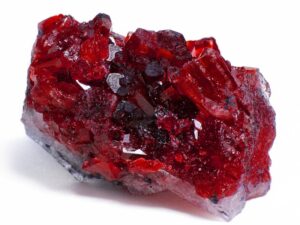
Realgar is a rare arsenic sulfide mineral known for its vivid orange-red color, monoclinic crystal structure, and historical use as a pigment and mineral specimen.
Stibiotantalite is a rare tantalum-bearing oxide mineral with the chemical formula SbTaO₄, typically found in complex granite pegmatites and valued primarily as a collector specimen.
Brucite is a naturally occurring magnesium hydroxide mineral, Mg(OH)₂, that forms primarily as a secondary alteration product in magnesium-rich geological environments.
Magnesite is a magnesium carbonate mineral with the chemical formula MgCO₃, typically formed through the alteration of magnesium-rich rocks or precipitation in sedimentary environments.
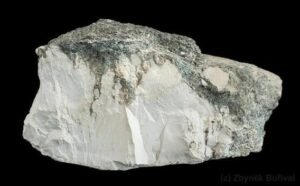
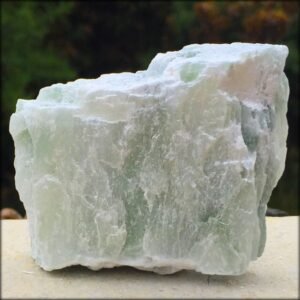
Talc is a magnesium silicate mineral that occurs in metamorphic environments and is recognized as the softest mineral on the Mohs hardness scale, with a characteristic smooth texture and layered crystal structure.
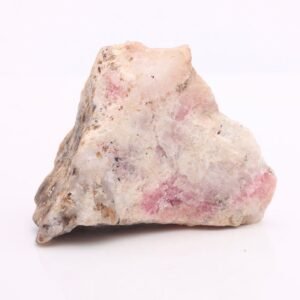
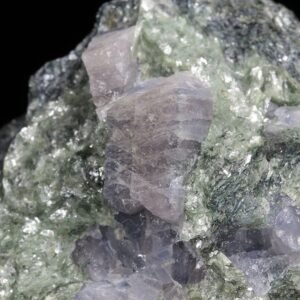
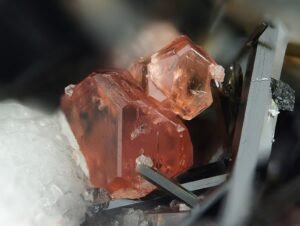
Tugtupite is a rare beryllium aluminum tectosilicate mineral known for its distinctive photochromism, temporarily darkening from pale pink or white to deep crimson upon exposure to ultraviolet light.
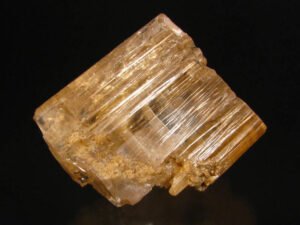
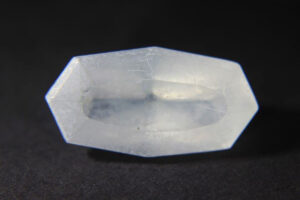
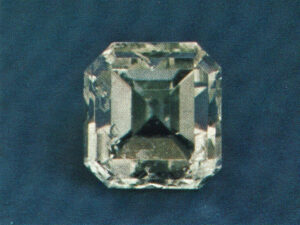
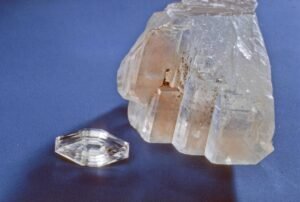
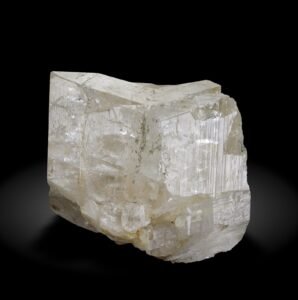
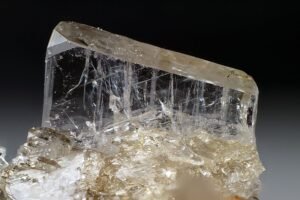
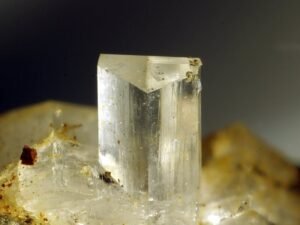
Danburite is a calcium boron silicate mineral valued in mineralogy and gemology for its high clarity, vitreous luster, and well-formed prismatic crystals.
Kyanite is an aluminosilicate mineral typically found in aluminum-rich metamorphic rocks, characterized by its distinct blue color and anisotropic hardness across its crystal axes.
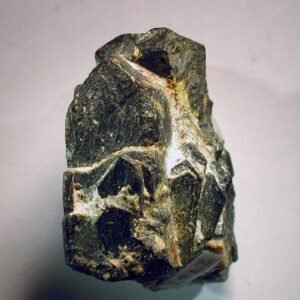
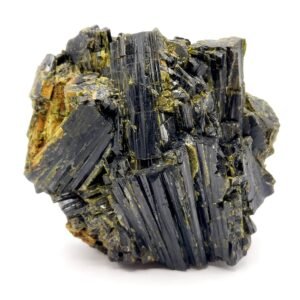
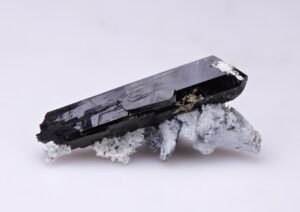
Neptunite is a rare potassium sodium lithium iron titanium silicate mineral known for its dark prismatic crystals and occurrence in specialized alkaline geological environments.
Cerussite is a heavy, highly lustrous lead carbonate mineral (PbCO₃) that typically forms as a secondary product in the oxidation zones of lead ore deposits.
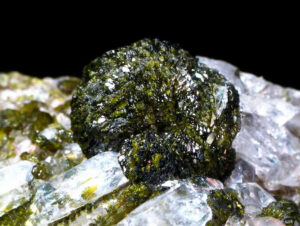
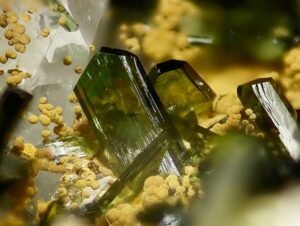
Adamite is a zinc arsenate hydroxide mineral, typically occurring in the oxidized zones of zinc-bearing ore deposits, and is well-known for its striking bright green to yellow crystals that often exhibit strong green fluorescence under ultraviolet light.
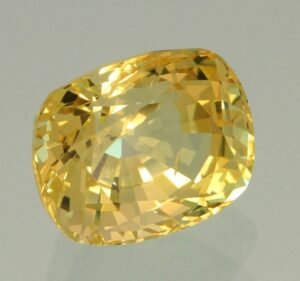
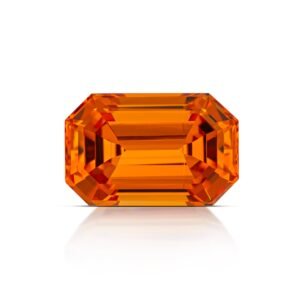
Topaz is a naturally occurring aluminum silicate mineral belonging to the nesosilicate group, widely utilized as a durable gemstone and valued in geological research as a critical indicator of volatile-rich igneous processes.
Proteus is a rare mineral species studied for its unique chemical composition, crystal structure, and occurrence in specialized geological environments.
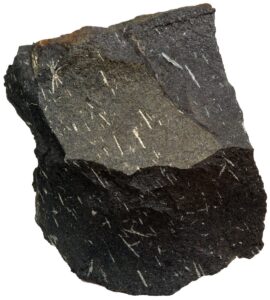
Hyperitdiabas is a dark, dense mafic intrusive igneous rock primarily composed of plagioclase and pyroxene, commonly utilized as a durable natural stone for construction and monumental purposes.
Kurnakovite is a rare hydrated magnesium borate mineral that crystallizes in the triclinic crystal system and typically forms in boron-rich evaporite deposits.
Sarcolite is a rare calcium sodium aluminum tectosilicate mineral that typically forms in calcium-rich contact metamorphic rocks and volcanic limestone xenoliths.
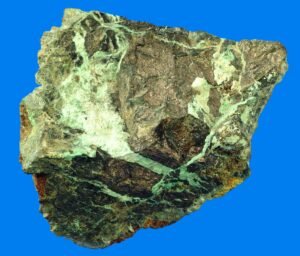
Serpentine is a mineral group known for its distinctive greenish color, smooth or scaly texture, and common use as an ornamental stone and in industrial applications.
Pumpellyite is a hydrous calcium aluminum silicate mineral group that typically forms green, fibrous aggregates and serves as a key indicator of very low-grade regional metamorphism.
Yugawaralite is a rare hydrated calcium aluminosilicate mineral belonging to the zeolite group, typically found as colorless or white tabular crystals in hydrothermal volcanic environments.
Smithsonite is a zinc carbonate mineral (ZnCO₃) that forms in oxidized zinc deposits and is recognized for its varied colors, botryoidal formations, and mineralogical significance.
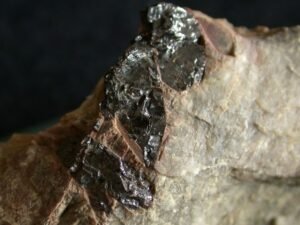
Chromite is an iron chromium oxide mineral belonging to the spinel group, characterized by its FeCr₂O₄ composition and occurrence mainly in ultramafic and mafic rocks.
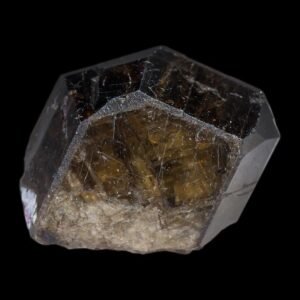
Tephroite is a rare manganese silicate mineral belonging to the olivine group that primarily forms within manganese-rich metamorphic deposits and skarn environments.
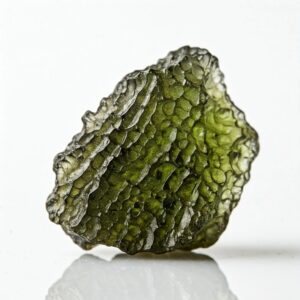
Moldavite is a forest-green tektite formed from a meteorite impact in central Europe approximately 15 million years ago, highly valued for its unique, wrinkled texture and translucent appearance.
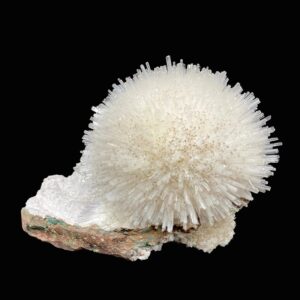
Mordenite is a naturally occurring, high-silica zeolite mineral belonging to the aluminosilicate family, characterized by its orthorhombic crystal system and a rigid, fibrous framework containing large, one-dimensional channels.
Huebnerite is a rare manganese tungstate mineral (MnWO₄) that constitutes the manganese-dominant endmember of the wolframite solid solution series and serves as a significant industrial ore of tungsten.
Haüyne is a rare tectosilicate mineral of the sodalite group, most notably recognized for its distinctive, highly saturated blue color and its occurrence in silica-poor volcanic rocks.
Sellaite is a rare magnesium fluoride mineral (MgF₂) that crystallizes in the tetragonal system and typically occurs in specialized hydrothermal, evaporite, or volcanic fumarolic environments.
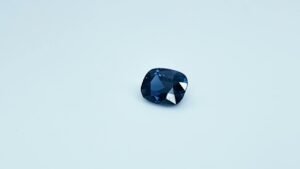
Gahnospinel is a rare zinc-rich member of the spinel supergroup that forms in zinc-bearing metamorphic and skarn environments and crystallizes in the cubic crystal system.
Gypsum is a widely distributed sulfate mineral composed of calcium sulfate dihydrate, characterized by its low hardness and extensive use in industrial manufacturing and construction materials.
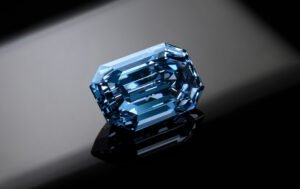
Blue Diamond is a naturally occurring variety of diamond distinguished by its blue coloration, a feature primarily attributed to trace boron impurities or crystal lattice defects formed during geological processes.
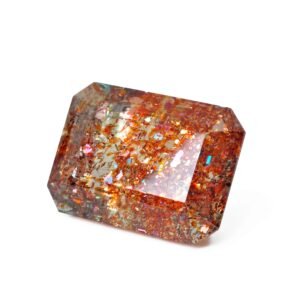
Oregon Sunstone is a unique, gem-quality variety of labradorite feldspar distinguished by its diverse color palette and a distinctive glittering effect caused by microscopic inclusions of elemental copper.
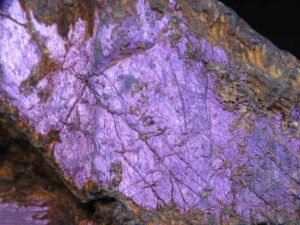
Purpurite is a rare, opaque manganese phosphate mineral found in lithium-rich granite pegmatites, characterized by a distinctive purple-to-magenta coloration, a satin-to-submetallic luster, and a chemical composition that typically forms through the alteration of lithiophilite.
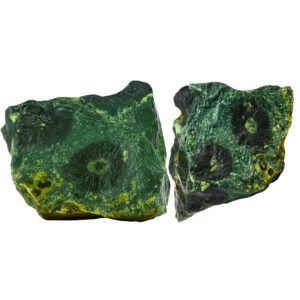
Kambaba Jasper is an opaque, multi-mineral volcanic rock from Madagascar characterized by its dark green rhyolitic matrix and distinctive orbicular structures formed through the silicification of ancient cyanobacterial mats.
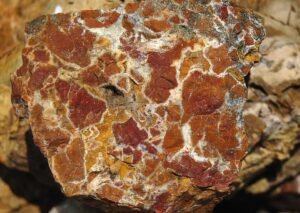
Jasper is a silicon dioxide mineral variety known for its opaque appearance, diverse colors, and distinctive patterns formed by mineral impurities and geological processes.
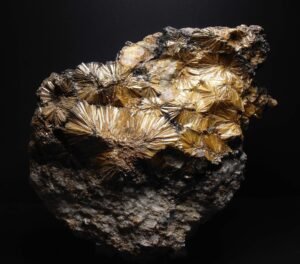
Pyrophyllite is a hydrated aluminum silicate mineral with the chemical formula Al₂Si₄O₁₀(OH)₂, belonging to the phyllosilicate group and commonly occurring in low-grade metamorphic and hydrothermal environments.
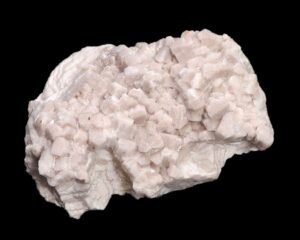
Dolomite is a carbonate mineral with the chemical formula CaMg(CO₃)₂, consisting of calcium, magnesium, carbon, and oxygen arranged in an ordered crystal structure.
Lawsonite is a hydrous calcium aluminum sorosilicate mineral that commonly forms in high-pressure, low-temperature metamorphic environments associated with subduction zones.
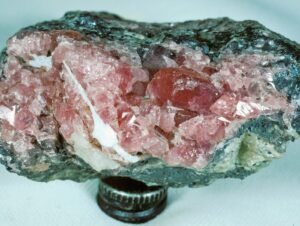
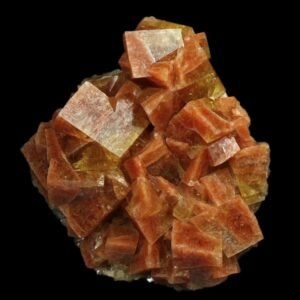
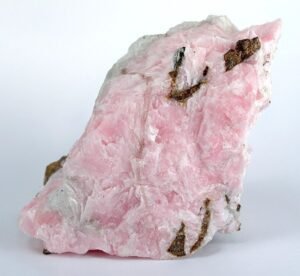
Rhodochrosite is a manganese carbonate mineral with the chemical formula MnCO₃, commonly found in hydrothermal veins and sedimentary manganese deposits and typically characterized by pink to reddish coloration.
Taaffeite is a rare beryllium magnesium aluminum oxide mineral that occurs in the hexagonal crystal system and is known for its distinctive optical properties and gemstone-quality varieties.
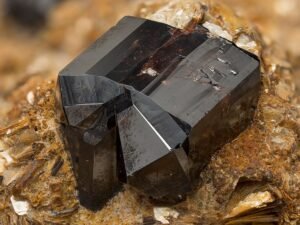
Manganotantalite is a rare tantalum-rich oxide mineral of the columbite–tantalite group, typically found in highly evolved granitic pegmatites and recognized for its high density and dark brown to reddish-brown coloration.
Mellite, also known as honeystone, is a rare organic mineral chemically composed of aluminum mellate and typically found in brown coal deposits as translucent, honey-colored crystals.
Ludlamite is a rare iron phosphate mineral typically found in granitic pegmatites and hydrothermal veins, characterized by its distinct green color and monoclinic crystal structure.
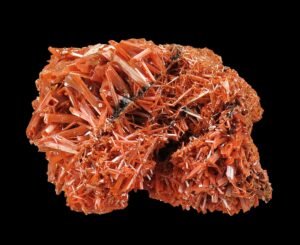
Creedite is a rare halide mineral found in oxidized ore deposits, characterized by its distinct monoclinic crystals that range from colorless to vibrant orange and purple.
Gadolinite is a rare silicate mineral, typically black or dark brown in color, that serves as a primary source of rare-earth elements such as yttrium, cerium, and beryllium.
Ettringite is a hydrous calcium aluminum sulfate mineral known both as a naturally occurring geologic crystal and as a crucial byproduct formed during the hydration of Portland cement.
Eudialyte is a rare and chemically complex sodium-calcium-zirconium cyclosilicate mineral primarily found in peralkaline igneous rocks and valued for its distinctive vibrant red to magenta coloration.
Hodgkinsonite is a rare manganese zinc silicate mineral typically found in granular or prismatic crystalline forms, notable for its distinct pink to reddish-brown coloration.
A versatile and brilliant gemstone, zircon is a natural zirconium silicate mineral celebrated for its high refractive index, exceptional fire, and wide spectrum of colors.
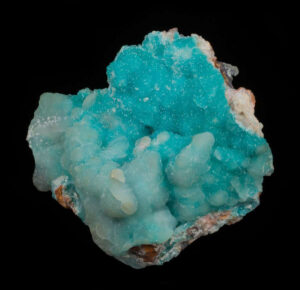
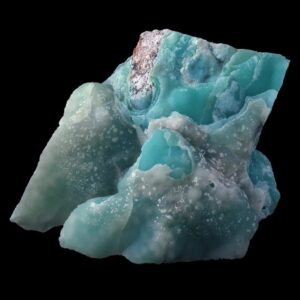
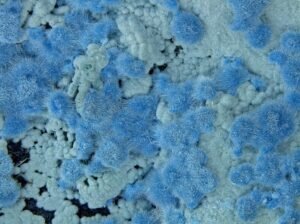
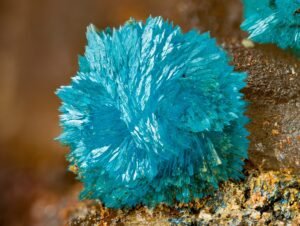
Shattuckite is a rare copper silicate mineral known for its vibrant blue to turquoise color, typically forming as a secondary mineral in copper deposits.
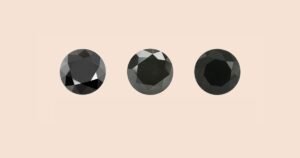
A black diamond, scientifically known as carbonado, is a rare, opaque, and highly dense polycrystalline form of natural diamond composed of millions of microscopic crystals bound together by dark mineral inclusions.
Corundum is a crystalline form of aluminum oxide (Al₂O₃) naturally found in various colors, most notably forming ruby when red and sapphire when exhibiting other hues.
Olivenite is a copper arsenate mineral known for its characteristic olive-green color and typical occurrence in the oxidation zones of copper deposits.
Turquoise is an opaque, blue-to-green phosphate mineral of copper and aluminum, historically valued and widely used as a gemstone in ornamental jewelry.
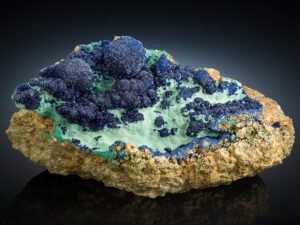
An intense deep-blue copper carbonate mineral known for its vibrant color and frequent association with malachite, commonly used as an ore of copper and a collector’s specimen.
Norbergite is a rare magnesium silicate mineral belonging to the humite group, typically found in contact metamorphic zones and characterized by its distinct yellow to orange coloration.
Humite is a magnesium iron silicate mineral that typically occurs as small, translucent yellow to orange crystals within contact metamorphic environments.
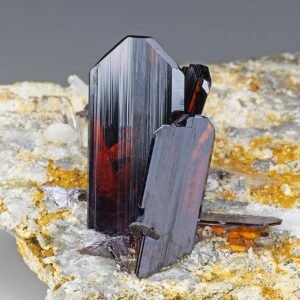
Euxenite is a rare brownish-black mineral and a complex oxide containing rare earth elements, niobium, tantalum, and titanium, typically found in granitic pegmatites.
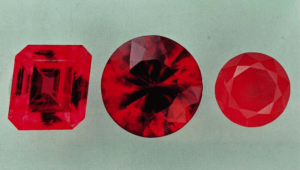
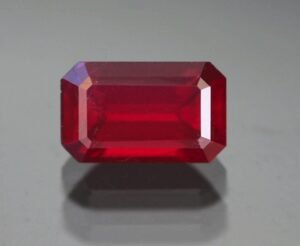
Ruby is a precious red gemstone belonging to the corundum mineral family, renowned for its exceptional hardness and vibrant color, which is primarily derived from the presence of chromium.
Brookite is a rare orthorhombic polymorph of titanium dioxide (TiO₂), typically found as distinct, brittle dark crystals in hydrothermal veins and alpine clefts.
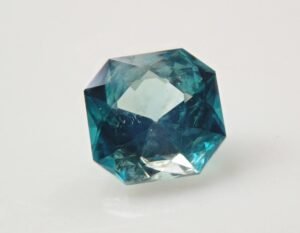
Grandidierite is a rare, bluish-green magnesium aluminum borosilicate mineral first discovered in Madagascar and valued by collectors for its distinct pleochroism and scarcity.
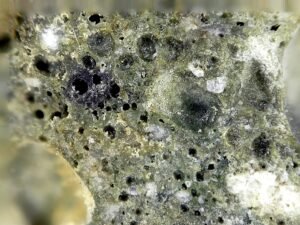
Maskelynite is a naturally occurring glass found in meteorites and impact craters, formed when the mineral plagioclase feldspar is transformed by the intense pressure of a shock wave without melting.
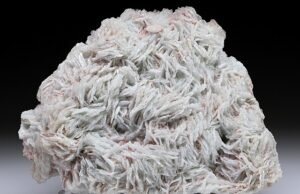
Cleavelandite is a platy, bladed variety of albite feldspar, typically characterized by its thin, white, fan-like crystal aggregates that often form as a late-stage mineral in lithium-bearing pegmatites.
Spectrolite is a rare, high-quality variety of labradorite found in Finland, renowned for displaying a full, vivid spectrum of iridescent colors known as labradorescence.
Hyalophane is a rare barium-rich tectosilicate mineral of the feldspar group, typically occurring as colorless to white translucent crystals with a vitreous luster.
Anorthite is the calcium-rich endmember of the plagioclase feldspar series, commonly found in igneous rocks and notably abundant in the highland crust of the Moon.
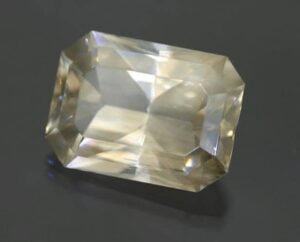
Bytownite is a rare calcium-rich member of the plagioclase feldspar series, typically found in basic igneous rocks and occasionally occurring as pale yellow, translucent gemstones.
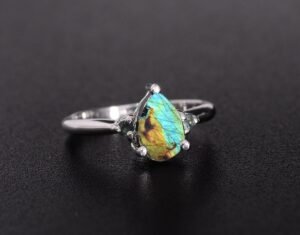
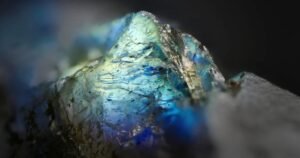
Labradorite is a mesmerizing feldspar mineral celebrated for its labradorescence, a stunning “schiller” effect that displays iridescent flashes of peacock blue, gold, and pale green.
Albite is a common rock-forming mineral and the sodium-rich endmember of the plagioclase feldspar series, typically characterized by its white color and pearly luster.
Anorthoclase is a sodium-rich feldspar mineral typically found in high-temperature volcanic rocks, characterized by its unique triclinic crystal structure and frequent appearance as clear to translucent crystals.
Adularia is a translucent to colorless variety of orthoclase feldspar, typically characterized by its pearly luster and common occurrence in low-temperature hydrothermal veins.
Sanidine is a high-temperature potassium feldspar mineral typically found in volcanic rocks, characterized by its monoclinic crystal structure and often transparent to translucent appearance.
Orthoclase is a common tectosilicate mineral and a key member of the potassium feldspar group, frequently occurring as a primary constituent in igneous rocks like granite.
Pyroxmangite is a manganese silicate mineral typically found in metamorphosed manganese deposits, characterized by its triclinic crystal structure and shades of pink to deep red.
Sphalerite is a brilliant sulfide mineral and the primary ore of zinc, renowned by collectors for an exceptional fire and dispersion that surpasses even that of a diamond.
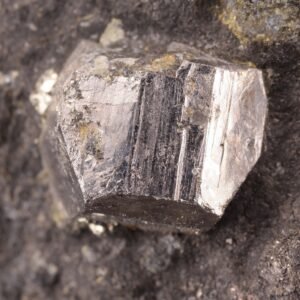
Pyrrhotite is a magnetic iron sulfide mineral known for its bronze-metallic luster and its tendency to cause significant structural damage when it reacts within concrete foundations.
Millerite is a nickel sulfide mineral characterized by its distinct metallic luster and a specialized crystal habit that typically forms delicate, brass-colored acicular or capillary clusters.
Eosphorite is a rare hydrated manganese aluminum phosphate mineral that typically forms translucent, prismatic crystals in shades of pink, orange, or brown within phosphate-rich granite pegmatites.
Niccolite is a metallic nickel arsenide mineral characterized by its pale copper-red hue and its role as a secondary ore in hydrothermal nickel-cobalt deposits.
Legrandite is an exceptionally rare and vibrant canary-yellow mineral, primarily composed of hydrated zinc arsenate and renowned for its spectacular sunburst crystal sprays.
Fergusonite is a rare rare-earth oxide mineral primarily composed of yttrium and niobium that typically occurs in granitic pegmatites and is notable for its metamict state resulting from internal radioactive decay.
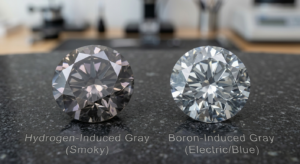
A natural gray diamond is a rare variety of fancy color diamond prized for its sophisticated, smoky-to-metallic luster and unique atomic origin involving hydrogen or boron.
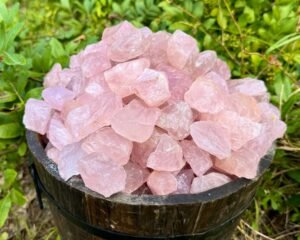
Rose Quartz is a macrocrystalline variety of the mineral quartz distinguished by its translucent to opaque appearance and delicate pink coloration derived from microscopic fibrous inclusions.
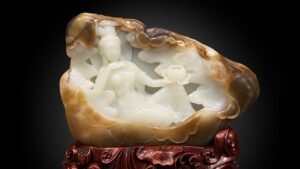
Jadeite is a sodium aluminum silicate mineral that occurs in a wide range of colors and is valued for its high density, structural toughness, and vitreous luster in both gemological and ornamental applications.
Mimetite is a secondary lead mineral primarily found in the weathered oxidation zones of lead deposits, characterized by its distinctive hexagonal crystal structures and a color palette typically ranging from pale yellow to deep orange.
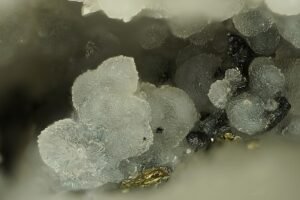
Prosopite is a rare calcium aluminum hydroxy-fluoride mineral, often occurring as white or pale blue-green crystals and pseudomorphs within hydrothermal veins and granitic pegmatites.
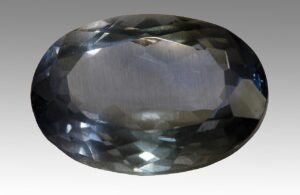
Iolite is a violet-blue, gem-quality variety of the mineral cordierite, recognized for its strong pleochroism and its historical use as a natural polarizing filter for maritime navigation.
Chrysoberyl is a rare and exceptionally durable beryllium aluminum oxide mineral, most renowned for its remarkable hardness and its highly prized varieties, including the color-changing alexandrite and the chatoyant cat’s-eye.
Nephrite is a tough, microcrystalline silicate mineral aggregate of the tremolite-actinolite series, characterized by an interlocking fibrous structure and traditionally prized as one of the two distinct forms of jade.
Microcline is a potassium-rich silicate mineral belonging to the feldspar group that is characterized by its triclinic crystal system and its common occurrence in granitic pegmatites and metamorphic rocks.
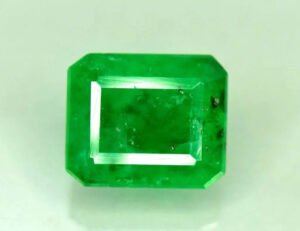
Emerald is a rare and precious gemstone formed by the unlikely geological marriage of crustal beryllium and mantle-derived chromium, prized for millennia as a symbol of rebirth and sovereign power.
Oligoclase is a rock-forming mineral in the plagioclase feldspar series, defined by its intermediate sodium–calcium composition, and is occasionally valued for optical effects such as aventurescence in sunstone varieties.
Cobaltite is a high-luster sulfarsenide mineral and a primary ore of cobalt, valued both as a critical component in lithium-ion batteries and as a distinct cubic crystal specimen for mineral collectors.
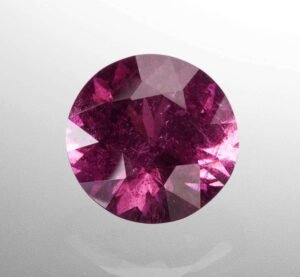
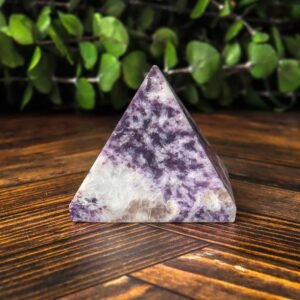
Lepidolite is a lilac-colored, lithium-rich mica mineral valued for its pearly luster, scaly crystal structure, and strategic importance in modern energy and industrial applications.
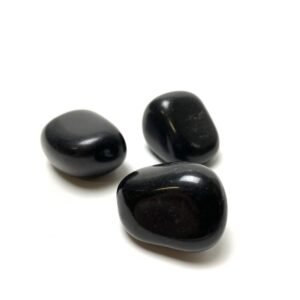
Jet is a unique organic gemstone formed from fossilized wood under extreme pressure over millions of years, renowned for its deep velvety black color, remarkable lightweight feel, and characteristic warmth to the touch.
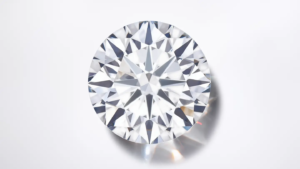
The diamond is a masterpiece of geological time, composed of pure carbon atoms locked in a rigid tetrahedral lattice to create the hardest and most brilliant natural substance on Earth.
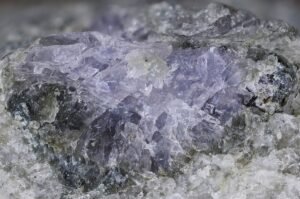
Canasite is a rare, alkaline silicate mineral characterized by its fibrous or prismatic crystalline structure and a color palette that typically ranges from violet to yellow-green.
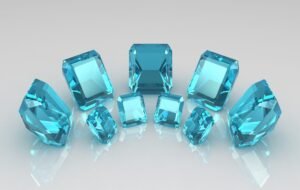
Aquamarine: The serene “birthstone of March,” prized for its crystalline clarity and ocean-like hues, it remains an eternal symbol of tranquility, courage, and regal elegance.
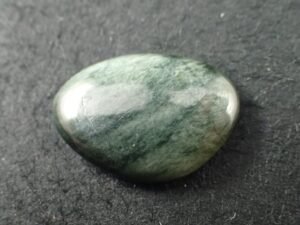
Bloodstone is an ancient, durable chalcedony prized for its deep forest-green base speckled with vibrant red hematite, historically revered as a powerful talisman of protection, courage, and vitality.
While used in jewelry for millennia, pure glass is naturally brittle and dull; however, through the addition of specific minerals, it can be transformed into a vibrant, durable, and brilliant gemstone simulant.
Anglesite is a brilliant but fragile lead sulfate mineral prized by collectors for its diamond-like luster and exceptional fire, though its softness and high lead content make it more suitable for display than for jewelry.
Coral is an organic gemstone formed from the calcium carbonate skeletons of colonial marine polyps, prized since antiquity for its vibrant hues and unique biological origin.
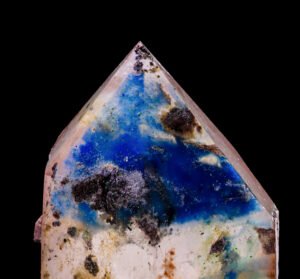
Papagoite is an exceptionally rare secondary copper silicate mineral, most highly prized in the gemological world for forming vibrant, electric blue “phantom” inclusions within clear quartz crystals.
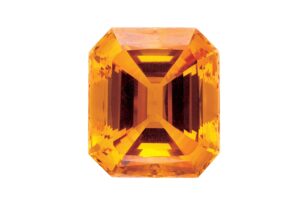
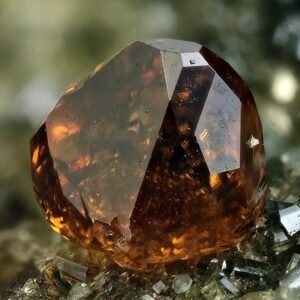
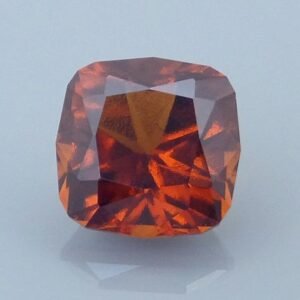
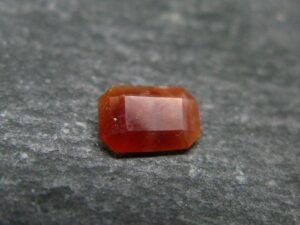
Hessonite is a captivating variety of grossular garnet, prized for its warm color palette ranging from golden yellow to cinnamon brown and its unique “whisky in water” internal texture.
Chabazite is a versatile zeolite mineral characterized by its pseudo-cubic rhombohedral crystals and a highly porous aluminosilicate framework that makes it an exceptional natural molecular sieve for ion exchange and gas filtration.
Sillimanite is a high-temperature metamorphic mineral prized industrially for its extreme heat resistance and valued by collectors for its rare, luminous “cat’s eye” optical effect.
Bustamite is a rare manganese silicate mineral prized by collectors for its beautiful spectrum of pink to reddish-brown hues and its unique crystal structure within the pyroxenoid group.
While streak testing is a fundamental and reliable technique for identifying minerals by their powdered color, it is classified as a destructive test and is therefore rarely performed on finished gemstones to avoid permanent surface damage.
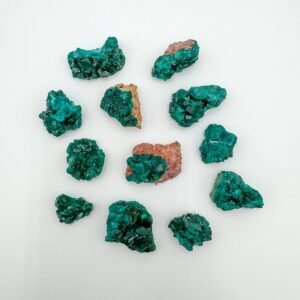
A rare copper silicate mineral celebrated for its intense, emerald-like saturation, Dioptase is a prized collector’s gem that balances breathtaking visual brilliance with a delicate, fragile structure.
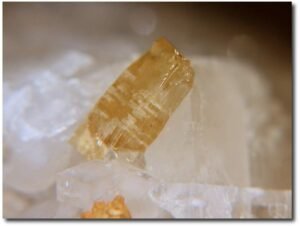
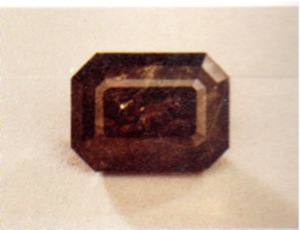
Bismutotantalite is an exceptionally rare, amber-to-brown collector’s gemstone in the tantalite group, prized for its scarcity but considered too fragile for jewelry due to its low hardness and distinct cleavage.
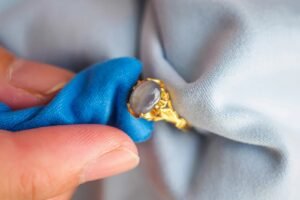
Since gemstones vary in physical properties, using warm water with mild soap and a soft brush is the only universally safe way to maintain the beauty and integrity of your jewelry.
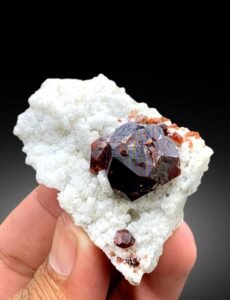
Grossular garnet is a versatile calcium-aluminum species of the garnet group, celebrated in gemology for its diverse color palette ranging from the vivid green of Tsavorite to the warm, honey-toned “cinnamon stone” known as Hessonite.
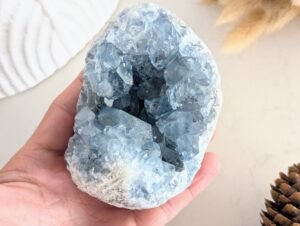
Celestite is a delicate strontium sulfate mineral prized for its ethereal pale-blue color and its association with mental clarity and spiritual tranquility.
Friedelite is a rare manganese silicate mineral, typically found in hydrothermal veins, characterized by its distinctive rose-red to brownish-orange crystals and complex sheet-silicate structure.
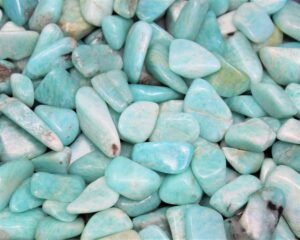
Amazonite is a vibrant blue-green variety of microcline feldspar. Found primarily in granitic pegmatites, it is distinguished by its unique “grid-like” perthitic texture and a color derived from trace lead impurities.
Actinolite is a striking green amphibole mineral prized by collectors for its radiating needle-like crystals and its rare, chatoyant “cat’s eye” gemstone variety.
This guide explores the physical mechanics of gemstone cleavage, detailing how internal atomic structures dictate a crystal’s tendency to split along specific planes and how these grades impact jewelry durability.
This article provides a comprehensive guide to gemstone and diamond grading standards, covering the “4Cs” of diamonds, the nuances of colored stone evaluation, and the professional tools used to determine a gem’s quality and market value.
Garnet is a diverse group of silicate minerals renowned for their rich red hues, exceptional brilliance, and durability, serving as the traditional birthstone for January.