
Corundum is a naturally occurring crystalline form of aluminum oxide with the chemical formula Al₂O₃. It is among the most important oxide minerals in mineralogy and gemology, recognized for its exceptional hardness, chemical stability, and broad geological distribution. Corundum crystallizes in the trigonal crystal system and is distinguished by its highly compact atomic structure, which contributes directly to its remarkable physical durability. With a Mohs hardness of 9, corundum is the second-hardest naturally occurring mineral after diamond, making it highly resistant to abrasion and mechanical wear.In its pure form, corundum is colorless and transparent. However, trace amounts of transition metals incorporated into the crystal lattice can produce a wide range of colors and optical effects. Chromium impurities generate the vivid red coloration characteristic of Ruby, while iron and titanium are primarily responsible for the blue coloration seen in Sapphire. Other trace-element combinations may produce yellow, pink, green, orange, violet, or colorless varieties commonly referred to as fancy sapphires. Due to its hardness, thermal stability, and resistance to chemical corrosion, corundum also has major industrial significance and is extensively used in abrasives, refractory materials, optical windows, semiconductors, and precision scientific instruments.
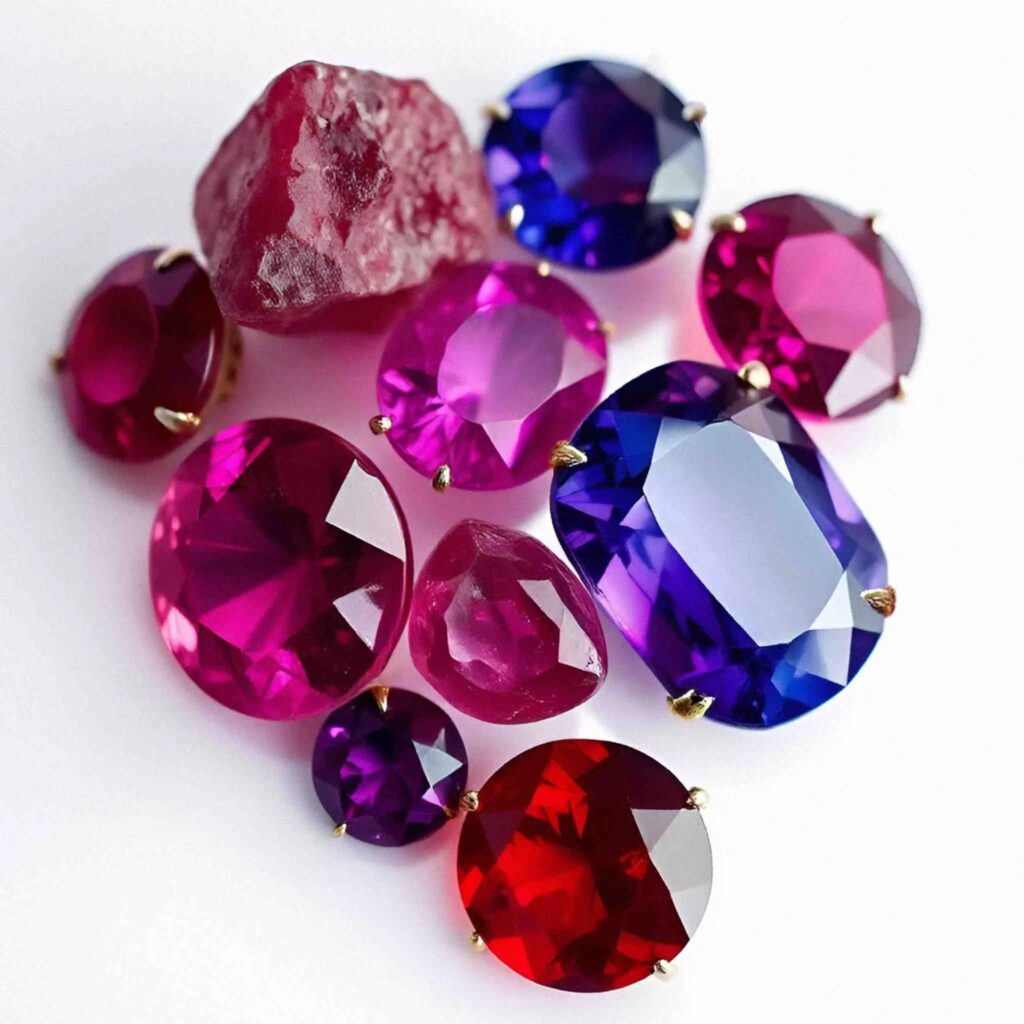
The formation of corundum requires geological environments that are rich in aluminum but relatively deficient in silica. Under silica-rich conditions, aluminum typically combines with silicon and oxygen to form silicate minerals such as feldspar or mica rather than crystallizing as aluminum oxide. As a result, corundum develops only under specialized geochemical conditions where free silica is limited and high temperatures or pressures are present.
Most natural corundum forms through metamorphic processes deep within the Earth’s crust. During regional or contact metamorphism, aluminum-rich sedimentary rocks such as shale, clay-rich sediments, and bauxite deposits are subjected to elevated temperatures and pressures, causing existing minerals to recrystallize into corundum. Gem-quality ruby commonly forms within metamorphosed marble deposits, where low silica content allows aluminum oxide crystals to develop without interference from silicate mineral formation. Corundum may also crystallize directly from silica-poor igneous magmas in rocks such as syenites, nepheline syenites, and pegmatites. In these environments, the chemical composition of the magma prevents aluminum from bonding extensively with silica, enabling corundum crystallization.Due to its extreme hardness and chemical resistance, corundum is highly stable during weathering and erosion. Over long geological timescales, corundum crystals released from their original host rocks are transported by rivers and streams, eventually accumulating in secondary alluvial or placer deposits. These placer deposits are often economically important because they can contain concentrated accumulations of gem-quality rubies and sapphires that are easier to mine than their original bedrock sources.
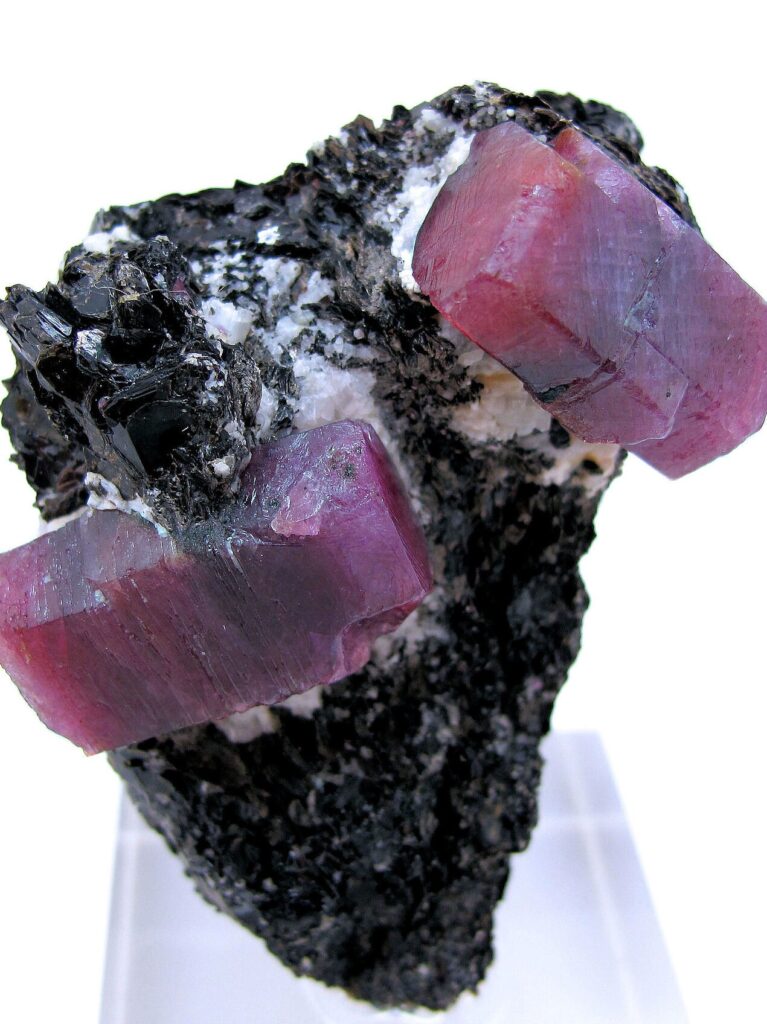
The history of Corundum extends back thousands of years and is closely associated with the development of trade, gemology, and mineral science across numerous civilizations. The term “corundum” is believed to derive from the Sanskrit word kuruvinda, historically used in the Indian subcontinent to describe ruby and related hard gemstones. Ancient cultures throughout Asia, the Middle East, and Europe highly valued rubies and sapphires for their rarity, durability, and vivid coloration. These gemstones were widely traded along major commercial routes such as the Silk Road and frequently symbolized royalty, spiritual authority, protection, and wealth.Scientific understanding of corundum advanced significantly during the late eighteenth and early nineteenth centuries as modern mineralogy emerged as a formal scientific discipline. In 1798, British mineral collector and chemist Charles Greville identified corundum as a distinct mineral species. Shortly afterward, French mineralogist René Just Haüy demonstrated that ruby and sapphire were chemically identical varieties of the same mineral rather than separate gemstone species. This discovery established an important foundation for modern gemological classification.
A major technological milestone occurred in the late nineteenth century when French chemist Auguste Verneuil developed the flame-fusion process for producing synthetic corundum crystals. The Verneuil method enabled the large-scale production of laboratory-grown rubies and sapphires, revolutionizing both the gemstone industry and industrial manufacturing. Since then, synthetic corundum has become an essential material in applications ranging from watch bearings and laser technology to high-performance abrasives, semiconductors, and scratch-resistant optical components.
Crystal Structure of Corundum
Corundum crystallizes in the trigonal division of the hexagonal crystal system and belongs to the space group R-3c, one of the most structurally compact and stable arrangements found among oxide minerals. Its atomic framework is composed of a nearly ideal hexagonal close-packed lattice of oxygen anions (O²⁻), within which aluminum cations (Al³⁺) occupy approximately two-thirds of the available octahedral interstitial sites. This partial occupation creates a highly ordered arrangement of edge- and face-sharing AlO₆ octahedra that extend continuously throughout the crystal structure. The strong electrostatic bonding between aluminum and oxygen atoms contributes significantly to corundum’s remarkable structural rigidity, chemical durability, and resistance to deformation under high-pressure geological environments.
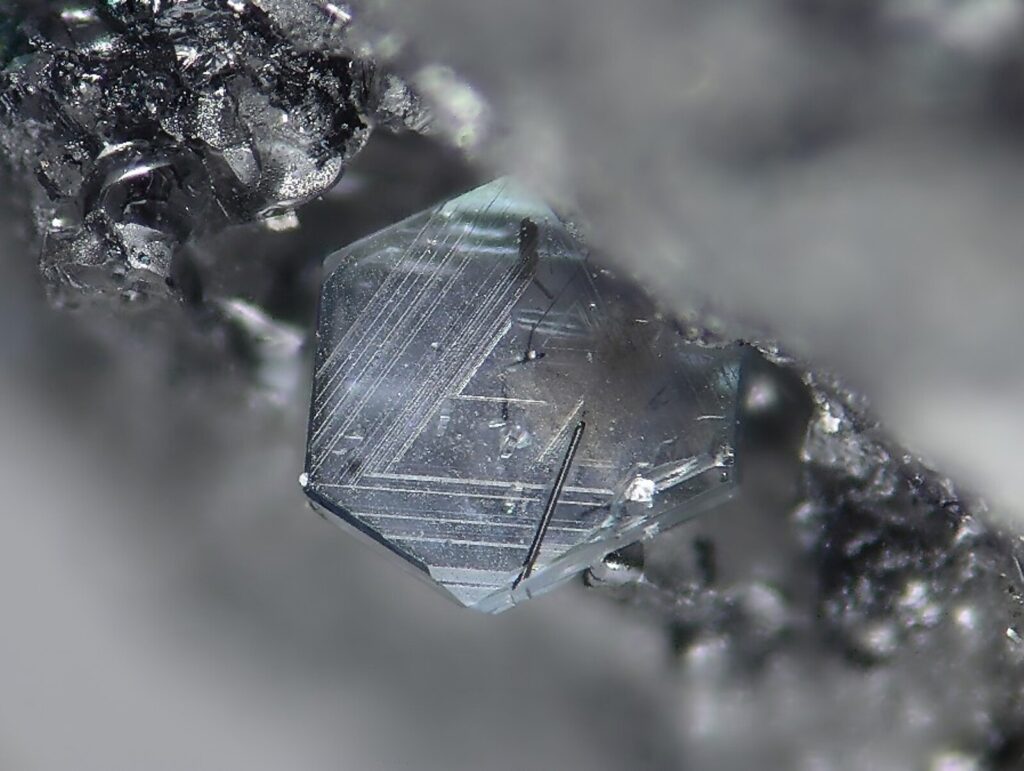
The crystal morphology of corundum commonly reflects its internal symmetry, typically forming barrel-shaped hexagonal prisms, short tabular crystals, steep bipyramidal forms, or granular massive aggregates. Well-developed crystals often display distinct basal parting, hexagonal growth zoning, and fine striations parallel to the crystal faces, indicating variations in growth conditions during formation. Corundum may also exhibit twinning and deformation lamellae produced by tectonic stress or metamorphic recrystallization. Because of its dense atomic packing and strong covalent-ionic bonding character, the mineral is highly resistant to weathering, mechanical abrasion, and thermal alteration, allowing it to persist in both igneous and metamorphic rocks as well as secondary placer deposits.
Color and Optical Properties
Pure corundum is intrinsically colorless and transparent, a variety traditionally known as white sapphire or leucosapphire. However, naturally occurring corundum is rarely chemically pure. Trace concentrations of transition metal elements substituting for aluminum within the crystal lattice produce an exceptionally wide range of colors, making corundum one of the most important gem mineral groups in the world. Chromium ions (Cr³⁺) are responsible for the vivid red coloration of ruby through selective absorption in the visible spectrum, while the classic blue coloration of sapphire results primarily from intervalence charge transfer between iron (Fe²⁺) and titanium (Ti⁴⁺) ions. Other trace elements such as vanadium, nickel, magnesium, and ferric iron can generate pink, yellow, green, purple, orange, or color-changing varieties depending on their concentration and valence state.
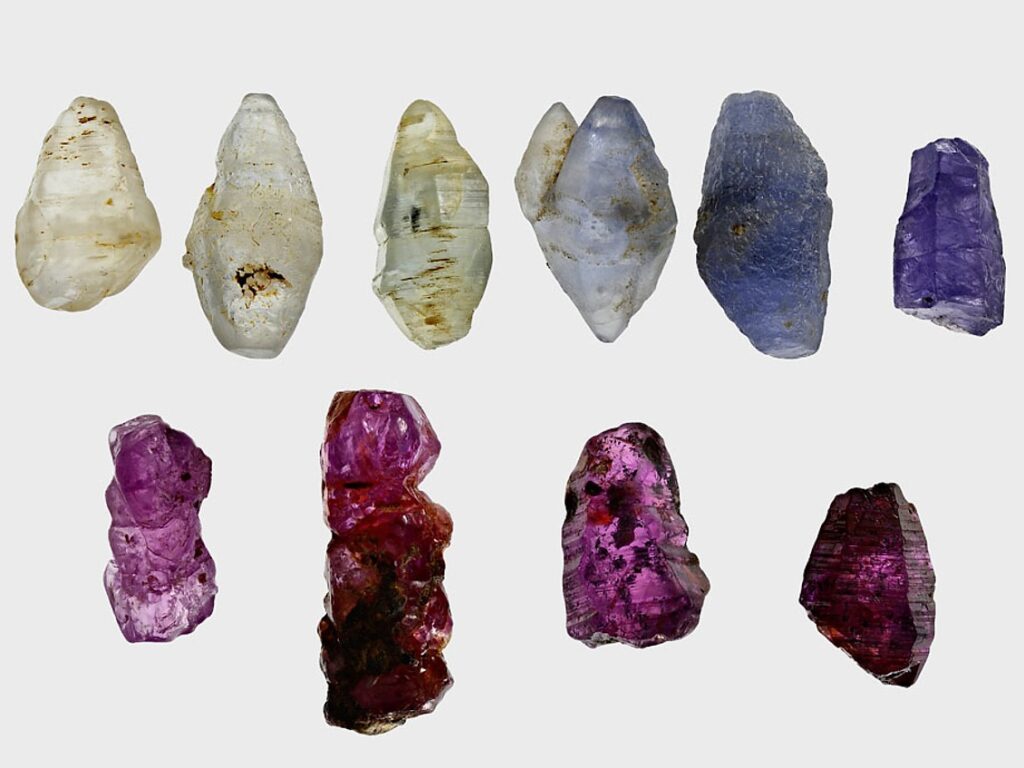
Optically, corundum is a uniaxial negative mineral with refractive indices generally ranging from nω = 1.768–1.772 and nε = 1.760–1.763, producing a birefringence of approximately 0.008. Although relatively low, this birefringence is sufficient to create noticeable optical effects in gem-quality material. Corundum frequently displays strong pleochroism, particularly in colored varieties, where different crystal orientations exhibit varying hues and intensities when viewed under polarized light. This optical anisotropy is especially significant in ruby and sapphire cutting, as gem orientation strongly influences color saturation and brilliance. In addition, microscopic rutile (TiO₂) inclusions aligned along crystallographic directions can produce optical phenomena such as asterism (star effect) and chatoyancy when cut en cabochon. These inclusions scatter reflected light into sharp luminous bands, creating highly valued star rubies and star sapphires.
Types and Varieties of Corundum
Corundum is a crystalline aluminum oxide mineral (Al₂O₃) that occurs in numerous gem-quality and industrial varieties. Although all forms of corundum share the same crystal structure and chemical composition, trace elements such as chromium, iron, titanium, and vanadium can significantly alter their coloration and optical characteristics. These variations give rise to some of the world’s most valuable gemstones, including ruby and sapphire.
Gem-quality corundum is generally divided into two primary categories: Ruby and Sapphire. Ruby refers specifically to red corundum colored mainly by chromium, while all other transparent non-red varieties are classified as sapphire. Certain specimens also display unique optical phenomena such as asterism and chatoyancy caused by microscopic rutile inclusions within the crystal lattice.
Main Varieties of Corundum
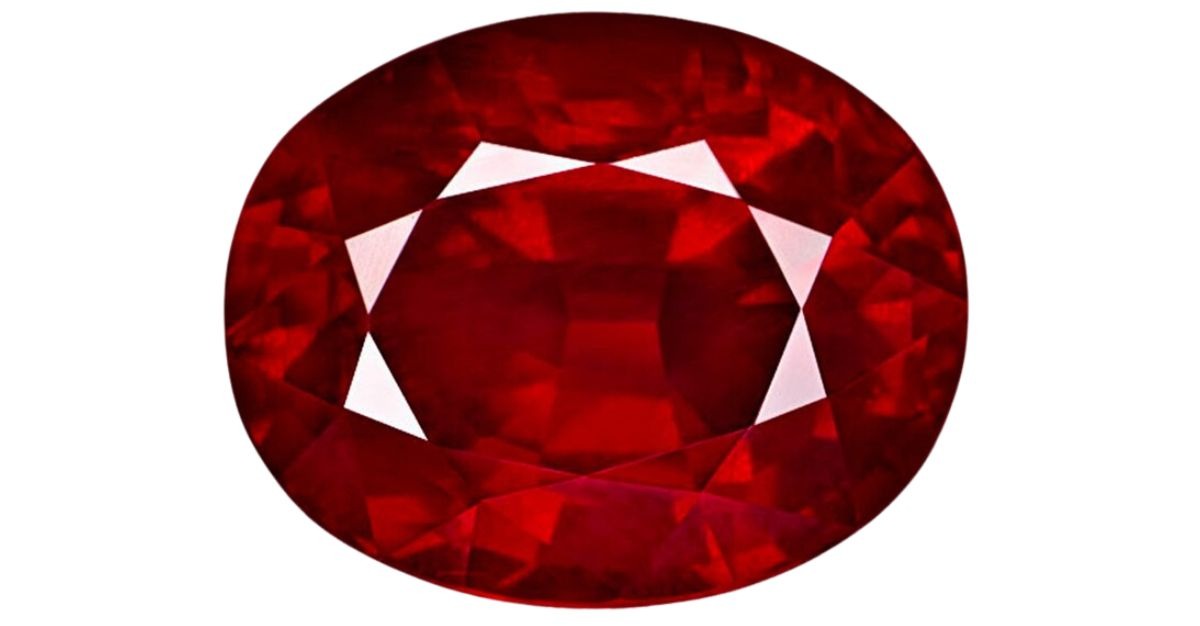
Ruby
The red variety of corundum colored by chromium (Cr³⁺). Ruby is among the most valuable gemstones and ranges from vivid scarlet to deep crimson-red hues.
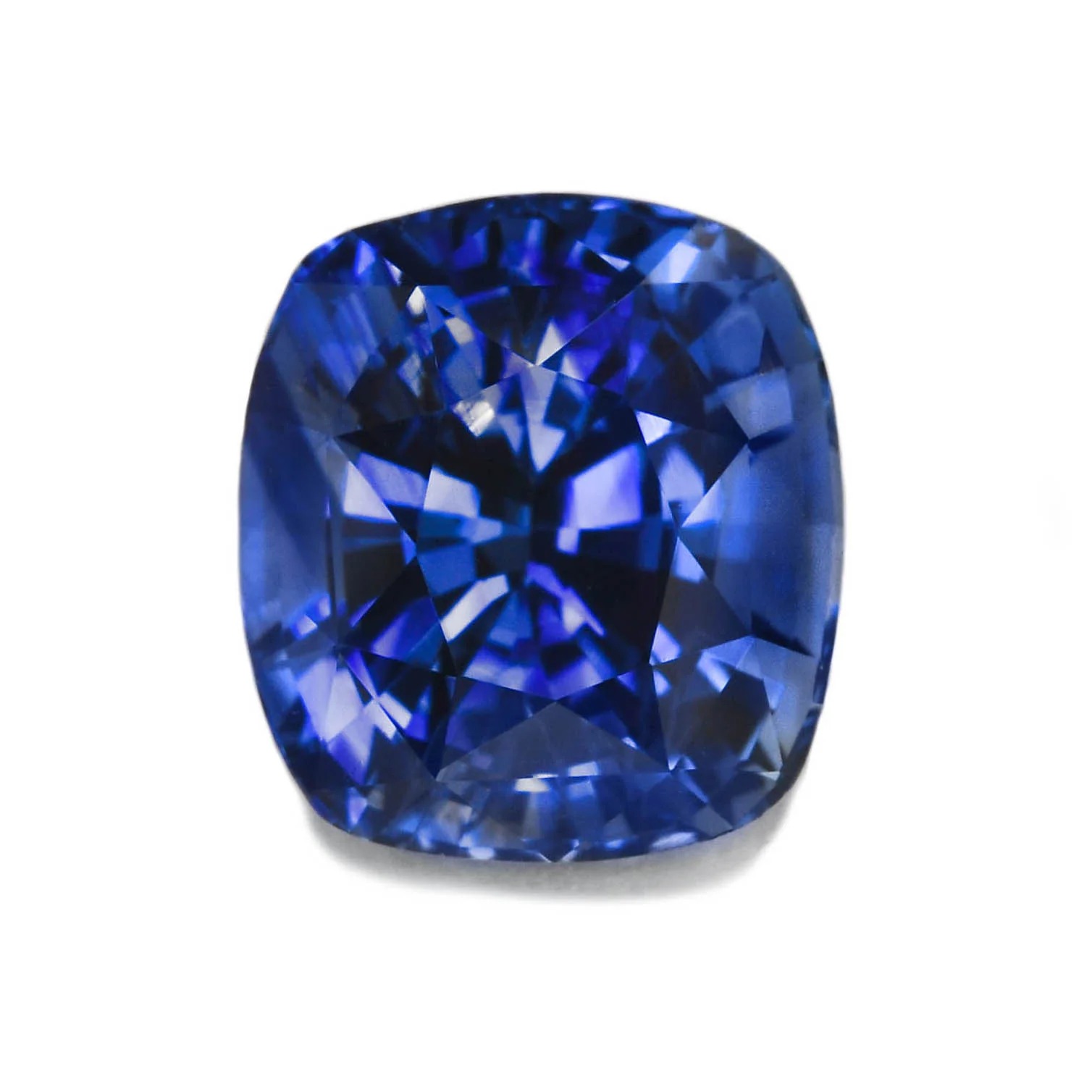
Blue Sapphire
A blue variety of corundum primarily colored through interactions between iron and titanium ions within the crystal structure.
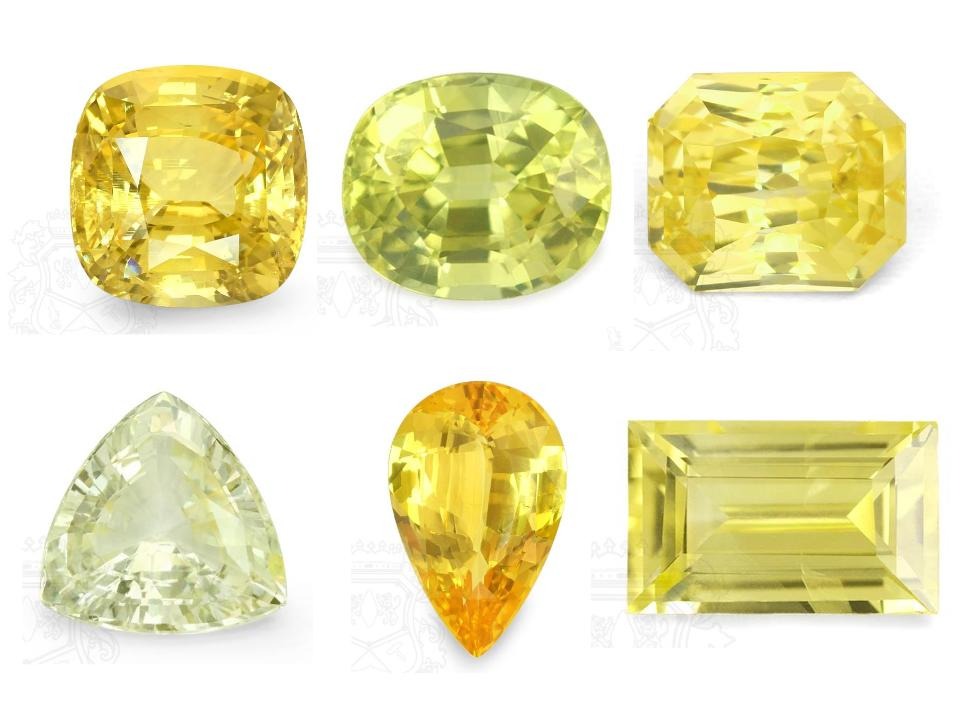
Yellow Sapphire
Yellow sapphire derives its coloration mainly from ferric iron and may vary from pale yellow to rich golden-orange shades.
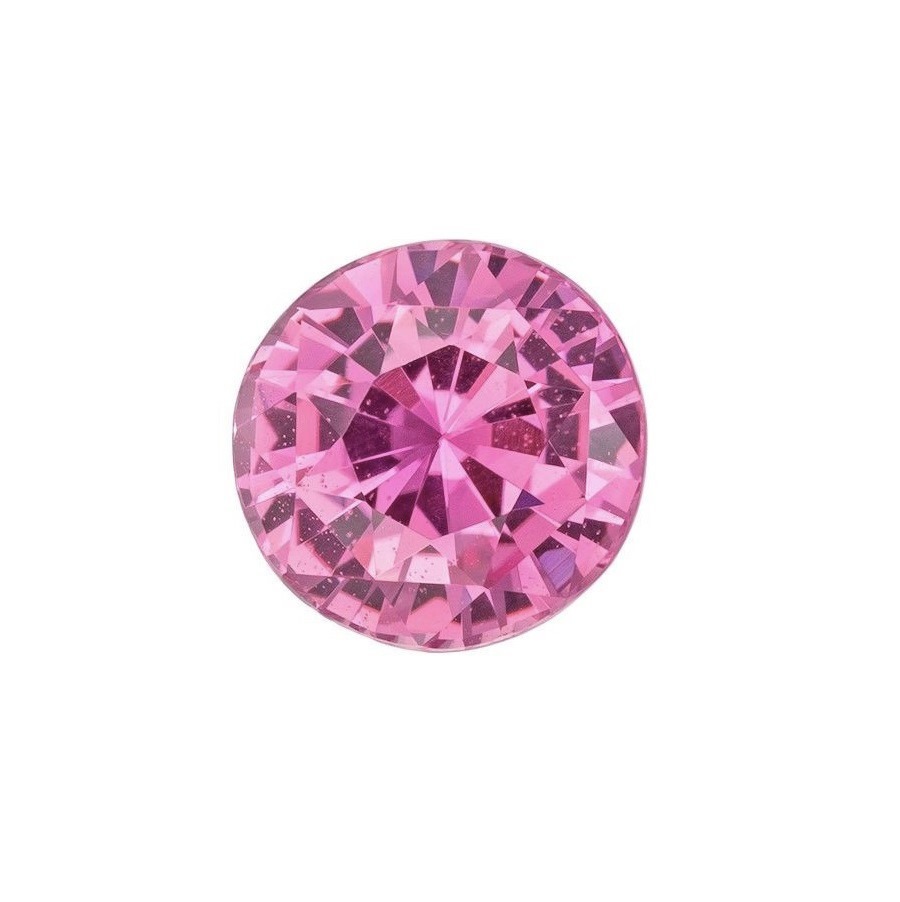
Pink Sapphire
A pink sapphire variety containing small amounts of chromium, displaying colors from delicate pastel pink to vivid magenta tones.
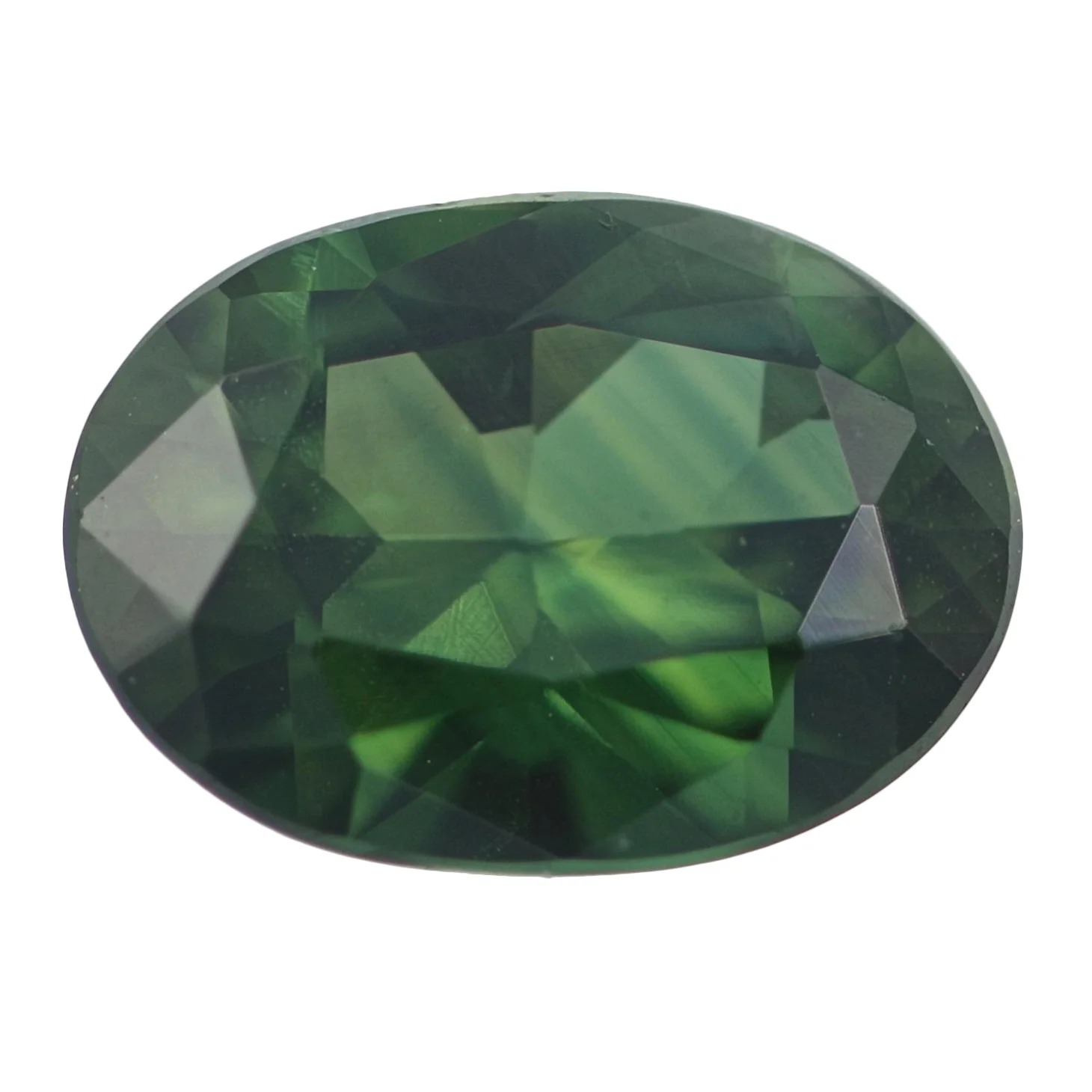
Green Sapphire
Colored by varying amounts of iron (and sometimes titanium), green sapphires range from olive and mint green to deep forest hues.
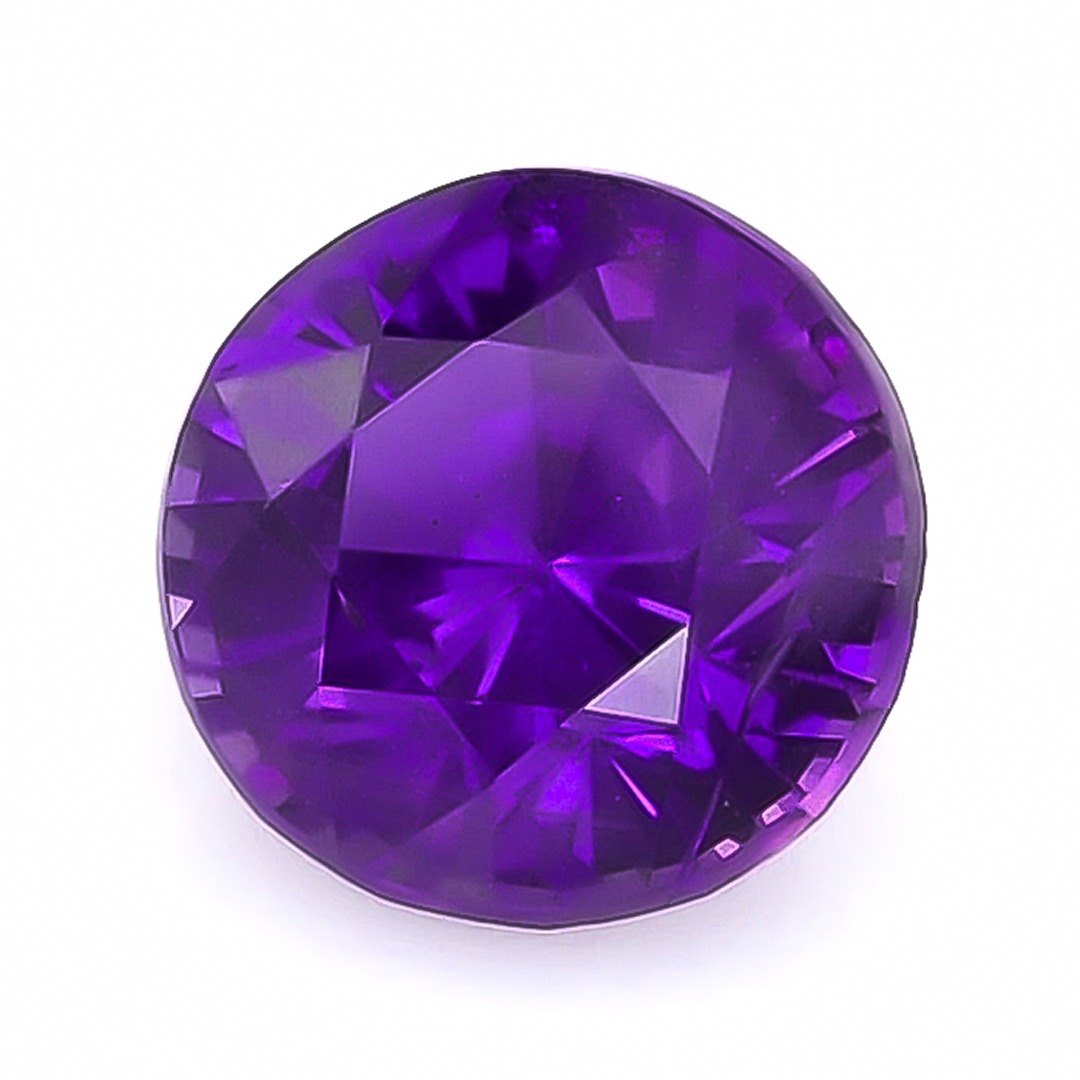
Purple Sapphire
Often containing trace amounts of both chromium and iron/titanium, this variety features shades ranging from light lavender to deep violet.
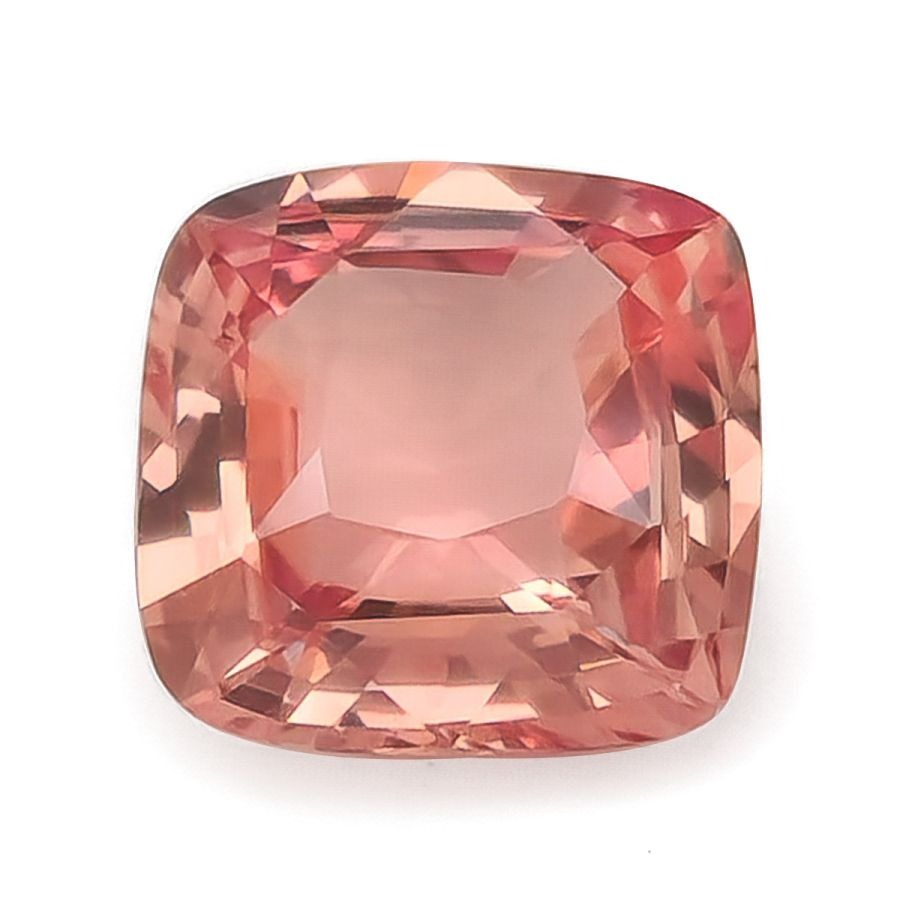
Padparadscha Sapphire
A rare pink-orange sapphire highly prized for its lotus-blossom coloration and exceptional rarity within the gemstone market.
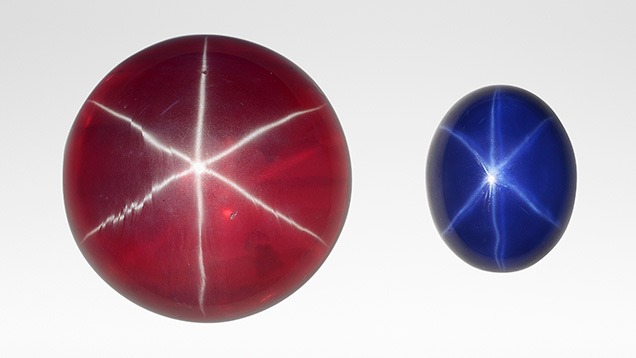
Star Sapphire & Star Ruby
Special corundum varieties exhibiting asterism, a star-shaped optical effect produced by aligned rutile needle inclusions.
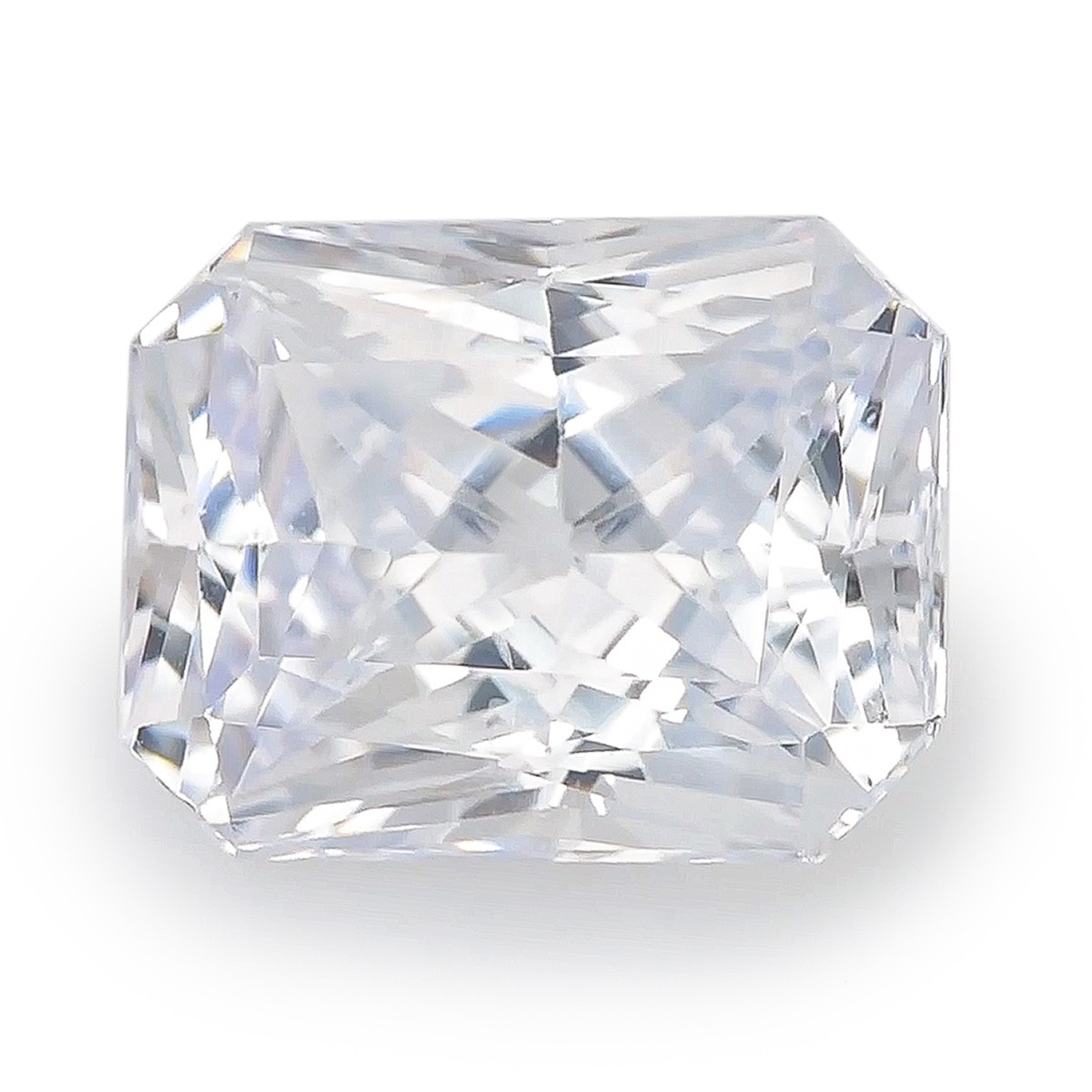
White Sapphire
Colorless transparent corundum lacking major impurities, commonly referred to as leucosapphire in gemological terminology.
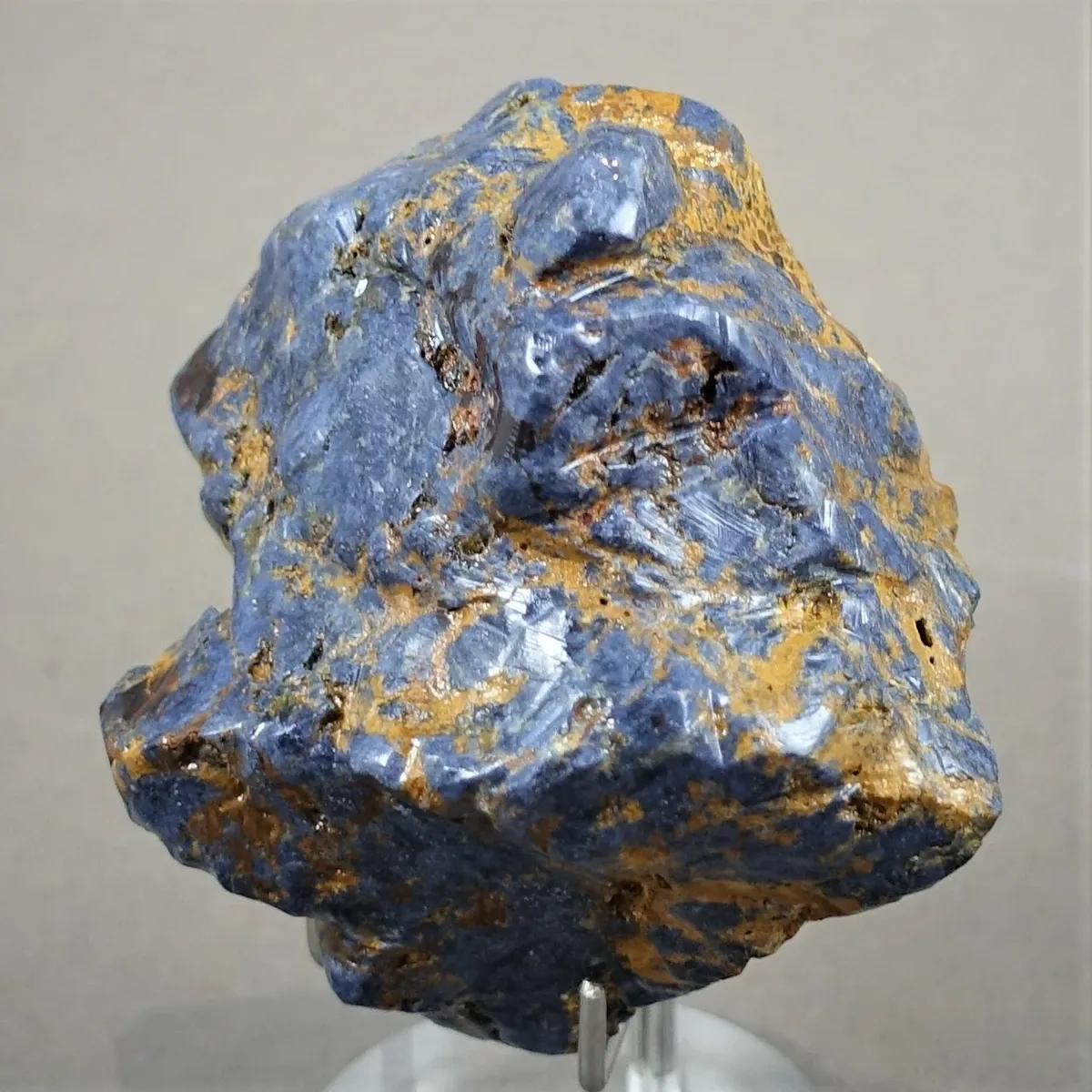
Emery
A granular industrial rock composed largely of corundum mixed with minerals such as magnetite and spinel, widely used as an abrasive.
Industrial and Synthetic Corundum
In addition to natural gemstone varieties, synthetic corundum is extensively manufactured for industrial and technological applications. Laboratory-grown sapphire and ruby are used in watch crystals, optical windows, semiconductors, laser systems, smartphone camera lenses, and advanced abrasives. Synthetic corundum possesses the same crystal structure and hardness as natural material while offering exceptional purity and controlled coloration.
Physical and Chemical Properties
Chemically, corundum is crystalline aluminum oxide with the formula Al₂O₃, consisting of approximately 52.9% aluminum and 47.1% oxygen by weight. It is one of the most chemically stable naturally occurring oxide minerals and remains highly resistant to alteration under ordinary environmental conditions. Corundum is insoluble in water and exhibits strong resistance to most acids, alkalis, and chemical reagents. Only under extremely high temperatures or in molten fluxes such as borax and potassium bisulfate does significant dissolution occur. This chemical inertness contributes to its long-term preservation in a wide variety of geological settings, including high-grade metamorphic terrains, igneous intrusions, and sedimentary placer environments.
Physically, corundum is best known for its exceptional hardness of 9 on the Mohs scale, making it the second-hardest naturally occurring mineral after diamond. Its hardness corresponds to a Knoop hardness value approaching 2,000 kg/mm², giving it extraordinary resistance to scratching and abrasion. Corundum also possesses a relatively high specific gravity, typically ranging from 3.95 to 4.10, which is unusually dense for a non-metallic mineral. The mineral lacks true cleavage due to its tightly bonded atomic structure, instead displaying subconchoidal to uneven fracture surfaces. However, it may develop basal or rhombohedral parting planes associated with structural stress or polysynthetic twinning. Corundum additionally exhibits a very high melting point of approximately 2,044°C (3,711°F), excellent thermal stability, and strong thermal conductivity. These combined physical properties make it critically important not only as a gemstone but also as an industrial abrasive, refractory material, precision bearing component, and advanced ceramic used in high-temperature and high-wear technological applications.
Applications of Corundum
Corundum is one of the most economically and technologically important oxide minerals due to its exceptional hardness, thermal stability, and chemical resistance. In gemology, transparent varieties of corundum are known as ruby and sapphire, which have been valued for centuries as premium gemstones in jewelry, luxury watches, and decorative arts. Beyond gemstones, industrial-grade corundum is extensively utilized as a high-performance abrasive material because of its Mohs hardness of 9, second only to diamond among naturally occurring minerals. Crushed corundum and emery are widely incorporated into sandpapers, grinding wheels, polishing compounds, and cutting tools used in metalworking, woodworking, glass finishing, and precision machining. Its extremely high melting point of approximately 2,044°C, combined with excellent resistance to chemical corrosion and thermal shock, also makes corundum an essential component in refractory bricks, furnace linings, kiln interiors, and spark plug insulators designed for high-temperature industrial environments.
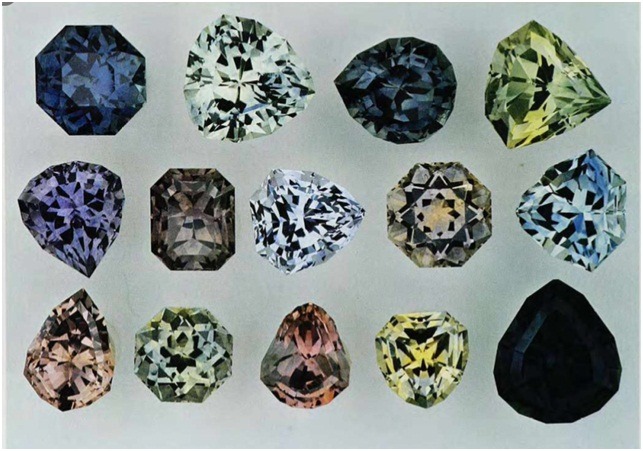
Synthetic corundum has become equally important in modern advanced technology industries. Laboratory-grown sapphire crystals produced through methods such as the Verneuil, Czochralski, and flux-growth processes are widely used in optics, electronics, and engineering applications. Synthetic sapphire possesses outstanding scratch resistance, optical transparency, electrical insulation, and thermal conductivity, making it ideal for watch crystals, laser components, optical windows, smartphone camera covers, biometric scanner surfaces, and high-pressure scientific instruments. In semiconductor manufacturing, sapphire wafers serve as stable substrates for LEDs, microwave circuits, and high-power electronic devices. In metaphysical and crystal-healing traditions, corundum is regarded as a mineral associated with strength, clarity, discipline, and spiritual balance. Different color varieties are believed to possess distinct symbolic meanings: ruby is commonly associated with vitality, courage, and grounding energy; blue sapphire is linked to wisdom, mental clarity, and intuition; while colorless or white corundum is often connected with spiritual awareness and higher consciousness. Although these beliefs are cultural and spiritual rather than scientific, corundum continues to hold significant symbolic importance in many traditions around the world.