
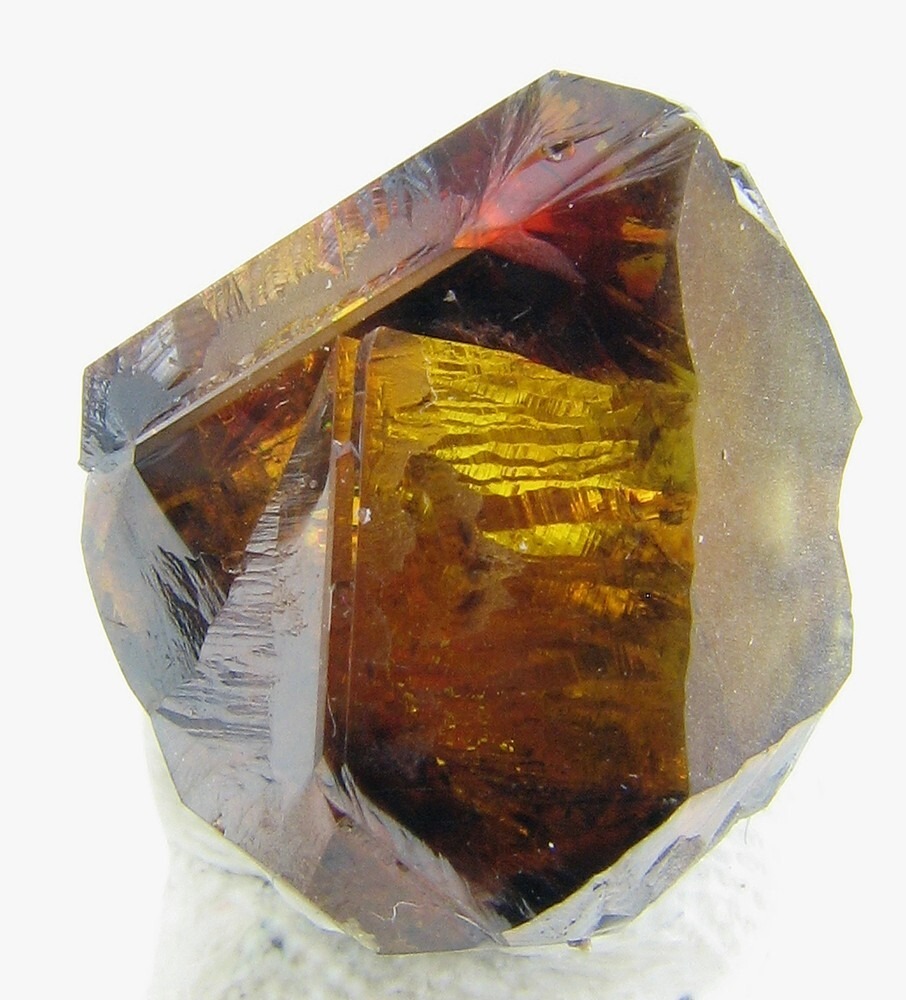
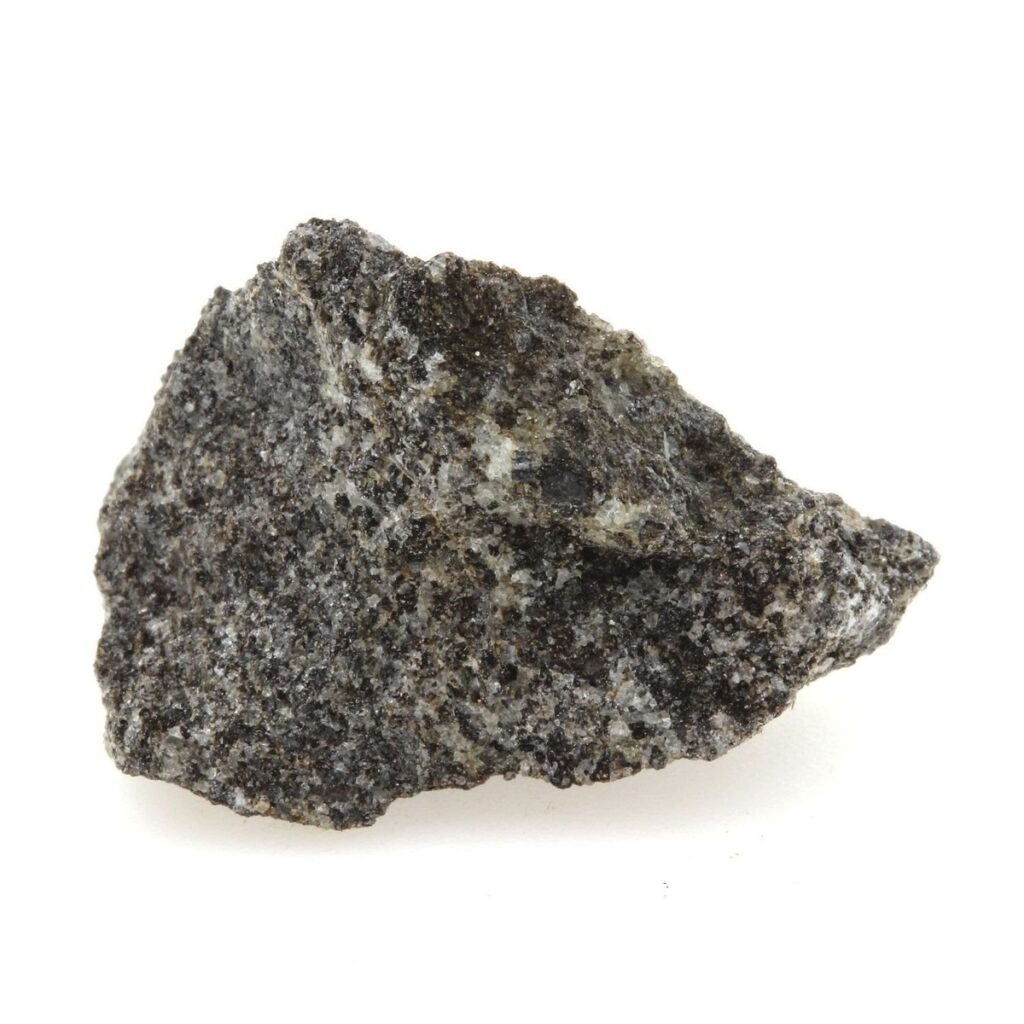
Sphalerite is a sulfide mineral serving as the world’s most significant and primary ore of zinc. As a mineral, it is renowned for its complex crystallography and its remarkable optical properties; when found in gem-quality crystals, it exhibits a “fire” or dispersion nearly three times higher than that of a diamond. This high dispersion means that light entering the stone is split into a rainbow of colors, creating a visual brilliance that few other minerals can match. Physically, it often appears in colors ranging from yellowish-brown and honey-red to a deep, metallic black—a variety known as blackjack—depending on the iron content present in its structure. It typically crystallizes in the isometric system, frequently forming tetrahedral or dodecahedral crystals that possess a distinct resinous to adamantine luster and a characteristic pale yellow to brown streak. Because of its relatively low hardness, it is prized more by mineral collectors and as a display gemstone than as a stone for high-wear jewelry, yet it remains one of the most fascinating minerals in the earth’s crust.
How does Sphalerite form in the ground?
The formation of sphalerite occurs across a diverse range of geological environments, though it is most commonly associated with hydrothermal activity. It forms through the precipitation of sulfide-rich fluids in medium-to-low temperature hydrothermal veins, often occurring alongside other minerals like galena, pyrite, chalcopyrite, and calcite. These veins act as plumbing systems within the Earth, carrying dissolved metals from deep sources and depositing them in cracks and fissures as the fluids cool. Beyond vein deposits, sphalerite is a major constituent of Mississippi Valley-type (MVT) deposits, where it replaces carbonate rocks like limestone and dolostone. In these scenarios, the mineral-rich water reacts with the host rock, literally swapping out the existing material for zinc sulfide over millions of years. It can also be found in sedimentary exhalative (SEDEX) deposits, which form on the seafloor, and occasionally in metamorphic rocks or as a primary mineral in certain igneous rocks. The inclusion of iron within its lattice is a result of the temperature during formation; higher temperatures generally allow for higher iron substitution, which darkens the mineral’s appearance and makes it more opaque.
The story behind the mineral and its name
The history of sphalerite is deeply intertwined with the evolution of metallurgy and mineralogy. The mineral was originally called blende in 1546 by Georgius Agricola, who is often referred to as the father of mineralogy. Following Agricola’s initial classification and prior to its modern naming, it was known by a variety of chemical-based names, including zincum. It was not until 1847 that Ernst Friedrich Glocker officially named the mineral Sphalerite. He chose this name from the Greek word sphaleros, which translates to treacherous or deceiving. This was a direct allusion to the frustration of early miners, as the dark varieties of the mineral were easily mistaken for galena, the primary ore of lead. Despite the visual similarity, these miners found that the mineral yielded no lead during the smelting process, leading to its reputation as a deceptive stone.
While zinc-bearing ores were used as far back as antiquity to create brass, sphalerite itself remained misunderstood for centuries because it lacked the predictable metallic yield of other common ores. As chemical analysis became more sophisticated during the 18th and 19th centuries, researchers finally identified it as a vital and abundant source of zinc. Today, its historical significance has expanded from a mere industrial commodity to a critical resource for high-tech applications. It often contains trace amounts of rare elements like cadmium, gallium, and indium, which are essential for modern electronics, high-efficiency solar cells, and green energy technologies, making it a mineral that bridges the gap between ancient metalworking and the future of technology.
The different varieties and types of Sphalerite
While the mineral is defined by a consistent internal structure, its outward appearance varies dramatically based on the trace elements present during its formation. The most well-known variety is blackjack, a dark, iron-rich type that appears nearly opaque and metallic. This variety was a common sight in historic mines and earned its name because of its heavy, dark appearance. On the opposite end of the spectrum is cleiophane, a rare and highly transparent variety that contains very little iron. Cleiophane is often colorless, light yellow, or green, and it is highly prized by collectors because its lack of impurities allows its incredible internal fire and light dispersion to be seen clearly.Another striking variety is known as ruby blende, which features a vibrant, deep red color reminiscent of a ruby. This coloration occurs when the mineral contains specific ratios of iron and other elements while maintaining enough transparency for light to pass through the crystal. In some regions, you may also encounter marmatite, which is an even more iron-dense version of blackjack, appearing almost entirely black and opaque with a sub-metallic luster. Beyond these visual categories, the mineral is also categorized by the rare elements it may host as impurities, such as cadmium, gallium, or germanium. While these elements do not always change the name of the variety, they significantly alter the value and industrial use of the specimen, making the world of sphalerite types incredibly diverse for both scientists and gem enthusiasts.
Key varieties and types of Sphalerite
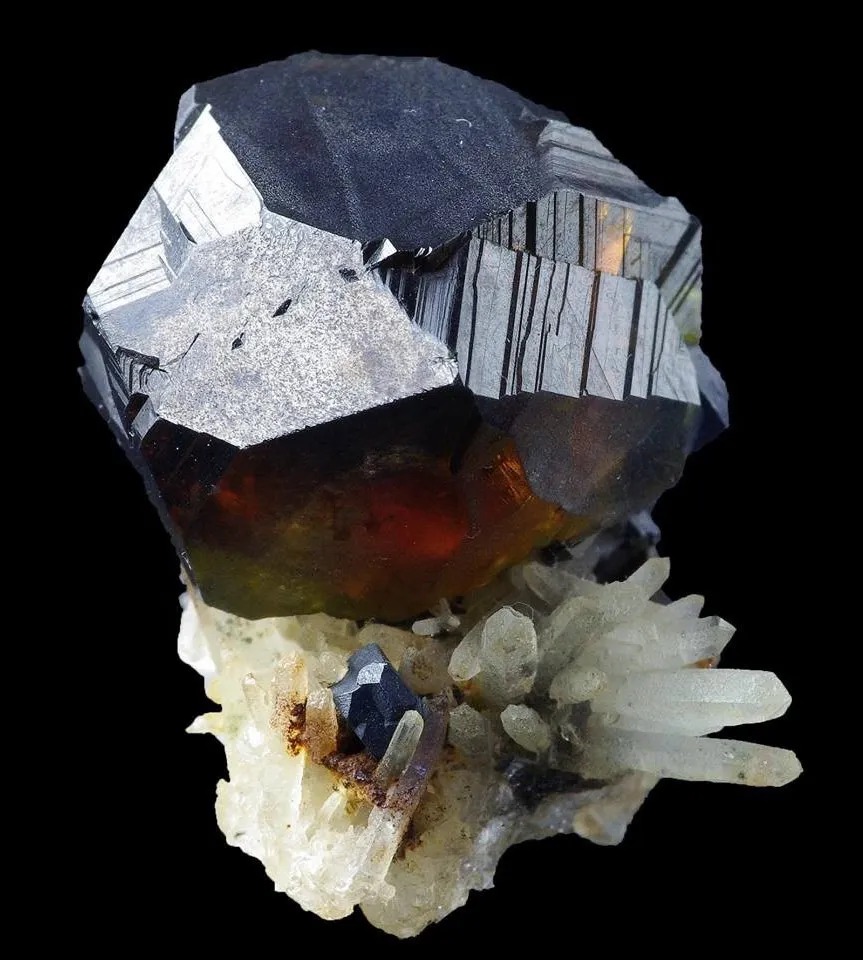
Blackjack: This is the most common industrial variety, characterized by a high iron content that makes the mineral appear dark, opaque, and metallic. It was historically named by miners who found its dark appearance deceptive.
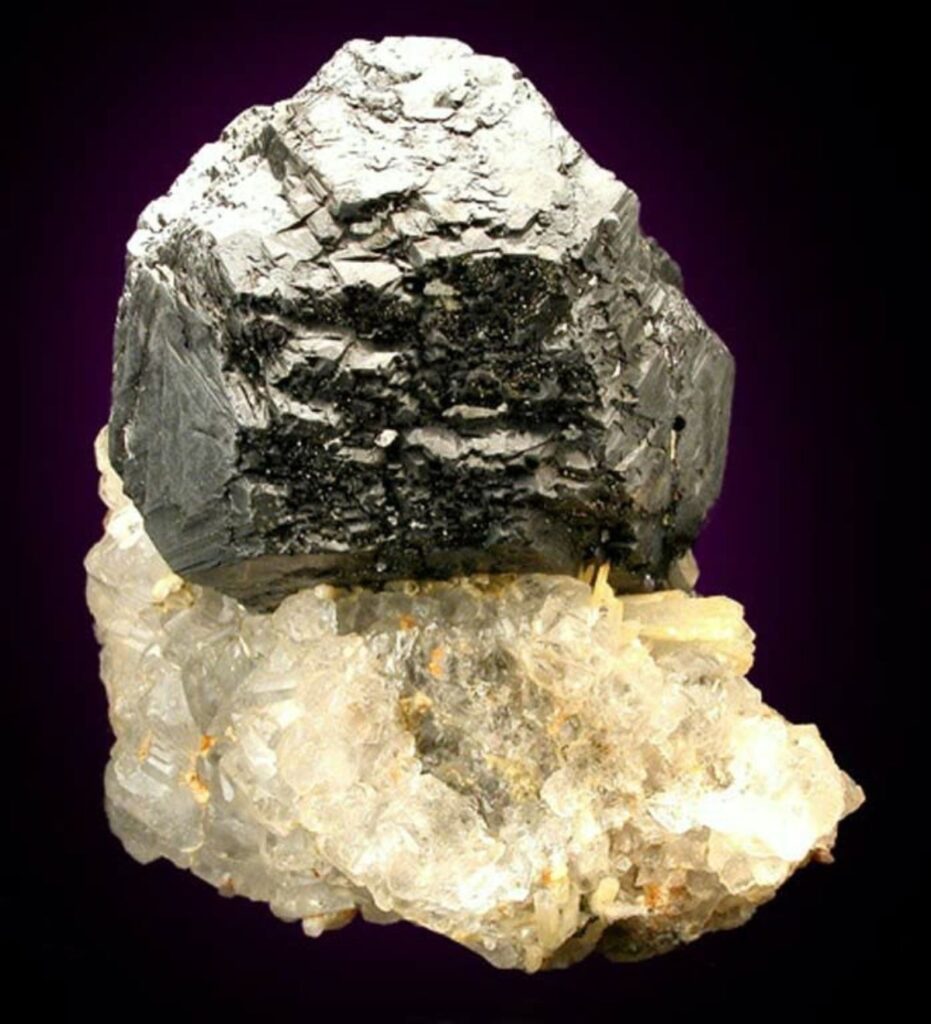
Cleiophane: A rare, low-iron variety that is highly transparent. It typically appears in light green, yellow, or even colorless forms. Because it lacks impurities, it is the best variety for observing the mineral’s intense light dispersion.
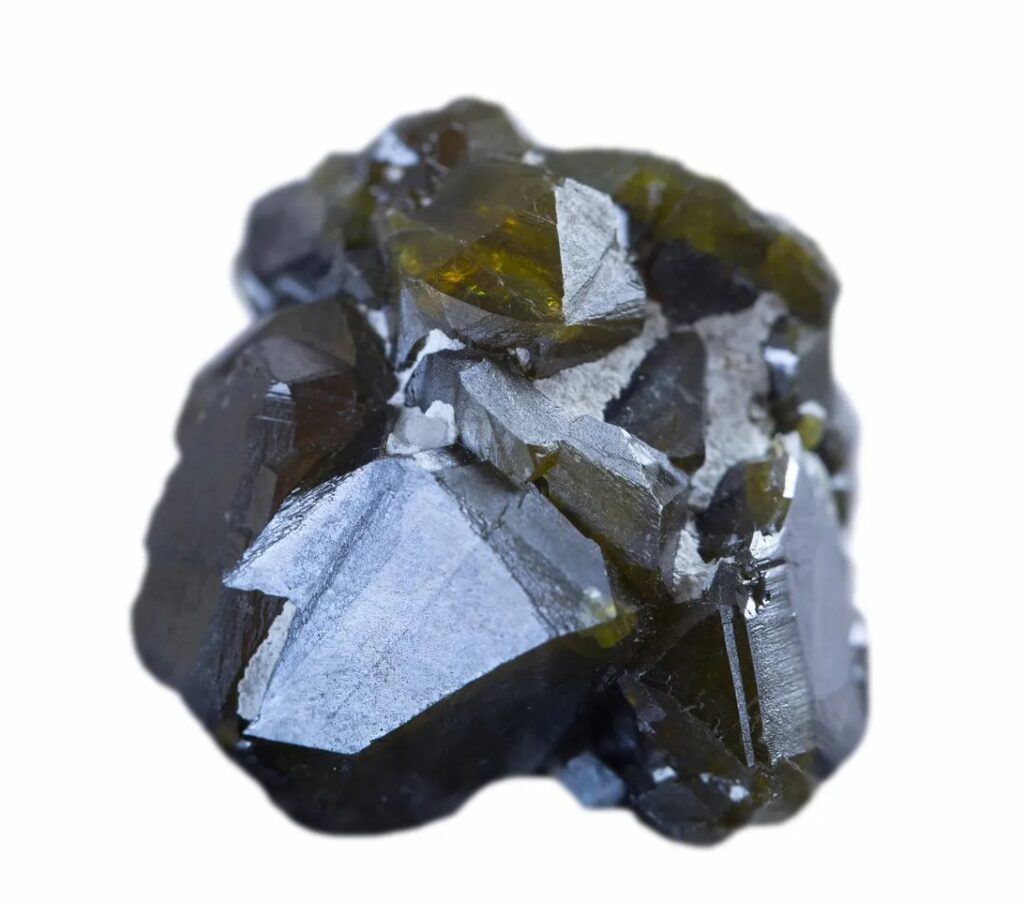
Ruby Blende: This variety is named for its deep, translucent red color. It occurs when the iron levels are low enough to allow transparency but specific enough to tint the crystal with a ruby-like hue.
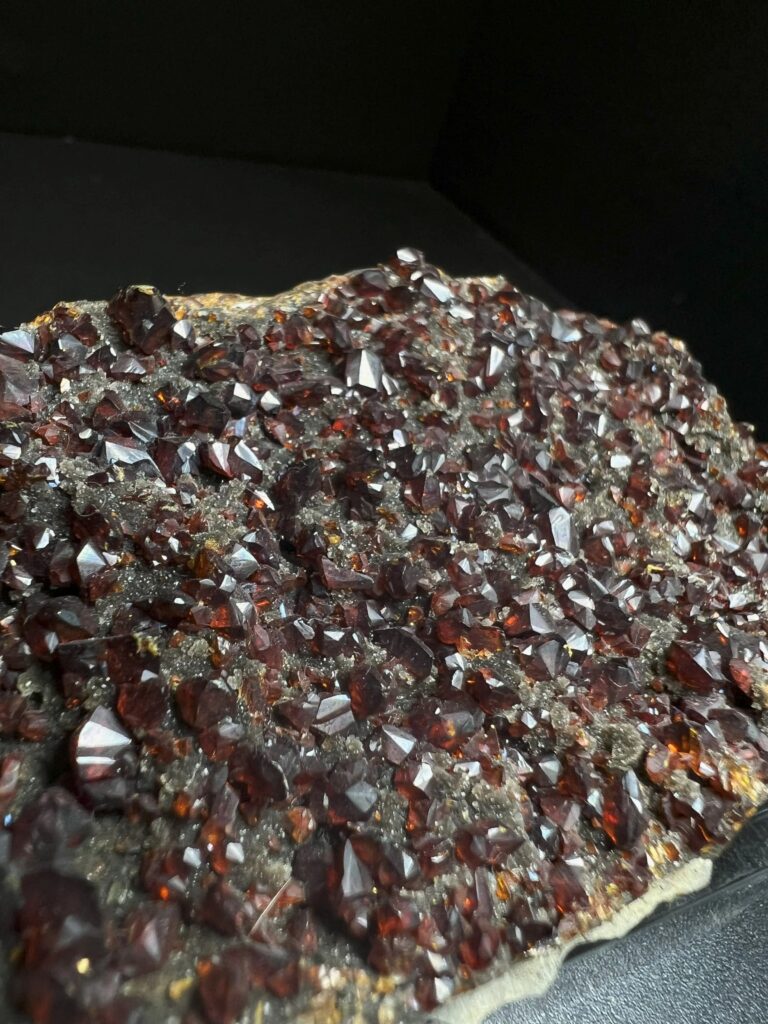
Marmatite: An extremely iron-rich variety, even darker and more opaque than blackjack. It often has a sub-metallic luster and is a primary target for large-scale zinc mining operations.
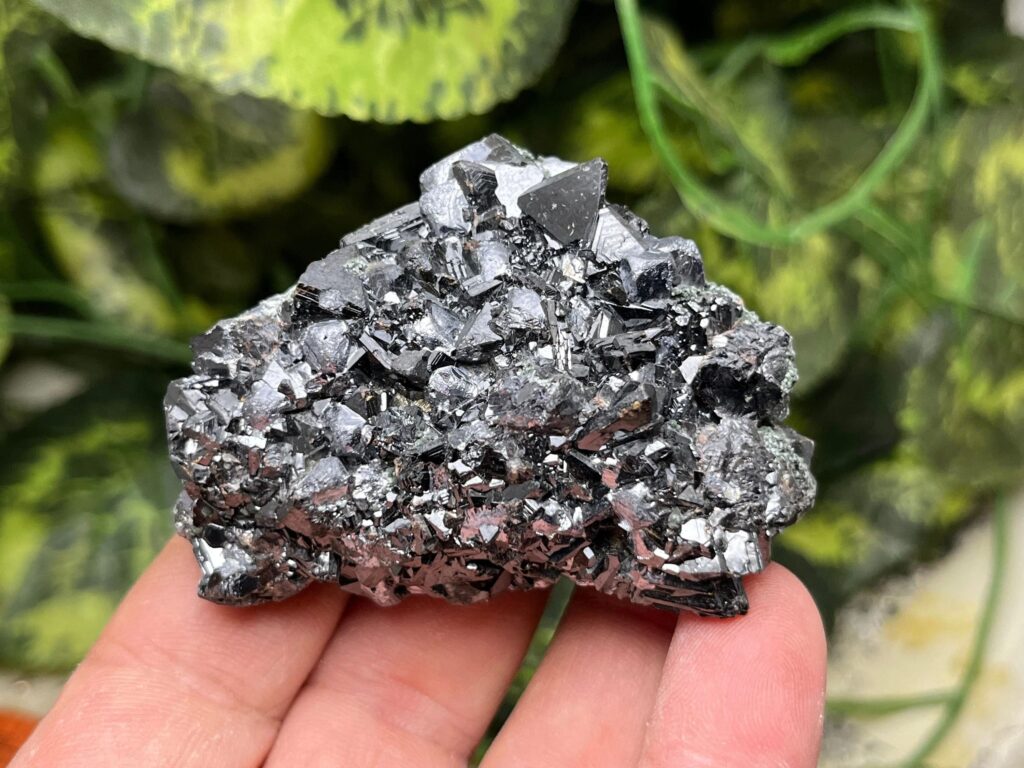
Honey Blende: A favorite among gemstone collectors, this variety features a warm, golden-amber color. Its transparency and yellowish tones make it exceptionally good at displaying internal “fire.”
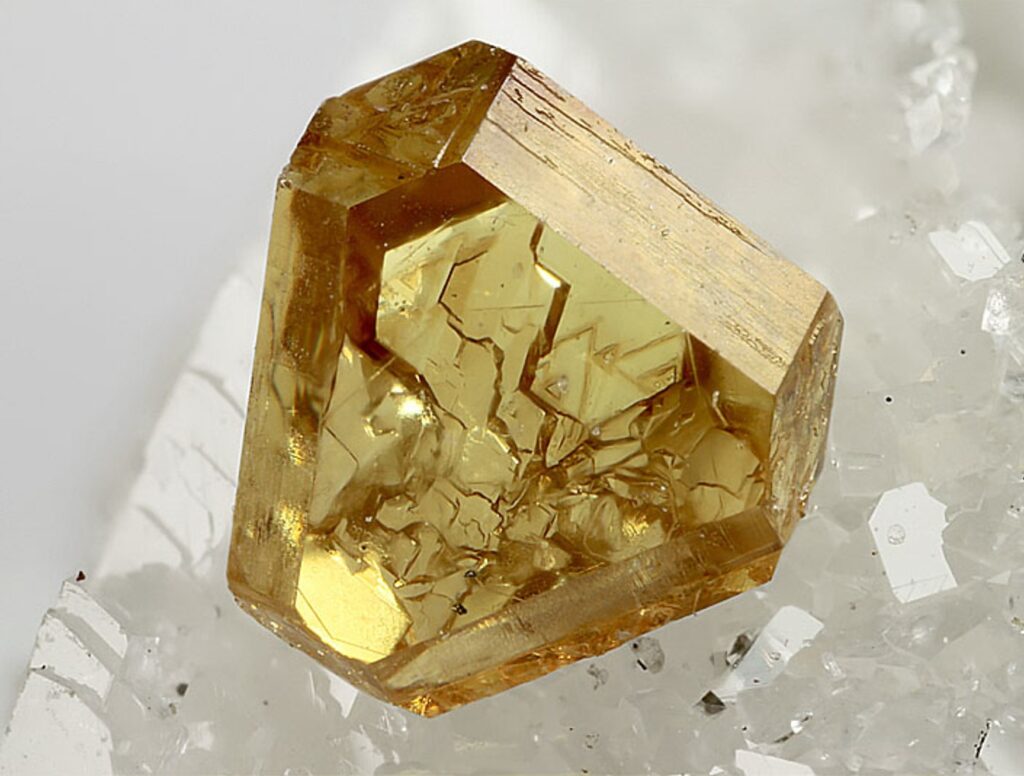
Schalenblende: A unique, multi-mineral variety that forms in concentric, layered bands. It is composed of sphalerite mixed with wurtzite and galena, creating a striped, ornamental appearance when sliced and polished.
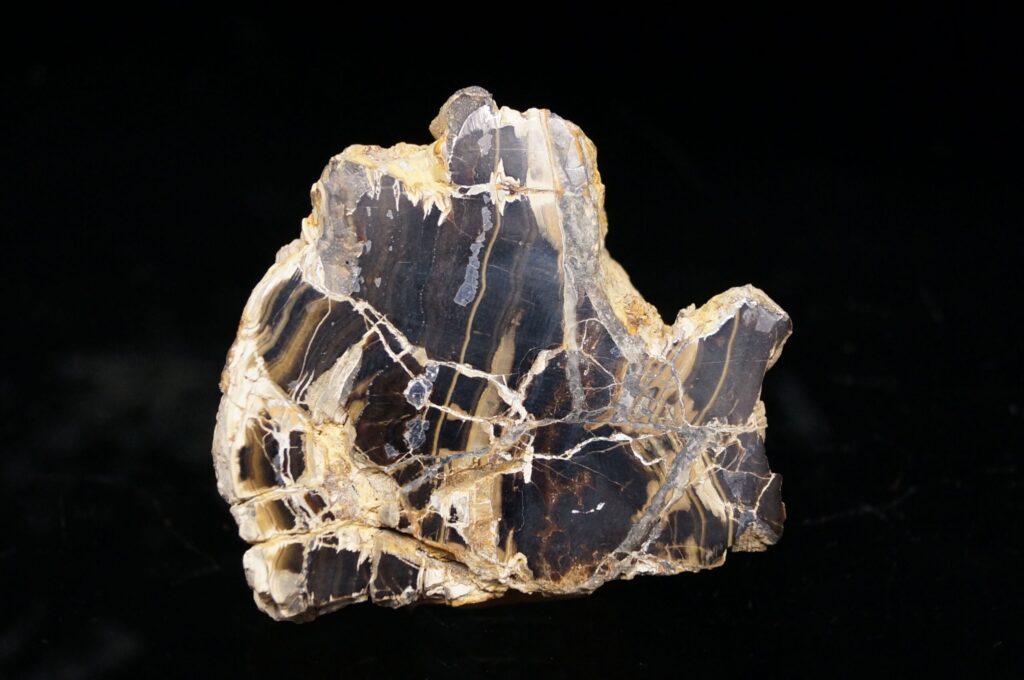
Christophite: A rare, dark variety found in specific locations that is extremely rich in iron, often appearing with a velvet-like or dull black finish.
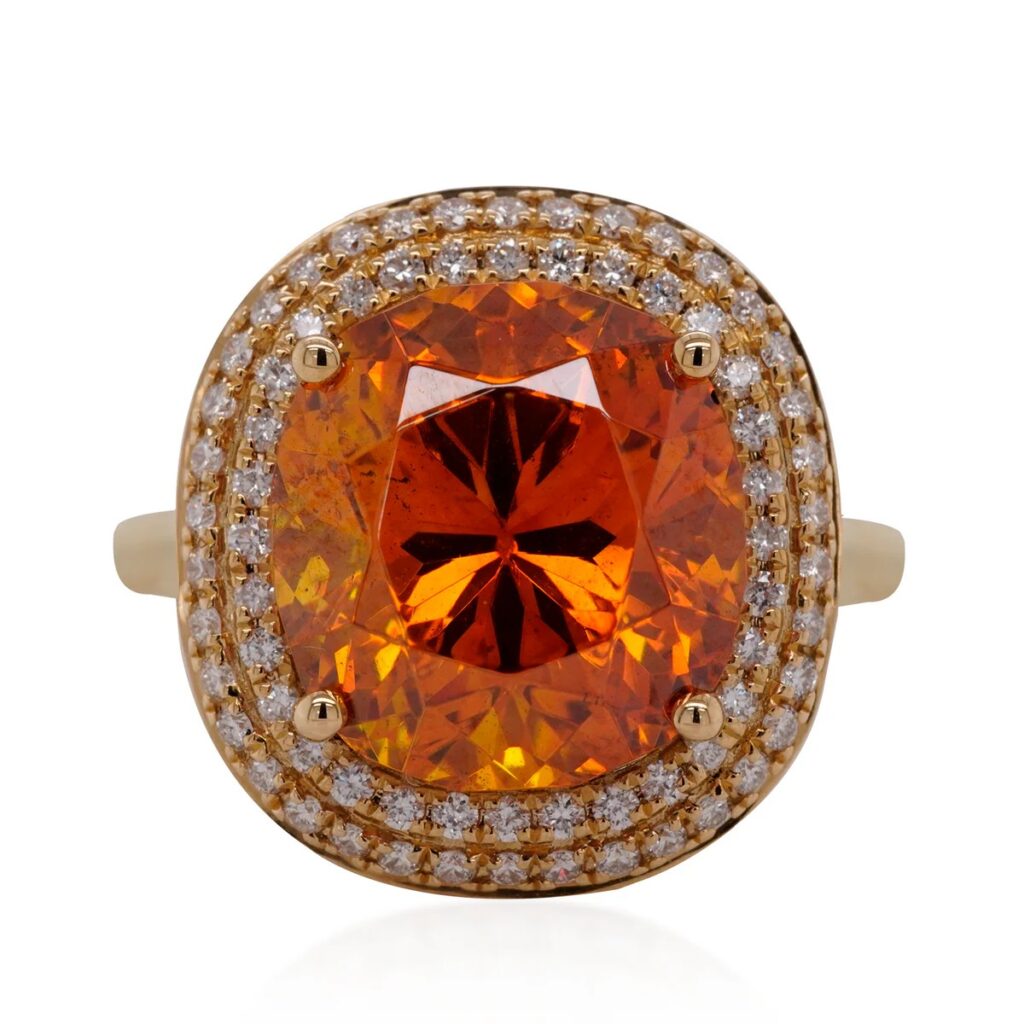
Sphalerite in Jewelry: Visual Brilliance vs. Practical Durability
Sphalerite is a mineral composed of zinc and sulfur that possesses optical properties exceeding those of many precious gemstones. Its most notable characteristic is its dispersion, or “fire,” which measures approximately 0.156. To put this in perspective, this value is more than three times higher than that of a diamond. This high dispersion allows the stone to split light into vivid spectral colors, creating a visual intensity that is rare in the gem world. However, while its refractive index and fire are exceptional, these aesthetic qualities are balanced by significant physical limitations that affect its utility in commercial jewelry.The primary challenge in using sphalerite for jewelry is its lack of durability. On the Mohs scale of mineral hardness, sphalerite ranks between 3.5 and 4, making it significantly softer than common stones like quartz (7) or sapphire (9). It is also characterized by perfect dodecahedral cleavage, meaning it can easily split along specific planes when subjected to pressure or impact. Due to this fragility, sphalerite is generally classified as a “collector’s stone” rather than a practical jewelry stone. It is unsuitable for rings or bracelets, which are prone to frequent contact with hard surfaces, and is typically limited to protected settings in pendants or earrings intended for occasional wear.
In a broader economic context, the value of sphalerite is found more in industrial applications than in aesthetics. It is the world’s most important ore of zinc, serving as the source for the majority of global zinc production. This zinc is vital for galvanizing steel to prevent corrosion and for creating alloys such as brass. Furthermore, sphalerite deposits often contain byproduct elements like indium, germanium, and gallium. These materials are critical components in the manufacturing of semiconductors, solar cells, and LED technologies, making the mineral a cornerstone of the modern electronics industry.Maintaining sphalerite requires a level of care that exceeds that of standard gemstones. It is highly sensitive to thermal shock and chemical exposure, meaning it cannot be cleaned in ultrasonic or steam cleaners. Maintenance is limited to gentle washing with lukewarm water and mild soap. Because it is easily scratched even by household dust (which often contains quartz), it must be stored separately from other jewelry. While its optical performance is objectively superior to many mainstream gems, its physical requirements ensure that it remains a specialized choice for enthusiasts rather than a staple of the jewelry industry.