
Shortite is a rare carbonate mineral composed of sodium and calcium carbonate, with the accepted chemical formula Na₂Ca₂(CO₃)₃. It belongs to the carbonate mineral class and crystallizes in the orthorhombic crystal system. The mineral commonly develops as tabular, prismatic, or blocky crystals and may also occur as granular aggregates within evaporite-bearing sedimentary rocks. Shortite is generally colorless, white, pale yellow, or light yellow-green, although slight variations in color can result from impurities or alteration. Its luster ranges from vitreous to slightly greasy, while transparent to translucent crystals are occasionally encountered in well-preserved specimens. With a Mohs hardness of approximately 3 to 3.5, Shortite is relatively soft and can be scratched by common metallic objects. The mineral exhibits perfect cleavage, a white streak, and a specific gravity typically ranging between 2.4 and 2.5. Like many carbonate minerals, it reacts with dilute acids, producing a weak effervescence, and it is moderately soluble in water under certain conditions. One of its most recognizable physical characteristics is its strong fluorescence under ultraviolet light, where specimens frequently display yellow, amber, or orange luminescence due to trace activator elements within the crystal structure.
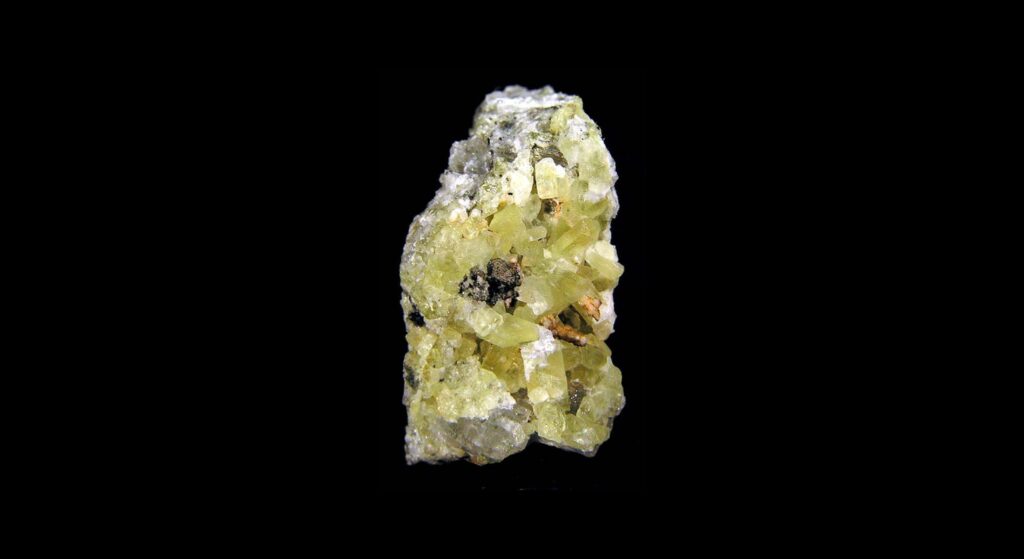
Shortite forms under highly specialized geochemical conditions associated with alkaline and saline environments. It is most commonly found in ancient closed-basin lake systems where evaporation significantly exceeds freshwater input. As water levels decline over extended periods, dissolved sodium, calcium, and carbonate ions become increasingly concentrated within the remaining brines. Once these solutions reach appropriate levels of saturation, carbonate minerals begin to precipitate, including Shortite and a variety of related sodium-bearing carbonates. The mineral is particularly characteristic of evaporitic sedimentary sequences deposited in arid and semi-arid climates, where repeated cycles of flooding, evaporation, and chemical concentration create favorable conditions for its formation. In many cases, Shortite develops not only through direct precipitation from lake brines but also during diagenesis, the process by which sediments undergo physical and chemical modification after burial. During diagenesis, saline pore waters interact with existing minerals under relatively low temperatures and pressures, allowing Shortite crystals to grow within mudstones, oil shales, and other sedimentary rocks. Although sedimentary evaporite deposits represent its primary occurrence, rare examples have also been reported from highly alkaline igneous environments, including certain carbonatites and kimberlite-related systems, where carbonate-rich magmas provide suitable chemical conditions for crystallization.
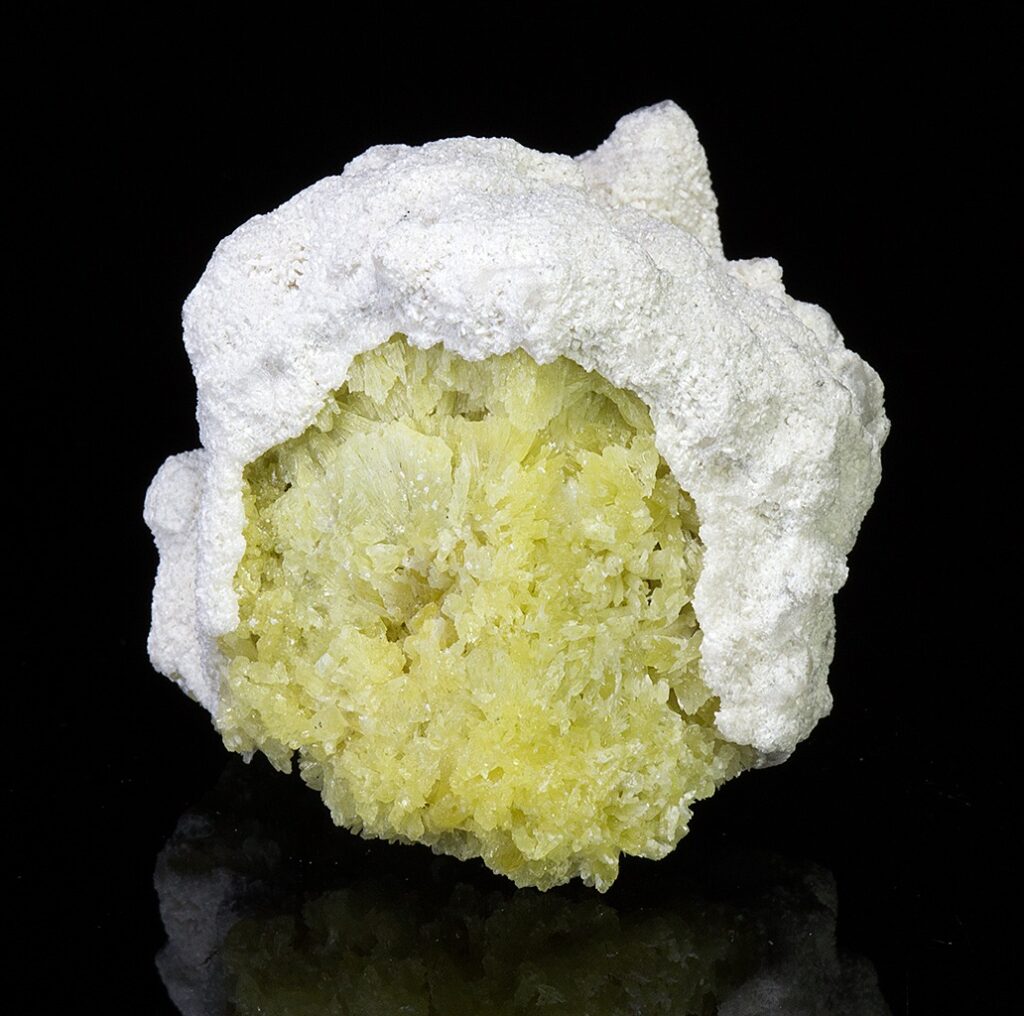
Shortite was first described in 1939 following its identification in drill core material recovered from the Green River Formation of Wyoming, United States. The mineral was studied and formally characterized by American mineralogist Joseph J. Fahey, who recognized it as a previously unknown carbonate species. It was subsequently named in honor of Dr. Maxwell N. Short, a professor of mineralogy and petrography whose work contributed to the study of ore microscopy and economic geology. Since its discovery, Shortite has become an important indicator mineral in the investigation of ancient alkaline lake environments. Its occurrence provides evidence of highly saline, sodium-rich depositional conditions and assists geologists in reconstructing paleoclimate and paleoenvironmental histories. The Green River Formation remains one of the best-known localities for Shortite and has supplied many specimens used in mineralogical research. Although the mineral itself has no major commercial applications and is not mined as an ore mineral, it commonly occurs alongside economically significant evaporite minerals such as trona. These associated deposits are important sources of soda ash, a raw material widely used in glass production, chemical manufacturing, water treatment, and detergents. As a result, the study of Shortite contributes indirectly to the understanding of evaporite basins that contain valuable industrial mineral resources.
Crystal Structure of Shortite
Shortite crystallizes in the orthorhombic crystal system and is characterized by a complex framework of sodium (Na), calcium (Ca), and carbonate (CO₃) groups arranged in an ordered three-dimensional lattice. Its crystal structure is built from alternating layers of calcium and sodium polyhedra linked together by triangular carbonate anions, producing a stable but relatively soluble carbonate framework. A notable feature of Shortite crystals is their tendency toward hemimorphism, meaning opposite ends of a crystal may develop differently due to asymmetry within the crystal structure. Well-formed crystals are commonly tabular, prismatic, or blocky and often display distinct crystal faces and cleavage planes. Structural studies have shown that the arrangement of carbonate groups plays a significant role in determining the mineral’s optical behavior, cleavage characteristics, and chemical stability. The crystal lattice forms under highly alkaline, sodium-rich conditions, reflecting the specialized geochemical environments in which Shortite develops.
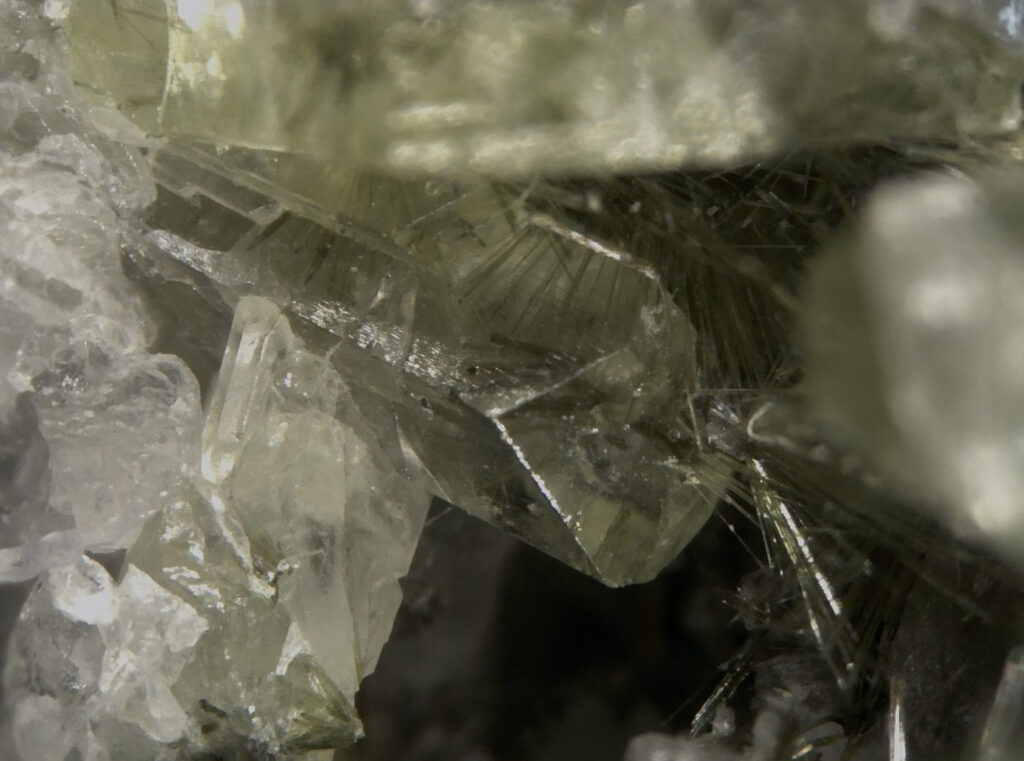
Physical and Chemical Properties of Shortite
Shortite is a relatively soft carbonate mineral with a Mohs hardness of approximately 3 to 3.5, making it comparable in hardness to calcite and susceptible to scratching by common metal objects. It typically exhibits colorless, white, pale yellow, or yellow-green coloration and ranges from transparent to translucent. The mineral possesses a vitreous to slightly greasy luster, a white streak, and a specific gravity generally between 2.4 and 2.5. Perfect cleavage is developed in several directions, causing crystals to break along smooth, well-defined planes. Chemically, Shortite is a double carbonate composed of sodium and calcium, represented by the formula Na₂Ca₂(CO₃)₃. It is moderately soluble in water compared with many other carbonate minerals and may gradually alter when exposed to prolonged moisture or weathering conditions. Like most carbonates, it reacts with dilute hydrochloric acid, producing weak effervescence as carbon dioxide gas is released. Under ultraviolet light, many specimens display strong yellow, amber, or orange fluorescence, a property attributed to trace impurities and structural defects within the crystal lattice. These combined physical and chemical characteristics make Shortite a useful indicator mineral in studies of evaporitic and alkaline sedimentary environments.
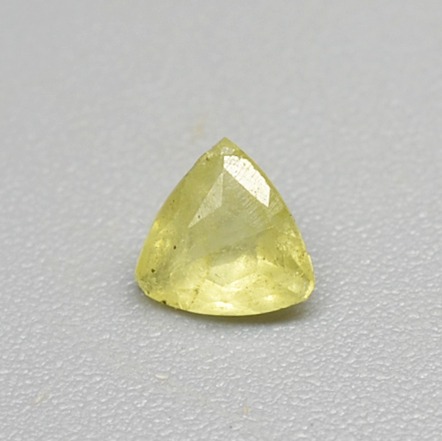
Applications of Shortite
Shortite has limited direct industrial applications due to its rarity, relatively high solubility, and restricted occurrence in specialized evaporite deposits. Nevertheless, it holds scientific importance in the fields of mineralogy, sedimentology, and geochemistry. Geologists study Shortite as an indicator mineral of highly alkaline and saline depositional environments, particularly ancient closed-basin lake systems where evaporation concentrated sodium and carbonate-rich brines. Its presence can provide valuable information about paleoclimate conditions, basin evolution, and the chemical history of evaporite sequences. Shortite is also of interest to mineral collectors because well-crystallized specimens are uncommon, and many examples exhibit strong fluorescence under ultraviolet light. Although the mineral itself is not mined as an economic resource, it is frequently associated with trona and other sodium carbonate minerals that are commercially important for the production of soda ash and related industrial chemicals.