
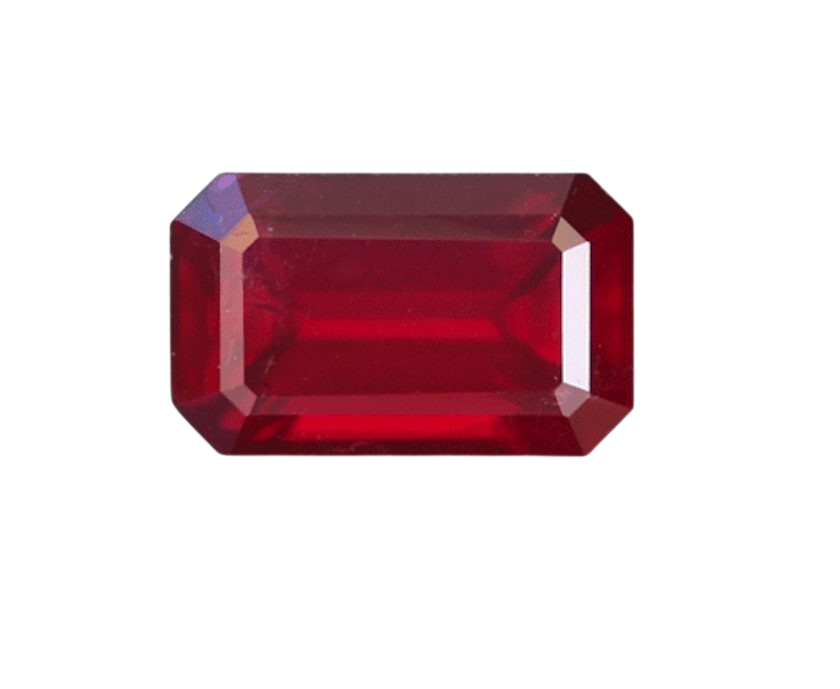
Ruby is one of the most significant and sought-after colored gemstones in the world, often referred to as the king of precious stones. Derived from the Latin word rubeus, meaning red, rubies are a variety of the mineral corundum. Their deep, vibrant crimson color is caused by the presence of chromium, which also gives the stone a natural fluorescence that makes it appear as though it is glowing from within. For thousands of years, this internal fire has captivated civilizations, making it a symbol of power, passion, and protection.
The Formation of Rubies
Ruby is an exceptionally rare geological process that occurs deep within the Earth’s crust under a very specific set of conditions. Rubies are formed from the mineral corundum, which is composed primarily of aluminum oxide (Al₂O₃). For corundum to crystallize into ruby, the surrounding environment must contain abundant aluminum while remaining extremely low in silica. This requirement is unusual because silica is one of the most common components of the Earth’s crust, and when it is present in significant amounts, aluminum tends to form other silicate minerals instead of corundum. In addition to this unique chemical environment, trace amounts of chromium are essential, as chromium impurities replace some of the aluminum atoms in the crystal structure and give ruby its characteristic red color. The richer the chromium content and the more favorable the geological conditions, the more vivid the ruby’s color may become.
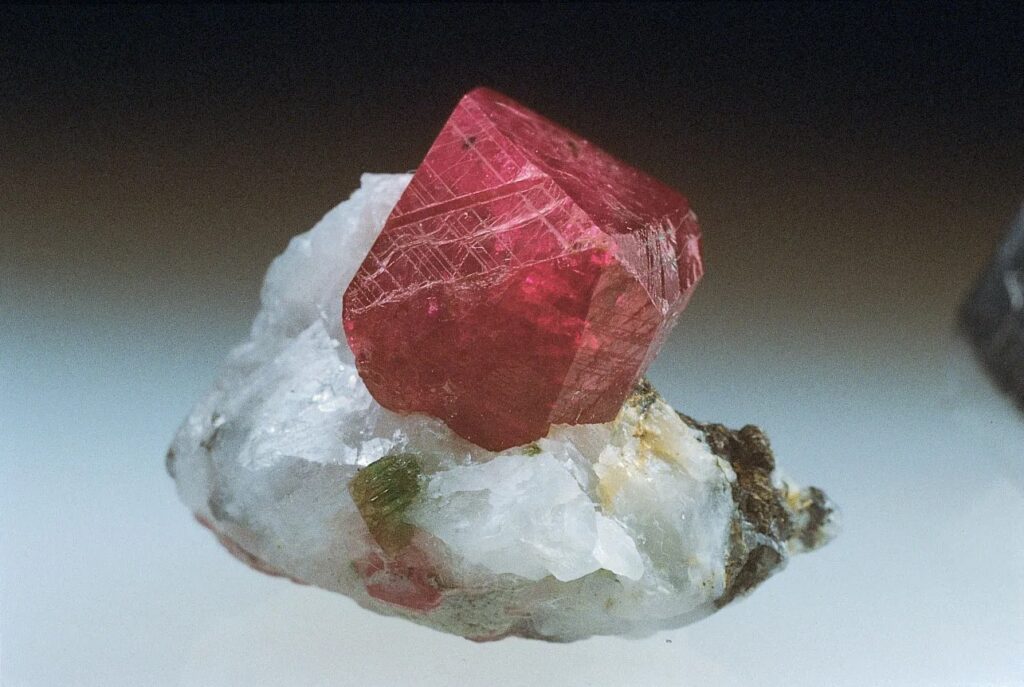
Most natural rubies formed millions of years ago during intense tectonic activity associated with mountain-building events such as the collision that created the Himalayan range. Ancient limestone and marble deposits buried deep underground were exposed to extreme heat and pressure, causing the rocks to recrystallize under metamorphic conditions ideally suited for ruby formation. Within these marble-rich environments, ruby crystals slowly grew over vast spans of geological time, sometimes developing exceptional transparency and saturated color. In some regions, rubies also formed in basaltic volcanic environments, though these stones often display different characteristics compared to the classic marble-hosted rubies of Myanmar. After their formation deep underground, geological uplift, erosion, and weathering gradually brought the crystals closer to the Earth’s surface, where they could eventually be discovered in primary rock deposits or carried by rivers into secondary alluvial deposits. Because the precise combination of low silica, aluminum-rich chemistry, chromium presence, and intense metamorphic conditions is so uncommon, high-quality natural rubies remain among the rarest and most valuable gemstones in the world.
Understanding the Luminescence of Rubies: The Fluorescence Phenomenon
The mesmerizing glow of a ruby, often described as an “inner fire,” is scientifically attributed to a physical phenomenon known as fluorescence. This effect is primarily driven by the presence of chromium ions (Cr₃₊), which replace a small portion of the aluminum atoms within the corundum crystal lattice (Al₂O₃). When a ruby is exposed to high-energy light—specifically ultraviolet (UV) rays from sunlight or artificial sources—the chromium atoms absorb the energy and become excited.
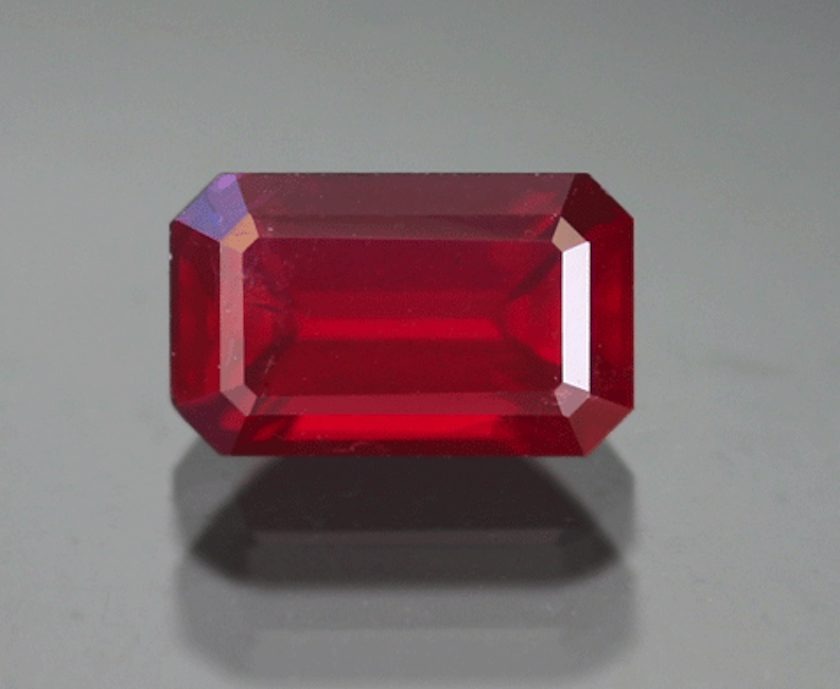
As these atoms return to their stable ground state, they release the excess energy in the form of visible red light. This secondary emission occurs at a specific wavelength, typically around 694.3 nm, which intensifies the gemstone’s natural red color. Because this glow originates from within the stone rather than just reflecting off the surface, it gives the ruby its legendary “glowing coal” appearance. Interestingly, the intensity of this effect is often dictated by the iron content of the stone; while chromium sparks the glow, iron can act as a “quencher,” dampening the fluorescence. This is why high-chromium, low-iron rubies, such as those historically found in Myanmar (Burma), exhibit the most vivid and sought-after luminescence.
The History and Symbolism of Rubies
Historically, the ruby has occupied a unique and highly prestigious position among gemstones, admired not only for its extraordinary beauty and rarity but also for the symbolism and mystical qualities attributed to it across countless civilizations. Its rich red color, often associated with blood, fire, and the life force itself, caused many ancient cultures to regard the ruby as a stone of power, vitality, protection, and divine favor. In ancient Sanskrit literature, the ruby was known as ratnaraj, meaning “king of precious stones,” reflecting its status as the most noble and valuable gem in traditional Indian culture. Ancient Hindus believed rubies contained an eternal flame within them and were closely linked to the sun, passion, and spiritual energy. According to legend, those who offered magnificent rubies to the god Krishna would be rewarded with rebirth as emperors or powerful rulers, demonstrating the stone’s deep association with royalty, prosperity, and spiritual merit.
Throughout Asia, rubies were also believed to possess protective powers. In Myanmar, home to the legendary Mogok Valley that produced some of the world’s finest “pigeon blood” rubies, warriors believed the gemstones could make them invincible in battle, and stories emerged claiming some fighters even inserted rubies beneath their skin so the stones would permanently protect them from injury. The Mogok mines became famous for centuries due to their intensely saturated rubies, which were traded across Asia, the Middle East, and Europe and became prized possessions of kings, emperors, and wealthy merchants. In medieval Europe, rubies were regarded as symbols of courage, wisdom, health, and divine protection. Monarchs and nobles frequently set rubies into crowns, scepters, rings, and ceremonial armor to demonstrate wealth and authority, while many believed the gemstones could ward off disease, warn their owners of approaching danger by darkening in color, and preserve physical strength and vitality. Religious leaders and healers also attributed mystical healing properties to rubies, associating them with the heart, circulation, and emotional energy. By the Renaissance, rubies had become essential components of royal treasuries and diplomatic gifts exchanged between kingdoms, valued not only for their rarity but also for the prestige and symbolism they carried. From the ancient temples of India and the legendary mines of Myanmar to the royal courts of Europe, the ruby has remained for centuries a timeless emblem of passion, power, nobility, and enduring human fascination.
Comprehensive Guide to Ruby Varieties and Geographic Origins
Rubies are the red variety of the mineral corundum (Al₂O₃). Their character is defined by the geological environment in which they formed, which dictates their trace element chemistry and internal “fingerprints.”
Myanmar (Burma) remains the historic heart of ruby mining. The Mogok Valley is world-renowned for producing marble-hosted rubies with high Cr3+ and low iron, resulting in the famous “Pigeon’s Blood” color and intense red fluorescence. Mong Hsu is another significant Burmese source, though its stones often require heat treatment to remove a natural dark blue core.
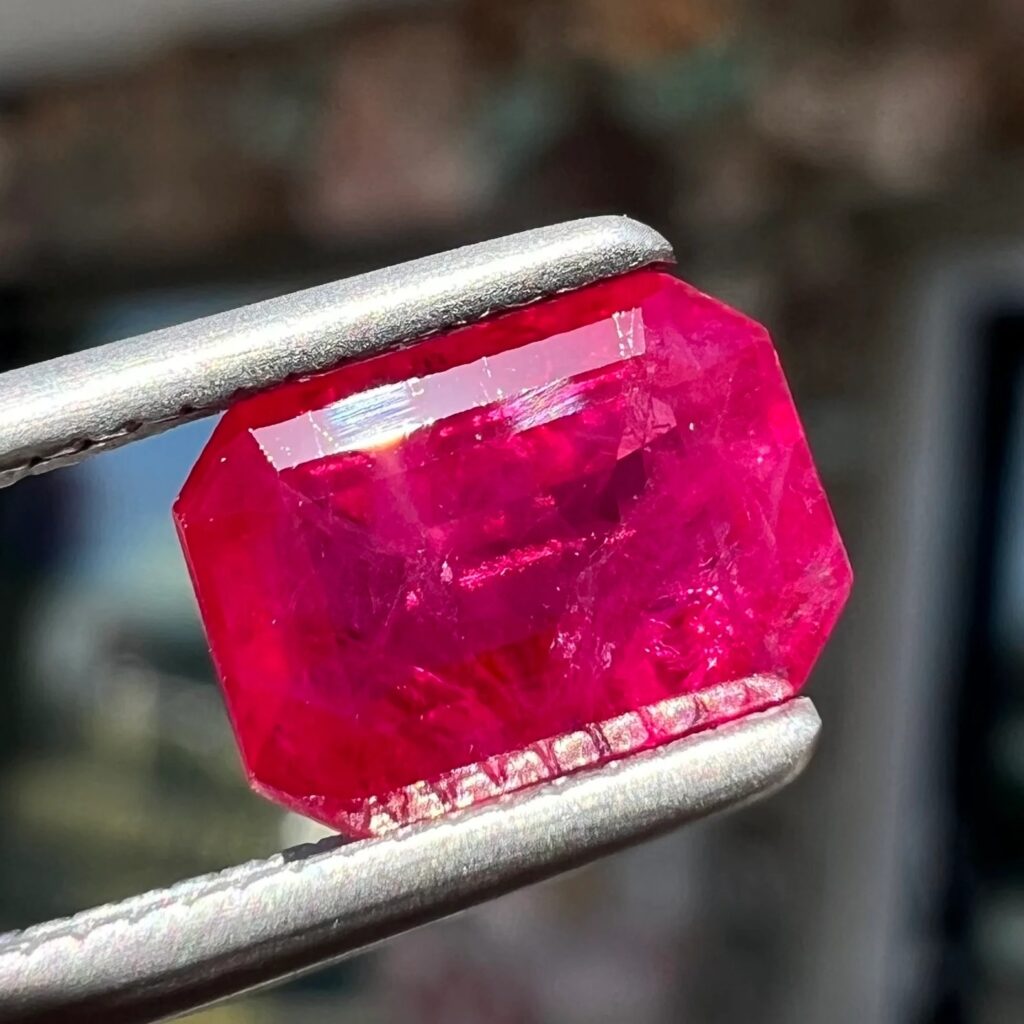
Mozambique, specifically the Montepuez region, has recently become the world’s most prolific source of high-quality rubies. These stones often possess exceptional clarity and a color range that bridges the gap between the vivid Burmese glow and the deeper tones of other regions.
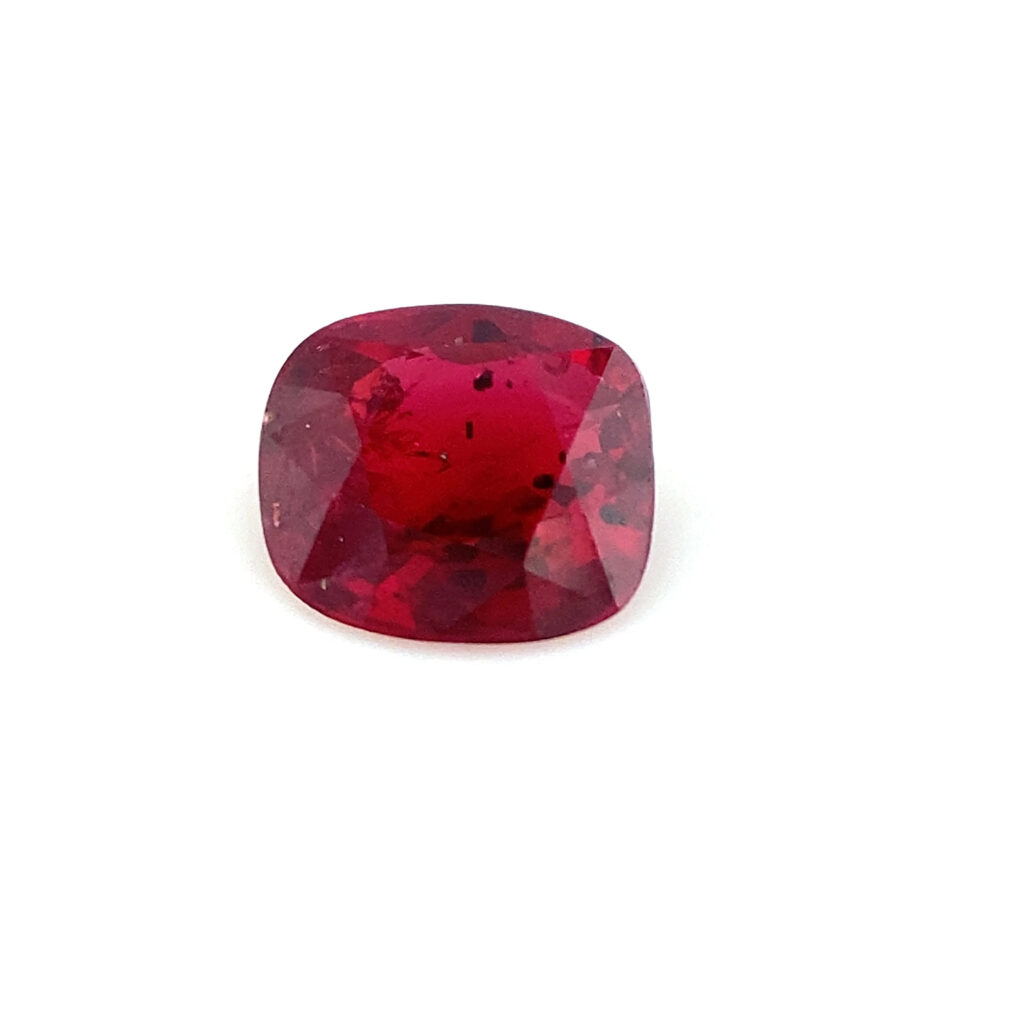
Thailand and Cambodia produce rubies that are typically basalt-hosted. Due to a higher iron content, these gems often exhibit a deep, wine-red or brownish-red hue. The iron also acts as a quencher, which reduces the stone’s ability to fluoresce under UV light compared to marble-hosted varieties.
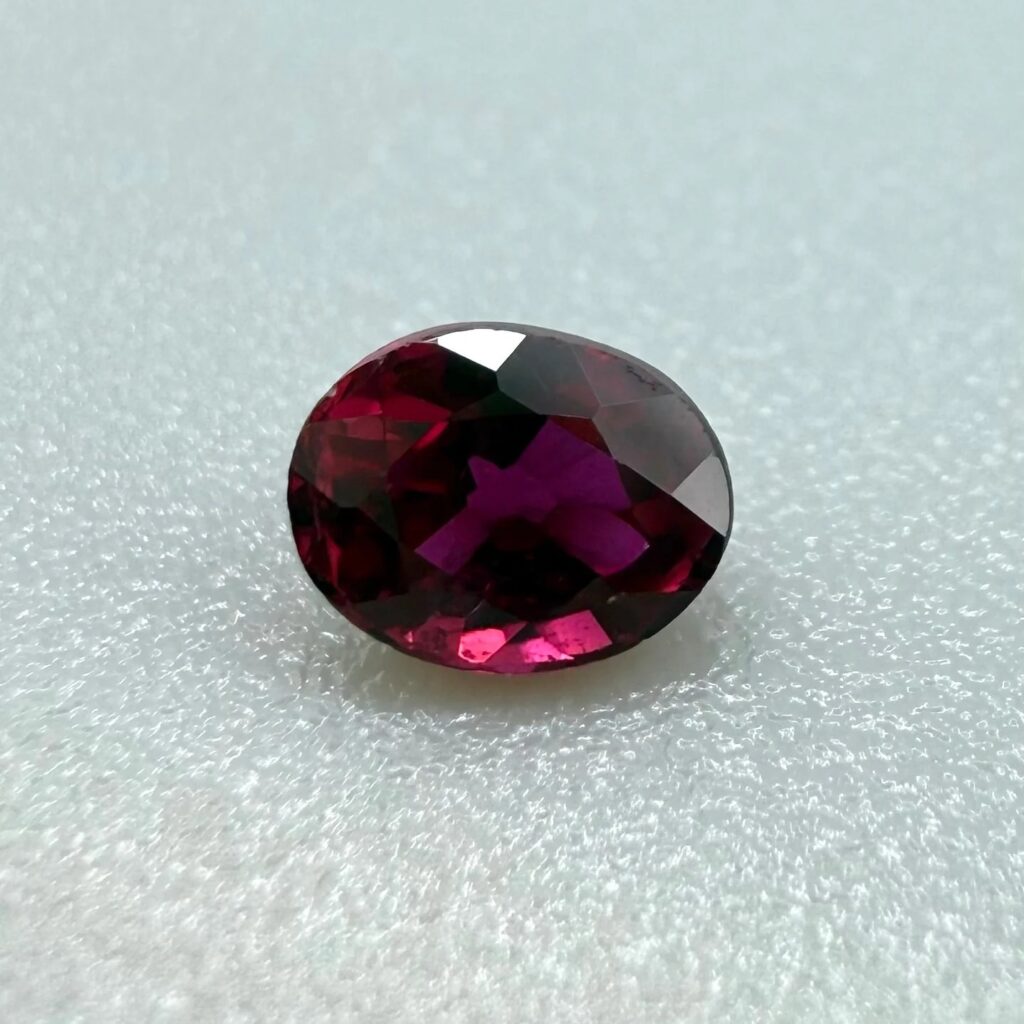
Sri Lanka, or Ceylon, is known for rubies that are often lighter in tone, frequently leaning toward a raspberry or pinkish-red. These stones are highly prized for their exceptional brilliance and transparency.
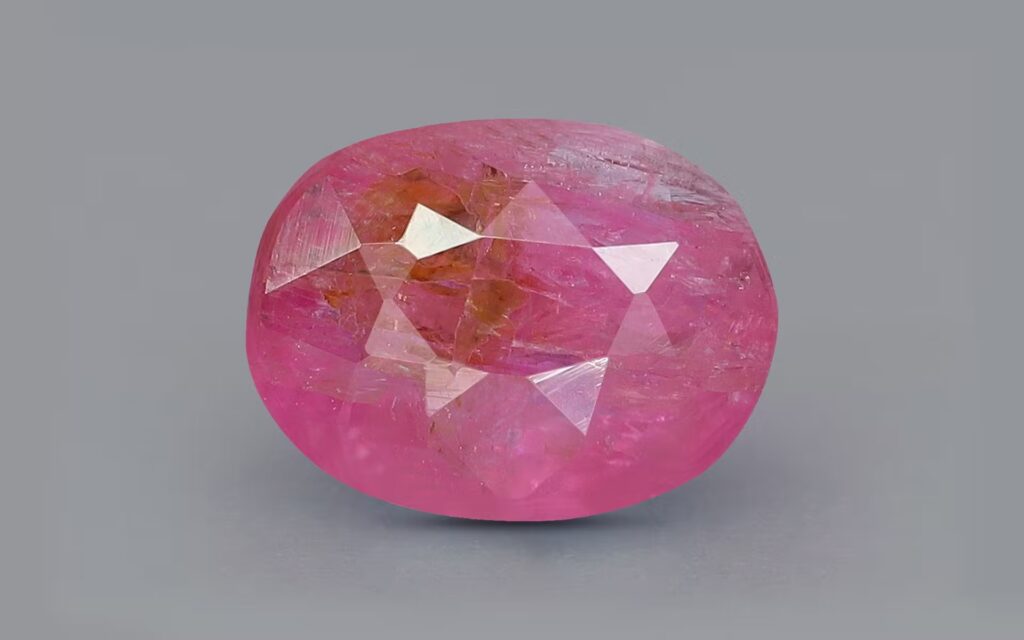
Madagascar has emerged as a diverse producer with two main regions: Vatomandry, which yields high-quality transparent stones, and Andilamena, which produces larger quantities of material often used for various enhancement processes.
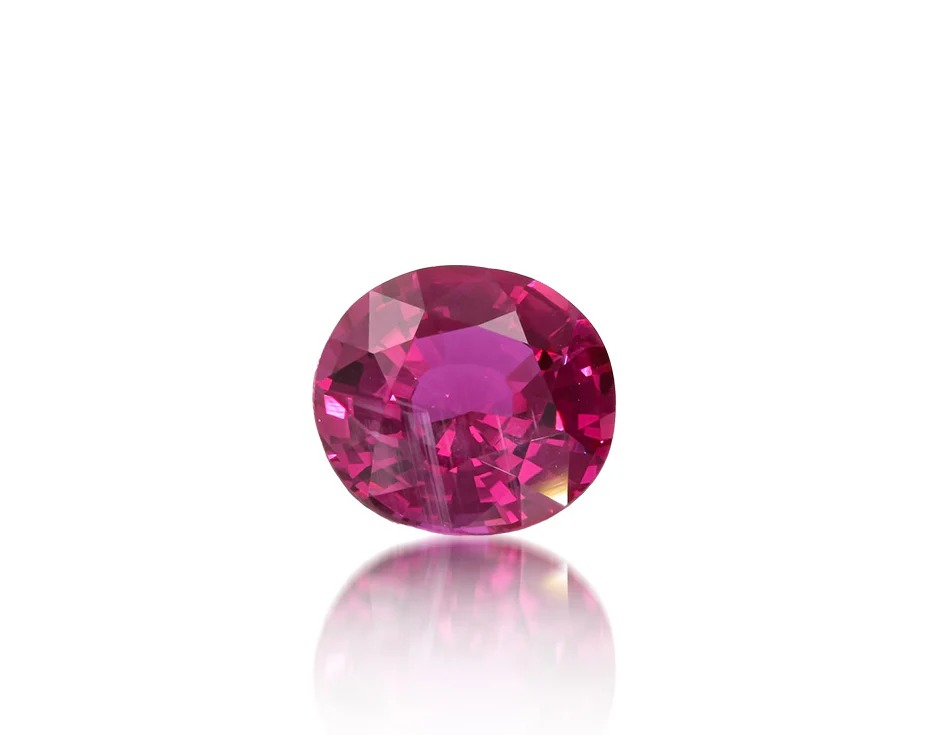
Vietnam produces marble-hosted rubies in the Luc Yen region that often display a unique purplish-red tint and strong fluorescence, similar to Burmese material.
Tanzania offers unique varieties from the Winza area, known for producing rubies with high clarity and distinct blue color-zoning. The Longido region is also famous for ruby-in-zoisite, though this is primarily used for carvings rather than faceted gems.
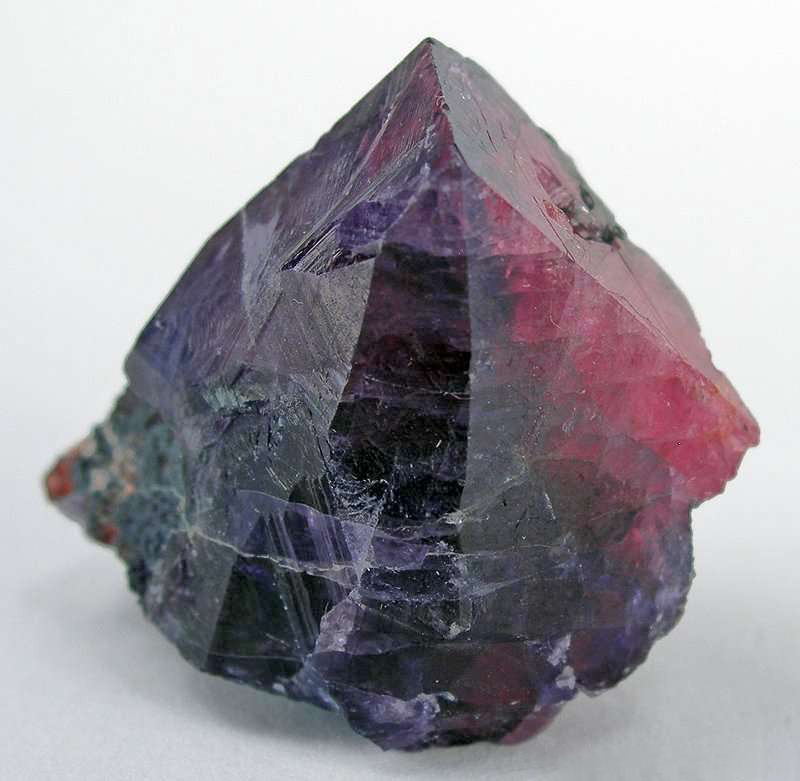
Greenland is home to some of the oldest ruby deposits on Earth. These stones are typically deep red or pinkish and are highly valued for their traceable and ethical mining standards.
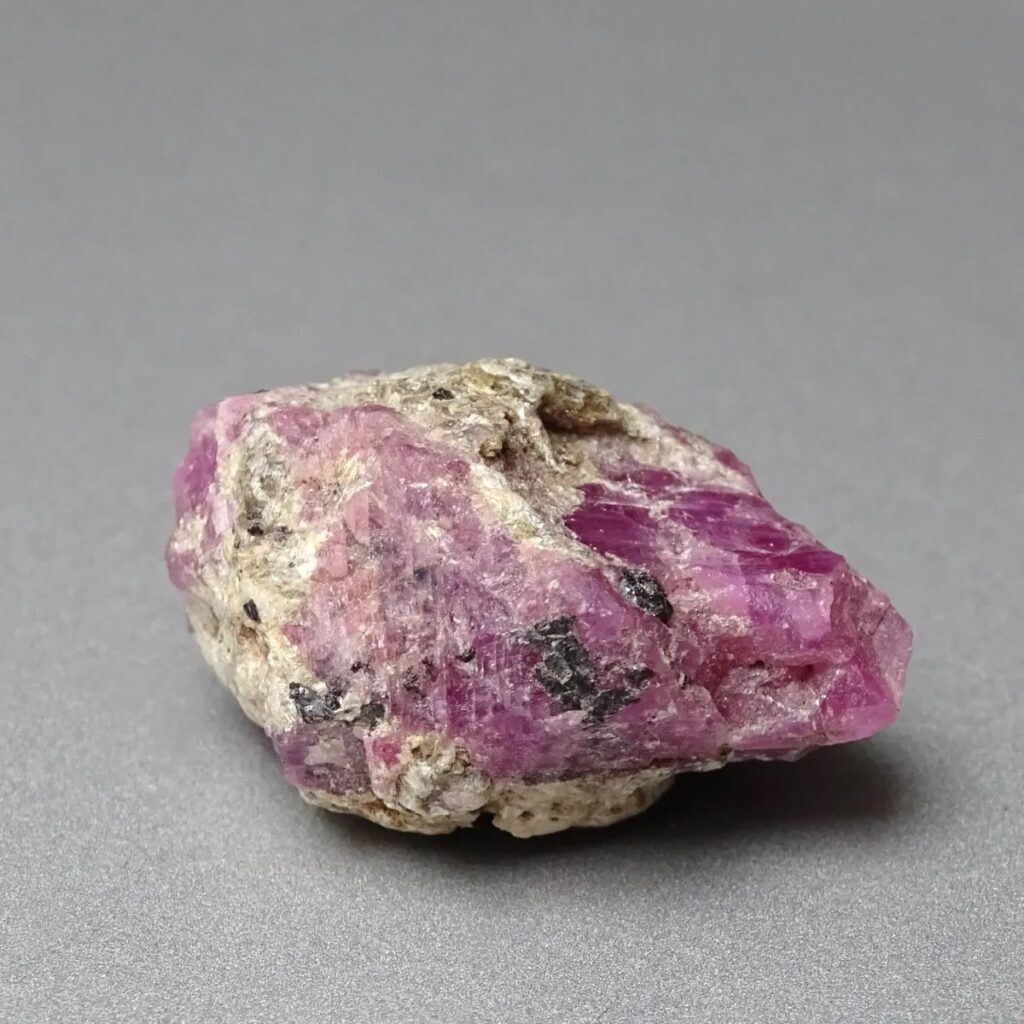
Afghanistan and Tajikistan produce rubies from the Pamir Mountains and Jagdalek. These are marble-hosted gems that can be quite bright and fluorescent, often serving as a beautiful and more accessible alternative to Burmese stones.
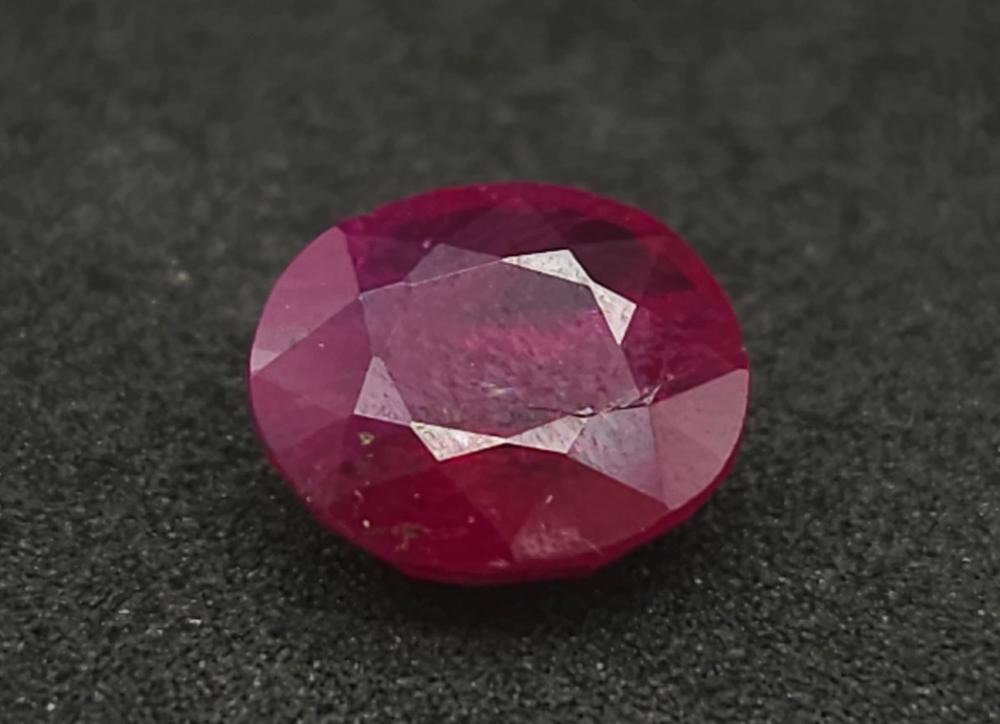
Distinct Varieties and Optical Phenomena
The world of rubies includes several specialized varieties defined by unique optical effects and color standards. Star Rubies are a remarkable example, containing needle-like inclusions of rutile (TiO₂) that align systematically within the crystal. When such a stone is cut into a cabochon, it reflects light to form a six-rayed star across the surface, a phenomenon known as asterism. Even rarer are Trapiche Rubies, found primarily in Myanmar and Vietnam, which exhibit a fixed, six-spoked pattern of impurities resembling a wheel. This geometry is created by the specific way the ruby crystal grows alongside other minerals. Beyond these structural oddities, Pigeon’s Blood remains the most coveted trade term for color variety, describing a vivid, high-fluorescence red with a subtle blue undertone that allows the gem to appear exceptionally vibrant even in low-light conditions.
Classification by Treatment and Growth
Rubies are further categorized by the level of human intervention involved in their appearance and creation. Unheated Natural Rubies are the most prestigious variety, possessing top-tier color and clarity exactly as they were extracted from the earth; these are the rarest and most expensive rubies on the market. In contrast, Heat-Treated Rubies represent the industry standard, where natural stones are subjected to high temperatures to dissolve internal silk and intensify their red saturation through a stable, permanent process. For the budget-conscious market, Glass-Filled Rubies offer a commercial alternative where low-grade, heavily fractured material is infused with lead glass to improve transparency, though these require extra care. Finally, Synthetic or Lab-Grown Rubies are chemically identical (Al₂O₃) to their natural counterparts but are created by humans using methods such as Flame Fusion for affordability or Flux and Hydrothermal processes to mimic the complex inclusions of natural gems.
Diverse Applications and Cultural Significance of Rubies
The utility of rubies spans from high-precision industrial engineering to the most luxurious echelons of the decorative arts. In the realm of jewelry and fashion, rubies are among the most coveted “Big Three” gemstones, frequently serving as the centerpiece for engagement rings, royal crowns, and high-fashion accessories due to their durability and status as a symbol of wealth. Beyond personal adornment, rubies have a significant presence in horology, where synthetic rubies are used as jewel bearings to reduce friction and wear in the delicate movements of mechanical watches. In the scientific and industrial sectors, the hardness of Al₂O₃ makes ruby an essential material for heavy-duty tools, including high-pressure water jet cutters, scratch-resistant window coatings for spacecraft, and specialized medical lasers used in both dermatology and delicate eye surgeries.
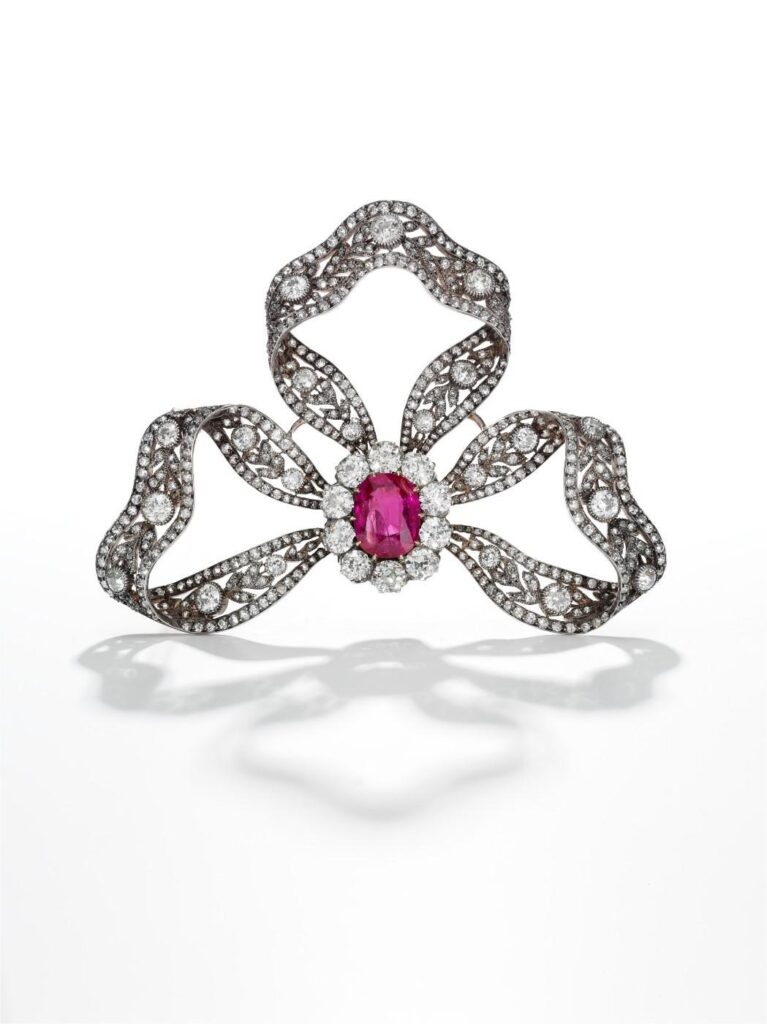
Culturally and symbolically, the ruby occupies a unique space as a tool for expression and belief. Historically, it has been used as a diplomatic gift to seal alliances between nations and as a protective talisman embedded in the armor of warriors. In modern metaphysical practices, rubies are utilized in lithotherapy and meditation, where they are regarded as conduits for energy, passion, and mental focus. Additionally, because the ruby is the traditional birthstone for July and the standard gift for 40th wedding anniversaries, it plays a practical role in the global gift-giving economy. From the micro-components of a barcode scanner to the spiritual rituals of various global traditions, the ruby functions as both a high-performance material and a powerful cultural signifier.