
Smithsonite là một khoáng vật cacbonat kẽm với công thức hóa học ZnCO₃ và là một khoáng vật thứ sinh quan trọng được hình thành trong các đới oxy hóa của các mỏ quặng chứa kẽm. Nó thuộc nhóm khoáng vật cacbonat và là một phần của nhóm canxit, có cấu trúc tương tự với các khoáng vật như canxit, magnesit và siderit. Mặc dù smithsonite tinh khiết thường không màu hoặc trắng, nhưng các mẫu vật tự nhiên thường thể hiện một loạt các màu sắc hấp dẫn, bao gồm xanh lam, xanh lục, hồng, vàng, nâu, xám và tím. Những màu sắc này chủ yếu do các nguyên tố vi lượng thay thế kẽm trong cấu trúc tinh thể gây ra, tạo nên sự đa dạng đáng chú ý khiến smithsonite được đánh giá cao trong giới sưu tập khoáng vật.
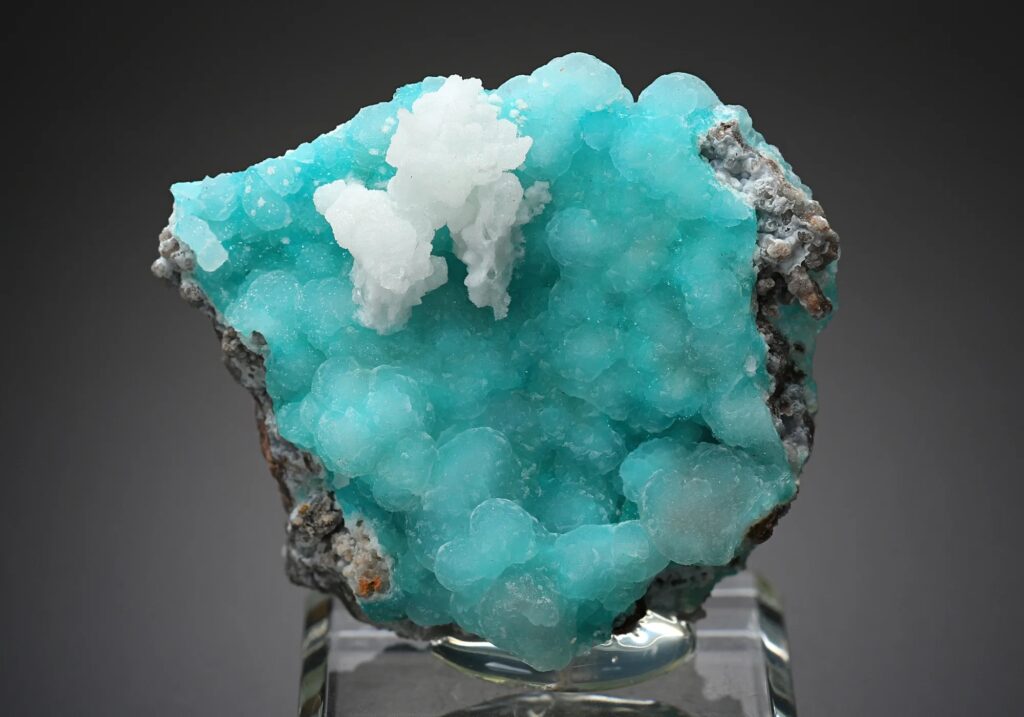
Không giống như nhiều khoáng chất hình thành các tinh thể lớn, rõ ràng, smithsonite thường xuất hiện dưới dạng khối botryoidal, lớp vỏ, lớp phủ, cấu trúc thạch nhũ và tập hợp nhỏ gọn. Màu sắc nhẹ nhàng, kết cấu tròn trịa và ánh ngọc trai đến sáp của nó tạo nên một diện mạo đặc biệt, khiến nó trở thành khoáng chất được các nhà sưu tập ưa chuộng và là vật liệu đá quý để làm cabochon và đồ trang trí. Mặc dù nó không được coi là đá quý truyền thống do độ cứng vừa phải và dễ bị hư hại, các mẫu smithsonite chất lượng cao vẫn được đánh giá cao vì độ hiếm, cấu trúc độc đáo và ý nghĩa địa chất. Khoáng chất này được đặt theo tên của nhà hóa học và khoáng vật học người Anh James Smithson để ghi nhận những đóng góp của ông cho khoa học khoáng vật. Di sản khoa học của Smithson sau này gắn liền với việc thành lập Viện Smithsonian, và tên khoáng chất này lưu giữ ảnh hưởng của ông đối với sự phát triển của khoáng vật học hiện đại.
Lịch sử của Smithsonite
Lịch sử của smithsonite phản ánh sự tiến hóa của phân loại khoáng vật, khoa học hóa học và ngành công nghiệp khai thác kẽm. Trong nhiều thế kỷ, smithsonite được biết đến chủ yếu như một loại quặng kẽm hơn là một loài khoáng vật riêng biệt. Ở châu Âu và các khu vực khai thác mỏ khác, các khoáng vật cacbonat kẽm trong lịch sử đã được gộp chung dưới tên “calamine”, một thuật ngữ chung dùng cho các quặng chứa kẽm. Thuật ngữ này gây ra sự nhầm lẫn vì cả smithsonite, một loại cacbonat kẽm, và hemimorphite, một loại silicat kẽm, thường được mô tả bằng cùng một tên trước khi những tiến bộ trong hóa học khoáng vật cho phép các nhà khoa học phân biệt chúng.
Vào cuối thế kỷ 18 và đầu thế kỷ 19, những cải tiến trong phân tích hóa học đã giúp các nhà khoáng vật học hiểu rõ hơn về thành phần và cách phân loại các khoáng vật kẽm. Các nhà nghiên cứu phát hiện ra rằng một số mẫu calamine được cấu tạo từ cacbonat kẽm thay vì silicat kẽm, dẫn đến việc công nhận smithsonite là một loại khoáng vật riêng biệt. Năm 1832, nhà khoáng vật học người Pháp François Sulpice Beudant chính thức đặt tên smithsonite để vinh danh James Smithson, người đã có những đóng góp quan trọng cho hóa học và nghiên cứu khoáng vật. Smithsonite cũng đóng một vai trò quan trọng trong lịch sử phát triển sản xuất kẽm. Trước khi các quặng kẽm sulfua như sphalerite trở thành nguồn cung cấp kẽm công nghiệp chủ đạo, smithsonite là một trong những quặng kẽm chính được khai thác trên khắp thế giới. Nó đặc biệt quan trọng ở những khu vực có mỏ kẽm bị oxy hóa dễ tiếp cận gần bề mặt. Kẽm được chiết xuất từ smithsonite đã đóng góp cho các ngành công nghiệp như sản xuất đồng thau, bảo vệ kim loại và sản xuất hợp kim.
Ngày nay, smithsonite không còn là nguồn kẽm thương mại chính vì khai thác hiện đại tập trung chủ yếu vào các mỏ sulfide lớn hơn và có hiệu quả kinh tế cao hơn. Tuy nhiên, nó vẫn là một khoáng vật quan trọng trong nghiên cứu địa chất và sưu tập khoáng vật. Các địa danh nổi tiếng như Mỏ Tsumeb ở Namibia, Mỏ Kelly ở New Mexico, và một số khu vực kẽm lịch sử ở châu Âu đã sản xuất ra những mẫu vật smithsonite đặc biệt tiếp tục thu hút các nhà sưu tập và bảo tàng trên toàn thế giới.
Thành phần hóa học và Phân loại của Smithsonite
Smithsonite có công thức hóa học lý tưởng là ZnCO₃, bao gồm kẽm, cacbon và oxy. Nó được phân loại là một khoáng vật cacbonat và thuộc nhóm canxit, bao gồm một số khoáng vật có cấu trúc tinh thể tương tự nhưng thành phần hóa học khác nhau. Trong cấu trúc của smithsonite, các ion kẽm chiếm vị trí được bao quanh bởi các nhóm cacbonat, tạo thành một khung tinh thể tam giác ổn định.
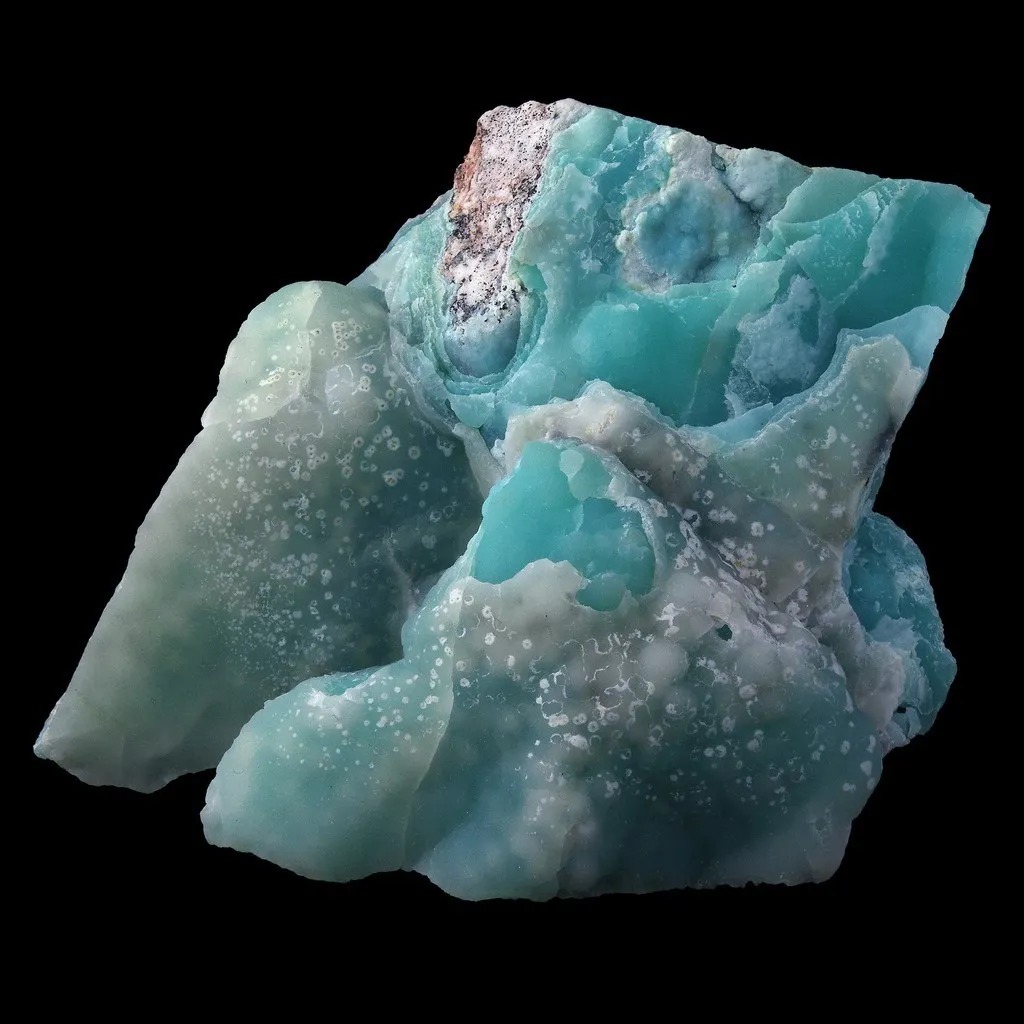
Trong các mẫu vật tự nhiên, smithsonite hiếm khi tồn tại dưới dạng kẽm cacbonat hoàn toàn tinh khiết. Nhiều nguyên tố khác nhau có thể thay thế cho kẽm trong quá trình hình thành khoáng vật, tạo ra các biến thể hóa học ảnh hưởng đến hình dạng bên ngoài của khoáng vật. Tạp chất đồng có thể tạo ra màu xanh lam hoặc xanh lục, coban có thể tạo ra tông màu hồng hoặc tím, trong khi sắt và mangan có thể góp phần tạo ra các sắc thái vàng, nâu hoặc xám. Sự thay thế hóa học này là nguyên nhân tạo ra phạm vi màu sắc và đặc điểm thị giác rộng lớn được tìm thấy trong các mỏ smithsonite khác nhau.
Bởi vì smithsonite hình thành trong các môi trường thay đổi về mặt hóa học, thành phần của nó có thể thay đổi đáng kể giữa các địa điểm. Sự biến đổi này không chỉ ảnh hưởng đến màu sắc mà còn có thể tác động đến kết cấu, sự phát triển tinh thể và các liên kết khoáng vật. Vì lý do này, các mẫu smithsonite từ các vùng địa chất khác nhau thường thể hiện những đặc điểm độc đáo giúp các nhà sưu tập xác định nguồn gốc của chúng.
Sự hình thành và sự xuất hiện địa chất của Smithsonit
Smithsonite hình thành chủ yếu thông qua quá trình phong hóa và oxy hóa các khoáng vật sulfide kẽm, đặc biệt là sphalerite, trong môi trường gần bề mặt. Khi các mỏ giàu kẽm tiếp xúc với nước ngầm có oxy và điều kiện giàu carbonate, các phản ứng hóa học chuyển đổi khoáng vật kẽm sơ cấp thành các khoáng vật carbonate thứ cấp như smithsonite. Quá trình này thường xảy ra trong các đới oxy hóa của mỏ kẽm thủy nhiệt, nơi các điều kiện môi trường thay đổi cho phép các khoáng vật mới phát triển.
Khoáng vật này thường hình thành trong các hốc, khe nứt và các khu vực thay thế trong đá vôi và các loại đá giàu cacbonat khác. Thay vì tạo ra các tinh thể đơn lẻ lớn, smithsonite thường phát triển dưới dạng lớp phủ botryoidal tròn, tập hợp khối và lớp vỏ phân lớp. Các cấu trúc này thường có bề mặt nhẵn và các biến thể màu sắc tinh tế, khiến chúng rất hấp dẫn đối với các nhà sưu tập.
Smithsonite thường được tìm thấy kết hợp với các khoáng vật thứ sinh khác, bao gồm hemimorphite, cerussite, malachite, azurite, calcite và limonite. Các tổ hợp khoáng vật này cung cấp thông tin địa chất quan trọng về các quá trình oxy hóa đã diễn ra trong các mỏ quặng cổ đại. Các phát hiện smithsonite đáng kể đã được ghi nhận tại Namibia, Hoa Kỳ, Mexico, Úc, Hy Lạp, Ý, Tây Ban Nha và Trung Quốc, với một số mỏ lịch sử đã sản xuất ra các mẫu vật chất lượng đặc biệt.
Các loại và biến thể màu sắc của Smithsonit
Smithsonite được biết đến với sự đa dạng màu sắc đáng chú ý, chủ yếu là do các nguyên tố vi lượng được kết hợp vào cấu trúc tinh thể của nó. Các biến thể khác nhau thường được xác định dựa trên màu sắc chủ đạo và tạp chất khoáng của chúng.
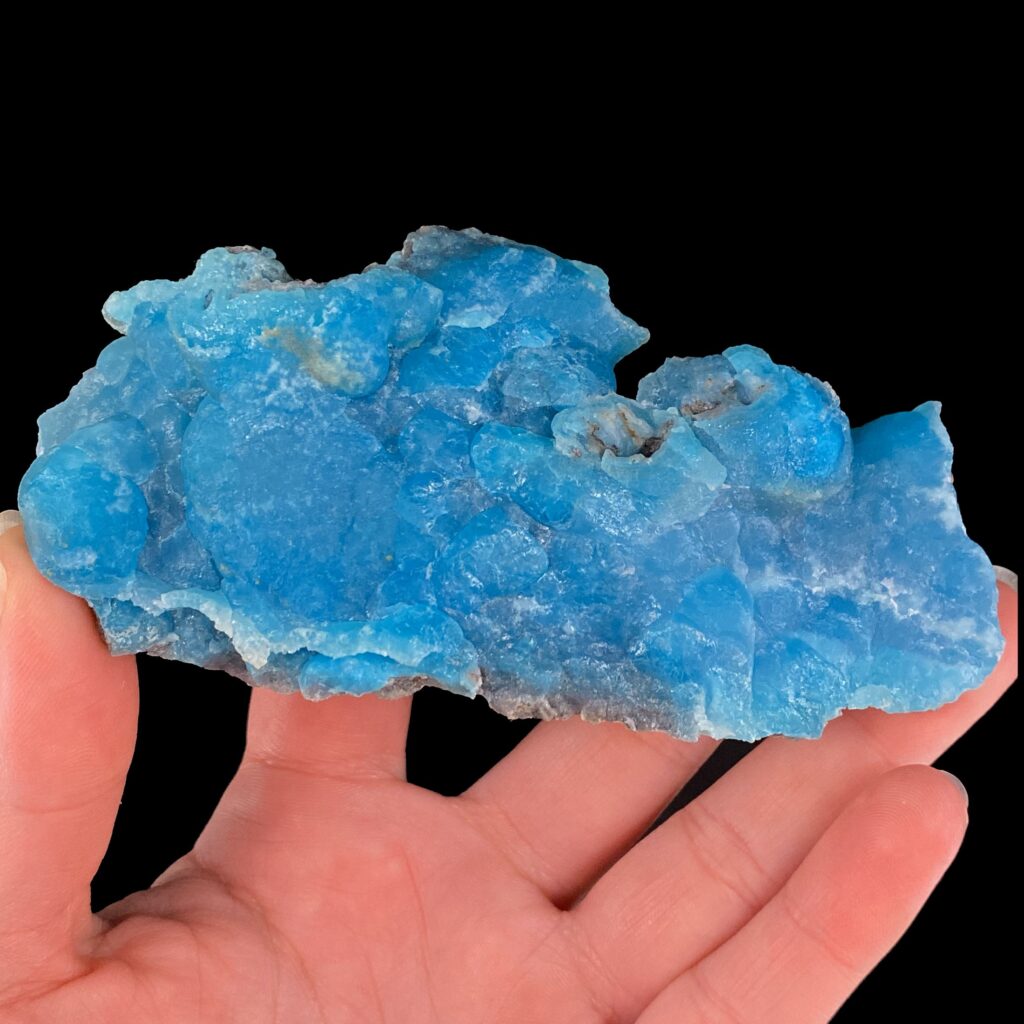
Smithsonit xanh là một trong những giống phổ biến nhất trong giới sưu tập và những người đam mê đá quý. Màu xanh của nó thường liên quan đến tạp chất đồng và có thể dao động từ xanh da trời nhạt đến các sắc thái xanh ngọc đậm hơn. Nhiều mẫu smithsonite xanh xuất hiện dưới dạng khối botryoidal với bề mặt nhẵn, tròn tạo nên vẻ ngoài hấp dẫn về mặt thị giác.
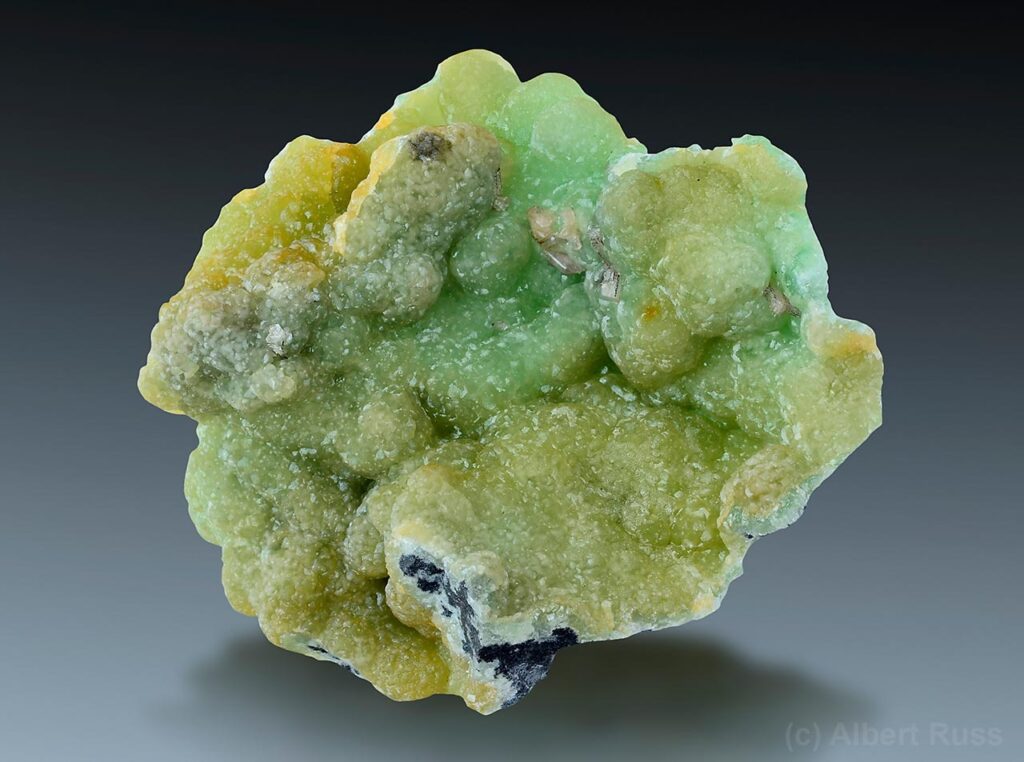
Smithsonite xanh là một loại phổ biến khác, thường bị ảnh hưởng bởi đồng, niken hoặc các nguyên tố vi lượng khác. Các mẫu vật màu xanh lục có thể xuất hiện nhạt và màu pastel hoặc thể hiện các sắc thái đậm hơn tùy thuộc vào thành phần hóa học và địa phương. Các biến thể này thường liên kết với các khoáng vật chứa đồng khác trong môi trường quặng bị oxy hóa.
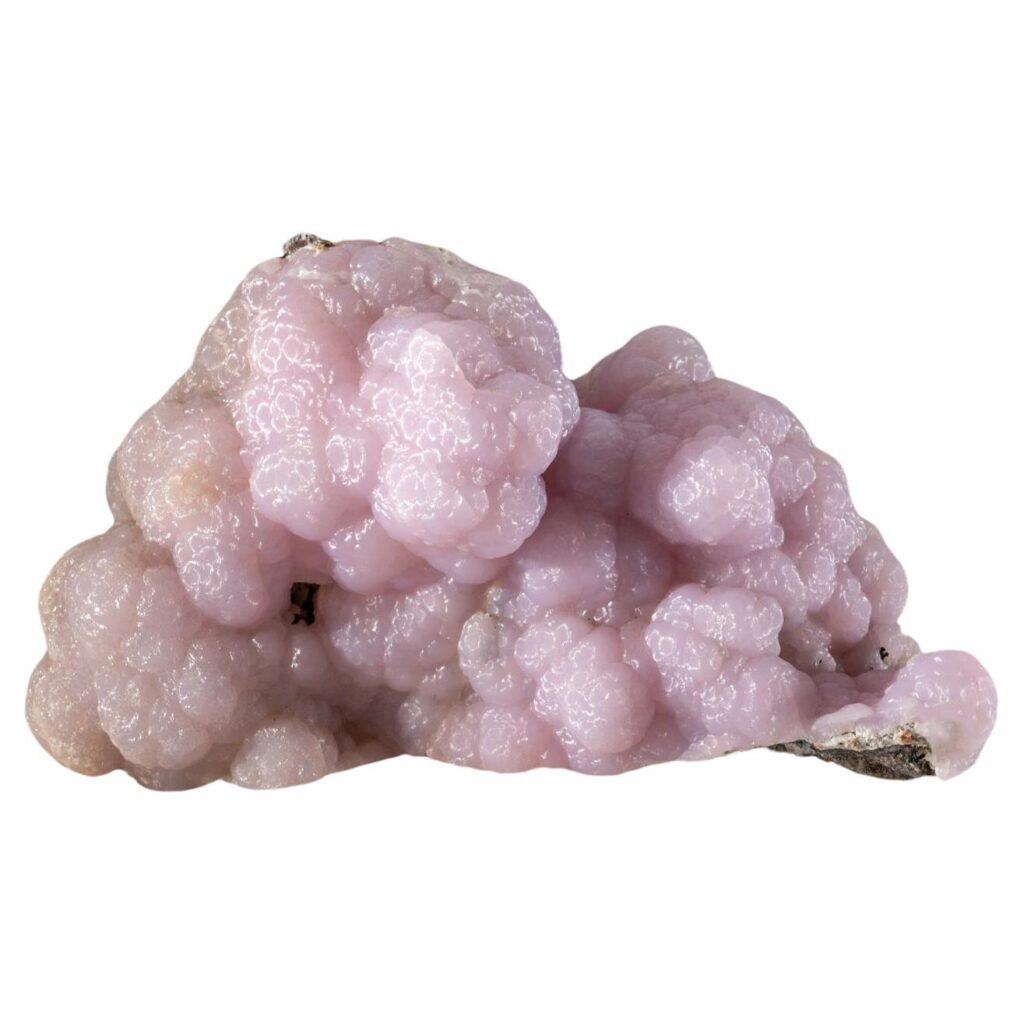
Smithsonit hồng được đánh giá cao vì màu sắc hấp dẫn của nó, thường là do sự thay thế của coban. Smithsonite chứa coban từ một số địa phương có thể thể hiện các tông màu hồng nhẹ nhàng, hồng hoặc oải hương và là một trong những dạng được các nhà sưu tập ưa chuộng nhất.
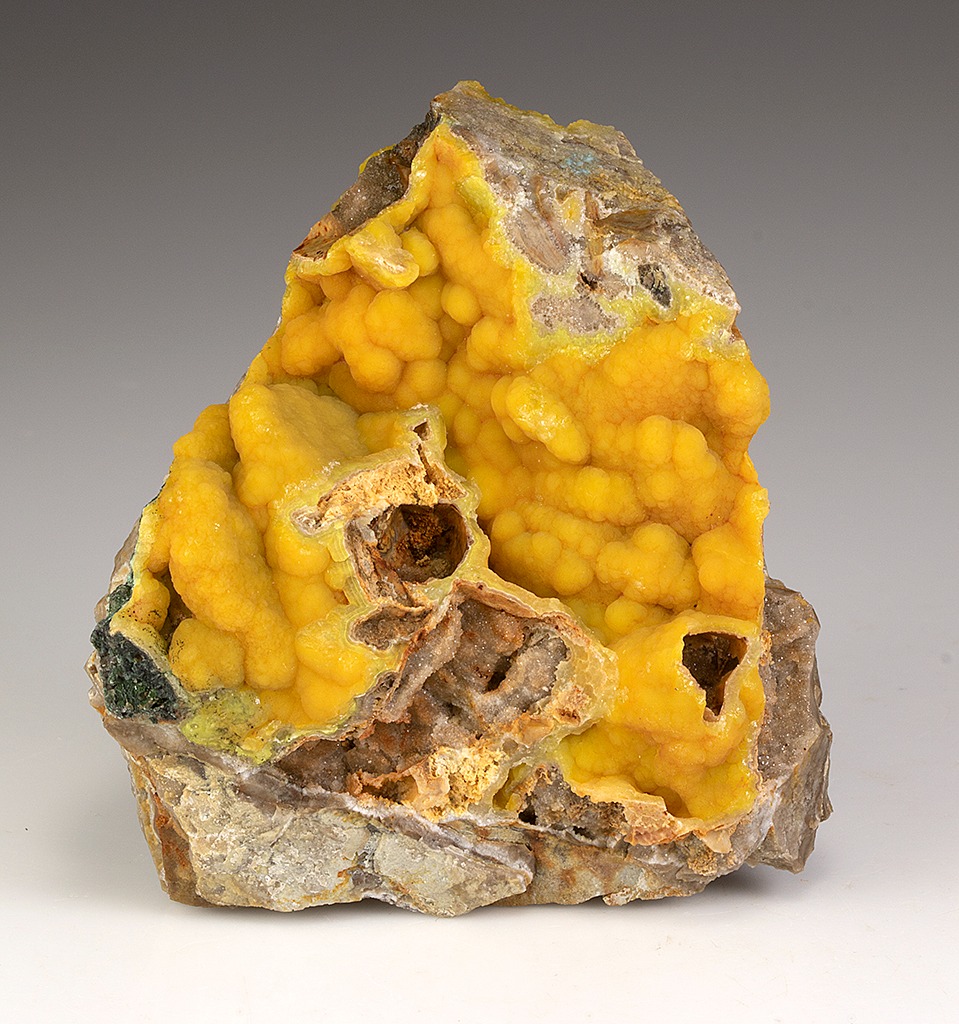
Vàng, nâu, trắng và xám smithsonit Các biến thể thường xuất phát từ các mức độ tinh khiết và hàm lượng nguyên tố vi lượng khác nhau. Mặc dù ít nổi tiếng hơn các mẫu vật màu xanh lam hoặc hồng, những màu sắc này vẫn có thể thể hiện các kết cấu đẹp và các đặc điểm địa chất thú vị, đặc biệt khi kết hợp với các thói quen tinh thể hoặc liên kết khoáng vật bất thường.
Cấu trúc tinh thể và tính chất vật lý của Smithsonite
Smithsonite kết tinh trong hệ tinh thể tam giác và thường phát triển cấu trúc hình thoi tương tự như các thành viên khác của nhóm canxit. Các tinh thể hình thành tốt tương đối hiếm gặp, và khoáng vật này thường được bắt gặp ở dạng chùm nho, khối, hoặc vỏ. Cấu trúc tinh thể của nó góp phần tạo ra sự phân cát hình thoi hoàn hảo, nghĩa là nó có thể tách dọc theo các mặt phẳng cụ thể khi chịu ứng suất.
Khoáng vật có độ cứng Mohs khoảng 4 đến 4.5, khiến nó mềm hơn nhiều loại đá quý thông thường. Trọng lượng riêng của nó tương đối cao đối với một khoáng vật cacbonat, thường khoảng 4.4 đến 4.5, do sự có mặt của kẽm. Smithsonit thường thể hiện ánh thủy tinh, ánh ngọc trai hoặc ánh sáp, đặc biệt trên các bề mặt được đánh bóng. Độ trong suốt thay đổi từ trong suốt đến mờ đục tùy thuộc vào chất lượng tinh thể và cấu trúc bên trong.
Smithsonite như một loại đá quý và khoáng vật sưu tầm
Mặc dù smithsonite không được sử dụng rộng rãi trong trang sức thương mại, nó đã trở nên phổ biến như một loại đá quý sưu tập nhờ màu sắc độc đáo và kết cấu hấp dẫn. Do độ cứng tương đối thấp và khả năng phân cắt hoàn hảo, nó thường được cắt thành cabochon thay vì đá quý mặt cắt. Bề mặt được đánh bóng mịn của smithsonite làm nổi bật màu sắc nhẹ nhàng và các hoa văn tự nhiên, khiến nó phù hợp cho mặt dây chuyền, bông tai và các tác phẩm trang sức nghệ thuật.
Trong số các mẫu vật chất lượng đá quý, các biến thể màu xanh dương, hồng và xanh lục là được ưa chuộng nhất. Tuy nhiên, trang sức smithsonite đòi hỏi sự xử lý cẩn thận vì khoáng vật này dễ bị trầy xước và có thể vỡ nếu chịu tác động mạnh. Vì lý do này, nó thường được coi là phù hợp hơn cho trang sức đeo không thường xuyên thay vì nhẫn hàng ngày hoặc các vật dụng sử dụng nhiều.
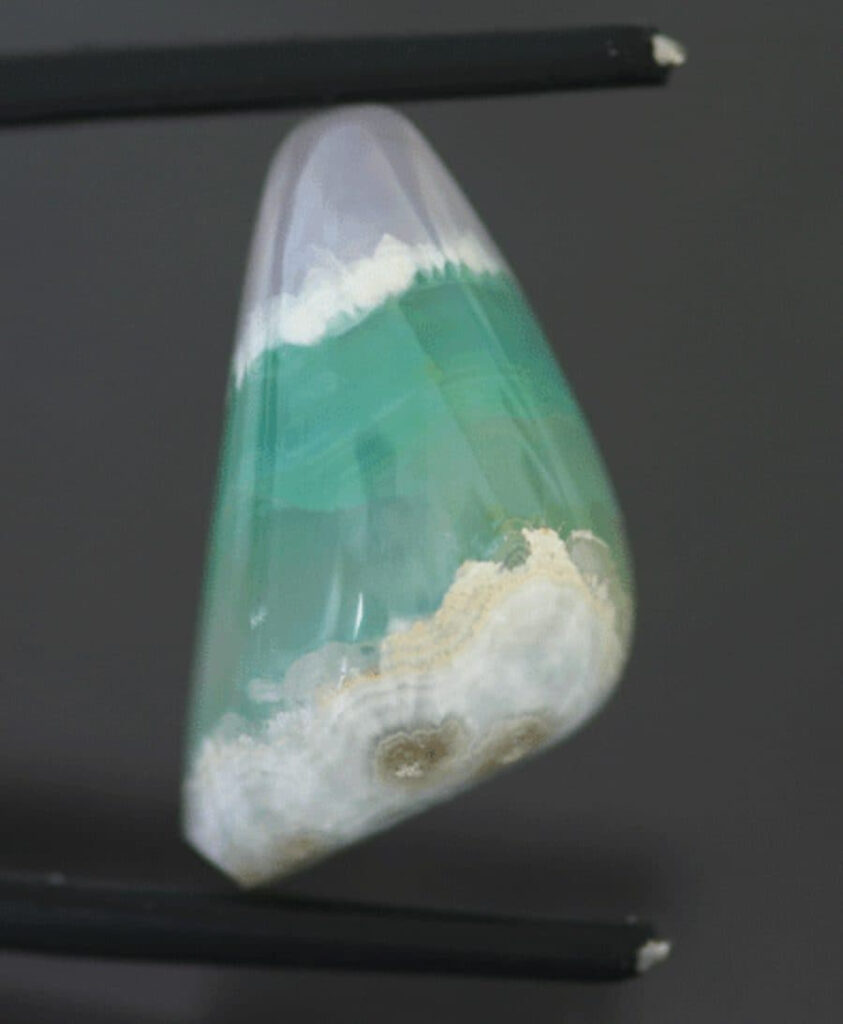
Các nhà sưu tập thường đánh giá smithsonite cao hơn thị trường trang sức bởi vì các mẫu vật đặc biệt tiết lộ thông tin địa chất quan trọng và thể hiện các hình thái tự nhiên độc đáo. Các mẫu vật từ các khu vực khai thác nổi tiếng với màu sắc rực rỡ, kết cấu bất thường hoặc ý nghĩa lịch sử có thể trở thành những bổ sung được săn đón nhiều cho các bộ sưu tập khoáng vật.
Công dụng và Tầm quan trọng của Smithsonite
Trong lịch sử, smithsonite là một quặng kẽm quan trọng và đã đóng góp đáng kể cho các ngành công nghiệp khai thác kẽm thời kỳ đầu. Trước khi sphalerite được sử dụng rộng rãi, các mỏ smithsonite đã được khai thác như một nguồn kẽm có giá trị. Kim loại khai thác được sử dụng để sản xuất hợp kim đồng thau, vật liệu mạ kẽm và nhiều sản phẩm công nghiệp khác.
Việc sử dụng smithsonit trong công nghiệp hiện đại bị hạn chế vì hầu hết sản xuất kẽm hiện nay phụ thuộc vào các mỏ sulfide lớn hơn. Tuy nhiên, khoáng vật này vẫn quan trọng trong nghiên cứu khoáng vật học, giáo dục, bộ sưu tập bảo tàng và ngành công nghiệp đá quý. Vai trò của nó trong việc hiểu các quá trình oxy hóa trong các mỏ quặng cũng khiến nó có giá trị đối với các nhà địa chất nghiên cứu sự hình thành khoáng vật.
Smithsonite tiếp tục đại diện cho một kết nối quan trọng giữa địa chất kinh tế, khoa học khoáng vật và văn hóa sưu tập. Sự kết hợp giữa ý nghĩa hóa học, tầm quan trọng lịch sử và sức hấp dẫn thẩm mỹ đảm bảo sự phổ biến liên tục của nó trong giới đam mê khoáng vật.
Cách nhận biết Smithsonite
Việc xác định smithsonite đòi hỏi phải kiểm tra một số đặc điểm vật lý và hóa học. Mật độ tương đối cao, thành phần cacbonat, mặt cát khai hình thoi và các dạng hình chùm nho điển hình của nó cung cấp những manh mối hữu ích. Giống như các khoáng vật cacbonat khác, smithsonite phản ứng với axit, giải phóng carbon dioxide khi tiếp xúc với axit clohydric, mặc dù phản ứng có thể yếu hơn so với canxit.
Bởi vì smithsonite có thể giống với các khoáng vật như hemimorphite, calcite và aragonite, việc nhận dạng chính xác có thể yêu cầu các phương pháp kiểm tra bổ sung, bao gồm kiểm tra độ cứng, đo trọng lượng riêng, soi kính hiển vi hoặc phân tích hóa học trong phòng thí nghiệm. Nhận dạng chuyên nghiệp đặc biệt quan trọng đối với các mẫu vật sưu tầm có giá trị.
Cách chăm sóc và bảo quản Smithsonite
Smithsonite cần được xử lý cẩn thận do độ mềm vừa phải và tính chất phân cắt. Các mẫu vật và trang sức cần được bảo vệ khỏi trầy xước, va đập và hóa chất mạnh. Việc vệ sinh nên được giới hạn ở các phương pháp nhẹ nhàng sử dụng nước ấm, xà phòng nhẹ và vải mềm. Nên tránh máy làm sạch siêu âm, máy xông hơi và vật liệu mài mòn vì chúng có thể làm hỏng bề mặt khoáng vật hoặc tạo ra các vết nứt. Đối với người sưu tầm, việc bảo quản smithsonite riêng biệt với các khoáng vật cứng hơn giúp ngăn ngừa trầy xước vô tình và giữ gìn vẻ đẹp tự nhiên của mẫu vật.