
Smithsonite adalah mineral seng karbonat dengan rumus kimia ZnCO₃ dan merupakan mineral sekunder penting yang terbentuk di zona oksidasi endapan bijih yang mengandung seng. Ini termasuk dalam kelompok mineral karbonat dan merupakan bagian dari kelompok kalsit, memiliki kesamaan struktural dengan mineral seperti kalsit, magnesit, dan siderit. Meskipun smithsonite murni biasanya tidak berwarna atau putih, spesimen alami sering menampilkan berbagai warna menarik, termasuk biru, hijau, merah muda, kuning, coklat, abu-abu, dan ungu. Warna-warna ini terutama disebabkan oleh unsur-unsur jejak yang menggantikan seng dalam struktur kristal, menciptakan keragaman luar biasa yang membuat smithsonite sangat dihargai di kalangan kolektor mineral.
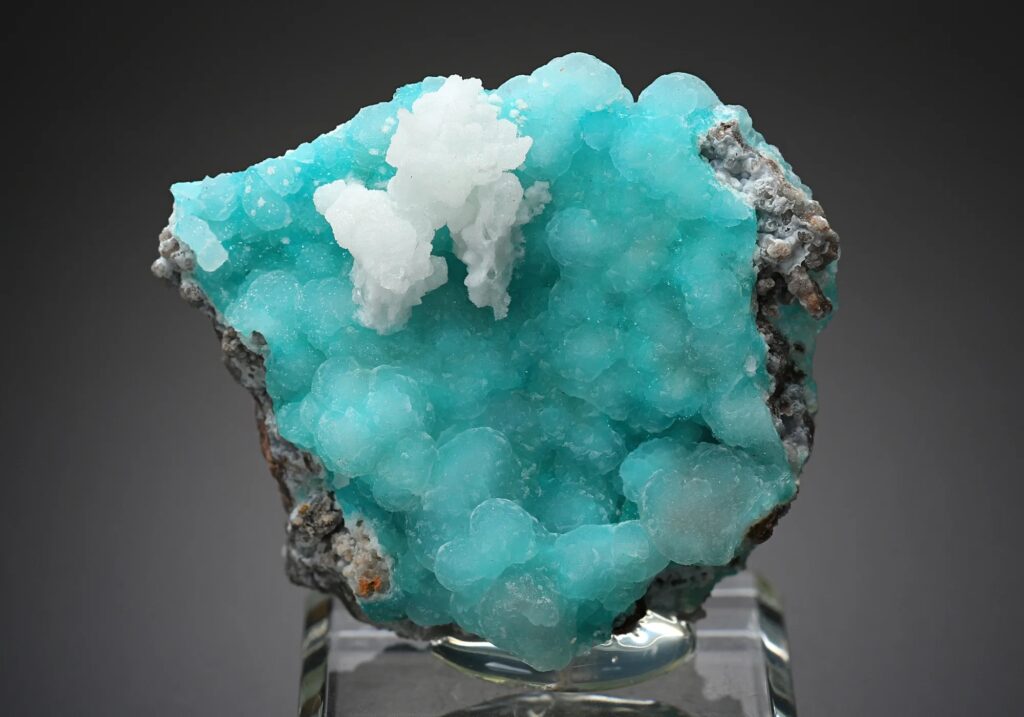
Tidak seperti banyak mineral yang membentuk kristal besar dan jelas, smithsonite paling sering ditemukan sebagai massa botrioidal, kerak, lapisan, formasi stalaktit, dan agregat padat. Warna lembutnya, tekstur membulat, dan kilap mutiara hingga lilin memberikan penampilan khas yang menjadikannya mineral kolektor yang populer dan bahan batu permata untuk cabochon dan benda dekoratif. Meskipun tidak dianggap sebagai batu permata berharga tradisional karena kekerasannya yang sedang dan kepekaan terhadap kerusakan, spesimen smithsonite berkualitas tinggi dihargai karena kelangkaannya, formasi unik, dan signifikansi geologisnya.Mineral ini dinamai sesuai dengan ahli kimia dan mineralogi Inggris James Smithson sebagai pengakuan atas kontribusinya pada ilmu mineral. Warisan ilmiah Smithson kemudian dikaitkan dengan pendirian Institusi Smithsonian, dan nama mineral tersebut melestarikan pengaruhnya pada perkembangan mineralogi modern.
Sejarah Smithsonite
Sejarah smithsonite mencerminkan evolusi klasifikasi mineral, ilmu kimia, dan industri pertambangan seng. Selama berabad-abad, smithsonite dikenal terutama sebagai bijih seng, bukan sebagai spesies mineral yang berbeda. Di Eropa dan wilayah pertambangan lainnya, mineral karbonat seng secara historis dikelompokkan dengan nama "calamine," istilah umum yang digunakan untuk bijih yang mengandung seng. Terminologi ini menimbulkan kebingungan karena baik smithsonite, suatu karbonat seng, maupun hemimorphite, suatu silikat seng, umumnya dideskripsikan menggunakan nama yang sama sebelum kemajuan dalam kimia mineral memungkinkan para ilmuwan membedakannya.
Pada akhir abad ke-18 dan awal abad ke-19, kemajuan dalam analisis kimia membantu para mineralogis memahami lebih baik komposisi dan klasifikasi mineral seng. Para peneliti menemukan bahwa beberapa spesimen calamine terdiri dari seng karbonat, bukan seng silikat, yang mengarah pada pengakuan smithsonite sebagai spesies mineral yang terpisah. Pada tahun 1832, mineralogis Prancis François Sulpice Beudant secara resmi memperkenalkan nama smithsonite untuk menghormati James Smithson, yang telah memberikan kontribusi penting dalam bidang kimia dan studi mineral. Smithsonite juga memainkan peran penting dalam perkembangan historis produksi seng. Sebelum bijih seng sulfida seperti sfalerit menjadi sumber utama seng industri, smithsonite adalah salah satu bijih seng utama yang ditambang di seluruh dunia. Mineral ini sangat penting di daerah-daerah di mana endapan seng teroksidasi dapat diakses di dekat permukaan. Seng yang diekstraksi dari smithsonite berkontribusi pada industri seperti pembuatan kuningan, perlindungan logam, dan produksi paduan.
Saat ini, smithsonite bukan lagi sumber seng komersial utama karena pertambangan modern terutama berfokus pada endapan sulfida yang lebih besar dan lebih layak secara ekonomi. Namun, mineral ini tetap penting dalam penelitian geologi dan koleksi mineral. Lokasi terkenal seperti Tambang Tsumeb di Namibia, Tambang Kelly di New Mexico, dan beberapa distrik seng bersejarah di Eropa telah menghasilkan spesimen smithsonite yang luar biasa yang terus menarik para kolektor dan museum di seluruh dunia.
Komposisi Kimia dan Klasifikasi Smithsonite
Smithsonite memiliki rumus kimia ideal ZnCO₃, terdiri dari seng, karbon, dan oksigen. Ini diklasifikasikan sebagai mineral karbonat dan termasuk dalam kelompok kalsit, yang mencakup beberapa mineral dengan struktur kristal serupa tetapi komposisi kimia berbeda. Dalam struktur smithsonite, ion seng menempati posisi yang dikelilingi oleh gugus karbonat, membentuk kerangka kristal trigonal yang stabil.
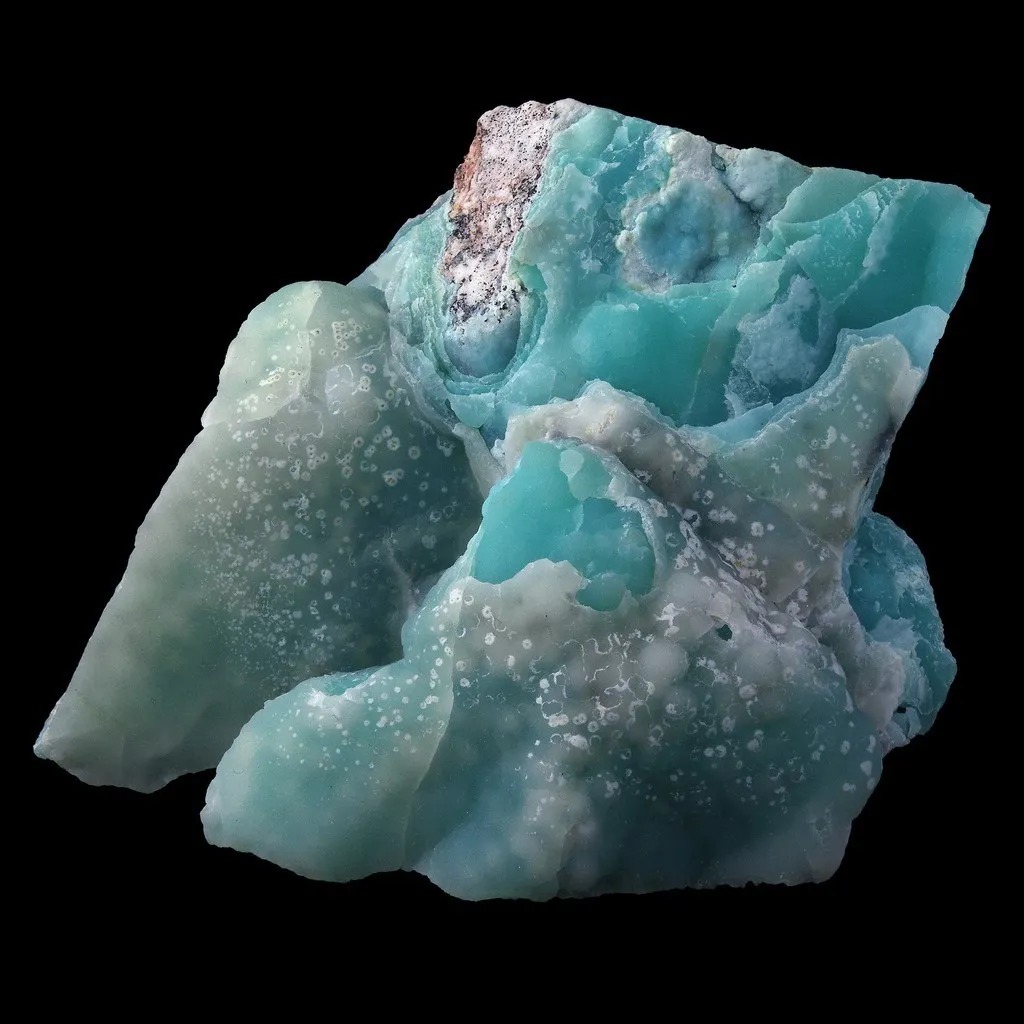
Pada spesimen alami, smithsonite jarang ada sebagai seng karbonat yang murni sempurna. Berbagai elemen dapat menggantikan seng selama pembentukan mineral, menghasilkan variasi kimia yang memengaruhi penampilan mineral. Kotoran tembaga dapat menciptakan warna biru atau hijau, kobalt dapat menghasilkan warna merah muda atau ungu, sementara besi dan mangan dapat berkontribusi pada warna kuning, cokelat, atau abu-abu. Substitusi kimia ini bertanggung jawab atas berbagai macam warna dan karakteristik visual yang ditemukan di endapan smithsonite yang berbeda.
Karena smithsonite terbentuk di lingkungan yang berubah secara kimia, komposisinya dapat bervariasi secara signifikan antar lokasi. Variasi ini tidak hanya mempengaruhi warna tetapi juga dapat mempengaruhi tekstur, perkembangan kristal, dan asosiasi mineral. Oleh karena itu, spesimen smithsonite dari berbagai daerah geologi sering menampilkan karakteristik unik yang membantu kolektor mengidentifikasi asal mereka.
Pembentukan dan Kejadian Geologis Smithsonite
Smithsonit terbentuk terutama melalui pelapukan dan oksidasi mineral seng sulfida, terutama sfalerit, di lingkungan dekat permukaan. Ketika endapan kaya seng terpapar air tanah teroksigenasi dan kondisi kaya karbonat, reaksi kimia mengubah mineral seng primer menjadi mineral karbonat sekunder seperti smithsonit. Proses ini umumnya terjadi di zona oksidasi endapan seng hidrotermal, di mana kondisi lingkungan yang berubah memungkinkan mineral baru berkembang.
Mineral tersebut biasanya terbentuk di rongga, retakan, dan zona penggantian di dalam batugamping dan batuan kaya karbonat lainnya. Alih-alih menghasilkan kristal individu besar, smithsonite biasanya berkembang sebagai lapisan botryoidal membulat, agregat masif, dan kerak berlapis. Formasi ini sering menampilkan permukaan halus dan variasi warna yang halus, membuatnya sangat menarik bagi kolektor.
Smithsonite sering ditemukan berasosiasi dengan mineral sekunder lainnya, termasuk hemimorfit, serusit, malakit, azurit, kalsit, dan limonit. Kombinasi mineral ini memberikan informasi geologis penting tentang proses oksidasi yang terjadi dalam endapan bijih kuno. Keberadaan smithsonite yang signifikan telah ditemukan di Namibia, Amerika Serikat, Meksiko, Australia, Yunani, Italia, Spanyol, dan Tiongkok, dengan beberapa tambang bersejarah menghasilkan spesimen berkualitas luar biasa.
Jenis dan Variasi Warna Smithsonite
Smithsonite dikenal karena keragaman warnanya yang luar biasa, yang terutama dihasilkan dari elemen jejak yang tergabung dalam struktur kristalnya. Berbagai varietas sering diidentifikasi berdasarkan warna dominan dan kotoran mineralnya.
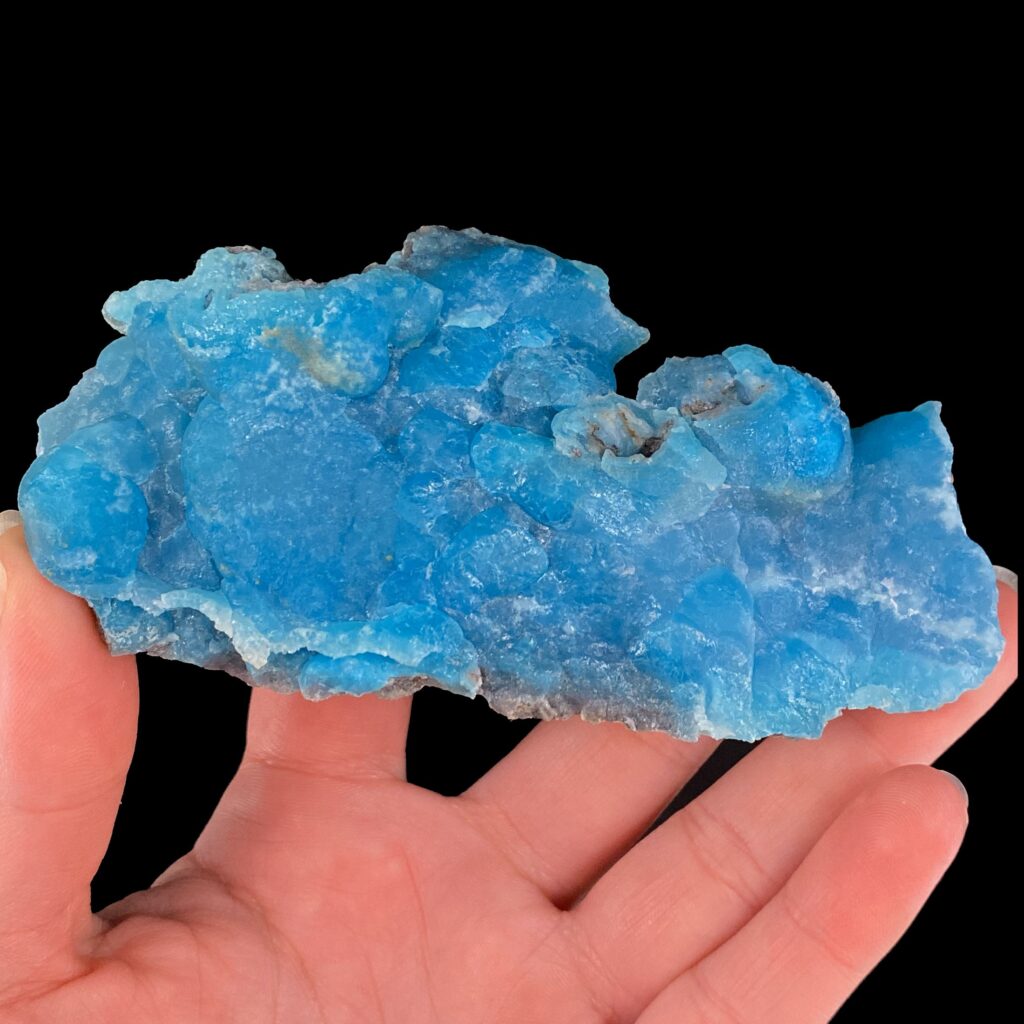
Smithsonit biru adalah salah satu varietas paling populer di kalangan kolektor dan penggemar batu permata. Warna birunya biasanya dikaitkan dengan adanya pengotor tembaga dan dapat berkisar dari biru langit pucat hingga warna turquoise yang lebih dalam. Banyak spesimen smithsonite biru terjadi sebagai massa botryoidal dengan permukaan halus dan bulat yang menciptakan penampilan yang menarik secara visual.
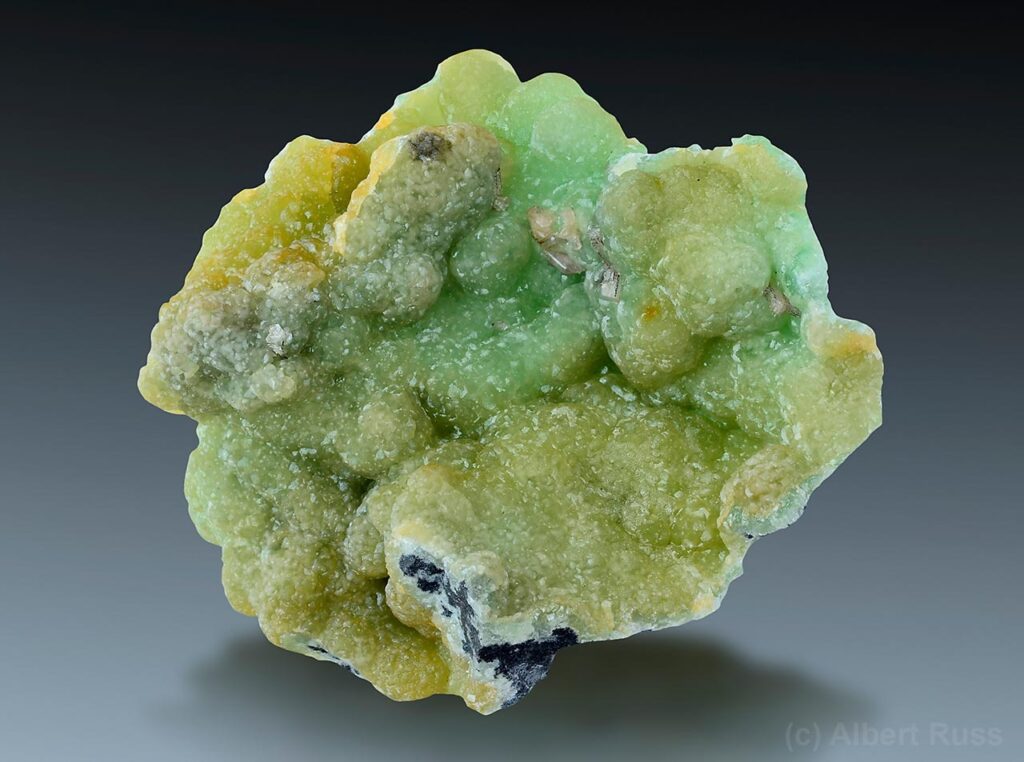
Smithsonit hijau adalah variasi umum lainnya, sering dipengaruhi oleh tembaga, nikel, atau elemen jejak lainnya. Spesimen hijau mungkin tampak pucat dan pastel atau menunjukkan corak yang lebih kuat tergantung pada komposisi kimia dan lokalitas. Variasi ini sering dikaitkan dengan mineral mengandung tembaga lainnya di lingkungan bijih teroksidasi.
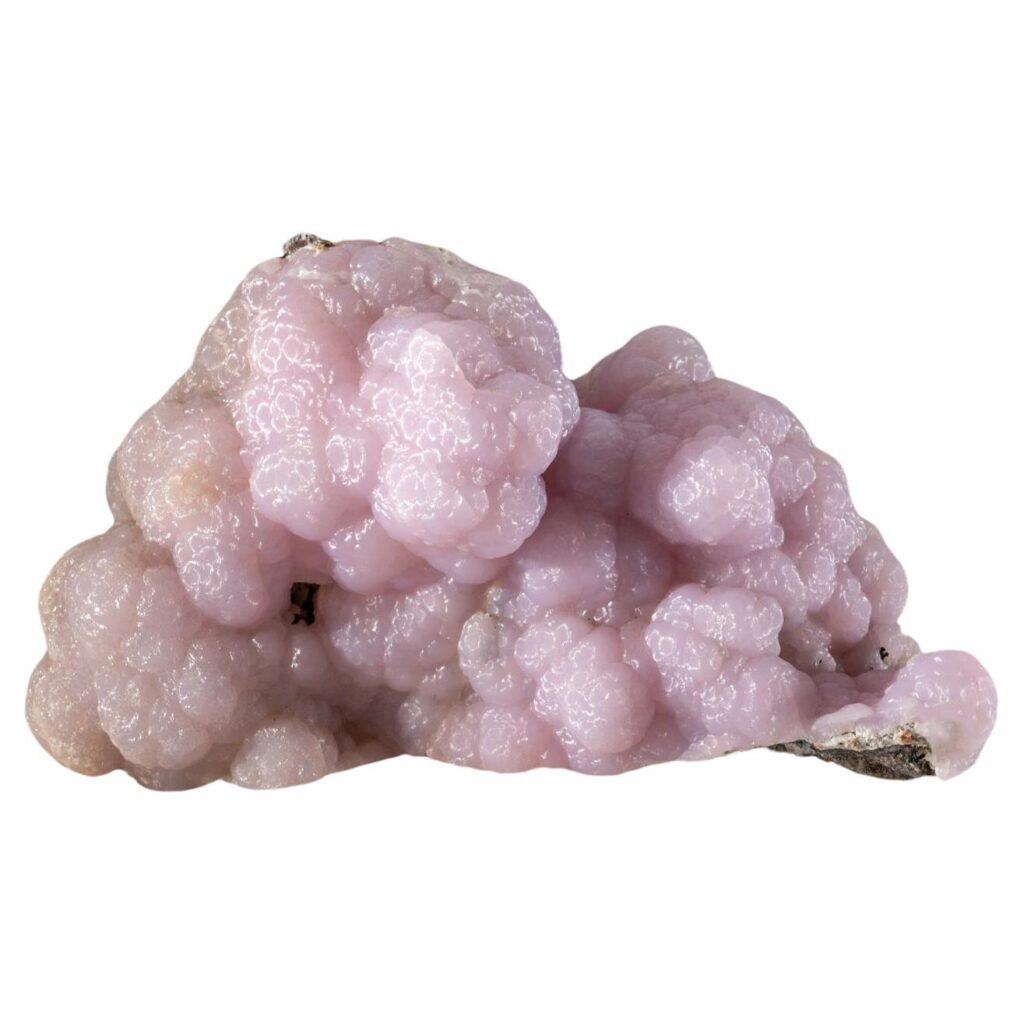
Smithsonit merah muda sangat dihargai karena warnanya yang menarik, yang biasanya disebabkan oleh substitusi kobalt. Smithsonit yang mengandung kobalt dari daerah tertentu dapat menampilkan nuansa merah muda, pink, atau lavender yang halus dan merupakan salah satu bentuk yang paling diinginkan oleh kolektor.
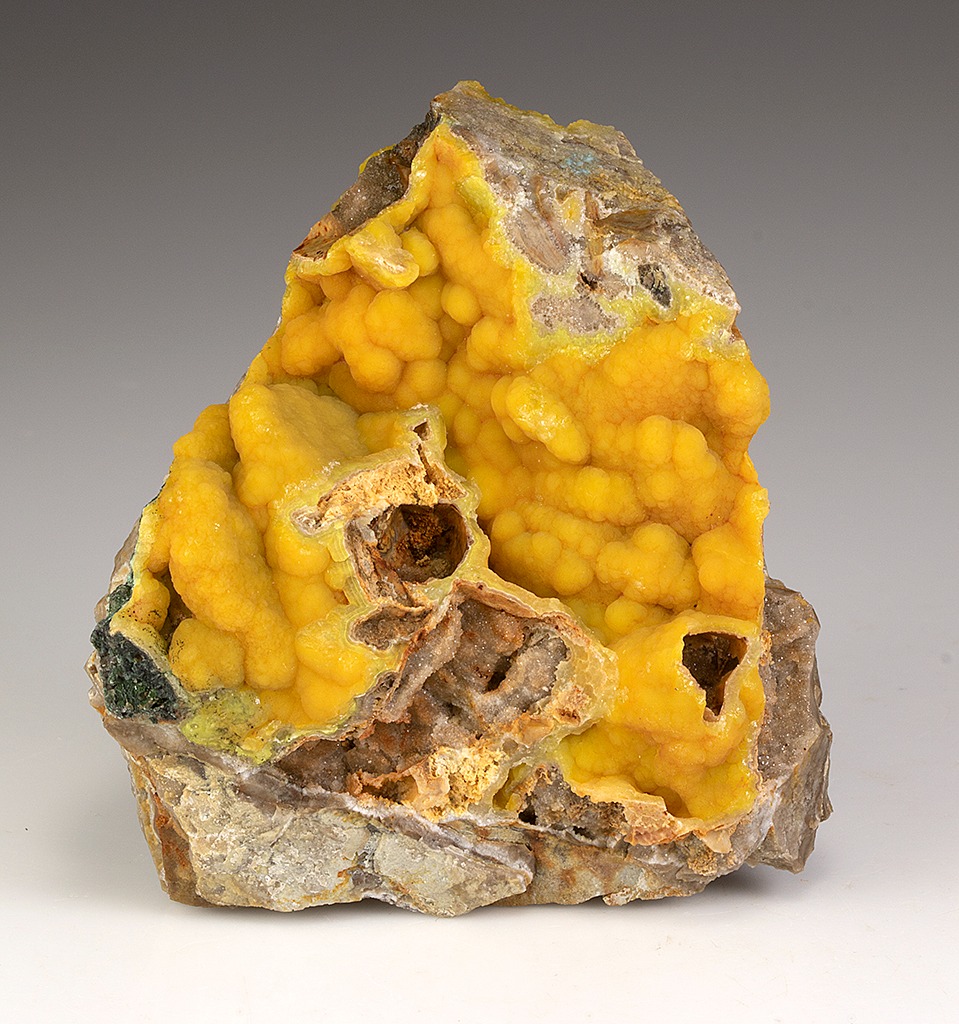
Kuning, coklat, putih, dan abu-abu smithsonite varietas umumnya dihasilkan dari tingkat kemurnian dan kandungan unsur jejak yang berbeda. Meskipun kurang terkenal daripada spesimen biru atau merah muda, warna-warna ini masih dapat menampilkan tekstur yang indah dan fitur geologis yang menarik, terutama jika dikombinasikan dengan kebiasaan kristal yang tidak biasa atau asosiasi mineral.
Struktur Kristal dan Sifat Fisik Smithsonit
Smithsonite mengkristal dalam sistem kristal trigonal dan umumnya mengembangkan struktur rombohedral yang mirip dengan anggota lain dari kelompok kalsit. Kristal yang terbentuk dengan baik relatif jarang, dan mineral ini lebih sering ditemukan sebagai formasi botryoidal, masif, atau seperti kerak. Struktur kristalnya berkontribusi pada belahan rombohedral sempurnanya, yang berarti dapat terbelah sepanjang bidang tertentu saat mengalami tekanan.
Mineral ini memiliki kekerasan Mohs sekitar 4 hingga 4,5, sehingga lebih lunak dibandingkan banyak batu permata umum. Berat jenisnya relatif tinggi untuk mineral karbonat, biasanya sekitar 4,4 hingga 4,5, karena adanya seng. Smithsonite biasanya menunjukkan kilap kaca, mutiara, atau lilin, terutama pada permukaan yang dipoles. Transparansi bervariasi dari transparan hingga buram tergantung pada kualitas kristal dan struktur internal.
Smithsonite sebagai Batu Permata dan Mineral Kolektor
Meskipun smithsonite tidak banyak digunakan dalam perhiasan komersial, batu ini telah mendapatkan popularitas sebagai batu permata kolektor karena warna-warnanya yang tidak biasa dan teksturnya yang menarik. Karena kekerasannya yang relatif rendah dan belahan sempurna, batu ini biasanya dipotong menjadi cabochon daripada batu permata faceted. Permukaan halus yang dipoles dari smithsonite menonjolkan warna lembut dan pola alaminya, membuatnya cocok untuk liontin, anting-anting, dan perhiasan artistik.
Di antara spesimen berkualitas permata, varietas biru, merah muda, dan hijau adalah yang paling diinginkan. Namun, perhiasan smithsonit memerlukan penanganan hati-hati karena mineral ini mudah tergores dan dapat pecah jika terkena benturan keras. Karena alasan ini, secara umum dianggap lebih cocok untuk perhiasan yang dikenakan sesekali daripada cincin sehari-hari atau barang yang sering digunakan.
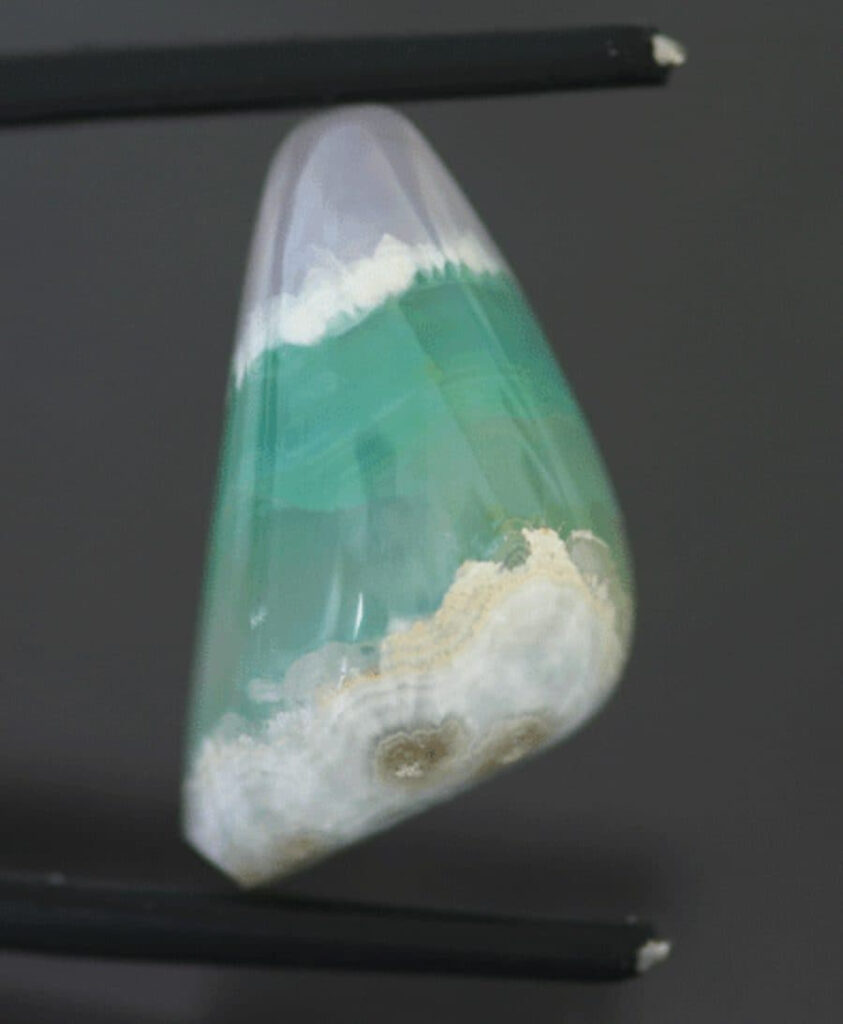
Kolektor sering kali menghargai smithsonite lebih tinggi daripada pasar perhiasan karena spesimen luar biasa mengungkapkan informasi geologis penting dan menampilkan formasi alami yang unik. Spesimen dari lokasi pertambangan terkenal dengan warna cerah, tekstur tidak biasa, atau signifikansi historis dapat menjadi tambahan yang sangat dicari dalam koleksi mineral.
Penggunaan dan Pentingnya Smithsonite
Secara historis, smithsonite merupakan bijih seng yang penting dan berkontribusi signifikan terhadap industri ekstraksi seng awal. Sebelum penggunaan sphalerite secara luas, endapan smithsonite ditambang sebagai sumber seng yang berharga. Logam yang diekstraksi digunakan dalam memproduksi paduan kuningan, bahan galvanis, dan berbagai produk industri.
Penggunaan industri modern smithsonite terbatas karena sebagian besar produksi seng sekarang bergantung pada endapan sulfida yang lebih besar. Meskipun demikian, mineral ini tetap penting dalam penelitian mineralogi, pendidikan, koleksi museum, dan industri batu permata. Perannya dalam memahami proses oksidasi di endapan bijih juga membuatnya berharga bagi para geolog yang mempelajari pembentukan mineral.
Smithsonit terus mewakili hubungan penting antara geologi ekonomi, ilmu mineral, dan budaya koleksi. Kombinasi signifikansi kimia, kepentingan historis, dan daya tarik estetikanya memastikan popularitasnya yang berkelanjutan di kalangan penggemar mineral.
Cara Mengidentifikasi Smithsonite
Identifikasi smithsonit memerlukan pemeriksaan beberapa karakteristik fisik dan kimia. Kepadatannya yang relatif tinggi, komposisi karbonat, belahan rombohedral, dan formasi botryoidal yang khas memberikan petunjuk yang berguna. Seperti mineral karbonat lainnya, smithsonit bereaksi dengan asam, melepaskan karbon dioksida saat terkena asam klorida, meskipun reaksinya mungkin lebih lemah dibandingkan dengan kalsit.
Karena smithsonite dapat menyerupai mineral seperti hemimorphite, kalsit, dan aragonit, identifikasi yang akurat mungkin memerlukan metode pengujian tambahan, termasuk pengujian kekerasan, pengukuran berat jenis, mikroskopi, atau analisis kimia laboratorium. Identifikasi profesional sangat penting untuk spesimen kolektor yang berharga.
Perawatan dan Pemeliharaan Smithsonite
Smithsonit harus ditangani dengan hati-hati karena sifatnya yang cukup lunak dan belahannya. Spesimen dan perhiasan harus dilindungi dari goresan, benturan, dan bahan kimia keras. Pembersihan harus dibatasi pada metode lembut menggunakan air hangat, sabun ringan, dan kain lembut. Pembersih ultrasonik, pembersih uap, dan bahan abrasif harus dihindari karena dapat merusak permukaan mineral atau menimbulkan retakan. Bagi kolektor, menyimpan smithsonit terpisah dari mineral yang lebih keras membantu mencegah goresan yang tidak disengaja dan menjaga keindahan alami spesimen.