
Smithsonitul este un mineral de carbonat de zinc cu formula chimică ZnCO₃ și este un mineral secundar important format în zonele de oxidare ale zăcămintelor de minereu care conțin zinc. Aparține grupului mineralelor carbonatice și face parte din grupul calcitului, având similarități structurale cu minerale precum calcitul, magnezitul și sideritul. Deși smithsonitul pur este de obicei incolor sau alb, eșantioanele naturale prezintă adesea o gamă largă de culori atractive, inclusiv albastru, verde, roz, galben, maro, gri și violet. Aceste culori sunt cauzate în principal de elemente urmă care înlocuiesc zincul în structura cristalină, creând diversitatea remarcabilă care face ca smithsonitul să fie foarte apreciat de colecționarii de minerale.
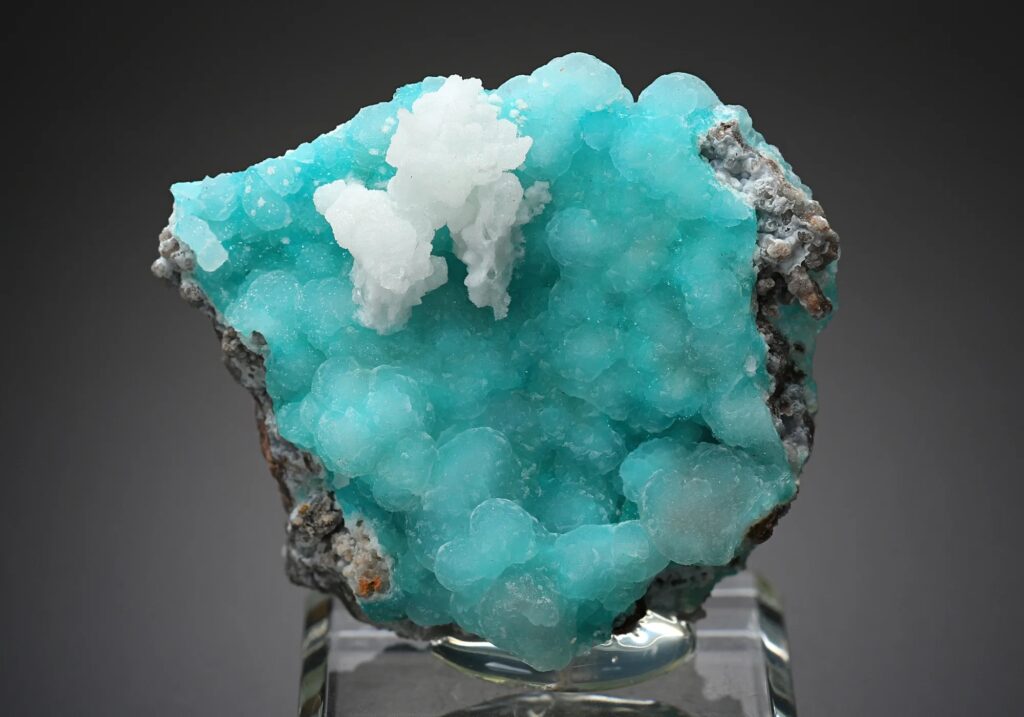
Spre deosebire de multe minerale care formează cristale mari și bine definite, smithsonitul apare cel mai frecvent sub formă de mase botrioide, cruste, învelișuri, formațiuni stalactitice și agregate compacte. Culorile sale pale, texturile rotunjite și luciul perlat până la ceros îi conferă un aspect distinctiv care l-a făcut un mineral popular pentru colecționari și un material gemologic pentru cabochoane și obiecte decorative. Deși nu este considerată o piatră prețioasă tradițională din cauza durității sale moderate și a sensibilității la deteriorare, specimenele de smithsonit de înaltă calitate sunt apreciate pentru raritatea lor, formațiunile unice și semnificația geologică.Mineralul a fost numit după chimistul și mineralogul englez James Smithson, în recunoaștere a contribuțiilor sale la știința mineralelor. Moștenirea științifică a lui Smithson a devenit ulterior asociată cu înființarea Institutului Smithsonian, iar numele mineralului îi păstrează influența asupra dezvoltării mineralogiei moderne.
Istoria smithsonitului
Istoria smithsonitului reflectă evoluția clasificării mineralelor, științei chimice și industriei de exploatare a zincului. Timp de multe secole, smithsonitul a fost cunoscut în principal ca minereu de zinc, mai degrabă decât ca o specie distinctă de mineral. În Europa și în alte regiuni miniere, mineralele carbonatate de zinc erau grupate istoric sub denumirea de "calamină", un termen general utilizat pentru minereurile care conțin zinc. Această terminologie a creat confuzie, deoarece atât smithsonitul, un carbonat de zinc, cât și hemimorfitul, un silicat de zinc, erau descrise în mod obișnuit cu același nume înainte ca progresele din chimia mineralelor să le permită oamenilor de știință să le distingă.
La sfârșitul secolului al XVIII-lea și începutul secolului al XIX-lea, îmbunătățirile în analiza chimică i-au ajutat pe mineralogi să înțeleagă mai bine compoziția și clasificarea mineralelor de zinc. Cercetătorii au descoperit că anumite specimene de calamină erau compuse din carbonat de zinc, nu din silicat de zinc, ceea ce a dus la recunoașterea smithsonitului ca specie minerală separată. În 1832, mineralogul francez François Sulpice Beudant a introdus oficial numele de smithsonit în onoarea lui James Smithson, care adusese contribuții importante la chimie și studiul mineralelor. Smithsonitul a jucat, de asemenea, un rol semnificativ în dezvoltarea istorică a producției de zinc. Înainte ca minereurile de sulfură de zinc, precum sfaleritul, să devină sursa dominantă de zinc industrial, smithsonitul a fost unul dintre principalele minereuri de zinc exploatate în întreaga lume. A fost deosebit de important în regiunile unde zăcămintele de zinc oxidat erau accesibile aproape de suprafață. Zincul extras din smithsonit a contribuit la industrii precum fabricarea alamei, protecția metalelor și producția de aliaje.
Astăzi, smithsonitul nu mai este o sursă comercială primară de zinc, deoarece mineritul modern se concentrează în principal pe depozite de sulfură mai mari și mai viabile din punct de vedere economic. Cu toate acestea, rămâne un mineral important în cercetarea geologică și în colectarea de minerale. Localități celebre, precum Mina Tsumeb din Namibia, Mina Kelly din New Mexico și câteva districte istorice de zinc europene, au produs exemplare excepționale de smithsonit care continuă să atragă colecționari și muzee din întreaga lume.
Compoziția chimică și clasificarea smithsonitului
Smithsonitul are formula chimică ideală ZnCO₃, constând din zinc, carbon și oxigen. Este clasificat ca mineral carbonatic și aparține grupului calcitului, care include mai multe minerale cu structuri cristaline similare, dar compoziții chimice diferite. În cadrul structurii smithsonitului, ionii de zinc ocupă poziții înconjurate de grupări carbonatice, formând o rețea cristalină trigonală stabilă.
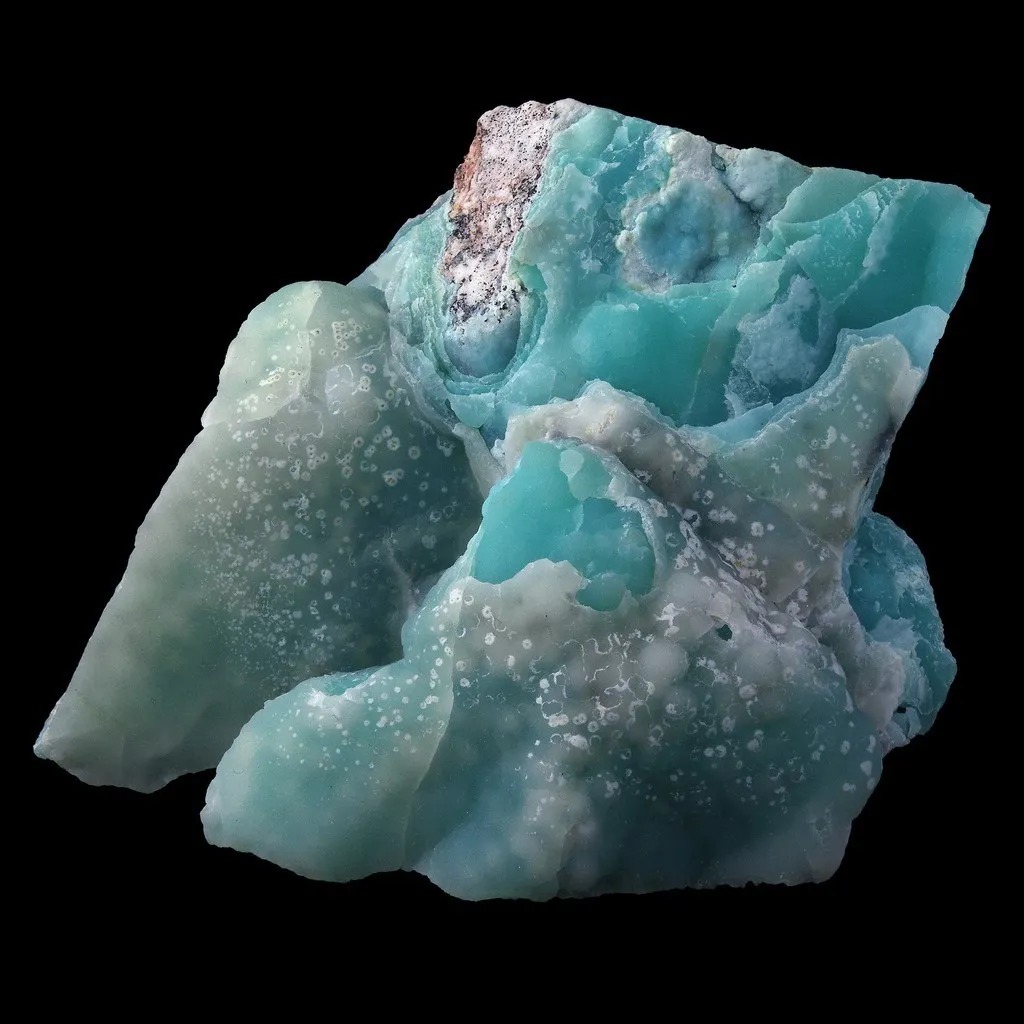
În eșantioanele naturale, smithsonitul există rareori sub formă de carbonat de zinc perfect pur. Diverse elemente pot substitui zincul în timpul formării mineralului, generând variații chimice care influențează aspectul acestuia. Impuritățile de cupru pot crea culori albastre sau verzi, cobaltul poate produce tonuri roz sau mov, în timp ce fierul și manganul pot contribui cu nuanțe galbene, maro sau gri. Aceste substituții chimice sunt responsabile pentru gama largă de culori și caracteristici vizuale întâlnite în diferite zăcăminte de smithsonit.
Deoarece smithsonitul se formează în medii chimice în schimbare, compoziția sa poate varia semnificativ între locații. Această variație nu afectează doar culoarea, ci poate influența și textura, dezvoltarea cristalelor și asocierile minerale. Din acest motiv, exemplarele de smithsonit din diferite regiuni geologice prezintă adesea caracteristici unice care ajută colecționarii să identifice originea lor.
Formarea și Apariția Geologică a Smithsonitului
Smithsonita se formează în principal prin alterarea și oxidarea mineralelor de sulfură de zinc, în special a sfaleritului, în medii de suprafață. Atunci când depozitele bogate în zinc sunt expuse la ape subterane oxigenate și condiții bogate în carbonați, reacțiile chimice transformă mineralele primare de zinc în minerale secundare de carbonat, cum ar fi smithsonita. Acest proces are loc de obicei în zonele de oxidare ale depozitelor hidrotermale de zinc, unde condițiile de mediu în schimbare permit dezvoltarea de noi minerale.
Mineralul se formează de obicei în cavități, fisuri și zone de substituție în cadrul calcarului și al altor roci bogate în carbonați. În loc să producă cristale individuale mari, smithsonitul se dezvoltă de obicei sub formă de acoperiri botrioide rotunjite, agregate masive și cruste stratificate. Aceste formațiuni prezintă adesea suprafețe netede și variații subtile de culoare, ceea ce le face extrem de atractive pentru colecționari.
Smithsonitul se găsește frecvent asociat cu alte minerale secundare, inclusiv hemimorfit, ceruzită, malachit, azurit, calcit și limonit. Aceste combinații minerale oferă informații geologice importante despre procesele de oxidare care au avut loc în cadrul zăcămintelor antice de minereuri. Ocurențe semnificative de smithsonit au fost descoperite în Namibia, Statele Unite, Mexic, Australia, Grecia, Italia, Spania și China, mai multe mine istorice producând exemplare de o calitate excepțională.
Tipuri și varietăți de culoare ale smithsonitului
Smithsonita este cunoscută pentru diversitatea sa remarcabilă de culori, care rezultă în principal din elemente urmă încorporate în structura sa cristalină. Diferitele varietăți sunt adesea identificate pe baza culorilor dominante și a impurităților minerale.
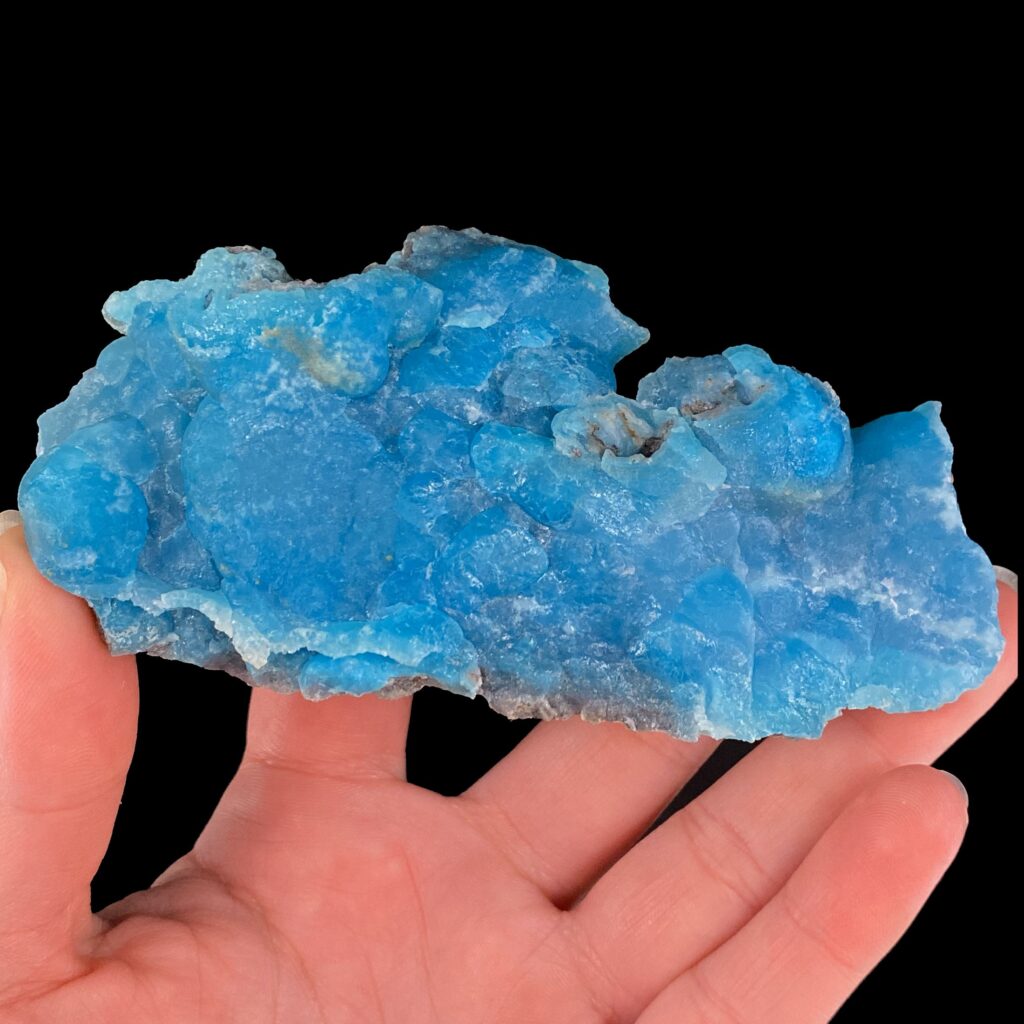
Smithsonit albastru este una dintre cele mai populare varietăți printre colecționari și entuziaști ai pietrelor prețioase. Colorarea sa albastră este asociată de obicei cu impuritățile de cupru și poate varia de la un albastru cer deschis până la nuanțe mai profunde de turcoaz. Multe specimene de smithsonit albastru apar sub formă de mase botrioide cu suprafețe netede și rotunjite care creează un aspect atractiv din punct de vedere vizual.
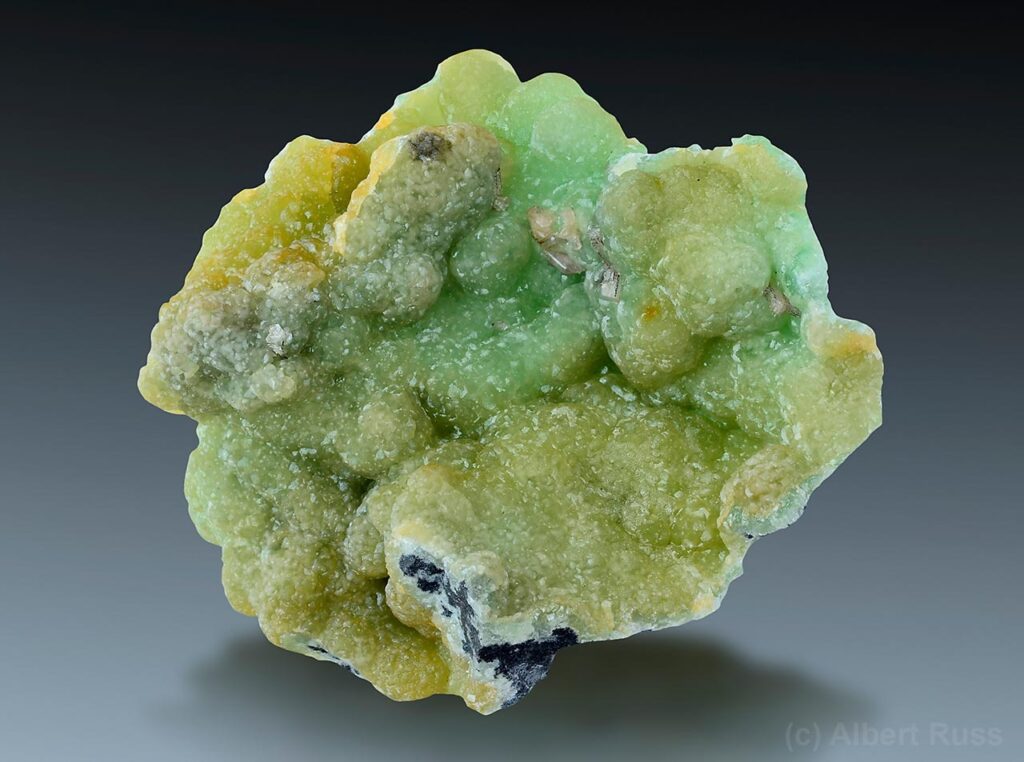
Smithsonit verde este o altă varietate comună, adesea influențată de cupru, nichel sau alte elemente de urme. Specimenele verzi pot apărea pale și pastelate sau pot prezenta nuanțe mai intense în funcție de compoziția chimică și localitate. Aceste varietăți sunt frecvent asociate cu alte minerale cuprifere în medii de minereu oxidat.
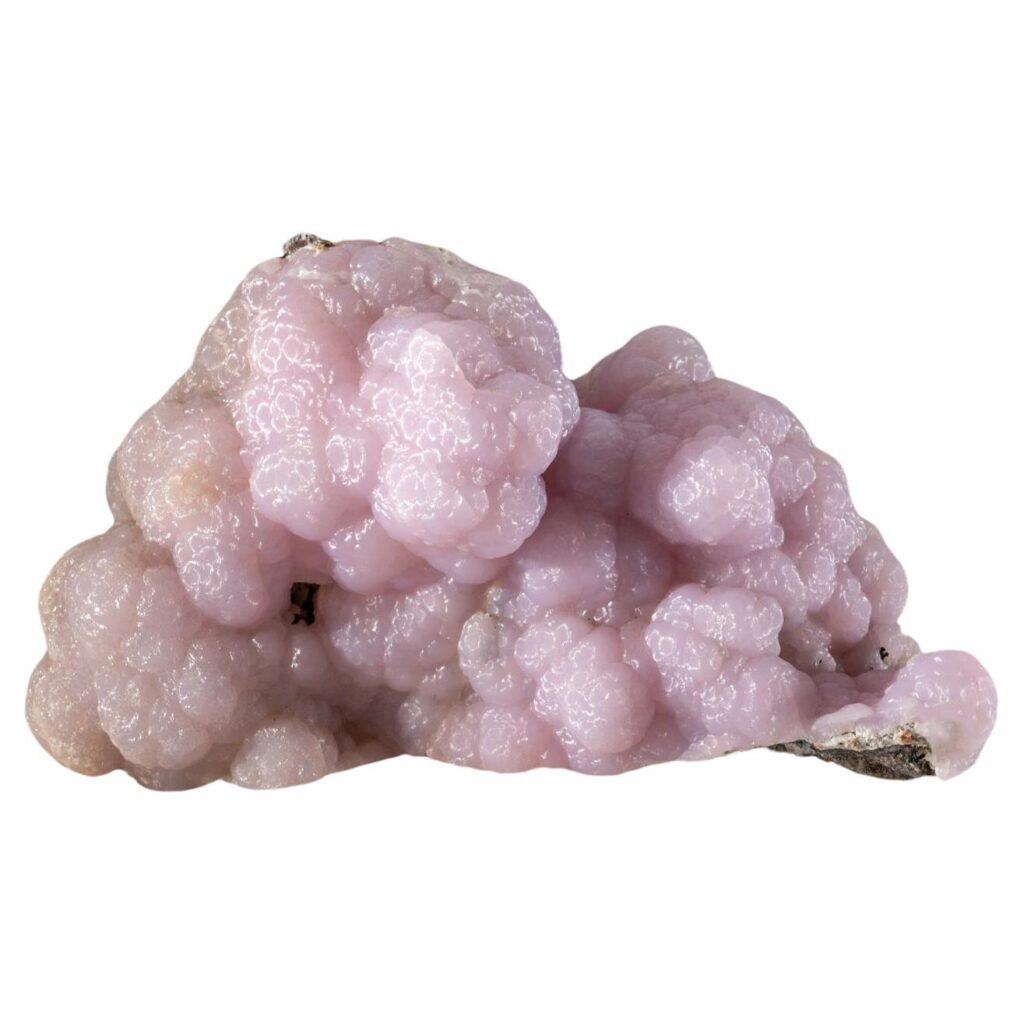
Smithsonit roz este foarte apreciată datorită colorației sale atractive, care este de obicei cauzată de substituția cu cobalt. Smithsonitul care conține cobalt din anumite localități poate prezenta nuanțe delicate de trandafiriu, roz sau lavandă și se numără printre cele mai dorite forme pentru colecționari.
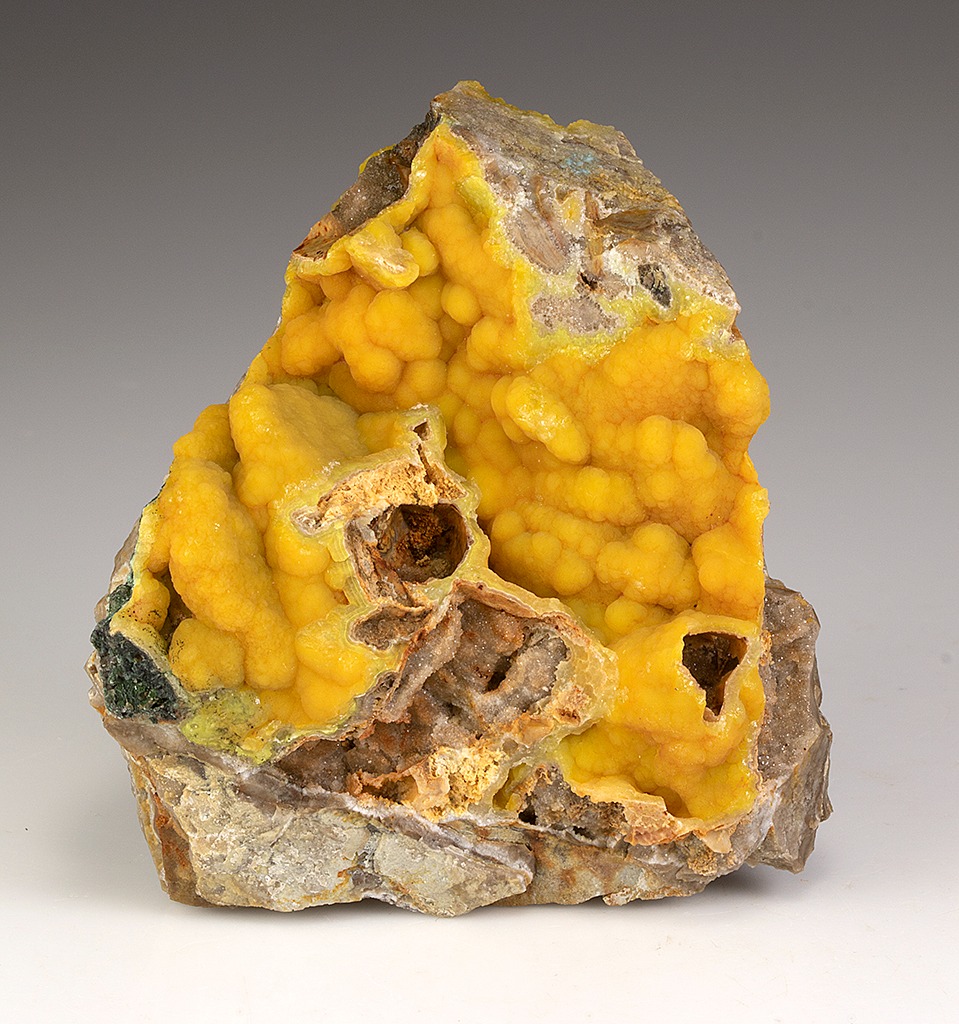
Galben, maro, alb și gri smithsonit varietățile rezultă, în general, din diferite niveluri de puritate și conținut de elemente urmă. Deși mai puțin celebre decât exemplarele albastre sau roz, aceste culori pot încă prezenta texturi frumoase și caracteristici geologice interesante, mai ales atunci când sunt combinate cu obiceiuri cristaline neobișnuite sau asociații minerale.
Structura cristalină și proprietățile fizice ale smithsonitului
Smithsonitul cristalizează în sistemul cristalin trigonal și dezvoltă frecvent o structură rombohedrală similară altor membri ai grupului calcitului. Cristalele bine formate sunt relativ rare, iar mineralul este întâlnit mai des sub forma unor formațiuni botrioidale, masive sau crustiforme. Structura sa cristalină contribuie la clivajul său perfect rombohedral, ceea ce înseamnă că se poate despica de-a lungul unor plane specifice atunci când este supus stresului.
Mineralul are o duritate Mohs de aproximativ 4 până la 4,5, ceea ce îl face mai moale decât multe pietre prețioase comune. Greutatea sa specifică este relativ ridicată pentru un mineral carbonatic, de obicei în jur de 4,4 până la 4,5, datorită prezenței zincului. Smithsonitul prezintă de obicei un luciu vitro-s, perlat sau ceros, în special pe suprafețe lustruite. Transparența variază de la transparent la opac, în funcție de calitatea cristalelor și de structura internă.
Smithsonitul ca piatră prețioasă și mineral de colecție
Deși smithsonitul nu este utilizat pe scară largă în bijuteriile comerciale, a câștigat popularitate ca piatră prețioasă pentru colecționari datorită culorilor sale neobișnuite și texturilor atractive. Datorită durității sale relativ scăzute și clivajului perfect, este de obicei tăiat în cabochoane, mai degrabă decât în pietre prețioase fațetate. Suprafața netedă și lustruită a smithsonitului evidențiază culorile sale moi și modelele naturale, făcându-l potrivit pentru pandantive, cercei și piese de bijuterii artistice.
Dintre specimenele de calitate gemologică, varietățile albastre, roz și verzi sunt cele mai dorite. Cu toate acestea, bijuteriile din smithsonit necesită o manevrare atentă, deoarece mineralul poate fi zgâriat ușor și se poate fractura dacă este supus unor impacturi puternice. Din acest motiv, este considerat în general mai potrivit pentru bijuterii de ocazie, mai degrabă decât pentru inele de zi cu zi sau articole utilizate intens.
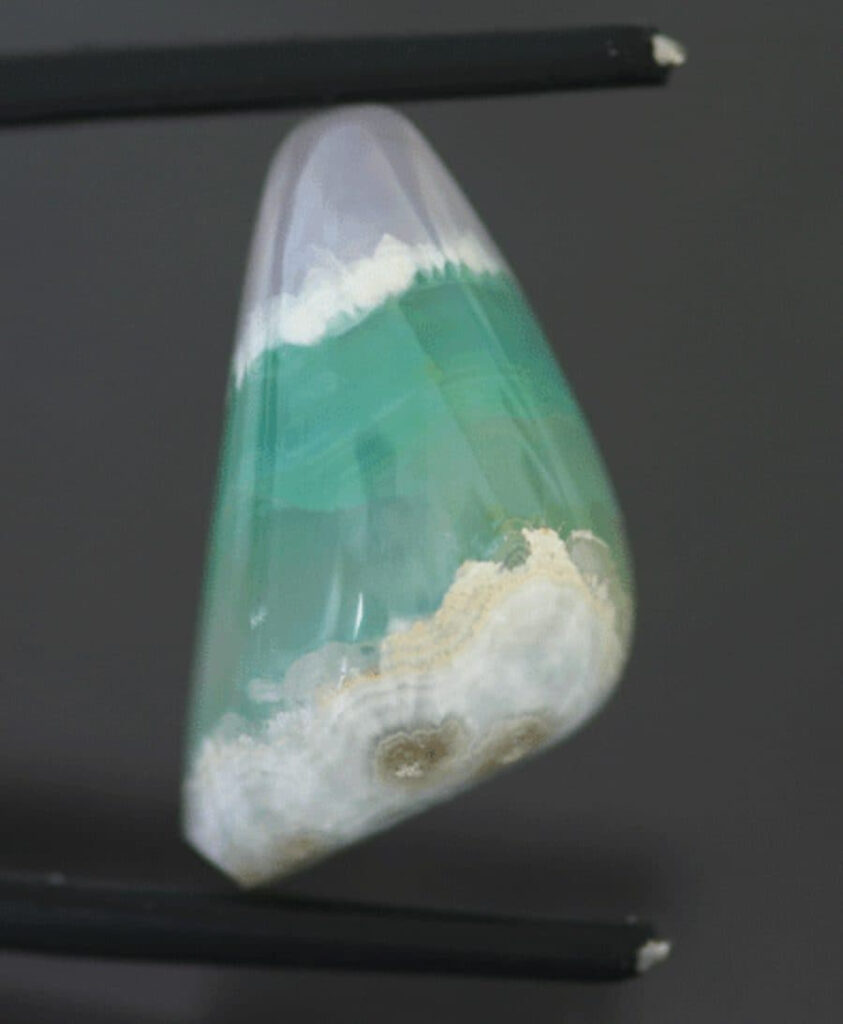
Colecționarii apreciază adesea smithsonitul mai mult decât piețele de bijuterii, deoarece specimenele excepționale dezvăluie informații geologice importante și prezintă formațiuni naturale unice. Specimenele din localități miniere celebre, cu culori vii, texturi neobișnuite sau semnificație istorică, pot deveni adaosuri foarte căutate în colecțiile de minerale.
Utilizări și importanța smithsonitului
Istoric, smithsonitul a fost un minereu important de zinc și a contribuit semnificativ la industriile timpurii de extracție a zincului. Înainte de utilizarea pe scară largă a sfaleritului, zăcămintele de smithsonit au fost exploatate ca o sursă valoroasă de zinc. Metalul extras era folosit în producerea aliajelor de alamă, a materialelor galvanizate și a diferitelor produse industriale.
Utilizarea industrială modernă a smithsonitei este limitată deoarece cea mai mare parte a producției de zinc depinde acum de depozitele mai mari de sulfuri. Cu toate acestea, mineralul rămâne important în cercetarea mineralogică, educație, colecțiile muzeale și industria pietrelor prețioase. Rolul său în înțelegerea proceselor de oxidare în zăcămintele de minereu îl face, de asemenea, valoros pentru geologii care studiază formarea mineralelor.
Smithsonitul continuă să reprezinte o legătură importantă între geologia economică, știința mineralelor și cultura colecționării. Combinația sa de semnificație chimică, importanță istorică și atracție estetică asigură popularitatea sa continuă printre entuziaștii mineralelor.
Cum să identifici Smithsonitul
Identificarea smithsonitului necesită examinarea mai multor caracteristici fizice și chimice. Densitatea sa relativ ridicată, compoziția carbonatică, clivajul romboedric și formațiunile botrioide tipice oferă indicii utile. Ca și alte minerale carbonatice, smithsonitul reacționează cu acizii, eliberând dioxid de carbon atunci când este expus la acid clorhidric, deși reacția poate fi mai slabă în comparație cu calcitul.
Deoarece smithsonitul poate semăna cu minerale precum hemimorfitul, calcitul și aragonitul, identificarea precisă poate necesita metode suplimentare de testare, inclusiv testarea durității, măsurători ale greutății specifice, microscopie sau analiză chimică de laborator. Identificarea profesională este deosebit de importantă pentru exemplarele valoroase de colecție.
Îngrijirea și întreținerea smithsonitului
Smithsonitul trebuie manipulat cu grijă din cauza durității sale moderate și a proprietăților de clivaj. Probele și bijuteriile trebuie protejate de zgârieturi, impacturi și substanțe chimice dure. Curățarea ar trebui să se limiteze la metode blânde, utilizând apă caldă, săpun delicat și o cârpă moale. Evitați curățătoarele cu ultrasunete, aparatele de abur și materialele abrazive, deoarece acestea pot deteriora suprafața mineralului sau pot crea fracturi. Pentru colecționari, depozitarea smithsonitului separat de mineralele mai dure ajută la prevenirea zgârieturilor accidentale și păstrează frumusețea naturală a probei.