
سميثسونيت هو معدن كربونات الزنك بالصيغة الكيميائية ZnCO₃، وهو معدن ثانوي مهم يتكون في مناطق الأكسدة لرواسب خامات الزنك. ينتمي إلى مجموعة معادن الكربونات وجزء من مجموعة الكالسيت، ويتشارك في التشابه الهيكلي مع معادن مثل الكالسيت والمغنيسيت والسيدريت. على الرغم من أن السميثسونيت النقي عادة ما يكون عديم اللون أو أبيض، إلا أن العينات الطبيعية غالبًا ما تظهر مجموعة واسعة من الألوان الجذابة، بما في ذلك الأزرق والأخضر والوردي والأصفر والبني والرمادي والأرجواني. تنتج هذه الألوان بشكل أساسي عن العناصر النزرة التي تحل محل الزنك داخل البنية البلورية، مما يخلق التنوع الرائع الذي يجعل السميثسونيت ذا قيمة عالية لدى جامعي المعادن.
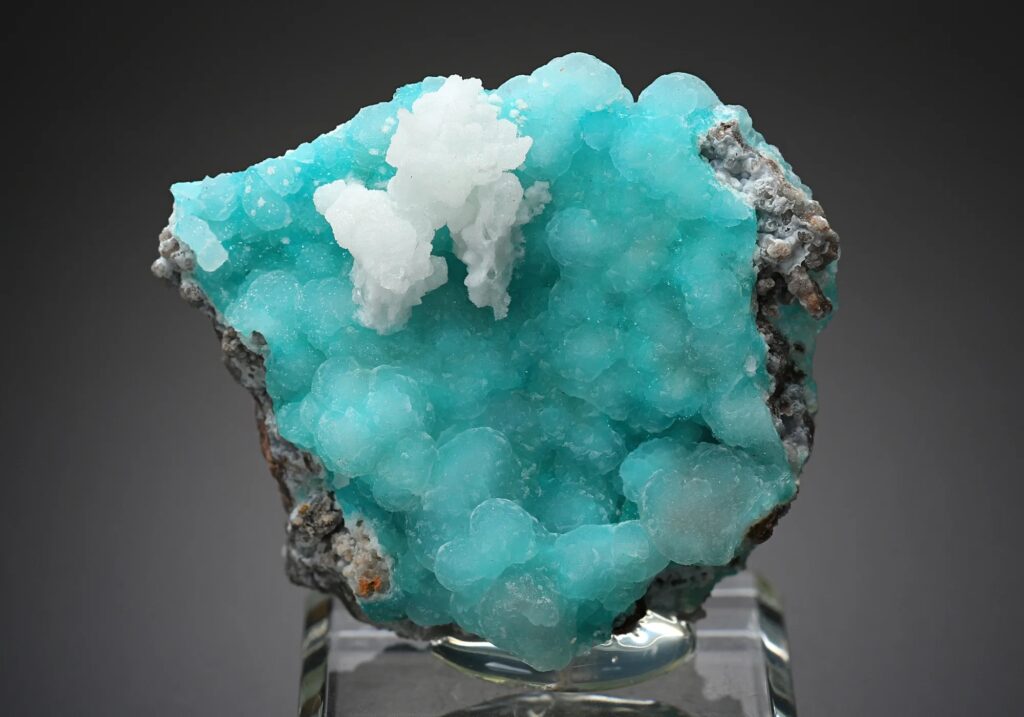
على عكس العديد من المعادن التي تشكل بلورات كبيرة محددة المعالم، فإن السمسونيت يظهر غالبًا على هيئة كتل عنقودية، وقشور، وطبقات طلائية، وتشكيلات صواعدية، ومجاميع متراصة. تمنحه ألوانه الناعمة، وقوامه المستدير، وبريقه اللؤلؤي إلى الشمعي مظهرًا مميزًا جعله معدنًا شائعًا لدى الجامعين ومادة للأحجار الكريمة المستخدمة في الكابوشون والأغراض الزخرفية. على الرغم من أنه لا يُعتبر حجرًا كريمًا تقليديًا بسبب صلابته المتوسطة وحساسيته للتلف، إلا أن عينات السمسونيت عالية الجودة تُقدَّر لندرتها وتشكيلاتها الفريدة وأهميتها الجيولوجية. سُمِّي المعدن تيمنًا بالكيميائي وعالم المعادن الإنجليزي جيمس سميثسون تقديرًا لإسهاماته في علم المعادن. ارتبط إرث سميثسون العلمي لاحقًا بتأسيس مؤسسة سميثسونيان، ويحفظ اسم المعدن تأثيره على تطور علم المعادن الحديث.
تاريخ السميثسونيت
يعكس تاريخ السْمِيثْسونايت تطور تصنيف المعادن، والكيمياء، وصناعة تعدين الزنك. لعدة قرون، كان السْمِيثْسونايت معروفًا بشكل أساسي كخام زنك وليس كنوع معدني متميز. في أوروبا ومناطق التعدين الأخرى، كانت معادن كربونات الزنك تُجمع تاريخيًا تحت اسم "كالامين"، وهو مصطلح عام يُستخدم لخامات الزنك. تسببت هذه المصطلحات في ارتباك لأن كلاً من السْمِيثْسونايت (كربونات الزنك) والهيميمورفايت (سيليكات الزنك) كان يُوصفان غالبًا بنفس الاسم قبل التقدم في كيمياء المعادن الذي سمح للعلماء بتمييزهما.
خلال أواخر القرن الثامن عشر وأوائل القرن التاسع عشر، ساعدت التحسينات في التحليل الكيميائي علماء المعادن على فهم أفضل لتكوين وتصنيف معادن الزنك. اكتشف الباحثون أن بعض عينات الكالامين كانت تتكون من كربونات الزنك بدلاً من سيليكات الزنك، مما أدى إلى الاعتراف بالسميثسونيت كنوع معدني منفصل. في عام 1832، قدم عالم المعادن الفرنسي فرانسوا سولبيس بودان رسمياً اسم السميثسونيت تكريماً لجيمس سميثسون، الذي قدم إسهامات مهمة في الكيمياء ودراسة المعادن. كما لعب السميثسونيت دوراً هاماً في التطور التاريخي لإنتاج الزنك. قبل أن تصبح خامات كبريتيد الزنك مثل السفاليريت المصدر الرئيسي للزنك الصناعي، كان السميثسونيت أحد خامات الزنك الرئيسية التي تم تعدينها حول العالم. وكان مهماً بشكل خاص في المناطق التي كانت فيها رواسب الزنك المؤكسدة قريبة من السطح. ساهم الزنك المستخرج من السميثسونيت في صناعات مثل تصنيع النحاس الأصفر، وحماية المعادن، وإنتاج السبائك.
اليوم، لم يعد السَّميثسونيت مصدرًا تجاريًا رئيسيًا للزنك لأن التعدين الحديث يركز بشكل أساسي على رواسب الكبريتيد الأكبر حجمًا والأكثر جدوى اقتصاديًا. ومع ذلك، لا يزال معدنًا مهمًا في الأبحاث الجيولوجية وجمع المعادن. أنتجت مواقع شهيرة مثل منجم تسوميب في ناميبيا، ومنجم كيلي في نيو مكسيكو، والعديد من مناطق الزنك التاريخية في أوروبا عينات استثنائية من السَّميثسونيت لا تزال تجذب هواة الجمع والمتاحف في جميع أنحاء العالم.
التركيب الكيميائي وتصنيف السميثسونيت
سميثسونيت له الصيغة الكيميائية المثالية ZnCO₃، ويتكون من الزنك والكربون والأكسجين. يُصنف كمعدن كربوناتي وينتمي إلى مجموعة الكالسيت، التي تتضمن عدة معادن ذات هياكل بلورية متشابهة ولكن تركيبات كيميائية مختلفة. داخل بنية السميثسونيت، تشغل أيونات الزنك مواقع محاطة بمجموعات كربوناتية، مكونة إطارًا بلوريًا ثلاثيًا مستقرًا.
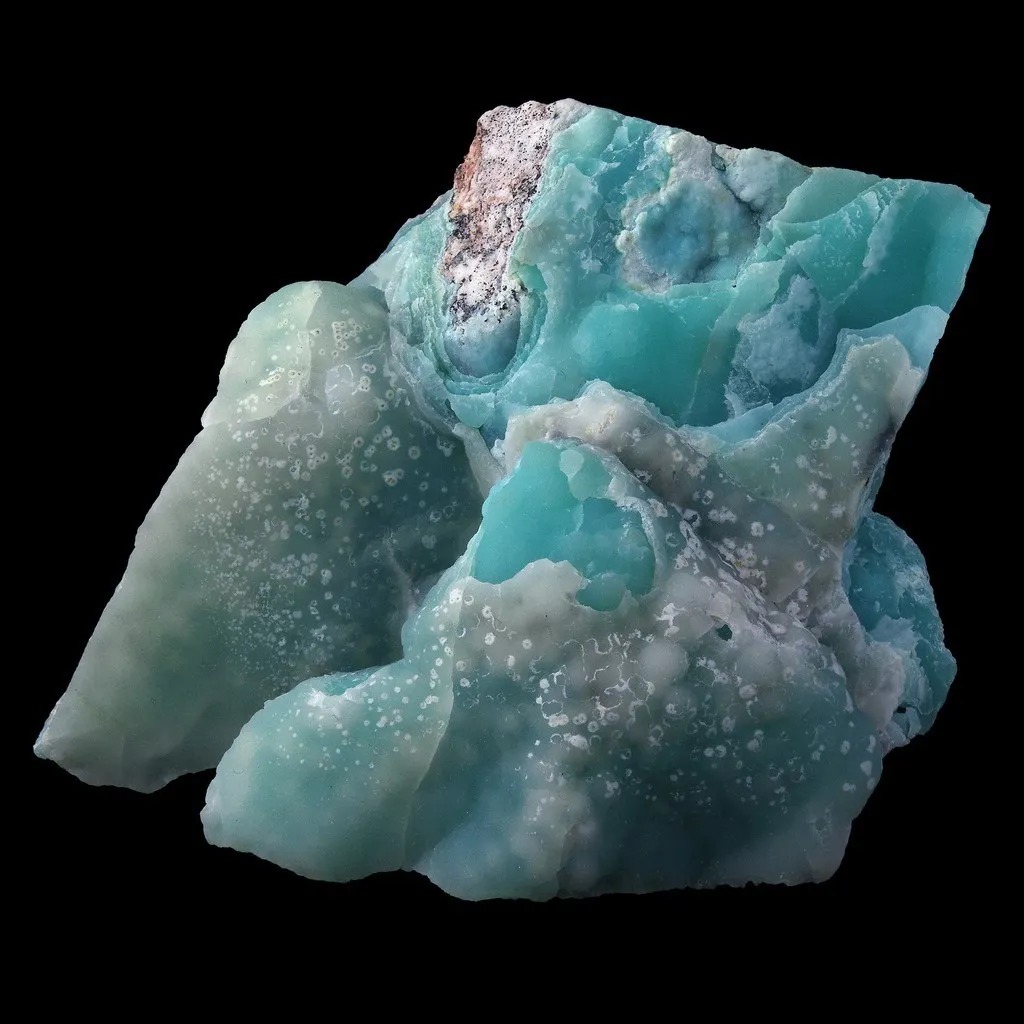
في العينات الطبيعية، نادرًا ما يوجد السميثسونيت ككربونات زنك نقية تمامًا. يمكن لعناصر مختلفة أن تحل محل الزنك أثناء تكوين المعدن، مما ينتج تغيرات كيميائية تؤثر على مظهر المعدن. قد تخلق شوائب النحاس ألوانًا زرقاء أو خضراء، بينما يمكن أن ينتج الكوبالت درجات وردية أو أرجوانية، بينما يساهم الحديد والمنغنيز في درجات صفراء أو بنية أو رمادية. هذه الإحلالات الكيميائية هي المسؤولة عن النطاق الواسع من الألوان والخصائص البصرية الموجودة في رواسب السميثسونيت المختلفة.
لأن سميثسونيت يتشكل في بيئات متغيرة كيميائياً، فإن تركيبه يمكن أن يختلف بشكل كبير بين المواقع. لا يؤثر هذا الاختلاف على اللون فحسب، بل يمكن أن يؤثر أيضاً على النسيج وتطور البلورات والارتباطات المعدنية. لهذا السبب، غالباً ما تظهر عينات سميثسونيت من مناطق جيولوجية مختلفة خصائص فريدة تساعد هواة الجمع على تحديد أصلها.
تكوين وحدوث الجيولوجي للسميثسونيت
يتشكل سميثسونيت بشكل رئيسي من خلال تجوية وأكسدة معادن كبريتيد الزنك، وخاصة السفاليريت، في البيئات القريبة من السطح. عندما تتعرض رواسب الزنك الغنية للمياه الجوفية المؤكسجة والظروف الغنية بالكربونات، تقوم التفاعلات الكيميائية بتحويل معادن الزنك الأولية إلى معادن كربونات ثانوية مثل السميثسونيت. تحدث هذه العملية عادةً داخل مناطق الأكسدة لرواسب الزنك الحرارية المائية، حيث تسمح الظروف البيئية المتغيرة بتطور معادن جديدة.
يتشكل المعدن عادةً في التجاويف والكسور ومناطق الاستبدال داخل الحجر الجيري والصخور الأخرى الغنية بالكربونات. بدلاً من إنتاج بلورات فردية كبيرة، يتطور السمسونيت عادةً على هيئة طبقات كروية عنقودية، وتجمعات كتلية، وقشور طبقية. غالبًا ما تظهر هذه التكوينات أسطحًا ناعمة وتغيرات لونية دقيقة، مما يجعلها جذابة للغاية لهواة الجمع.
غالبًا ما يُعثر على السمسونيت مصاحبًا لمعادن ثانوية أخرى، بما في ذلك الهيميمورفيت، والسيروسيت، والمالاكيت، والأزوريت، والكالسيت، والليمونيت. توفر هذه التركيبات المعدنية معلومات جيولوجية مهمة حول عمليات الأكسدة التي حدثت داخل رواسب الخامات القديمة. تم اكتشاف تواجدات مهمة للسمسونيت في ناميبيا، والولايات المتحدة، والمكسيك، وأستراليا، واليونان، وإيطاليا، وإسبانيا، والصين، حيث أنتجت عدة مناجم تاريخية عينات ذات جودة استثنائية.
أنواع وأصناف الألوان من سميثسونيت
يُعرف السمسونيت بتنوع ألوانه المذهل، الذي ينتج بشكل رئيسي عن العناصر النزرة المدمجة في بنيته البلورية. غالبًا ما يتم تحديد الأنواع المختلفة بناءً على ألوانها السائدة والشوائب المعدنية.
سميثسونيت أزرق هي واحدة من أكثر الأصناف شعبية بين جامعي الأحجار الكريمة وعشاقها. يرتبط لونها الأزرق عادةً بشوائب النحاس، وقد يتراوح من الأزرق السماوي الفاتح إلى درجات الفيروز الأعمق. تظهر العديد من عينات سميثسونيت الأزرق على شكل كتل عنقودية ذات أسطح ناعمة ومستديرة تخلق مظهرًا جذابًا بصريًا.
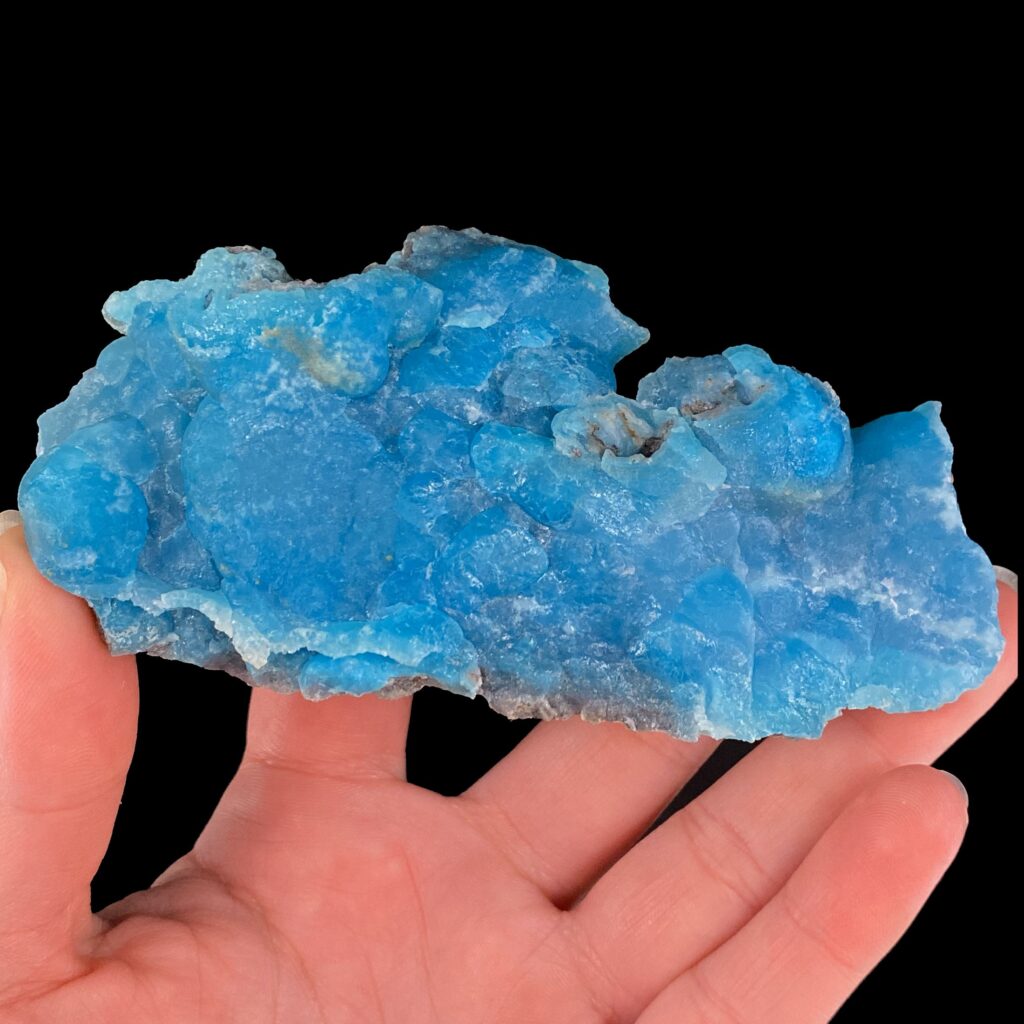
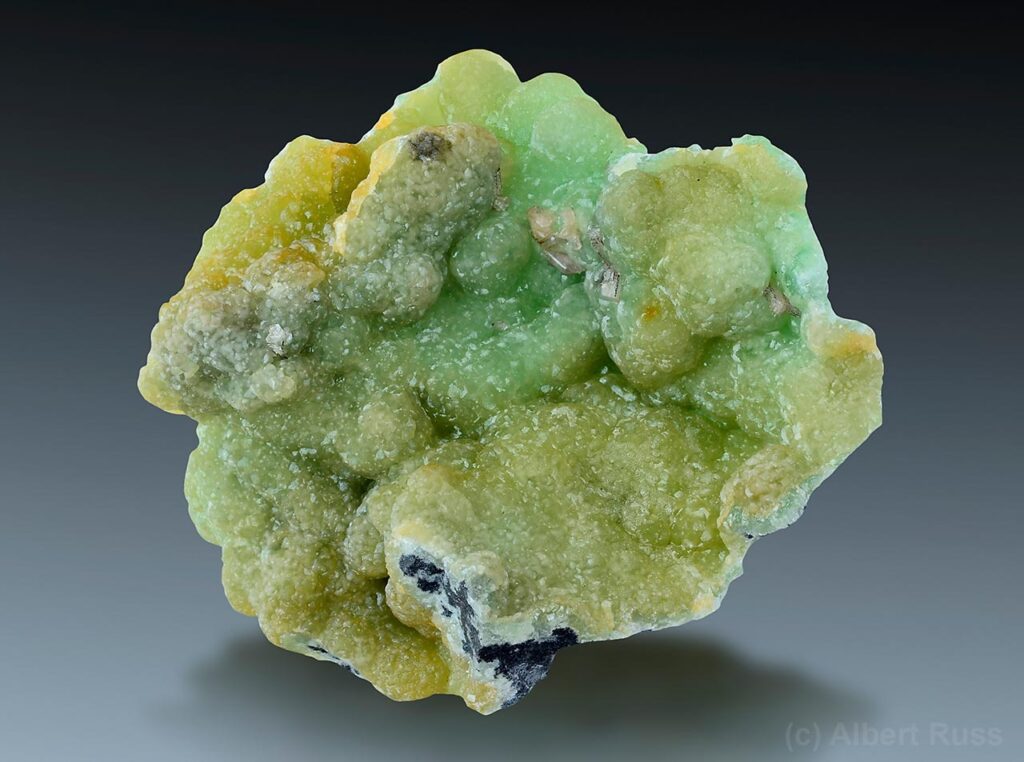
سميثسونيت أخضر هو نوع شائع آخر، غالبًا ما يتأثر بالنحاس أو النيكل أو عناصر نزرة أخرى. قد تظهر العينات الخضراء شاحبة وباستيلية أو تظهر درجات أقوى اعتمادًا على التركيب الكيميائي والموقع. ترتبط هذه الأنواع بشكل متكرر بمعادن أخرى حاملة للنحاس في بيئات الخام المؤكسد.
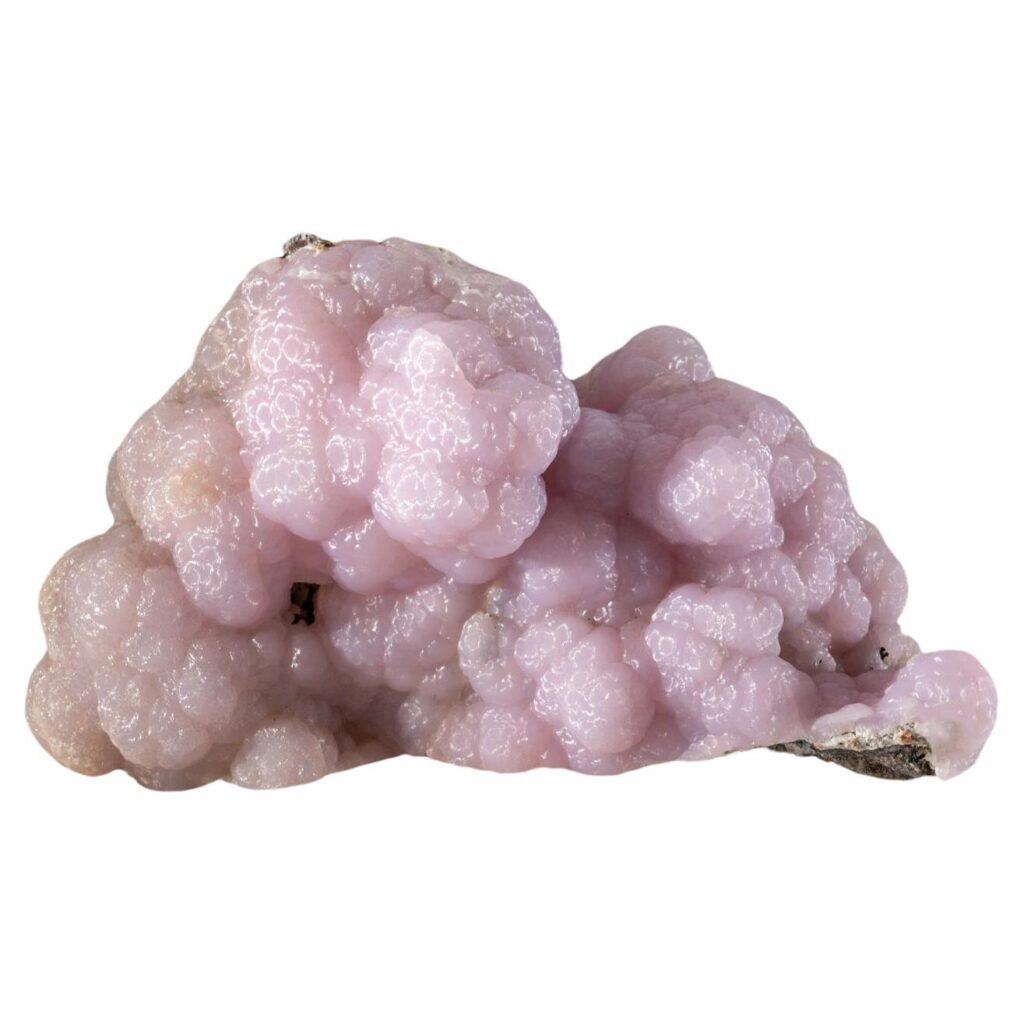
سميثسونيت وردي تكتسب قيمة عالية بسبب تلونها الجذاب، والذي يحدث عادةً نتيجة استبدال الكوبالت. يمكن لسميثسونيت الحامل للكوبالت من بعض المناطق أن يُظهر درجات دقيقة من الوردي أو الزهري أو اللافندر، وهو من بين أكثر الأشكال المرغوبة لدى الجامعين.
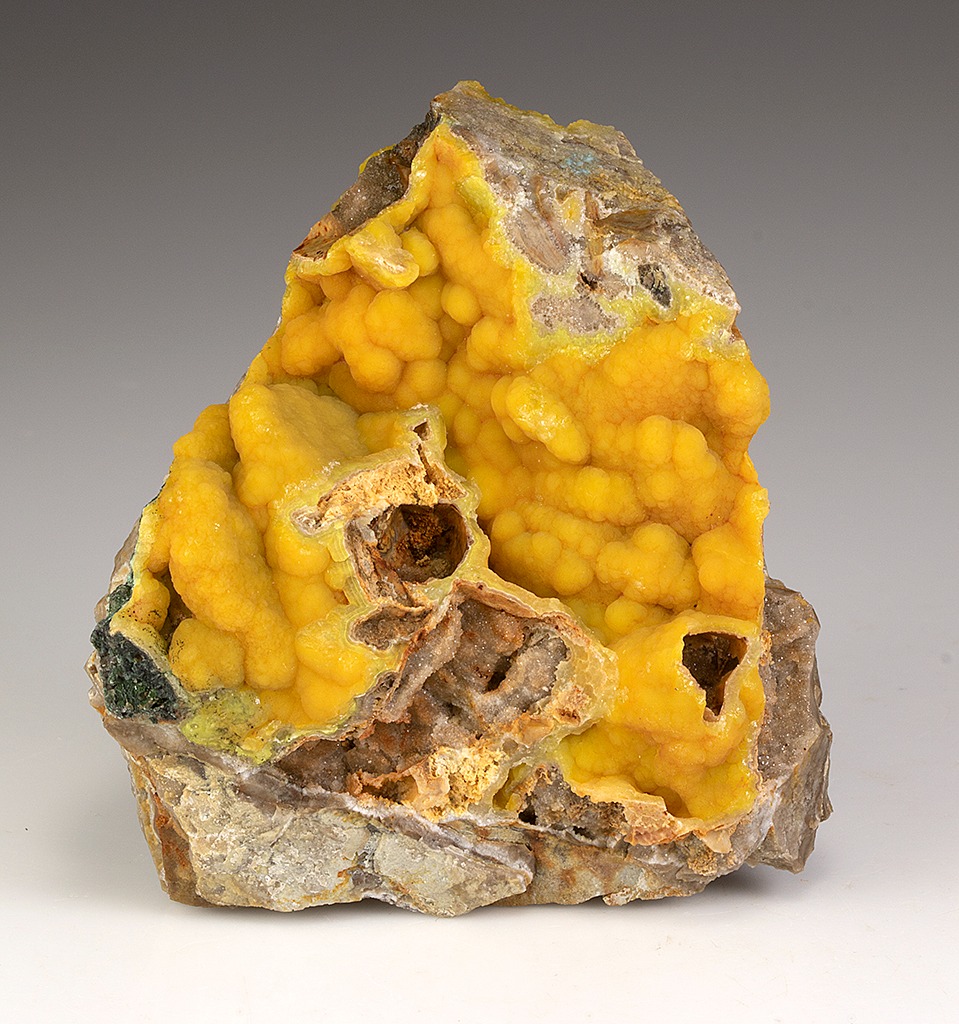
سميثسونيت أصفر، بني، أبيض، ورمادي تنتج الأصناف عمومًا عن مستويات مختلفة من النقاء ومحتوى العناصر النزرة. ورغم أنها أقل شهرة من العينات الزرقاء أو الوردية، إلا أن هذه الألوان لا تزال قادرة على إظهار قوام جميل وميزات جيولوجية مثيرة للاهتمام، خاصة عند دمجها مع عادات بلورية غير عادية أو ارتباطات معدنية.
التركيب البلوري والخواص الفيزيائية للسميثسونيت
يتبلور السمسونيت في النظام البلوري الثلاثي، وينمي عادةً بنية معينية سطوح مشابهة لأعضاء مجموعة الكالسيت الأخرى. البلورات جيدة التكوين نادرة نسبيًا، ويوجد المعدن في الغالب على شكل تكوينات عنقودية أو كتلية أو قشرية. يساهم تركيبه البلوري في تشققه المعيني السطوح التام، مما يعني أنه يمكن أن ينفلق على طول مستويات محددة عند تعرضه للإجهاد.
تبلغ صلابة هذا المعدن على مقياس موس حوالي 4 إلى 4.5، مما يجعله أكثر ليونة من العديد من الأحجار الكريمة الشائعة. كثافته النوعية مرتفعة نسبيًا بالنسبة لمعدن كربوناتي، وعادة ما تتراوح بين 4.4 و 4.5، بسبب وجود الزنك. يتميز السمسونيت عادةً ببريق زجاجي أو لؤلؤي أو شمعي، خاصةً على الأسطح المصقولة. تتراوح الشفافية من شفاف إلى معتم اعتمادًا على جودة البلورات والبنية الداخلية.
السميثسونيت كحجر كريم ومعدن لهواة الجمع
على الرغم من أن السميثسونيت لا يُستخدم على نطاق واسع في المجوهرات التجارية، إلا أنه اكتسب شهرة كحجر كريم لهواة الجمع بسبب ألوانه غير العادية وقوامه الجذاب. نظرًا لصلابته المنخفضة نسبيًا وانفصامه التام، يُقطع عادةً على شكل كبوشون بدلاً من الأحجار الكريمة ذات الأوجه. يبرز السطح المصقول الناعم للسميثسونيت ألوانه الناعمة وأنماطه الطبيعية، مما يجعله مناسبًا للقلائد والأقراط وقطع المجوهرات الفنية.
بين العينات ذات الجودة العالية للأحجار الكريمة، تعد الأنواع الزرقاء والوردية والخضراء هي الأكثر تفضيلاً. ومع ذلك، فإن مجوهرات السمسونيت تتطلب معالجة حذرة لأن المعدن يمكن أن يخدش بسهولة وقد يتكسر إذا تعرض لصدمات قوية. لهذا السبب، يُعتبر عمومًا أكثر ملاءمة للمجوهرات التي تُرتدى في المناسبات بدلاً من الخواتم اليومية أو العناصر المستخدمة بكثرة.
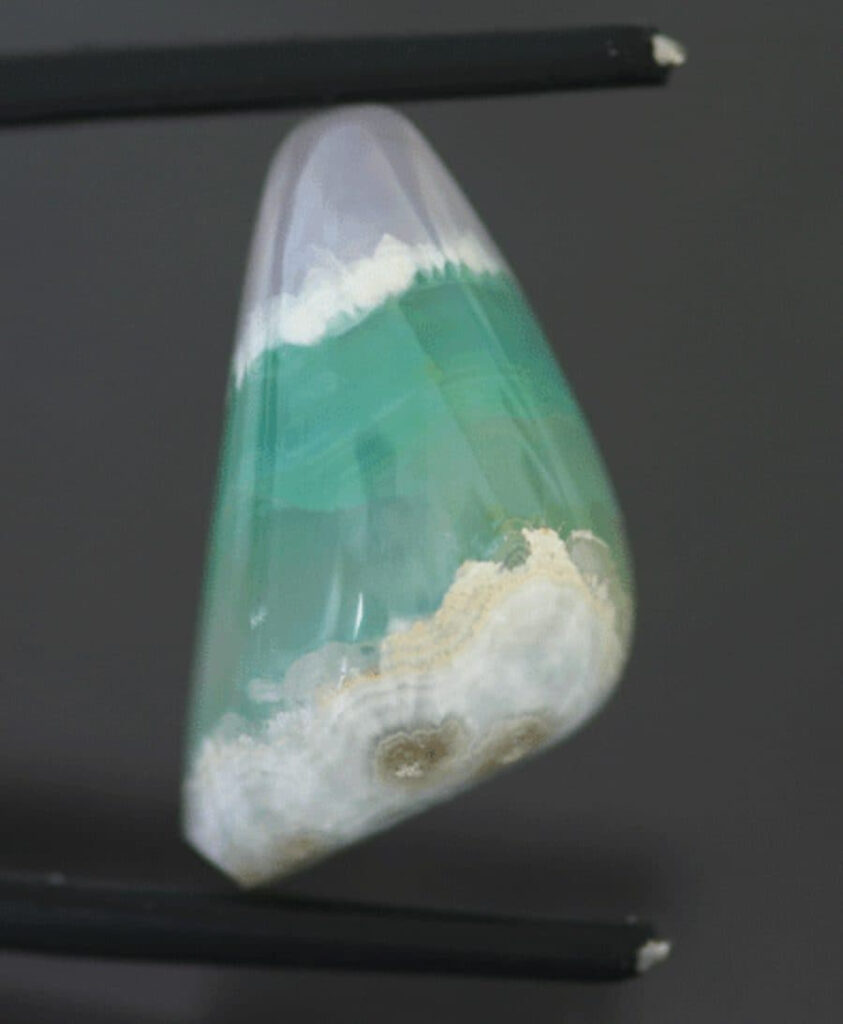
غالبًا ما يُقدّر جامعو المعادن السَّمِثسونايت بقيمة أعلى من أسواق المجوهرات، وذلك لأن العينات الاستثنائية تكشف معلومات جيولوجية مهمة وتُظهر تكوينات طبيعية فريدة. العينات من مواقع التعدين الشهيرة ذات الألوان الزاهية أو القوام غير المعتاد أو الأهمية التاريخية يمكن أن تصبح إضافات مطلوبة بشدة في مجموعات المعادن.
استخدامات وأهمية سميثسونيت
تاريخيًا، كان السميثسونيت خام زنك مهمًا وساهم بشكل كبير في صناعات استخراج الزنك المبكرة. قبل الاستخدام الواسع للسفاليريت، كانت رواسب السميثسونيت تُستخرج كمصدر قيّم للزنك. كان المعدن المستخرج يُستخدم في إنتاج سبائك النحاس الأصفر، والمواد المجلفنة، والمنتجات الصناعية المختلفة.
الاستخدام الصناعي الحديث للسميثسونيت محدود لأن معظم إنتاج الزنك يعتمد الآن على رواسب الكبريتيد الأكبر حجمًا. ومع ذلك، يظل المعدن مهمًا في الأبحاث المعدنية والتعليم ومجموعات المتاحف وصناعة الأحجار الكريمة. كما أن دوره في فهم عمليات الأكسدة في رواسب الخام يجعله قيمًا للجيولوجيين الذين يدرسون تكوين المعادن.
يستمر السمسونيت في تمثيل رابط مهم بين الجيولوجيا الاقتصادية، وعلم المعادن، وثقافة الجمع. إن مزاياه الكيميائية، وأهميته التاريخية، وجاذبيته الجمالية تضمن استمرار شعبيته بين هواة المعادن.
كيفية التعرف على السمسونيت
يتطلب التعرف على السمسونيت فحص العديد من الخصائص الفيزيائية والكيميائية. توفر كثافته العالية نسبيًا، وتركيبته الكربوناتية، وانفصامه المعيني السطحي، وتشكلاته العنقودية النموذجية أدلة مفيدة. مثل معادن الكربونات الأخرى، يتفاعل السمسونيت مع الأحماض، ويطلق ثاني أكسيد الكربون عند تعرضه لحمض الهيدروكلوريك، على الرغم من أن التفاعل قد يكون أضعف مقارنة بالكالسيت.
نظرًا لأن السْمِيثْسُونيت يمكن أن يشبه معادن مثل الهيميمورفيت والكالسيت والأراجونيت، فقد يتطلب التحديد الدقيق طرق اختبار إضافية، بما في ذلك اختبار الصلابة، وقياسات الثقل النوعي، والمجهر، أو التحليل الكيميائي المختبري. يُعتبر التحديد المهني مهمًا بشكل خاص لعينات الجامعين القيمة.
سميثسونيت العناية والصيانة
يجب التعامل مع السمسونيت بحذر بسبب نعومته المتوسطة وخصائص تشققه. يجب حماية العينات والمجوهرات من الخدوش والصدمات والمواد الكيميائية القاسية. يجب أن يقتصر التنظيف على الطرق اللطيفة باستخدام الماء الدافئ والصابون المعتدل وقطعة قماش ناعمة. يجب تجنب أجهزة التنظيف بالموجات فوق الصوتية وأجهزة التنظيف بالبخار والمواد الكاشفة لأنها قد تؤدي إلى تلف سطح المعدن أو إحداث تشققات. بالنسبة لهواة الجمع، يساعد تخزين السمسونيت بشكل منفصل عن المعادن الأكثر صلابة في منع الخدوش العرضية والحفاظ على الجمال الطبيعي للعينة.