
Смитсонит — это карбонатный минерал цинка с химической формулой ZnCO₃, важный вторичный минерал, образующийся в зонах окисления цинксодержащих рудных месторождений. Он относится к группе карбонатных минералов и является частью группы кальцита, имея структурное сходство с такими минералами, как кальцит, магнезит и сидерит. Хотя чистый смитсонит обычно бесцветен или белый, природные образцы часто демонстрируют широкий спектр привлекательных цветов, включая синий, зеленый, розовый, желтый, коричневый, серый и фиолетовый. Эти цвета в основном вызваны примесными элементами, замещающими цинк в кристаллической структуре, что создает удивительное разнообразие, делающее смитсонит высоко ценным среди коллекционеров минералов.
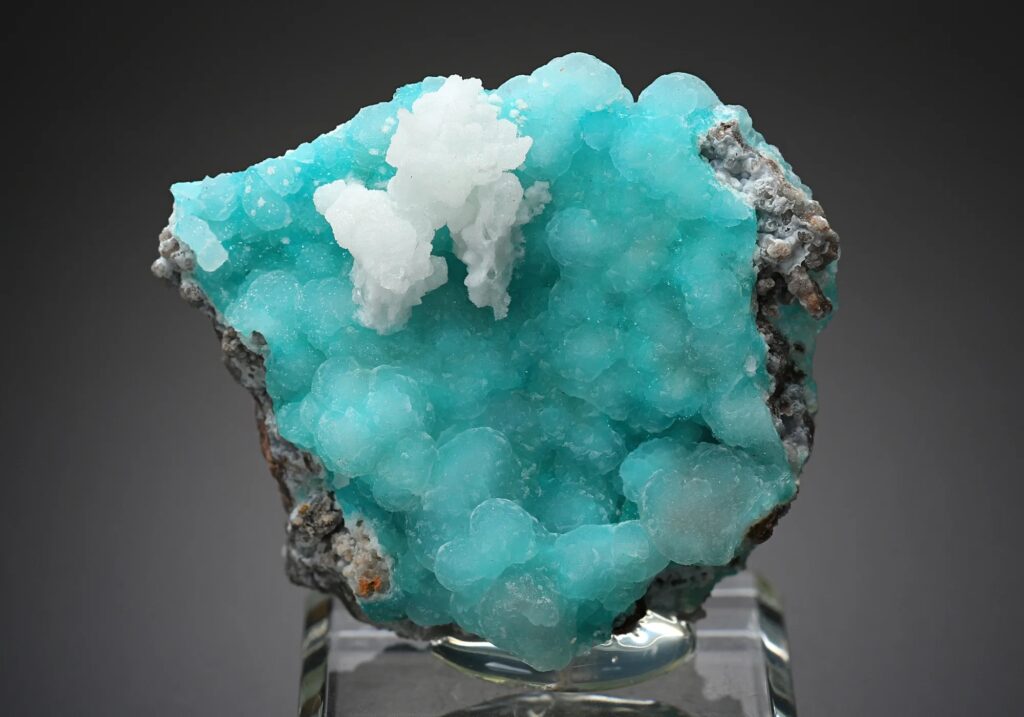
В отличие от многих минералов, образующих крупные, хорошо оформленные кристаллы, смитсонит чаще всего встречается в виде ботриоидальных масс, корок, налётов, сталактитовых образований и компактных агрегатов. Его мягкие цвета, округлые текстуры и перламутровый до воскового блеск придают ему характерный вид, что сделало его популярным коллекционным минералом и ювелирным материалом для кабошонов и декоративных изделий. Хотя из-за умеренной твёрдости и чувствительности к повреждениям он не считается традиционным драгоценным камнем, высококачественные образцы смитсонита ценятся за редкость, уникальные формы и геологическую значимость. Минерал был назван в честь английского химика и минералога Джеймса Смитсона в знак признания его вклада в минералогическую науку. Научное наследие Смитсона впоследствии стало ассоциироваться с основанием Смитсоновского института, а название минерала сохраняет его влияние на развитие современной минералогии.
История смитсонита
История смитсонита отражает эволюцию классификации минералов, химической науки и цинковой горнодобывающей промышленности. На протяжении многих веков смитсонит был известен в первую очередь как цинковая руда, а не как отдельный вид минерала. В Европе и других горнодобывающих регионах карбонатные минералы цинка исторически объединялись под названием «каламин» — общим термином для цинксодержащих руд. Эта терминология создавала путаницу, поскольку и смитсонит (карбонат цинка), и гемиморфит (силикат цинка) обычно описывались одним и тем же названием до тех пор, пока успехи в химии минералов не позволили учёным их различить.
В конце XVIII и начале XIX веков усовершенствования в химическом анализе помогли минералогам лучше понять состав и классификацию цинковых минералов. Исследователи обнаружили, что некоторые образцы каламина состоят из карбоната цинка, а не из силиката цинка, что привело к признанию смитсонита как отдельного минерального вида. В 1832 году французский минералог Франсуа Сюльпис Бёдан официально ввёл название смитсонит в честь Джеймса Смитсона, внёсшего важный вклад в химию и минералогию. Смитсонит также сыграл значительную роль в историческом развитии производства цинка. До того как сульфидные цинковые руды, такие как сфалерит, стали основным источником промышленного цинка, смитсонит был одной из главных цинковых руд, добываемых по всему миру. Он был особенно важен в регионах, где окисленные цинковые месторождения были доступны вблизи поверхности. Цинк, извлечённый из смитсонита, использовался в таких отраслях, как производство латуни, защита металлов и изготовление сплавов.
Сегодня смитсонит больше не является основным коммерческим источником цинка, поскольку современная добыча в основном сосредоточена на более крупных и экономически выгодных сульфидных месторождениях. Тем не менее, он остаётся важным минералом в геологических исследованиях и коллекционировании. Известные месторождения, такие как рудник Цумеб в Намибии, рудник Келли в Нью-Мексико и несколько исторических европейских цинковых районов, дали исключительные образцы смитсонита, которые продолжают привлекать коллекционеров и музеи по всему миру.
Химический состав и классификация смитсонита
Смитсонит имеет идеальную химическую формулу ZnCO₃, состоящую из цинка, углерода и кислорода. Он классифицируется как карбонатный минерал и относится к группе кальцита, которая включает несколько минералов со схожими кристаллическими структурами, но разным химическим составом. В структуре смитсонита ионы цинка занимают позиции, окружённые карбонатными группами, образуя стабильный тригональный кристаллический каркас.
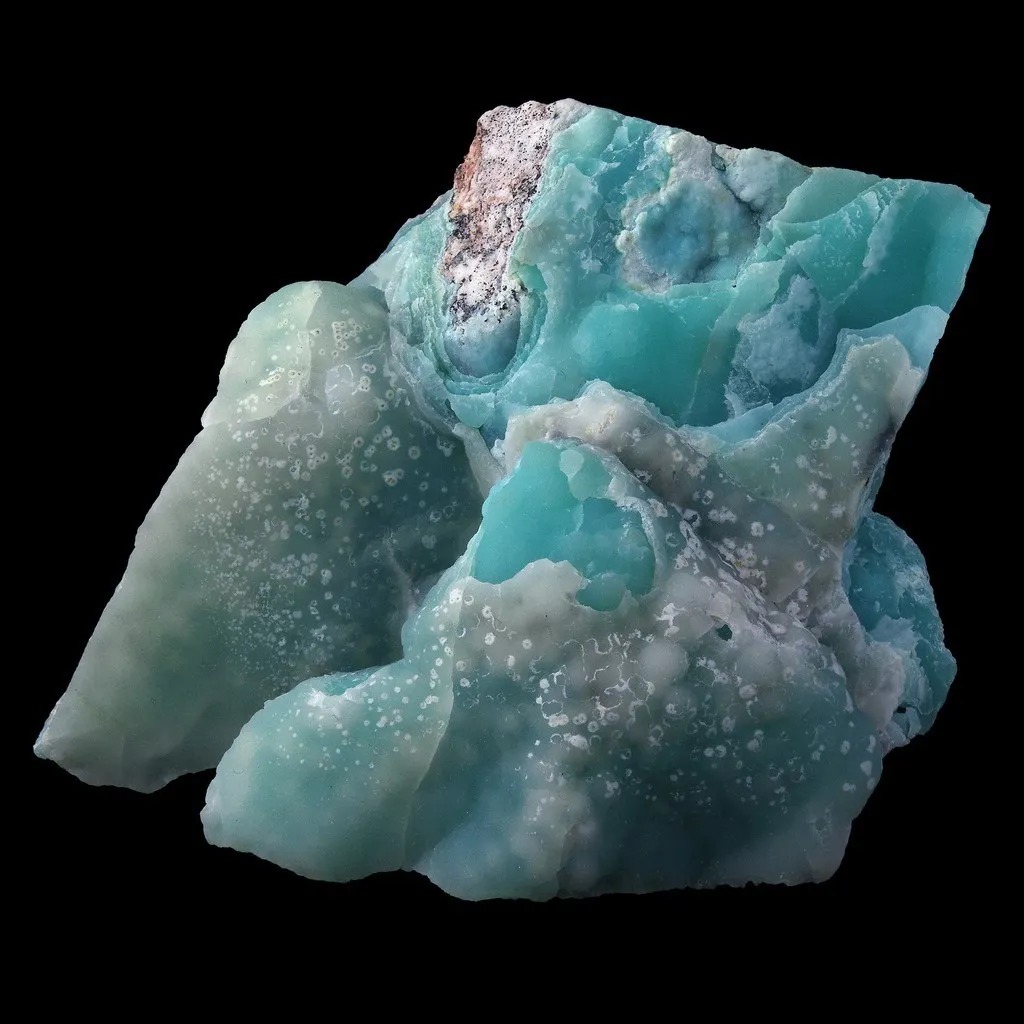
В природных образцах смитсонит редко встречается как совершенно чистый карбонат цинка. Различные элементы могут замещать цинк в процессе формирования минерала, создавая химические вариации, влияющие на внешний вид минерала. Примеси меди могут создавать синий или зеленый цвет, кобальт может давать розовые или пурпурные тона, в то время как железо и марганец могут вносить желтые, коричневые или серые оттенки. Эти химические замещения ответственны за широкий спектр цветов и визуальных характеристик, встречающихся в различных месторождениях смитсонита.
Поскольку смитсонит образуется в химически изменчивых средах, его состав может значительно различаться в зависимости от местоположения. Это различие влияет не только на цвет, но и может воздействовать на текстуру, развитие кристаллов и минеральные ассоциации. Поэтому образцы смитсонита из разных геологических регионов часто демонстрируют уникальные характеристики, которые помогают коллекционерам определить их происхождение.
Образование и геологическое нахождение смитсонита
Смитсонит образуется в основном в результате выветривания и окисления сульфидных минералов цинка, особенно сфалерита, в приповерхностных условиях. Когда богатые цинком отложения подвергаются воздействию насыщенных кислородом грунтовых вод и карбонатных условий, химические реакции превращают первичные минералы цинка во вторичные карбонатные минералы, такие как смитсонит. Этот процесс обычно происходит в зонах окисления гидротермальных месторождений цинка, где изменяющиеся условия окружающей среды позволяют образовываться новым минералам.
Минерал обычно образуется в полостях, трещинах и зонах замещения в известняках и других карбонатных породах. Вместо образования крупных отдельных кристаллов смитсонит чаще развивается в виде округлых ботриоидальных корок, массивных агрегатов и слоистых наростов. Эти образования часто имеют гладкие поверхности и тонкие цветовые вариации, что делает их весьма привлекательными для коллекционеров.
Смитсонит часто встречается в ассоциации с другими вторичными минералами, включая гемиморфит, церуссит, малахит, азурит, кальцит и лимонит. Эти минеральные сочетания предоставляют важную геологическую информацию об окислительных процессах, происходивших в древних рудных месторождениях. Значительные проявления смитсонита были обнаружены в Намибии, США, Мексике, Австралии, Греции, Италии, Испании и Китае, причем на нескольких исторических рудниках добыты образцы исключительного качества.
Типы и цветовые разновидности смитсонита
Смитсонит известен своим удивительным разнообразием цветов, которое в основном обусловлено примесными элементами, входящими в его кристаллическую структуру. Различные разновидности часто идентифицируются по их доминирующим цветам и минеральным примесям.
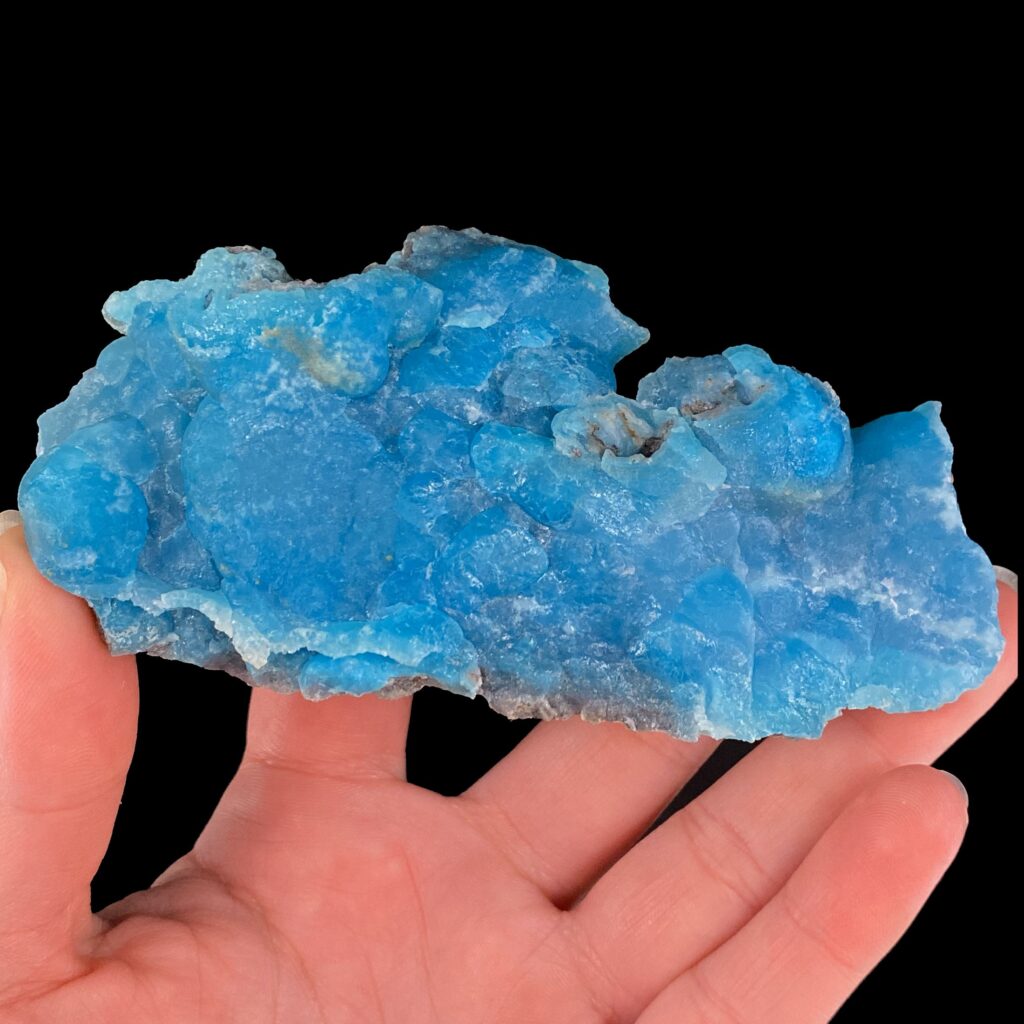
Синий смитсонит является одним из самых популярных сортов среди коллекционеров и ценителей драгоценных камней. Его голубая окраска обычно связана с примесями меди и может варьироваться от бледно-голубого до более глубоких бирюзовых оттенков. Многие образцы голубого смитсонита встречаются в виде ботриоидальных масс с гладкими округлыми поверхностями, создающими привлекательный внешний вид.
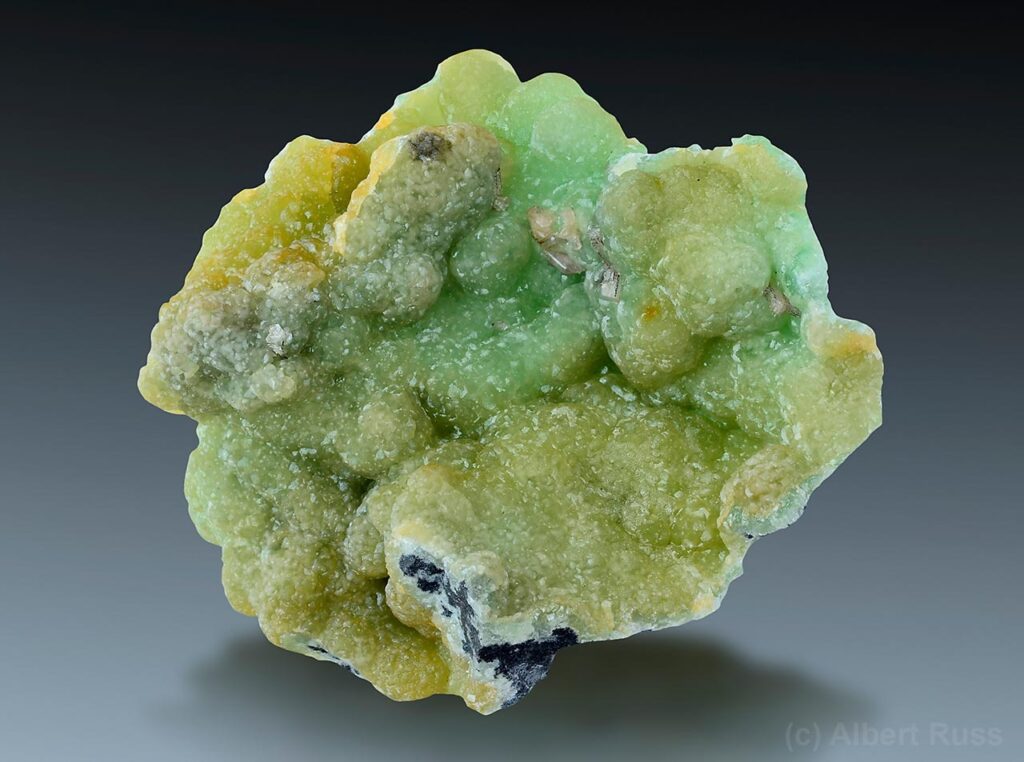
Зеленый смитсонит является еще одной распространенной разновидностью, часто находящейся под влиянием меди, никеля или других микроэлементов. Зеленые образцы могут выглядеть бледными и пастельными или иметь более насыщенные оттенки в зависимости от химического состава и месторождения. Эти разновидности часто ассоциируются с другими медьсодержащими минералами в окисленных рудных средах.
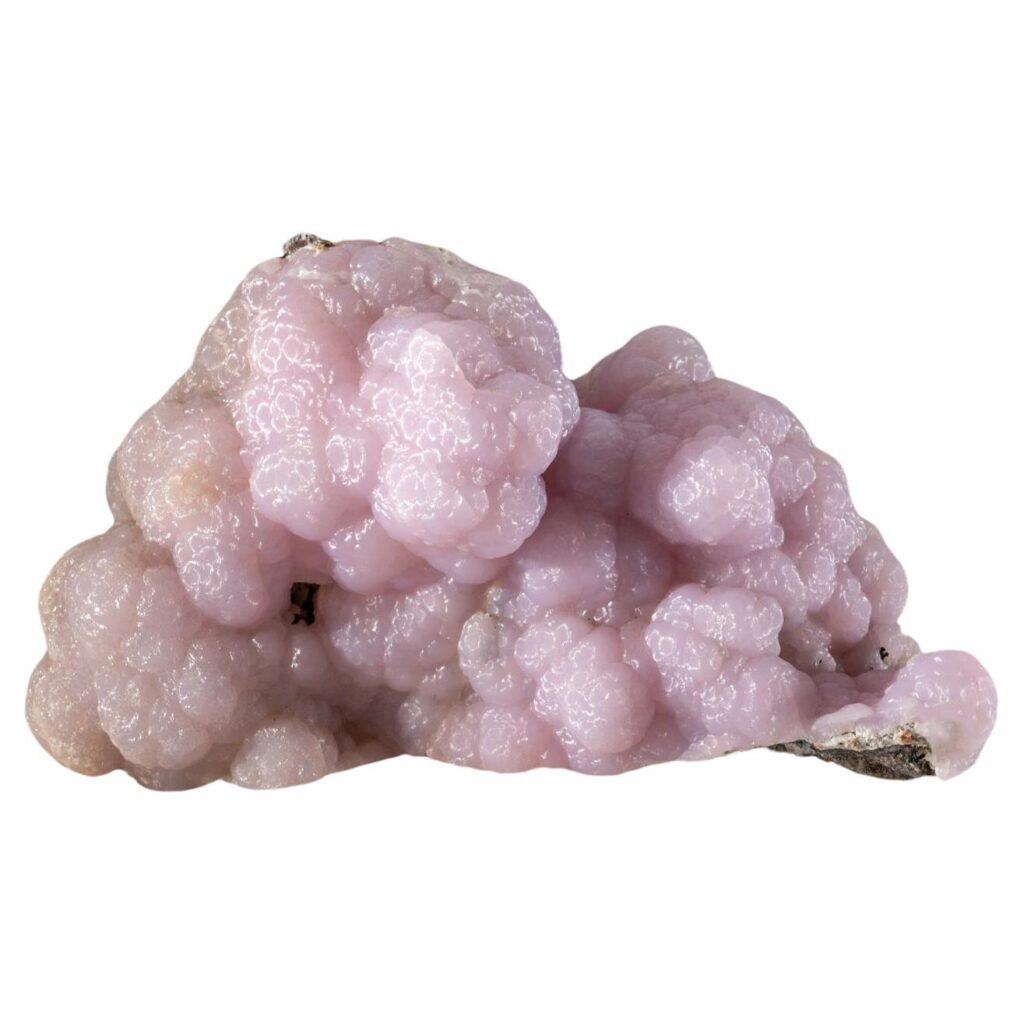
Розовый смитсонит Высоко ценится из-за своей привлекательной окраски, которая обычно вызвана замещением кобальта. Кобальтосодержащий смитсонит из определенных месторождений может иметь нежные розовые, розоватые или лавандовые оттенки и является одной из самых желаемых форм для коллекционеров.
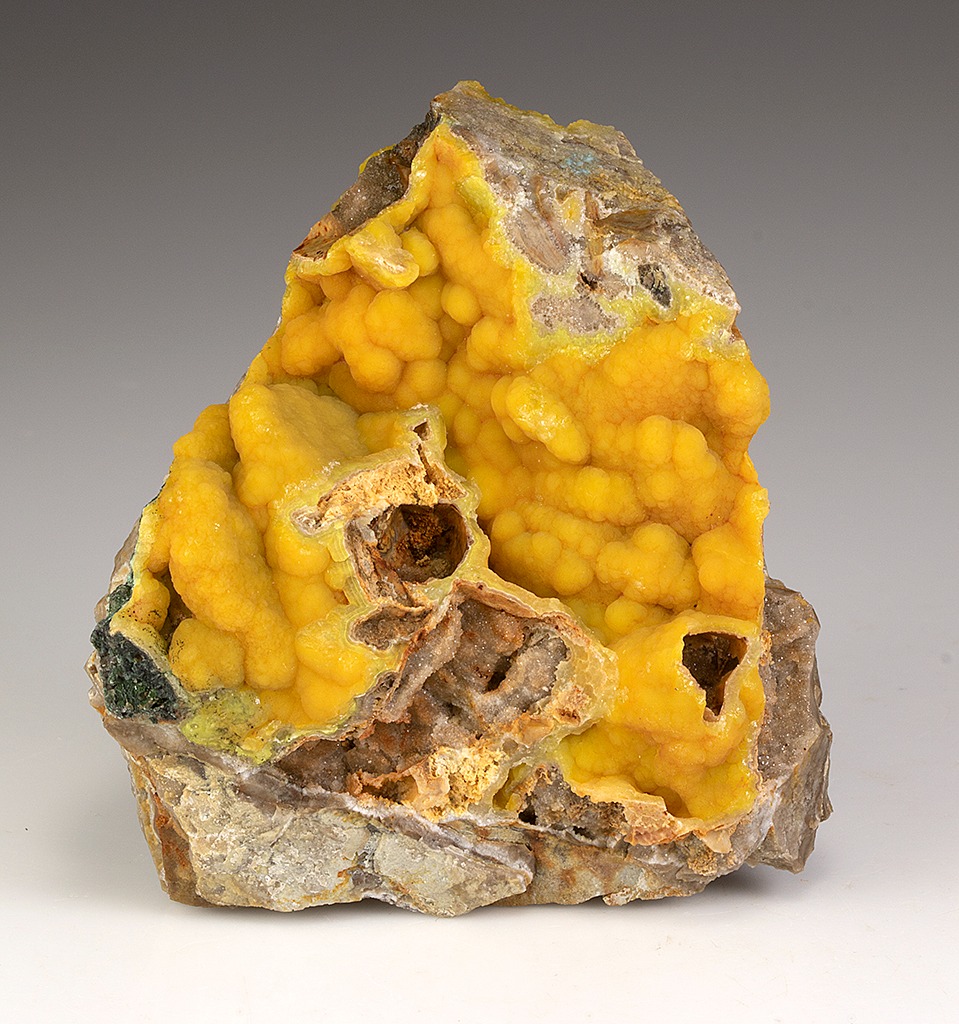
желтый, коричневый, белый и серый смитсонит разновидности обычно возникают из-за разного уровня чистоты и содержания микроэлементов. Хотя они менее известны, чем синие или розовые образцы, эти цвета все же могут демонстрировать красивые текстуры и интересные геологические особенности, особенно в сочетании с необычными кристаллическими формами или минеральными ассоциациями.
Кристаллическая структура и физические свойства смитсонита
Смитсонит кристаллизуется в тригональной сингонии и обычно образует ромбоэдрические структуры, подобные другим представителям группы кальцита. Хорошо оформленные кристаллы встречаются относительно редко, минерал чаще наблюдается в виде гроздевидных, массивных или корковидных образований. Его кристаллическая структура способствует совершенной ромбоэдрической спайности, то есть способности расщепляться по определённым плоскостям при воздействии напряжения.
Минерал имеет твердость по шкале Мооса примерно от 4 до 4.5, что делает его мягче многих распространенных драгоценных камней. Его удельный вес относительно высок для карбонатного минерала, обычно около 4.4 до 4.5, из-за присутствия цинка. Смитсонит обычно проявляет стеклянный, перламутровый или восковой блеск, особенно на полированных поверхностях. Прозрачность варьируется от прозрачной до непрозрачной в зависимости от качества кристаллов и внутренней структуры.
Смитсонит как драгоценный камень и коллекционный минерал
Хотя смитсонит не широко используется в коммерческих украшениях, он завоевал популярность как коллекционный драгоценный камень благодаря своим необычным цветам и привлекательным текстурам. Из-за относительно низкой твёрдости и совершенной спайности его обычно обрабатывают в виде кабошонов, а не гранёных камней. Гладкая полированная поверхность смитсонита подчёркивает его мягкие цвета и естественные узоры, что делает его подходящим для кулонов, серёг и художественных ювелирных изделий.
Среди образцов ювелирного качества наиболее желательны голубые, розовые и зеленые разновидности. Однако украшения из смитсонита требуют осторожного обращения, так как этот минерал легко царапается и может расколоться при сильных ударах. По этой причине он обычно считается более подходящим для украшений, надеваемых по особым случаям, а не для повседневных колец или часто используемых предметов.
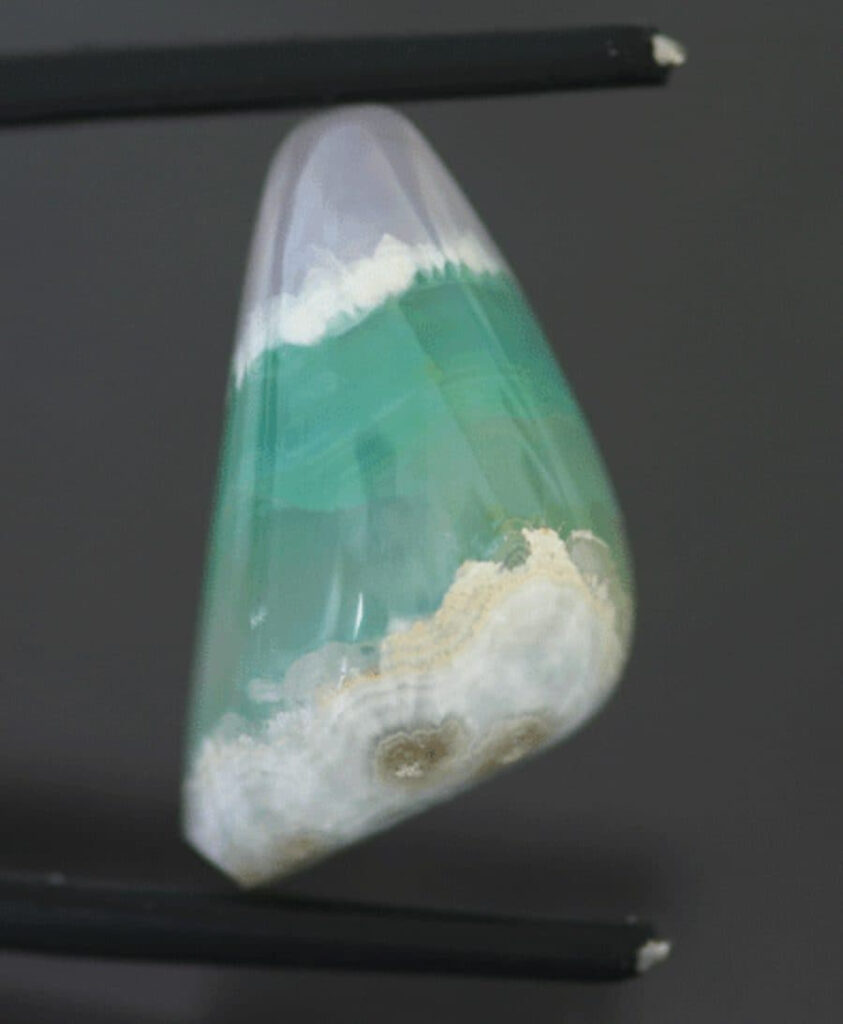
Коллекционеры часто ценят смитсонит выше, чем ювелирные рынки, поскольку исключительные образцы содержат важную геологическую информацию и демонстрируют уникальные природные образования. Образцы из известных месторождений с яркими цветами, необычными текстурами или исторической значимостью могут стать весьма востребованными дополнениями к минералогическим коллекциям.
Использование и значение смитсонита
Исторически смитсонит был важной цинковой рудой и внёс значительный вклад в раннюю промышленность по добыче цинка. До широкого использования сфалерита месторождения смитсонита разрабатывались как ценный источник цинка. Добытый металл использовался для производства латунных сплавов, оцинкованных материалов и различных промышленных изделий.
Современное промышленное использование смитсонита ограничено, так как большая часть производства цинка теперь зависит от более крупных сульфидных месторождений. Тем не менее, минерал остается важным в минералогических исследованиях, образовании, музейных коллекциях и ювелирной промышленности. Его роль в понимании процессов окисления в рудных месторождениях также делает его ценным для геологов, изучающих образование минералов.
Смитсонит продолжает представлять важную связь между экономической геологией, минералогией и культурой коллекционирования. Сочетание его химической значимости, исторической важности и эстетической привлекательности обеспечивает его продолжающуюся популярность среди минеральных энтузиастов.
Как определить смитсонит
Идентификация смитсонита требует изучения нескольких физических и химических характеристик. Его относительно высокая плотность, карбонатный состав, ромбоэдрическая спайность и типичные ботриоидальные образования дают полезные подсказки. Как и другие карбонатные минералы, смитсонит реагирует с кислотами, выделяя углекислый газ при воздействии соляной кислоты, хотя реакция может быть слабее по сравнению с кальцитом.
Поскольку смитсонит может быть похож на такие минералы, как гемиморфит, кальцит и арагонит, для точной идентификации могут потребоваться дополнительные методы тестирования, включая тестирование твердости, измерения удельного веса, микроскопию или лабораторный химический анализ. Профессиональная идентификация особенно важна для ценных коллекционных образцов.
Смитсонит: уход и обслуживание
Смитсонит следует обрабатывать с осторожностью из-за его умеренной мягкости и свойств спайности. Образцы и украшения следует защищать от царапин, ударов и агрессивных химикатов. Чистку следует ограничить щадящими методами с использованием теплой воды, мягкого мыла и мягкой ткани. Ультразвуковые очистители, пароочистители и абразивные материалы следует избегать, так как они могут повредить поверхность минерала или вызвать трещины. Для коллекционеров хранение смитсонита отдельно от более твердых минералов помогает предотвратить случайные царапины и сохраняет естественную красоту образца.