
Smithsonita é um mineral de carbonato de zinco com a fórmula química ZnCO₃ e é um importante mineral secundário formado nas zonas de oxidação de depósitos de minério contendo zinco. Pertence ao grupo dos minerais carbonáticos e faz parte do grupo da calcita, compartilhando similaridades estruturais com minerais como calcita, magnesita e siderita. Embora a smithsonita pura seja tipicamente incolor ou branca, amostras naturais frequentemente exibem uma ampla variedade de cores atrativas, incluindo azul, verde, rosa, amarelo, marrom, cinza e roxo. Essas cores são causadas principalmente por elementos-traço que substituem o zinco dentro da estrutura cristalina, criando a notável diversidade que torna a smithsonita altamente valorizada entre colecionadores de minerais.
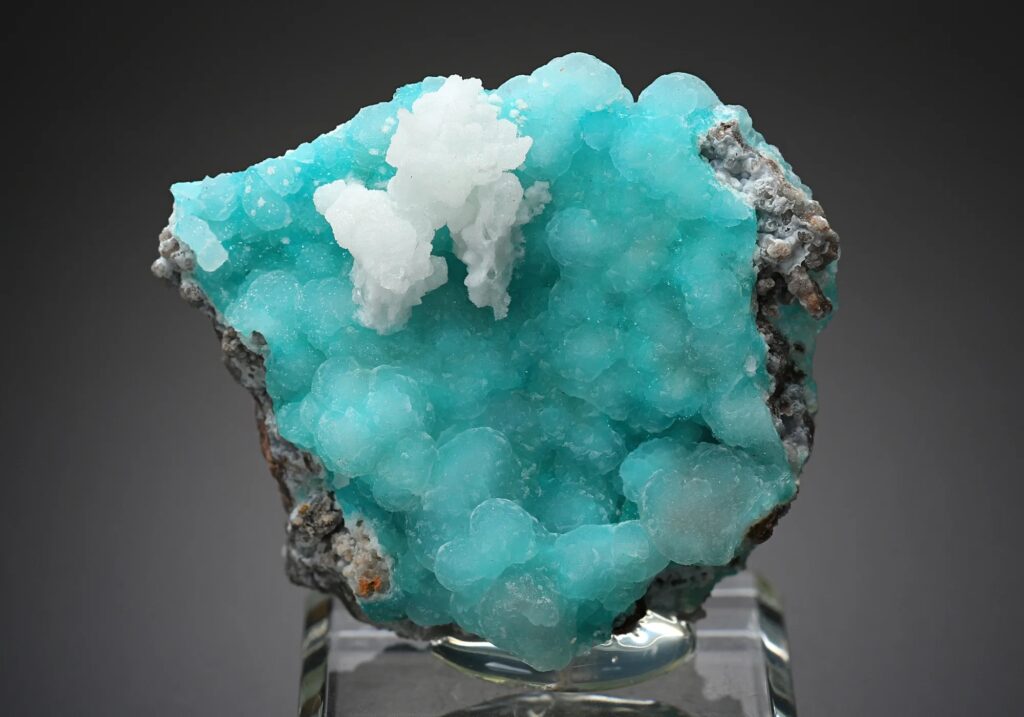
Diferentemente de muitos minerais que formam cristais grandes e bem definidos, a smithsonita ocorre mais frequentemente como massas botrioidais, crostas, revestimentos, formações estalactíticas e agregados compactos. Suas cores suaves, texturas arredondadas e brilho perolado a ceroso lhe conferem uma aparência distinta que a tornou um mineral popular entre colecionadores e um material gemológico para cabochões e objetos decorativos. Embora não seja considerada uma gema preciosa tradicional devido à sua dureza moderada e sensibilidade a danos, espécimes de smithsonita de alta qualidade são apreciados por sua raridade, formações únicas e significado geológico.O mineral foi nomeado em homenagem ao químico e mineralogista inglês James Smithson, em reconhecimento às suas contribuições para a ciência mineral. O legado científico de Smithson posteriormente se associou à fundação do Smithsonian Institution, e o nome do mineral preserva sua influência no desenvolvimento da mineralogia moderna.
História da Smithsonita
A história da smithsonita reflete a evolução da classificação mineral, da ciência química e da indústria de mineração de zinco. Durante muitos séculos, a smithsonita foi conhecida principalmente como um minério de zinco, e não como uma espécie mineral distinta. Na Europa e em outras regiões mineiras, os minerais de carbonato de zinco eram historicamente agrupados sob o nome "calamina", um termo geral usado para minérios contendo zinco. Essa terminologia gerava confusão, pois tanto a smithsonita, um carbonato de zinco, quanto a hemimorfita, um silicato de zinco, eram comumente descritas pelo mesmo nome antes que os avanços na química mineral permitissem que os cientistas as distinguissem.
Durante o final do século XVIII e início do século XIX, melhorias na análise química ajudaram mineralogistas a compreender melhor a composição e a classificação dos minerais de zinco. Pesquisadores descobriram que certas amostras de calamina eram compostas por carbonato de zinco, em vez de silicato de zinco, levando ao reconhecimento da smithsonita como uma espécie mineral separada. Em 1832, o mineralogista francês François Sulpice Beudant introduziu oficialmente o nome smithsonita em homenagem a James Smithson, que havia feito importantes contribuições para a química e os estudos minerais. A smithsonita também desempenhou um papel significativo no desenvolvimento histórico da produção de zinco. Antes que minérios de sulfeto de zinco, como a esfalerita, se tornassem a fonte dominante de zinco industrial, a smithsonita era um dos principais minérios de zinco extraídos em todo o mundo. Ela era especialmente importante em regiões onde depósitos de zinco oxidado eram acessíveis próximos à superfície. O zinco extraído da smithsonita contribuiu para indústrias como a fabricação de latão, proteção de metais e produção de ligas.
Hoje, a smithsonita não é mais uma fonte comercial primária de zinco, porque a mineração moderna se concentra principalmente em depósitos de sulfeto maiores e mais economicamente viáveis. No entanto, ela continua sendo um mineral importante na pesquisa geológica e na coleta de minerais. Localidades famosas como a Mina Tsumeb na Namíbia, a Mina Kelly no Novo México e vários distritos históricos de zinco europeus produziram espécimes excepcionais de smithsonita que continuam a atrair colecionadores e museus em todo o mundo.
Composição Química e Classificação da Smithsonita
A smithsonita tem a fórmula química ideal ZnCO₃, consistindo de zinco, carbono e oxigênio. É classificada como um mineral carbonato e pertence ao grupo da calcita, que inclui vários minerais com estruturas cristalinas semelhantes, mas composições químicas diferentes. Dentro da estrutura da smithsonita, os íons de zinco ocupam posições cercadas por grupos carbonato, formando uma estrutura cristalina trigonal estável.
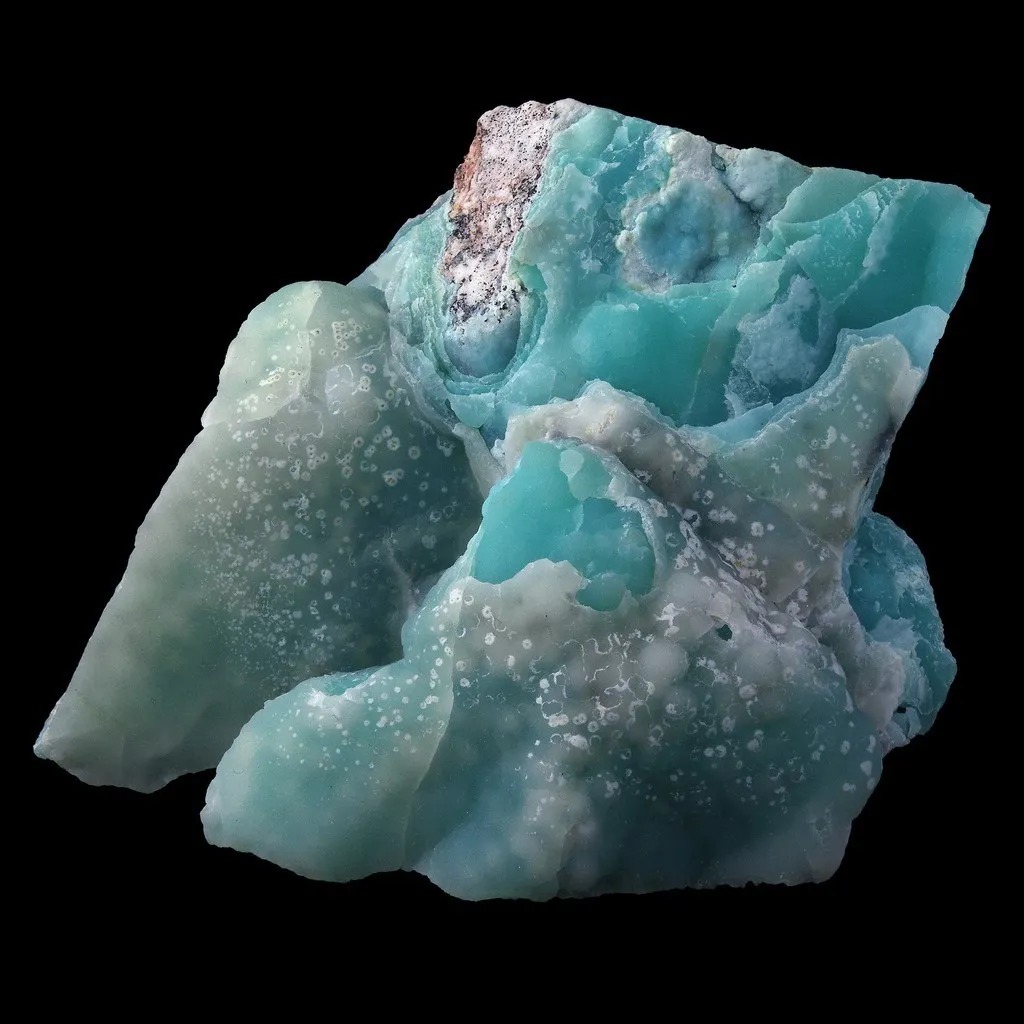
Em espécimes naturais, a smithsonita raramente existe como um carbonato de zinco perfeitamente puro. Vários elementos podem substituir o zinco durante a formação mineral, produzindo variações químicas que influenciam a aparência do mineral. Impurezas de cobre podem criar cores azuis ou verdes, cobalto pode produzir tons rosa ou roxos, enquanto ferro e manganês podem contribuir com tons amarelos, marrons ou cinzas. Essas substituições químicas são responsáveis pela ampla gama de cores e características visuais encontradas em diferentes depósitos de smithsonita.
Como a smithsonita se forma em ambientes quimicamente variáveis, sua composição pode variar significativamente entre locais. Essa variação não afeta apenas a cor, mas também pode influenciar a textura, o desenvolvimento dos cristais e as associações minerais. Por esse motivo, exemplares de smithsonita de diferentes regiões geológicas frequentemente exibem características únicas que ajudam os colecionadores a identificar sua origem.
Formação e Ocorrência Geológica de Smithsonita
A smithsonita se forma principalmente através do intemperismo e da oxidação de minerais de sulfeto de zinco, especialmente a esfalerita, em ambientes próximos à superfície. Quando depósitos ricos em zinco são expostos a águas subterrâneas oxigenadas e condições ricas em carbonato, reações químicas transformam minerais primários de zinco em minerais secundários de carbonato, como a smithsonita. Esse processo ocorre comumente nas zonas de oxidação de depósitos hidrotermais de zinco, onde as condições ambientais em mudança permitem o desenvolvimento de novos minerais.
O mineral geralmente se forma em cavidades, fraturas e zonas de substituição dentro de calcário e outras rochas ricas em carbonato. Em vez de produzir grandes cristais individuais, a smithsonita geralmente se desenvolve como revestimentos botrioidais arredondados, agregados maciços e crostas em camadas. Essas formações frequentemente exibem superfícies lisas e variações sutis de cor, tornando-as altamente atraentes para colecionadores.
A smithsonita é frequentemente encontrada associada a outros minerais secundários, incluindo hemimorfita, cerussita, malaquita, azurita, calcita e limonita. Essas combinações minerais fornecem importantes informações geológicas sobre os processos de oxidação que ocorreram em depósitos minerais antigos. Ocorrências significativas de smithsonita foram descobertas na Namíbia, nos Estados Unidos, no México, na Austrália, na Grécia, na Itália, na Espanha e na China, com várias minas históricas produzindo espécimes de qualidade excepcional.
Tipos e Variedades de Cor da Smithsonita
A smithsonita é conhecida por sua notável diversidade de cores, que resulta principalmente de elementos-traço incorporados em sua estrutura cristalina. Diferentes variedades são frequentemente identificadas com base em suas cores dominantes e impurezas minerais.
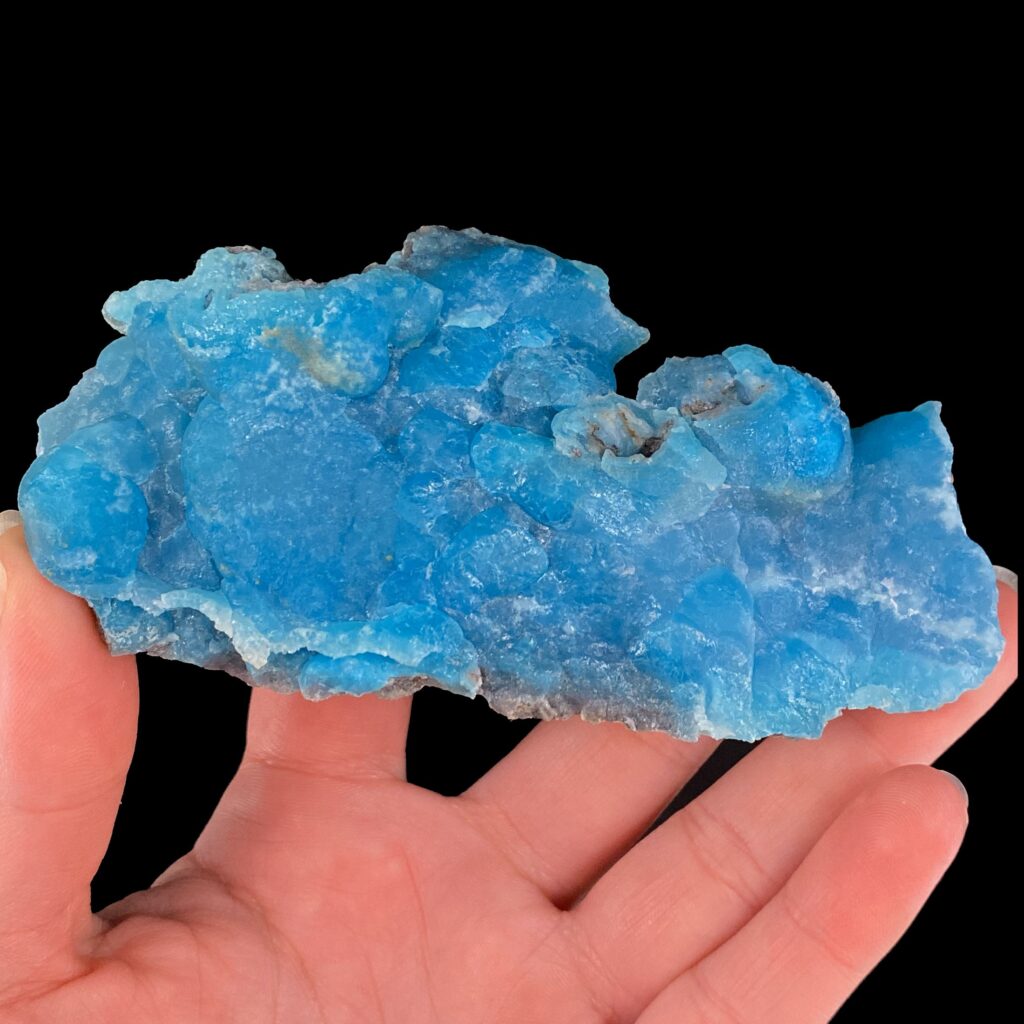
Smithsonita azul é uma das variedades mais populares entre colecionadores e entusiastas de pedras preciosas. Sua coloração azul é comumente associada a impurezas de cobre e pode variar de tons de azul céu claro a tons mais profundos de turquesa. Muitos exemplares de smithsonita azul ocorrem como massas botrioidais com superfícies lisas e arredondadas que criam uma aparência visualmente atraente.
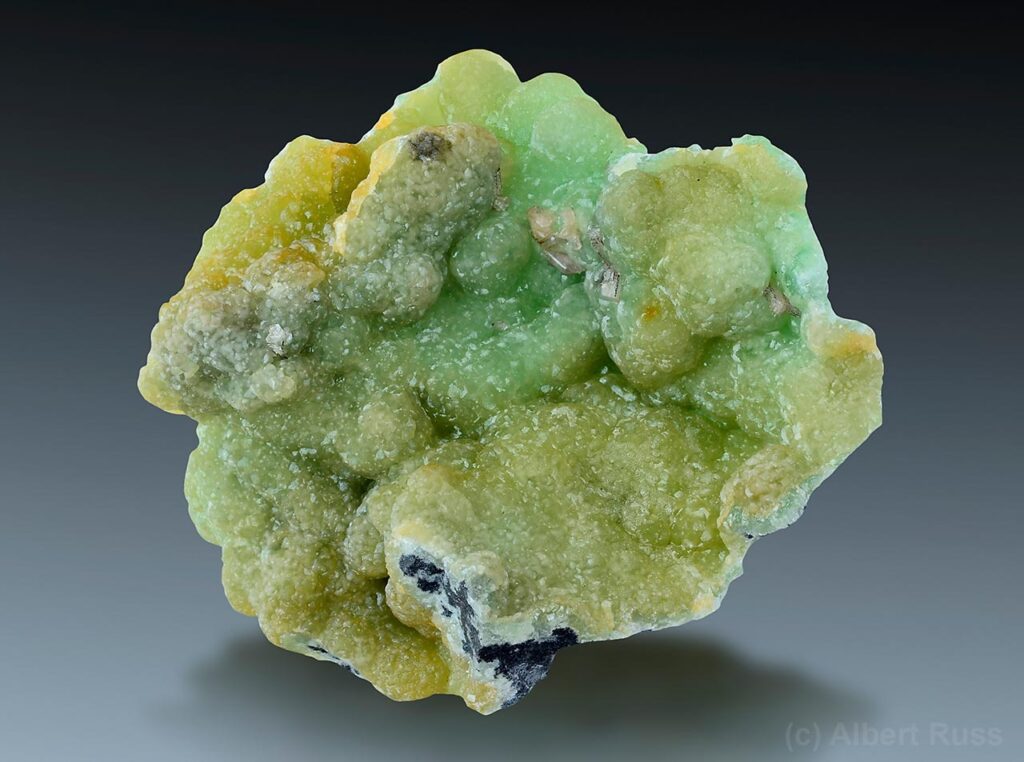
Smithsonita verde é outra variedade comum, frequentemente influenciada por cobre, níquel ou outros elementos-traço. Espécimes verdes podem parecer pálidos e pastéis ou apresentar tons mais fortes, dependendo da composição química e da localidade. Essas variedades são frequentemente associadas a outros minerais contendo cobre em ambientes de minério oxidado.
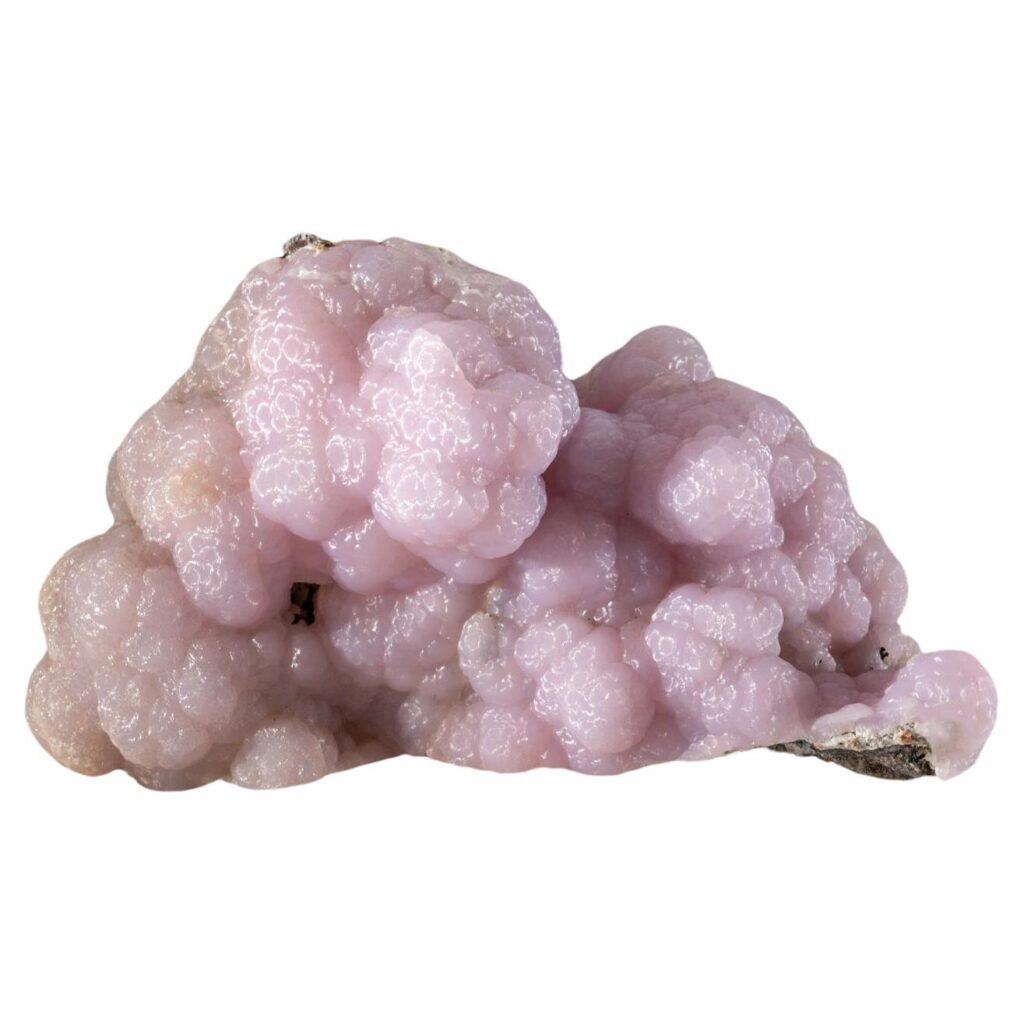
Smithsonita rosa é altamente valorizada por sua coloração atraente, que geralmente é causada pela substituição de cobalto. A smithsonita contendo cobalto de certas localidades pode exibir delicados tons rosa, rosa claro ou lavanda e está entre as formas mais desejáveis para colecionadores.
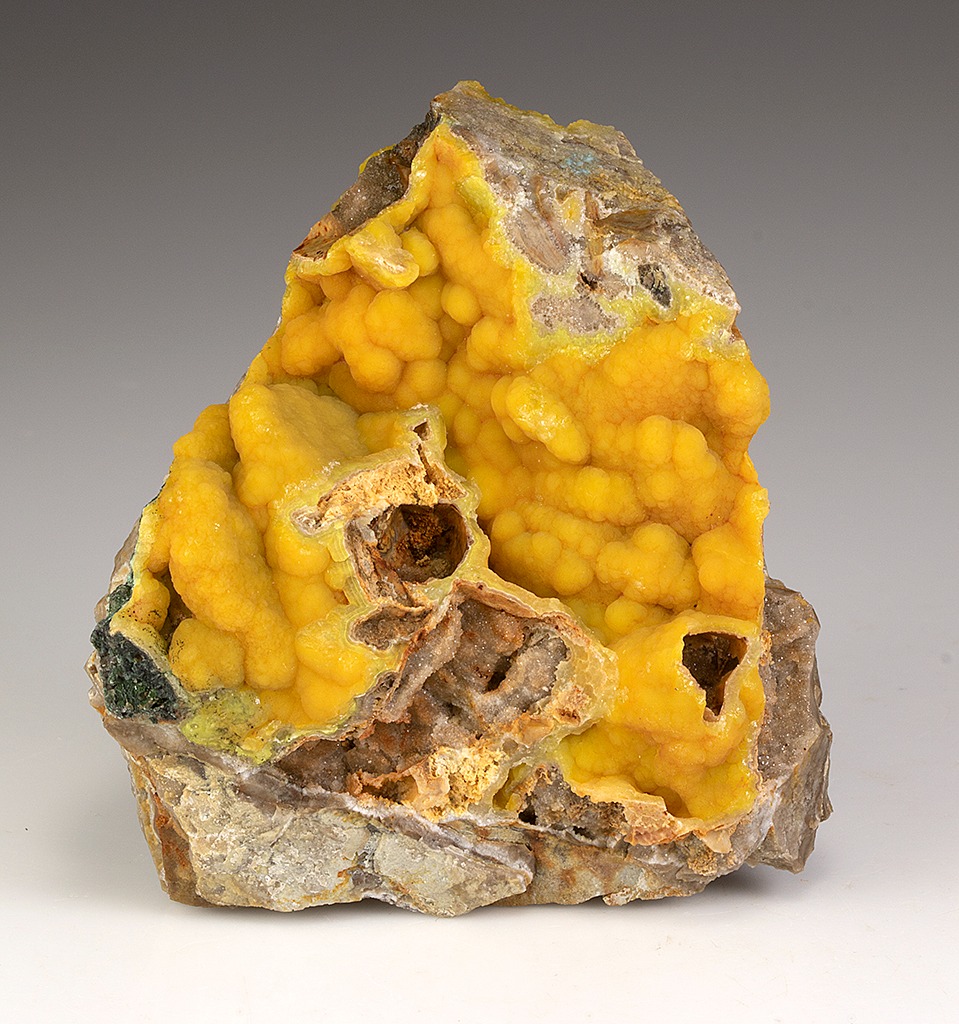
Amarela, marrom, branca e cinza smithsonita variedades geralmente resultam de diferentes níveis de pureza e conteúdo de elementos-traço. Embora menos famosas que os exemplares azuis ou rosas, essas cores ainda podem exibir texturas bonitas e características geológicas interessantes, especialmente quando combinadas com hábitos cristalinos incomuns ou associações minerais.
Estrutura Cristalina e Propriedades Físicas da Smithsonita
A smithsonita cristaliza no sistema cristalino trigonal e normalmente desenvolve uma estrutura romboédrica semelhante a outros membros do grupo da calcita. Cristais bem formados são relativamente incomuns, e o mineral é mais frequentemente encontrado em formações botrioidais, maciças ou crustiformes. Sua estrutura cristalina contribui para sua clivagem romboédrica perfeita, o que significa que ela pode se dividir ao longo de planos específicos quando submetida a estresse.
O mineral tem uma dureza Mohs de aproximadamente 4 a 4,5, tornando-o mais macio do que muitas gemas comuns. Sua gravidade específica é relativamente alta para um mineral carbonático, geralmente em torno de 4,4 a 4,5, devido à presença de zinco. A smithsonita normalmente exibe um brilho vítreo, perolado ou ceroso, especialmente em superfícies polidas. A transparência varia de transparente a opaco, dependendo da qualidade do cristal e da estrutura interna.
Smithsonita como uma gema e mineral de colecionador
Embora a smithsonita não seja amplamente utilizada em joias comerciais, ela ganhou popularidade como uma gema de colecionador devido às suas cores incomuns e texturas atraentes. Devido à sua dureza relativamente baixa e clivagem perfeita, geralmente é lapidada em cabochões em vez de gemas facetadas. A superfície polida suave da smithsonita destaca suas cores suaves e padrões naturais, tornando-a adequada para pingentes, brincos e peças de joias artísticas.
Entre as amostras de qualidade gemológica, as variedades azul, rosa e verde são as mais desejáveis. No entanto, joias de smithsonita exigem manuseio cuidadoso, pois o mineral pode ser facilmente arranhado e pode fraturar se exposto a impactos fortes. Por esse motivo, geralmente é considerado mais adequado para joias de uso ocasional do que para anéis de uso diário ou itens muito utilizados.
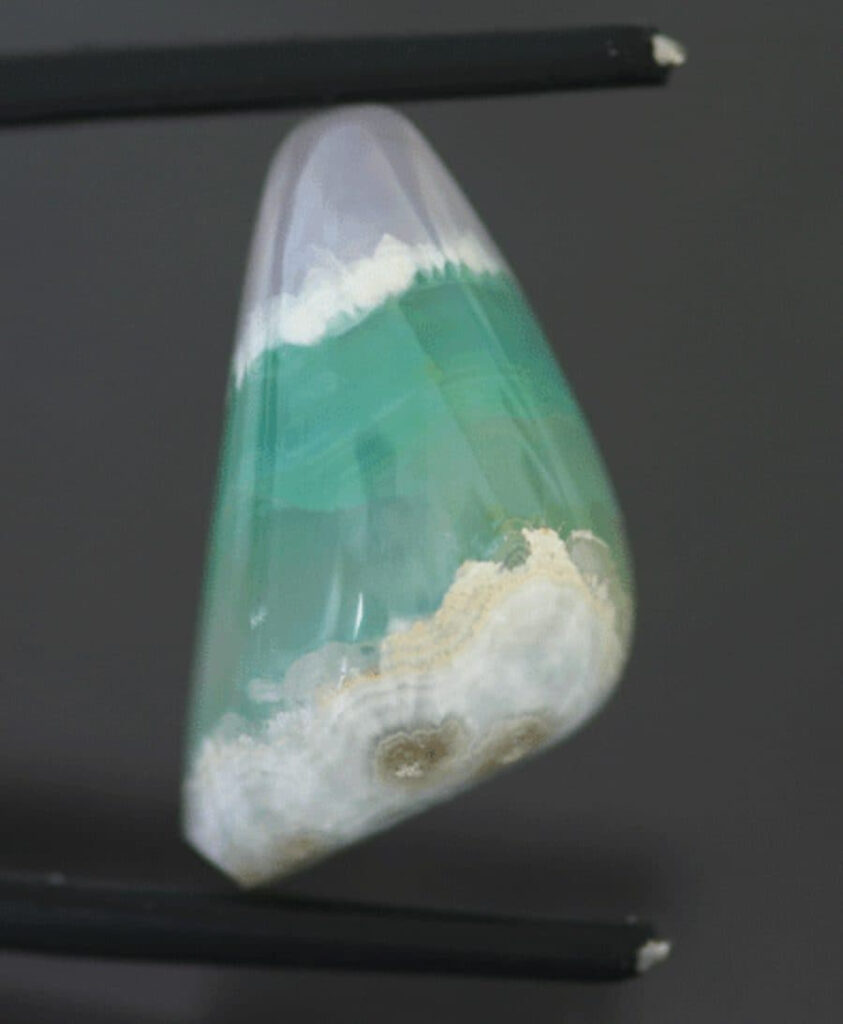
Os colecionadores frequentemente valorizam a smithsonita mais do que os mercados de joias, porque espécimes excepcionais revelam informações geológicas importantes e exibem formações naturais únicas. Espécimes de localidades de mineração famosas, com cores vivas, texturas incomuns ou significado histórico, podem se tornar adições muito procuradas para coleções de minerais.
Usos e Importância da Smithsonita
Historicamente, a smithsonita foi um importante minério de zinco e contribuiu significativamente para as primeiras indústrias de extração de zinco. Antes do uso generalizado da esfalerita, depósitos de smithsonita eram minerados como uma valiosa fonte de zinco. O metal extraído era usado na produção de ligas de latão, materiais galvanizados e vários produtos industriais.
O uso industrial moderno da smithsonita é limitado porque a maior parte da produção de zinco agora depende de depósitos de sulfeto maiores. No entanto, o mineral continua importante na pesquisa mineralógica, educação, coleções de museus e na indústria de gemas. Seu papel na compreensão dos processos de oxidação em depósitos de minério também o torna valioso para geólogos que estudam a formação de minerais.
A smithsonita continua a representar uma importante conexão entre geologia econômica, ciência mineral e cultura de coleta. Sua combinação de significado químico, importância histórica e apelo estético garante sua contínua popularidade entre os entusiastas de minerais.
Como identificar Smithsonita
A identificação de smithsonita requer o exame de várias características físicas e químicas. Sua densidade relativamente alta, composição carbonática, clivagem romboédrica e formações botrioidais típicas fornecem pistas úteis. Como outros minerais carbonáticos, a smithsonita reage com ácidos, liberando dióxido de carbono quando exposta ao ácido clorídrico, embora a reação possa ser mais fraca em comparação com a calcita.
Como a smithsonita pode se assemelhar a minerais como hemimorfita, calcita e aragonita, a identificação precisa pode exigir métodos adicionais de teste, incluindo teste de dureza, medições de densidade específica, microscopia ou análise química em laboratório. A identificação profissional é especialmente importante para espécimes valiosos de colecionadores.
Cuidados e Manutenção da Smithsonita
A smithsonita deve ser manuseada com cuidado devido à sua dureza moderada e propriedades de clivagem. Espécimes e joias devem ser protegidos de arranhões, impactos e produtos químicos agressivos. A limpeza deve ser limitada a métodos suaves, usando água morna, sabão neutro e um pano macio. Limpadores ultrassônicos, limpadores a vapor e materiais abrasivos devem ser evitados, pois podem danificar a superfície mineral ou criar fraturas. Para colecionadores, armazenar a smithsonita separadamente de minerais mais duros ajuda a evitar arranhões acidentais e preserva a beleza natural do espécime.