
Smithsonitt er et sinkkarbonatmineral med kjemisk formel ZnCO₃ og er et viktig sekundært mineral som dannes i oksidasjonssoner av sinkholdige malmforekomster. Det tilhører karbonatmineralgruppen og er en del av kalsittgruppen, og deler strukturelle likheter med mineraler som kalsitt, magnesitt og sideritt. Selv om ren smithsonitt vanligvis er fargeløs eller hvit, viser naturlige prøver ofte et bredt spekter av attraktive farger, inkludert blå, grønn, rosa, gul, brun, grå og lilla. Disse fargene er hovedsakelig forårsaket av sporelementer som erstatter sink i krystallstrukturen, og skaper den bemerkelsesverdige variasjonen som gjør smithsonitt høyt verdsatt blant mineralsamlere.
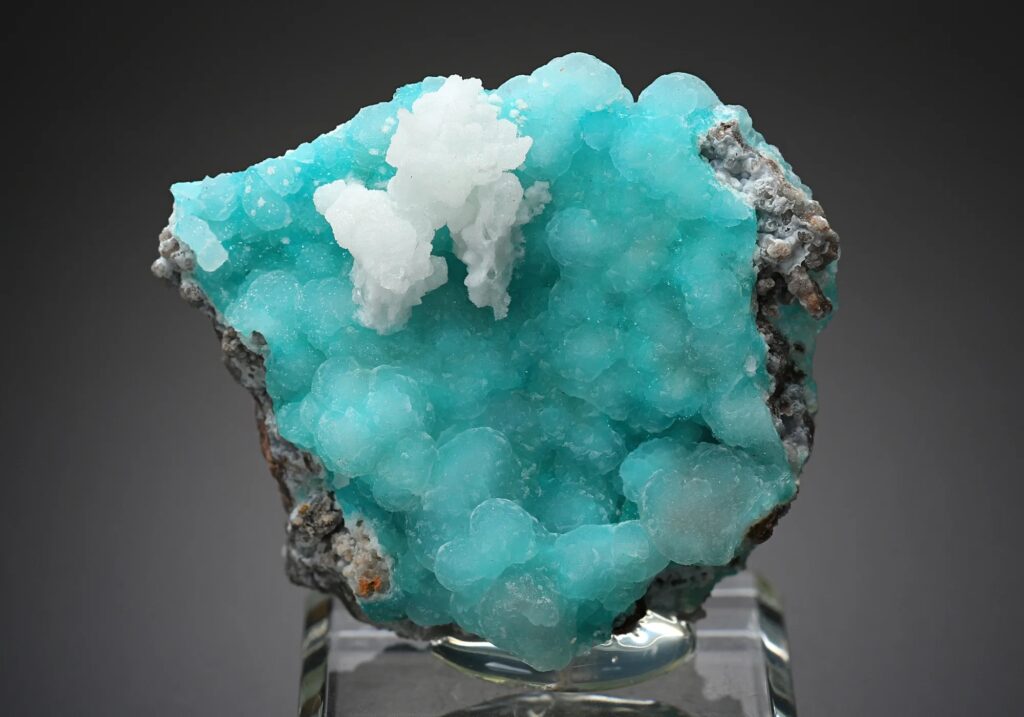
I motsetning til mange mineraler som danner store, veldefinerte krystaller, forekommer smithsonitt oftest som botryoidale masser, skorper, belegg, stalaktittformasjoner og kompakte aggregater. Dens myke farger, avrundede teksturer og perleaktige til voksaktige glans gir den et særegent utseende som har gjort den til et populært samlemineral og et edelsteinsmateriale for cabochoner og dekorative gjenstander. Selv om den ikke regnes som en tradisjonell edelsten på grunn av sin moderate hardhet og følsomhet for skader, blir smithsonittprøver av høy kvalitet verdsatt for sin sjeldenhet, unike formasjoner og geologiske betydning. Mineralet ble oppkalt etter den engelske kjemikeren og mineralogen James Smithson som anerkjennelse for hans bidrag til mineralvitenskapen. Smithsons vitenskapelige arv ble senere forbundet med etableringen av Smithsonian Institution, og mineralnavnet bevarer hans innflytelse på utviklingen av moderne mineralogi.
Smithsonittens historie
Historien til smithsonitt gjenspeiler utviklingen av mineralklassifisering, kjemivitenskap og sinkgruveindustrien. I mange århundrer var smithsonitt først og fremst kjent som en sinkmalm snarere enn som en distinkt mineralart. I Europa og andre gruveregioner ble sinkkarbonatmineraler historisk sett gruppert under navnet “kalamin,” en generell betegnelse for sinkholdige malmer. Denne terminologien skapte forvirring fordi både smithsonitt, et sinkkarbonat, og hemimorfit, et sinksilikat, vanligvis ble beskrevet med samme navn før fremskritt innen mineralkjemi gjorde det mulig for forskere å skille dem.
I løpet av slutten av 1700-tallet og begynnelsen av 1800-tallet bidro forbedringer innen kjemisk analyse til at mineraloger bedre forsto sammensetningen og klassifiseringen av sinkmineraler. Forskere oppdaget at visse kalaminprøver besto av sinkkarbonat i stedet for sinksilikat, noe som førte til anerkjennelsen av smithsonitt som en egen mineralart. I 1832 introduserte den franske mineralogen François Sulpice Beudant offisielt navnet smithsonitt for å hedre James Smithson, som hadde gjort viktige bidrag til kjemi og mineralstudier. Smithsonitt spilte også en betydelig rolle i den historiske utviklingen av sinkproduksjon. Før sinksulfidmalmer som sfaleritt ble den dominerende kilden til industriell sink, var smithsonitt en av de viktigste sinkmalmene som ble utvunnet rundt om i verden. Den var spesielt viktig i regioner der oksiderte sinkforekomster var tilgjengelige nær overflaten. Utvunnet sink fra smithsonitt bidro til industrier som messingproduksjon, metallbeskyttelse og legeringsproduksjon.
I dag er smithsonitt ikke lenger en primær kommersiell sinkkilde fordi moderne gruvedrift hovedsakelig fokuserer på større og mer økonomisk levedyktige sulfidforekomster. Likevel forblir det et viktig mineral innen geologisk forskning og mineralsamling. Kjente lokaliteter som Tsumeb-gruven i Namibia, Kelly-gruven i New Mexico og flere historiske europeiske sinkdistrikter har produsert eksepsjonelle smithsonittprøver som fortsetter å tiltrekke seg samlere og museer over hele verden.
Kjemisk sammensetning og klassifisering av smithsonitt
Smithsonitt har den ideelle kjemiske formelen ZnCO₃, bestående av sink, karbon og oksygen. Det klassifiseres som et karbonatmineral og tilhører kalsittgruppen, som omfatter flere mineraler med lignende krystallstrukturer, men forskjellige kjemiske sammensetninger. Innenfor smithsonittstrukturen opptar sinkioner posisjoner omgitt av karbonatgrupper, og danner et stabilt trigonalt krystallgitter.
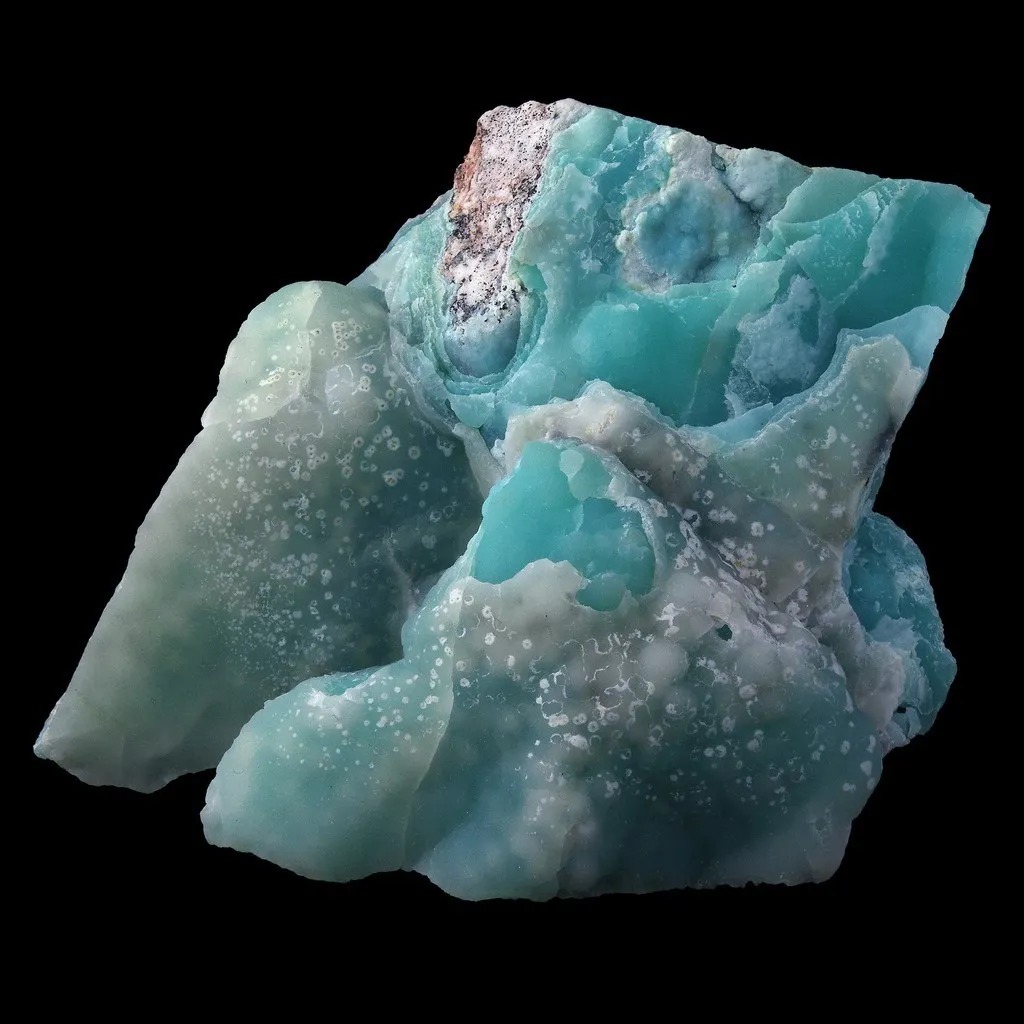
I naturlige prøver eksisterer smithsonitt sjelden som en perfekt ren sinkkarbonat. Ulike grunnstoffer kan erstatte sink under mineraldannelse, og skaper kjemiske variasjoner som påvirker mineralets utseende. Kobberurenheter kan skape blå eller grønne farger, kobolt kan produsere rosa eller lilla toner, mens jern og mangan kan bidra med gule, brune eller grå nyanser. Disse kjemiske substitusjonene er ansvarlige for det brede spekteret av farger og visuelle egenskaper som finnes i ulike smithsonittforekomster.
Fordi smithsonitt dannes i kjemisk skiftende miljøer, kan sammensetningen variere betydelig mellom lokasjoner. Denne variasjonen påvirker ikke bare farge, men kan også påvirke tekstur, krystallutvikling og mineralassosiasjoner. Av denne grunn viser smithsonittprøver fra forskjellige geologiske regioner ofte unike egenskaper som hjelper samlere med å identifisere deres opprinnelse.
Dannelse og geologisk forekomst av smithsonitt
Smithsonitt dannes primært gjennom forvitring og oksidasjon av sink-sulfidmineraler, spesielt sfaleritt, i nær-overflatemiljøer. Når sinkrike forekomster utsettes for oksygenrikt grunnvann og karbonatrike forhold, omdanner kjemiske reaksjoner primære sinkmineraler til sekundære karbonatmineraler som smithsonitt. Denne prosessen skjer vanligvis i oksidasjonssonene til hydrotermale sinkforekomster, hvor skiftende miljøforhold tillater nye mineraler å utvikle seg.
Mineralet dannes typisk i hulrom, sprekker og erstatningssoner innenfor kalkstein og andre karbonatrike bergarter. I stedet for å produsere store individuelle krystaller, utvikler smithsonit seg vanligvis som avrundede botryoidale belegg, massive aggregater og lagdelte skorper. Disse formasjonene viser ofte glatte overflater og subtile fargevariasjoner, noe som gjør dem svært attraktive for samlere.
Smithsonitt finnes ofte i forbindelse med andre sekundære mineraler, inkludert hemimorfi, cerussitt, malakitt, azuritt, kalsitt og limonitt. Disse mineralkombinasjonene gir viktig geologisk informasjon om oksidasjonsprosessene som fant sted innenfor gamle malmforekomster. Betydelige forekomster av smithsonitt er oppdaget i Namibia, USA, Mexico, Australia, Hellas, Italia, Spania og Kina, med flere historiske gruver som har produsert eksemplarer av eksepsjonell kvalitet.
Typer og fargevarianter av smithsonitt
Smithsonitt er kjent for sin bemerkelsesverdige fargemangfold, som hovedsakelig skyldes sporelementer som er inkorporert i krystallstrukturen. Ulike varianter identifiseres ofte basert på deres dominerende farger og mineralforurensninger.
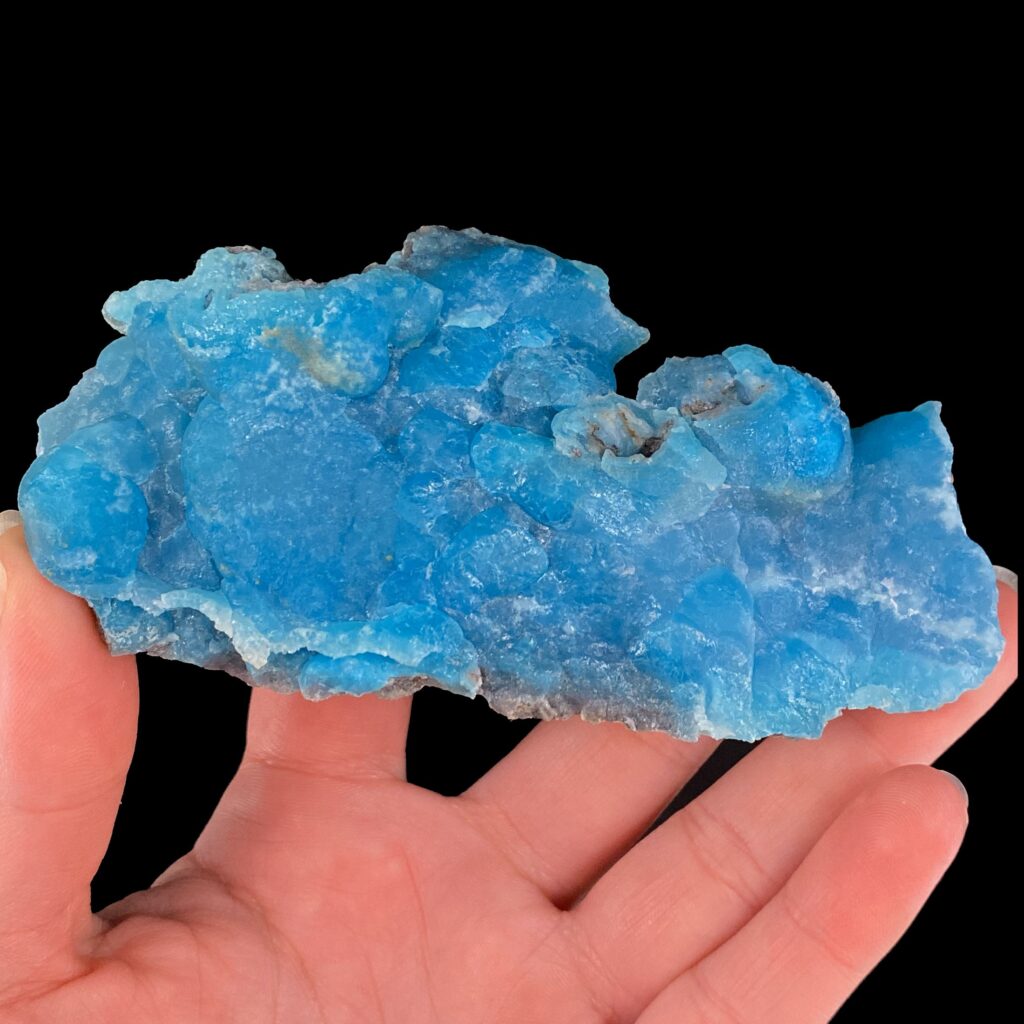
Blå smithsonitt er en av de mest populære variantene blant samlere og edelsteinsentusiaster. Den blå fargen er ofte forbundet med kobberforurensninger og kan variere fra blek himmelblå til dypere turkise nyanser. Mange blå smithsonittprøver forekommer som botryoidale masser med glatte, avrundede overflater som skaper et visuelt tiltalende utseende.
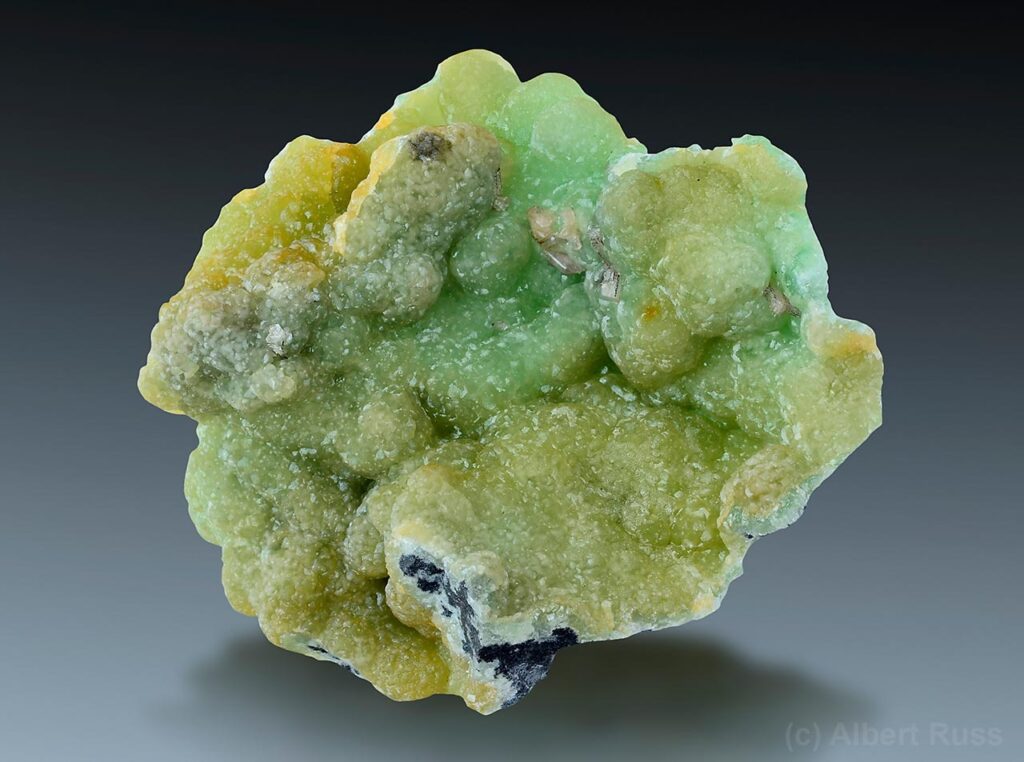
Grønn smithsonite er en annen vanlig variant, ofte påvirket av kobber, nikkel eller andre sporelementer. Grønne prøver kan fremstå som bleke og pastellaktige eller vise sterkere nyanser avhengig av kjemisk sammensetning og lokalitet. Disse variantene er ofte forbundet med andre kobberholdige mineraler i oksiderte malmmiljøer.
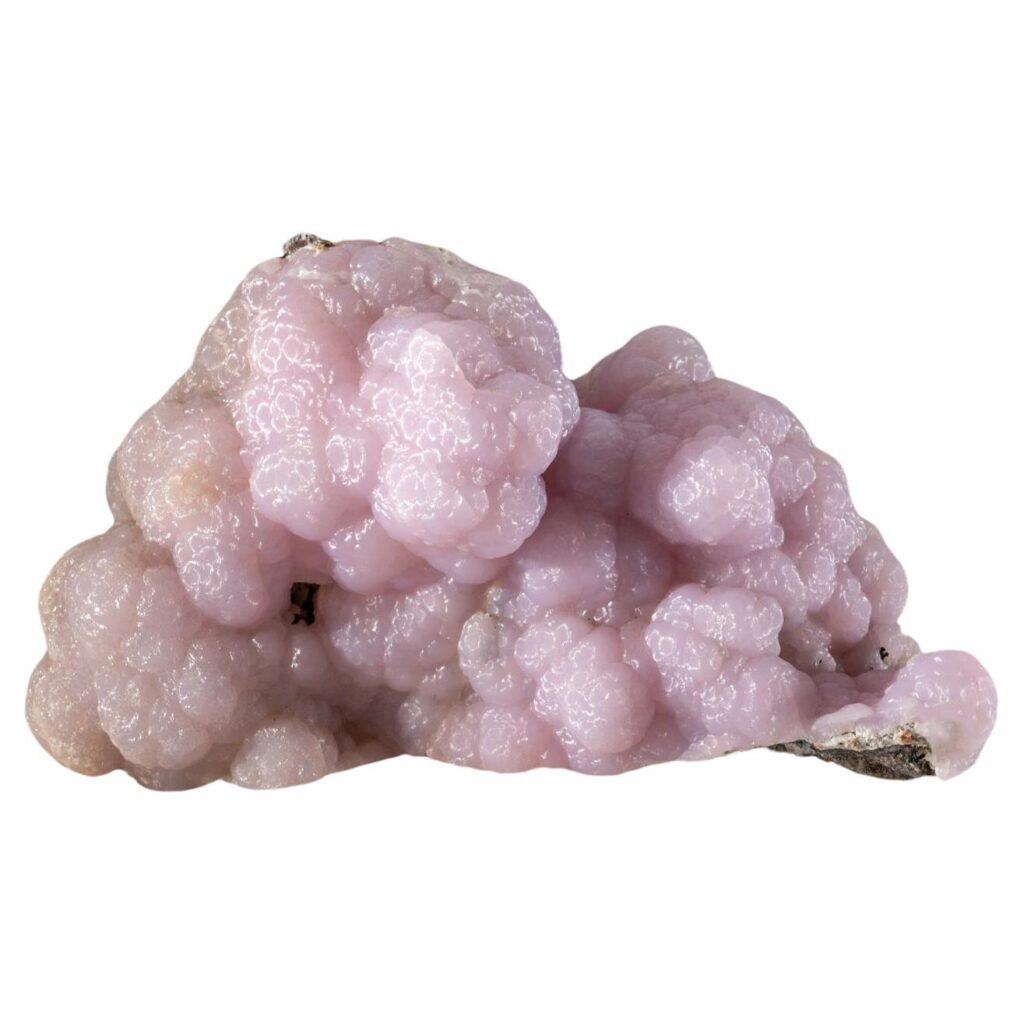
rosa smithsonitt er høyt verdsatt på grunn av sin attraktive farge, som vanligvis skyldes koboltsubstitusjon. Koboltbærende smithsonitt fra visse lokaliteter kan vise delikate rose-, rosa- eller lavendeltoner og er blant de mest ettertraktede formene for samlere.
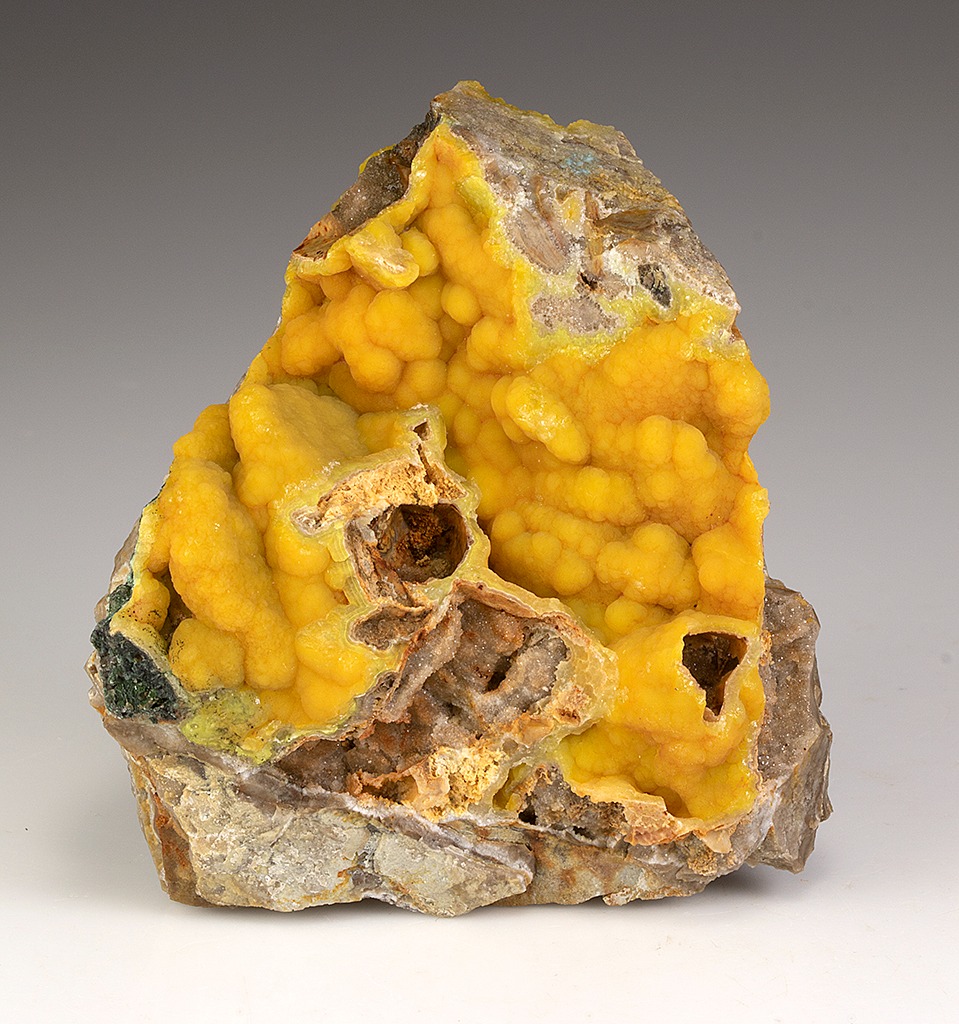
Gul, brun, hvit og grå smithsonitt varianter stammer generelt fra forskjellige nivåer av renhet og innhold av sporelementer. Selv om de er mindre kjente enn blå eller rosa prøver, kan disse fargene fortsatt vise vakre teksturer og interessante geologiske trekk, spesielt når de kombineres med uvanlige krystallformer eller mineralassosiasjoner.
Krystallstruktur og fysiske egenskaper til smithsonitt
Smithsonitt krystalliserer seg i det trigonale krystallsystemet og utvikler ofte en romboedrisk struktur som ligner på andre medlemmer av kalsittgruppen. Velformede krystaller er relativt uvanlige, og mineralet er oftere funnet som drueformede, massive eller skorpeaktige formasjoner. Dens krystallstruktur bidrar til dens perfekte romboedriske kløv, noe som betyr at den kan spaltes langs bestemte plan når den utsettes for stress.
Mineralet har en Mohs-hardhet på omtrent 4 til 4,5, noe som gjør det mykere enn mange vanlige edelsteiner. Dens egenvekt er relativt høy for et karbonatmineral, vanligvis rundt 4,4 til 4,5, på grunn av tilstedeværelsen av sink. Smithsonitt viser typisk en glassaktig, perlemors- eller voksaktig glans, spesielt på polerte overflater. Gjennomsiktigheten varierer fra gjennomsiktig til ugjennomsiktig avhengig av krystallkvalitet og indre struktur.
Smithsonite som edelsten og samlemineral
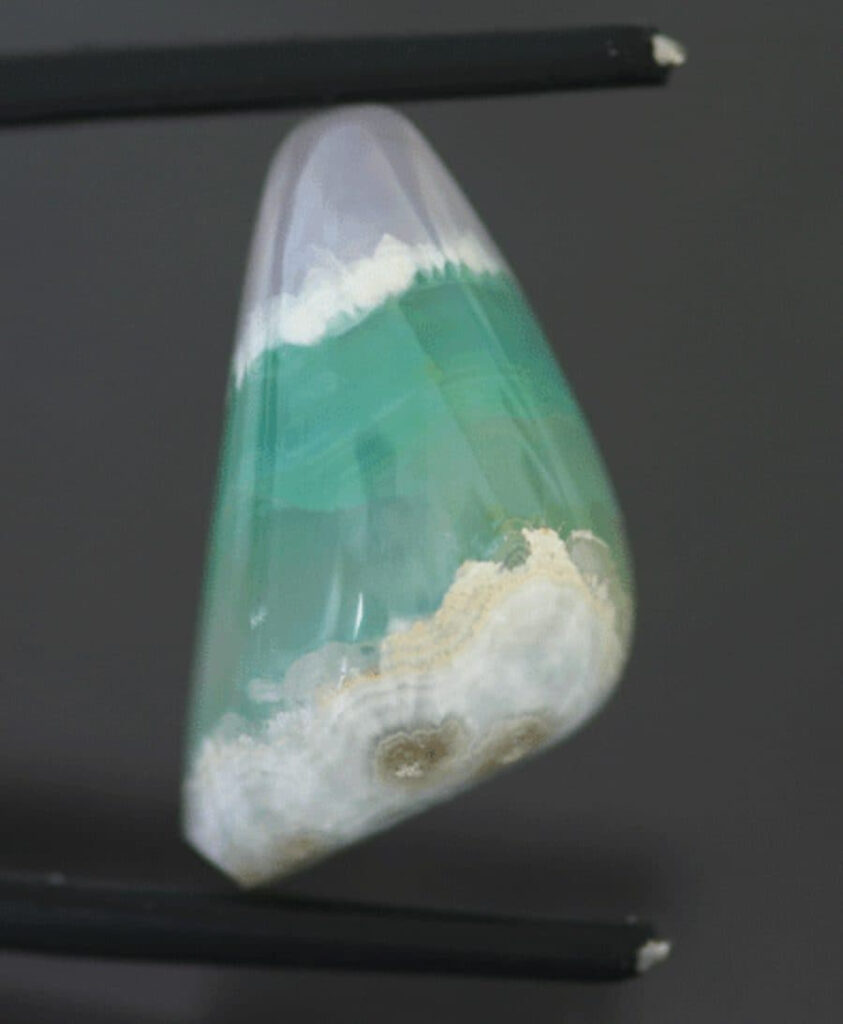
Selv om smithsonitt ikke er mye brukt i kommersielle smykker, har den fått popularitet som en samlerstein på grunn av sine uvanlige farger og attraktive teksturer. På grunn av sin relativt lave hardhet og perfekte kløvning, blir den vanligvis skåret til cabochoner i stedet for fasetterte edelstener. Den glatte polerte overflaten til smithsonitt fremhever dens myke farger og naturlige mønstre, noe som gjør den egnet for anheng, øreringer og kunstneriske smykkestykker.
Blant gemmologiske kvalitetseksemplarer er blå, rosa og grønne varianter de mest ettertraktede. Imidlertid krever smithsonitt-smykker forsiktig håndtering fordi mineralet lett kan ripes opp og kan sprekke hvis det utsettes for sterke støt. Av denne grunn anses det generelt som mer egnet for smykker med sporadisk bruk heller enn til hverdagsringer eller gjenstander som brukes mye.
Samlere verdsetter ofte smithsonite høyere enn juvelermarkeder fordi eksepsjonelle prøver avslører viktig geologisk informasjon og viser unike naturlige formasjoner. Prøver fra kjente gruvelokaliteter med livlige farger, uvanlige teksturer eller historisk betydning kan bli ettertraktede tillegg til mineralsamlinger.
Bruksområder og betydning av smithsonitt
Historisk sett var smithsonitt en viktig sinkmalm og bidro betydelig til tidlig sinkutvinningsindustri. Før den utbredte bruken av sfaleritt, ble smithsonittforekomster utvunnet som en verdifull kilde til sink. Det utvunne metallet ble brukt til å produsere messinglegeringer, galvaniserte materialer og ulike industriprodukter.
Moderne industriell bruk av smithsonitt er begrenset fordi det meste av sinkproduksjonen nå er avhengig av større sulfidforekomster. Likevel er mineralet fortsatt viktig i mineralogisk forskning, utdanning, museumsamlinger og edelsteinsindustrien. Dets rolle i forståelsen av oksidasjonsprosesser i malmforekomster gjør det også verdifullt for geologer som studerer mineraldannelse.
Smithsonitt fortsetter å representere en viktig forbindelse mellom økonomisk geologi, mineralvitenskap og samlekultur. Dens kombinasjon av kjemisk betydning, historisk viktighet og estetisk appell sikrer dens fortsatte popularitet blant mineralentusiaster.
Hvordan identifisere smithsonitt
Identifikasjon av smithsonitt krever undersøkelse av flere fysiske og kjemiske egenskaper. Den relativt høye tettheten, karbonatsammensetningen, romboedrisk kløv og typiske botryoidale formasjoner gir nyttige ledetråder. Som andre karbonatmineraler reagerer smithsonitt med syrer og frigjør karbondioksid når det utsettes for saltsyre, selv om reaksjonen kan være svakere sammenlignet med kalsitt.
Fordi smithsonitt kan ligne mineraler som hemimorfitt, kalsitt og aragonitt, kan nøyaktig identifikasjon kreve ytterligere testmetoder, inkludert hardhetstesting, måling av spesifikk vekt, mikroskopi eller laboratorisk kjemisk analyse. Profesjonell identifikasjon er spesielt viktig for verdifulle samlerprøver.
Smithsonite Pleie og vedlikehold
Smithsonite bør håndteres forsiktig på grunn av sin moderate mykhet og kløvningsegenskaper. Prøver og smykker bør beskyttes mot riper, støt og sterke kjemikalier. Rengjøring bør begrenses til skånsomme metoder med varmt vann, mild såpe og en myk klut. Ultralydrensere, damprensere og slipende materialer bør unngås fordi de kan skade mineraloverflaten eller skape brudd. For samlere bidrar oppbevaring av smithsonite adskilt fra hardere mineraler til å forhindre utilsiktede riper og bevare prøvens naturlige skjønnhet.