跳到内容
{{ osCmd }}
K
✕
学习中心
Close Learning Center
Open Learning Center
宝石百科全书
按字母顺序排列的宝石全列表,每种宝石均附详细信息
诞生石
了解更多关于这些热门宝石及其寓意的信息
社区
关于
ZH
ZH
EN
AR
FR
DE
JA
RU
ES
ID
KO
IT
PT
TR
VI
TH
HI
PL
SV
NB
DA
EL
HU
RO
MI
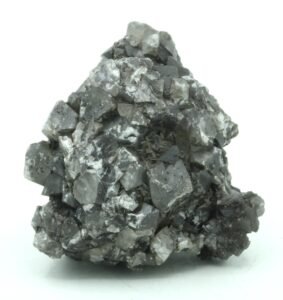
硫钴矿
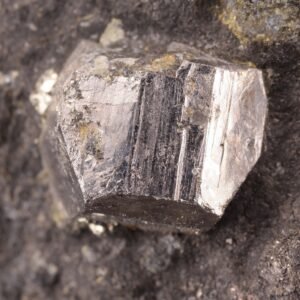
硫钴矿是一种稀有的二硫化钴矿物,属于黄铁矿族,通常与其它硫化物矿物一起产于热液矿床中。
石盐
石盐,通常称为岩盐,是氯化钠(NaCl)的天然矿物形态,在等轴晶系中结晶,并通过古代咸水的蒸发形成重要的盐矿床。
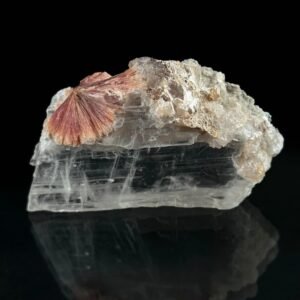
钠硼解石
钠硼解石,又称“电视石”,是一种含水硼酸盐矿物,以其平行的纤维状晶体结构而闻名,这种结构能沿纤维传导光线,将底部的图像投射到其表面。
觉杜石
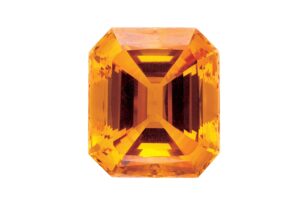
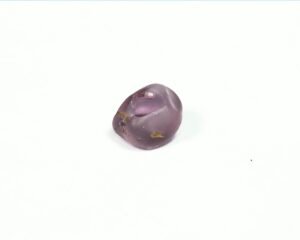
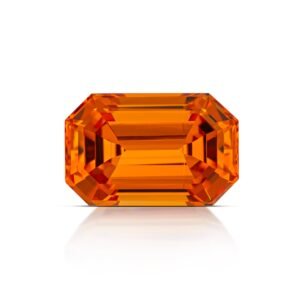
Kyawthuite是一种极其罕见的橙红色铋锑氧化物矿物,全球已知仅存在一颗天然晶体。
方锑矿
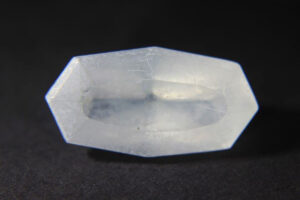
方锑矿是一种稀有的锑氧化物矿物,通常在等轴晶系中结晶,形成无色至白色的八面体晶体。
硬硅钙石
硬硅钙石是一种水化硅酸钙矿物,以其纤维状晶体结构和优异的热稳定性而著称,使其成为广泛用于高温工业隔热的材料。
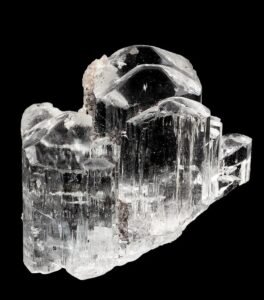
蓝柱石
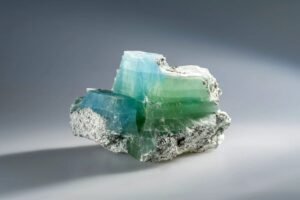
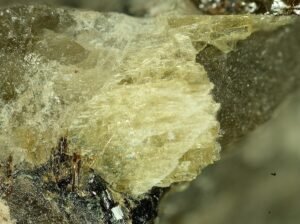
蓝柱石是一种罕见的铍铝硅酸盐矿物,通常形成淡蓝色、绿色或无色的棱柱状晶体,以完全解理为特征。
Cancrinite
钙霞石是一种复杂的钠铝硅酸盐矿物,含有碳酸根和羟基,通常以黄色、白色或橙色的组分存在于硅不饱和的火成岩中,例如霞石正长岩。
雄黄
雄黄是一种稀有的砷硫化物矿物,以其鲜艳的橙红色、单斜晶体结构以及历史上用作颜料和矿物标本而闻名。
Inderite
硼镁石是一种柔软的含水硼酸镁矿物,通常形成白色或无色的棱柱状晶体,产于蒸发岩矿床中。
锑钽矿
锑钽矿是一种稀有的含钽氧化物矿物,化学式为SbTaO₄,通常存在于复杂的花岗伟晶岩中,主要作为收藏标本受到重视。
水镁石
水镁石是一种天然存在的氢氧化镁矿物,化学式为 Mg(OH)₂,主要形成于富镁地质环境中的次生蚀变产物。
菱镁矿
菱镁矿是一种镁碳酸盐矿物,化学式为MgCO₃,通常通过富镁岩石的蚀变或在沉积环境中沉淀形成。
滑石
滑石是一种镁硅酸盐矿物,形成于变质环境,在莫氏硬度等级中公认是最软的矿物,具有特有的光滑质感和层状晶体结构。
塔格图皮特
Tugtupite是一种稀有的铍铝架硅酸盐矿物,以其独特的光致变色特性而闻名,在暴露于紫外线下时会从淡粉色或白色暂时变深为深红色。
丹硼石
丹布利石是一种钙硼硅酸盐矿物,因其高透明度、玻璃光泽和形态良好的棱柱晶体而在矿物学和宝石学中受到重视。
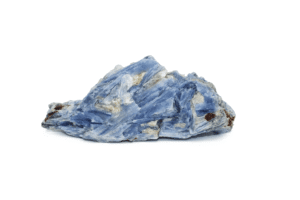
蓝晶石
蓝晶石是一种铝硅酸盐矿物,通常发现于富含铝的变质岩中,其特征是独特的蓝色和沿晶体轴方向的各向异性硬度。
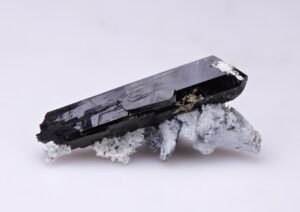
海王石
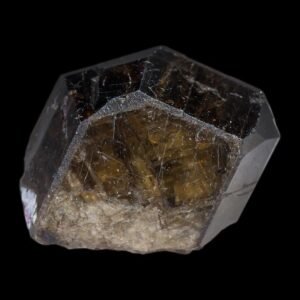
Neptunite是一种罕见的钾钠锂铁钛硅酸盐矿物,以其深色棱柱状晶体和在特定碱性地质环境中的产状而闻名。
白铅矿
白铅矿是一种重而高光泽的铅碳酸盐矿物(PbCO₃),通常作为铅矿床氧化带中的次生产物形成。
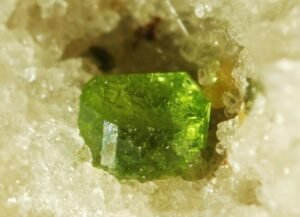
亚当石
Adamite是一种锌砷酸盐氢氧化物矿物,通常出现在含锌矿床的氧化带中,以其鲜艳的亮绿色至黄色晶体而闻名,这些晶体在紫外光下常呈现出强烈的绿色荧光。
黄玉
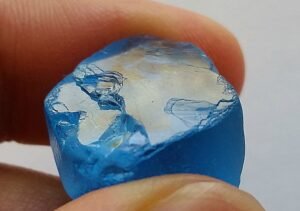
黄玉是一种天然存在的铝硅酸盐矿物,属于岛状硅酸盐族,广泛用作耐用宝石,并在地质研究中被视为富含挥发分岩浆过程的关键指示剂。
普罗透斯
Proteus是一种稀有矿物物种,因其独特的化学成分、晶体结构以及在特定地质环境中的产状而被研究。
海珀瑞特辉绿岩
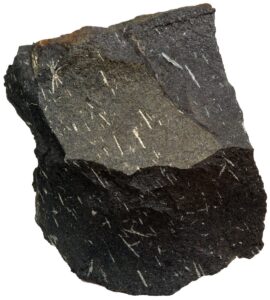
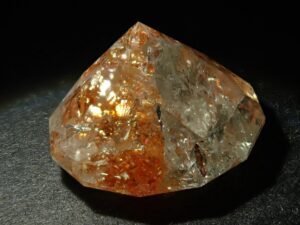
辉绿岩是一种深色、致密的镁铁质侵入火成岩,主要由斜长石和辉石组成,通常用作耐用天然石材,用于建筑和纪念碑目的。
库尔纳科夫石
库尔纳科夫石是一种罕见的水合镁硼酸盐矿物,属于三斜晶系,通常在富含硼的蒸发岩矿床中形成。
肉色柱石
肉硅石是一种稀有的钙钠铝架状硅酸盐矿物,通常形成于富钙的接触变质岩和火山石灰岩捕虏体中。
蛇纹石
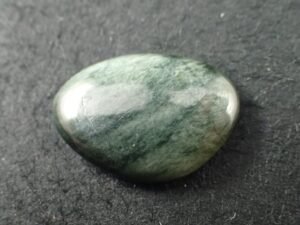
蛇纹石是一种矿物群,以其独特的绿色、光滑或鳞片状质地而闻名,常被用作装饰石材及工业材料。
葡萄石
绿纤石是一种含水钙铝硅酸盐矿物群,通常呈绿色纤维状集合体,是极低级区域变质作用的关键指示矿物。
汤河原沸石
汤河原沸石是一种稀有的水合钙铝硅酸盐矿物,属于沸石族,通常以无色或白色板状晶体形式产于热液火山环境中。
菱锌矿
菱锌矿是一种锌碳酸盐矿物(ZnCO₃),形成于氧化锌矿床中,以其多样的颜色、葡萄状构造及矿物学意义而闻名。
铬铁矿
铬铁矿是一种属于尖晶石族的铁铬氧化物矿物,其特征是化学成分为FeCr₂O₄,主要产于超基性和基性岩石中。
锰橄榄石
锰橄榄石是一种稀有的锰硅酸盐矿物,属于橄榄石族,主要形成于富锰的变质矿床和矽卡岩环境中。
捷克陨石
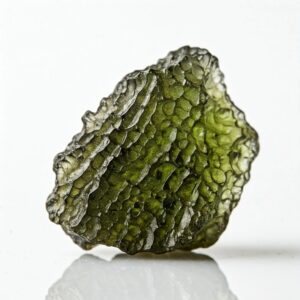
摩达维石是一种森林绿色的玻陨石,约1500万年前由中欧的陨石撞击形成,因其独特的皱褶纹理和半透明外观而备受珍视。
丝光沸石
丝光沸石是一种天然存在的、高硅沸石矿物,属于铝硅酸盐家族,其特征是正交晶系以及含有大的一维通道的刚性纤维状骨架。
斜钠钙石
斜钠钙石是一种罕见的水合钠钙碳酸盐矿物,通常形成于碱性蒸发岩湖泊环境中。
钨锰矿
钨锰矿是一种稀有的锰钨酸盐矿物(MnWO₄),构成黑钨矿固溶体系列的富锰端元,并作为一种重要的工业钨矿石。
蓝方石
蓝方石是一种稀有的架状硅酸盐矿物,属于方钠石族,最显著的特点是具有独特且高度饱和的蓝色,并产于贫硅火山岩中。
氟镁石
塞莱石是一种稀有的氟化镁矿物(MgF₂),属于四方晶系,通常出现在特殊的热液、蒸发岩或火山喷气环境中。
锌镁尖晶石
锌尖晶石是尖晶石超群中一种罕见的富锌成员,形成于含锌的变质和矽卡岩环境中,并在立方晶系中结晶。
石膏
石膏是一种分布广泛的硫酸盐矿物,由二水合硫酸钙组成,其特点是硬度低,并广泛应用于工业制造和建筑材料。
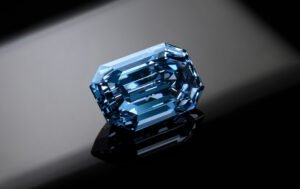
蓝钻
蓝钻是一种天然钻石,其特征是呈现蓝色,这种特性主要归因于地质过程中形成的微量硼杂质或晶格缺陷。
俄勒冈日光石
俄勒冈日光石是一种独特的宝石级拉长石,以其多样的色调和由微量元素铜的微观内含物产生的独特闪烁效果而著称。
紫磷铁锰矿
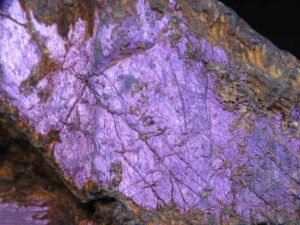
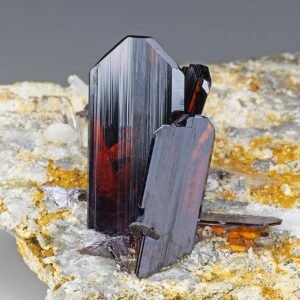
紫磷铁锰矿是一种罕见的不透明锰磷酸盐矿物,存在于富含锂的花岗伟晶岩中。其特征是具有独特的紫色至紫红色,呈现绸缎状至半金属光泽,其化学成分通常由磷锂锰矿蚀变形成。
雀仔石
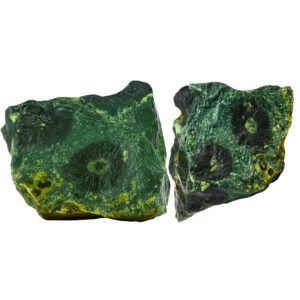
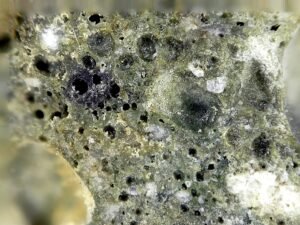
雀仔石是一种来自马达加斯加的不透明多矿物火山岩,其特征是深绿色的流纹岩基质以及通过古代蓝细菌垫硅化作用形成的独特球状结构。
碧玉
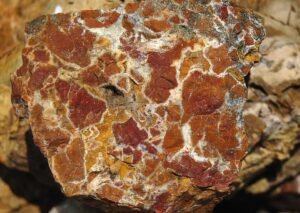
碧玉是一种二氧化硅矿物,以其不透明的外观、多样的色彩以及由矿物杂质和地质过程形成的独特图案而闻名。
Pyrophyllite
叶蜡石是一种含水铝硅酸盐矿物,化学式为 Al₂Si₄O₁₀(OH)₂,属于层状硅酸盐矿物,常见于低级变质环境和热液环境中。
白云石
白云石是一种碳酸盐矿物,化学式为 CaMg(CO₃)₂,由钙、镁、碳和氧组成,呈有序晶体结构。
硬柱石
硬柱石是一种含水的钙铝硅酸盐矿物,常见于与俯冲带相关的高压、低温变质环境中。
菱锰矿
菱锰矿是一种碳酸锰矿物,化学式为 MnCO₃,通常见于热液脉和沉积锰矿床中,典型特征是呈粉红色至红色的色调。
塔菲石
塔菲石是一种稀有的铍镁铝氧化物矿物,呈六方晶系,以其独特的物理光学性质和宝石级品种而闻名。
锰钽铁矿
锰钽铁矿是一种属于铌铁矿-钽铁矿族的稀有富钽氧化物矿物,通常存在于高度演化的花岗伟晶岩中,以其高密度和深褐色至红褐色的外观而闻名。
短柱石
碳钠钙石是一种罕见的碳酸钠钙矿物,通常赋存于盐湖沉积物中。
蜜蜡石
蜜蜡石,又称“蜂蜜石”,是一种稀有的有机矿物,化学成分为蜜石酸铝,通常以半透明的蜂蜜色晶体形式存在于褐煤矿床中。
绿磷铁矿
绿磷铁矿是一种罕见的磷酸铁矿物,通常发现于花岗伟晶岩和热液脉中,其特征是具有独特的绿色和单斜晶体结构。
氟铝石膏
氟铝石膏是一种发现于氧化矿床中的罕见卤化物矿物,其特点是具有独特的单斜晶系晶体,颜色从无色到鲜艳的橙色和紫色不等。
硅铍钇矿
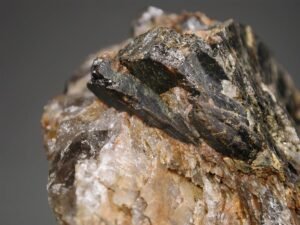
硅铍钇矿(Gadolinite)是一种罕见的硅酸盐矿物,通常呈黑色或深褐色,它是钇、铈和铍等稀土元素的主要来源。
钙矾石
钙矾石是一种水化硫铝酸钙矿物,它既是自然形成的地质晶体,也是波特兰水泥水化过程中形成的关键副产物。
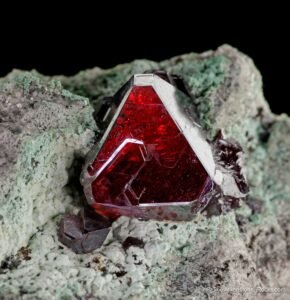
铬铅矿
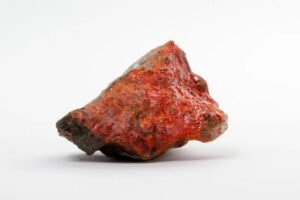
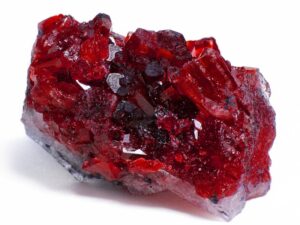
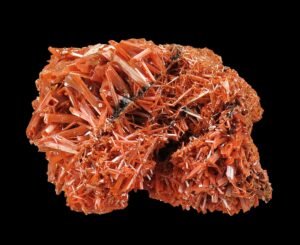
铬铅矿是一种罕见的铬酸铅矿物,以其鲜艳的风信子红至橙黄色柱状晶体而闻名。
氟菱钙铈矿
氟菱钙铈矿是一种含有铈、镧和钕的罕见碳酸盐矿物,通常发现于热液脉和碳酸岩中。
异性石
异性石是一种稀有且化学成分复杂的钠钙锆环状硅酸盐矿物,主要存在于过碱性火成岩中,因其独特的鲜红至洋红色泽而备受珍视。
硅锰锌矿
硅锰锌矿是一种罕见的锰锌硅酸盐矿物,通常以粒状或柱状晶体形式出现,因其独特的粉红色至红褐色调而闻名。
锆石
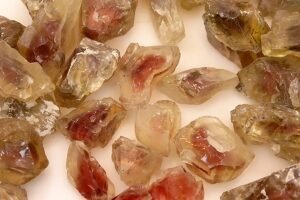
锆石是一种用途广泛且璀璨夺目的宝石。作为一种天然的硅酸锆矿物,它因高折射率、卓越的火彩以及宽广的色谱而备受赞誉。
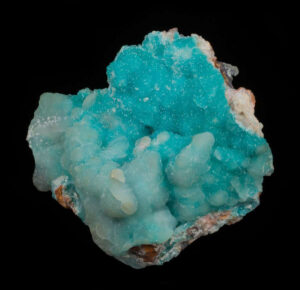
蓝矽铜矿
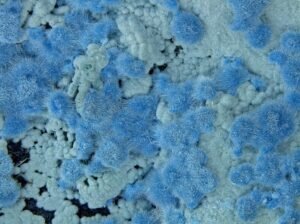
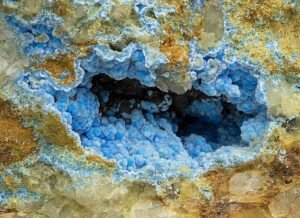
蓝矽铜矿是一种罕见的铜硅酸盐矿物,以其鲜艳的蓝色至绿松石色而闻名,通常在铜矿床中作为次生矿物形成。
黑钻石
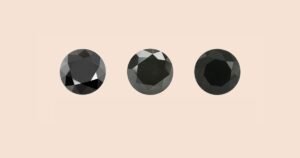
黑钻石在科学上被称为卡邦纳多(Carbonado),是一种罕见、不透明且密度极高的天然钻石多晶体形态,由数百万个通过深色矿物包裹体结合在一起的微观晶体组成。
刚玉
刚玉是氧化铝(Al₂O₃)的一种结晶形式,自然界中存在多种颜色,最著名的是呈现红色时形成红宝石,而呈现其他色调时则形成蓝宝石。
镍黄铁矿
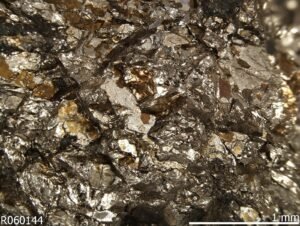
镍黄铁矿是一种主要的铁镍硫化物矿物,是世界上镍的主要经济来源。
橄榄铜矿
橄榄铜矿是一种砷酸盐铜矿物,以其特征性的橄榄绿色以及通常产于铜矿床氧化带中而闻名。
绿松石
绿松石是一种不透明的铜铝磷酸盐矿物,颜色介于蓝色和绿色之间,在历史上备受珍视,并作为宝石广泛应用于装饰珠宝中。
孔雀石
孔雀石是一种鲜艳的绿色碳酸铜矿物,其特征是具有独特的条带状图案以及不透明的葡萄状生长习性。
蓝铜矿
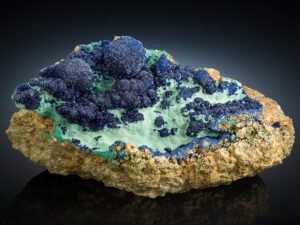
一种色泽鲜艳的深蓝色碳酸铜矿物,常与孔雀石伴生,通常用作提炼铜的矿石及供收藏的矿物标本。
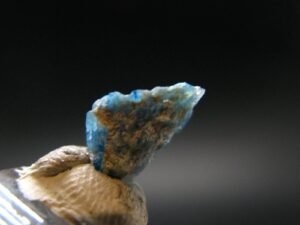
蓝砷铝铜石
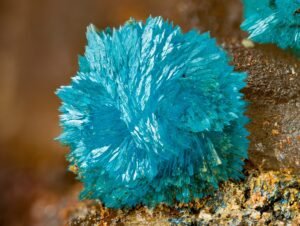
蓝砷铝铜矿(Ceruleite)是一种罕见的含水铜铝磷酸盐矿物,以其独特的天蓝色至绿松石色而闻名。
块硅镁石
块硅镁石(Norbergite)是一种属于硅镁石族的罕见硅酸镁矿物,通常发现于接触变质带中,并以其独特的黄色至橙色色调为特征
矽镁石
硅镁石 rotation 是一种镁铁硅酸盐矿物,通常在接触变质环境中呈透明至半透明的小型黄色至橙色晶体产出。
白铁矿
白铁矿是一种由硫化铁组成的金属矿物,因其淡青铜色和脆性的晶体结构而受到重视。
黑稀金矿
黑稀金矿是一种罕见的棕黑色矿物,是一种含有稀土元素、铌、钽和钛的复合氧化物,通常发现于花岗伟晶岩中。
锡石
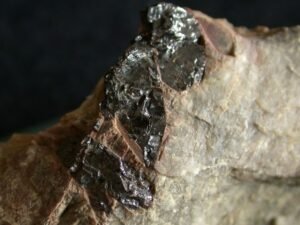
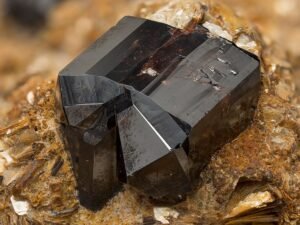
锡石是锡的主要矿石,是一种重质且化学性质稳定的氧化物矿物,通常以深褐色至黑色、具有光泽的晶体形式出现。
红碧玺
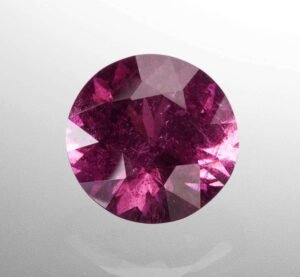
红碧玺是一种从鲜艳粉色到红色的电气石变种,因其浓郁的色彩以及在不同光照条件下持久的绚丽光彩而备受推崇。
红宝石
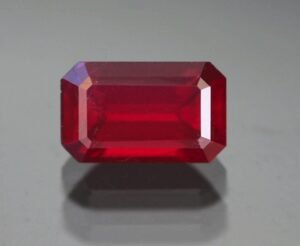
红宝石是一种珍贵的红色宝石,属于刚玉族矿物,以其卓越的硬度和鲜艳的色彩而闻名,其颜色主要源于铬元素的存在。
板钛矿
板钛矿是二氧化钛 (TiO₂) 的一种稀有斜方晶系同质多象变体,通常以独特、性脆的深色晶体形式出现于热液矿脉和阿尔卑斯型裂隙中。
假蓝宝石 / 硅硼镁铝石
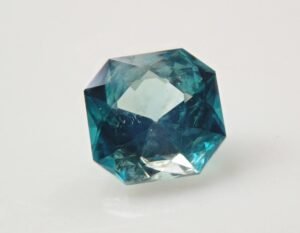
假蓝宝石(Grandidierite)是一种罕见的蓝绿色镁铝硼硅酸盐矿物,最初在马达加斯加发现,因其独特的多色性和稀缺性而受到收藏家的青睐。
熔长石
熔长石是一种存在于陨石和撞击坑中的天然玻璃,由斜长石矿物在冲击波的剧烈压力下未经熔化转化而成。
晶叶钠长石
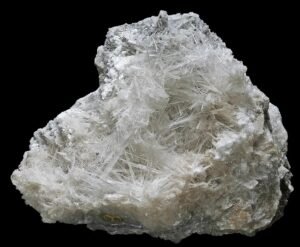
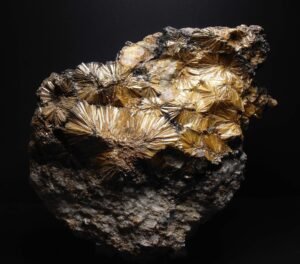
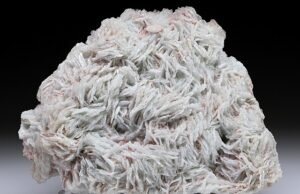
叶钠长石是钠长石的一种片状、叶片状变种,其典型特征是薄而白的扇形晶体聚合体,通常作为含锂伟晶岩中的晚期矿物形成。
光谱石
光谱石(Spectrolite)是产自芬兰的一种罕见、高品质拉长石品种,以展现完整且鲜艳的全光谱虹彩(即拉长石闪光)而闻名。
日光石 (太阳石)
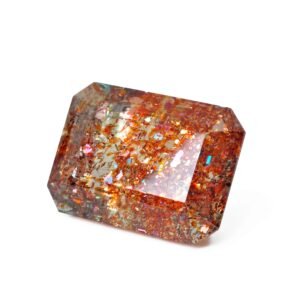
日光石是一种充满活力的长石宝石,因其独特的金属闪光而备受赞誉,这种闪光是由微小的片状内含物引起的。
钡冰长石
钡冰长石(Hyalophane)是一种罕见的含钡架状硅酸盐矿物,属于长石族,通常以无色至白色的半透明晶体形式出现,具有玻璃光泽。
钡长石
钡冰长石(Celsian)是一种长石族中罕见的富钡矿物,通常在变质环境中以无色或白色晶体形式出现。
钙长石
钙长石是斜长石系列中的富钙端元,常见于岩浆岩中,在月球的高地地壳中分布异常丰富。
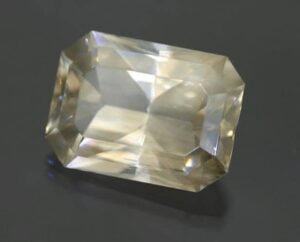
倍长石
倍长石(Bytownite)是斜长石系列中一种罕见的富钙成员,通常发现于基性火成岩中,偶尔也作为浅黄色、半透明的宝石出现。
拉长石
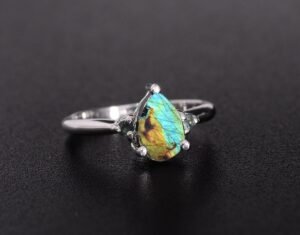
拉长石是一种迷人的长石类矿物,因其拉长石晕彩效应(Labradorescence)而闻名。这是一种令人惊叹的“席勒”效应(Schiller effect),能呈现出孔雀蓝、金色和淡绿色的虹彩闪光。
中长石
中长石是斜长石系列中的一种硅酸盐矿物,通常出现在安山岩和闪长岩等中性火成岩中。
钠长石
钠长石是一种常见的造岩矿物,也是斜长石系列中富含钠的端元矿物,通常以白色和珍珠光泽为特征。
歪长石
歪碱正长石是一种富钠长石矿物,通常发现于高温火山岩中。其特点是独特的三斜晶系结构,常以透明至半透明的晶体形式出现。
冰长石
冰长石是一种半透明至无色的正长石变种,通常以其珍珠光泽以及多见于低温热液矿脉为特征。
透长石
透长石是一种通常发现于火山岩中的高温钾长石矿物,其特征是单斜晶系结构,外观通常呈透明至半透明状。
正长石
正长石是一种常见的架状硅酸盐矿物,也是钾长石族的主要成员,常作为花岗岩等火成岩的主要成分出现。
Pyroxmangite
焦锰辉石是一种锰硅酸盐矿物,通常发现于变质锰矿床中,其特征是三斜晶系结构以及从粉红色到深红色的色调。
长石
长石是一组造岩铝硅酸盐矿物,占地壳成分的 60% 以上。
闪锌矿
闪锌矿是一种灿烂的硫化物矿物,也是锌的主要矿石。它因卓越的火彩和色散而享誉收藏界,其光学效果甚至超越了钻石。
磁黄铁矿
磁黄铁矿是一种具有磁性的硫化铁矿物,以其青铜色的金属光泽以及在混凝土基础中发生反应并导致严重结构损坏的特性而闻名。
针镍矿
针镍矿是一种硫化镍矿物,其特征是具有明显的金属光泽和特殊的结晶习性,通常形成精致的、黄铜色的针状或毛细管状簇群。
曙红石
磷铝锰石是一种罕见的水合磷酸锰铝矿物,通常在富含磷酸盐的花岗伟晶岩中形成粉色、橙色或棕色的半透明柱状晶体。
红砷镍矿
红砷镍矿(Niccolite)是一种金属砷化镍矿物,其特征是淡铜红色,并在热液镍钴矿床中作为次要矿石存在。
锰铝榴石
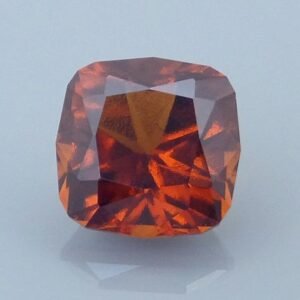
锰铝榴石(芬达石)是一种锰铝硅酸盐宝石,因其鲜艳的橙色至红褐色以及高折射率而备受推崇。
Legrandite
勒格朗石(Legrandite)是一种极其罕见且色泽鲜艳的金丝雀黄矿物,主要由水合砷酸锌组成,并以其壮观的旭日状晶体喷薄而闻名。
Fergusonite
褐钇钶矿是一种稀有的稀土氧化物矿物,主要由钇和铌组成。它通常存在于花岗伟晶岩中,并以其内部放射性衰变导致的“非晶化”(变晶)状态而闻名。
灰色钻石
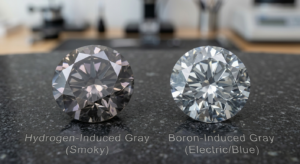
天然灰钻是一种罕见的彩钻品种,因其高雅的烟熏至金属光泽,以及涉及氢或硼元素的独特原子起源而备受推崇。
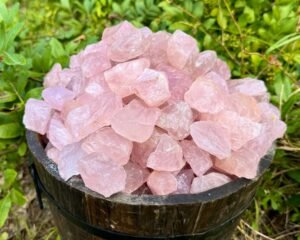
玫瑰石英
粉水晶是一种巨晶质石英变种,其特征是呈现半透明至不透明的外观,其柔和的粉红色源自微观的纤维状包裹体。
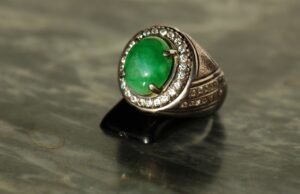
翡翠
翡翠(硬玉)是一种钠铝硅酸盐矿物,具有多种颜色。因其高密度、结构韧性以及在宝石学和装饰应用中所表现出的玻璃光泽而备受珍视。
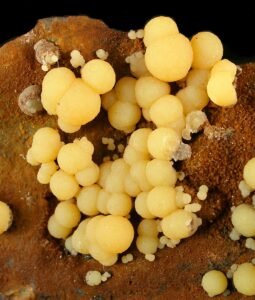
砷铅矿
拟砷铅矿是一种次生铅矿物,主要发现于铅矿床的风化氧化带中,其特点是独特的六方晶体结构,颜色通常介于淡黄色到深橙色之间。
羟铝氟石
羟铝氟石是一种罕见的钙铝羟基氟化物矿物,常以白色或淡蓝绿色的晶体及假象形式出现于热液矿脉和花岗伟晶岩中。
堇青石
堇青石(Iolite)是矿物堇青石(Cordierite)中达到宝石级的蓝紫色变种,以其极强的多色性以及历史上作为海上航行天然偏光镜的应用而著称。
金绿宝石
金绿宝石是一种稀有且极其耐用的铍铝氧化物矿物,最以其卓越的硬度和极具价值的品种而闻名,其中包括变色亚历山大变石和具有猫眼效应的猫眼石。
软玉
软玉(Nephrite)是一种坚韧的微晶质硅酸盐矿物集合体,属于透闪石-阳起石系列,具有典型的纤维交织结构,传统上被视为玉石的两种主要形式之一。
微斜长石
微斜长石是一种富含钾的硅酸盐矿物,属于长石族,其特征是三斜晶系,常出现在花岗伟晶岩和变质岩中。
祖母绿
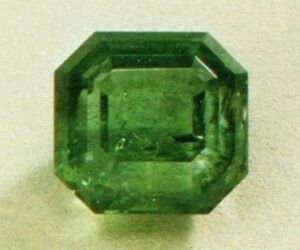
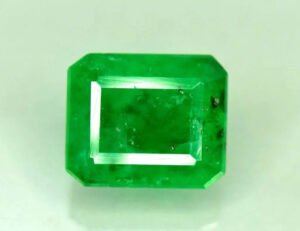
祖母绿是一种稀有且珍贵的宝石,由地壳中的铍与地幔来源的铬在极罕见的地质作用下“联姻”而成;数千年来,它一直被视为重生与至高权力的象征。
奥长石
奥长石是斜长石系列中的一种造岩矿物,其特征是含有中等比例的钠和钙,因其在日光石品种中表现出的洒金效应(aventurescence)等光学效应而偶尔具有收藏价值。
辉砷钴矿
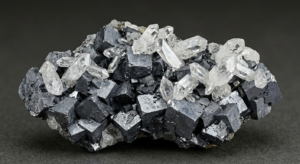
辉砷钴矿是一种具有高光泽的硫砷化物矿物,也是钴的主要矿石。它既是锂离子电池的关键组成部分,也是矿物收藏家心目中独特的立方晶系标本。
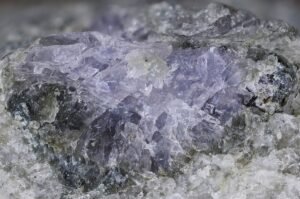
锂云母
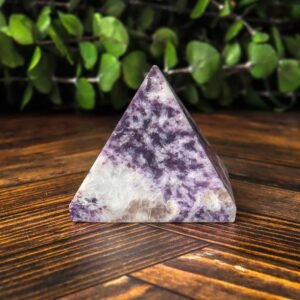
锂云母是一种淡紫色的富锂云母矿物,因其珍珠般的光泽、鳞片状的晶体结构以及在现代能源和工业应用中的战略重要性而备受重视。
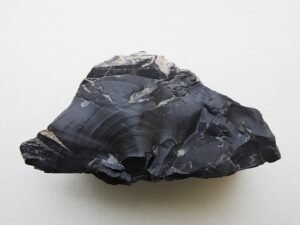
煤玉
煤玉是一种独特的有机宝石,由木材化石在数百万年的极端压力下形成。它以深邃的丝绒黑、极其轻盈的质感以及触感温润的特性而闻名于世。
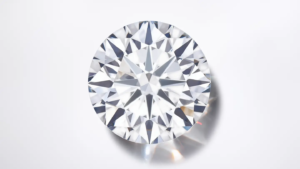
钻石
钻石是地质时间的杰作,由纯碳原子锁定在坚固的正四面体晶格中,构成了地球上最坚硬、最璀璨的天然物质。
埃肯石
埃肯石是一种罕见的放射性硅酸钙钍宝石,以其从晶体状态转变为非晶质状态的独特特性而闻名。
赤铁矿
赤铜矿(Cuprite)是一种高折射率的氧化铜矿物,其特征是深邃的宝石红色彩、金属光泽以及极高的密度。
钾钠钙石
钾钠钙石是一种稀有的碱性硅酸盐矿物,其特征是呈纤维状或柱状晶体结构,颜色范围通常从紫色到黄绿色。
海蓝宝石
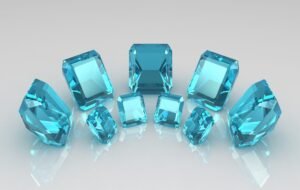
海蓝宝石:宁静的“三月生辰石”,以其晶莹剔透的质地和如海洋般的色调而备受推崇,它是宁静、勇气与皇家优雅的永恒象征。
血石
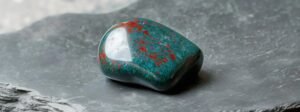
血石是一种古老且耐用的髓石,因其深森林绿的底色和散布其中的鲜红赤铁矿而备受推崇。在历史上,它被视为守护、勇气与生命力的强大护身符。
玻璃
虽然玻璃在珠宝首饰中的应用已有数千年历史,但纯玻璃天生易碎且色泽暗淡;然而,通过添加特定的矿物质,它可以被转化为一种色彩鲜艳、坚固耐用且光彩夺目的宝石仿制品。
铅矾
铅矾是一种灿烂但脆弱的硫酸铅矿物,因其钻石般的光泽和卓越的火彩而备受收藏家青睐;尽管由于其硬度较低且含铅量高,使其更适合作为标本展示而非佩戴首饰。
珊瑚
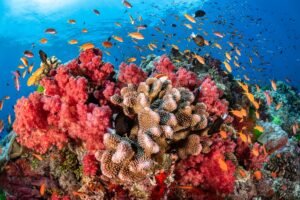
珊瑚是一种有机宝石,由群居海洋水螅虫的碳酸钙骨骼形成,自古以来因其鲜艳的色彩和独特的生物起源而备受珍视。
帕帕戈石
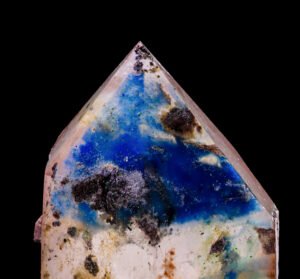
帕帕戈石是一种极其罕见的次生硅酸铜矿物,在宝石学界备受推崇,因其能在透明石英晶体内部形成鲜艳夺目的电蓝色“幻影”内含物。
肉桂石
肉桂石石是钙铝榴石中一种迷人的变种,因其温暖的色调——从金黄色到肉桂棕色——以及独特的“威士忌掺水”内部纹理而备受珍视。
菱沸石
菱沸石是一种多功能沸石矿物,其特征在于具有伪立方菱面体晶体结构,以及高度多孔的铝硅酸盐骨架,这使其成为离子交换和气体过滤的卓越天然分子筛。
夕线石
夕线石(硅线石)是一种高温变性矿物,在工业上因其极佳的耐热性而备受青睐,同时因其罕见且明亮的“猫眼”光学效应而深受收藏家珍视。
锰硅灰石
锰硅灰石是一种罕见的锰硅酸盐矿物,因其呈现从粉红到红褐色的美丽色谱,以及在辉石族矿物中独特的晶体结构而备受收藏家珍视。
Onyx
黑玉髓是一种引人注目的玉髓变种,以其平行条带状层理著称,其中最负盛名的是其深邃而富有光泽的黑色形态。
破坏性宝石测试:了解条痕测试
虽然条痕测试是通过粉末颜色鉴定矿物的一种基础可靠技术,但该方法属于破坏性测试,因此很少用于成品宝石,以避免造成永久性表面损伤。
翠铜矿
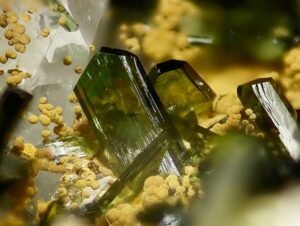
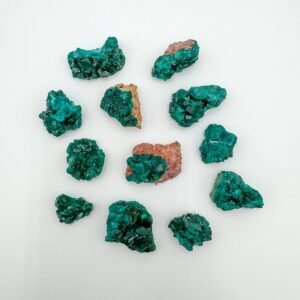
翠铜矿(Dioptase)是一种罕见的含铜硅酸盐矿物,因其具有类似祖母绿的浓郁饱和度而备受赞誉。它是一种珍贵的收藏级宝石,在惊心动魄的视觉光彩与其细腻且易碎的结构之间达到了微妙的平衡。
铋钽铁矿
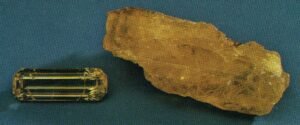
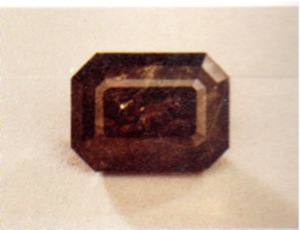
铋钽铁矿是钽铁矿族中极为罕见的琥珀色至棕色收藏级宝石,因其稀缺性备受珍视,但因硬度较低且具有明显的解理特性,被认为过于脆弱而不适合制作珠宝。
月光石
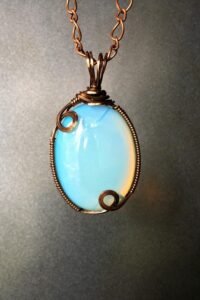
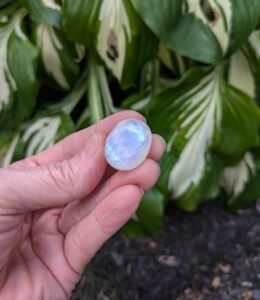
月光石是一种令人着迷的宝石,以其独特的“月光效应”而闻名——这种柔和而空灵的光晕在宝石表面流转,宛如月光在水面上的摇曳。
如何安全清洁宝石首饰
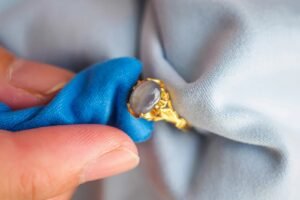
由于各类宝石的物理特性各异,使用温水、中性肥皂及软毛刷进行清洁,是保持珠宝美感与完整性的唯一通用且安全的方法。
钙铝榴石
钙铝榴石是榴石家族中用途广泛的钙铝变种,在宝石学界因其丰富的色彩谱系而备受推崇——从沙弗莱石的鲜艳翠绿,到被称为红榴石的温暖蜜色“肉桂石”。
天青石
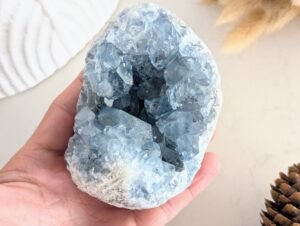
天青石是一种精致的硫酸锶矿物,因其如梦似幻的淡蓝色泽而备受珍视,更因象征着心智清明与心灵宁静而备受推崇。
弗里德莱特
弗里德莱石是一种罕见的锰硅酸盐矿物,通常见于热液脉中,其特征在于具有独特的玫瑰红色至棕橙色晶体及复杂的层状硅酸盐结构。
亚马逊石
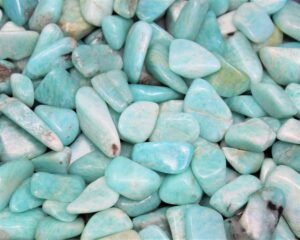
亚马逊石是一种鲜艳的蓝绿色微斜长石变种。主要产于花岗岩伟晶岩中,其特征在于独特的“网格状”珀氏变质结构,以及源于微量铅杂质的色彩。
阳起石
阳起石是一种醒目的绿色角闪石矿物,因其放射状针状晶体和罕见的猫眼效应宝石变种而备受收藏家青睐。
紫水晶
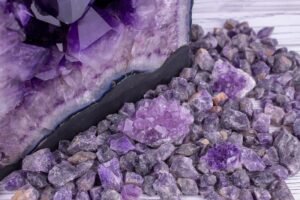
紫水晶是一种令人惊叹的紫色石英变种,作为二月的诞生石而备受推崇,其色调从柔和的淡紫色到深邃的皇家紫色不等。
什么是宝石解理?
本指南深入探讨宝石解理的物理机制,详细阐述内部原子结构如何决定晶体沿特定晶面分裂的倾向,以及这些分级如何影响珠宝的耐久性。
宝石分级标准实用指南
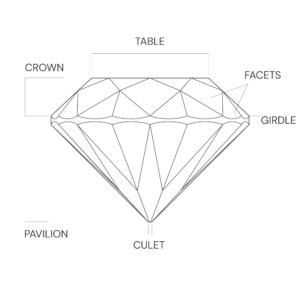
本文全面解析宝石与钻石分级标准,涵盖钻石的“4C”分级体系、有色宝石评估的细微差别,以及用于判定宝石品质与市场价值的专业工具。
石榴石
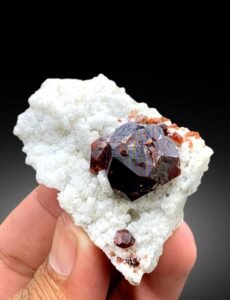
石榴石是一类多样化的硅酸盐矿物,以其浓郁的红色调、非凡的亮度和卓越的耐久性而闻名,是传统的一月诞生石。
临时邮箱
ZH
ZH
EN
AR
FR
DE
JA
RU
ES
ID
KO
IT
PT
TR
VI
TH
HI
PL
SV
NB
DA
EL
HU
RO
MI
搜索
Ctrl
K
宝石百科全书
按字母顺序排列的宝石全列表,每种宝石均附详细信息
诞生石
了解更多关于这些热门宝石及其寓意的信息
社区
加入宝石爱好者社区,与同好分享知识、交流心得,共同探索宝石之美。
×
▲