{{ osCmd }} K
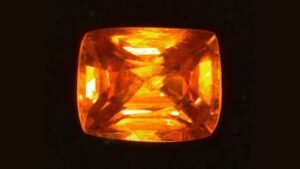
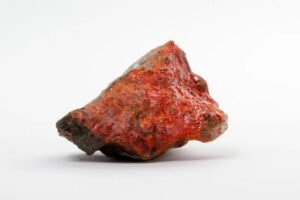
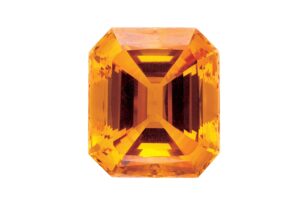
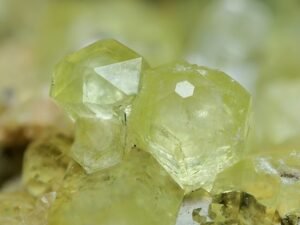
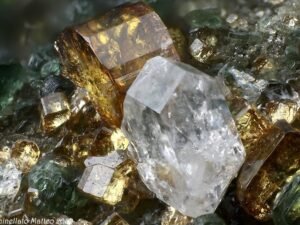
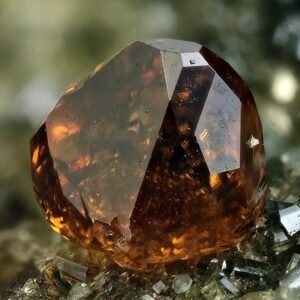
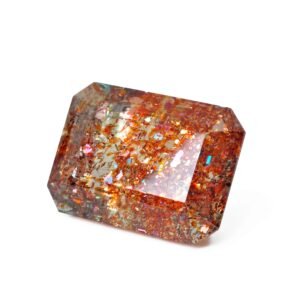
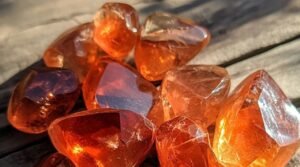
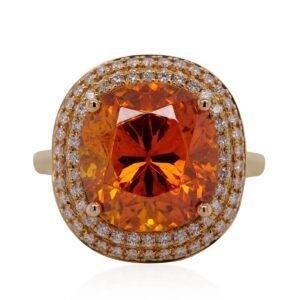
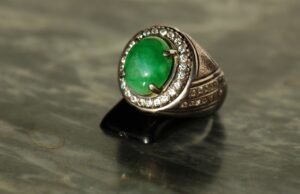
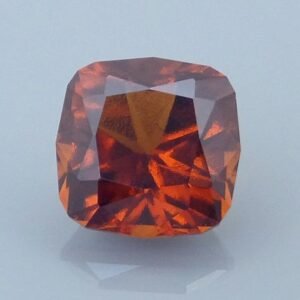
大粒のクッションカット・オレンジスファレライトをセンターに配し、周囲をダブルダイヤモンドパヴェで縁取ったゴールドのヘイローリング。

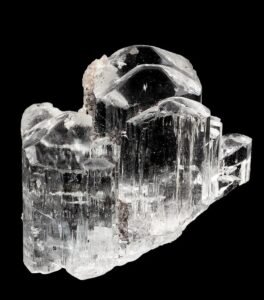
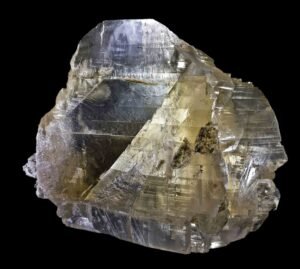
スファレライト:ダイヤモンドを凌ぐ高分散の輝きを持つ石

Sphalerite is a sulfide mineral serving as the world’s most significant and primary ore of zinc. As a mineral, it is renowned for its complex crystallography and its remarkable optical properties; when found in gem-quality crystals, it exhibits a “fire” or dispersion nearly three times higher than that of a diamond. This high dispersion means that light entering the stone is split into a rainbow of colors, creating a visual brilliance that few other minerals can match. Physically, it often appears in colors ranging from yellowish-brown and honey-red to a deep, metallic black—a variety known as blackjack—depending on the iron content present in its structure. It typically crystallizes in the isometric system, frequently forming tetrahedral or dodecahedral crystals that possess a distinct resinous to adamantine luster and a characteristic pale yellow to brown streak. Because of its relatively low hardness, it is prized more by mineral collectors and as a display gemstone than as a stone for high-wear jewelry, yet it remains one of the most fascinating minerals in the earth’s crust. How does Sphalerite form in the ground? The formation of sphalerite occurs across a diverse range of geological environments, though it is most commonly associated with hydrothermal activity. It forms through the precipitation of sulfide-rich fluids in medium-to-low temperature hydrothermal veins, often occurring alongside other minerals like galena, pyrite, chalcopyrite, and calcite. These veins act as plumbing systems within the Earth, carrying dissolved metals from deep sources and depositing them in cracks and fissures as the fluids cool. Beyond vein deposits, sphalerite is a major constituent of Mississippi Valley-type (MVT) deposits, where it replaces carbonate rocks like limestone and dolostone. In these scenarios, the mineral-rich water reacts with the host rock, literally swapping out the existing material for zinc sulfide over millions of years. It can also be found in sedimentary exhalative (SEDEX) deposits, which form on the seafloor, and occasionally in metamorphic rocks or as a primary mineral in certain igneous rocks. The inclusion of iron within its lattice is a result of the temperature during formation; higher temperatures generally allow for higher iron substitution, which darkens the mineral’s appearance and makes it more opaque. The story behind the mineral and its name The history of sphalerite is deeply intertwined with the evolution of metallurgy and mineralogy. The mineral was originally called blende in 1546 by Georgius Agricola, who is often referred to as the father of mineralogy. Following Agricola’s initial classification and prior to its modern naming, it was known by a variety of chemical-based names, including zincum. It was not until 1847 that Ernst Friedrich Glocker officially named the mineral Sphalerite. He chose this name from the Greek word sphaleros, which translates to treacherous or deceiving. This was a direct allusion to the frustration of early miners, as the dark varieties of the mineral were easily mistaken for galena, the primary ore of lead. Despite the visual similarity, these miners found that the mineral yielded no lead during the smelting process, leading to its reputation as a deceptive stone. While zinc-bearing ores were used as far back as antiquity to create brass, sphalerite itself remained misunderstood for centuries because it lacked the predictable metallic yield of other common ores. As chemical analysis became more sophisticated during the 18th and 19th centuries, researchers finally identified it as a vital and abundant source of zinc. Today, its historical significance has expanded from a mere industrial commodity to a critical resource for high-tech applications. It often contains trace amounts of rare elements like cadmium, gallium, and indium, which are essential for modern electronics, high-efficiency solar cells, and green energy technologies, making it a mineral that bridges the gap between ancient metalworking and the future of technology. The different varieties and types of Sphalerite While the mineral is defined by a consistent internal structure, its outward appearance varies dramatically based on the trace elements present during its formation. The most well-known variety is blackjack, a dark, iron-rich type that appears nearly opaque and metallic. This variety was a common sight in historic mines and earned its name because of its heavy, dark appearance. On the opposite end of the spectrum is cleiophane, a rare and highly transparent variety that contains very little iron. Cleiophane is often colorless, light yellow, or green, and it is highly prized by collectors because its lack of impurities allows its incredible internal fire and light dispersion to be seen clearly.Another striking variety is known as ruby blende, which features a vibrant, deep red color reminiscent of a ruby. This coloration occurs when the mineral contains specific ratios of iron and other elements while maintaining enough transparency for light to pass through the crystal. In some regions, you may also encounter marmatite, which is an even more iron-dense version of blackjack, appearing almost entirely black and opaque with a sub-metallic luster. Beyond these visual categories, the mineral is also categorized by the rare elements it may host as impurities, such as cadmium, gallium, or germanium. While these elements do not always change the name of the variety, they significantly alter the value and industrial use of the specimen, making the world of sphalerite types incredibly diverse for both scientists and gem enthusiasts. Key varieties and types of Sphalerite Blackjack: This is the most common industrial variety, characterized by a high iron content that makes the mineral appear dark, opaque, and metallic. It was historically named by miners who found its dark appearance deceptive. Cleiophane: A rare, low-iron variety that is highly transparent. It typically appears in light green, yellow, or even colorless forms. Because it lacks impurities, it is the best variety for observing the mineral’s intense light dispersion. Ruby Blende: This variety is named for its deep, translucent red color. It occurs when the iron levels are low enough to allow transparency but specific enough to tint the crystal with a ruby-like hue. Marmatite: An extremely iron-rich variety, even darker and more opaque than blackjack. It often has a sub-metallic luster and is

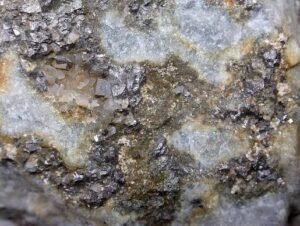
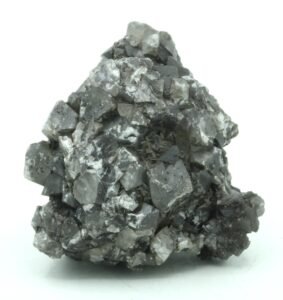
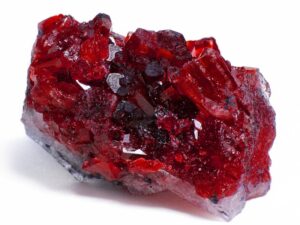
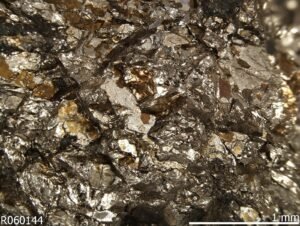
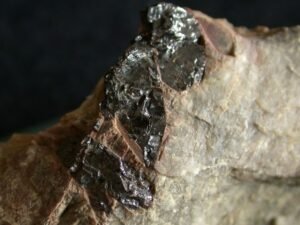
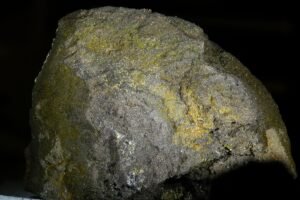
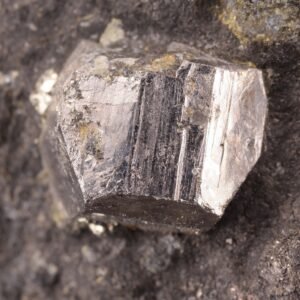
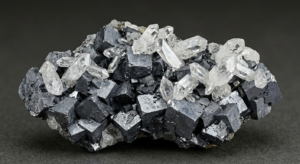
粒状の金属的なブロンズイエローの質感を呈する、磁硫鉄鉱に富む塊状硫化鉱物の標本。

磁硫鉄鉱(ピロータイト)とは?その性質と用途に関する総合ガイド

Pyrrhotite is an intriguing mineral belonging to the sulfide group, specifically categorized as an iron sulfide. It is widely recognized among geologists and mineralogists for its unique physical characteristics, most notably its metallic luster that ranges from bronze-yellow to a distinct reddish-brown. Unlike many other sulfide minerals that maintain a fixed and predictable ratio of elements, pyrrhotite is characterized by its deficient iron content within its crystal lattice. This internal structural variation is responsible for the mineral’s most famous trait: its magnetism. While some specimens exhibit strong magnetic attraction, others are only weakly magnetic, a variation that depends entirely on the specific arrangement of atoms and the concentration of vacancies within its structure. In terms of its geological formation, pyrrhotite typically originates in high-temperature environments where oxygen is scarce but sulfur is abundant. It is most frequently associated with magmatic processes, often crystallizing from cooling silicate melts to form large ore bodies alongside minerals like pentlandite and chalcopyrite. Beyond these igneous origins, it can also form through hydrothermal activity, where hot, mineral-rich fluids circulate through fractures in the Earth’s crust and deposit sulfides as they cool. It is also found in metamorphic environments, appearing when sedimentary rocks containing iron and sulfur are subjected to intense heat and pressure, causing them to recrystallize into more stable metallic forms. The history of pyrrhotite reflects the broader development of earth sciences and industrial mining. Although miners had likely encountered this reddish, magnetic ore for generations while searching for more valuable metals, it was not formally classified by the scientific community until the early nineteenth century. In 1835, the German mineralogist August Breithaupt provided the first detailed description of the mineral and assigned it the name pyrrhotite. The name is derived from the Greek word pyrrhotos, which translates to reddish or flame-colored, referencing the characteristic tint the mineral takes on, especially after it has been exposed to the air and begins to tarnish. For much of the nineteenth and twentieth centuries, it was primarily viewed as a secondary mineral found in nickel and copper mines. In more recent history, however, it has become a major focus of environmental and engineering studies due to the way it reacts when exposed to moisture and oxygen in various industrial and construction settings. Industrial Significance and the Impact of Pyrrhotite on Concrete Infrastructure The presence of pyrrhotite in geological formations and construction materials has significant implications for both industrial applications and civil engineering. Historically, pyrrhotite has been utilized as a source of sulfur and iron, and it is frequently processed alongside other sulfide ores to extract valuable base metals like nickel and copper. In industrial settings, it has also played a role in the production of sulfuric acid. However, in contemporary engineering, the focus has shifted toward its role as a problematic component in construction aggregates. Because of its reactive nature, the primary modern “application” of studying this mineral is in risk mitigation and the development of specialized testing protocols to ensure the longevity of large-scale infrastructure projects. The most critical challenge involving pyrrhotite arises when it is inadvertently used in concrete foundations. When pyrrhotite-bearing stone is crushed and used as aggregate in building materials, it initiates a destructive process often referred to as concrete degradation. Once the foundation is exposed to moisture and oxygen, the mineral undergoes a chemical transformation that results in the formation of secondary sulfates. This process is particularly damaging because these new minerals occupy a much larger volume than the original pyrrhotite. As they expand within the hardened concrete, they exert immense internal pressure, leading to structural swelling and catastrophic cracking. Recognizing the signs of pyrrhotite in a foundation is essential for early intervention and structural assessment. Homeowners and engineers typically look for a distinct map-cracking pattern, which appears as a web of interconnected fissures on the surface of the concrete. Over time, these cracks may widen, and a white, powdery substance known as efflorescence may appear as minerals leach out of the structure. In advanced stages, the foundation may exhibit significant bulging or shifting, which compromises the integrity of the entire building. Due to these risks, geotechnical experts and engineering geologists are now frequently employed to screen quarry sources, ensuring that this iron sulfide mineral does not compromise the safety of residential and commercial structures. How Pyrrhotite Causes Foundation Cracking The destruction isn’t caused by a single event, but rather a slow, relentless chemical reaction that occurs within the concrete itself. Prevention and Mitigation Strategies Once pyrrhotite is present in the foundation and begins to react, there is currently no known chemical treatment to stop it. Prevention and management are the only viable paths forward. The most effective form of prevention happens at the quarry level through rigorous geological testing and sourcing. Quarries must be tested for sulfide content before their stone is used for residential concrete, and many regions have now implemented strict threshold limits on the percentage of pyrrhotite allowed in aggregate to ensure long-term stability.For existing structures, moisture control is a critical strategy to slow down the rate of deterioration. Since the chemical reaction requires water to proceed, keeping a foundation dry is essential. This can be achieved by maintaining proper drainage systems, such as ensuring gutters, downspouts, and landscape grading direct water away from the foundation. Additionally, using dehumidification to maintain low humidity levels in basements can reduce the oxygen and moisture exchange within the concrete pores, potentially delaying the onset of severe cracking.However, if a foundation is found to have significant pyrrhotite damage, the only permanent solution is a total foundation replacement. This is a complex engineering feat that involves propping the entire house up on hydraulic jacks to keep it stable. Workers then chip away the existing contaminated foundation and pour a new one using certified, pyrrhotite-free aggregate. While this process is incredibly invasive and expensive, it is the only way to restore the structural integrity of a home affected by this mineral.

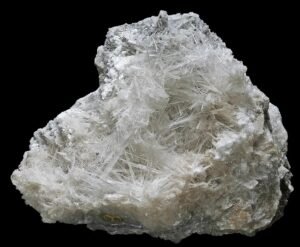
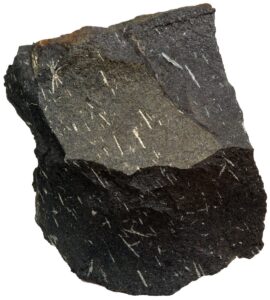
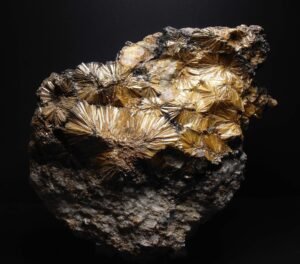
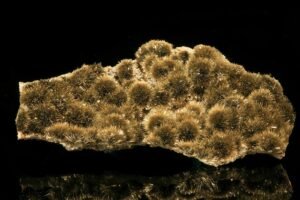
特徴的な髪の毛状の金属結晶構造を示す針状の針ニッケル鉱鉱物標本。

針ニッケル鉱とは? 特徴的な「髪の毛状」のニッケル鉱物

Millerite is a specialized nickel sulfide mineral with the chemical formula NiS, recognized in the mineralogical community for its exceptional crystal habit and significant geochemical implications. While it serves as a subordinate ore of nickel compared to primary sources like pentlandite, it is highly regarded for its unique occurrence in low-temperature hydrothermal veins and as a secondary alteration product in carbonate-hosted environments. The most defining characteristic of Millerite is its trigonal crystal structure, which almost exclusively manifests as elongated, acicular, or capillary forms. These delicate, hair-like crystals often grow in radiating clusters or intertwined, nest-like masses within rock cavities, displaying a brilliant metallic luster that ranges from pale brass-yellow to a deeper bronze hue upon tarnishing. Beyond its aesthetic appeal to collectors, Millerite provides essential data regarding the geological conditions of its formation, typically developing in environments where nickel-rich fluids interact with sulfur at relatively low temperatures, often in association with minerals such as dolomite, calcite, and other sulfides like chalcopyrite. Geologically, its presence can indicate specific mineralizing processes within serpentinites or as a replacement mineral in nickel-bearing rocks, and with a Mohs hardness of 3 to 3.5 and a high specific gravity of approximately 5.3 to 5.5, its remarkably thin and brittle crystals make finding well-preserved, undamaged specimens a rarity, further cementing its status as a prized highlight in systematic mineralogy databases and specialized geological research. Formation and Historical Evolution of Millerite Millerite typically forms through low-temperature hydrothermal processes, often appearing in the cavities, vugs, and veins of sedimentary rocks like limestone and dolomite. It crystallizes when nickel-bearing fluids interact with sulfur at moderate temperatures, allowing the mineral to precipitate slowly into its characteristic needle-like forms. Beyond primary hydrothermal deposition, Millerite is frequently found as a secondary mineral resulting from the alteration of other nickel sulfides or through the serpentinization of ultramafic rocks, where circulating fluids redistribute nickel into rock fractures. Historically, the mineral was formally described in 1845 by Wilhelm Haidinger, who named it in honor of William Hallowes Miller, the British mineralogist responsible for the Miller Indices used in crystallography. Before this official classification, it was often referred to colloquially as “capillary pyrite” or “hair pyrite” due to its brassy luster and exceptionally thin, thread-like crystals. Notable 19th-century discoveries in regions such as Bohemia and at the Gap Mine in Pennsylvania provided the first significant specimens for study, helping researchers categorize its trigonal symmetry and establish its place within the broader study of sulfide mineralogy. Varieties and Common Habits of Millerite Acicular and Capillary Habits This is the most recognized form of Millerite. It consists of extremely thin, needle-like (acicular) or hair-like (capillary) crystals. These often grow in radiating clusters or intertwined, nest-like masses within rock cavities. Despite their fragility, these crystals maintain a brilliant metallic luster and a pale brass-yellow hue, making them highly sought after by collectors. Massive and Granular Forms In some industrial ore settings, Millerite does not form delicate needles but instead appears as dense, massive, or granular aggregates. In this form, it lacks the visual elegance of the capillary variety and is often intermixed with other sulfide minerals. These massive forms are typically identified through chemical assay or microscopic examination rather than visual inspection. Alteration and Secondary Phases Millerite frequently occurs as a secondary mineral resulting from the alteration of other nickel-rich sulfides. For instance, in ultramafic rocks, primary pentlandite may transform into Millerite due to late-stage hydrothermal activity. In some cases, Millerite itself may be replaced by other minerals, forming pseudomorphs where the internal composition changes while the original needle-like exterior shape remains. Distinctive Geological Assemblages Millerite is often categorized by its host environment, which dictates its physical presentation: Carbonate-Hosted: Found within geodes in limestone or dolomite, often appearing as pristine, isolated needles alongside calcite or fluorite. Sulfide Vein-Hosted: Occurs in deep-seated hydrothermal veins associated with chalcopyrite and pyrrhotite, typically found in major nickel mining districts. Practical Uses and Value of Millerite Millerite primarily serves as a specialized source of nickel, extracted for its high metal content and processed for use in the production of stainless steel, high-strength alloys, and battery components for the renewable energy sector. Although it is less common than primary ores like pentlandite, its high nickel-to-sulfur ratio makes it a valuable secondary ore in specific geological deposits. Beyond direct extraction, the mineral acts as a strategic indicator in economic geology; its presence in drill cores helps geologists map the chemical evolution of hydrothermal systems and locate broader zones of nickel enrichment. In the scientific community, its distinctive trigonal symmetry and acicular habit provide practical data for researchers studying crystal growth and fluid dynamics. Furthermore, Millerite holds significant value within the specialized mineral specimen market, where well-preserved clusters are traded among museums and private collectors as rare examples of unique sulfide crystallization.

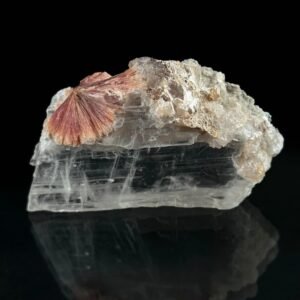
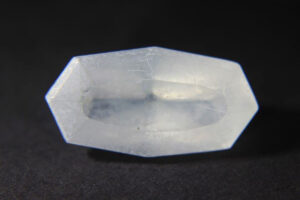
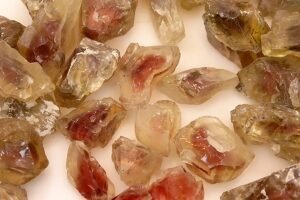
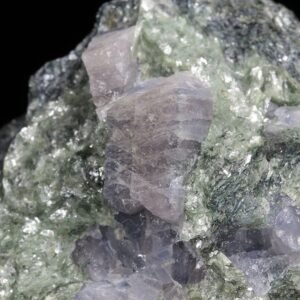
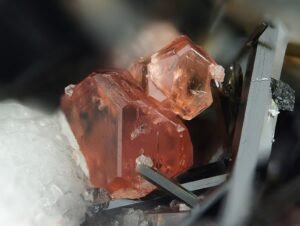
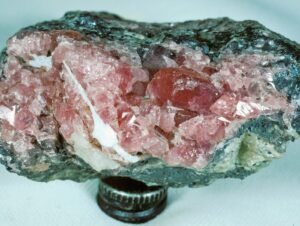
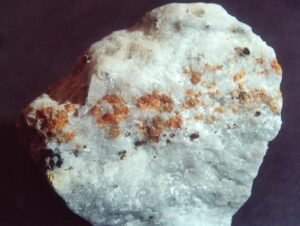
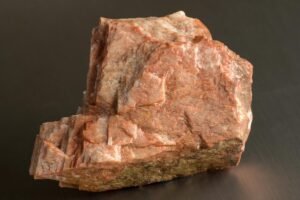
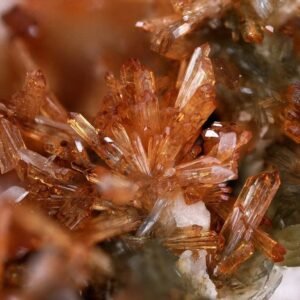
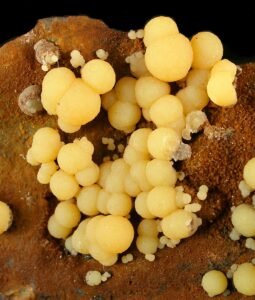
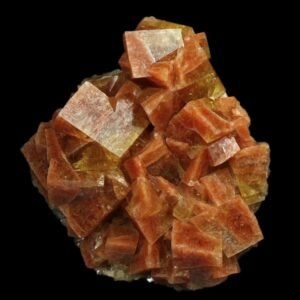
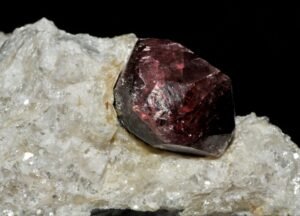
母岩上に広がる、オレンジ色や褐色がかったピンク色のチルドレン石(エオスフォライト)の放射状晶簇。

チルドレン石(エオスフォライト)の鉱物データ:化学組成、結晶構造、および成因

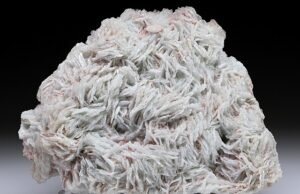
The nature and physical characteristics of eosphorite center on its identity as a rare hydrated manganese aluminum phosphate. This mineral is distinguished by its monoclinic crystal structure, which frequently manifests as elongated, prismatic blades or beautifully arranged radiating groups that resemble a frozen burst of light. The name itself is steeped in Greek etymology, originating from the word eosphoros, which translates to the bringer of dawn. This title was chosen specifically to reflect the delicate pink and rose-colored shades that characterized the original specimens, evoking the soft glow of a morning sky. However, the appearance of the mineral can vary significantly depending on its internal composition. It exists in a continuous chemical series with a similar mineral called childrenite, where manganese and iron swap places within the crystal lattice. When manganese is dominant, the stones retain their famous pink hue, but as the iron content increases, the color gradually shifts toward golden yellow, honey brown, or even deep shades of mahogany, often resulting in translucent crystals with a vitreous or glassy luster. The Geological Formation of Eosphorite The formation of eosphorite is a complex geological process that occurs primarily during the final stages of the crystallization of granite pegmatites. These pegmatites are igneous rocks that form from the last remnants of a cooling magma body, where the concentration of water, volatiles, and rare elements like manganese and phosphorus becomes exceptionally high. As the primary minerals such as feldspar and quartz crystallize, the remaining fluid becomes a specialized chemical soup. Eosphorite typically develops as a secondary mineral, meaning it does not crystallize directly from the initial molten rock but rather forms through the hydrothermal alteration of pre-existing primary phosphate minerals. When hot, chemically active fluids circulate through the cooling rock, they react with minerals like triphylite or lithiophilite, breaking down their structures and redepositing the manganese and phosphorus into new, stable forms. This transformative process requires very specific environmental conditions, particularly a high activity of water and a specific range of temperature and pressure within the pegmatite pockets, allowing the crystals to grow into open cavities or vugs where they can reach their full aesthetic potential. History and Discovery The historical timeline and scientific discovery of eosphorite date back to the late nineteenth century, specifically in the year 1878. It was first formally described by the prominent American mineralogists George J. Brush and Edward S. Dana, who were pioneers in the systematic classification of minerals in North America. The initial samples that led to its naming were identified at the Branchville Mica Mine in Connecticut, though the rich deposits in Maine were also being explored and documented during the same era. Throughout the twentieth century, eosphorite became an essential subject for researchers aiming to understand the complex relationship between manganese and iron in phosphate structures, leading to a clearer definition of how these elements influence the physical and optical properties of a crystal. Although the mineral is generally too soft for use in commercial jewelry, possessing a Mohs hardness of only five and a tendency to split along distinct cleavage planes, it has secured a prestigious reputation in the world of mineral collecting. It has evolved from a nineteenth-century scientific curiosity into a centerpiece for modern enthusiasts who prize its unique origins and the poetic connection to the colors of the dawn. Where is Eosphorite Found Regarding its geological occurrence and global distribution, eosphorite is primarily categorized as a secondary mineral that develops within complex granite pegmatites that are rich in phosphate. It typically forms through the hydrothermal alteration process, where primary phosphate minerals are chemically changed by the movement of hot, mineral-laden fluids through cracks in the earth’s crust over vast periods of time. The most prolific and celebrated source for high-quality eosphorite is the state of Minas Gerais in Brazil, particularly in the vicinity of Taquaral. The Brazilian deposits are legendary among mineralogists for producing large, transparent crystals that exhibit the most sought-after pink tones. In the United States, the pegmatites found throughout the state of Maine, especially within Oxford County, have provided significant specimens for scientific study and private collections for over a century. Beyond these primary locations, notable occurrences have been documented in mountainous regions of Pakistan, parts of Germany, and Argentina, where eosphorite is often found growing in aesthetic association with other pegmatite minerals such as smoky quartz, albite, and various mica group members. Eosphorite Gemstone Properties and Quality Factors Property Eosphorite Characteristics Color Despite the stone’s pink etymology, eosphorite can also be shades of red, yellow, brown, orange, and even colorless. Many of these colors are caused by different amounts of iron and manganese. Oxidized specimens will be brown to black, and these are generally least valuable. The most valuable eosphorites are brighter shades of pink, yellow, or orange. Orange hues are caused by high manganese content. Cut Although eosphorites aren’t difficult to cut, the rarity of facetable crystals makes faceted eosphorite gems less common and more valuable. Often, cuttable eosphorite crystals are faceted into fancy shapes, but round brilliant cuts bring out a pale orange or pink eosphorite dispersion phenomenally. Most often, you’ll see eosphorite for sale as rough crystals and specimens. You may also see carvings like spheres or beads made of other minerals mixed with eosphorite, such as andalusite or turquoise. Clarity Clarity describes the degree of visible inclusions in a gem, which can lower its transparency and value. Although eosphorites are translucent to transparent, they’re very rarely found without lots of visible inclusions. Many eosphorite crystals contain multiphase inclusions, which are cavities containing multiple phases like liquid, vapor, and solid. Carat Weight & Size Given the rarity of cuttable crystals, faceted eosphorite gems are almost always under 4 carats. Some exceptions exist, though, weighing 10+ carats. Rough eosphorite crystals can be found in large sizes, but most are small, and large crystals are usually attached to a matrix. Is Eosphorite a Gemstone and Suitable for Jewelry? Whether eosphorite is classified as a gemstone depends on the context of its use,

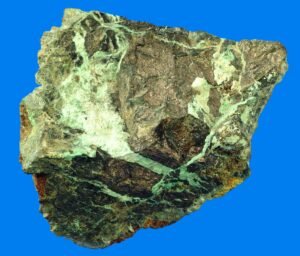
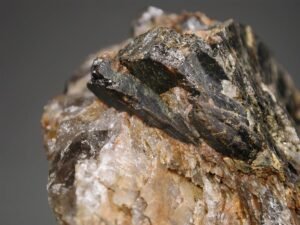
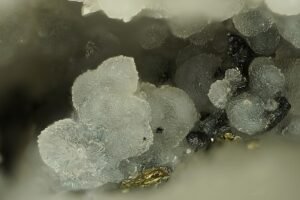
金属光沢のある表面に、二次的な緑色のアンナベルガイト(ニッケル華)の酸化皮膜や脈が見られる紅砒ニッケル鉱(ニッコライト)標本。

紅砒ニッケル鉱の鉱物データ:銅赤色の砒化ニッケルを理解する

Niccolite, scientifically designated as Nickeline, is a significant mineral species consisting of nickel arsenide. Within the classification of minerals, it serves as the type member of the Nickeline group, crystallizing in the hexagonal crystal system. Chemically, the mineral is defined by a consistent ratio of nickel and arsenic, though in natural specimens, arsenic is occasionally substituted by small fractions of antimony, while nickel may be replaced by trace amounts of iron or cobalt.From a physical standpoint, Niccolite is distinguished by its opaque, metallic luster and a characteristic pale copper-red or “salmon-pink” hue. Despite its aesthetic similarity to copper, it is chemically unrelated; it possesses a Mohs hardness of 5 to 5.5 and a high specific gravity of approximately 7.8, making it notably dense. It lacks discernible cleavage and typically exhibits an uneven or conchoidal fracture. While it rarely forms distinct terminal crystals, it is most commonly found in massive, arborescent (tree-like), or reniform (kidney-shaped) habits. In a professional mineralogical context, its diagnostic features include its high density and its tendency to develop a dark, grayish tarnish or a green coating of Annabergite (nickel bloom) when subjected to prolonged oxidation. How is Niccolite Formed? The formation of Niccolite is primarily linked to high-temperature hydrothermal systems. It precipitates from mineral-rich fluids circulating through fractures in the Earth’s crust, typically in environments where nickel and arsenic are concentrated. These hydrothermal veins are often situated within or near basic to ultrabasic igneous rocks. Niccolite also occurs as a product of magmatic segregation, where it settles from cooling silicate melts in deposits such as norite. Geologically, it is frequently found in complex ore assemblages alongside other arsenides and sulfides, including skutterudite, safflorite, rammelsbergite, and native silver. Its presence often indicates specific geochemical conditions, particularly those involving arsenic-rich mineralization within nickel-cobalt-silver deposit types. History of Niccolite The history of Niccolite is fundamentally connected to the isolation of nickel as a chemical element. In the 17th century, miners in the Erzgebirge mountains of Germany encountered a reddish ore that resembled copper. When smelting attempts failed to produce copper and instead released toxic arsenic fumes, the miners named the substance Kupfernickel, which translates to Copper-Demon or False Copper, implying the ore was cursed. In 1751, Swedish chemist Axel Fredrik Cronstedt investigated specimens of the mineral and succeeded in isolating a new metal, which he named nickel after the mineral’s traditional nickname. The mineral was formally named Nickeline in 1832 by François Sulpice Beudant, while the name Niccolite was later proposed by James Dwight Dana in 1868. Both terms remain in use today within geological and industrial literature. Industrial and Scientific Applications of Niccolite Niccolite serves as a specialized ore of nickel, containing approximately 43.9% of the metal, which is eventually utilized in the production of stainless steel, high-strength alloys, and lithium-ion battery components. Due to its high arsenic content, it is typically extracted as a secondary mineral within silver-cobalt-nickel deposits rather than as a primary mining target, requiring specialized metallurgical processing to manage toxic byproducts. Beyond its role as a raw material, Niccolite is a critical diagnostic tool in economic geology; it acts as a pathfinder mineral, where its presence in hydrothermal veins signals the potential proximity of high-grade silver or cobalt. In the scientific community, it is recognized as the prototype for the “Nickeline structure,” a specific hexagonal atomic arrangement (B81) used as a reference in crystallography to develop synthetic semiconductors and magnetic materials. Additionally, Niccolite finds niche applications in archaeometallurgy for tracing the provenance of ancient artifacts and in materials research as a natural model for studying transition metal pnictides and their electronic properties.

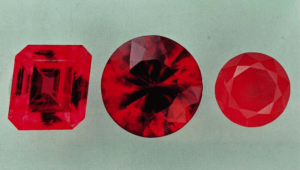
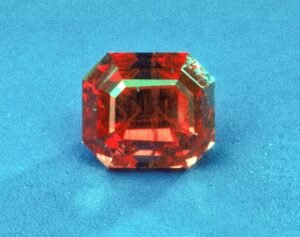
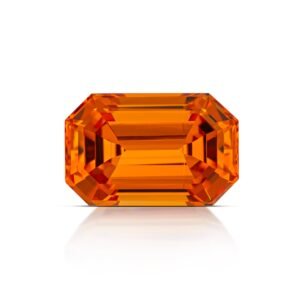
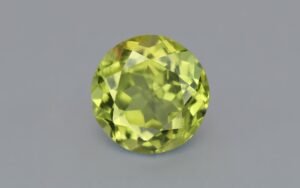
エメラルドカットが施されたプレミアムなスペサルティンガーネット。高い透明度と鮮やかな「マンダリン」オレンジの色合い、そして優れた光の反射と対称性を備えています。

スペサルティンガーネット:燃えるようなオレンジ色の宝石の究極ガイド

Spessartite garnet is a standout member of the garnet family, widely recognized for its brilliant shades of orange, ranging from soft apricot to a deep, fiery reddish-orange. In the gem world, it is often called the “Mandarin garnet” or “Fanta garnet” because of its vivid, citrus-like color. Unlike many other gemstones that get their color from tiny impurities, spessartite’s orange hue is a natural part of its core makeup. It is a durable stone with a high level of brilliance, meaning it reflects light exceptionally well and sparkles intensely when cut and polished. How is it Formed? This gemstone is born deep within the Earth under very specific geological conditions. It most commonly forms in a type of rock called granitic pegmatite. As molten magma cools down over thousands of years, the leftover fluids—which are rich in manganese and aluminum—gather in the cracks and pockets of the surrounding rock. Under high temperatures and intense pressure, these fluids slowly crystallize into the bright orange crystals we find today. It can also form in certain metamorphic rocks that have been squeezed and heated by the movement of the Earth’s tectonic plates, provided there is enough manganese present in the environment. History and Famous Locations The history of spessartite began in the mid-1800s when it was first discovered in the Spessart Mountains of Bavaria, Germany. This original discovery site gave the mineral its name. For over a century, spessartite remained a rare “collector’s gem” that few people knew about because high-quality, transparent pieces were so hard to find. Everything changed in the early 1990s when a major deposit of incredibly bright, clean orange garnets was discovered in Namibia. Shortly after, more finds were made in Nigeria and Madagascar. Today, while the original German mines are no longer active, these African locations remain the most important sources for the world’s finest spessartite. Varieties and Classification of Spessartite Garnet Mandarin Garnet Mandarin garnet is the most famous and highly prized trade variety of spessartite. This name is reserved for specimens that exhibit a pure, intense, and saturated orange color, often compared to the skin of a mandarin orange. This variety was brought to global prominence following the 1991 discovery in Namibia. These stones are characterized by their exceptional clarity and the absence of brownish secondary tones, making them the benchmark for “ideal” spessartite color. “Fanta” Orange Spessartite The term “Fanta” orange is a popular commercial descriptor used to identify spessartite with a bright, neon-like orange hue reminiscent of the famous soda. While similar to Mandarin garnet, “Fanta” stones are often associated with the high-quality deposits found in Nigeria. These gems are noted for their high brilliance and a slightly lighter, more “electric” saturation that performs exceptionally well under various lighting conditions. Malaia (Malaya) Garnet Malaia garnet is a unique chemical hybrid, representing a mixture between the spessartite and pyrope species. Because it contains both manganese and magnesium, it displays a broader color palette than pure spessartite, including “peach,” “pinkish-orange,” and “sunset” hues. Originally discovered in the Umba Valley of East Africa, these stones are highly sought after by collectors for their unique, shifting colors that do not fit into the standard orange category. Color-Change Spessartite In very rare instances, spessartite-rich garnets can exhibit color-change phenomena. These are typically complex mixtures of spessartite, pyrope, and almandine, containing trace amounts of vanadium or chromium. These stones may appear brownish-green or blue-green in daylight and shift to a distinct purplish-pink or raspberry red under incandescent light. These are considered among the rarest and most geologically interesting varieties in the entire garnet group. Brownish-Red Spessartite The most common form of spessartite found globally—including the original specimens from the Spessart Mountains in Germany—tends toward a darker, brownish-red or “root beer” color. This occurs when iron (almandine component) begins to mix with the manganese structure. While these stones are less prized in the jewelry market than the bright orange varieties, they often form large, well-defined crystals that are highly valued by mineral collectors as matrix specimens. Global Sources and Occurrences of Spessartite Garnet Spessartite garnet is found in several key geological locations worldwide, with its quality and color often dictated by the specific chemistry of the regional deposits. While it was originally discovered in Europe, the most significant modern sources for gem-quality material are now located in Africa and Asia.The most famous historical source is the Spessart Mountains in Bavaria, Germany, which serves as the type locality for the mineral. However, these deposits primarily produce smaller, darker crystals that are more prized by mineral collectors than by jewelers. In contrast, the most celebrated source for vivid “Mandarin” orange spessartite is Namibia, specifically the Kunene Region. The 1991 discovery there introduced exceptionally clean and saturated crystals to the global market. Nigeria also serves as a major producer, yielding high-clarity “Fanta” orange stones from deposits in the Oyo and Plateau States. In addition to African sources, significant deposits are located in Madagascar, particularly in the Antsiranana and Itremo regions, which produce a wide variety of hues ranging from bright orange to deep reddish-brown. Across Asia, Myanmar (Burma) and Sri Lanka provide high-quality specimens, often found in alluvial deposits alongside other gemstones. Other notable occurrences include the Gilgit-Baltistan region of Pakistan—known for the bright “Kashmirine” variety—and various granitic pegmatites in Brazil, China, and the United States (specifically California and Virginia). The diversity of these locations ensures a steady supply of spessartite, though stones with the perfect balance of high clarity and pure orange saturation remain rare and restricted to a few select mines. The Distinction Between Spessartite Garnet and the Broader Garnet Group See also: What is Garnet? To understand the relationship between spessartite and garnet, it is first necessary to view garnet not as a single mineral, but as a complex supergroup consisting of multiple distinct species. While all members of this group share a common crystal structure and a similar chemical formula, they are divided into different species based on the specific elements present in their composition. Spessartite is a specific

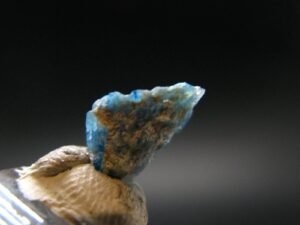
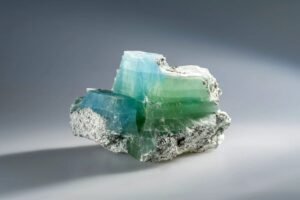
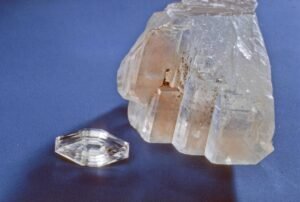
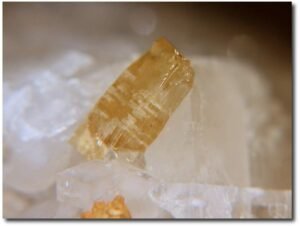
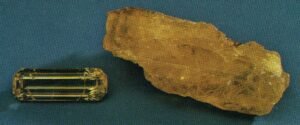
高い透明度を持つ希少なファセットカットのレグランダイト宝石と、未加工のカナリーイエロー・レグランダイト鉱物の破片。

レグランダイト:希少な黄色ヒ酸亜鉛の究極ガイド

Legrandite is a rare secondary mineral composed of hydrated zinc arsenate, distinguished primarily by its vibrant and intense yellow coloration. Often referred to in the mineralogical community as “canary” or “lemon” yellow, its striking appearance sets it apart from other zinc-based species. Legrandite belongs to the monoclinic crystal system and typically develops as transparent to translucent prismatic crystals. These crystals are frequently found in aesthetically pleasing arrangements, such as radiating sprays, fan-like structures, or “sunburst” aggregates. Although it is relatively soft—measuring between 4 and 5 on the Mohs scale of mineral hardness—its unique crystal habit and vivid saturation make it a priority for both scientific documentation and high-level mineralogical preservation. Formation and History of Legrandite Legrandite is not merely a mineral; it is a geological anomaly. It is classified as a secondary mineral, meaning it does not crystallize during the initial formation of an ore body. Instead, it emerges much later within the oxidation zones of arsenic-rich zinc deposits. This process begins when primary sulfide minerals are exposed to the relentless chemical action of oxygenated groundwater near the Earth’s surface.The birth of Legrandite requires a remarkably narrow “geochemical window.” It demands a high concentration of dissolved arsenic and zinc, but it is highly sensitive to its surroundings. Specifically, the environment must be low in carbonate; if the surrounding limestone or carbon-rich fluids dominate the site, nature will produce more common minerals like Smithsonite or Adamite instead. This finicky chemical temperament is the primary reason why Legrandite is found in only a handful of locations worldwide, making it a true rarity of the natural world. The historical record of Legrandite began in 1932 at the Flor de Peña Mine in Nuevo León, Mexico. It was named as a tribute to Louis Charles Antoine Legrand, a Belgian mining engineer whose keen eye first identified the unique specimens. For the first few decades following its discovery, Legrandite was little more than a footnote in mineralogy—a rare, microscopic curiosity that few had ever seen.This obscurity ended in the mid-20th century with the opening of deeper pockets in the legendary Ojuela Mine in Mapimí, Durango. This locality transformed Legrandite’s reputation from a rare mineral to a world-class treasure. The most defining moment in its history occurred in the 1970s with the discovery of the “Aztec Sun,” a breathtaking specimen featuring a perfect radiating spray of vivid yellow crystals. This single find cemented Mexico’s status as the premier source of the species. While secondary occurrences have since been mapped in Tsumeb (Namibia), Lavrion (Greece), and parts of the United States, these locales generally produce smaller, less vibrant crystals that pale in comparison to the iconic, high-luster “canary” sprays found in the Mexican deposits. Where is Legrandite Found? The undisputed world capital for Legrandite is the Ojuela Mine in Mapimí, Durango, Mexico. This historic locality is responsible for nearly every world-class, museum-quality specimen in existence today. What truly sets Mexican Legrandite apart is its signature “canary yellow” hue and its iconic “sunburst” crystal habit, where prismatic crystals radiate outward in breathtaking fan-like sprays. These vibrant crystals are almost always found perched upon a dark brown Limonite matrix, a natural pairing that provides a stunning visual contrast and serves as the definitive hallmark of a premium Mexican specimen. The mine’s legendary status was forever cemented in the 1970s with the discovery of the “Aztec Sun,” a specimen so perfect it remains the gold standard for the species. Other Notable Global Occurrences While Mexico dominates the market, Legrandite has been documented in a handful of other locations, though these finds are generally much smaller and far rarer. In the “mineralogical wonderland” of the Tsumeb Mine in Namibia, Legrandite has been recovered, but it remains an extreme rarity; specimens from this site usually consist of tiny, isolated crystals rather than the grand sprays found in Durango.Similarly, the ancient silver mines of the Lavrion District in Greece—specifically the Kamariza area—have yielded Legrandite in the form of microscopic, needle-like crystals that are highly prized by “micromount” collectors. In the United States, the famous zinc deposits of Sterling Hill and Franklin, New Jersey, have produced traces of the mineral, though they often lack the transparency and intense saturation of their Mexican counterparts. Finally, small occurrences have been noted in the phosphate-rich environments of Minas Gerais, Brazil, contributing valuable data to our scientific understanding of this elusive mineral’s global range. Is Legrandite a Gemstone? Jewelry Potential and Practical Applications Legrandite is not a traditional gemstone used in the commercial jewelry industry, despite its vivid color and occasional transparency. On the Mohs scale of mineral hardness, it ranks between 4 and 5, which means it is significantly softer than common jewelry stones like quartz or sapphire. Furthermore, its distinct cleavage makes it prone to splitting or shattering upon impact. Because of these physical vulnerabilities, legrandite cannot withstand the friction of daily wear or the heat involved in jewelry settings. While a master lapidary may occasionally facet a legrandite for a specialized collector, such stones are intended for display in protected cases rather than for use in rings or pendants. In terms of practical applications, legrandite has no industrial or commercial use due to its extreme rarity. It is far too scarce to be mined as a source of zinc or arsenic. Instead, its primary value is found within the realms of mineralogy and high-end collecting. Scientists study the mineral to understand the specific oxidation processes of arsenic-rich ore deposits, while museums and private collectors view it as a premier aesthetic specimen. For enthusiasts, the application of legrandite is purely as a natural masterpiece, with high-quality sunburst sprays serving as significant investments and centerpieces for geological education.

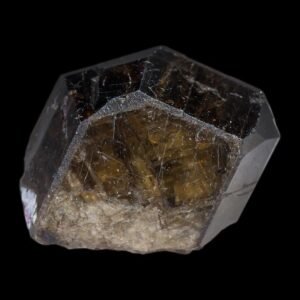
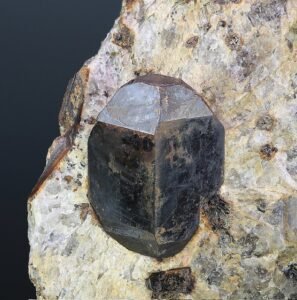
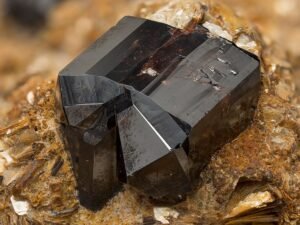
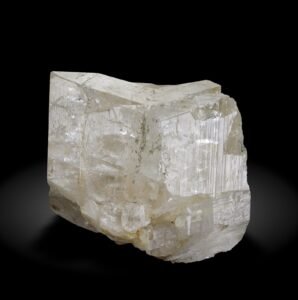
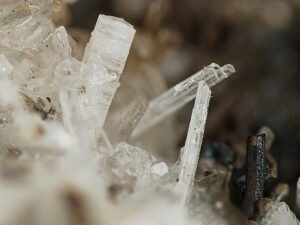
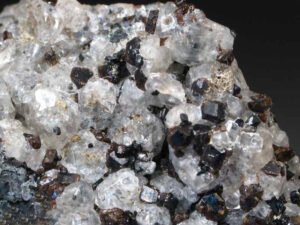
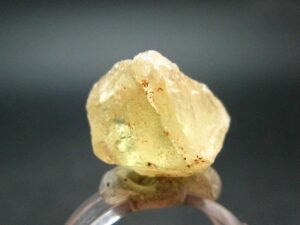
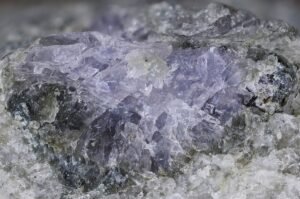
フェルグソナイト

フェルグソナイト:この希土類宝石に関する究極のガイド

Fergusonite is a rare and complex oxide mineral primarily composed of yttrium and niobium, though it often hosts a suite of rare earth elements (REEs) such as cerium and neodymium. Classified by mineralogists as a metamict mineral, it is prized by collectors for its vitreous to sub-metallic luster and its fascinating ability to lose its internal crystal structure over time due to self-irradiation from trace amounts of uranium and thorium. The mineral was first identified in 1826 by the Austrian mineralogist Wilhelm Karl Ritter von Haidinger, who named it in honor of Robert Ferguson of Raith, a prominent Scottish politician and mineral enthusiast. Geologically, Fergusonite typically forms in granitic pegmatites and rare-element carbonatites, crystallizing during the late-stage cooling of magma where incompatible elements like niobium and yttrium become highly concentrated. Whether found as elongated prismatic crystals or as rare, faceted gemstones, Fergusonite stands as a testament to the complex geochemical processes that concentrate the Earth’s rarest elements. Radioactivity and the Metamictization of Fergusonite The radioactivity of Fergusonite is not an inherent property of its primary chemical components, yttrium and niobium, but is instead the result of minor substitutions within its complex crystal lattice. During the late-stage magmatic crystallization process that forms Fergusonite, trace amounts of radioactive actinides—specifically uranium (U) and thorium (Th)—are frequently incorporated into the mineral’s structure. These heavy elements possess ionic radii similar to those of the rare-earth elements (REEs), allowing them to “hitchhike” into the lattice sites typically occupied by yttrium. Once these radioactive isotopes are trapped within the solid mineral, they begin a spontaneous decay process that spans millions of years. As the nuclei of uranium and thorium atoms break down, they emit alpha particles (He nuclei) and recoiling daughter nuclei. These high-energy particles act like microscopic projectiles, physically striking the surrounding atoms and knocking them out of their precisely ordered positions. This internal bombardment leads to a phenomenon known as metamictization. Over geological time, the cumulative damage from this self-irradiation destroys the long-range periodic order of the crystal lattice. What was once a structured, repeating arrangement of atoms eventually becomes a disordered, amorphous, and glass-like state. While the external shape of the crystal (the crystal habit) often remains intact—a condition known as a “pseudomorph”—the internal physics of the mineral are fundamentally altered. This radioactive origin is also responsible for the characteristic expansion and micro-fracturing often observed in Fergusonite specimens, as the transition from a crystalline to an amorphous state typically results in a decrease in density and an increase in volume. Practical Uses of Fergusonite In practical terms, Fergusonite is valued more for the specific elements it contains than for its use as a whole mineral. Its primary value lies in being a source of yttrium and niobium, two metals that are essential for modern technology. Yttrium extracted from this mineral is used to create the red colors in LED screens and to make specialized glass and camera lenses. Niobium is equally important, as it is added to steel to create incredibly strong and heat-resistant alloys used in jet engines and high-tech construction. Because Fergusonite is naturally radioactive, it also serves a very specific purpose in scientific laboratories. Researchers study these specimens to see how radiation breaks down solid materials over millions of years. This isn’t just for academic curiosity; it helps scientists understand how to build better containers for storing nuclear waste by seeing which structures hold up best against radiation over long periods. While you won’t find it in a typical jewelry store due to its rarity and radioactive nature, it is a stable item in professional mineral collections and geological research.

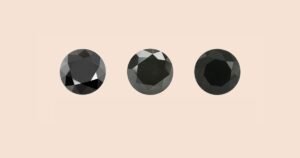
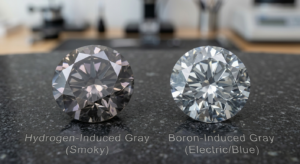
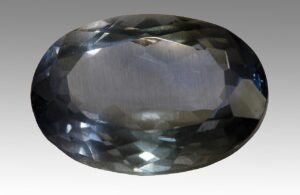
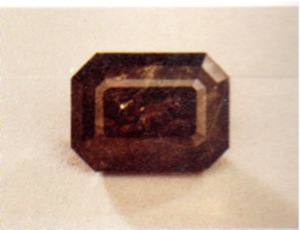
水素起因のスモーキーグレーダイヤモンドとホウ素起因のエレクトリックグレーダイヤモンドの比較(異なる彩度の違い)。

グレーダイヤモンド:特性、起源、希少性に関する完全ガイド

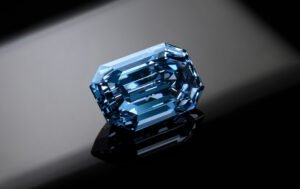
A gray diamond is a rare category of natural fancy color diamond characterized by its distinct smoky, metallic, or silvery appearance. Unlike colorless diamonds, which are prized for the absence of color, gray diamonds owe their unique aesthetic to the presence of high concentrations of hydrogen or, more rarely, boron within the carbon lattice during their formation deep within the Earth. In the gemstone industry, these stones are scientifically classified as Fancy Gray diamonds and are evaluated based on their tone and saturation. Their color palette is remarkably broad, ranging from the pale, ethereal shimmer of a “Silver” diamond to the dark, moody intensity of “Charcoal” or “Steel” hues. While they are often found with secondary modifying tints—such as blue, green, or violet—pure gray diamonds are exceptionally rare and valued for their sophisticated, neutral brilliance that offers a modern alternative to traditional white stones. How gray diamonds get their color Related Reading: What are natural diamonds?—Understand the basics of diamond formation. The creation of a gray diamond is a remarkable geological event that takes place over billions of years deep beneath the Earth’s surface. At its core, a diamond is made of carbon atoms, but gray diamonds get their unique smoky look because of specific “impurities” that enter the mix while the crystal is forming. The most common cause for this gray hue is the presence of hydrogen. When high levels of hydrogen are trapped inside the diamond’s structure, they change how the stone absorbs light, reflecting back those cool, metallic tones we see as silver or charcoal. In some rarer cases, boron can also play a role. While boron is famous for making diamonds blue, if the concentration is just right or if there are other structural shifts in the crystal, the stone can end up looking gray instead. It is important to distinguish these from salt and pepper diamonds; while salt and pepper stones look gray because they are filled with tiny black and white spots of carbon, a true fancy gray diamond gets its color from these microscopic atomic elements. This results in a stone that has a smooth, consistent color throughout its body rather than a speckled appearance. Beyond these atomic-level interactions, a third natural process involves the presence of micro-inclusions scattered throughout the crystal. Some gray diamonds do not derive their color from chemical elements like hydrogen or boron, but rather from millions of tiny particles trapped inside the stone during a period of rapid growth. These are often referred to as cloud-like inclusions, which are so small and dense that they diffuse light, creating a misty or smoky gray aesthetic. In many cases, these clouds are made of graphite—a form of carbon that failed to fully convert into diamond—or high concentrations of nitrogen. Because these individual particles are often only a few micrometers in size, they can tint the entire stone a uniform gray while technically being classified as internal features rather than a chemical change in the diamond’s lattice. The difference between hydrogen and boron gray diamonds While both hydrogen and boron can turn a diamond gray, they create very different visual results that experts can often distinguish at a glance. Hydrogen-induced gray diamonds are the most common and are known for having a slightly “oily” or smoky appearance. These stones often lean toward a warm or neutral gray, sometimes showing subtle hints of violet or olive when held under certain lights. Because hydrogen is very common in the Earth’s mantle, these diamonds usually have a dense, steely look that feels solid and metallic. On the other hand, boron-induced gray diamonds are much rarer and typically belong to the same family as famous blue diamonds. These stones often have a much cooler, “electric” undertone. Instead of a smoky look, they tend to display a bluish-gray or even a silver-gray tint that feels lighter and more airy. Another major technical difference is that boron-affected diamonds can often conduct electricity, a physical property that hydrogen-gray diamonds do not have. Essentially, hydrogen creates a deep, cloudy charcoal effect, while boron results in a clearer, cooler metallic silver. Where gray diamonds are found Natural gray diamonds are sourced from several key diamond-producing regions around the world, though they are rarely found in large concentrations in any single location. Historically, the most significant source for high-quality gray diamonds was the Argyle Mine in Western Australia. While primarily famous for its rare pink diamonds, the Argyle Mine also produced a consistent supply of hydrogen-rich gray and silver-toned stones until its closure in 2020. Since then, the global market has looked toward other major deposits to fill the void. Today, Russia is one of the primary producers of gray diamonds, particularly from the Siberian region. These Russian deposits are often noted for producing stones with a distinct metallic or steely luster. Other consistent sources include South Africa, Botswana, and Brazil. The gray diamonds recovered from African mines frequently yield larger specimens that may carry subtle secondary overtones of blue or green. Despite being found in these various locations, gem-quality gray diamonds remain a very small percentage of the total diamond output from these mines, as many gray-tinted stones are typically reserved for industrial use rather than fine jewelry. The rarity of natural gray diamonds In the global diamond market, natural fancy gray diamonds occupy a specialized niche between common colorless stones and the ultra-rare vivid colors like pink or blue. While gray is a relatively frequent secondary tint found in many diamonds, a true “Fancy Gray” diamond—one where gray is the dominant and uniform body color—is statistically rare. Only a very small percentage of all diamonds mined annually possess the specific geological conditions and trace element concentrations required to be classified by gemological laboratories as high-quality gray specimens. The use of gray diamonds spans across two distinct worlds, ranging from high-end luxury jewelry to essential industrial technology. In the world of fine jewelry, gray diamonds have seen a surge in popularity as a sophisticated alternative to traditional colorless stones.

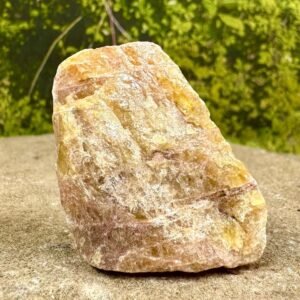
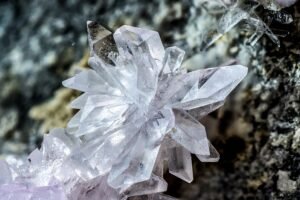
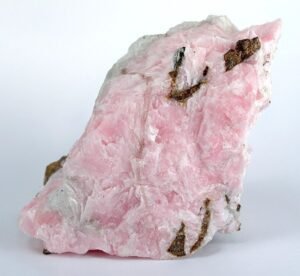
ローズクォーツ

ローズクォーツ:知っておくべきことのすべて

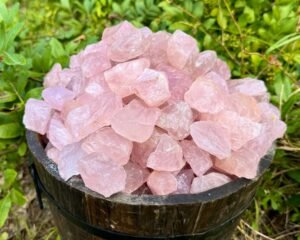
Rose Quartz is a macrocrystalline variety of the mineral quartz that is primarily defined by its range of pink colorations, which can vary from a very pale, almost imperceptible pink to a deep, translucent rose-red. From a mineralogical perspective, it is composed of silicon dioxide, though it rarely develops the distinct, well-terminated crystal faces seen in other quartz varieties like amethyst or smoky quartz. Instead, it is most commonly found in massive, irregular aggregates. The characteristic pink hue was once thought to be caused by trace amounts of titanium, manganese, or iron, but modern analytical techniques have identified the presence of microscopic, aligned fibers of a pink borosilicate mineral within the quartz. These dense, internal fibers often give the stone a hazy or milky translucency rather than complete transparency. When these fibers are oriented in a specific geometric pattern, they can produce a rare optical effect known as asterism, where a luminous six-rayed star appears on the surface of the stone when it is cut into a rounded cabochon shape and viewed under a single light source. The formation of Rose Quartz is a geological process tied to the cooling of magma, specifically within coarse-grained igneous rocks known as pegmatites. These rocks form during the final stages of a magma body’s crystallization, where a high concentration of volatile elements and water allows for the growth of large mineral structures. Rose Quartz typically crystallizes at high temperatures and pressures within the core zones of these pegmatite veins. As the hydrothermal fluids rich in silica begin to cool and solidify, the microscopic borosilicate fibers are trapped within the growing quartz structure, resulting in the uniform pink tint. Major global sources of high-quality material are located in Brazil, particularly the state of Minas Gerais, as well as Madagascar, South Africa, India, and the United States. While the massive variety is abundant, rare instances of “pink quartz” that form distinct crystals do exist, though they are geologically and chemically distinct from the standard massive Rose Quartz. The historical record of Rose Quartz reflects its long-standing utility as a material for adornment and symbolic objects across diverse cultures. Archeological evidence suggests that human use of the stone dates back as far as 7000 BCE in ancient Mesopotamia, where rose quartz beads have been recovered from historical sites. In ancient Egypt, the stone was carved into amulets and cosmetic tools, as it was valued for its aesthetic appeal and was associated with physical preservation. During the Roman and Greek periods, it was widely used in lapidary arts to create intaglio seals, which were pressed into wax to authenticate documents and signify ownership. In Eastern civilizations, particularly in China and Tibet, the stone was utilized for intricate carvings, figurines, and ceremonial ornaments. Throughout these various eras, the stone was consistently selected for its relative durability—ranking seven on the Mohs scale of mineral hardness—making it an ideal medium for both functional tools and decorative objects that have survived for millennia in the archaeological record. Where is Rose Quartz Found? Rose Quartz forms primarily within the core zones of complex pegmatites through the slow cooling of silica-rich magma. While quartz is globally abundant, the specific conditions required for its pink coloration are concentrated in a few key regions. Brazil, particularly Minas Gerais, is the leading producer of high-quality, transparent material and rare crystal formations. Madagascar is another critical source, prized for its vibrant lavender-pink hues and silken inclusions that produce the star effect known as asterism.Significant commercial deposits also span Africa, with Namibia, Mozambique, and South Africa providing consistent material for the decor industry. In Asia, India and Sri Lanka contribute semi-opaque, milky varieties ideal for large-scale carvings. Although U.S. production in the Black Hills of South Dakota has diminished, it remains historically significant for mineralogical study. Additional deposits in Germany, Russia, and Kazakhstan further ensure the mineral’s diverse global distribution. Main Applications of Rose Quartz Jewelry and Lapidary Arts Rose Quartz is processed according to its optical grade. Transparent specimens are typically faceted for rings and pendants, while translucent or “milky” varieties are shaped into beads, cabochons, and tumbled stones. A specialized application involves Star Rose Quartz; by precisely orienting internal silken fibers during the cutting process, lapidaries produce a six-rayed star effect known as asterism, which is highly valued in collector-grade jewelry. Ornamental and Architectural Integration Due to its occurrence in massive boulders, Rose Quartz is uniquely suited for large-format architectural use. It is frequently processed into thin slabs for high-end interior design, including backlit wall paneling that utilizes its natural translucency to create glowing surfaces. Additionally, the stone is used for luxury furniture inlays, vanities, and complex sculptural carvings. Because it lacks a distinct cleavage plane, it can be shaped into large spheres and figurines without the risk of splitting. Cosmetic and Precision Tools The mineral’s thermal conductivity and density have led to its extensive use in the personal care industry, where it is manufactured into facial rollers and ergonomic massage tools. These applications take advantage of its ability to remain cool and resist chemical erosion from oils. In precision manufacturing, Rose Quartz is utilized for decorative components in high-end watchmaking and luxury writing instruments, valued for its weight and vitreous luster. Industrial and Collection Standards Beyond finished goods, Rose Quartz is a staple in the mineral specimen market. Unpolished “rough” chunks are sold in bulk for landscaping, fountain construction, and as aquarium substrate. Because its color is light-fast and chemically inert, the mineral provides a stable, long-lasting aesthetic in both indoor and outdoor environments. The Meaning and Benefits of Rose Quartz Rose quartz, with its signature soft pink essence, is a stone of the heart and a crystal of unconditional love. It carries a soft, feminine energy of compassion and peace, tenderness and healing, nourishment and comfort. It speaks directly to the Heart Chakra, dissolving emotional wounds, fears, and resentments, and circulates a Divine loving energy throughout the entire aura. Re-establishing the gentle yet powerful connection to the self, it provides a deep sense

宝石事典

AからZまでの全宝石一覧と各宝石の詳細情報

誕生石

これらの人気の宝石とその意味について詳しく知る

コミュニティ

宝石愛好家が集うコミュニティに参加して、知識や経験、新しい発見を共有しましょう。