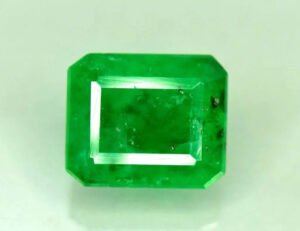
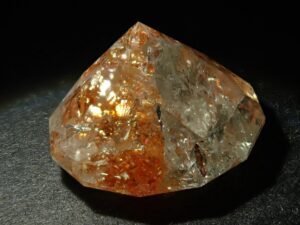
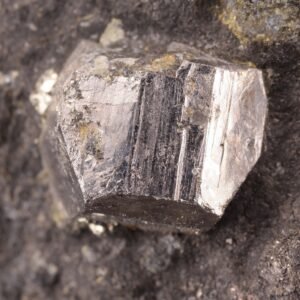
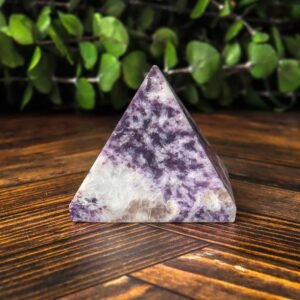
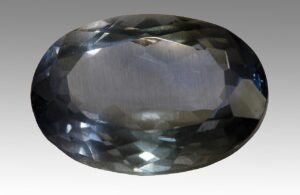
Аквамарин

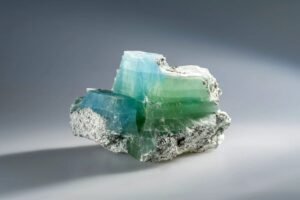
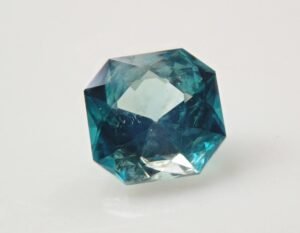
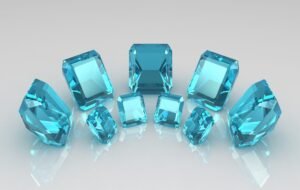
Аквамарин: Безмятежный «камень рождения марта», ценимый за свою кристальную чистоту и океанские оттенки, он остается вечным символом спокойствия, мужества и королевской элегантности.

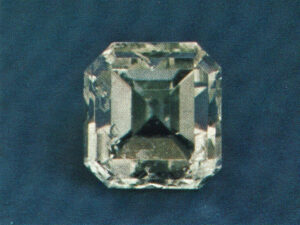
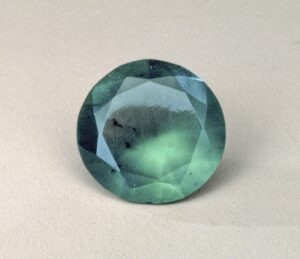
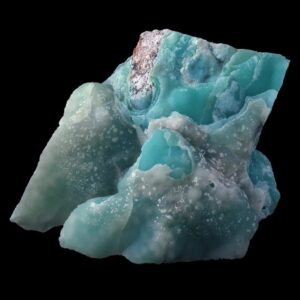
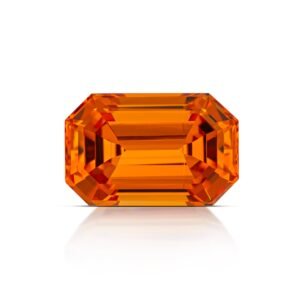
What Is Aquamarine? Aquamarine is arguably one of the most beloved gemstones in the world, cherished for its breathtaking, peaceful blue color that seems to capture the very essence of the ocean. The name itself is a beautiful reflection of this—coming from the Latin words aqua (water) marina (sea). For centuries, this gem has been a symbol of calmness, hope, and protection, once carried by ancient mariners as a talisman to ensure safe passage across the waves. Beyond its poetic appeal, aquamarine is a gemologist’s dream because of its rare combination of beauty and durability. Belonging to the beryl mineral family, it is a close cousin to the emerald. However, while emeralds are famous for being delicate and often filled with natural inclusions, aquamarine is renowned for its remarkable transparency and structural integrity. It is naturally “clean,” meaning it often forms in large, clear crystals that allow light to pass through with incredible brilliance.What makes aquamarine truly practical for everyday life is its strength. With a hardness rating of 7.5 to 8 on the Mohs scale, it is tough enough to withstand the wear and tear of daily use. It doesn’t scratch or break easily, which is why you will often see it set in everything from delicate rings to bold statement necklaces. Because of its glass-like luster and wide range of blues—from a soft, icy whisper of color to a deep, intense sky blue—it offers a versatility that few other stones can match. Whether you are drawn to its soothing energy or its sparkling, clean aesthetic, aquamarine remains a timeless treasure that manages to feel both luxurious and effortlessly wearable. How Aquamarine Forms in Nature Understanding the geological roots of aquamarine helps us appreciate why it remains one of the world’s most sought-after gemstones. Aquamarine belongs to the prestigious beryl mineral family (Be₃Al₂Si₆O₁₈), the same distinguished group that includes other famous gems like emerald and morganite. While its chemical composition—a beryllium aluminum silicate—is relatively straightforward, the environment required to create a gem-quality specimen is quite unique. Aquamarine typically forms in granitic pegmatites and hydrothermal veins, which are specialized geological pockets rich in volatile elements like water, lithium, and boron. Because these environments allow for a slow, steady cooling process, the minerals have the perfect conditions to grow into large, beautifully structured crystals, often developing into iconic, well-defined hexagonal prisms. The mesmerizing blue hue of the stone is a product of its elemental makeup, primarily caused by trace amounts of iron trapped within its crystal lattice. The specific shade of blue depends on the oxidation state and the concentration of these iron ions, resulting in a stunning spectrum that ranges from the lightest, icy sky-blue to rich, saturated blue-green tones. From a mineralogical perspective, what sets aquamarine apart is its incredible clarity; because it often forms with very few internal flaws compared to its cousin, the emerald, it offers a level of transparency that allows light to dance through the stone with ease. This unique combination of structural integrity, natural transparency, and the ability to grow into substantial, clean sizes makes aquamarine a perennial favorite for both high-end jewelry designers and passionate mineral collectors alike. Aquamarine Treatments and Enhancements While natural, untreated aquamarine is highly prized by collectors, it is common industry practice to enhance the gem’s appearance through heat treatment. Most aquamarine crystals emerge from the earth with greenish or yellowish undertones, which are caused by the presence of iron within the crystal lattice. To achieve the highly desired pure blue color, these stones are carefully heated in a controlled environment. This process effectively reduces the yellow components and shifts the stone’s color toward the classic, cool blue tones that consumers love. This heat treatment is stable and permanent, meaning the enhanced color will not fade over time. It is a widely accepted and expected practice in the jewelry trade, provided that it is disclosed to the buyer. Unlike some other gemstones that undergo more invasive treatments—such as fracture filling or irradiation—heat-treated aquamarine remains essentially the same natural mineral it was before the process, maintaining its structural integrity and long-term durability. When purchasing, it is always a good practice to ask for a professional gemological report, which will clearly state whether a stone has undergone heat treatment, ensuring transparency and peace of mind in your investment. Aquamarine: From Royal Crowns to Modern Masterpieces Aquamarine doesn’t need loud marketing to make its mark; it earns its place in the world of fine jewelry through pure, unadulterated clarity. As a member of the beryl family, it’s got a natural edge—a transparency that feels like staring straight into a clear, shallow sea. For any jewelry designer worth their salt, aquamarine is one of the few stones that can hold its own at a massive, multi-carat size without ever looking garish. With a Mohs hardness of 7.5 to 8, it’s tough enough for everyday wear, too. Whether you’re looking at an engagement ring or a minimalist pendant, this stone is as practical as it is beautiful. One of the best things about aquamarine is how versatile it is with metals. Personally, I’ve always loved the crisp, modern look of aquamarine set in platinum or white gold, but there’s something undeniably striking about how those cool blue tones pop against the warmth of yellow or rose gold—it gives the piece a vintage, heirloom quality that’s hard to beat. And then there’s the history. It’s hard to talk about this gem without thinking of the icons. You’ve got the Brazilian Aquamarine Parure—that legendary set gifted to Queen Elizabeth II—which essentially defined royal elegance for decades. Then there’s Princess Diana’s emerald-cut ring, a piece so simple yet so recognizable that it’s become the gold standard for many collectors. And for those who want to see the absolute pinnacle of what’s possible, there’s the “Dom Pedro” obelisk. At over 10,000 carats, it’s not just a gem; it’s a masterclass in how human artistry can take geological perfection and turn it into something breathtaking. At the end

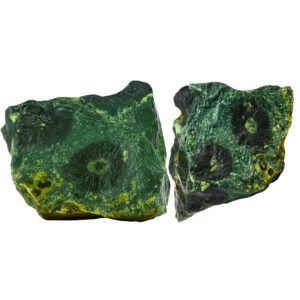
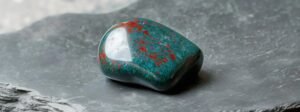
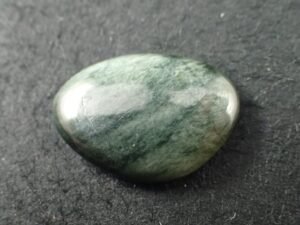
Отполированный образец гелиотропа с темно-зеленой матрицей, испещренной яркими красными вкраплениями оксида железа, на текстурированной темно-серой поверхности сланца.

Гелиотроп: Геммологические свойства, формирование и стоимость

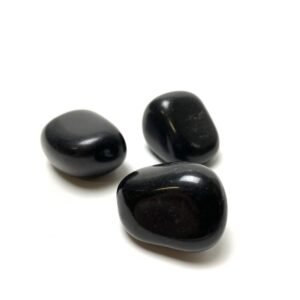
What is Bloodstone? Bloodstone, historically known as Heliotrope, stands as one of the most enigmatic and storied varieties within the vast chalcedony family of quartz. Instantly recognizable by its deep, forest-green opaque matrix—often speckled with dramatic, iron-rich inclusions that resemble droplets of fresh blood—the stone possesses a visual intensity that has captivated humanity for millennia. Unlike the ephemeral brilliance of transparent gemstones, bloodstone derives its charm from an earthy, primal contrast, a characteristic that has woven it deeply into the fabric of human myth, legend, and spiritual devotion across diverse civilizations. From a gemological perspective, bloodstone is far more than an aesthetic curiosity; it is a testament to the complex geochemical processes of the Earth, valued as much for its remarkable durability as for its unique color patterns. Each specimen acts as a distinct, natural mosaic, ensuring that no two pieces are ever truly identical, a trait that remains a cornerstone of its appeal to collectors and lapidary enthusiasts alike. Beyond its physical composition, bloodstone functions as a profound cultural artifact, serving as an enduring bridge between the ancient world—where it was coveted by soldiers as a protective talisman of strength—and the contemporary era, where it persists as a respected and historic birthstone for the month of March, bridging the gap between geological formation and the human imagination. The Genesis and Lore of Bloodstone The formation of bloodstone is a remarkable geological event, occurring primarily within low-temperature hydrothermal veins where silica-rich fluids permeate porous host rocks. As these fluids cool, they precipitate as microscopic quartz crystals, creating the dense, opaque structure of chalcedony. The stone’s signature red flecks are the result of localized oxidation: as iron-rich mineral solutions infiltrate the chlorite-infused green matrix, they undergo a chemical reaction to form inclusions of hematite—the very essence that bestows the stone with its evocative name. This earthly origin is deeply intertwined with a rich tapestry of folklore, as the stone’s striking appearance has historically been interpreted through diverse mystical lenses. In antiquity, the stone was known as Heliotrope, a name derived from the Greek words for “sun” and “turn.” As documented in Pliny the Elder’s Natural History (Book XXXVII), the ancients believed the gem possessed the magical ability to turn the sun’s rays red when submerged in water. Pliny himself recorded the lore that magicians once used the stone to confer invisibility upon its wearer—a belief that persisted well into the Middle Ages, notably appearing in Giovanni Boccaccio’s Decameron (Eighth Day, Third Tale). Throughout the Roman Empire, soldiers carried heliotrope as a powerful talisman of vitality and protection, firmly believing that it could staunch the flow of blood from battle wounds. By the medieval period, the stone’s symbolism shifted to incorporate Christian iconography; it became widely known as the “Martyr’s Stone.” A pervasive legend emerged claiming that the gem was first formed when drops of Christ’s blood fell onto a piece of dark green jasper at the foot of the Cross, staining the earth for eternity. This association with the Crucifixion led to the stone being carved into intaglios depicting sacred scenes, cementing its role as a revered amulet of spiritual strength and divine healing. Whether regarded as a tool of ancient sorcery or a relic of religious sacrifice, bloodstone remains a profound intersection of geological formation and human imagination. Varieties and Color Variations of Bloodstone While the hallmark of true bloodstone—or heliotrope—is its deep, opaque green matrix punctuated by distinct red hematite inclusions, the marketplace often classifies several related chalcedony varieties under the same umbrella. Understanding these distinctions is essential for both collectors and jewelry enthusiasts, as the term “bloodstone” can sometimes be applied broadly to various forms of spotted or patterned jasper and chalcedony. Heliotrope Heliotrope is the traditional and scientific name for bloodstone. Historically used in classical texts and early mineralogical descriptions, the term refers to the dark green chalcedony marked with red hematite inclusions. In modern gemology and jewelry trade, heliotrope and bloodstone are generally considered synonymous, both describing the distinctive green stone with red “blood-like” spots. Blood Jasper Blood jasper is a trade name sometimes used for stones that resemble bloodstone but display a more jasper-like structure. These materials may show darker red patches, brownish tones, or black matrices rather than the typical green background of classic bloodstone. Many specimens also contain white or gray quartz veining, giving them a more mottled and high-contrast appearance. Despite the name, blood jasper is usually classified separately from true bloodstone. Oriental Jasper This is a classic trade term, historically applied to high-quality bloodstone or blood-jasper sourced from Asian deposits. The prefix “Oriental” was traditionally utilized in the gemstone industry to denote material of exceptional quality or to lend an air of exoticism and prestige to the stone in Western markets. Fancy Jasper This is a broad trade category encompassing chalcedony or jasper that displays a spectrum of colors beyond the traditional green and red. Fancy Jasper may include shades of yellow, purple, orange, or cream in various mottled or swirling patterns. While these specimens are geologically related to bloodstone, they lack the specific “blood-like” red hematite drops that define the primary birthstone. Plasma In mineralogical terms, plasma is a bright, leek-green variety of chalcedony. If this green material contains the signature red hematite spots, it is classified as bloodstone. However, if the red inclusions are absent, the stone is simply referred to as plasma. Prase Similar to plasma, prase is a duller, leek-green chalcedony. While it can occasionally contain red spotting and be grouped with bloodstone, it is generally distinguished by a lighter, more muted green base color compared to the deep “imperial” green favored in high-quality bloodstone specimens. Does Bloodstone Make a Good Jewelry Stone? Bloodstone is an exceptional choice for jewelry, perfectly balancing bold aesthetics with impressive physical durability. As a member of the quartz family, it possesses a Mohs hardness of 6.5 to 7, making it sufficiently scratch-resistant for daily wear in rings, bracelets, and pendants. Its greatest strength lies in its toughness; because it lacks

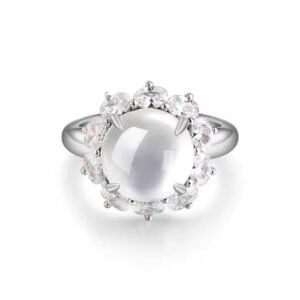
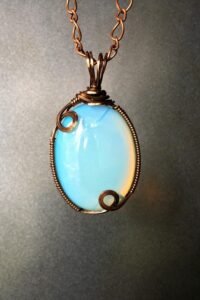
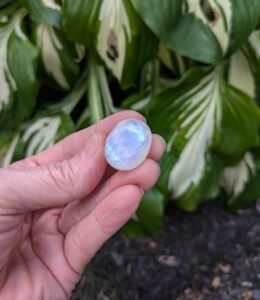
Опалит, как и овальный камень в этом кулоне, представляет собой стеклянный материал, часто используемый для имитации лунного камня.
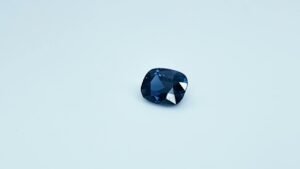
Гемологическое руководство: идентификация стеклянных драгоценных камней, имитаций и их свойств

In the context of gemology, glass is an amorphous solid—a material that lacks the orderly, repeating internal atomic structure characteristic of natural gemstones. While mineral gems like diamonds or rubies form through slow geological processes that result in a defined crystal lattice, glass is created when a molten mixture of silica (often sand), soda, and lime is cooled so rapidly that the atoms are “frozen” in a disordered, liquid-like state. Because it lacks a crystal structure, glass is optically isotropic, meaning it displays the same physical and optical properties in every direction. When faceted, glass can mimic the luster and dispersion of precious stones, but its physical composition—marked by a distinct conchoidal (shell-like) fracture and internal signatures such as gas bubbles or flow lines—fundamentally distinguishes it from its natural counterparts. What Is Glass? glass is an amorphous, non-crystalline solid produced by the rapid cooling of a molten, silica-rich mixture, a process that prevents atoms from organizing into a structured crystal lattice and leaves them in a permanently disordered state. The foundation of this material typically relies on silica (SiO2) as the primary glass-former, while the addition of soda (Na2O) is utilized to lower the necessary melting temperature and lime (CaO) is incorporated to enhance chemical stability and durability. Beyond these basic components, the composition is frequently augmented with various oxides—such as lead (PbO), barium (BaO), or titanium (TiO2)—which are meticulously introduced to modify the material’s refractive index and dispersion, allowing artisans to tailor the optical performance of the glass to mimic the brilliance and fire of natural gemstones. Glass Gemstones: A Guide to Types and Names Alexandrium™ Alexandrium™ is a sophisticated synthetic glass specifically engineered to replicate the prestigious “alexandrite effect,” a dramatic optical phenomenon where a material undergoes a perceived change in color depending on the spectral distribution of the ambient light source. Unlike natural gemstones that rely on trace elements within a crystal lattice, this amorphous material utilizes a precise formulation of metallic additives and rare-earth elements, such as neodymium, to create specific light absorption bands. In natural daylight or cool-spectrum fluorescent lighting—which is rich in blue and green wavelengths—the glass exhibits a vibrant green or bluish-green hue. However, when moved under incandescent light or warm-spectrum candlelight—which is dominated by red wavelengths—it undergoes a distinct and immediate shift to a reddish-purple or raspberry-pink tone. While its visual performance is highly convincing, it can be definitively identified in gemological testing by its single refraction under a polariscope, a refractive index typically ranging between 1.50 and 1.58, and the presence of microscopic gas bubbles or swirl marks characteristic of its man-made origin. Cat’s Eye Glass Cat’s Eye Glass is a specialized synthetic material engineered to replicate chatoyancy—the “cat’s eye” phenomenon—which is a striking optical effect traditionally found in rare natural minerals like chrysoberyl and tourmaline. This effect is achieved through a complex manufacturing process that incorporates thousands of parallel-aligned glass fibers or microscopic internal reflective inclusions within the glass matrix. When the material is expertly shaped into a cabochon cut, these dense, longitudinal structures interact with light to reflect a singular, luminous band that stretches across the surface of the stone. This bright line of light, often referred to as the “eye,” appears to glide and shimmer across the dome as the stone is tilted or the light source moves, mimicking the slit pupil of a feline. In gemological study, Cat’s Eye Glass is distinguished from its natural counterparts by its highly uniform fiber arrangement and intense, often vibrant color saturation. While natural chatoyant stones may exhibit irregular inclusions or subtle variations in the “eye,” the man-made version is characterized by a nearly perfect, razor-sharp band. Despite its convincing visual appeal, it can be identified by its specific gravity and refractive index, which align with glass properties rather than crystalline structures. Furthermore, when viewed under magnification from the side, Cat’s Eye Glass often reveals a unique “honeycomb” or cellular structure created by the fused glass fibers, a hallmark feature that clearly separates this elegant simulant from earth-mined gemstones. Dichroic Glass Dichroic glass is a technologically advanced material that achieves its striking appearance through an intricate process known as thin-film physics. Unlike traditional stained glass which uses pigments, this modern variety is created via the vacuum deposition of multiple ultra-thin layers of different metal oxides—such as titanium, chromium, or magnesium—onto the surface of a glass substrate. These microscopic layers, sometimes totaling more than thirty, act as a series of interference filters that selectively allow certain wavelengths of light to pass through while reflecting others. This produces an intense, multidimensional color-shift or iridescent effect that changes dramatically depending on the angle of observation and the lighting conditions. In gemology, it is often utilized to mimic the complex play-of-color found in natural precious opal or the labradorescence seen in high-grade labradorite. While the visual depth of dichroic glass is remarkably captivating, it can be identified by its characteristic “metallic” luster on the layered surface and the absence of a natural crystal structure. Under magnification, the thin-film coating can sometimes be seen as a distinct, paper-thin layer on the edge of the glass, a diagnostic feature that separates this high-tech simulant from the organic or mineral structures of natural iridescent gemstones. Saphiret Saphiret is a historical type of glass manufactured primarily in Gablonz, Bohemia, during the 19th and early 20th centuries. It is highly valued by vintage collectors due to its unique optical properties, which are achieved by adding metallic gold into the molten glass mixture during the production process. When observed in neutral or ambient lighting, Saphiret typically displays a semi-opaque, brownish or cocoa-colored base. However, when light interacts with the internal composition—often dispersed through scattering effects—it produces a striking, glowing opalescent flash of azure or cornflower blue. This vivid color shift is responsible for the popular, albeit non-scientific, collector’s nickname “dragon’s breath.” From a gemological perspective, Saphiret is an amorphous glass simulant rather than a mineral; its diagnostic features include a refractive index consistent with glass, typical conchoidal fracturing, and, under
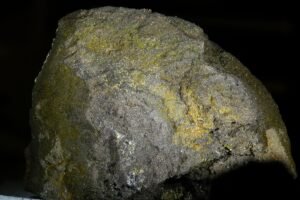
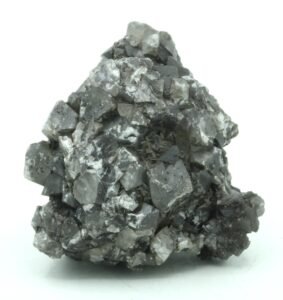
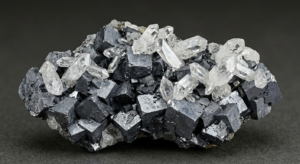
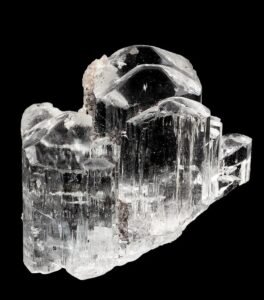
Геологическая трансформация: Детальный вид первичного минерала (галенит, серые кубы), превращающегося во вторичный минерал (англезит, прозрачные сверкающие кристаллы) в окисленном свинцовом месторождении.

Англезит: Парадокс коллекционера — алмазный блеск и чрезвычайная хрупкость

Anglesite occupies a unique niche in the mineral kingdom, standing as a collector’s gem that bridges the gap between industrial ore and ethereal beauty. As a secondary lead sulfate mineral typically formed within the oxidation zones of lead deposits, it is prized by gemologists for a rare trifecta of physical properties: an adamantine luster, remarkable density, and a fire (dispersion) that can rival that of a diamond.While its chemical composition grants it a signature heaviness and brilliant optical performance, that same lead-rich nature renders the stone exceptionally fragile. Consequently, while transparent crystals are occasionally faceted into breathtaking gems, Anglesite remains a treasure reserved for the display case rather than the jewelry box—a brilliant paradox of nature’s power and vulnerability. Geological Origins and Formation Anglesite is primarily a secondary mineral, meaning it does not crystallize directly from molten rock or hydrothermal fluids. Instead, it is a product of “secondary enrichment.” It forms through the chemical weathering and oxidation of primary lead sulfide minerals, most notably galena. When galena is exposed to oxygenated meteoric waters (rainwater) in the upper, oxidized zones of ore deposits, a chemical reaction occurs where the sulfur in the galena is replaced by sulfate. This transformation often happens in situ, sometimes resulting in “pseudomorphs” where the Anglesite retains the original cubic shape of the galena it replaced. These deposits are typically found in arid or semi-arid regions where the water table is deep, allowing for extensive oxidation of the ore body. Historically, the mineral’s name pays homage to its type locality: the Parys Mountain copper mines on the Isle of Anglesey, Wales. However, the most significant gem-quality crystals have since been discovered in the Tsumeb Mine in Namibia and the Touissit district in Morocco, where the geological conditions allowed for the growth of large, transparent, and structurally sound crystals. The Palette of Anglesite: From Ethereal Clarity to Earthy Hues While the most celebrated specimens of Anglesite are those of pure, colorless transparency, the mineral actually occurs in a surprisingly diverse range of colors. These variations are typically the result of trace impurities or minute inclusions of other minerals trapped during the oxidation process. Colorless and White: The “purest” form of Anglesite is colorless. In its transparent, faceted state, it is often mistaken for diamond due to its high dispersion. When it occurs in massive or microcrystalline forms, it often appears as a milky or opaque white. Golden Yellow and Amber: Among collectors, the warm, honey-colored to vibrant lemon-yellow varieties are highly sought after. these golden hues are often attributed to trace amounts of iron oxides or other metallic impurities absorbed from the surrounding ore body during formation. Pale Blue and Green: Perhaps the rarest and most enigmatic varieties are the delicate blues and soft greens. These colors are frequently caused by trace amounts of copper (often sourced from nearby minerals like malachite or azurite) being incorporated into the crystal lattice. Grey and Black: In many mining localities, Anglesite appears in darker, more somber tones. These specimens are often “stained” by microscopic inclusions of unoxidized galena, giving the crystals a metallic grey or even a soot-black internal phantom. Brown and Orange: Deep brownish-orange or “cognac” colored stones can be found, particularly in Moroccan deposits. These earthy tones provide a sophisticated backdrop for the mineral’s high-lead sparkle. Is Anglesite Good for Jewelry? Despite possessing an adamantine luster and fire that can rival a diamond, Anglesite is rarely found in mainstream jewelry. Its absence from the commercial market is primarily due to its extreme physical vulnerability. With a Mohs hardness of only 2.5 to 3.0, the stone is soft enough to be scratched by a copper penny or even a fingernail. Furthermore, its perfect cleavage and brittle nature make it highly susceptible to fracturing during the setting process or under the stresses of daily wear. Beyond its fragility, the mineral’s high lead content—approximately 70%—presents a toxicity risk if dust is inhaled during cutting or if worn against the skin for extended periods. Consequently, faceted Anglesite is strictly regarded as a “collector’s gemstone,” intended for display and study rather than functional adornment. Market Characteristics and Collector Demand Anglesite occupies a specialized niche within the mineral and collector gemstone market rather than the mainstream jewelry trade, and its value is determined primarily by crystal quality, aesthetic appeal, structural integrity, and locality prestige rather than standardized commercial grading systems. Because of its low hardness (2.5–3 on the Mohs scale), perfect cleavage, and brittleness, faceting is technically challenging and high-yield cutting is uncommon; as a result, most clean faceted stones under 3–4 carats typically trade in a limited collector range of approximately $30 to $150 per carat, depending on clarity, color, and origin, while larger eye-clean examples above 4 carats may command higher—but still highly locality-dependent—prices within a small specialist market. For many collectors, however, natural crystal specimens are more desirable than cut gems, particularly well-formed transparent crystals displayed on contrasting matrices such as Galena, where aesthetic balance and condition strongly influence value. Specimens from historically significant localities, especially the Tsumeb Mine and the Touissit, often carry locality premiums; museum-quality pieces from these sources may trade in the approximate range of $500 to $2,500 or more depending on crystal size, clarity, coloration, and overall specimen integrity. Despite its rarity in gem-quality form, Anglesite should be regarded primarily as a collector mineral of aesthetic and scientific interest rather than a conventional investment gemstone, as its market remains small, specialized, and driven more by connoisseur demand than by broad financial speculation. Identification and Diagnostic Methods Because Anglesite can be confused with other high-luster gems like Cerussite, Phosgenite, or even Diamond, gemologists rely on a combination of physical and optical tests: Extreme Density: One of the most immediate identifiers is its specific gravity. At approximately 6.3, it feels unnaturally heavy for its size. In a laboratory setting, hydrostatic weighing will quickly separate it from lighter look-alikes. Luster and Dispersion: Under a jeweler’s loupe, Anglesite displays a distinct “adamantine” (diamond-like) luster. Its dispersion—the ability to split white light

Взрыв подводных красок: ярко-красные и розовые мягкие кораллы и коричневые твердые кораллы, окруженные плотным косяком оранжевых морских золотых рыбок и маленьких черных рыбок под освещенной солнцем поверхностью океана.

Коралл: живой драгоценный камень из океана

Deep within the abyss of the sapphire sea lies nature’s most prestigious “palette.” Coral, the gemstone hailed as the “Flower of the Ocean,” possesses neither the icy detachment of diamonds nor the ostentatious glitz of gold. Growing silently amidst the surging waves, it condenses the sheer vitality of the ocean into a texture as warm and mellow as jade. As an “organic gemstone” birthed from the deep, coral is far more than a mere ornament worn around the neck; it is a crimson legend, sculpted by the rhythmic hands of time and tide. What Is Coral? In the specialized field of gemology, coral is classified as an organic gemstone, a rare category of jewels birthed by biological life rather than geological pressure. Coral is the external skeleton of a tiny, plant-like marine animal called the coral polyp. Gem-quality coral primarily originates from precious marine species belonging to the genus Corallium, most notably Corallium rubrum. Unlike the porous, brittle corals found in shallow tropical reefs, these precious corals thrive in the dark, high-pressure depths of the Mediterranean and Pacific. These organisms are colonial polyps—tiny, soft-bodied creatures that act as master architects of the deep. To protect their delicate forms, they extract minerals from the surrounding seawater to secrete a dense, internal skeleton of calcium carbonate (CaCO3) in the form of calcite. The structures that result from generations of these creatures growing as colonies on top of each other can be quite massive, building rigid, branching skeletons over decades or even centuries. The slow growth rate—sometimes as little as 1mm per year—is what grants the material its remarkable density and fine-grained texture. Since time immemorial, coral has been used for carvings, cabochons, and other jewelry pieces. Once harvested, the dull, outer skin is removed to reveal a core that, when expertly cut and polished, transforms from skeletal remains into a gemstone with a vitreous, mirror-like luster. From the fiery crimson of Sardegna to the ethereal Angel Skin pink, these polished skeletons are the very living gemstones that have graced royal treasuries for millennia. From Polyp to Reef: The Journey of Growth The journey begins with the coral polyp, a tiny, soft-bodied marine animal that resembles a miniature sea anemone. Despite its delicate appearance, the polyp is a master architect. These organisms are colonial, meaning they live in massive groups where individuals are interconnected by living tissue. To protect their vulnerable bodies, polyps extract calcium and carbonate ions from the surrounding seawater to secrete a hard internal skeleton of calcium carbonate (CaCO3) in the form of calcite. As generations of these creatures grow as colonies on top of each other, the process unfolds in stages: This transition from a singular, “plant-like” marine animal to a colossal limestone monument creates the “Living Gemstone” that has been used since time immemorial for carvings, cabochons, and jewelry. The Color Standards of Precious Coral The trade names for calcareous coral form a specialized vocabulary that identifies quality, color, and origin in the gemstone market. At the top of the color intensity scale, terms like ox blood, arciscuro, and carbonetto are used to describe the darkest red shades, while rosso scuro and rosso represent standard dark red and red varieties. The delicate pink category is particularly diverse, featuring the highly prized angel skin—also known by the Italian name pelle d’angelo—alongside rosa pallido, salmon, and rosa vivo, which signifies a medium pink tone. Geographically, sardinian coral is renowned for its high quality and extreme hardness, whereas algerian and sicilian corals are generally categorized as lower quality. From the Pacific, Japanese coral is noted for its pink hue and distinctive white center, with specific grades such as moro for high-quality purplish red and tosa for average quality. Other notable international varieties include the white bianco, the good-quality white or pink Italian coral, akori from Cameroon, and the African star from South Africa, which is unique for its spectrum ranging from red and pink to violet and yellow-orange. Aka (Oxblood Red): Regarded as the pinnacle of coral colors, Aka (the Japanese word for red) describes a very dark, intense crimson often referred to as oxblood. It typically possesses a slight translucency and a glass-like luster, often featuring a distinct white “soul” or center in its raw state. Sardegna (Sardinian Red): Named after the Mediterranean island, this is the standard for “true red” coral. It is characterized by a vibrant, uniform saturation without a white core, making it highly desirable for spherical beads and symmetrical jewelry. Momo (Peach and Salmon): This category covers a broad range of warm tones, from rich orange-reds to soft peach hues. Momo coral is often found in larger sizes, making it the preferred choice for intricate carvings and large cabochons. Angel Skin (Pelle d’Angelo): One of the rarest and most sought-after varieties, Angel Skin coral is an extremely pale, uniform pink. It is prized for its delicate, fleshy tone that resembles the legendary complexion of an angel, possessing a soft, ethereal glow. Deep Sea Pink: This variety typically features a white base marbled with pink veins or spots. As the name suggests, it is harvested from much deeper waters than Mediterranean varieties, resulting in a unique, variegated appearance. White (Bianco): Pure white coral is devoid of any red or pink pigments. While less common in high-end jewelry than its red counterparts, it is highly valued in specific artistic traditions for its clean, ivory-like aesthetic. Black and Gold Coral: Unlike the calcium-based corals mentioned above, black and gold varieties are organic, horn-like corals. Black coral is recognized by its dense, jet-black color, while gold coral is famous for its natural metallic sheen and yellowish-brown luster. The market value of precious coral varies significantly based on variety, color intensity, and size, with prices ranging from modest sums to thousands of dollars per carat. Aka (Oxblood Red) coral stands at the pinnacle of the market, where high-clarity, large-diameter beads can command several thousand dollars per gram due to their intense crimson hue and glass-like luster. Sardegna (Sardinian Red) and

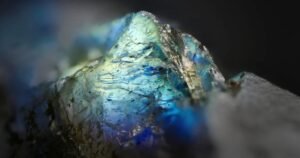
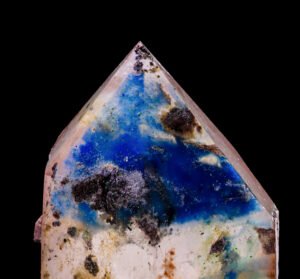
Макро-крупный план прозрачного кристалла кварца с насыщенным электрически-синим включением папагоита на черном фоне.

Папагоит: редкий силикат меди с ярким лазурным оттенком

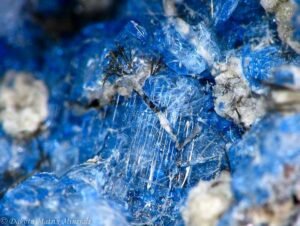
Papagoite is one of the most visually arresting and mineralogically intriguing copper silicates known to collectors and gem enthusiasts. Celebrated for its saturated, electric-blue coloration, this rare mineral occupies a unique niche in both systematic mineralogy and the world of high-end mineral specimens. Although seldom encountered in faceted form due to its rarity and physical limitations, papagoite has gained considerable attention for its dramatic inclusions within quartz and its distinctive crystallographic character. What Is Papagoite? Papagoite is an exceptionally rare and vibrant cyclosilicate mineral, most famous for its mesmerizing, electric-blue hue that seems to glow with an otherworldly intensity. First discovered in 1960 in Ajo, Arizona, it was named in honor of the Tohono Oʼodham people (formerly known as the Papago) who are indigenous to the region. While it is chemically a complex calcium copper aluminum silicate, its true allure lies in its scarcity and its stunning presentation as microscopic, needle-like inclusions within clear quartz crystals—most notably from the legendary Messina Mine in South Africa. Because the primary sources for high-quality specimens have long been exhausted, papagoite has become a definitive “holy grail” for mineral collectors, prized both for its vivid copper-driven color and its dreamlike appearance when trapped in crystal “phantoms.” Mineralogical Classification and Chemistry Papagoite is a hydrated copper aluminum silicate with the idealized chemical formula CaCuAlSi2O6(OH)3. It belongs to the silicate mineral class, specifically within a structurally complex group of chain silicates. The intense blue coloration arises primarily from copper (Cu2+) ions, whose electronic transitions within the crystal lattice selectively absorb portions of the visible spectrum, producing the mineral’s vivid azure hue. This specific interaction with light is what gives the mineral its signature electric glow, distinguishing it from other copper-bearing silicates that might lean more toward green or turquoise tones. The mineral crystallizes in the monoclinic crystal system (though sometimes discussed in relation to tetragonal symmetries in specific structural studies), typically forming elongated prismatic crystals or granular aggregates. However, well-formed crystals that are visible to the naked eye are transitionally rare. In the majority of geological occurrences, the material is encountered as microscopic inclusions trapped within other host minerals or as compact, earthy masses. When these inclusions occur within clear quartz, they often form radiating sprays or “suns” that are highly sought after for their aesthetic and scientific value. The Spectrum of Papagoite: Beyond a Single Shade While papagoite is most celebrated for its iconic electric blue or deep azure, its mineralogical and visual profile reveals a nuanced palette that extends beyond a single monochromatic tone. The mineral’s color spans a spectrum from profound, dark azure to a bright, luminous cerulean. Under specific lighting conditions, the presence of copper in its chemical composition may even impart a faint blue-green tint, though this greenish lean is typically much less pronounced than that of its famous associate, ajoite. When tested for its streak, the mineral is reduced to a delicate pale blue powder. The visual complexity of papagoite is further enhanced by its association with other minerals and its internal structure. In world-class collector specimens, papagoite frequently coexists with ajoite, which presents as a soft teal or turquoise green. When both minerals are suspended within a single clear quartz crystal, they create a dreamlike landscape of interlocking deep blues and soft greens. Furthermore, under microscopic examination, the blue distribution often appears uneven due to internal zoning or structural variations, manifesting as clusters of varying intensity. Ultimately, while its “soul” remains a singular, high-saturation blue, papagoite offers a sophisticated internal world of color. Papagoite: Formation and Gemological Occurrence The formation of papagoite is a sophisticated geochemical process that occurs within the secondary oxidation zones of copper deposits, particularly in environments rich in reactive silica. As a secondary mineral, it is not formed during initial magmatic crystallization but rather through the long-term chemical weathering of primary copper ores when exposed to oxygen and meteoric waters. The presence of specific cations—calcium, copper, and aluminum—must converge under precise pressure and temperature thresholds within a silica-saturated environment to allow this complex silicate to crystallize. In the gemological context, papagoite is most renowned for its hydrothermal occurrence, where it is captured as inclusions within growing quartz crystals. This is famously seen in the Messina Mine of South Africa, where copper-rich fluids circulated through fractured quartz veins. As the quartz crystals precipitated from the hydrothermal solution, tiny sprays of papagoite were trapped within the host, often forming “phantoms” that trace the crystal’s historical growth stages. Because these specific geological conditions are rarely met and the primary historical localities have largely ceased production, the formation of high-quality papagoite remains a rare anomaly in the mineral kingdom. Gemological Utility and Synthetic Status While its breathtaking color makes it a tempting candidate for jewelry, Papagoite is rarely used in traditional faceted settings due to its physical properties. With a relatively low hardness and a tendency to occur in brittle, fibrous aggregates, the mineral is prone to fracturing under the pressure of professional cutting tools. Furthermore, because it is almost never found in large, transparent crystals, it is virtually impossible to produce substantial faceted gemstones. Instead, it is primarily celebrated in the jewelry world as “included quartz,” where the hard quartz host acts as a protective shield for the delicate blue papagoite “phantoms” inside. These specimens are often cut into cabochons or polished points to showcase the internal landscapes without risking the mineral itself.Regarding lab-grown alternatives, there is currently no synthetic Papagoite available on the commercial market. The geological conditions required to balance copper, aluminum, calcium, and silica into this specific crystal lattice are extremely complex and costly to replicate in a laboratory setting. While some deceptive “blue-included” glass or dyed quartz exists, authentic papagoite remains a strictly natural treasure, prized by collectors for its rarity and the fact that it cannot be mass-produced by man. Geographical Sources of Papagoite Papagoite is an exceptionally rare mineral with only a handful of documented localities worldwide. Its occurrence is restricted to specific geological environments where copper-rich fluids interact with high-silica

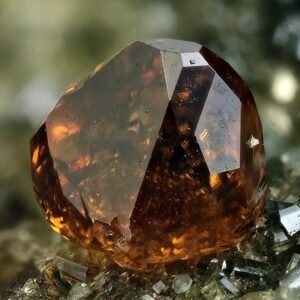
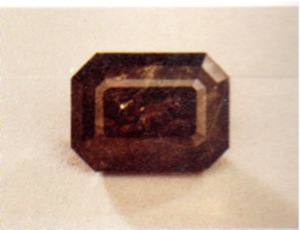
Включения граната гессонита с эффектом патоки

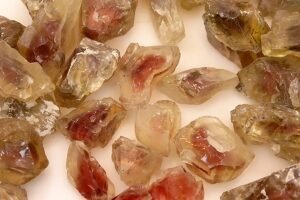
Гессонит: коричный камень из группы гроссуляров

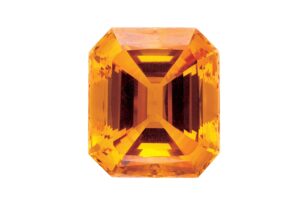
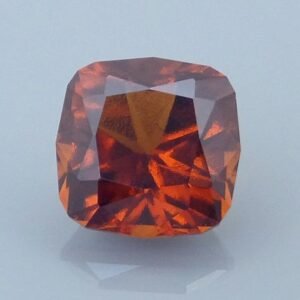
Hessonite, historically admired and scientifically classified as the yellow-orange to reddish-orange variety of grossular garnet, remains one of the most distinctive members of the vast garnet group. Often referred to by its evocative trade name, the “cinnamon stone,” this gemstone is defined by its warm, honey-to-cinnamon hues, which are chemically derived from its status as a calcium-aluminum silicate Ca₃Al₂(SiO₄)₃. Beyond its rich color palette, hessonite has fascinated gemologists and collectors for centuries due to its characteristic internal appearance—most notably the “roiling” or “syrup-like” visual effect caused by its unique inclusions. Balancing historical prestige with accessibility, hessonite serves as both a vital subject for gemological study and a beautiful, inexpensive option for fine jewelry. Color Range and Visual Appeal The most prized specimens display a rich, saturated cinnamon-orange color characterized by high transparency and minimal darkening. Beyond its vibrant palette, hessonite is one of the most distinctive varieties within the vast garnet group due to its characteristic internal appearance. Its warm tones make it especially attractive in yellow gold settings, where the metal enhances the gem’s natural, fiery glow. Furthermore, as a durable and relatively abundant variety, hessonites make beautiful yet inexpensive jewelry stones for collectors and enthusiasts alike. The Suitability of Hessonite for Jewelry Hessonite is an exceptional choice for jewelry, balancing historical prestige with practical durability. As a variety of grossular garnet, it possesses a Mohs hardness of 6.5 to 7.0, making it resilient enough for daily wear in pieces such as pendants, earrings, and brooches. Because it lacks cleavage, this calcium aluminum silicate gemstone is notably resistant to splitting, though it should be set with care in rings to protect it from heavy impact. Identifying Characteristics: The “Whisky in Water” Phenomenon Identifying hessonite involves observing unique optical and internal signatures that stem from its calcium aluminum silicate structure. Although it belongs to the isometric crystal system, hessonite often exhibits anomalous double refraction (ADR) due to internal strain. While typically included—sometimes heavily enough for features to be visible to the naked eye—these inclusions rarely detract from the gem’s value unless they compromise its structural integrity. The most diagnostic feature is the “whisky in water” or “heat wave” effect, a roiled internal appearance that makes the stone appear more translucent than transparent. While this syrupy texture is a classic hallmark, it is important to note that modern specimens from Afghanistan and Orissa, India, often lack this effect, offering a level of high transparency that expands the traditional visual profile of the variety.

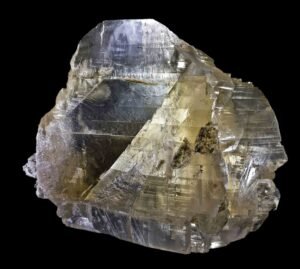
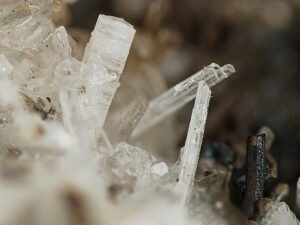
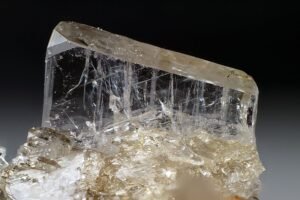
Чабазит

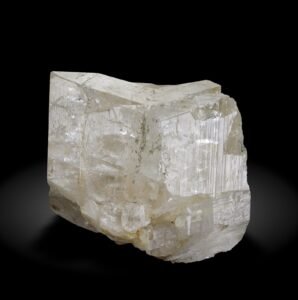
Что такое чабазит? Полное руководство по этому редкому цеолитному драгоценному камню

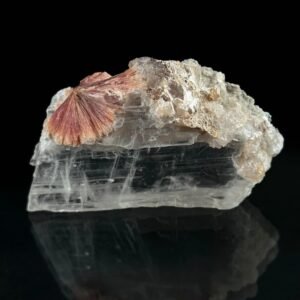
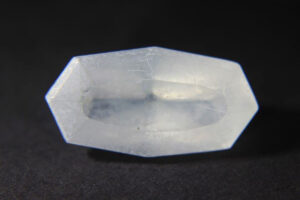
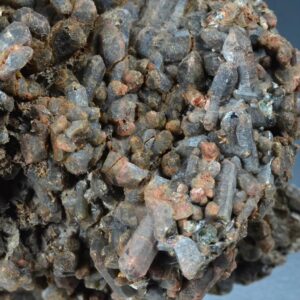
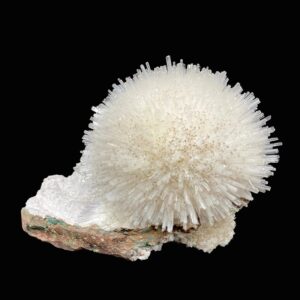
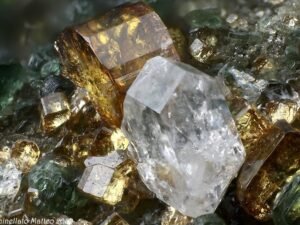
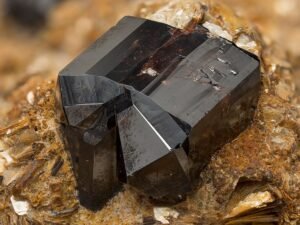
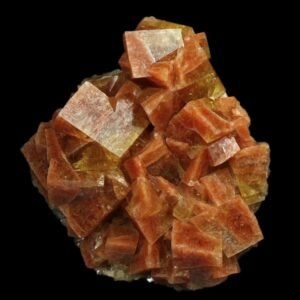
Chabazite stands out as a fascinating zeolite mineral, revered by geologists and industrial engineers alike for its distinctive rhombohedral crystal form and its exceptional, high-capacity ion-exchange properties. As a cornerstone member of the zeolite group, it belongs to a specialized family of hydrated aluminosilicate minerals typically birthed in the high-energy environments of volcanic cavities or through the slow alteration of sedimentary ash. Its complex chemical architecture is generally represented by the formula (Ca,Na₂,K₂,Mg)Al₂Si₄O₁₂·6H₂O ,a variable composition that highlights its ability to host different dominant cations depending on its specific geological “birthplace.” Beyond its chemical utility, the mineral carries a rich historical pedigree; it was first identified in the late 18th century and subsequently named by the legendary French mineralogist René Just Haüy, whose work laid the very foundations of modern crystallography. The name “chabazite” itself echoes ancient origins, derived from the Greek word chabazios (meaning “easy to break”), a direct nod to the mineral’s perfect rhombohedral cleavage that allows it to fracture into neat, geometric shards. Today, this “easy to break” stone is a high-tech hero, utilized as a sophisticated molecular sieve to filter gas streams and remediate environmental toxins, proving that its value has only grown since its discovery over two centuries ago. At its structural core, chabazite is a sophisticated hydrated calcium sodium aluminum silicate, though its chemical identity is famously fluid; depending on its geological environment, cations such as potassium and magnesium frequently substitute into its framework. This mineral belongs to the tectosilicate group, characterized by a robust three-dimensional lattice of interconnected SiO₄ and AlO₄ tetrahedra. These tetrahedral units are linked by shared oxygen atoms to form an intricate, cage-like framework known specifically as the “chabazite-type” (CHA) structure. This internal geometry is defined by large, open cavities connected by narrow eight-membered ring windows, effectively creating a natural molecular sieve. This high-porosity architecture grants chabazite its most remarkable functional capabilities: the ability to absorb and release water molecules reversibly without collapsing (dehydration and rehydration), the capacity for selective cation exchange to “swap” ions with its surroundings, and the power to trap specific gases and microscopic molecules within its molecular cages. It is this unique combination of chemical flexibility and structural stability—represented by the general formula (Ca,Na₂,K₂,Mg)Al₂Si₄O₁₂·6H₂O—that elevates chabazite from a mere geological curiosity to a critical asset in industrial catalysis, carbon capture, and environmental filtration. Visual Appearance and Identification of Chabazite In the field, chabazite is most recognized for its elegant and often symmetrical visual presentation. While it is naturally colorless or white in its purest form, the presence of trace impurities or specific dominant cations can shift its palette toward delicate shades of pink, salmon-orange, pale yellow, or even brownish-red. These crystals typically exhibit a vitreous (glassy) luster and vary from transparent to translucent, often catching the light in a way that highlights their sharp geometric edges. Identifying chabazite requires a keen eye for its specific physical properties, which distinguish it from other members of the zeolite family: Does Chabazite Make a Good Jewelry Stone? While chabazite can exhibit a range of pale yet undeniably attractive colors—from delicate salmon pinks to soft, translucent yellows—it is rarely considered a viable candidate for mainstream jewelry. The primary obstacle lies in its physical vulnerability; with a Mohs hardness rating of only 4 to 5, the stone is far too soft to withstand the daily abrasions and impacts associated with rings or bracelets. Furthermore, chabazite is seldom found in a “clean” or “eye-clean” condition. Its complex, cage-like internal framework naturally leans toward translucency rather than the high-grade transparency required for traditional faceting.Because these crystals are almost never entirely transparent, lapidaries and faceters find them incredibly challenging to work with. Often, a gem cutter can only salvage a single small corner of a pinkish or colorless crystal to produce a finished gem. Consequently, you are far more likely to encounter chabazite in a dedicated mineral cabinet than in a jewelry collection. Even prestigious museum galleries that specialize in rare or “exotic” gemstones seldom possess faceted chabazite specimens, making a cut stone a true holy grail for niche collectors. Major Localities and Geological Occurrences Chabazite is widely distributed across the globe, typically found lining the cavities and vesicles of volcanic rocks like basalt and phonolite, or occurring within altered tuff and sedimentary deposits. These diverse environments result in varying chemical compositions and crystal habits depending on the region’s specific geochemistry. Notable localities for world-class chabazite specimens include: Although faceting chabazite isn’t too difficult, it’s too soft for jewelry. However, only a handful of cut chabazites may exist because facetable material is extremely scarce.

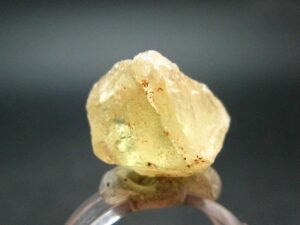
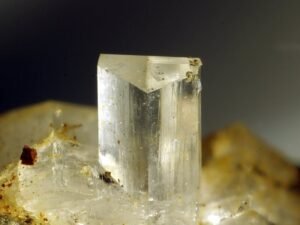
Силлиманит

Что такое силлиманит? Полное руководство по этому высокотемпературному метаморфическому драгоценному камню

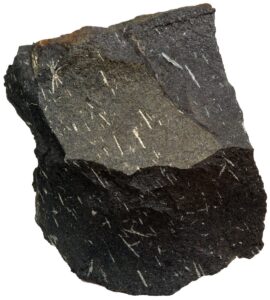
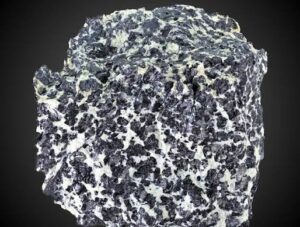
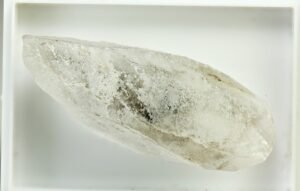
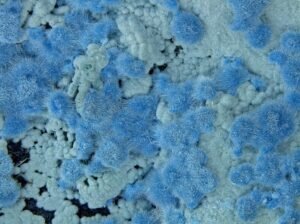
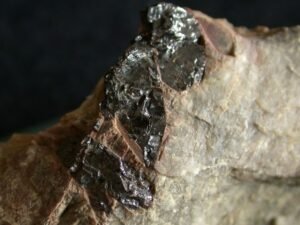
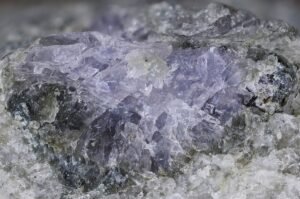
Sillimanite is a distinguished anhydrous aluminum silicate mineral with the chemical formula Al₂SiO₅, representing the high-temperature, moderate-pressure endmember of the diagnostic polymorphic triad that includes Kyanite and Andalusite. While these three species are chemically identical, their distinct crystal structures—Sillimanite being orthorhombic—serve as a critical “geological speedometer” and thermometer for petrologists; the presence of sillimanite specifically indicates that a rock has undergone high-grade metamorphism, often exceeding temperatures of 600°C. Found predominantly within pelitic schists and gneisses, this mineral is prized for its exceptional refractory properties, maintaining structural integrity under extreme thermal stress, which makes it indispensable for high-tension industrial ceramics and furnace linings. Beyond its industrial utility, sillimanite holds a prestigious niche in the gemological market; while faceted transparent crystals are exceedingly rare, its fibrous variety, often termed “fibrolite,” is celebrated for its remarkable chatoyancy. When cut into cabochons, these specimens exhibit a sharp, silky “cat’s eye” effect that rivals more famous gemstones, offering a unique blend of geological significance and understated aesthetic elegance that appeals deeply to mineralogists and elite collectors alike. Is Sillimanite a Gemstone? While sillimanite technically qualifies as a gemstone, its presence in the commercial jewelry market is constrained by a unique set of mineralogical challenges. Unlike the ubiquitous quartz or the robust sapphire, sillimanite suffers from a scarcity of large, inclusion-free crystals suitable for high-end faceting. Furthermore, its moderate hardness (approximately 6.5 to 7.5 on the Mohs scale) and perfect basal cleavage make it susceptible to fracturing during the delicate cutting process, requiring an expert hand to navigate its structural fragility. Despite these hurdles, sillimanite is highly coveted by “connoisseur” collectors for its distinct optical phenomena. When the mineral occurs in its transparent crystalline form, it can be faceted into stones with a vitreous luster and sophisticated hues of pale green, yellow, or violet-blue. However, it is the fibrous variety, historically known as “fibrolite,” that truly captivates the niche market. When these dense, parallel fibers are expertly cut into cabochons, they produce a striking chatoyancy, or “cat’s eye” effect, characterized by a sharp, silky band of light dancing across the surface. Ultimately, sillimanite remains a “geologist’s gem”—valued more for its role as a high-temperature metamorphic indicator and its rare optical signatures than for mass-market consumption. The chromatic and optical profile of sillimanite is a masterclass in trace-element chemistry and structural alignment. While chemically pure sillimanite is colorless, it acts as a versatile host for transition metal impurities—most notably iron, titanium, and occasionally chromium—which imbue the mineral with a sophisticated palette. These range from subtle, watery pastels and sun-drenched yellows to deep olive greens and rare, sought-after violet-blues that can mimic the appearance of fine sapphire. Major Sources of Sillimanite Sillimanite occurs worldwide, especially in regions with high-grade metamorphic rocks. Notable sources include: Sri Lanka, in particular, has produced gem-quality sillimanite suitable for faceting. Industrial Uses of Sillimanite Beyond its niche in the world of gemology, sillimanite is a formidable industrial powerhouse, prized for its exceptional refractory properties and chemical resilience. Its utility is primarily driven by a high aluminum-to-silica ratio and a crystal structure that remains remarkably stable under extreme thermal stress. Unlike many other minerals that expand or fracture when subjected to intense heat, sillimanite maintains its structural integrity and resists the corrosive effects of molten glass and acidic slags, making it an essential component in heavy manufacturing. The true industrial “magic” of sillimanite occurs during high-temperature processing. When heated to temperatures exceeding approximately 1550°C, sillimanite undergoes a critical phase transformation known as mullitization. During this process, it decomposes into mullite (3Al₂O₃ · 2SiO₂) and a liquid silica phase. Mullite is a rare needle-like mineral in nature but a “super-material” in industry, valued for its low thermal expansion, high creep resistance, and superb mechanical strength at elevated temperatures. Consequently, sillimanite is the primary raw material for several high-performance applications:

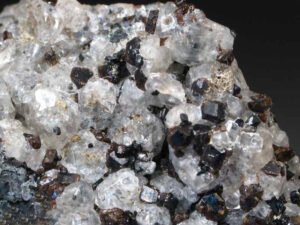
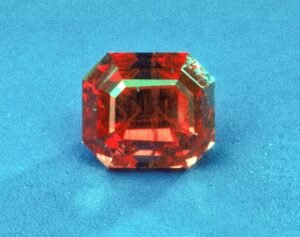
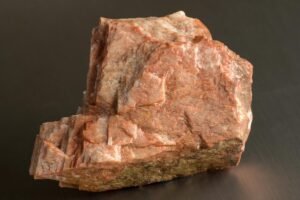
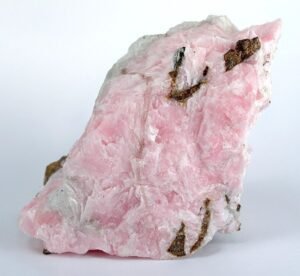
Бустамит

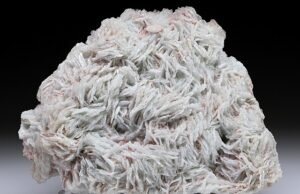
Бустамит: полное руководство по этому редкому розовому драгоценному камню из силиката марганца

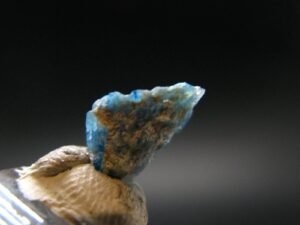
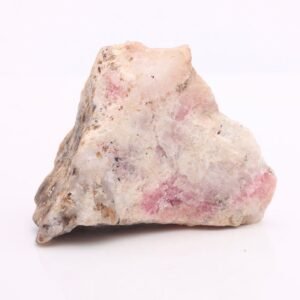
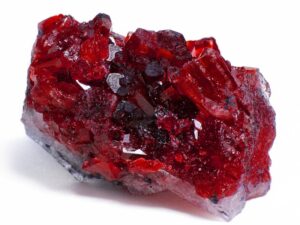
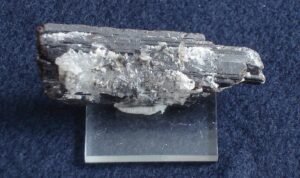
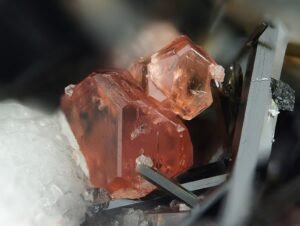
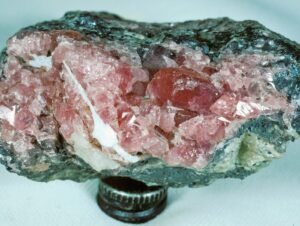
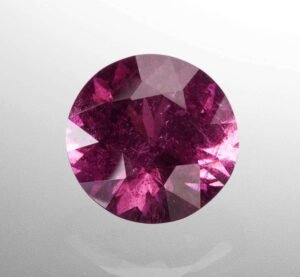
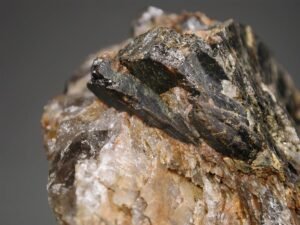
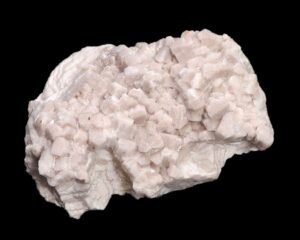
Bustamite is a rare manganese silicate mineral known for its attractive pink to reddish coloration and complex crystal chemistry. Although it is not widely used in mainstream jewelry, bustamite holds strong appeal among mineral collectors and gem enthusiasts due to its vibrant color, geological rarity, and association with famous mineral localities around the world. What Is Bustamite? A rare and captivating manganese inosilicate, Bustamite is defined by the chemical formula (Mn,Ca)₃Si₃O₉ and belongs to the pyroxenoid group of chain silicates—a structural family closely related to pyroxenes but distinguished by its unique atomic arrangements. Formally described in 1822 and named in honor of former Mexican President Anastasio Bustamante, this mineral was first identified in Mexico but has since been discovered in various manganese-rich metamorphic environments worldwide. Mineralogically, it is a near-twin to rhodonite; their similarities in composition and triclinic crystal structure often make them indistinguishable without rigorous laboratory testing. Unlike common gemstones like quartz which consist primarily of silicon dioxide, Bustamite’s identity is forged by its substantial manganese content, which acts as a natural pigment to produce a stunning spectrum of soft pinks, rose-reds, and occasionally deep orange-brown tones. It typically forms in metamorphosed manganese deposits where limestone or other calcium-rich rocks undergo contact metamorphism, allowing calcium and manganese to bond with silicate chains over vast geological timescales. While well-formed crystals are a rarity, it is frequently found in massive, granular, or fibrous aggregates. Though its moderate hardness and distinct cleavage limit its presence in mainstream jewelry, the mineral remains highly prized among collectors and lapidary enthusiasts for its aesthetic warmth and geological rarity. Is Bustamite Used in Jewelry? Pale pink and brownish red bustamites can make very attractive faceted gems. However, stones in large sizes are rare and difficult to cut. Ultimately, bustamite is a mineral far better suited for the curated displays of a gem collection than the rigors of a jewelry setting. With a moderate hardness ranging from 5.5 to 6.5 on the Mohs scale and the presence of both perfect and good cleavage planes in two directions, the stone remains highly susceptible to surface scratches and structural fracturing. These same cleavage properties pose a formidable challenge to lapidaries, as the material tends to split during the grinding process; consequently, one will seldom encounter faceted bustamite on the open market, as its delicate nature demands the protection of a collector’s case rather than the exposure of daily wear. Bustamite vs. Rhodonite: What’s the Difference? Bustamite and rhodonite are gemological twins that share a striking physical resemblance and frequently coexist within the same mineral deposits, a similarity so profound that the material originally identified as bustamite in 1826 was later revealed to be merely a mixture of rhodonite and johannsenite. Due to their challenging cleavage and moderate hardness, both minerals are notoriously difficult to facet, making them rare encounters for gemologists—though rhodonite is more frequently seen in cut form. To definitively separate these two species, practitioners rely on three primary diagnostic tests: first, a refractive index reading will show that bustamite possesses a lower range (1.662 to 1.707) compared to rhodonite’s higher values (1.711 to 1.752); second, their optical signatures differ, as bustamite is biaxial negative while rhodonite is biaxial positive; and third, bustamite exhibits a lower specific gravity (3.32 to 3.43) than the denser rhodonite (3.57 to 3.76). While not a definitive test, bustamite is also generally characterized by its paler, more delicate pink tones compared to the often bolder saturation of its counterpart. Where Is Bustamite Found? Bustamite forms in manganese-rich metamorphic deposits, especially in contact metamorphic zones and skarn environments. Because it requires specific geochemical conditions rich in manganese and calcium, its occurrences are relatively limited compared to more common silicate minerals. Below are the most important bustamite-producing localities worldwide: United States Franklin Mining DistrictThis historic mining area is one of the most famous manganese mineral localities in the world. Bustamite from Franklin is typically massive to granular and often associated with rhodonite, willemite, and other manganese minerals. Sterling Hill Mining MuseumLocated near Franklin, this site also produced bustamite as part of its complex manganese ore deposits. Mexico Bustamite was first described from Mexico and named after Anastasio Bustamante. Mexican deposits remain historically significant, although most specimens available today come from other countries. Namibia Tsumeb MineOne of the world’s most famous mineral localities, Tsumeb produced high-quality bustamite crystals. These specimens are especially valued by collectors due to their well-formed crystal structure and vibrant coloration. Japan Japan has produced fine pink bustamite crystals from metamorphosed manganese deposits. Japanese specimens are often well-crystallized and collectible. South Africa Manganese mining regions in South Africa have also yielded bustamite, typically in massive or granular form rather than large transparent crystals. The rarity of bustamite stems from its stringent chemical proportions and fragile physical structure. While it is ill-suited as a durable center stone for an engagement ring, it remains an exceptional treasure for advanced collectors who pursue unique, vibrant coloration and geological depth.

Энциклопедия драгоценных камней

Список всех драгоценных камней от А до Я с подробной информацией о каждом из них

Камень рождения

Узнайте больше об этих популярных драгоценных камнях и их значении