コンテンツにスキップ
{{ osCmd }}
K
✕
ラーニングセンター
Close Learning Center
Open Learning Center
宝石事典
AからZまでの全宝石一覧と各宝石の詳細情報
誕生石
これらの人気の宝石とその意味について詳しく知る
コミュニティ
概要
JA
JA
EN
AR
ZH
FR
DE
RU
ES
ID
KO
IT
PT
TR
VI
TH
HI
PL
SV
NB
DA
EL
HU
RO
MI
キャッティエライト
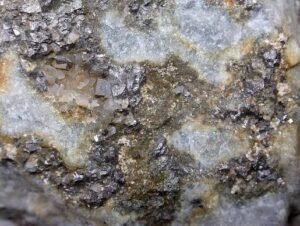
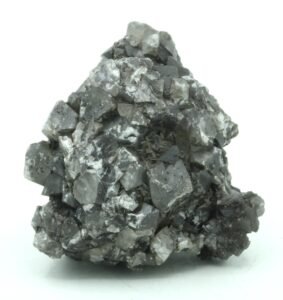
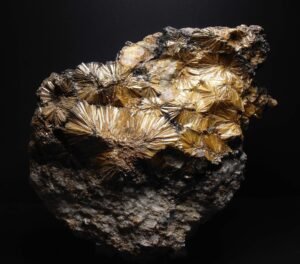
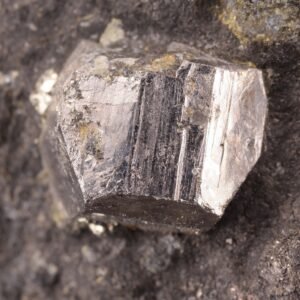
カティエ鉱は、黄鉄鉱グループに属する珍しいコバルト二硫化物鉱物であり、一般的に他の硫化物鉱物とともに熱水性鉱床中に見られる。
岩塩
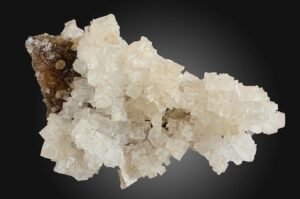
岩塩として一般に知られるハライトは、塩化ナトリウム(NaCl)の天然鉱物形態であり、等軸晶系に結晶し、古代の塩水の蒸発によって重要な塩類の堆積物を形成します。
ウレキサイト
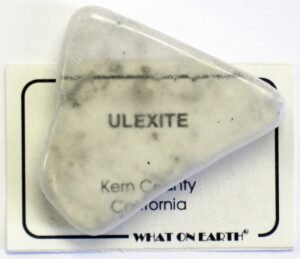
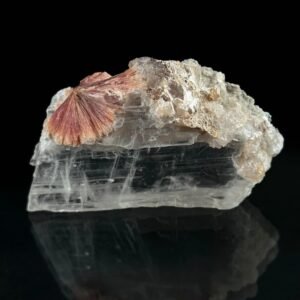
ウレキサイト(別名「テレビ石」)は、平行な繊維状の結晶構造を持つ含水ホウ酸塩鉱物であり、その繊維に沿って光を伝達し、底面にある画像を表面に投影する性質で知られています。
チャウトゥイト
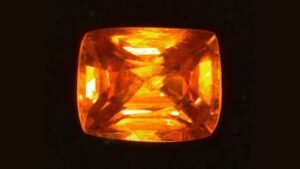
キャウスイトは、極めて稀な橙赤色のビスマス・アンチモン酸化鉱物であり、世界中で天然の結晶が1つだけしか存在しないことが知られている。
セナルモン石
セナルモン鉱は希少なアンチモン酸化鉱物であり、通常は等軸晶系に結晶し、無色から白色の八面体結晶を形成する。
ゾノトライト
ゾノトライトは含水ケイ酸カルシウム鉱物であり、繊維状の結晶構造と卓越した熱安定性で知られ、高温工業用断熱材として広く使用される材料である。
ユークレース
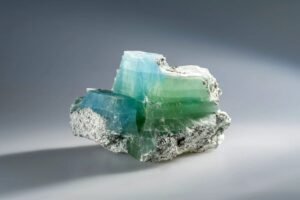
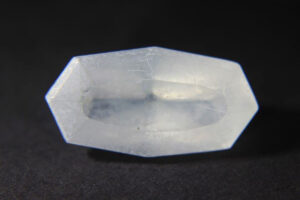
ユークレースは希少なベリリウムアルミニウム珪酸塩鉱物で、通常、完全な劈開を特徴とする淡青色、緑色、または無色の柱状結晶を形成する。
Cancrinite
カンクリナイトは、炭酸基と水酸基を含む複雑なナトリウムアルミニウムケイ酸塩鉱物であり、典型的には霞石閃長岩などのシリカ不飽和火成岩中に黄色、白色、または橙色の構成物
鶏冠石
Realgarは、鮮やかなオレンジ赤色、単斜晶系の結晶構造、そして顔料や鉱物標本としての歴史的な用途で知られる、希少な硫化砒素鉱物です。
Inderite
インデライトは、柔らかい水和マグネシウムホウ酸塩鉱物で、通常、蒸発岩鉱床において白色または無色の柱状結晶を形成する。
スティビオタンタル石
スチビオタンタライトは、化学式SbTaO₄を持つ希少なタンタル含有酸化物鉱物であり、通常は複雑な花崗岩ペグマタイト中に見られ、主にコレクター標本として価値がある。
ブルーサイト
ブルーサイトは天然に存在する水酸化マグネシウム鉱物(Mg(OH)₂)であり、主にマグネシウムに富む地質環境における二次的な変質生成物として形成されます。
マグネサイト / 菱苦土石
マグネサイトは、化学式MgCO₃の炭酸マグネシウム鉱物であり、通常はマグネシウムに富む岩石の変質または堆積環境での沈殿によって形成される。
タルク
タルクはマグネシウムケイ酸塩鉱物で、変成環境で産出し、モース硬度計で最も柔らかい鉱物として知られており、特徴的な滑らかな質感と層状の結晶構造を持つ。
タグツパイト
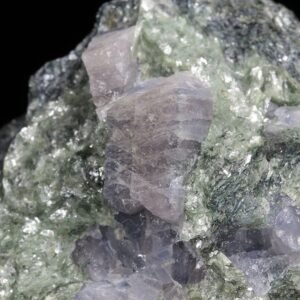
タグタプタイトは、特徴的なフォトクロミズムを持つ希少なベリリウムアルミニウムテクトケイ酸塩鉱物であり、紫外線にさらされると淡いピンクや白色から深紅に一時的に暗くなります。
ダンブライト
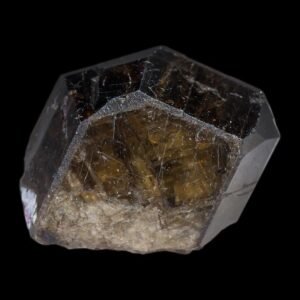
ダンブリー石は、カルシウムホウケイ酸塩鉱物であり、鉱物学や宝石学において、高い透明度、ガラス光沢、そして形の良い柱状結晶で評価されています。
カイヤナイト
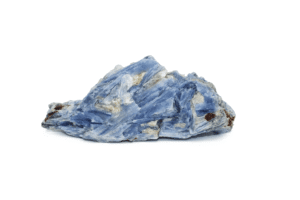
藍晶石は、アルミニウムに富む変成岩に一般的に見られるアルミノケイ酸塩鉱物であり、その特徴的な青色と結晶軸にわたる異方性硬度によって特徴づけられる。
ネプツナイト
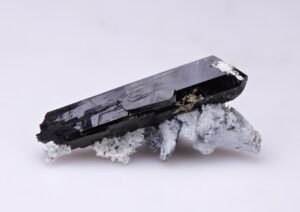
ネプチュナイトは、濃い色の柱状結晶と特殊なアルカリ性の地質環境での産出で知られる、希少なカリウム・ナトリウム・リチウム・鉄・チタンケイ酸塩鉱物です。
白鉛鉱
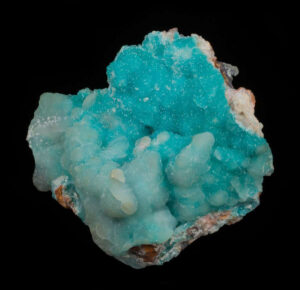
セルサイトは、重く、光沢の高い炭酸鉛鉱物(PbCO₃)で、通常、鉛鉱床の酸化帯で二次生成物として形成される。
アダム石
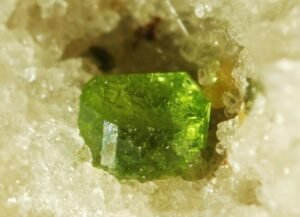
アダマイトは亜鉛砒酸塩水酸化物鉱物で、主に亜鉛を含む鉱床の酸化帯に産出し、鮮やかな明るい緑から黄色の結晶で知られ、紫外線下で強い緑色の蛍光を示すことが多い。
トパーズ
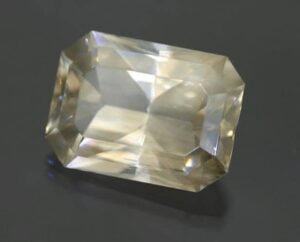
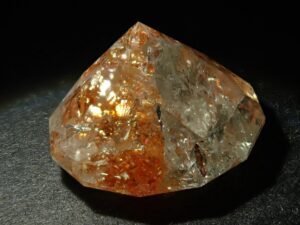
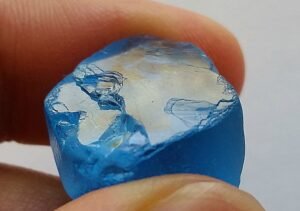
トパーズは、ネソ珪酸塩グループに属する天然の珪酸アルミニウム鉱物であり、耐久性のある宝石として広く利用され、揮発性に富んだ火成作用の重要な指標として地質学研究で評価されています。
プロテウス
プロテウスは、その特異な化学組成、結晶構造、および特殊な地質環境での産出について研究されている希少な鉱物種である。
ハイパイトディアバス
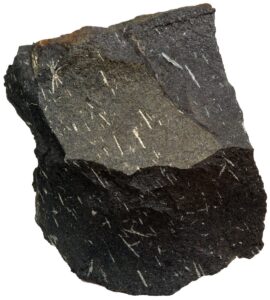
ハイペリットディアベースは、主に斜長石と輝石から構成される暗色で緻密な苦鉄質貫入火成岩であり、一般的に建設や記念碑用の耐久性のある天然石として使用される。
クルナコバイト
クルナコバイトは、三斜晶系に結晶化する希少な含水マグネシウムホウ酸塩鉱物であり、典型的にはホウ素に富む蒸発岩鉱床で形成される。
サーコライト
サーコライトは希少なカルシウム・ナトリウム・アルミニウムテクトケイ酸塩鉱物であり、通常、カルシウムに富む接触変成岩や火山性石灰岩ゼノリス中に形成される。
蛇紋石グループ
蛇紋石は、特徴的な緑色と滑らかまたは鱗状の質感で知られる鉱物グループであり、装飾石や産業用途に広く使われています。
パンペリー石
パンペリー石は、含水カルシウムアルミニウムケイ酸塩鉱物グループであり、通常は緑色の繊維状集合体を形成し、非常に低度の広域変成作用の重要な指標となる。
ユガワラライト
ユガワラライトは、ゼオライトグループに属する希少な水和カルシウムアルミノケイ酸塩鉱物であり、通常は熱水性火山環境で無色または白色の板状結晶として見られます。
スミソナイト
スミソナイトは、酸化亜鉛鉱床に形成される炭酸亜鉛鉱物(ZnCO₃)であり、多様な色、ブドウ状の形状、および鉱物学的な重要性で知られている。
クロム鉄鉱
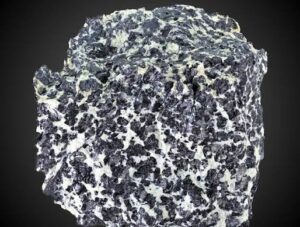
クロマイトはスピネルグループに属する鉄クロム酸化鉱物で、FeCr₂O₄組成を持ち、主に超苦鉄質岩や苦鉄質岩に産することが特徴です。
テフロイト
テフロアイトは、かんらん石グループに属する希少なマンガン珪酸塩鉱物であり、主にマンガンに富む変成鉱床やスカルン環境で形成される。
モルダバイト
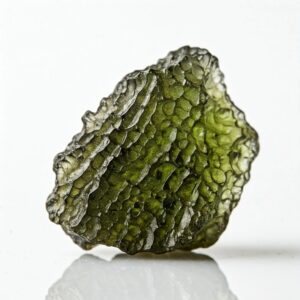
モルダバイトは、約1500万年前に中央ヨーロッパでの隕石衝突によって形成された森林緑色のテクタイトであり、その独特のひだのある質感と半透明の外観で高く評価されています。
モルデナイト
モルデナイトは天然に産出する高シリカゼオライト鉱物であり、アルミノケイ酸塩ファミリーに属し、斜方晶系と、大きな一次元チャネルを含む剛直な繊維状骨格構造を特徴とする。
ガイルサイト
ガイラッサイトは、希少な水和ナトリウムカルシウム炭酸塩鉱物で、通常アルカリ性蒸発岩湖環境で形成される。
ヒューブナー石
ヒューブナー石は、希少なマンガンタングステン酸塩鉱物(MnWO₄)であり、ウォルフラム固溶体系列のマンガン優勢端成分を構成し、タングステンの重要な工業鉱石として機能する。
ハウイン
Haüyneは、ソーダライト群に属する希少なテクト珪酸塩鉱物であり、特異な鮮やかな高彩度の青色と、シリカに乏しい火山岩中に産出することで最もよく知られている。
セッライト
セライトは希少なフッ化マグネシウム鉱物(MgF₂)で、正方晶系で結晶し、通常は特殊な熱水環境、蒸発岩環境、または火山噴気環境で産出する。
ガーノスピネル
ガノスピネルは、スピネル超族の希少な亜鉛に富むメンバーであり、亜鉛を含む変成およびスカルン環境で形成され、立方晶系で結晶化する。
石膏
石膏は広く分布する硫酸塩鉱物であり、二水和硫酸カルシウムで構成されています。硬度が低く、工業製造や建築材料として広く使用されているのが特徴です。
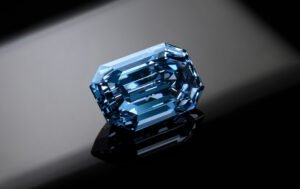
ブルーダイヤモンド
ブルーダイヤモンドは、青い色合いを特徴とする天然のダイヤモンドの一種であり、その特徴は主に地質学的プロセスで形成される微量のホウ素不純物や結晶格子欠陥に起因しています。
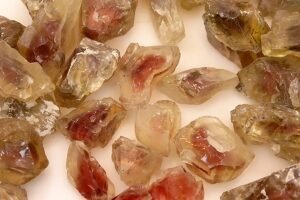
オレゴンサンストーン
オレゴンサンストーンは、その多様な色彩と、元素銅の微細な内包物によって引き起こされる独特のきらめき効果で際立つ、ユニークな宝石質のラブラドライト(曹灰長石)の一種です。
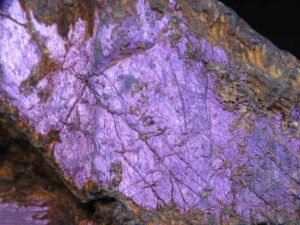
紫磷鉄マンガン鉱
紫磷鉄マンガン鉱(Purpurite)は、リチウムを豊富に含む花崗岩ペグマタイト中に産出する希少な不透明のマンガンリン酸塩鉱物です。特徴としては、独特の紫からマゼンタ色への着色、絹光沢から亜金属光沢を持ち、化学組成は通常、リチオフィライト(Lithiophilite)の変質によって形成されます。
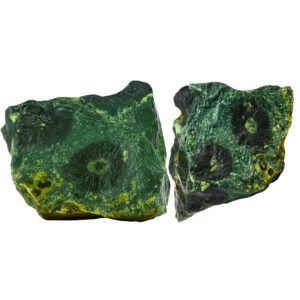
カンババジャスパー
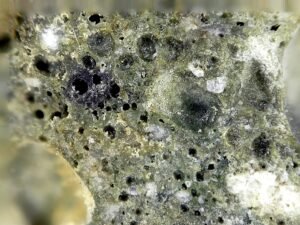
カンババジャスパーは、マダガスカル産の不透明な多鉱物火山岩であり、深緑色の流紋岩質マトリックスと、古代のシアノバクテリアマットの珪化作用によって形成された独特の球状構造を特徴としています。
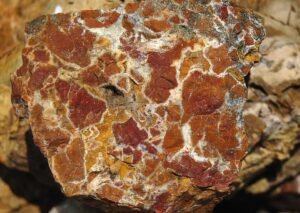
碧玉(ジャスパー)
碧玉(ジャスパー)は、不透明な外観と多様な色彩、そして鉱物の不純物や地質学的プロセスによって形成される独特の模様で知られる二酸化ケイ素鉱物の一種です。
Pyrophyllite
パイロフィライトは、化学式 Al₂Si₄O₁₀(OH)₂ を持つ含水アルミニウムケイ酸塩鉱物であり、層状ケイ酸塩鉱物グループに属し、主に低変成度変成岩や熱水環境で産出します。
ドロマイト
ドロマイトは化学式 CaMg(CO₃)₂ で表される炭酸塩鉱物であり、カルシウム、マグネシウム、炭素、酸素が規則正しい結晶構造に配置されています。
ローソナイト
ローソナイトは、沈み込み帯に関連する高圧・低温の変成環境で一般的に形成される、含水カルシウムアルミニウムソロケイ酸塩鉱物です。
ロードクロサイト
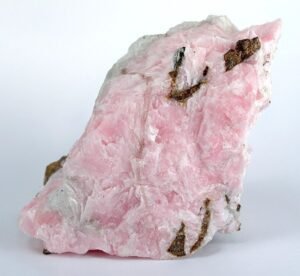
ロードクロサイト(菱マンガン鉱)は化学式 MnCO₃ で表される炭酸マンガン鉱物であり、熱水脈や堆積性のマンガン鉱床によく見られ、一般的にピンク色から赤みがかった色が特徴です。
ターフェ石
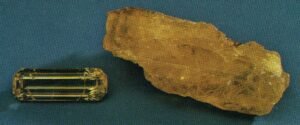
ターフェ石は、六方晶系に属する希少なベリリウム・マグネシウム・アルミニウム酸化物鉱物であり、その独特の光学特性と宝石品質の変種で知られています。
マンガノタンタル石
マンガノタンタル石は、コロンバイト・タンタル石グループに属する希少なタンタル含有酸化鉱物であり、主に高度に分化した花崗岩質ペグマタイト中に産出します。高密度であることと、暗褐色から赤褐色の色調が特徴です。
ショート石
炭酸ナトリウムカルシウム石は希少な鉱物であり、主に塩湖の堆積層から産出されます。
蜜蝋石(メリライト)
蜜蝋石(別名:ハニーストーン)は、化学的には蜜石酸アルミニウムで構成される希少な有機鉱物であり、通常、褐煤鉱床において半透明の蜂蜜色の結晶として産出します。
緑燐鉄鉱
緑燐鉄鉱は、通常花崗岩ペグマタイトや熱水脈に見られる希少なリン酸鉄鉱物であり、独特の緑色と単斜晶系の結晶構造を特徴とします。
クリード石
クリード石は酸化鉱床で見つかる稀少なハロゲン化鉱物であり、無色から鮮やかなオレンジ色や紫色まで変化する、独特の単斜晶系結晶を特徴としています。
ガドリン鉱
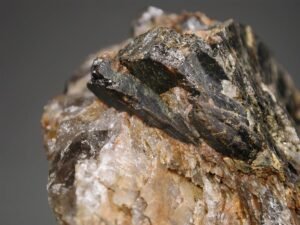
ガドリン鉱(Gadolinite)は、通常は黒色または暗褐色をした希少なケイ酸塩鉱物であり、イットリウム、セリウム、ベリリウムなどの希土類元素の主要な供給源となっています。
エトリンガイト
エトリンガイトは含水硫酸カルシウムアルミニウム鉱物であり、天然に産出する地質学的な結晶として、またポルトランドセメントの水和反応中に生成される極めて重要な副産物としての両方で知られています。
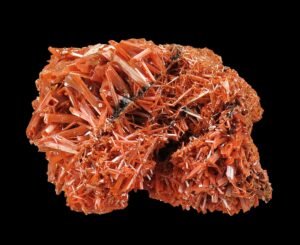
紅鉛鉱(クロコアイト)
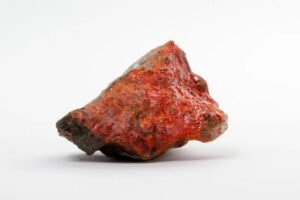
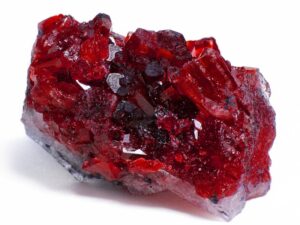
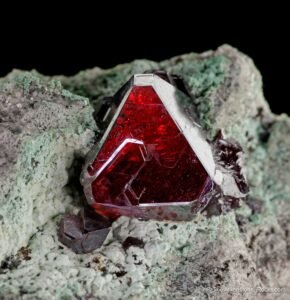
紅鉛鉱(クロコアイト)は希少なクロム酸鉛鉱物であり、鮮やかなヒヤシンス赤色から橙黄色を呈する柱状結晶で知られています。
パリサイト
パリサイトは、セリウム、ランタン、ネオジウムを含む希少な炭酸塩鉱物であり、通常、熱水脈やカーボナタイト中に見られます。
エウディアライト
エウディアライトは、主に過アルカリ性の火成岩中に見つかる、希少で化学的に複雑なナトリウム・カルシウム・ジルコニウムの環状ケイ酸塩鉱物であり、その独特な鮮やかな赤からマゼンタの色合いで珍重されています。
ホッジキンソナイト
ホッジキンソナイトは、通常、粒状または柱状の結晶形で産出する希少なマンガン・亜鉛珪酸塩鉱物であり、独特のピンク色から赤褐色を帯びた色合いで知られています。
ジルコン
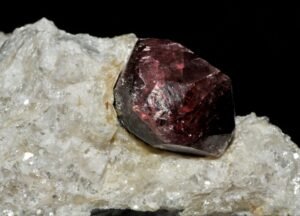
多才で輝かしい宝石であるジルコンは、高い屈折率、卓越したファイア(きらめき)、外して幅広いカラー spectrum(色相)で知られる天然のケイ酸ジルコニウム鉱物です。
シャッタカイト
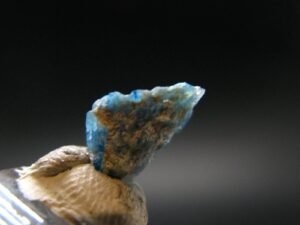
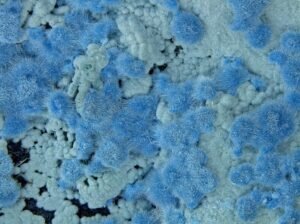
シャッタカイト(蓝矽铜矿)は、鮮やかなブルーからターコイズブルーの色合いで知られる希少な銅珪酸塩鉱物であり、通常は銅鉱床の二次鉱物として生成されます。
ブラックダイヤモンド
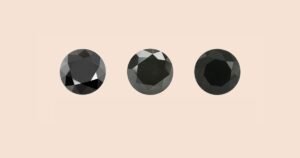
科学的に「カルボナード(carbonado)」として知られるブラックダイヤモンドは、希少で不透明、かつ非常に高密度な天然ダイヤモンドの多結晶体であり、暗色の鉱物インクルージョン(内包物)によって結合された数百分の1ミリ大の微細な結晶の集合体です。
コランダム
コランダムは酸化アルミニウム(Al₂O₃)の結晶形であり、自然界では様々な色で見られます。特に赤色のものはルビー、それ以外の色調を示すものはサファイアを形成することで知られています。
ペントランド鉱
ペントランド鉱は主要な鉄・ニッケル硫化鉱物であり、世界のニッケルの主要な経済的供給源となっています。
オリーブ銅鉱
オリーブ銅鉱(オリベナイト)は、特徴的なオリーブ緑色と、銅鉱床の酸化帯に典型的に産出することで知られるヒ酸塩銅鉱物です。
ターコイズ
ターコイズは、銅とアルミニウムを含む不透明な青色から緑色のリン酸塩鉱物であり、歴史的に価値が高く、装飾用ジュエリーの宝石として広く使用されてきました。
マラカイト
マラカイトは鮮やかな緑色の炭酸銅鉱物で、独特の縞模様と、不透明で葡萄状(ボトリオイダル)の結晶形を特徴とします。
アズライト
鮮やかな色合いとマラカイト(孔雀石)との頻繁な共生で知られる、強烈な深青色の炭酸銅鉱物。一般的に銅の鉱石として、またコレクター向けの鉱物标本として用いられます。
セルレ石
セルリア石(セロライト)は、独特のスカイブルーからターコイズブルーの色合いで知られる、希少な含水銅アルミニウムリン酸塩鉱物です。
ノルベルグ石
ノルベルグ石(块硅镁石)はヒューム石グループに属する希少なマグネシウム珪酸塩鉱物であり、通常は接触変成帯で見られ、独特な黄色から橙色の体色が特徴です
フューム石
ヒューム石はマグネシウムと鉄の珪酸塩鉱物であり、通常、接触変質(接触変成)環境において、黄色からオレンジ色の小さく透明〜半透明な結晶として産出します。
マルカジット
マルカジットは硫化鉄で構成される金属鉱物で、淡いブロンズ色と脆い結晶構造が特徴です。
エウクセナイト
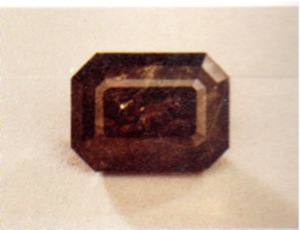
エウクセナイトは褐黒色の希少な鉱物であり、希土類元素、ニオブ、タンタル、チタンを含む複合酸化物で、通常は花崗岩質ペグマタイト中に産出します。
錫石
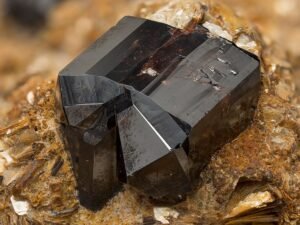
錫石(カステライト)は錫の主要な鉱石であり、重く化学的耐性に優れた酸化物鉱物です。通常、黒褐色で光沢のある結晶として産出されます。
ルベライト
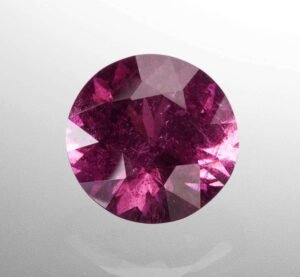
ルベライトは、鮮やかなピンクからレッドの色合いを持つトルマリンの一種で、その濃密な色と、さまざまな照明条件下でも変わらない輝きで高く評価されています。
ルビー
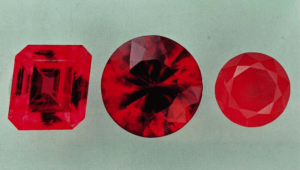
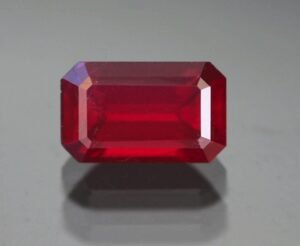
ルビーはコランダムという鉱物グループに属する貴重な赤い宝石で、非常に高い硬度と鮮やかな色彩で知られています。その色は主にクロムの含有に由来します。
板チタン石
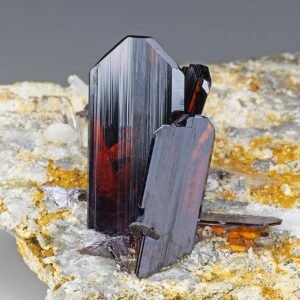
ブルッカイトは二酸化チタン (TiO₂) の希少な斜方晶系同質異像体であり、通常、熱水鉱脈やアルプス型裂隙の中に、独特で脆い暗色の結晶として産出します。
グランディディエライト
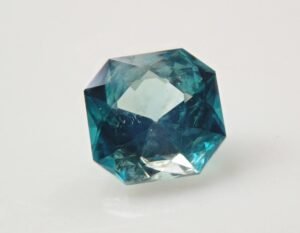
グランディディエライトは、マダガスカルで初めて発見された希少な青緑色のマグネシウム・アルミニウム・ホウケイ酸塩鉱物であり、その独特な多色性と希少性からコレクターに高く評価されています。
マスケリナイト
マスケリナイトは隕石や衝突クレーターで見つかる天然のガラスで、斜長石という鉱物が融解することなく、衝撃波の強烈な圧力によって変化することで形成されます。
クリーブランド石 (クリーブランダイト)
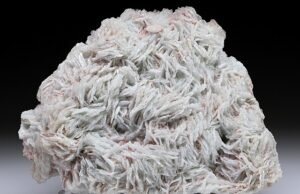
クリーブランド石は、ソーダ長石の板状および刃状の変種であり、通常、薄く白い扇状の結晶集合体を特徴とし、リチウムを含むペグマタイト中の晩期生成鉱物としてしばしば形成されます。
分光長石 (ぶんこうちょうせき)
スペクトロライトはフィンランドで発見される希少で高品質なラブラドライトの変種であり、「ラブラドレッセンス」として知られる鮮やかで完全な全スペクトルの遊色効果を示すことで有名です。
日長石 (にっちょうせき / サンストーン)
サンストーンは、微細な板状の包有物によって生じる独特の金属的な輝きで知られる、活気に満ちた長石の宝石です。
玻璃長石 (はりちょうせき)
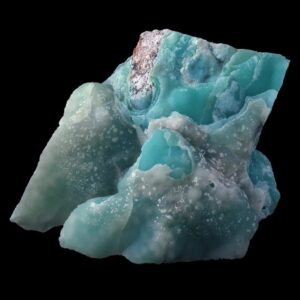
ヒアロフェン(重土氷長石)は、長石グループに属する希少なバリウムに富むテクト珪酸塩鉱物で、通常はガラス光沢を持つ無色から白色の半透明な結晶として産出します。
重晶石長石 / セルシアン
セルシアン(Celsian)は長石グループに属する希少な富バリウム鉱物で、通常、変成環境において無色または白色の結晶として産出します。
灰長石 (かいちょうせき / アノーサイト)
灰長石(アノーサイト)は斜長石シリーズのカルシウム端成分であり、一般に火成岩中に見られ、特に月の高地地殻に豊富に存在することで知られています。
バイトウナイト
バイトウナイト(亜灰長石)は、斜長石シリーズの中でも希少なカルシウムに富む鉱物です。通常は塩基性火成岩に含まれますが、稀に淡黄色の半透明な宝石として産出されることもあります。
ラブラドライト
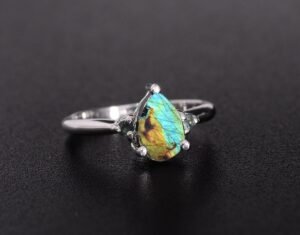
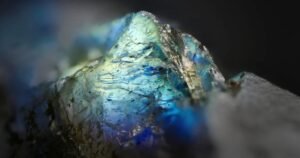
ラブラドライトは、ラブラドレッセンス(遊色効果)で知られる魅惑的な長石鉱物です。これは、ピーコックブルー、ゴールド、淡いグリーンの虹色の輝きを放つ、見事な「シラー」効果によるものです。
中性長石 (ちゅうせいちょうせき / アンデシン)
アンデシンは、斜長石系列に属するケイ酸塩鉱物で、通常は安山岩や閃緑岩などの中間的な火成岩に産出します。
曹長石 (そうちょうせき)
曹長石(アルバイト)は一般的な造岩鉱物であり、斜長石シリーズのナトリウムに富む端成分です。通常、白色と真珠光沢を特徴とします。
アノーソクレース
アノーソクレースは、通常高温の火山岩中に見られるナトリウムに富む長石の一種です。独特の三斜晶系構造を持ち、透明から半透明の結晶として頻繁に産出するのが特徴です。
氷長石 (ひょうちょうせき)
アデュラリアは、半透明から無色の正長石(オーソクレース)の一種で、真珠光沢を持つことや、低温熱液鉱脈によく見られることが特徴です。
玻璃長石
サニディン(透長石)は、主に火山岩に含まれる高温型のカリ長石の一種です。単斜晶系の結晶構造を持ち、多くの場合、透明から半透明の外観を特徴としています。
正長石
正長石は一般的な網状珪酸塩鉱物であり、カリ長石グループの主要なメンバーです。花崗岩などの火成岩の主要構成成分として頻繁に産出します。
Pyroxmangite
パイロクスマンガン石は、通常変成マンガン鉱床で見られるマンガン珪酸塩鉱物であり、三斜晶系の結晶構造と、ピンク色から濃紅色までの色調が特徴です。
長石 (ちょうせき)
長石は造岩アルミノケイ酸塩鉱物のグループであり、地殻の 60% 以上を占めています。
閃亜鉛鉱
スファレライトは光沢のある硫化鉱物であり、亜鉛の主要な鉱石です。ダイヤモンドをも凌ぐ並外れたファイアと分散を持ち、コレクターの間で高く評価されています。
磁硫鉄鉱
磁硫鉄鉱(ピロータイト)は、ブロンズ色の金属光沢と、コンクリート基礎内で反応して重大な構造的損傷を引き起こす性質で知られる磁性硫化鉄鉱物です。
針ニッケル鉱
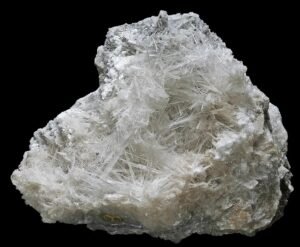
針ニッケル鉱は、独特の金属光沢と特殊な結晶癖を特徴とする硫化ニッケル鉱物で、通常、繊細な真鍮色の針状または毛細管状の集合体を形成します。
エオスフォライト
チルドレン石(エオスフォライト)は、希少な含水リン酸マンガンアルミニウム鉱物であり、通常、リン酸塩に富む花崗岩ペグマタイト中で、ピンク、オレンジ、または褐色の半透明な柱状結晶を形成します。
紅砒ニッケル鉱
紅砒ニッケル鉱(ニコライト)は、淡い銅赤色の色合いを特徴とする金属性の砒化ニッケル鉱物で、熱水性ニッケル・コバルト鉱床における随伴鉱石としての役割を担っています。
スペサルティンガーネット
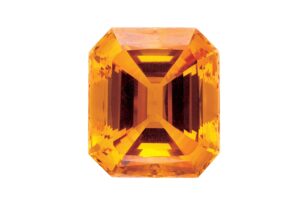
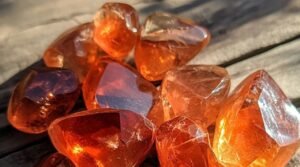
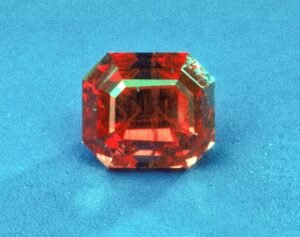
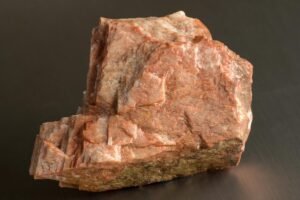
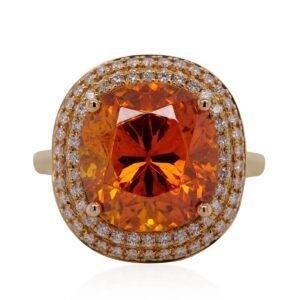
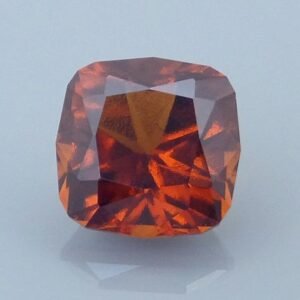
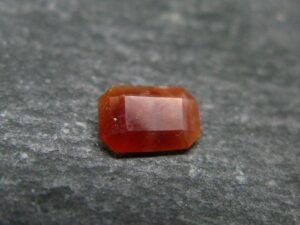
スペサルティンガーネットはマンガン・アルミニウム・ケイ酸塩の宝石で、鮮やかなオレンジから赤褐色までの色合いと、高い屈折率で珍重されています。
Legrandite
レグランダイトは、非常に希少で鮮やかなカナリアイエローの鉱物で、主に含水ヒ酸亜鉛で構成され、太陽の光が放たれるような壮大な放射状結晶で知られています。
Fergusonite
フェルグソナイト(褐钇钶鉱)は、主にイットリウムとニオブで構成される希少な希土類酸化物鉱物です。通常、花崗岩ペグマタイト中に産出し、内部の放射性崩壊に起因する「メタミクト状態」にあることで知られています。
グレーダイヤモンド
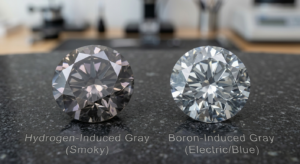
天然グレーダイヤモンドは希少なファンシーカラーダイヤモンドの一種であり、スモーキーからメタリックに及ぶ洗練された光沢と、水素やホウ素に関連する独特の原子起源によって高く評価されています。
ローズクォーツ
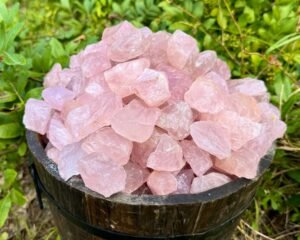
ローズクォーツは石英の粗粒結晶変種であり、半透明から不透明な外観と、微細な繊維状の包有物に由来する繊細なピンク色が特徴です。
硬玉 (こうぎょく)
硬玉(ジェダイト)はナトリウムとアルミニウムの珪酸塩鉱物であり、多様な色彩を持ちます。その高い密度、構造的な強靭さ、そして宝石や装飾品としてのガラス光沢において高く評価されています。
ミメタイト
ミメット鉱は、主に鉛鉱床の風化・酸化帯で見られる二次鉛鉱物です。独特の六方晶系の結晶構造と、淡黄色から深橙色にわたる色彩が特徴です。
プロソパイト
プロソパイト(羟铝氟石)は、希少な水酸化フッ化カルシウムアルミニウム鉱物であり、熱水鉱脈や花崗岩ペグマタイト中に、しばしば白色や淡青緑色の結晶または仮晶として産出します。
アイオライト
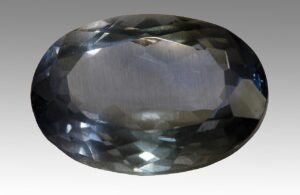
アイオライトは、鉱物コーディエライト(菫青石)の宝石質の青紫色変種で、強い多色性と、かつて海上航海用の天然偏光フィルターとして使用された歴史で知られています。
クリソベリル
クリソベリルは、希少で非常に耐久性に優れたベリリウム・アルミニウム酸化物鉱物であり、その並外れた硬度と、変色効果を持つアレキサンドライトやシャトヤンシー(猫眼効果)を示すキャッツアイなど、極めて希少価値の高い変種で最もよく知られています。
ネフライト
ネフライト(軟玉)は、トレモライト(透閃石)−アクチノライト(緑閃石)系列の強靭な微晶質珪酸塩鉱物集合体であり、繊維状構造の絡み合いを特徴とし、伝統的に2種類の「玉(ジェイド)」のうちの1つとして珍重されています。
マイクロクリン
マイクロクリン(微斜長石)は、長石グループに属するカリウムに富んだ珪酸塩鉱物であり、三斜晶系であることや、花崗岩質のペグマタイトや変成岩に一般的によく見られることが特徴です。
エメラルド
エメラルドは、地殻のベリリウムとマントル由来のクロムが地質学的に奇跡的な出会いを果たすことで形成された、希少で高価な宝石です。数千年にわたり、再生と絶対的な権力の象徴として重宝されてきました。
灰曹長石 (かいそうちょうせき)
灰曹長石(オリゴクレース)は、斜長石シリーズの造岩鉱物であり、ナトリウムとカルシウムの中間的な組成によって定義されます。サンストーンなどの変種に見られるアベンチュレッセンス(冒険輝石効果)などの光学効果により、時折珍重されます。
輝コバルト鉱
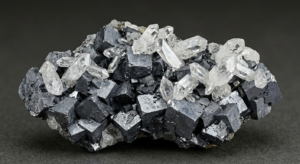
輝コバルト鉱は、高光沢の硫砒化鉱物であり、コバルトの主要な鉱石です。リチウムイオン電池の重要な構成要素として、また鉱物収集家にとっては独特の等軸晶系(立方晶)標本として高く評価されています。
リチア雲母(レピドライト)
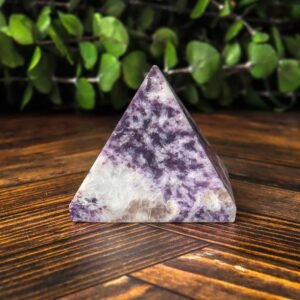
レピドライトはリチウムを豊富に含むライラック色の雲母鉱物で、真珠のような光沢、鱗片状の結晶構造、そして現代のエネルギーおよび産業用途における戦略的な重要性で高く評価されています。
黒玉 (ジェット)
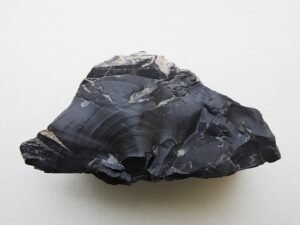
黒玉(ジェット)**は、数百万年にわたり極限の圧力下で化石化した木材から形成された独特な有機宝石です。深く艶やかなベルベットのような黒色、驚くほどの軽さ、そして触れた時の独特の温かみで知られています。
ダイヤモンド
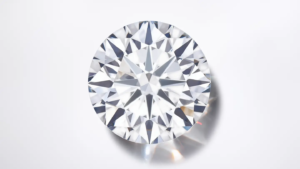
ダイヤモンドは地質学的時間が生んだ傑作であり、純粋な炭素原子が強固な正四面体格子構造で結合することで、地球上で最も硬く、最も輝かしい天然物質となっています。
エカナイト / エカナ石
エカナイトは、結晶状態から非晶質状態への独自の変換で知られる、希少な放射性ケイ酸カルシウムトリウム宝石です。
銅鉱石
赤銅鉱(キュプライト)は、強烈なルビーレッドの色調、金属光沢、および極めて高い密度を特徴とする高屈折率の銅酸化鉱物です tour。
カナサイト
カナサイトは、繊維状または柱状の結晶構造と、通常バイオレットから黄緑色に及ぶカラーパレットを特徴とする希少なアルカリケイ酸塩鉱物です。
アクアマリン
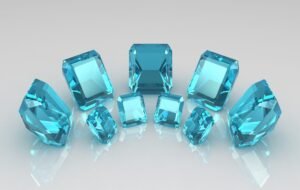
アクアマリン:澄み渡る透明感と海のような色彩で愛される、穏やかな「3月の誕生石」。安らぎ、勇気、そして気品ある優雅さの永遠の象徴です。
ブラッドストーン
ブラッドストーンは、古くから親しまれている耐久性の高いカルセドニーで、深いフォレストグリーンの下地に鮮やかな赤色のヘマタイト(赤鉄鉱)が点在しているのが特徴です。歴史的には、保護、勇気、そして生命力の強力な護符として崇められてきました。
ガラス
ガラスは数千年前から宝飾品に使用されてきましたが、純粋なガラスは本来脆く、光沢もありません。しかし、特定の鉱物を加えることで、鮮やかで耐久性があり、輝きを放つ模造宝石へと変貌させることができます。
アングルサイト
アングルサイトは、ダイヤモンドのような光沢と並外れたファイア(火彩)により収集家に高く評価されている、輝かしくも脆弱な硫酸鉛鉱物です。しかし、その柔らかさと高い鉛含有量のため、ジュエリーよりも鑑賞用の展示に適しています。
サンゴ
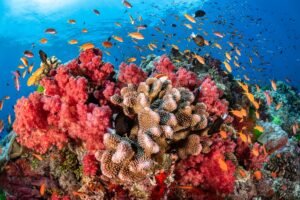
珊瑚は、群生する海洋性ポリプの炭酸カルシウムの骨格から形成される有機宝石であり、その鮮やかな色合いと独特の生物学的起源から古代より珍重されてきた。
パパゴイト
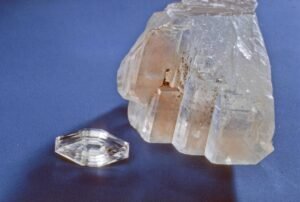
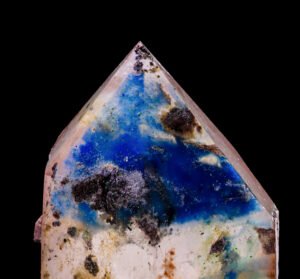
パパゴイトは極めて稀な二次銅ケイ酸塩鉱物であり、透明な水晶結晶内に鮮烈な電気ブルーの「ファントム」内包物を形成することから、宝石学の世界で最も高く評価されている。
ヘソナイト
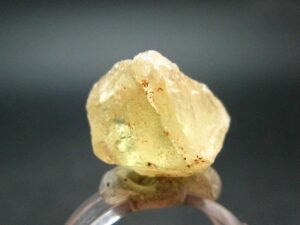
ヘッソナイトはグロスラーガーネットの魅力的な変種であり、黄金色からシナモンブラウンに至る温かみのある色調と、独特の「水に溶けたウイスキー」のような内部構造で高く評価されている。
チャバサイト
チャバサイトは多用途なゼオライト鉱物であり、擬立方晶系の菱面体結晶と高度に多孔質なアルミノケイ酸塩骨格を特徴とし、イオン交換やガス濾過に優れた天然分子ふるいとして機能する。
珪線石 (けいせんせき)
珪線石(シリマナイト)は、極めて高い耐熱性により工業的に重宝される高温変成鉱物であり、コレクターの間では、希少で輝かしい「キャッツアイ」効果を持つことでも高く評価されています。
バスタム石
バスタマイトは希少なマンガン珪酸塩鉱物であり、ピンクから赤褐色までの美しい色調と、パイロキセノイドグループ内で見られる独特の結晶構造から、収集家に珍重されている。
Onyx
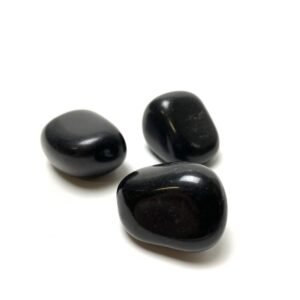
オニキスは平行な縞模様で知られる印象的なカルセドニーの一種であり、特に深みのある光沢ある黒色が最も高く評価されている。
破壊的宝石試験:条痕試験の理解
ストライクテストは粉末の色によって鉱物を識別する基本的かつ信頼性の高い手法であるが、破壊試験に分類されるため、表面の永久的な損傷を避けるため、完成した宝石に対してはほとんど実施されない。
ディオプターゼ
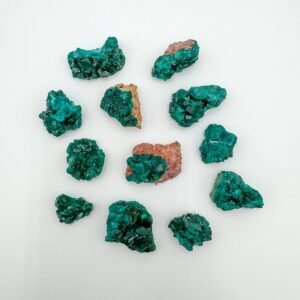
エメラルドのような強烈な色彩で讃えられる希少な銅の珪酸塩鉱物、翠銅鉱(Dioptase)は、息をのむような視覚的輝きと、繊細で壊れやすい構造を併せ持つ、希少なコレクターズ・ジェムです。
ビスムトタンタライト
ビスムトタンタライトはタンタライトグループに属する極めて希少な琥珀色から茶色のコレクター向け宝石であり、その希少性から珍重される一方、硬度が低く明瞭な劈開を示すため、宝飾品には脆すぎると見なされている。
ムーンストーン
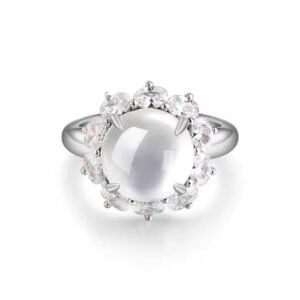
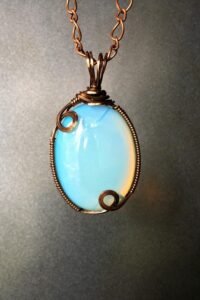
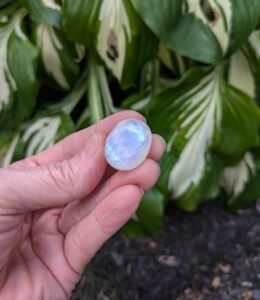
ムーンストーンは魅惑的な宝石であり、その「アドラレッセンス」で称賛されています。それは水面に映る月光のように、表面を柔らかく幻想的な輝きが踊るように広がる現象です。
宝石ジュエリーを安全に掃除する方法
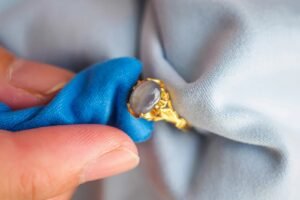
宝石はそれぞれ物理的特性が異なるため、ぬるま湯と中性洗剤、そして柔らかいブラシを使用したお手入れが、ジュエリーの美しさと価値を保つための唯一の安全な方法です。
グロスラーガーネット
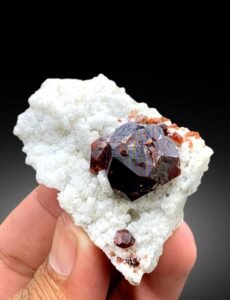
グロスラーガーネットはガーネットグループに属する多用途なカルシウム・アルミニウム種であり、宝石学においてツァボライトの鮮やかな緑から、ヘソナイトとして知られる温かみのある蜂蜜色の「シナモンストーン」に至る多様な色彩で高く評価されている。
セレスタイト
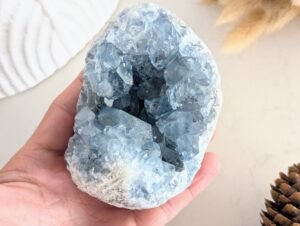
セレスタイトは繊細な硫酸ストロンチウム鉱物であり、幽玄な淡い青色と、精神の明晰さや霊的な平穏との関連性で高く評価されている。
フリーデリテ
フリーデリテは希少なマンガン珪酸塩鉱物であり、通常は熱水脈中に産出する。特徴的なバラ色から赤褐色~橙褐色の結晶と複雑な層状珪酸塩構造を有する。
アマゾナイト
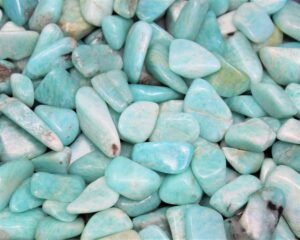
アマゾナイトは、鮮やかな青緑色のマイクロクリン長石の一種である。主に花崗岩質ペグマタイト中に産し、微細なパーシット構造による独特の「格子状」の組織と、微量の鉛不純物に由来する色調によって特徴づけられる。
アクチノライト
アクチノライトは鮮やかな緑色の角閃石鉱物で、放射状に伸びる針状結晶と、希少なキャッツアイ効果を持つ宝石種が収集家に珍重される。
アメシスト
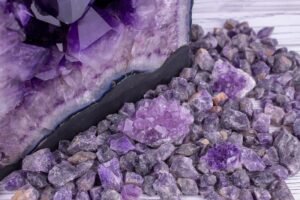
アメジストは、2月の誕生石として知られる見事な紫色の水晶の一種で、淡いラベンダー色から深みのあるロイヤルバイオレットまで様々な色合いを呈します。
宝石の劈開とは何か?
本ガイドでは、宝石の劈開(へきかい)という物理的メカニズムを探求します。内部の原子構造が結晶を特定の面に沿って割れやすくする傾向をどのように決定するか、またこれらの等級がジュエリーの耐久性にどのような影響を与えるかを詳細に解説します。
宝石格付け基準の実践ガイド
本記事では、宝石とダイヤモンドの格付け基準に関する包括的なガイドを提供します。ダイヤモンドの「4C」評価基準、カラーストーン評価の微妙な差異、そして宝石の品質と市場価値を決定するために使用される専門工具について解説します。
ガーネット
ガーネットは、豊かな赤色、卓越した輝き、そして耐久性で知られる多様なケイ酸塩鉱物のグループであり、1月の伝統的な誕生石として知られています。
一時的なメール
JA
JA
EN
AR
ZH
FR
DE
RU
ES
ID
KO
IT
PT
TR
VI
TH
HI
PL
SV
NB
DA
EL
HU
RO
MI
検索
Ctrl
K
宝石事典
AからZまでの全宝石一覧と各宝石の詳細情報
誕生石
これらの人気の宝石とその意味について詳しく知る
コミュニティ
宝石愛好家が集うコミュニティに参加して、知識や経験、新しい発見を共有しましょう。
×
▲