{{ osCmd }} K
Jadeit

Jadeit: Sifat Mineral & Database Nilai Komprehensif

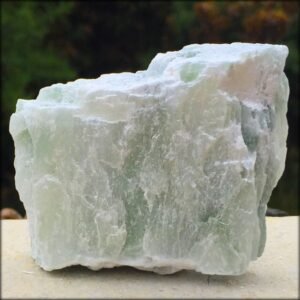
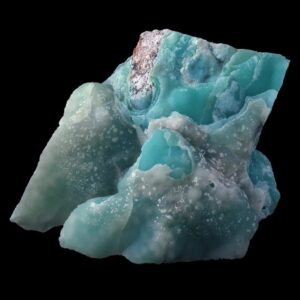
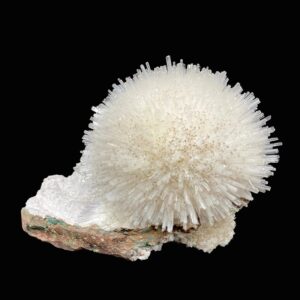
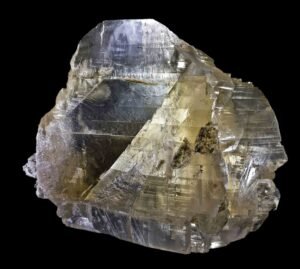
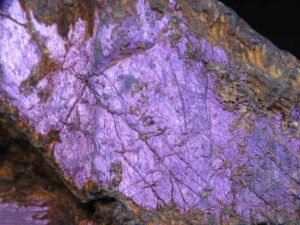
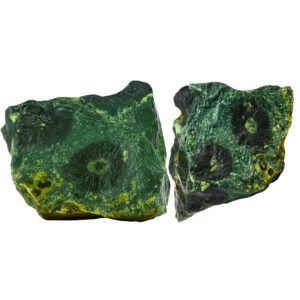
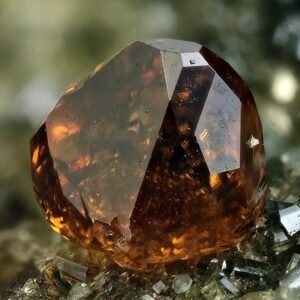
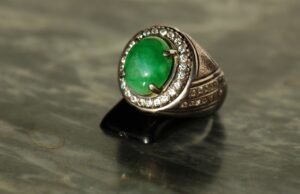
Jadeite is a sodium aluminum silicate mineral that constitutes one of the two distinct mineral species referred to as jade, the other being the magnesium-rich silicate, nephrite. Belonging to the clinopyroxene group, jadeite is a high-pressure, low-temperature metamorphic mineral typically found in subduction zone environments where oceanic plates meet continental margins. While chemically pure jadeite is colorless or white, the presence of trace transition metals within its crystal lattice creates a diverse chromatic spectrum. Chromium substitutions for aluminum yield the vivid, highly prized emerald-green hues, while iron contributes to darker greens, yellows, and browns. Manganese is often identified as the chromophore responsible for the rarer lavender and violet varieties. Structurally, jadeite is characterized by a monoclinic crystal system, though it is rarely found as distinct, euhedral crystals. Instead, it occurs as dense, polycrystalline aggregates composed of interlocking fibrous or granular microcrystals. This specific “felted” or “interwoven” microstructure—often referred to as a granoblastic texture—is the source of jadeite’s extraordinary mechanical properties. Despite a Mohs hardness of approximately 6 to 6.5, its internal cohesion provides a level of fracture toughness that surpasses even much harder gemstones like diamond. This durability allows the material to withstand high-impact stress and enables the execution of incredibly intricate, thin-walled carvings without structural failure. How Jadeite Is Formed The creation of jadeite is a rare geological event that requires a “pressure cooker” environment—but without the high heat. Most gemstones, like diamonds, form under intense heat and pressure deep in the Earth. Jadeite is different: it needs high pressure but low temperature (roughly 200°C to 400°C). These specific conditions only happen in subduction zones, where one tectonic plate slides deep underneath another. About 20 to 60 kilometers down, the weight of the Earth squeezes the minerals into jadeite, while the cool ocean water being carried down by the sinking plate keeps the temperature from getting too hot.Deep in these subduction zones, hot, mineral-rich fluids act as the “secret ingredient.” As the sinking plate gets squeezed, it releases water packed with sodium, aluminum, and silica. This fluid flows into cracks in the surrounding rocks (usually a green rock called serpentinite) and begins to crystallize into solid jadeite. In some cases, the fluid doesn’t just fill cracks; it actually chemically transforms existing rocks into jadeite through a process called metasomatism. This is why jadeite is almost always found tucked inside “pockets” of serpentinite. The final challenge for jadeite is getting to the surface without falling apart. Because jadeite is only stable under massive pressure, if it stayed deep underground as the Earth warmed up, it would turn into a different, common mineral like albite. To survive as a gemstone, it has to be pushed toward the surface very quickly by tectonic shifts or volcanic-like “uplifts.” It is usually carried up inside a “mélange”—a chaotic mix of rocks that acts like a protective suitcase—until it is eventually exposed by erosion or found in riverbeds as water-worn boulders. Historical Significance and Ancient Use The history of jadeite is a narrative of two disparate worlds—the ancient Americas and Imperial China—where the stone was independently elevated from a utilitarian tool to a sacred symbol of status and immortality. Long before it was scientifically classified in the 19th century, jadeite was revered by the Olmec, Maya, and Aztec civilizations of Mesoamerica. To these cultures, the rare blue-green jadeite found in the Motagua River Valley of present-day Guatemala was more than a gemstone; it represented “life-giving water” and the breath of the soul. It was meticulously fashioned into ritual masks, earflares, and ceremonial celts, often buried with nobility to ensure safe passage into the afterlife. In Asia, the narrative of “Jade” originally centered on nephrite, the native white and green stone used in China for over five millennia. However, the historical trajectory of jadeite changed dramatically during the Qing Dynasty (1644–1912). In the late 18th century, vibrant, emerald-green jadeite began to enter China in significant quantities from the mountains of Upper Burma (now Myanmar). This “new jade” was so striking that it captured the attention of the Qianlong Emperor and later the Empress Dowager Cixi. Its intense color and superior translucency led to it being dubbed “Imperial Jade,” eventually supplanting nephrite as the most coveted material for the royal court’s jewelry and art. The transition into the modern era was marked by a scientific awakening. In 1863, French mineralogist Alexis Damour analyzed the chemical composition of “jade” and discovered that what had been treated as a single material was actually two distinct minerals: jadeite and nephrite. This distinction provided the academic foundation for modern gemology. Today, while the Mesoamerican sources remain historically vital, the Burmese deposits continue to dominate the global market, maintaining jadeite’s status as one of the most expensive and culturally significant gemstones in human history. The Different Types of Jadeite Imperial Jade Imperial Jade is the most prestigious and expensive variety of jadeite in the world. It is characterized by a vivid, “emerald” green that is perfectly saturated—neither too dark nor too yellowish. Its hallmark is its exceptional translucence; the stone appears almost gelatinous or glass-like, allowing light to penetrate deeply and glow from within. Traditionally, this material was reserved exclusively for Chinese royalty. Common Cuts: High-domed cabochons, uniform bead necklaces, and thin “hulu” (gourd) pendants. Kingfisher Jade Named after the iridescent feathers of the Kingfisher bird, this variety is a slightly deeper, more intense green than Imperial Jade. While it lacks the sheer “glassy” transparency of the Imperial grade, it is prized for its rich, velvety hue. In certain lighting, it can appear almost emerald-like but with a more “solid” and substantial body color. Apple Green Jade Apple Green jadeite is easily recognized by its bright, yellowish-green tint. It resembles the skin of a Granny Smith apple—vivid, fresh, and energetic. This variety usually possesses excellent transparency and is a favorite for contemporary jewelry designs because its color “pops” brilliantly against both white and yellow gold. Moss-in-Snow Jade This is one of the most celebrated two-tone varieties in jadeite mineralogy. It features
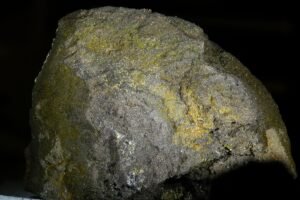
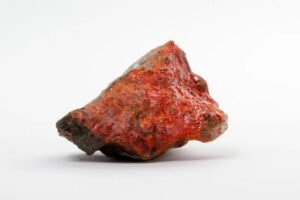
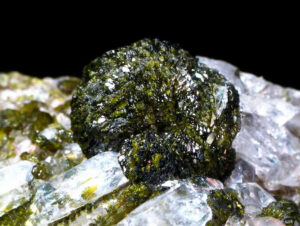
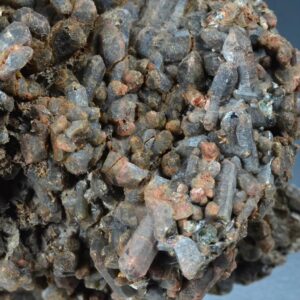
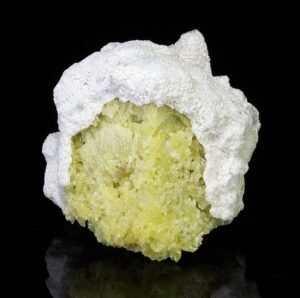
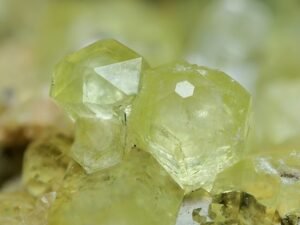
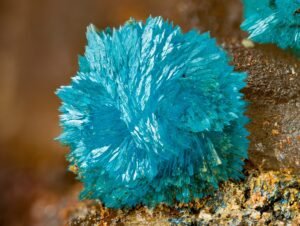
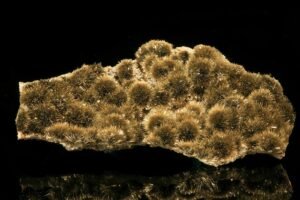
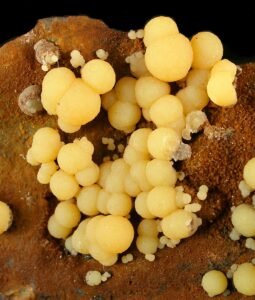
Kristal mimetit botryoidal dalam rona kuning pucat yang berkerumun di atas matriks gossan besi berwarna cokelat.

Mimetit: Sifat Mineral, Komposisi Kimia, dan Ketersediaan Alam

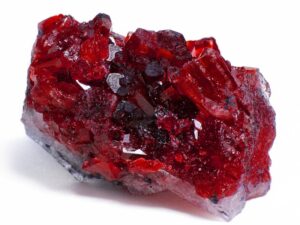
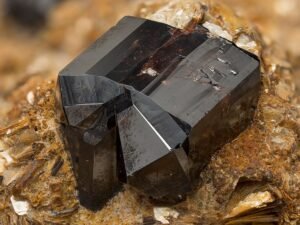
Mimetite is a lead arsenate chloride mineral with the chemical formula Pb5(AsO4)3Cl. It belongs to the apatite group and is part of a solid solution series with pyromorphite and vanadinite. In this series, the arsenate (AsO4) units are replaced by phosphate or vanadate units respectively. Mimetite typically crystallizes in the hexagonal system, often appearing as prismatic or barrel-shaped crystals, though it is also frequently found in globular or botryoidal masses. Its color range is broad, commonly manifesting in shades of yellow, orange, and brown, with a resinous to adamantine luster. Due to its high lead content, it possesses a high specific gravity, making it a heavy and dense mineral specimen. The formation of mimetite occurs primarily as a secondary mineral within the oxidation zones of lead-bearing ore deposits. It is not a primary ore mineral but rather a product of the chemical weathering of primary lead minerals, such as galena. When these primary minerals are exposed to oxygenated meteoric waters containing dissolved arsenic—often derived from the oxidation of arsenopyrite or other arsenic-rich sulfides—a chemical reaction takes place. In the presence of chlorine ions, mimetite precipitates from these supergene solutions. This process typically requires specific geochemical conditions found in the upper, weathered portions of mineral veins, where it is frequently found in association with other secondary minerals like cerussite, smithsonite, and limonite. The history and nomenclature of mimetite are rooted in its physical similarity to other minerals. It was officially named in 1832 by the French mineralogist François Sulpice Beudant. The name is derived from the Greek word mimetes, which translates to “mimic,” referring to the mineral’s tendency to be easily mistaken for pyromorphite. Prior to its formal classification, mimetite was often grouped with other lead ores under various local mining terms. Significant historical interest in the mineral grew as major deposits were documented in classic localities such as the Tsumeb Mine in Namibia, the Ojuela Mine in Mexico, and various sites across Saxony, Germany. These locations provided the scientific community with the specimens necessary to distinguish mimetite as a distinct species within the lead arsenate group. Chemical Series, Polytypes, and Physical Forms of Mimetite The classification of mimetite is based on its crystal habits and its position within various chemical substitution series. Morphologically, the mineral exhibits several distinct forms: the primary habit is prismatic, consisting of hexagonal prisms with pyramidal or pinacoidal terminations. A recognized morphological variant is campylite, which features curved prism faces resulting in a sub-cylindrical or barrel-shaped appearance. In the oxidation zones of lead deposits, mimetite frequently develops a botryoidal or globular habit, characterized by rounded, aggregate clusters with a resinous luster and internal radiating fibrous structures. Less frequent habits include acicular (needle-like) or capillary (hair-like) crystals, which occur as radiating sprays within mineral cavities. Mineralogically, mimetite is a member of the apatite supergroup and is part of multiple continuous solid solution series. It forms a series with pyromorphite through the substitution of arsenic by phosphorus, and with vanadinite through substitution by vanadium. Based on minor chemical variations, specific varieties are documented, such as calcian mimetite (calcium substitution) and baryto-mimetite (barium substitution). Additionally, structural polytypes including mimetite-M and mimetite-2M are identified; while the standard species is hexagonal, these monoclinic variants represent variations in atomic symmetry. These classifications categorize the geochemical and structural states of lead arsenate minerals under different geological conditions. Can Mimetite be Used as a Gemstone in Jewelry? In the field of gemology, mimetite is categorized as a collector’s mineral rather than a conventional gemstone for the commercial jewelry market. While the mineral exhibits high optical constants, including a refractive index ranging from 2.128 to 2.147 and a sub-adamantine to resinous luster, its physical properties impose significant limitations on its utility. With a Mohs hardness of only 3.5 to 4, mimetite is characterized by low scratch resistance and a brittle tenacity. It possesses a poor to indistinct cleavage and an uneven to sub-conchoidal fracture, which renders the crystal structure susceptible to mechanical failure under even minor pressure. These factors mean that mimetite cannot withstand the friction, impact, and environmental stress associated with daily wear. While rare, transparent crystals are occasionally faceted by specialized lapidaries to demonstrate the mineral’s brilliance, these stones are intended for mineralogical displays or encapsulated collections rather than functional jewelry. The technical difficulty of cutting mimetite—due to its heat sensitivity and tendency to shatter—further restricts its presence in the gemstone industry to a niche scientific interest. The integration of mimetite into wearable jewelry is extremely rare and typically restricted to high-protection designs, such as pendants or brooches, that minimize surface contact and potential impact. Even in these specialized applications, mimetite is not recommended for settings like rings or bracelets where the risk of abrasion and accidental striking is highest. The mineral is chemically sensitive to common household substances, acids, and even prolonged exposure to moisture in some environments; contact with such agents or the use of ultrasonic cleaning can result in the permanent dulling of its surface or structural degradation. Consequently, any mimetite used in a jewelry context requires specialized maintenance protocols, including cleaning with only mild, pH-neutral solutions and very soft brushes. Due to its high specific gravity of approximately 7.24, even small faceted specimens are notably heavy for their size, a factor that lapidaries and jewelers must consider when designing mounting systems to ensure the stone remains secure without putting undue stress on the fragile crystal. Is Mimetite Toxic and How to Handle It Safely? Mimetite is a lead arsenate chloride mineral with the chemical composition Pb5(AsO4)3Cl, containing approximately 69.6 percent lead and 15.1 percent arsenic by weight. Due to the high concentration of these heavy metals, the mineral is classified as a hazardous substance if its particulates are internalized. In its solid crystal form, mimetite is relatively stable and does not pose an acute health risk through brief dermal contact; however, the primary safety concern involves the accidental ingestion or inhalation of mineral dust. This risk is most prevalent during the mechanical processing of specimens, such as sawing,

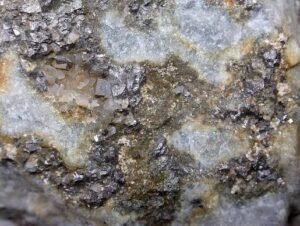
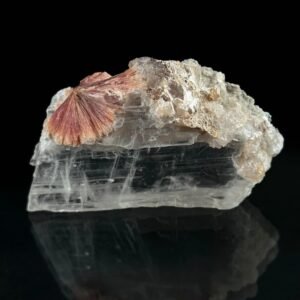
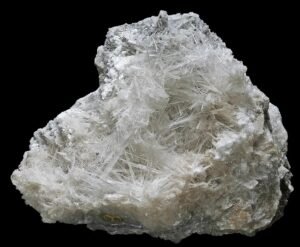
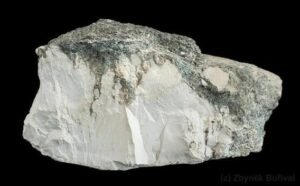
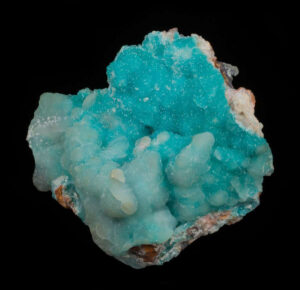
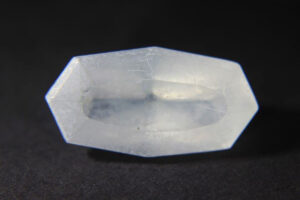
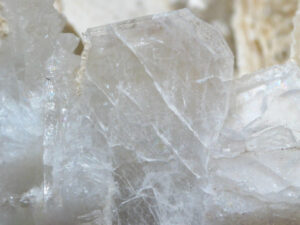
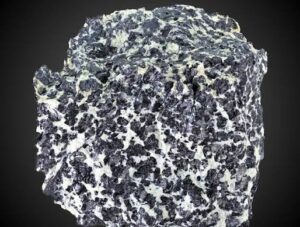
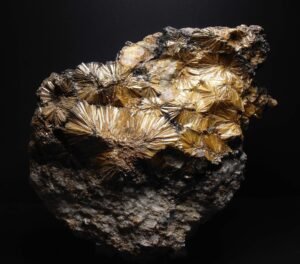
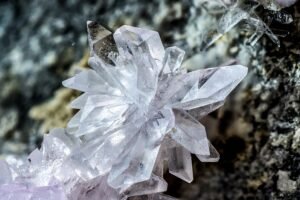
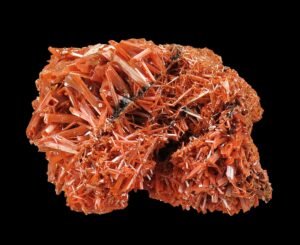
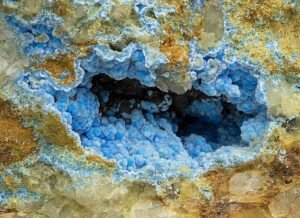
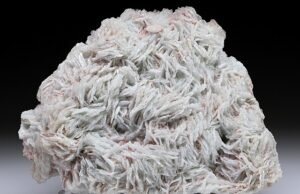
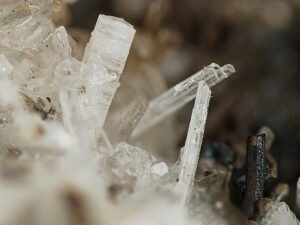
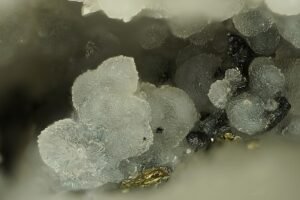
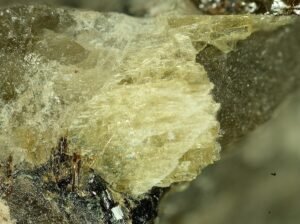
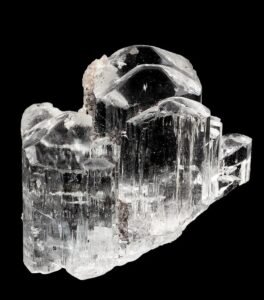
Foto makro jarak dekat dari spesimen mineral Prosopite putih transparan, menunjukkan struktur kristal botryoidal radial yang khas pada matriks gelap.

Panduan Lengkap Prosopite: Memahami Fluorida Kalsium Aluminium yang Langka

Prosopite is a rare hydroxy-fluoride mineral primarily composed of calcium and aluminum. It typically occurs in the monoclinic crystal system, manifesting as colorless, white, or pale blue-green masses and tabular crystals. Geologically, the mineral forms through hydrothermal alteration processes, often occurring in tin-bearing veins or granitic pegmatites. It is frequently created when fluorine-rich fluids react with aluminum-bearing minerals, such as cryolite, during the late stages of mineral crystallization. The history of Prosopite dates back to 1853, when it was first described by the German mineralogist August Breithaupt. Its name is derived from the Greek word prosopon, which translates to mask. This nomenclature refers to the mineral’s tendency to form pseudomorphs, where it replaces the internal structure of another mineral while retaining the original mineral’s external shape, effectively masking its true identity. While it lacks significant industrial utility, it remains scientifically relevant for its unique chemical structure and is highly regarded by mineral collectors for its rarity and association with famous mining localities in Germany, Greenland, and Mexico. Morphological Varieties of Prosopite Prosopite manifests in several distinct physical habits that reflect the specific hydrothermal conditions of its environment. Because it often forms through the alteration of pre-existing minerals, its appearance can range from clearly defined crystalline structures to deceptive replacement forms. In its most developed state, the mineral develops as small, distinct crystals that are usually tabular or short prismatic in habit, often appearing as tiny plates clustered within the cavities of a host rock. However, in many deposits, it is more commonly found as massive, fine-grained aggregates. These stony or earthy masses are generally opaque and can range in texture from dense and hard to relatively friable, depending on the purity of the specimen. A defining characteristic of Prosopite is its existence as a pseudomorph, where it replaces crystals of other minerals, such as cryolite, by filling their original geometric shapes. This masked morphology is the primary reason for the mineral’s scientific name and remains a point of significant interest in mineralogical studies. Additionally, Prosopite sometimes develops as thin, protective crusts or radiating fibrous clusters on the surface of associated minerals, occasionally appearing in botryoidal forms with a smooth, rounded exterior. While the pure mineral is colorless or white, it frequently presents in various shades of pale blue or green. These color varieties are often the result of trace copper inclusions or proximity to copper-bearing minerals, which can lead to its visual similarity to turquoise. Is Prosopite a Gemstone? Understanding Its Uses and Industrial Value Prosopite is primarily classified as a rare collector’s mineral rather than a mainstream gemstone. In the field of gemology, its use is limited by its physical properties, specifically a Mohs hardness of 4 to 4.5. This relatively low level of hardness makes the mineral susceptible to scratching and wear, rendering it impractical for most commercial jewelry applications like rings or bracelets. While the vibrant blue and green varieties are occasionally cut into cabochons or polished as tumbled stones, these are generally regarded as exotic specimens for specialized collectors. Such pieces are usually reserved for display or for use in protected jewelry, such as pendants, where the stone is less likely to experience physical impact. Due to its visual similarity to turquoise in its massive form, it is sometimes studied as a potential simulant, though its rarity usually makes it more valuable as a mineral specimen than as a turquoise substitute. Outside of the lapidary arts, Prosopite has no significant industrial or commercial applications. It does not occur in large enough concentrations to serve as a viable ore for aluminum or fluorine extraction. Therefore, its primary utility is found within the scientific and educational sectors. For geologists and mineralogists, Prosopite serves as an important indicator for understanding the hydrothermal alteration of cryolite and the geochemical evolution of granitic pegmatites. The mineral’s value is almost entirely defined by its scarcity and its role in documenting specific geological processes. Consequently, while it can be shaped and polished for aesthetic purposes, it remains a mineral of interest to researchers and rare stone enthusiasts rather than a material for mass-market industry or jewelry. Distinguishing Between Prosopite and Turquoise To distinguish Prosopite from Turquoise clearly, start by testing their hardness. While they look identical, Prosopite is much softer with a Mohs hardness of only 4.0 to 4.5, meaning a steel nail will easily scratch it. In contrast, Turquoise is harder (5.0 to 6.0) and usually resists such scratches. Next, consider their weight and density; Prosopite feels slightly heavier because it is more compact than Turquoise. For a definitive identification, a refractive index (RI) test is used: Prosopite measures around 1.50, which is significantly lower than the 1.61 to 1.65 range of Turquoise. Finally, their geological origins differ; Turquoise typically forms in volcanic copper deposits in dry climates, whereas Prosopite is almost always found in rare tin-bearing veins or associated with cryolite.

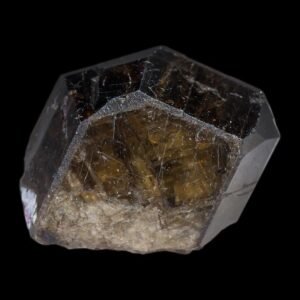
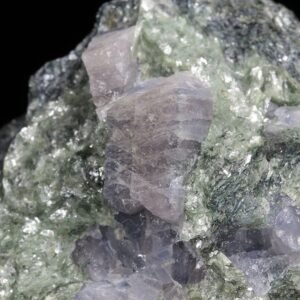
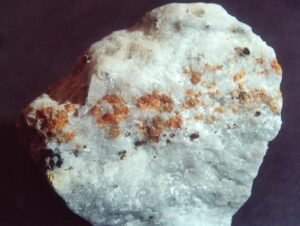
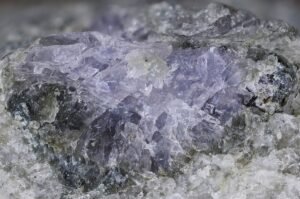
Kristal iolite ungu mentah dalam matriks batuan alami, menunjukkan rona biru-ungu yang khas dan struktur kristalnya.

Batu Iolite: Panduan Lengkap Batu Permata "Kompas Viking"

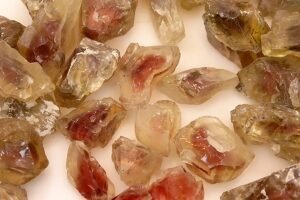
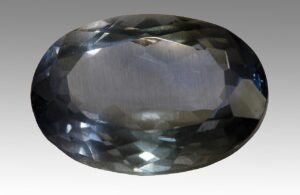
Iolite, a gem-quality variety of the mineral cordierite, is a captivating magnesium iron aluminum cyclosilicate that has fascinated geologists and gemologists alike for centuries. Known scientifically for its remarkable pleochroism, Iolite possesses the unique optical ability to display different colors—ranging from a deep, velvety violet-blue to a clear, yellowish-gray—when viewed from different angles. This phenomenon is so pronounced that it earned the stone the nickname “Water Sapphire,” though it is chemically distinct from the corundum family. Geologically, Iolite typically forms during the regional metamorphism of argillaceous (clay-rich) rocks. Under intense heat and pressure, minerals within schist and gneiss recrystallize to create the distinct orthorhombic structures of Iolite, often found in association with garnets, quartz, and biotite. The history of Iolite is steeped in maritime lore, most famously linked to the Vikings. Historical accounts suggest that Norse navigators utilized thin slices of Iolite as the world’s first polarizing filters; by looking through an Iolite lens, they could cancel out glare and pinpoint the exact position of the sun on overcast days, allowing them to navigate the Atlantic with legendary precision. This “Viking Compass” legacy adds a layer of historical mystique to a stone that remains highly valued today for its natural, untreated beauty. Because most Iolite is not heat-treated or artificially enhanced, it stands as one of the most authentic and pure gemstones available on the modern market, offering a sophisticated aesthetic that balances ancient history with complex geological origins. Types and Classifications of Iolite Stone Standard Gem-Quality Iolite: This is the primary form of the mineral cordierite used in the gemstone trade. It is characterized by high transparency and a color profile ranging from light lavender to deep violet-blue. Its defining feature is strong pleochroism, which causes the stone to shift between blue, violet, and brownish-yellow or gray when viewed from different angles. Bloodshot Iolite: A specific variety containing plate-like inclusions of iron oxides, such as hematite or goethite. These inclusions appear as small reddish flecks or “blood spots” within the blue crystal matrix. This variety is valued by collectors for its natural internal contrast and unique mineralogical character. Iolite-Sunstone: A rare hybrid variety where a high concentration of hematite inclusions creates a phenomenon known as aventurescence. This produces a metallic glitter or “schiller” effect similar to that found in sunstone, occurring when light reflects off the perfectly aligned internal metallic plates. Chatoyant Iolite (Cat’s Eye Iolite): An extremely rare classification containing parallel, needle-like or tube-like inclusions. When the material is cut into a cabochon, light reflects off these structures to create a single, vertical band of light across the surface, a phenomenon known as chatoyancy or the “cat’s eye” effect. Star Iolite (Asterism): A rare optical variety featuring four-rayed or six-rayed stars. This occurs when multiple sets of needle-like inclusions intersect at specific angles. When viewed under a single light source, these intersections create a star-like pattern of reflected light on the stone’s surface. Massive and Opaque Iolite: Non-transparent cordierite that forms in large, solid blocks. It is typically grayish-blue and is used for carvings or industrial purposes rather than faceted jewelry. Pinite (Altered Cordierite): A mineralogical state where iolite has undergone hydrothermal alteration, turning into a soft, opaque, mica-rich material that is usually green or brown. Water Sapphire: A traditional trade name used in the gemstone market to describe pale or exceptionally clear blue iolite, often used to compare its appearance to sapphire. Iolite in Navigation, Jewelry, and Industrial Ceramics The applications of iolite are divided into three primary areas: historical navigation, the modern gemstone trade, and industrial ceramics. Historically, iolite was utilized by Norse navigators as a natural polarizing filter. By looking through thin, polished slices of the crystal, it was possible to determine the sun’s position under overcast conditions by observing changes in light polarization. In contemporary industrial settings, the mineral form of iolite, cordierite, is manufactured for use in catalytic converters, kiln furniture, and heat-exchange components. This is due to its low thermal expansion coefficient and resistance to thermal shock, which allow the material to withstand rapid temperature changes without fracturing. In the gemstone market, iolite is used as a faceted stone for jewelry such as rings, earrings, and pendants. Because it is rarely subjected to heat treatment or artificial irradiation, it is typically sold in its natural state. However, its distinct cleavage and extreme pleochroism require precise orientation during the cutting process; if cut incorrectly, the stone may appear brownish or gray rather than blue, and it remains susceptible to chipping upon impact. Beyond faceted gems, opaque or highly included specimens are shaped into cabochons or used for decorative carvings. In gemological education, iolite is frequently used as a standard specimen to demonstrate pleochroism and light absorption in orthorhombic crystal systems.

Krisoberil

Batu Krisoberil: Panduan Utama untuk Permata Alami Terkeras Ketiga

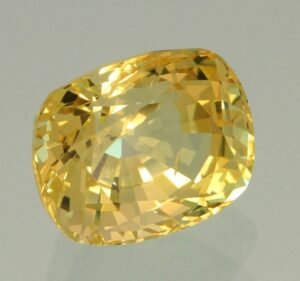
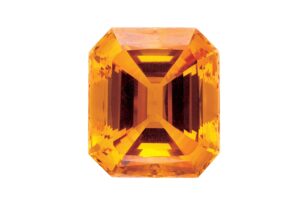
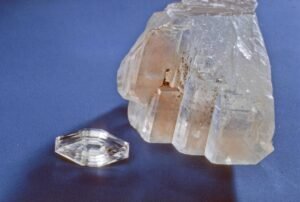
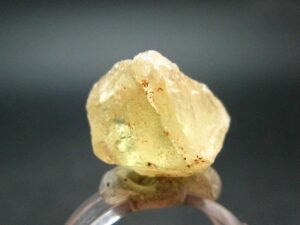
Chrysoberyl is a distinct aluminate of beryllium with the chemical formula BeAl2O4. Despite the similarity in their names, it is not a member of the beryl family (such as emerald or aquamarine) but constitutes an independent mineral species. Renowned for its exceptional durability, it possesses a Mohs hardness of 8.5, making it the third-hardest natural gemstone, surpassed only by diamond and corundum. In its purest form, chrysoberyl is colorless; however, it is most frequently encountered in shades of yellow, green, and brown, colored by traces of iron or chromium. The species is most famous for its extraordinary varieties: Alexandrite, which exhibits a dramatic color-change effect under different lighting, and Cymophane (Cat’s Eye), which displays a sharp, silvery line of light across its surface due to fibrous inclusions. The formation of chrysoberyl typically occurs in granite pegmatites and mica schists, often in environments rich in beryllium but low in silica. It crystallizes through magmatic processes or high-grade regional metamorphism. Because beryllium and aluminum rarely concentrate in the same geological setting in high volumes, chrysoberyl is significantly rarer than many other gemstones. Due to its chemical stability and high density, the mineral is frequently found in alluvial deposits (placer deposits), where it has weathered out of its host rock and settled in riverbeds and gravels alongside other gemstones like sapphires and garnets. Primary sources today include Brazil, Sri Lanka, Madagascar, and Tanzania. The history of chrysoberyl spans over two millennia, with its first recorded uses dating back to ancient India, where the cat’s eye variety was highly prized as a protective talisman. The name itself is derived from the Greek words chrysos (golden) and beryllos (beryl), reflecting its characteristic honey-gold hue. While ordinary chrysoberyl was a popular choice in Victorian and Edwardian jewelry—often paired with peridot or pearls—the mineral’s historical prestige surged in the 19th century. The discovery of the color-changing variety in Russia’s Ural Mountains in 1830 (named Alexandrite after Tsar Alexander II) and the popularity of Cymophane among the British Royal Family in the late 1800s elevated chrysoberyl from a mineralogical curiosity to one of the world’s most coveted and valuable gemstones. Main Varieties of Chrysoberyl: From Cat’s Eye to Alexandrite Ordinary Chrysoberyl: This is the most common variety, appearing as a transparent to translucent gemstone. It is primarily found in shades of yellow, yellow-green, and brownish-green. While it lacks special optical effects, it is highly valued in jewelry for its exceptional 8.5 hardness and vitreous luster. Historically, some yellowish-green specimens were called chrysolite, though this term is no longer used in professional gemology. Cat’s Eye Chrysoberyl (Cymophane): This variety is famous for the optical phenomenon known as chatoyancy. It contains microscopic, needle-like inclusions of rutile oriented in parallel. When light reflects off these inclusions, it creates a sharp, silvery-white band across the surface of the stone. High-quality specimens often display the milk-and-honey effect, where the stone appears divided into two different shades when illuminated from the side. It is the only gemstone that can be legally sold as Cat’s Eye without any mineral name prefix. Alexandrite: This is the rarest and most valuable variety of chrysoberyl, distinguished by its remarkable color-change ability caused by trace amounts of chromium. It famously shifts from a greenish hue in natural daylight or fluorescent light to a reddish or purplish-red color under incandescent light. This dramatic transition is often referred to by the phrase emerald by day, ruby by night. Cat’s Eye Alexandrite: An extremely rare hybrid variety that occurs when an alexandrite crystal also contains the necessary fibrous inclusions to produce chatoyancy. These rare stones exhibit both the dramatic color-change effect and the sharp cat’s eye band, making them among the most sought-after collector items in the world of mineralogy. Applications of Chrysoberyl Chrysoberyl is utilized across several sectors, primarily within the gemstone industry and specialized scientific fields, due to its inherent physical and chemical properties. In jewelry, the mineral is employed in various forms; transparent faceted specimens are frequently set in rings and pendants because of their 8.5 Mohs hardness and high refractive index, which allow for long-term durability against daily wear. The distinct varieties, specifically cat’s eye and alexandrite, occupy a significant position in the global collectors’ market. Its resistance to scratching and chemical erosion makes it a functional material for high-durability decorative applications where longevity is required. Technically, the specific composition of beryllium aluminum oxide (BeAl2O4) is relevant in material science and laser technology. While natural mineral specimens are rarely used for industrial purposes today due to rarity and inclusions, synthetic chrysoberyl—particularly chromium-doped alexandrite—serves as a critical gain medium in tunable solid-state laser systems. These alexandrite lasers are applied in various medical and cosmetic procedures, including dermatology and hair removal, as well as in LIDAR (Light Detection and Ranging) systems used for atmospheric research. The preference for this material in such contexts is based on its ability to provide high pulse energy and tunability within the infrared spectrum. Historical and cultural applications of chrysoberyl have transitioned through several recorded periods. Evidence indicates its use in ancient and medieval Asian cultures within talismans and ceremonial objects, primarily involving the cat’s eye variety. During the 19th and early 20th centuries, it became a standardized component in European jewelry, often featured in designs that highlighted the color-change effect of alexandrite. Currently, while lab-grown versions fulfill the majority of industrial and medical requirements, natural chrysoberyl continues to be utilized as a benchmark for durability and optical rarity in the international gemological trade.

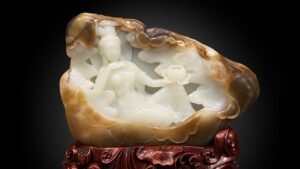
Ukiran giok nefrit Tiongkok yang rumit yang diletakkan di atas penyangga kayu berukir. Tokoh giok putih di bagian tengah menggambarkan Guanyin dan seorang pelayan yang dikelilingi oleh awan dan memegang teratai, semuanya terbungkus dalam cangkang kulit (rind) nefrit alami berwarna cokelat dan tan dengan latar belakang gradasi hitam.

Batu Neptrit: Panduan Lengkap tentang Makna, Khasiat, dan Nilai

Nephrite is a silicate mineral aggregate that belongs to the tremolite-actinolite solid solution series within the amphibole group. It is one of two distinct mineral species traditionally classified as jade, distinguished by an interlocking, felt-like arrangement of microcrystalline fibers rather than a single crystalline structure. This unique internal configuration provides the material with exceptional fracture toughness and tenacity, making it significantly more resistant to impact than many minerals with higher numerical hardness. While it shares the jade designation with jadeite, nephrite is mineralogically distinct, typically exhibiting a more subdued, oily luster and a different density compared to its pyroxene counterpart. Its physical properties are defined by a dense, matted weave of microscopic crystals, which allows for both delicate ornamental carving and the creation of durable tools throughout history. Historical Significance and Cultural Heritage of Nephrite The history of nephrite spans over seven millennia, marking it as one of the oldest utilized gemstones in human civilization. In ancient China, nephrite was revered as the “Stone of Heaven,” embodying the Confucian virtues of benevolence, integrity, and wisdom. It was used extensively during the Neolithic Liangzhu and Hongshan cultures to craft ritual objects like the bi disk and cong tube, which served as bridges between the earthly and spiritual realms. Beyond its ceremonial role, its extreme durability led to its use in the “Stone Age” for crafting high-quality axe heads, adzes, and blades. This utilitarian history is also reflected in the traditions of the Māori people of New Zealand, who call nephrite “Pounamu.” They utilized the stone for both lethal weapons, such as the mere club, and sacred ornaments like the hei-tiki, passing them down through generations as ancestral heirlooms. The name “nephrite” itself carries a medical legacy, derived from the Greek word “nephros,” meaning kidney. This stems from the 16th-century European belief that the stone could cure ailments of the kidneys and loins when pressed against the body. Throughout the dynasties in Asia, nephrite remained the primary material for imperial seals, scholarly objects, and ornate jewelry until the 18th century, when jadeite from Burma began to enter the Chinese market. Even as newer gemstones gained popularity, nephrite retained its status due to its unique “warm” texture and deep cultural roots, remaining a symbol of longevity and protection across various global cultures to this day. Is Nephrite a Gemstone? Nephrite is officially classified as a gemstone, though it occupies a unique niche in gemology as an ornamental stone rather than a traditional faceted transparent gem. Unlike diamonds or sapphires, which are valued for their brilliance and fire, nephrite is prized for its translucency, texture, and color. In the jewelry trade, it is categorized as one of the two true jades. Its status as a gemstone is cemented by its historical rarity and the high degree of craftsmanship required to work with its tough, fibrous structure. While high-quality specimens, such as the pure white mutton fat jade from the Hotan region, can command prices that rival precious stones, the material is also widely accessible in various green, gray, and black varieties used for beads, cabochons, and large-scale sculptures. Beyond its aesthetic appeal, nephrite meets the three fundamental criteria for a gemstone: beauty, durability, and rarity. Its beauty is found in its characteristic oily luster and deep, resonant colors, while its durability is nearly unmatched due to its superior toughness. Though nephrite deposits are found globally in countries like Canada, Russia, and New Zealand, finding material with the ideal color saturation and lack of inclusions remains a challenge for collectors. Today, it remains a staple in both luxury jewelry houses and traditional artisan workshops, bridging the gap between historical artifact and modern gemstone fashion. Category Type / Variety Key Characteristics Visual Classificationby Color Mutton Fat Jade (White) Pure white with an distinctively “oily” luster. This variety is highly translucent and has minimal iron impurities. Historically and commercially considered the most valuable form of Nephrite. Spinach Green Nephrite The most common variety, ranging from light “willow leaf” green to a deep spinach green. Its color is derived from chromium or iron. Russian spinach jade is known for having very few black inclusions. Yellow Jade A rare and highly collectible variety where the color is typically caused by the oxidation of minerals or the presence of ions like ferric iron. Hües range from pale lemon to deep golden honey. Black Jade Typically caused by high graphite or magnetite content, this variety is generally opaque and black to the eye. Some pieces may reveal a dark green or yellow translucency when strongly backlit. Sugar Jade Characterized by its reddish-brown to burnt amber coloration, resembling brown sugar. This distinctive ‘skin’ color is caused by iron oxide staining from surrounding environmental minerals over geological time. GeologicalOccurrence Seed Material (Zi Liao) Found in riverbeds, having been transported and eroded by water for millennia. Renowned for its flawless, incredibly smooth, and compact texture, often with a colorful skin. Mountain Material The primary deposits of nephrite mined directly from rock veins. Usually larger in size than seed material, with angular shapes and sometimes more internal internal fractures. Major Origins Hetian, China (Xinjiang) The historical gold standard for nephrite, especially the Seed Material. Famously associated with extreme ‘oily’ texture, fine grain size, and profound cultural significance. Russian Nephrite Noted for producing the brightest whites among primary deposits (mutton fat quality) and vivid ‘spinach’ greens with high translucency. Often has fewer black spots than Canadian jade. Canadian Jade (BC) British Columbia is a major world source for durable, vibrant green nephrite used globaly in modern jewelry, sculptures, and architectural elements. New Zealand Pounamu Deeply significant to the Māori culture of NZ. Found on the South Island, it typically ranges from bright translucent greens to dark, clouded teal hues. Highly prized for carvings. Primary Sources and Global Deposits of Nephrite Nephrite deposits are found in various geological environments worldwide, typically formed through the metamorphism of magnesium-rich rocks or the interaction between silica-rich fluids and dolomite. The most prestigious and historically significant source is the Kunlun

Mikroklin

Apa itu Mikroklin? Memahami Mineral Feldspar yang Umum Ini

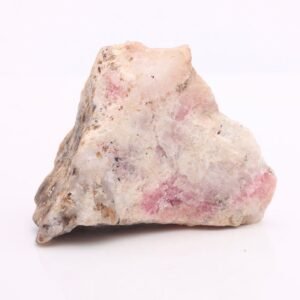
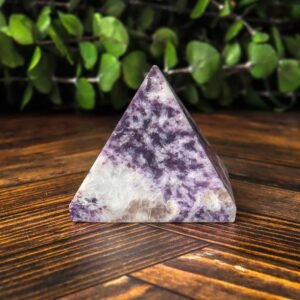
Microcline is a member of the feldspar group and is a potassium-rich silicate mineral found within various igneous and metamorphic rocks. As a tectosilicate, it serves as a primary component in granitic environments and is often recognized for its common varieties, including the blue-green Amazonite. While it shares a similar composition with other potassium feldspars, Microcline is distinguished by its triclinic crystal system. This specific symmetry is the result of atoms arranging themselves in a low-energy, ordered pattern during the cooling of molten rock. The formation of Microcline typically occurs in plutonic environments, such as granite pegmatites and hydrothermal veins, where cooling occurs over long geological periods. At higher temperatures, potassium feldspar exists in a monoclinic form, such as Orthoclase. However, as temperatures slowly decrease below approximately 400°C, the internal structure transitions into the more stable, ordered arrangement characteristic of Microcline. This slow cooling process often results in tartan or cross-hatched twinning, which is a key diagnostic feature used in mineral identification under a microscope. Historically, Microcline was identified as a distinct mineral species in 1830 by the German mineralogist Johann Friedrich August Breithaupt. Its name is derived from the Greek words mikros, meaning small, and klinein, meaning to incline, which refers to the slight deviation of its cleavage planes from 90 degrees. Although its colorful variety, Amazonite, has been utilized in decorative objects and jewelry since antiquity, Microcline itself remains a fundamental subject in mineralogy as the most stable low-temperature form of potash feldspar. Types of Microcline Microcline primarily occurs in two distinct forms based on its color and physical appearance: common microcline and the variety known as amazonite. While both share the same triclinic crystal system and chemical composition, they are categorized differently in mineralogical and commercial contexts. Common Microcline Common microcline is the most widely distributed form of this mineral. It typically appears in neutral shades such as white, gray, or pale yellow, though it can also manifest in light pink or reddish-tinted crystals due to trace inclusions of hematite. It is a major constituent of granites, syenites, and various metamorphic rocks like schists and gneisses. In industrial applications, common microcline is often utilized in the manufacture of glass and ceramics because of its high potassium content and fluxing properties. Amazonite (Amazon Stone) Amazonite is a green to blue-green variety of microcline. Its distinctive coloration was historically attributed to copper, but modern spectroscopic analysis suggests the color is caused by trace amounts of lead and water within the crystal lattice. Amazonite often exhibits a perthitic texture, which appears as white streaks or veins caused by the exsolution of albite during cooling. While it possesses the same hardness and cleavage as common microcline, its aesthetic appeal makes it a frequent subject for lapidary work, carvings, and ornamental jewelry. Common Microcline Color: White, Gray, Pink Distinction: Found in granite and gneiss Primary Use: Industrial glass & ceramics Amazonite Color: Green, Blue-Green Distinction: Lead-based pigmentation Primary Use: Gemstones & decorative art Perthite Color: Variegated / Striped Distinction: White albite veins or streaks Primary Use: Mineral identification Graphic Granite Color: Tan, Gray, or Off-white Distinction: Hieroglyphic-like quartz patterns Primary Use: Ornamental and facing stone Applications and Industrial Uses of Microcline Microcline serves several functional roles in industrial manufacturing and the gemstone market. In the industrial sector, its high potassium content and relatively low melting point make it a primary fluxing agent for the production of glass and ceramics. When incorporated into clay bodies, it lowers the required firing temperature and assists in the vitrification process, which is essential for manufacturing porcelain, floor tiles, and sanitaryware. It is also utilized in the production of enamel glazes and certain glass types to improve chemical durability and structural stability. Beyond industrial applications, microcline is valued in gemology and decorative arts, particularly through its blue-green variety, amazonite. This variety is frequently processed into cabochons, beads, and carvings for use in jewelry and ornamental objects. Additionally, specific textural forms of microcline, such as graphic granite, are sometimes polished and used as architectural facing stones or decorative surfaces due to their distinct geometric patterns. In geological research, the presence and structural state of microcline are used as indicators to help determine the cooling history and formation conditions of igneous and metamorphic rock units.

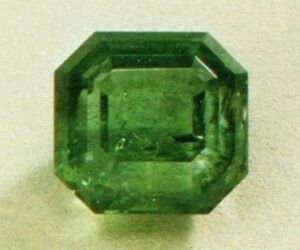
Zamrud Pakistan

Zamrud: Panduan Komprehensif tentang Mineralogi, Gemologi, dan Identifikasi

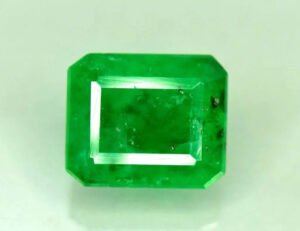
Emerald, the most prestigious variety of the beryl mineral species, is a cyclosilicate composed of beryllium aluminum silicate. In gemological and mineralogical contexts, its identity is defined by the presence of trace amounts of chromium or vanadium which substitute for aluminum atoms in the crystal lattice. This specific ionic substitution is responsible for the characteristic verdant hue that distinguishes emerald from other beryls, such as aquamarine or heliodor. From a structural standpoint, emerald crystallizes in the hexagonal system, typically forming six-sided prismatic crystals that exhibit a vitreous luster. The geological formation of emerald is a rare and complex event that requires the convergence of incompatible chemical elements. Beryllium is an element concentrated in highly evolved granitic pegmatites and the continental crust, while chromium and vanadium are primarily found in the Earth’s mantle and mafic or ultramafic rocks. For emeralds to form, these distinct geological environments must interact through tectonic activity, such as orogenic belts or hydrothermal fluid circulation. This process often occurs in metamorphic or sedimentary host rocks, where hydrothermal fluids transport beryllium into chromium-rich environments, leading to the crystallization of the gemstone under specific temperature and pressure conditions. The historical narrative of the emerald is a grand saga of human obsession spanning over 3,500 years, intertwining the pursuit of divine favor with the evolution of geological science. The earliest documented extraction of these verdant stones traces back to the rugged Sikait-Zabara region of Egypt, home to the legendary Cleopatra’s Mines, which were worked as early as 330 BC. To the ancient Egyptians, the emerald’s lush green hue was a physical manifestation of fertility and rebirth; they believed it could protect against evil spells and even reveal the truth or falseness of a lover’s oath. This obsession with the stone’s mystical properties was shared by the Roman elite; Pliny the Elder famously lauded the emerald as the only gem that delighted the eye without tiring it, leading to the legend that Emperor Nero watched gladiatorial contests through thin emerald lenses to soothe his vision.Across the ocean and centuries later, the Spanish Conquest of the 16th century unveiled the breathtaking emeralds of the New World. While the Incas had already used these gems in religious ceremonies for five hundred years, the Spanish—initially more interested in gold—eventually traded these “green stones” across Europe and Asia, forever changing the global gemstone market. This influx of superior Colombian material captivated the majestic Mughal emperors of India, who viewed emeralds as “Stones of Heaven.” They commissioned master lapidaries to engrave enormous crystals with sacred prayers and delicate floral motifs, such as the 75-carat Hooker Emerald once owned by Ottoman Sultan Abdul Hamid II. These artifacts transformed raw geological wonders into unwavering symbols of absolute sovereignty and spiritual enlightenment. In modern academic research, the emerald has transitioned from a mystical talisman to a sophisticated geochemical indicator. Beyond its role as the birthstone for May or a symbol of twenty-year anniversaries, it is studied for its unique “jardin” or internal garden. Through advanced spectroscopic techniques and the analysis of three-phase inclusions—microscopic pockets containing liquid, gas, and crystals—scientists can now decode the stone’s provenance. These inclusions are no longer viewed merely as flaws but as a geological DNA that allows researchers to reconstruct the high-pressure hydrothermal environments of antiquity. Thus, the emerald remains a silent witness to both the rise of ancient empires and the monumental tectonic shifts that shaped our planet millions of years ago. Comprehensive Classification of Natural and Synthetic Emeralds Category / Variety Geological Formation & Host Rock Diagnostic Inclusions & Physics Chemical Trace Elements Visual Reference I. MAJOR GEOGRAPHIC ORIGINS (PRIMARY MARKET) Colombian (Muzo, Chivor, Coscuez) Hydrothermal-sedimentary; Hosted in black shale and calcite veins. Three-phase (liquid-gas-halite); Jagged “saw-tooth” patterns. Cr3+, V3+; Fe. Zambian (Kafubu District) Metasomatic; Contact between pegmatite and talc-magnetite schist. Rectangular multiphase; Phlogopite mica; Partially healed fissures. Cr, V, Fe2+/3+, Mg. Brazilian (Itabira, Belmont, Carnaiba) Metasomatic; Associated with mica schists and pegmatites. Carbonate clouds; Actinolite; Chromite; Talc. Fe, Cr. Afghan (Panjshir Valley) Metamorphic-hydrothermal; Hosted in limestone/dolomite. Elongated needle-like multiphase inclusions; Girasol effect. Cr, V; Extremely low Fe. Russian (Ural Mountains) Mica-schist hosted (classic historical locality). Bamboo-like Actinolite; Phlogopite mica flakes. Cr, Fe. II. MINOR, HISTORICAL & EMERGING ORIGINS Pakistani (Swat Valley) Ophiolitic mélange; Hosted in magnesite-talc-schist. Very small crystals; Tiny euhedral chromite; Carbonate rhombs. Very high Cr content. Madagascar (Mananjary, Ianapera) Metasomatic (schist-hosted). Similar to Zambian material. Pyrite; Goethite-filled tubes; Hematite plates. High Fe. Ethiopian (Shakiso) Schist-hosted; Often exhibits a slightly “sleepy” appearance. Brown mica; Grainy iron-staining in fractures. Cr, High Fe. Zimbabwean (Sandawana) Greenstone belt; Metasomatic. Noted for small, intense green stones. Tremolite “grass” (curved fibers); Garnet inclusions. High Cr. III. MORPHOLOGICAL & OPTICAL VARIETIES Trapiche Emerald Crystallographic growth sectors divided by carbonaceous shale. Fixed 6-spoke radial pattern; Non-asteriated. Host rock impurities. Cat’s Eye (Chatoyant) Specular reflection from dense parallel hollow growth tubes. Must be cut “en cabochon” to exhibit the effect. Structural void. Star Emerald (Asteriated) Extremely rare; light scattering from oriented inclusions. Moving star effect (usually 4 or 6 rays). Ilmenite/Magnetite. IV. SYNTHETIC EMERALDS & SIMULANTS Hydrothermal Synthetic Autoclave growth using seed crystals and nutrient solution. Chevron-style growth zoning; Nail-head spicule inclusions. Synthetic Cr/V mix. Flux-Grown Synthetic Slow crystallization from a molten chemical flux. Wispy “veil” or “feather” flux remnants; Platinum crucibles. Lithium/Molybdenum flux. Assembled (Doublets/Triplets) Composite stones (Beryl-Glass-Beryl or Garnet-Glass). Glue layer with bubbles; Red-ring effect under UV. Adhesive colorants. How to Identify Real Emeralds The scientific identification of Smaragdus (Emerald) relies on a tripartite analytical framework: microscopic inclusion analysis, spectroscopic profiling, and trace element geochemistry. Because emeralds are “Type III” gemstones—characterized by inherent structural irregularities—their internal landscape serves as a primary diagnostic tool for both origin determination and the detection of synthetic counterparts. Micro-Inclusion Analysis: Under 30x to 60x magnification, the presence of multiphasic inclusions remains the most critical indicator of natural formation. Colombian specimens are renowned for “three-phase” inclusions—jagged cavities containing a liquid phase, a CO2 gas bubble, and a solid halite (NaCl) crystal. Conversely, schist-hosted deposits (e.g., Zambia or Russia) typically exhibit “two-phase” inclusions

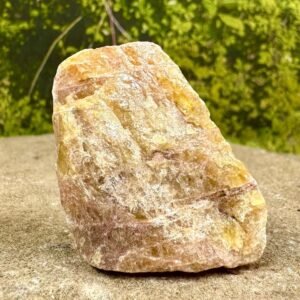
Oligoklas

Oligoklas: Panduan Komprehensif tentang Feldspar yang Halus Namun Mempesona Ini

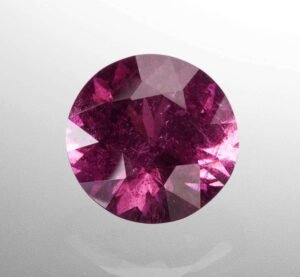
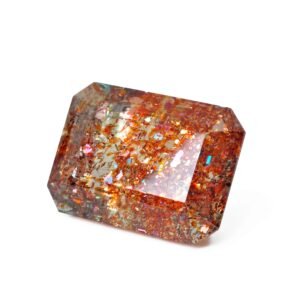
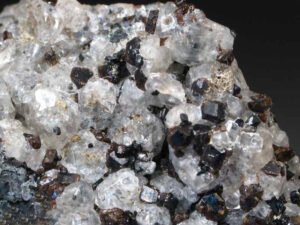
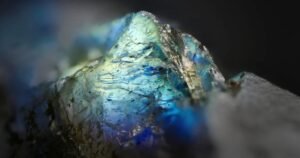
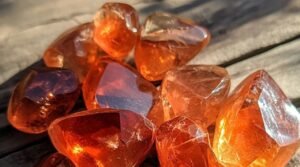
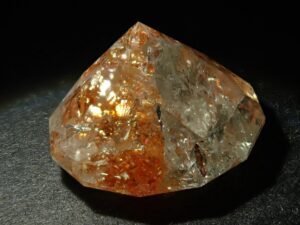
Oligoclase forms through the complex crystallization processes of silicate melts within the Earth’s crust, primarily as a member of the plagioclase feldspar solid-solution series. Its formation is governed by the cooling of intermediate to felsic magmas, such as those that produce diorite, syenite, and granite, where the availability of sodium (Na+) and calcium (Ca2+) ions at specific temperatures dictates the mineral’s final composition of 10% to 30% anorthite (CaAl2Si2O8). As magma cools, the chemical equilibrium between the liquid melt and the forming crystals shifts; according to Bowen’s Reaction Series, calcic plagioclase crystallizes first at higher temperatures, followed by more sodic varieties like oligoclase as the environment becomes enriched with silica and sodium. In metamorphic environments, oligoclase develops through the recrystallization of pre-existing minerals under medium-grade pressure and temperature conditions, typical of the amphibolite facies. This slow cooling or metamorphic growth often allows for the development of peristerite exsolution lamellae, where the internal structure segregates into tiny sodic and calcic domains that cause the characteristic bluish schiller seen in some specimens. Historically, the identification and naming of oligoclase played a pivotal role in the formalization of modern mineralogy during the 19th century. The mineral was first recognized as a distinct species in 1826 by the German mineralogist August Breithaupt, who derived its name from the Greek words oligos (little) and klasis (fracture) to highlight that its cleavage angle was only slightly different from the 90-degree angle found in orthoclase. Before this systematic classification, many varieties of oligoclase, particularly sunstone, were prized as ornamental materials by ancient cultures, including the Vikings who may have used similar feldspars for navigation and the indigenous peoples of North America who utilized sunstone in jewelry. In the late 1800s and early 1900s, the study of oligoclase’s optical properties and its position within the plagioclase series became a cornerstone for the development of the petrographic microscope and the ternary diagrams used by geologists today. This historical progression from a decorative curiosity to a precise geothermometric tool reflects the broader evolution of Earth sciences from descriptive natural history to a quantitative, analytical discipline. Varieties and Coloration of Oligoclase Common Oligoclase In its most frequent occurrence within granitic or dioritic rocks, it appears as translucent to opaque grains. The color palette typically includes white, colorless, grey, or pale shades of yellowish-green and flesh-red. Sunstone (Aventurine Feldspar) his is the most sought-after variety, characterized by a vibrant orange, reddish, or golden-brown body color. It contains microscopic, plate-like inclusions of hematite (Fe2O3), goethite, or native copper that reflect light to produce a sparkling “aventurescence” or “schiller” effect. Peristerite Named after the Greek word for “pigeon” (due to the iridescent feathers on a pigeon’s neck), this variety is typically white or off-white. It exhibits a delicate bluish or multi-colored iridescence caused by light interference within sub-microscopic exsolution lamellae. Gem-Grade Transparent Oligoclase Rare, water-clear crystals that lack significant inclusions. These are often faceted for collectors and can appear completely colorless or possess a faint straw-yellow tint. Oligoclase is a representative member of the plagioclase feldspar series, reflecting the dynamic chemical and thermal conditions under which minerals form within the Earth’s crust. Its occurrence in both igneous and metamorphic environments, along with its intermediate composition between sodium- and calcium-rich end members, makes it an important indicator in geological studies. In addition to its scientific value, oligoclase exhibits a range of visual characteristics, from common translucent grains to varieties displaying aventurescence or iridescence. Overall, it remains a mineral of both geological relevance and moderate gemological interest.

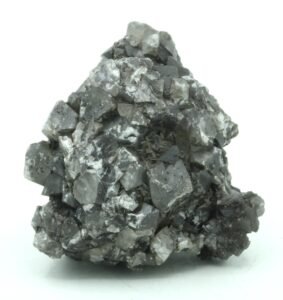
Kobaltit

Panduan Lengkap Kobaltit: Mineral Sulfarsenida Esensial

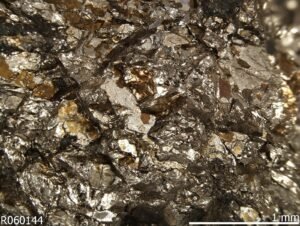
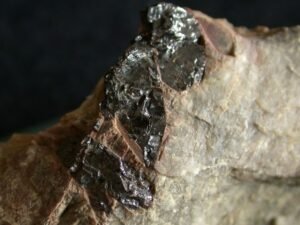
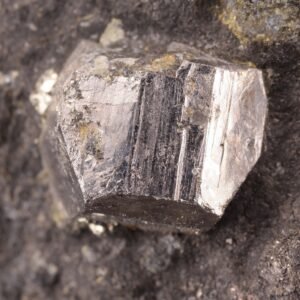
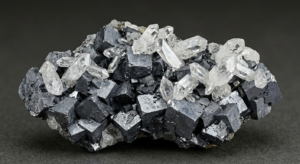
Cobaltite is a chemically complex and industrially significant mineral belonging to the sulfarsenide group, characterized by its distinct metallic luster and high cobalt content. Formally classified as a cobalt arsenic sulfide, it represents a primary ore of cobalt, a transition metal that has become the cornerstone of modern green energy and high-performance metallurgy. Geologically, cobaltite typically forms in high-temperature hydrothermal veins or contact metamorphic deposits, often appearing as striking cubic or pyritohedral crystals that can be mistaken for pyrite or arsenopyrite, though its subtle rose-pink or reddish-gray tint—a result of surface oxidation—remains a diagnostic hallmark for mineralogists.Cobaltite is recognized for its versatility in forming across a wide range of geological environments, from high-temperature ore deposits to lower-temperature hydrothermal systems. It is most famously associated with the “five metals” assemblage, where it coexists with nickel, silver, bismuth, and various arsenic-bearing minerals. Additionally, it is a frequent component of polymetallic mesothermal lodes, often found alongside common sulfides such as pyrite and arsenopyrite. In these settings, cobaltite typically appears early in the paragenetic sequence, often forming the core or inclusions within later base-metal sulfides like pyrrhotite, sphalerite, and chalcopyrite. The history of cobaltite is deeply intertwined with the development of modern chemistry and the mining traditions of Northern Europe. Its name is derived from the German word kobold, meaning underground spirit or goblin, a term used by medieval miners who believed these spirits replaced valuable silver ore with the troublesome, arsenic-rich cobaltite that released toxic fumes during smelting. It was not until 1735 that Swedish chemist Georg Brandt successfully isolated cobalt from these ores, proving it to be a unique element. Today, the authoritative value of cobaltite lies in its remarkable physical properties and its role in global supply chains. With a Mohs hardness of 5.5 and a high specific gravity of approximately 6.33, it is a dense, durable mineral that carries significant concentrations of both arsenic and sulfur. In the contemporary industrial landscape, the extraction of cobalt from cobaltite is a sophisticated metallurgical process essential for the production of lithium-ion battery cathodes, wear-resistant superalloys used in jet turbines, and permanent magnets. As the global transition toward electric vehicles and sustainable storage solutions accelerates, the mineralogy and ethical sourcing of cobaltite have transitioned from niche academic interests to critical priorities for global resource management. Characteristic Colors and Surface Oxidation While cobaltite is fundamentally a metallic mineral, it frequently exhibits characteristic secondary coloration that is essential for both mineralogical identification and search optimization. Although its primary body color is a brilliant silver-white or steel-gray, the mineral is highly susceptible to surface oxidation. This process often results in a distinctive pink to reddish-purple tarnish, known as “cobalt bloom” or erythrite. These vibrant secondary hues, ranging from subtle rose tints to deep violet-red crusts, serve as a critical diagnostic hallmark for field geologists and collectors alike, as they directly indicate the presence of oxidized cobalt and arsenic within the specimen. Cobaltite in Jewelry: Aesthetics and Safety Considerations Despite its striking metallic luster and occasional rose-pink tint, cobaltite is rarely used as a traditional jewelry stone due to its specific physical and chemical limitations. From a gemological perspective, while its Mohs hardness of 5.5 makes it harder than many metallic minerals, it remains softer than common staples like quartz or sapphire, making it susceptible to scratching and loss of polish over time. Furthermore, cobaltite is naturally opaque and lacks the transparency and “fire” typically sought in gemstones, restricting its use to specialty cabochons or faceted specimens for collectors who appreciate its unique cubic symmetry. Beyond aesthetics, safety is a primary concern because cobaltite is a sulfarsenide mineral containing significant concentrations of arsenic. While it is generally stable in a polished, solid state and does not pose an immediate risk through simple skin contact, it is not recommended for jewelry that stays in constant, direct contact with the skin, as sweat and oils may react with the surface over long periods. The greatest risk occurs during the cutting or polishing processes, where the release of fine dust can lead to the accidental inhalation of toxic arsenic and cobalt particles. For these reasons, while owning a displayed specimen is perfectly safe, wearing cobaltite as raw or unsealed jewelry is generally discouraged by health experts and mineralogists. In the modern era, cobaltite has evolved from a historical curiosity into a critical strategic resource. As a primary ore for cobalt extraction, its most significant application lies in the clean energy sector, specifically in the production of lithium-ion battery cathodes. These batteries power everything from smartphones to electric vehicles (EVs), where cobalt is essential for enhancing energy density, thermal stability, and overall cycle life. Beyond the battery supply chain, cobaltite-derived cobalt is indispensable in the aerospace and defense industries. It is used to create high-performance superalloys capable of maintaining structural integrity under extreme temperatures exceeding 1,000°C, making them vital for jet engine turbine blades and gas turbines. Additionally, its magnetic properties are utilized in the manufacturing of permanent magnets and high-strength cutting tools, while its chemical derivatives continue to be used as vibrant blue pigments in premium ceramics and glass.

Ensiklopedia Batu Permata

Daftar lengkap batu permata dari A hingga Z beserta informasi detail untuk masing-masing.

Batu kelahiran

Pelajari lebih lanjut tentang batu permata populer ini dan makna di baliknya.

Komunitas

Bergabunglah dengan komunitas pecinta batu permata untuk berbagi pengetahuan, pengalaman, dan penemuan.