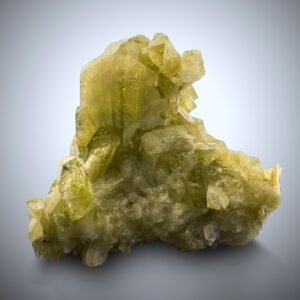
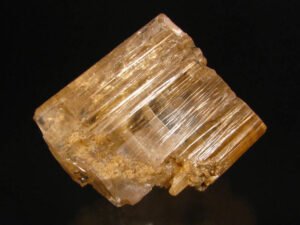
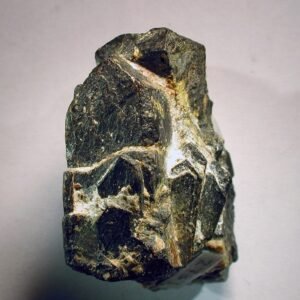
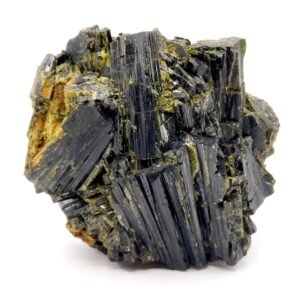
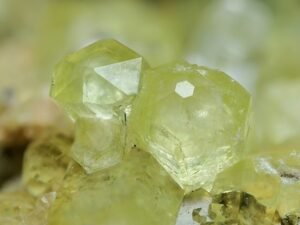
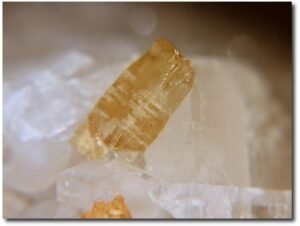
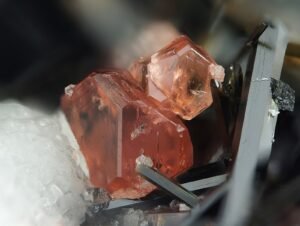
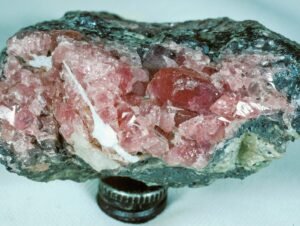
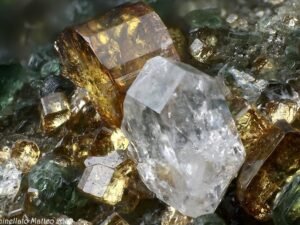
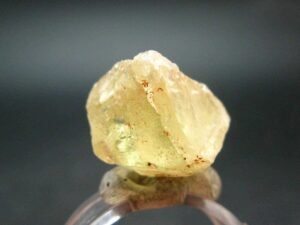
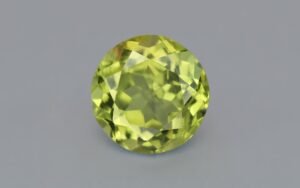
Brazilianite is a sodium aluminum phosphate mineral typically characterized by its translucent to transparent yellow-green crystals and soft, glassy luster.
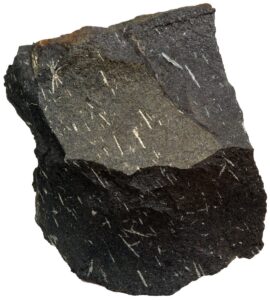
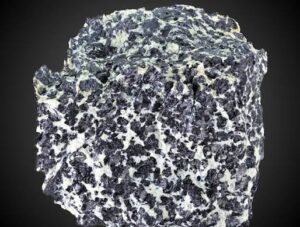
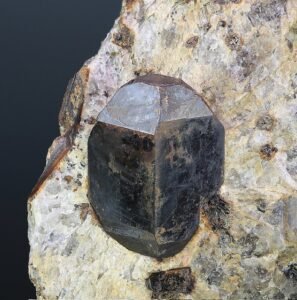
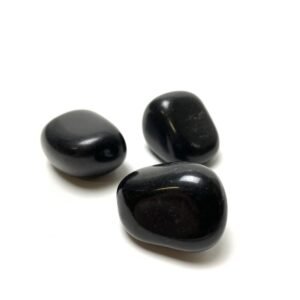
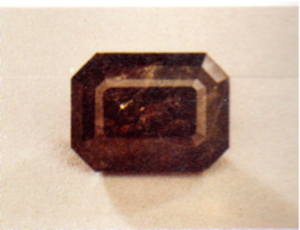
Samarskite is a rare, complex oxide mineral containing rare-earth elements, uranium, thorium, and niobium, known for its dark color, vitreous to resinous luster, and high degree of metamictization caused by internal radioactivity.
Witherite is a naturally occurring barium carbonate mineral (BaCO₃) that serves as a primary source of barium and is notable for its high density and relative rarity compared to barite.
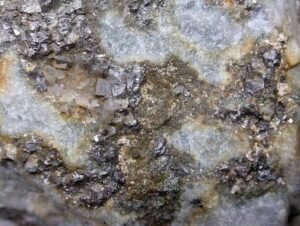
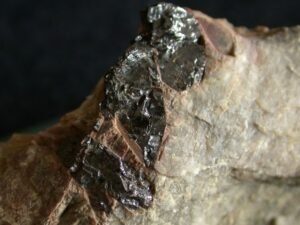
Cattierite is a rare cobalt disulfide mineral belonging to the pyrite group, typically found in hydrothermal deposits alongside other sulfide minerals.
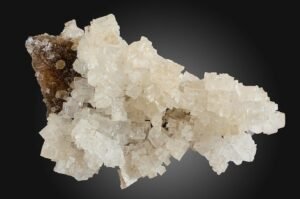
Halite, commonly known as rock salt, is the natural mineral form of sodium chloride (NaCl) that crystallizes in the isometric system and forms essential salt deposits through the evaporation of ancient saline waters.
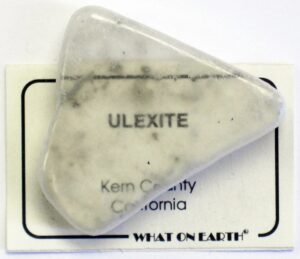
Ulexite, also known as “television stone,” is a hydrated borate mineral famous for its parallel fibrous crystal structure that transmits light along its fibers to project an image from underneath onto its surface.
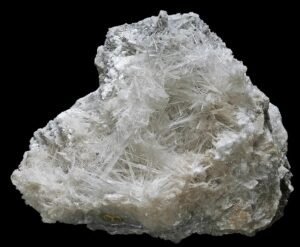
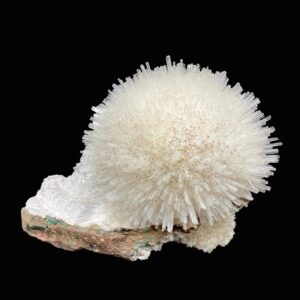
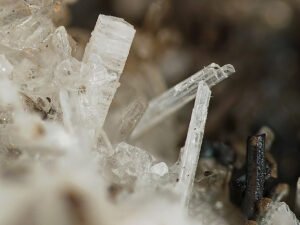
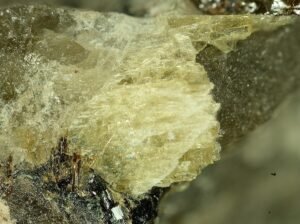
Xonotlite is a hydrated calcium silicate mineral renowned for its fibrous crystal structure and exceptional thermal stability, making it a widely used material for high-temperature industrial insulation.
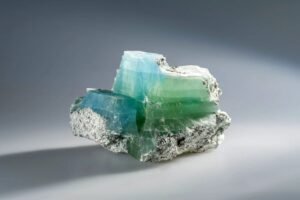
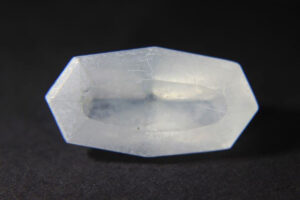
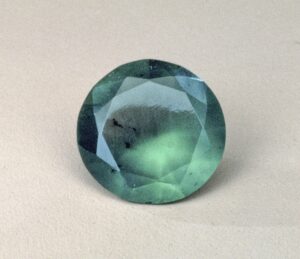
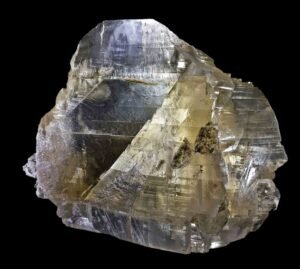
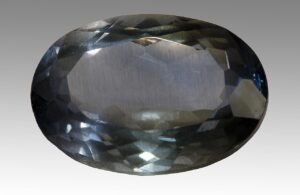
Euclase is a rare beryllium aluminum silicate mineral that typically forms pale blue, green, or colorless prismatic crystals characterized by perfect cleavage.
Cancrinite is a complex sodium aluminum silicate mineral containing carbonate and hydroxyl groups, typically found as a yellow, white, or orange constituent in silica-undersaturated igneous rocks such as nepheline syenites.
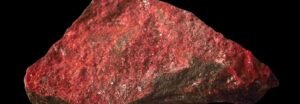
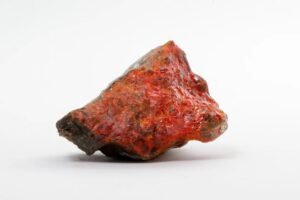
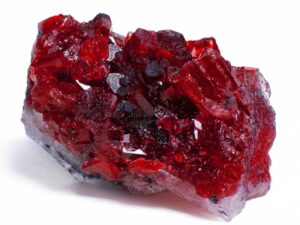
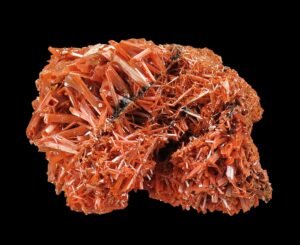
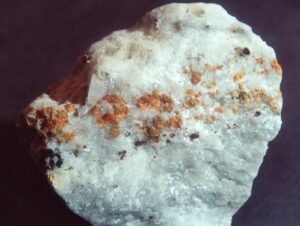
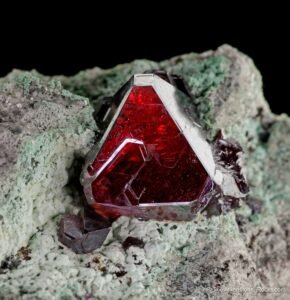
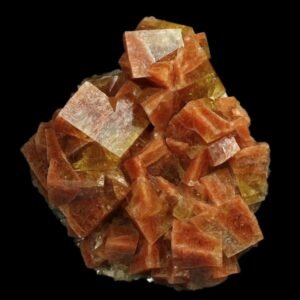
Realgar is a rare arsenic sulfide mineral known for its vivid orange-red color, monoclinic crystal structure, and historical use as a pigment and mineral specimen.
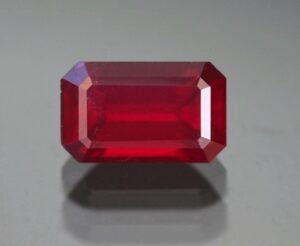
Stibiotantalite is a rare tantalum-bearing oxide mineral with the chemical formula SbTaO₄, typically found in complex granite pegmatites and valued primarily as a collector specimen.
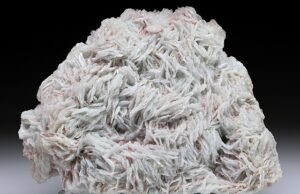
Brucite is a naturally occurring magnesium hydroxide mineral, Mg(OH)₂, that forms primarily as a secondary alteration product in magnesium-rich geological environments.
Magnesite is a magnesium carbonate mineral with the chemical formula MgCO₃, typically formed through the alteration of magnesium-rich rocks or precipitation in sedimentary environments.
Talc is a magnesium silicate mineral that occurs in metamorphic environments and is recognized as the softest mineral on the Mohs hardness scale, with a characteristic smooth texture and layered crystal structure.
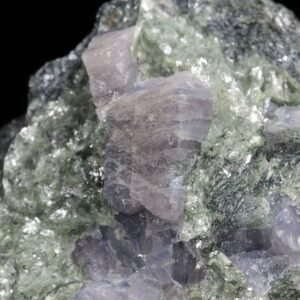
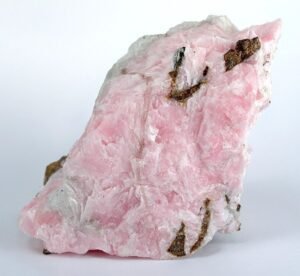
Tugtupite is a rare beryllium aluminum tectosilicate mineral known for its distinctive photochromism, temporarily darkening from pale pink or white to deep crimson upon exposure to ultraviolet light.
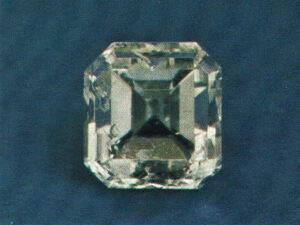
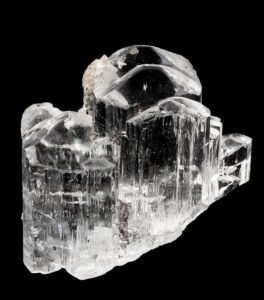
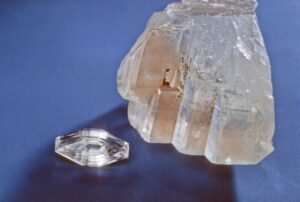
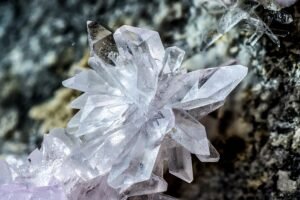
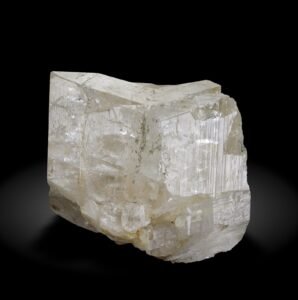
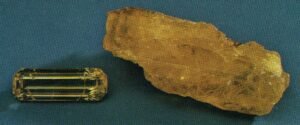
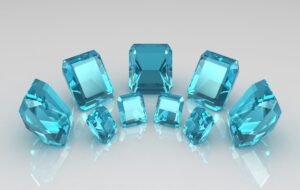
Danburite is a calcium boron silicate mineral valued in mineralogy and gemology for its high clarity, vitreous luster, and well-formed prismatic crystals.
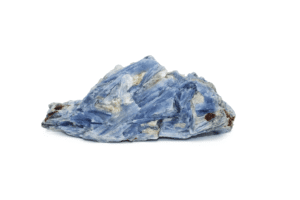
Kyanite is an aluminosilicate mineral typically found in aluminum-rich metamorphic rocks, characterized by its distinct blue color and anisotropic hardness across its crystal axes.
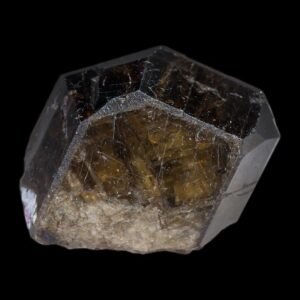
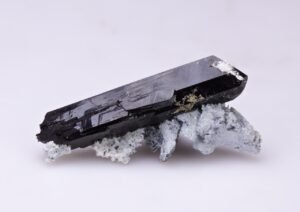
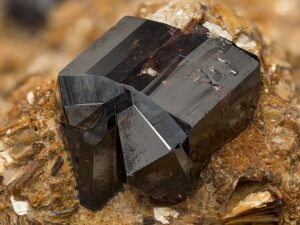
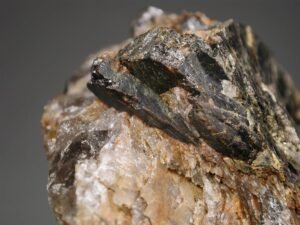
Neptunite is a rare potassium sodium lithium iron titanium silicate mineral known for its dark prismatic crystals and occurrence in specialized alkaline geological environments.
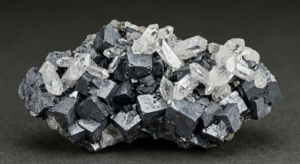
Cerussite is a heavy, highly lustrous lead carbonate mineral (PbCO₃) that typically forms as a secondary product in the oxidation zones of lead ore deposits.
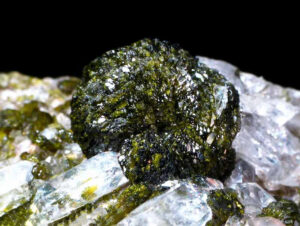
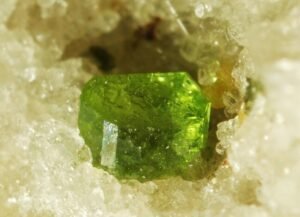
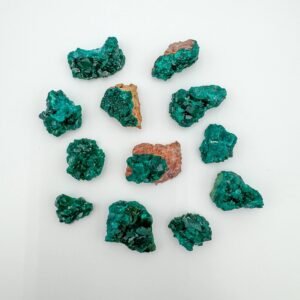
Adamite is a zinc arsenate hydroxide mineral, typically occurring in the oxidized zones of zinc-bearing ore deposits, and is well-known for its striking bright green to yellow crystals that often exhibit strong green fluorescence under ultraviolet light.
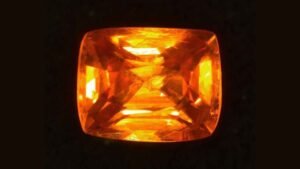
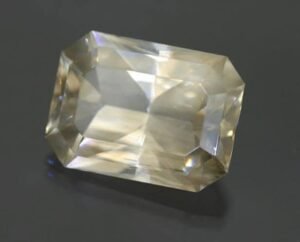
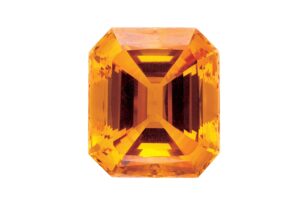
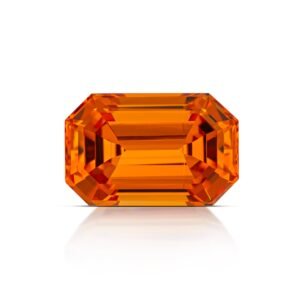
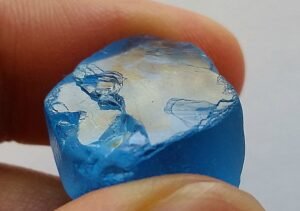
Topaz is a naturally occurring aluminum silicate mineral belonging to the nesosilicate group, widely utilized as a durable gemstone and valued in geological research as a critical indicator of volatile-rich igneous processes.
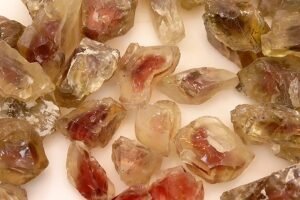
Proteus is a rare mineral species studied for its unique chemical composition, crystal structure, and occurrence in specialized geological environments.
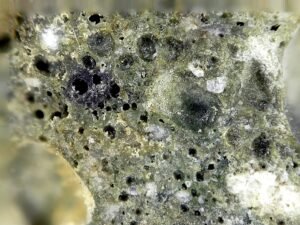
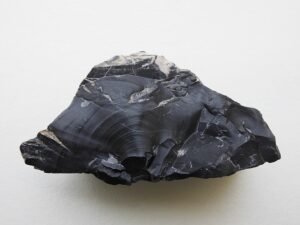
Hyperitdiabas is a dark, dense mafic intrusive igneous rock primarily composed of plagioclase and pyroxene, commonly utilized as a durable natural stone for construction and monumental purposes.
Kurnakovite is a rare hydrated magnesium borate mineral that crystallizes in the triclinic crystal system and typically forms in boron-rich evaporite deposits.
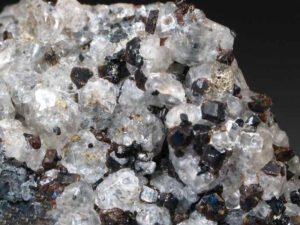
Sarcolite is a rare calcium sodium aluminum tectosilicate mineral that typically forms in calcium-rich contact metamorphic rocks and volcanic limestone xenoliths.
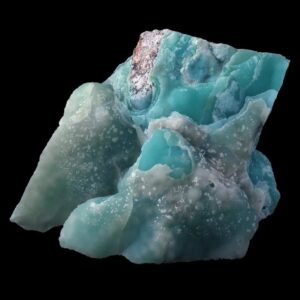
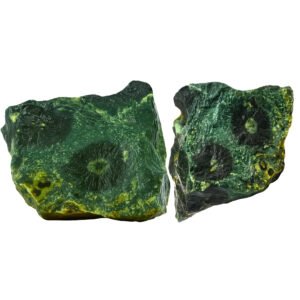
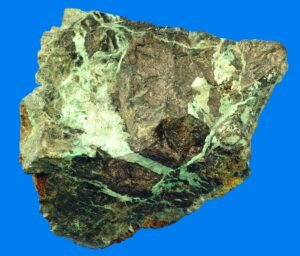
Serpentine is a mineral group known for its distinctive greenish color, smooth or scaly texture, and common use as an ornamental stone and in industrial applications.
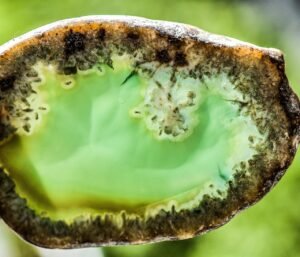
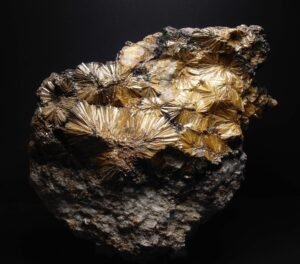
Pumpellyite is a hydrous calcium aluminum silicate mineral group that typically forms green, fibrous aggregates and serves as a key indicator of very low-grade regional metamorphism.
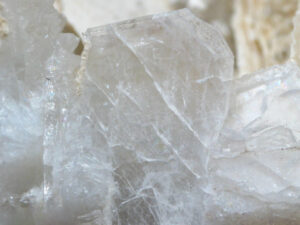
Yugawaralite is a rare hydrated calcium aluminosilicate mineral belonging to the zeolite group, typically found as colorless or white tabular crystals in hydrothermal volcanic environments.
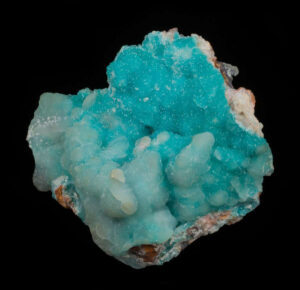
Smithsonite is a zinc carbonate mineral (ZnCO₃) that forms in oxidized zinc deposits and is recognized for its varied colors, botryoidal formations, and mineralogical significance.
Chromite is an iron chromium oxide mineral belonging to the spinel group, characterized by its FeCr₂O₄ composition and occurrence mainly in ultramafic and mafic rocks.
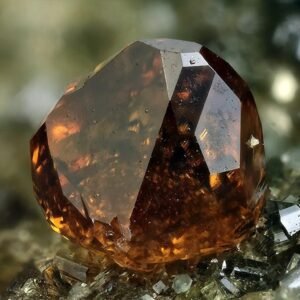
Tephroite is a rare manganese silicate mineral belonging to the olivine group that primarily forms within manganese-rich metamorphic deposits and skarn environments.
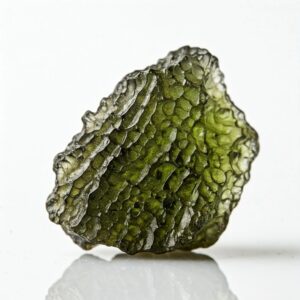
Moldavite is a forest-green tektite formed from a meteorite impact in central Europe approximately 15 million years ago, highly valued for its unique, wrinkled texture and translucent appearance.
Mordenite is a naturally occurring, high-silica zeolite mineral belonging to the aluminosilicate family, characterized by its orthorhombic crystal system and a rigid, fibrous framework containing large, one-dimensional channels.
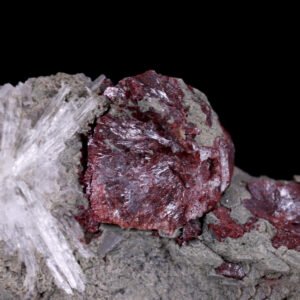
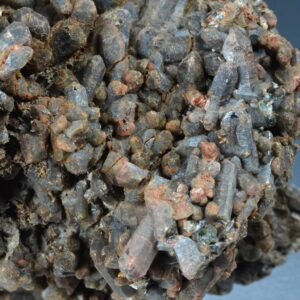
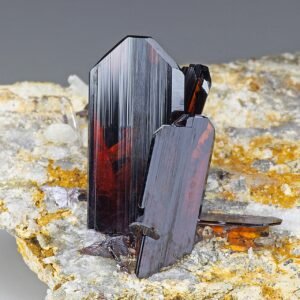
Huebnerite is a rare manganese tungstate mineral (MnWO₄) that constitutes the manganese-dominant endmember of the wolframite solid solution series and serves as a significant industrial ore of tungsten.
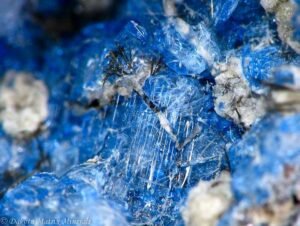
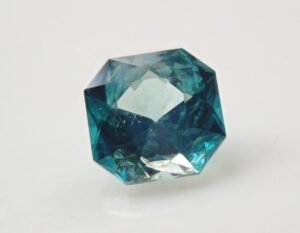
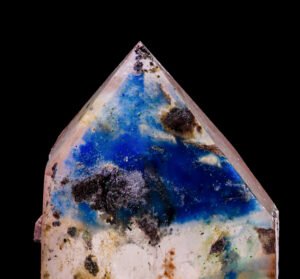
Haüyne is a rare tectosilicate mineral of the sodalite group, most notably recognized for its distinctive, highly saturated blue color and its occurrence in silica-poor volcanic rocks.
Sellaite is a rare magnesium fluoride mineral (MgF₂) that crystallizes in the tetragonal system and typically occurs in specialized hydrothermal, evaporite, or volcanic fumarolic environments.
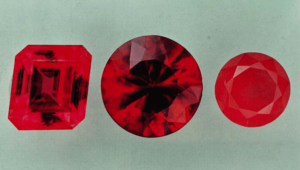
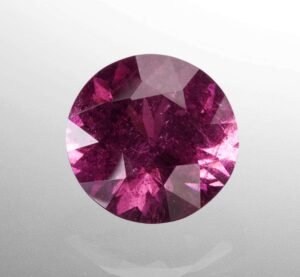
Gahnospinel is a rare zinc-rich member of the spinel supergroup that forms in zinc-bearing metamorphic and skarn environments and crystallizes in the cubic crystal system.