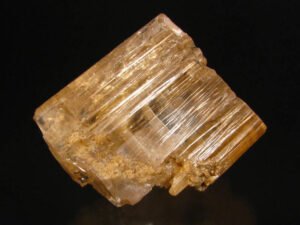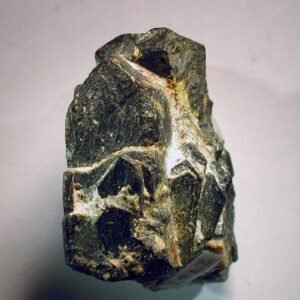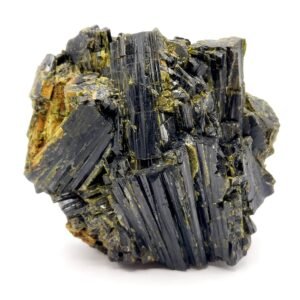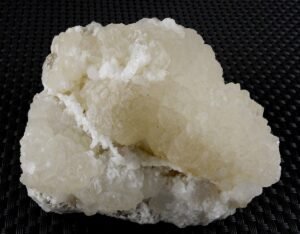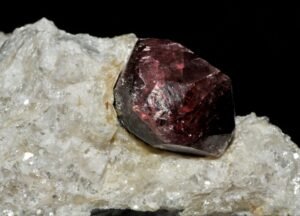
Feldspat
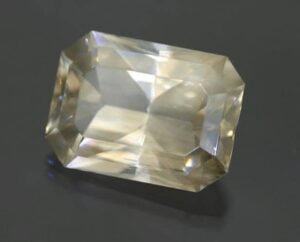
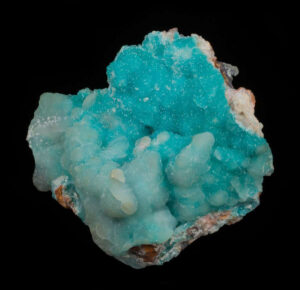
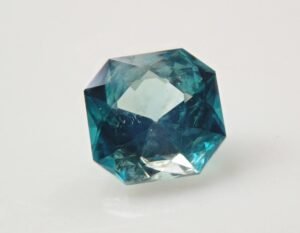
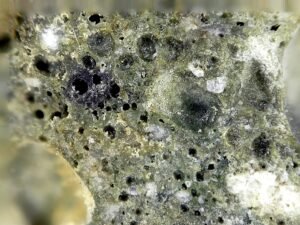
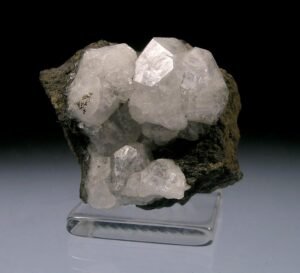
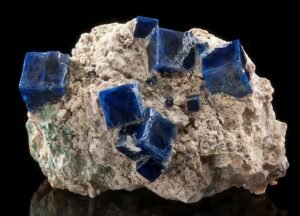
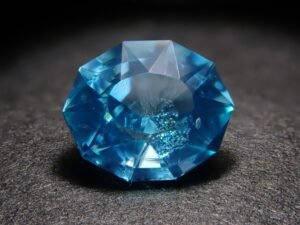
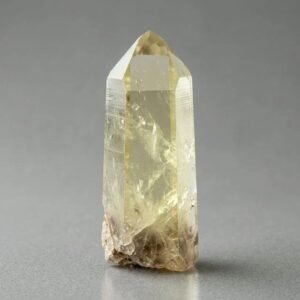
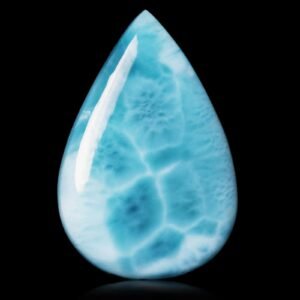
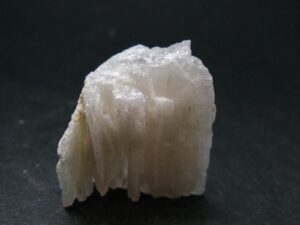
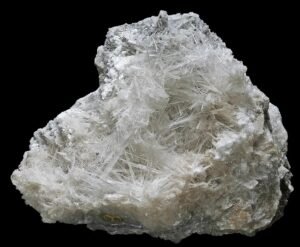
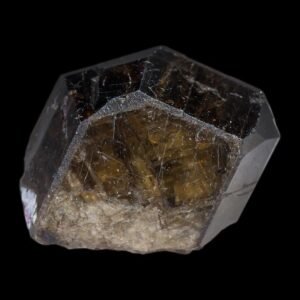
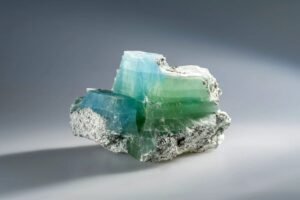
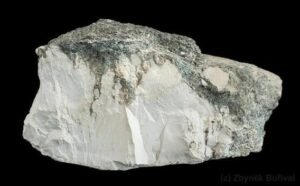
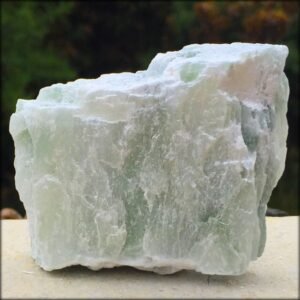
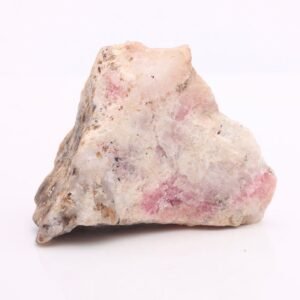
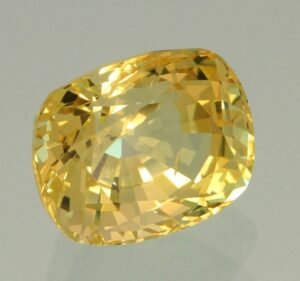
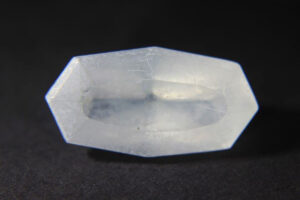
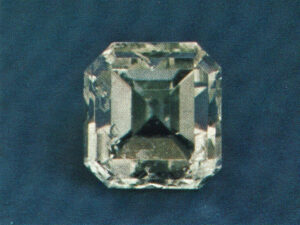
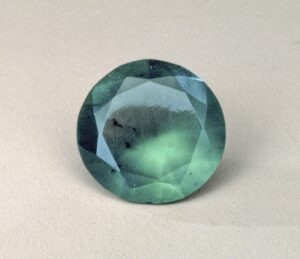
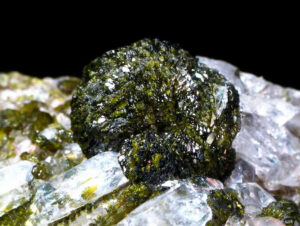
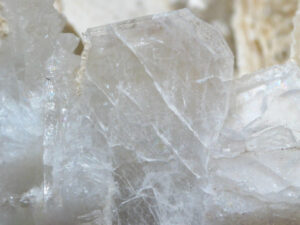
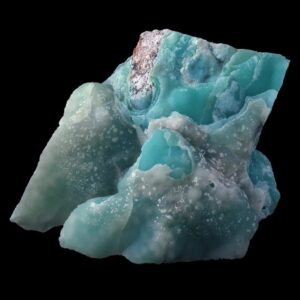
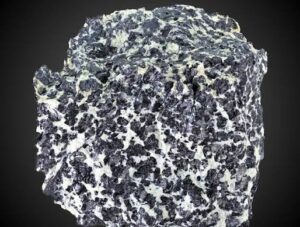
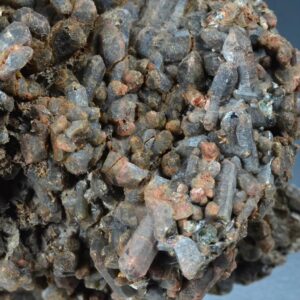
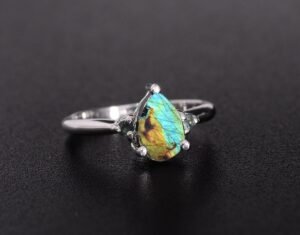
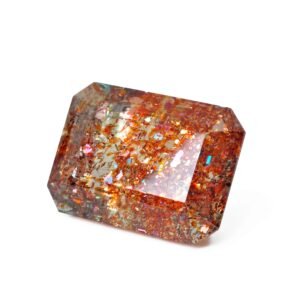
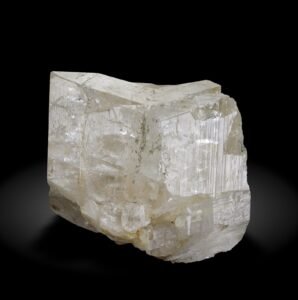
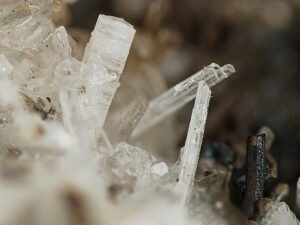
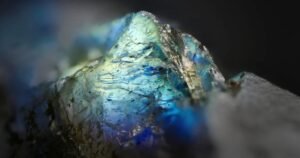
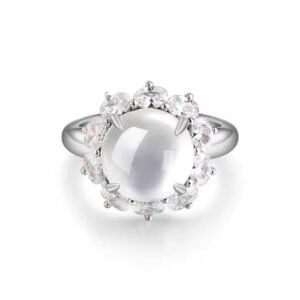
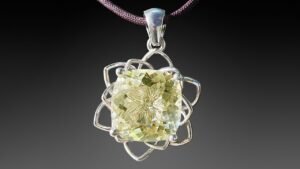
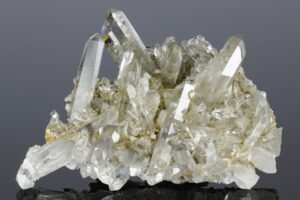
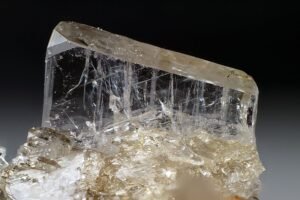
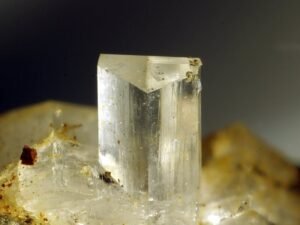
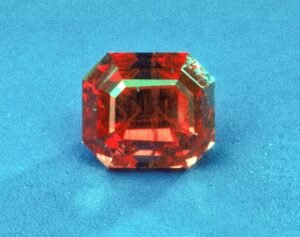
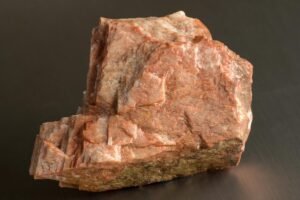
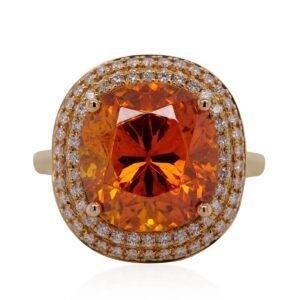
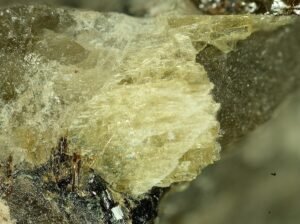
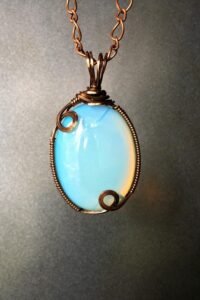
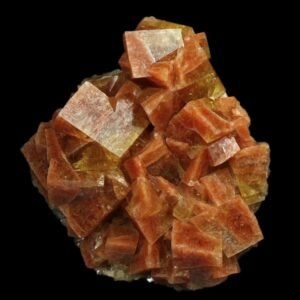
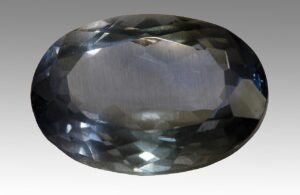
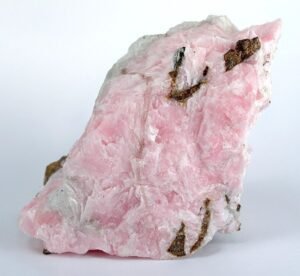
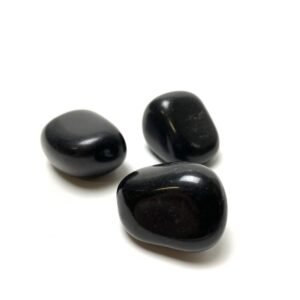
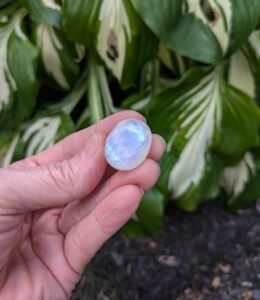
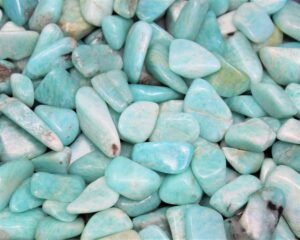
Feldspar is not just a single mineral but a monumental group of rock-forming tectosilicates that make up over 60% of the Earth’s crust, acting as the silent foundation for the mountains and plains we traverse. This diverse mineral family—ranging from the common Potassium Feldspar to the iridescent Labradorite—forms primarily through the cooling and crystallization of molten magma or lava, where specific temperatures and chemical environments dictate its final crystalline structure. Historically, the significance of feldspar dates back centuries; its name is derived from the German words Feld (field) and Spath (a rock that contains no ore), reflecting its ubiquity in the landscape. From being a critical component in ancient ceramic glazes to its modern role in high-end glass manufacturing and gemstones, the history of feldspar is a chronicle of human industrial evolution mirrored in the very geology of our planet. Complete Guide to Feldspar Varieties The Alkali Feldspar Series Alkali feldspars are defined by the varying proportions of Potassium (K) and Sodium (Na). These are most commonly found in “acidic” rocks like granite. Orthoclase Orthoclase is a major component of the Earth’s crust and a primary ingredient in granite, often giving the rock a pinkish or gray tint. It serves as the standard for 6 on the Mohs hardness scale. The mineral is characterized by two cleavage planes that meet at a 90-degree angle, which is the origin of its name. Sanidine Sanidine is a high-temperature form of potassium feldspar that typically occurs as clear, glass-like crystals in volcanic rocks. Because it forms during rapid cooling, it maintains a disordered internal structure that distinguishes it from other feldspars. It has a hardness of 6 on the Mohs scale and exhibits the same 90-degree cleavage typical of the group. While often colorless or white, it can appear in shades of gray or light yellow depending on minor impurities. It is primarily used by geologists to track the cooling history of volcanic eruptions. Microcline Microcline is a potassium feldspar that forms in deep-seated igneous rocks like granite and pegmatites. It is chemically identical to orthoclase but has a triclinic crystal structure that develops during very slow cooling. It typically appears in shades of white, gray, or salmon-pink, and features a hardness of 6 on the Mohs scale. A notable bright green to blue-green variety is known as amazonite. Geologists identify microcline under a microscope by its distinctive “gridiron” or “tartan” twinning pattern. Anorthoclase Anorthoclase is a sodium-rich feldspar that forms a bridge between the alkali and plagioclase series. It is typically found in volcanic rocks that are high in sodium and is stable only at high temperatures. The mineral usually appears as colorless, white, or gray crystals with a hardness of 6 on the Mohs scale. Unlike orthoclase, anorthoclase belongs to the triclinic crystal system, though it maintains the characteristic 90-degree cleavage angles. Under a microscope, it is often recognized by a very fine, cross-hatched twinning pattern similar to microcline but on a much smaller scale. Adularia Adularia is a low-temperature variety of potassium feldspar that typically forms in hydrothermal veins and alpine-type crevices. It is characterized by its colorless to white appearance and often displays pseudo-orthorhombic crystal shapes. While it shares the same chemical composition as orthoclase, its formation in cooler environments results in a distinct crystal habit. It has a hardness of 6 and a vitreous luster. When adularia contains thin internal layers that scatter light, it produces the shimmering effect seen in moonstone. The Plagioclase Feldspar Series This series forms a continuous solid solution between Sodium (Na) and Calcium (Ca). Geologists divide this series into six specific minerals based on their Anorthite (An) percentage: Albite (An 0%–10%) Albite is the sodium-rich end-member of the plagioclase series and is common in granites and pegmatites. It is typically white or colorless, which is the source of its name, derived from the Latin word for white. The mineral has a hardness of 6 on the Mohs scale and exhibits the characteristic 90-degree cleavage of the feldspar group. It often forms as thin, platy crystals in a variety known as cleavelandite. In many geological environments, albite occurs as fine layers within other feldspars, contributing to various optical effects. Oligoclase (An 10%–30%) Oligoclase is a member of the plagioclase series containing between 10% and 30% calcium. It is a common constituent of igneous rocks like granite and syenite, as well as various metamorphic rocks. The mineral is usually white, gray, or colorless, with a hardness of 6 on the Mohs scale. Some specimens contain small inclusions of hematite or goethite that reflect light, creating a sparkling effect known as sunstone. It is distinguished from other plagioclase minerals primarily through chemical analysis or specific optical tests under a microscope. Andesine (An 30%–50%) Andesine is a plagioclase feldspar containing between 30% and 50% calcium. It is primarily found in intermediate volcanic rocks, such as andesite, and is common in the mountain ranges of the Andes. The mineral typically appears as white or gray crystals, though it can also be colorless, with a hardness of 6 on the Mohs scale. While it is a standard rock-forming mineral, some translucent specimens are used as gemstones. It is identified by its specific chemical ratio of sodium to calcium within the solid solution series. Labradorite (An 50%–70%) Labradorite is a plagioclase feldspar containing between 50% and 70% calcium. It is commonly found in mafic igneous rocks such as gabbro and basalt. The mineral is typically dark gray to black, with a hardness of 6 on the Mohs scale. It is best known for an optical effect called labradorescence, where light reflects off internal layers to create metallic flashes of blue, green, gold, or purple. While it is a primary rock-forming mineral, these iridescent varieties are frequently used for decorative purposes and jewelry. Bytownite (An 70%–90%) Bytownite is a rare member of the plagioclase series containing between 70% and 90% calcium. It typically occurs in dark, calcium-rich igneous rocks like gabbro and occurs occasionally in meteorites. The mineral is usually