
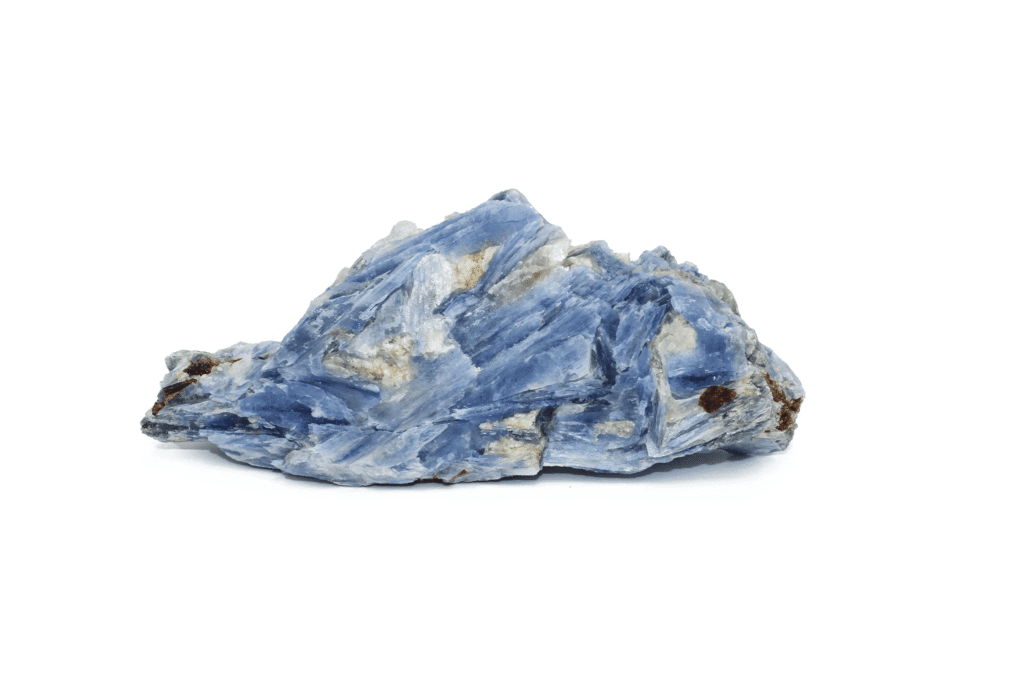
Kyanite is an aluminum silicate mineral with the chemical formula Al₂SiO₅. It is recognized for its commonly blue color, elongated bladed crystal habit, and its significance as an indicator mineral in metamorphic geology. The name Kyanite comes from the Greek word kyanos, meaning “deep blue,” referring to its typical blue coloration. Kyanite belongs to the group of polymorphic aluminum silicates, sharing the same chemical composition with minerals such as andalusite and sillimanite while having a different crystal structure. These minerals form under different temperature and pressure conditions, allowing geologists to use them to study the metamorphic history of rocks. Although blue is the most common and well-known color of kyanite, it can also occur in green, orange, yellow, gray, white, and colorless varieties. Due to its chemical stability, resistance to high temperatures, and distinctive physical characteristics, kyanite is an important mineral in geological research, mineral collecting, and industrial applications.
History and Discovery of Kyanite
Kyanite has been recognized as a mineral species for several centuries, with early references describing its distinctive blue crystals found in metamorphic rocks. During the development of modern mineralogy in the 18th century, researchers began to study kyanite more systematically and distinguish it from other blue-colored minerals. The mineral was later named based on its characteristic blue appearance, derived from the Greek word kyanos, meaning “blue.” As geological sciences advanced, kyanite became increasingly important not only as a collectible mineral but also as a subject of research due to its relationship with metamorphic processes.
In the 19th and 20th centuries, studies of metamorphic rocks revealed that kyanite is one of three aluminum silicate polymorphs, together with andalusite and sillimanite. Although these minerals share the same chemical formula, their different crystal structures reflect the specific pressure and temperature conditions under which they form. This discovery established kyanite as an important indicator mineral for understanding geological environments and reconstructing the history of mountain-building events and regional metamorphism.Beyond its scientific importance, kyanite gradually gained industrial significance because of its ability to transform into mullite when heated to high temperatures. This property led to its use in refractory materials, ceramics, and other heat-resistant products. Today, kyanite continues to be studied by mineralogists and geologists while also being mined as an industrial mineral and collected for its distinctive crystal forms and color variations.
Formation and Geological Occurrence of Kyanite
Kyanite forms primarily in metamorphic environments where aluminum-rich rocks are exposed to specific pressure and temperature conditions. It commonly develops during the regional metamorphism of clay-rich sedimentary rocks, such as shale and mudstone, which undergo changes caused by burial, compression, and geological stress. During this process, aluminum-bearing minerals within the original rock recrystallize and form kyanite crystals. As one of the three polymorphs of aluminum silicate (Al₂SiO₅), together with andalusite and sillimanite, kyanite is stable under relatively high-pressure and moderate-temperature conditions, making it an important indicator mineral for determining the metamorphic conditions of rocks. It is frequently found in schists, gneisses, quartz-rich metamorphic rocks, and other aluminum-rich geological formations, often occurring alongside minerals such as quartz, mica, garnet, staurolite, and feldspar. Kyanite crystals typically develop as elongated, flattened blades or column-like forms, although they may also occur as massive aggregates within host rocks. The formation of kyanite is closely associated with tectonic processes such as continental collision and mountain building, where increased pressure and deformation create the conditions necessary for its development. Because of this relationship with metamorphic processes, kyanite is widely used by geologists to study the pressure-temperature history and evolution of the Earth’s crust.
Chemical and Physical Properties of Kyanite
Kyanite is an aluminum silicate mineral with the chemical formula Al₂SiO₅ and belongs to the nesosilicate mineral group. Its chemical composition is mainly composed of aluminum, silicon, and oxygen, with small amounts of trace elements such as iron, chromium, and manganese that may influence its color variations. Kyanite has a triclinic crystal system and typically forms elongated, flattened, blade-like crystals, although it may also occur as columnar crystals or massive aggregates. One of its most distinctive physical characteristics is its anisotropic hardness, meaning that its hardness varies depending on the direction of measurement within the crystal. It has a Mohs hardness of approximately 4.5–5 along the length of the crystal and about 6.5–7 across the width, which is caused by differences in the strength of atomic bonding within its structure. Kyanite usually has a vitreous to pearly luster, a white streak, and a specific gravity of approximately 3.5–3.7. It commonly appears in blue shades ranging from pale blue to deep blue, but it can also occur in green, orange, yellow, gray, white, and colorless varieties due to different trace element contents. The mineral generally exhibits perfect cleavage in one direction and good cleavage in another, which can affect its durability as a gemstone. Its transparent to translucent nature, distinctive crystal habit, and resistance to high temperatures contribute to its importance in mineral studies, gemstone collecting, and industrial applications.
Types and Varieties of Kyanite
Kyanite is generally considered a single mineral species, but it can occur in different varieties based on color, transparency, crystal form, and trace element composition. These variations are mainly related to differences in geological formation conditions and the presence of minor chemical impurities within the crystal structure. Common types and varieties of kyanite include:
- Blue Kyanite
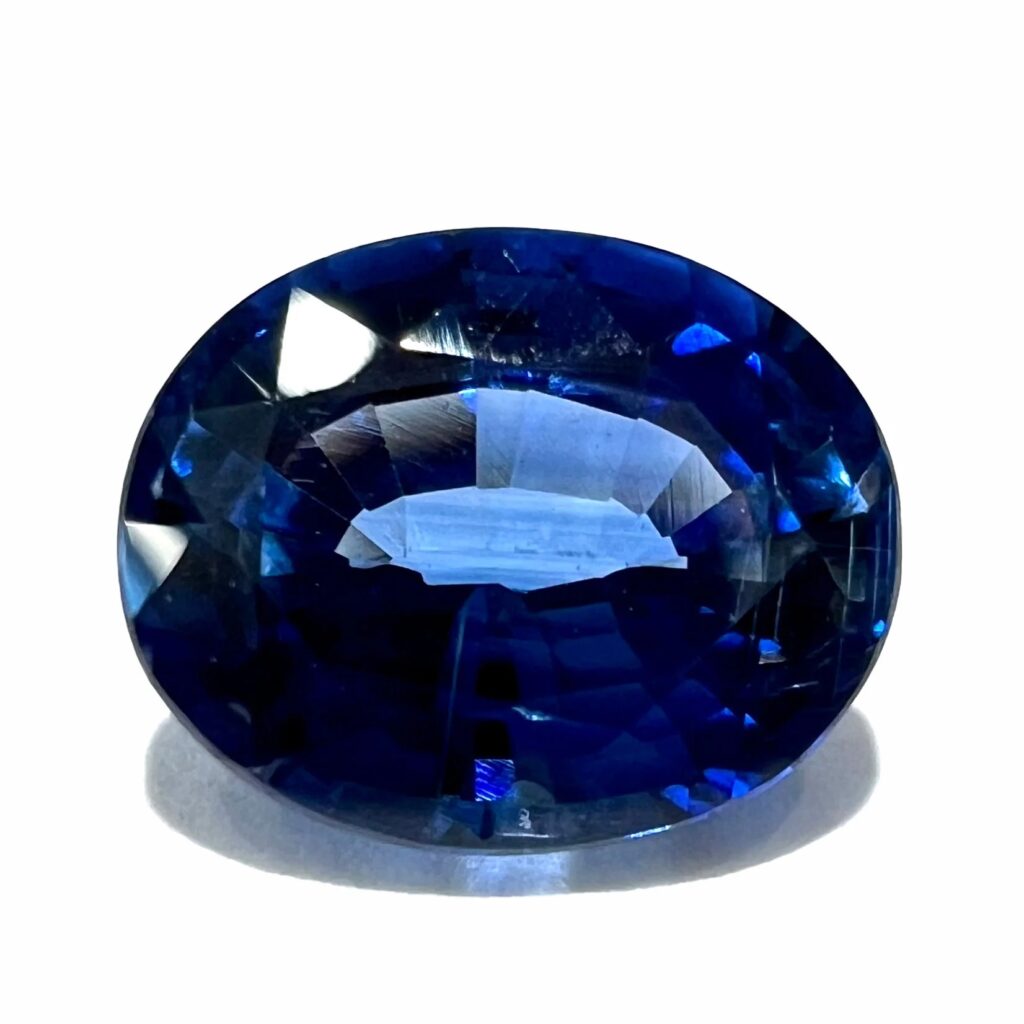
Blue kyanite is the most recognized and widely available variety. Its color ranges from pale blue to deep blue, with the intensity often influenced by trace amounts of iron and titanium. High-quality blue crystals are popular among mineral collectors and may occasionally be cut as gemstones. - Green Kyanite
Green kyanite is a less common variety that obtains its color from specific trace elements within the crystal structure. It usually forms in similar metamorphic environments as blue kyanite and is valued mainly for its unusual coloration. - Orange Kyanite
Orange kyanite is a relatively rare variety known for its warm orange to reddish-orange tones. Its color is associated with variations in chemical composition and trace element content during crystal formation. - White and Gray Kyanite
White and gray kyanite varieties are commonly found in industrial deposits. These specimens may have lower transparency and are often used as raw material for refractory and ceramic applications. - Colorless Kyanite
Colorless kyanite is uncommon and usually occurs as transparent crystals. When crystals have suitable clarity and quality, they may be used for gemstone purposes or collected as mineral specimens. - Gem-Quality Kyanite
Gem-quality kyanite refers to transparent crystals with attractive colors and sufficient clarity for cutting and polishing. Although not as widely used as many traditional gemstones, high-quality kyanite is appreciated for its unique color variations and distinctive appearance.
Major Deposits and Localities of Kyanite
Kyanite occurs in metamorphic regions around the world, particularly in areas where aluminum-rich rocks have undergone high-pressure and moderate-temperature metamorphism. Important deposits are found in several countries, with some locations producing large quantities of industrial-grade kyanite and others known for well-formed crystals suitable for mineral collections. In the United States, significant kyanite deposits occur in Virginia, Georgia, and North Carolina, where the mineral is mined mainly for industrial applications. India is one of the major producers of kyanite, with important deposits located in regions such as Jharkhand, Karnataka, and Maharashtra. Brazil is known for producing attractive blue kyanite crystals and gemstone-quality specimens, while Nepal has become recognized for high-quality blue crystals from Himalayan metamorphic environments. Other notable occurrences include Austria and Switzerland, where alpine regions yield well-developed collector specimens, as well as Kenya, which has produced unusual colored varieties. The quality, color, and crystal form of kyanite can vary significantly between different localities due to differences in geological conditions, mineral associations, and the chemical environment during formation. These worldwide occurrences make kyanite an important mineral for both geological research and mineral collecting.
Applications of Kyanite
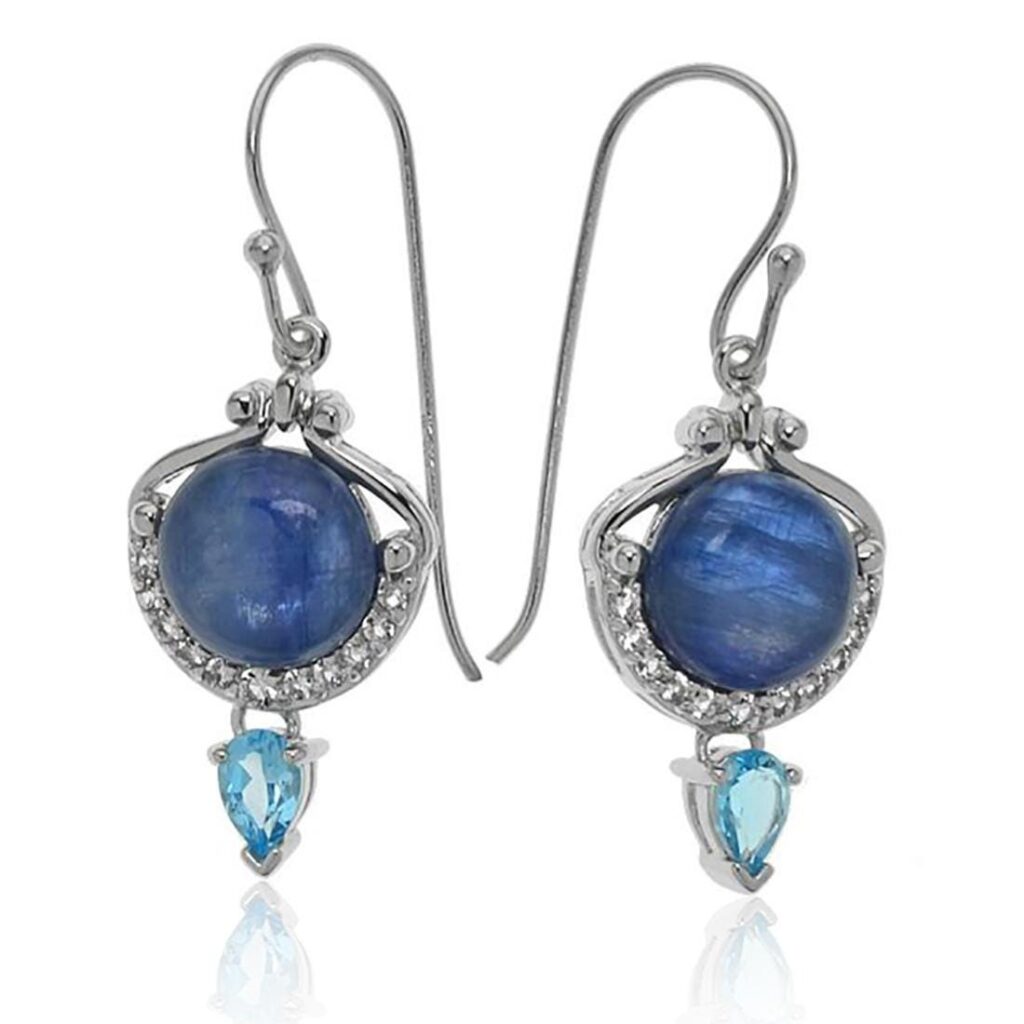
Kyanite has both industrial and scientific applications due to its unique chemical composition, high-temperature stability, and ability to transform into mullite when heated. One of its most important uses is in the production of refractory materials, where it is added to furnace linings, kiln components, and heat-resistant bricks that must withstand high temperatures and thermal stress. Kyanite is also used in the ceramic industry for manufacturing porcelain, sanitary ware, electrical ceramics, and other ceramic products because it can improve strength, durability, and resistance to heat deformation. In foundry applications, kyanite-based materials are used in molds and casting processes where resistance to thermal shock is required. Beyond industrial uses, kyanite is also valued in geology as an indicator mineral for studying metamorphic conditions, helping researchers determine the pressure and temperature history of rocks. Transparent and well-colored kyanite crystals may be cut into gemstones, although they are mainly considered collector gemstones due to their directional hardness and cleavage properties. In mineral collections, kyanite is appreciated for its distinctive blade-shaped crystals, color variations, and association with other metamorphic minerals such as quartz, garnet, and mica.