
Phosgenite is a rare lead carbonate chloride mineral with the chemical formula Pb₂CO₃Cl₂. It is known for its distinctive crystal structure, high density, and occurrence in oxidized zones of lead ore deposits. The mineral typically forms as transparent to translucent crystals with a white, colorless, gray, yellowish, or pale green appearance. Its crystals commonly develop in the tetragonal crystal system, often showing well-formed prismatic or tabular habits.
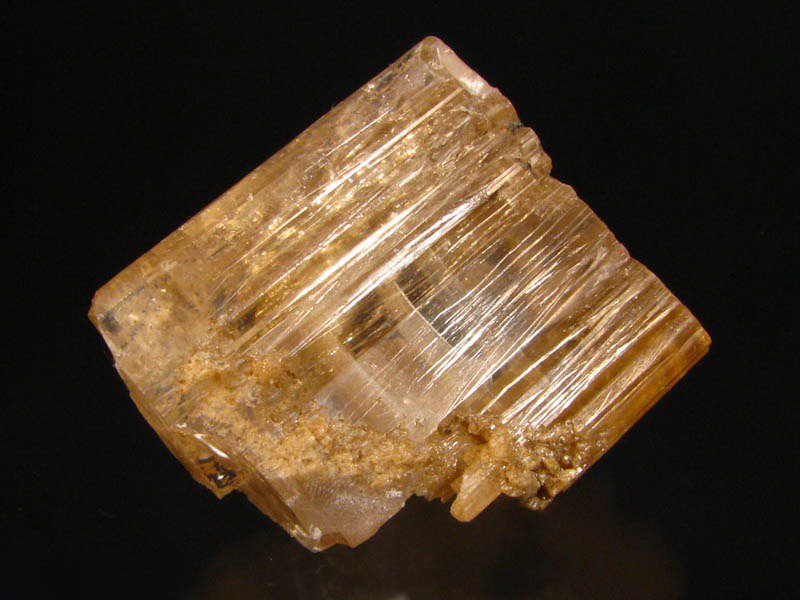
Phosgenite belongs to the carbonate mineral group but also contains chlorine in its chemical structure, making it a member of the lead carbonate chloride minerals. It forms through secondary alteration processes, usually when primary lead sulfide minerals such as galena undergo oxidation and react with carbonate-rich and chloride-bearing fluids near the surface environment.Due to its softness, perfect cleavage, and sensitivity to environmental conditions, phosgenite is mainly valued as a collector mineral rather than a material used in industry. Well-developed crystals are uncommon, and specimens are primarily studied by mineral collectors and researchers interested in secondary lead mineral assemblages.
The name “phosgenite” comes from the Greek words “phos” meaning light and “gennao” meaning to produce, referring to the historical use of lead compounds in the production of white pigments and related chemical processes. The mineral was first described in the 19th century and has since been identified in several lead-rich localities around the world.
History and Discovery of Phosgenite
Phosgenite was first recognized during the 19th century in association with lead mining regions where unusual secondary lead minerals were found in the oxidation zones of ore deposits. Early mineralogists studied these specimens because of their unusual combination of carbonate and chloride components, which distinguished them from more common lead carbonate minerals such as cerussite (PbCO₃).
The mineral became particularly associated with historic lead mining districts in Europe, where oxidized lead ores frequently produced a variety of secondary minerals. One of the classic localities for phosgenite is the Monteponi Mine in Sardinia, Italy, where well-formed crystals have been found together with other lead minerals. Other important occurrences include deposits in England, Mexico, Namibia, Australia, and the United States.
Historically, minerals containing lead compounds attracted attention because lead was widely used in pigments, ceramics, glass production, and metallurgy. However, phosgenite itself has never been an important commercial ore mineral because of its rarity and limited distribution. Modern interest in phosgenite is primarily related to mineral collecting, crystallography, and the study of secondary mineral formation in oxidized ore environments.
Formation and Geological Occurrence of Phosgenite
Phosgenite forms as a secondary mineral in the oxidized zones of lead-bearing ore deposits, where primary lead minerals are altered by interaction with oxygenated groundwater and chemically active fluids. It most commonly develops through the weathering of galena (PbS), the primary sulfide mineral of lead, under conditions where carbonate ions and chloride ions are available. During this process, sulfur is removed through oxidation, while lead reacts with carbonate- and chloride-bearing solutions to form new secondary minerals such as phosgenite and related lead compounds.
The formation of phosgenite generally requires a combination of geological conditions, including a source of lead, carbonate-rich fluids, and a supply of chlorine. These conditions are often found in arid or semi-arid environments where evaporation can concentrate dissolved elements in near-surface environments. In some deposits, saline groundwater provides the necessary chloride ions, while carbonate minerals in the surrounding rocks contribute carbonate components.
Phosgenite is commonly associated with other secondary lead minerals formed in oxidation zones. Typical associated minerals include cerussite (PbCO₃), anglesite (PbSO₄), leadhillite, hydrocerussite, smithsonite, and various copper or zinc minerals depending on the composition of the host deposit. These mineral assemblages provide important information about the chemical conditions during the alteration of primary ore minerals.
The mineral usually occurs in cavities, fractures, and open spaces within lead-rich rocks, where mineral-bearing solutions can circulate and allow crystals to grow. Well-developed phosgenite crystals are relatively uncommon because the mineral requires specific chemical conditions and is often replaced or altered by other secondary lead minerals during continued weathering.Important localities for phosgenite include the Monteponi Mine in Sardinia, Italy, which has produced some of the finest known crystals. Other notable occurrences include the Broken Hill mining district in New South Wales, Australia; Tsumeb Mine in Namibia; several historic lead deposits in England; and localities in Mexico and the United States. These deposits are typically characterized by complex oxidation zones containing diverse secondary mineral species.
Crystal Structure and Mineral Classification of Phosgenite
Phosgenite is classified as a carbonate mineral with additional halide components due to the presence of chlorine in its chemical structure. Its chemical formula is Pb₂CO₃Cl₂, indicating that each mineral unit contains lead, carbonate groups, and chloride ions arranged in a highly ordered crystalline framework.
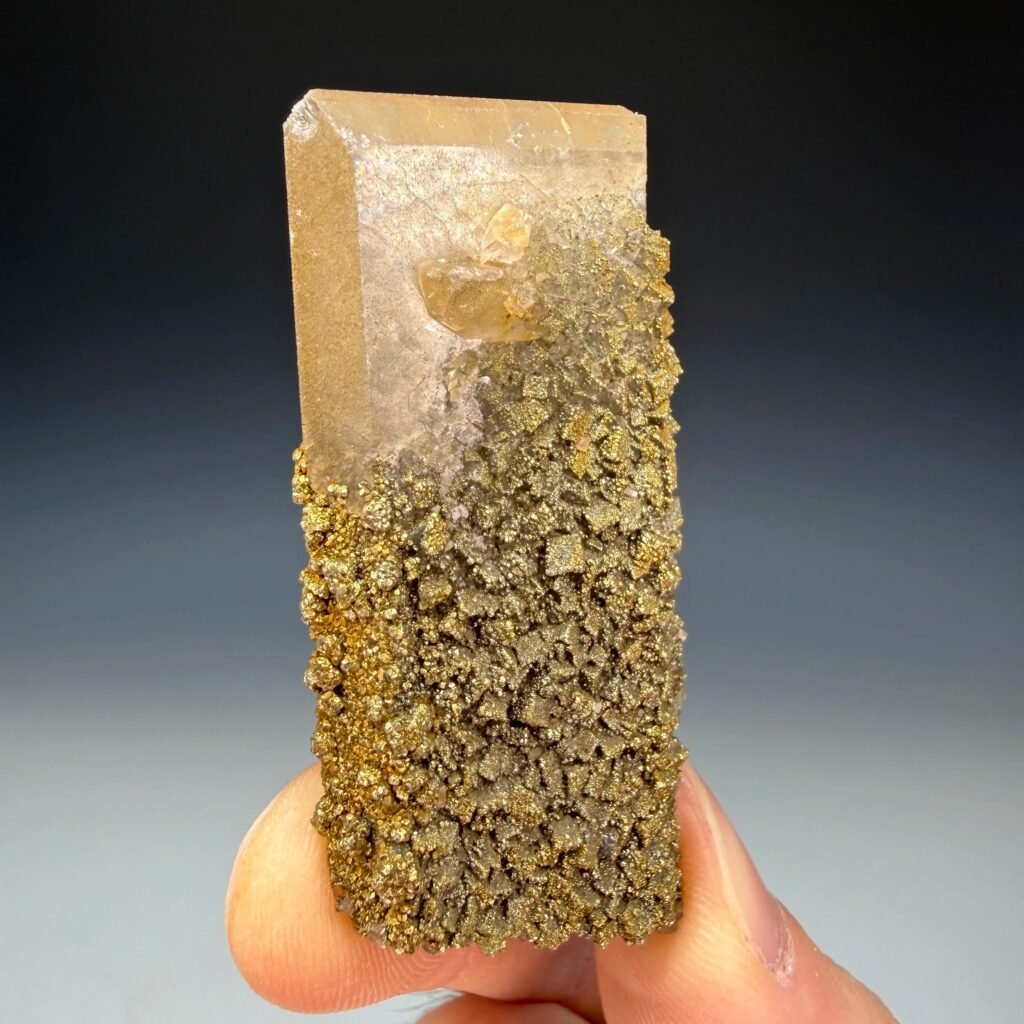
The mineral crystallizes in the tetragonal crystal system, which is characterized by four-fold rotational symmetry along one crystallographic axis. This symmetry commonly produces crystals with prismatic, tabular, or pseudo-cubic forms. Well-developed crystals may display smooth faces and sharp edges, although many specimens occur as granular masses, coatings, or small crystal aggregates.The crystal structure of phosgenite consists of lead ions coordinated with carbonate groups and chloride ions. The large size and high atomic weight of lead contribute to the mineral’s high specific gravity, while the arrangement of carbonate groups influences its cleavage and optical properties. The presence of chlorine differentiates phosgenite from other lead carbonate minerals, particularly cerussite, which has a similar composition but lacks chloride.
Phosgenite belongs to the carbonate class in mineral classification systems such as the Dana and Strunz systems. Its combination of carbonate and halide chemistry places it among relatively uncommon secondary lead minerals. The mineral is often studied alongside other lead oxychloride and carbonate minerals because they share similar geological environments and formation processes.
Physical and Chemical Properties of Phosgenite
Phosgenite has a distinctive set of physical properties mainly influenced by its high lead content and tetragonal crystal structure. It usually occurs as colorless, white, gray, pale yellow, or occasionally pale green crystals, although coloration can vary depending on impurities, inclusions, and surface alteration. The mineral is commonly transparent to translucent, especially in well-formed crystals, while massive or altered specimens may appear more opaque. Its typical crystal habits include prismatic, tabular, and pseudo-cubic forms, and crystals may develop sharp faces and well-defined edges when growth conditions are favorable.
With a Mohs hardness of 2.5 to 3, phosgenite is a relatively soft mineral and can be easily scratched by harder materials. It has perfect cleavage, which reflects the internal arrangement of atoms within its crystal structure but also makes crystals relatively fragile during handling. The mineral has a very high specific gravity of approximately 6.1 to 6.2, a characteristic caused by its high concentration of lead. This density is useful for distinguishing phosgenite from many other carbonate minerals that have lower specific gravity values.
Phosgenite typically shows a vitreous to adamantine luster on fresh crystal surfaces, producing a bright appearance caused by its relatively high refractive index. The streak is white, and fracture is generally uneven to subconchoidal. Its optical properties are closely related to its tetragonal crystal system and lead-rich composition. Transparent crystals are usually colorless in transmitted light and may display strong light reflection due to the interaction between light and the heavy elements within the crystal lattice.
Chemically, phosgenite is a lead carbonate chloride mineral with the formula Pb₂CO₃Cl₂. Its structure contains lead ions combined with carbonate groups and chloride ions, creating a stable crystalline framework formed under specific oxidation-zone conditions. The mineral can react with acids because of its carbonate component, especially when powdered. Like other lead-bearing minerals, phosgenite should be handled carefully, as lead compounds can be harmful if ingested or inhaled in powdered form.
Types and Varieties of Phosgenite
Phosgenite is recognized as a single mineral species rather than a mineral group with widely accepted varieties. However, specimens can display differences in appearance, crystal habit, and composition depending on the geological environment where they form. These variations are mainly related to crystal growth conditions, associated minerals, and minor chemical substitutions within the crystal structure.
Common forms of phosgenite specimens include:
- Well-formed crystals – Transparent to translucent crystals with prismatic, tabular, or pseudo-cubic shapes. These specimens are typically the most valued among mineral collectors because of their sharp crystal development and clarity.
- Granular or massive phosgenite – Occurs as compact aggregates or crystalline coatings within cavities and fractures of oxidized lead deposits. These forms are less visually distinctive but provide important information about mineral formation.
- Color variations – Pure phosgenite is generally colorless or white, but trace impurities or associated minerals may produce gray, pale yellow, or pale green shades.
- Association forms – Some specimens consist of phosgenite crystals growing together with other secondary lead minerals, creating complex mineral assemblages that reflect the chemical evolution of the deposit.
Although phosgenite does not have officially recognized gemological varieties, differences between specimens are useful for understanding the geological conditions under which the mineral formed. Crystal size, transparency, and association with other minerals are commonly used to describe individual occurrences.
Associated Minerals of Phosgenite
Phosgenite commonly occurs in oxidized lead deposits together with other secondary minerals produced by the weathering of primary lead sulfide ores. Because these minerals form under similar chemical conditions, their presence can provide clues about the environment in which phosgenite developed.
The most common associated minerals include:
- Cerussite (PbCO₃) – A lead carbonate mineral frequently found with phosgenite. Both minerals form in oxidation zones and may occur together as white or colorless crystals.
- Anglesite (PbSO₄) – A secondary lead sulfate mineral that forms from the oxidation of galena. It commonly appears in the same environments as phosgenite.
- Galena (PbS) – The primary lead sulfide mineral that often acts as the original source of lead during the formation of secondary minerals.
- Mimetite (Pb₅(AsO₄)₃Cl) – A lead arsenate chloride mineral that may occur in complex oxidized lead deposits.
- Pyromorphite (Pb₅(PO₄)₃Cl) – Another lead chloride mineral often found in similar oxidation-zone settings.
- Smithsonite (ZnCO₃) – A zinc carbonate mineral that may occur where lead and zinc deposits undergo oxidation together.
The mineral associations of phosgenite vary between localities. In some deposits, it occurs as small crystals lining cavities in host rocks, while in others it forms part of a complex assemblage containing numerous secondary lead minerals. These associations are important for mineral collectors and researchers studying the alteration processes of ore deposits.
How to Identify Phosgenite
Identifying phosgenite can be challenging because many secondary lead minerals have similar colors and crystal appearances. Accurate identification usually requires a combination of physical observation, chemical testing, and analytical techniques.
The first identifying features are its crystal form, high density, and association with lead-rich oxidation zones. Well-formed phosgenite crystals are typically colorless, white, or pale-colored with a bright vitreous to adamantine luster. Its unusually high specific gravity of around 6.1–6.2 is one of the most useful physical characteristics, helping separate it from lighter carbonate minerals.Hardness and cleavage tests can also provide clues. With a hardness of 2.5–3, phosgenite is relatively soft and can be scratched easily. Its perfect cleavage may produce smooth reflective surfaces, although testing should be performed carefully because lead minerals can be fragile.
Because phosgenite can resemble minerals such as cerussite, anglesite, and other white secondary lead minerals, laboratory methods are often required for confirmation. X-ray diffraction (XRD) is commonly used to determine its crystal structure, while chemical analysis can confirm the presence of lead, carbonate, and chlorine. These methods are especially important for unusual specimens or samples from complex mineral deposits.
When collecting or studying phosgenite, it is also important to consider its lead content. Specimens should be handled responsibly, avoiding the creation of dust or particles, and hands should be washed after handling mineral samples.
Uses and Applications of Phosgenite
Phosgenite has limited practical applications because of its rarity, softness, and occurrence in small quantities. Unlike common lead minerals such as galena, it has not been used as a significant source of lead ore. The mineral is mainly important in mineralogical research, museum collections, and private mineral collecting due to its distinctive crystal structure and association with oxidized lead deposits.
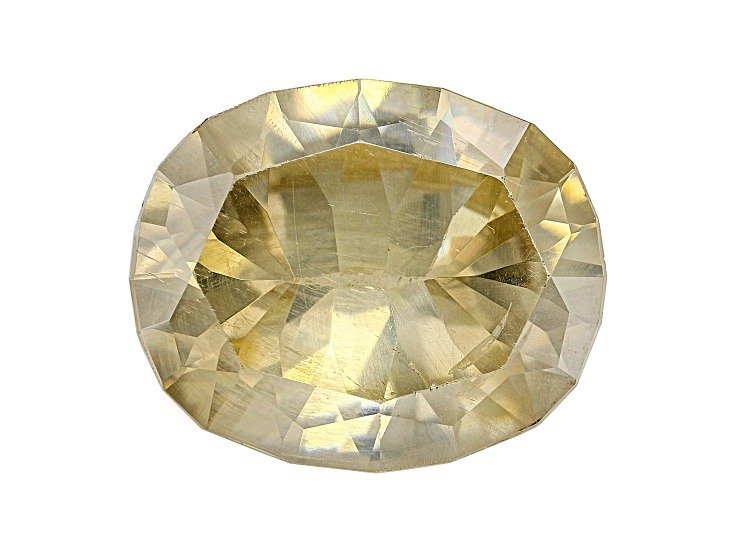
In mineralogy, phosgenite is studied as an example of a secondary lead carbonate chloride mineral formed during the alteration of primary ore minerals. Its formation provides information about the chemical conditions present in oxidation zones, including the availability of carbonate and chloride ions in groundwater systems. Researchers use phosgenite and related secondary minerals to understand the weathering processes that transform sulfide ore deposits near the Earth’s surface.Phosgenite specimens are also valued by mineral collectors, particularly well-formed transparent crystals from classic localities. Because large and sharply developed crystals are uncommon, high-quality specimens are usually preserved in collections rather than used for decorative or industrial purposes. Some specimens are displayed in museums and educational collections to demonstrate the diversity of secondary lead mineral formation.
The mineral has historical relevance because lead carbonate compounds were widely used in pigments, paints, and chemical industries in the past. However, phosgenite itself was not an important commercial pigment source due to its rarity and limited availability. Modern handling of phosgenite specimens focuses mainly on scientific study and collection, with appropriate precautions due to the presence of lead.