
Cattierit är ett relativt sällsynt koboltsulfidmineral med den idealiska kemiska formeln CoS₂. Det tillhör pyritgruppen, en strukturellt besläktad familj av kubiska sulfidmineral som inkluderar pyrit (FeS₂) och vaesit (NiS₂). I cattierit upptar kobolt den huvudsakliga metallpositionen medan svavel förekommer som disulfidgrupper i kristallstrukturen. Detta distinkta kemiska och strukturella förhållande ger cattierit en betydande mineralogisk betydelse, särskilt i studier av övergångsmetallsulfider och den kemiska utvecklingen av malmbildande system. Cattierit kristalliserar vanligtvis i det kubiska kristallsystemet och är vanligtvis opak, med metallisk glans och en färg som kan variera från gråvit och stålgrå till ljus brons eller mässingsgrå. Enskilda kristaller är inte alltid välutvecklade, och mineralet förekommer oftare som granulära aggregat, kompakta massor, disseminerade korn eller fina sammanväxningar med andra sulfidmineral.
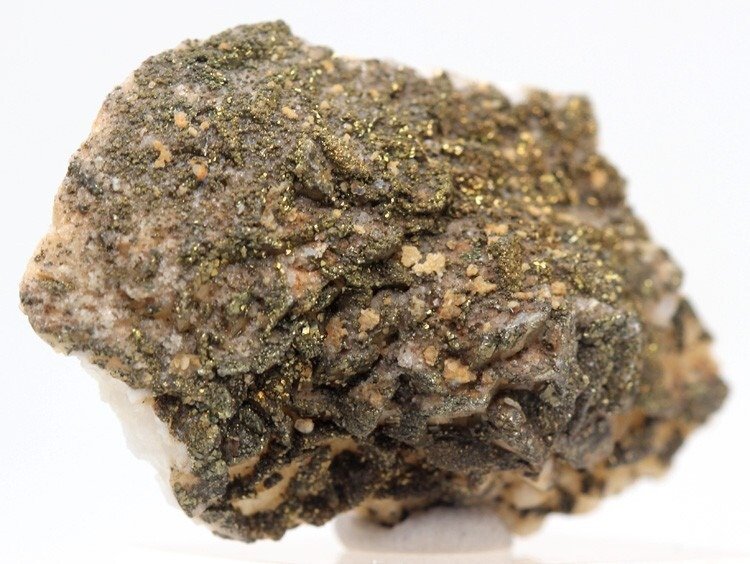
Ur ett geologiskt perspektiv är cattierit mest betydelsefull som ett koboltbärande mineral i sulfidrika malmförekomster. Det är särskilt förknippat med koppar-koboltmineralisering i det centralafrikanska kopparbältet, där det kan förekomma tillsammans med mineral som carrollit, pyrit, kalkopyrit, bornit och andra medlemmar av den kobolt- och nickelförande sulfidassociationen. Bildningen av cattierit återspeglar särskilda kombinationer av svavelaktivitet, metalltillgång, temperatur, vätskekemi och redoxförhållanden under mineralisering och efterföljande geologisk omvandling. Eftersom kobolt är en ekonomiskt viktig metall som används i högpresterande legeringar, katalysatorer och material till uppladdningsbara batterier, kan förekomsten av cattierit ha betydelse utöver mineralklassificering. Även om cattierit inte är bland de mest förekommande koboltmineralen världen över, ger dess närvaro värdefull information om fördelningen och mineralogiska formen av kobolt inom vissa malmsystem. För mineraloger och ekonomiska geologer representerar cattierit därför både ett intressant exempel på pyritgruppens kristallkemi och en viktig indikator på specifika koboltrika geologiska miljöer.
Cattierits historia
cattierit erkändes och beskrevs som ett distinkt mineral under den tidiga utvecklingen av mineralogiska studier av de koboltrika malmfyndigheterna i Centralafrika. Mineralet namngavs för att hedra Félix Cattier, en belgisk geolog och geograf som bidrog till geologisk undersökning och kartläggning av Belgiska Kongo, nu Demokratiska republiken Kongo. Namngivningen av cattierit återspeglar den nära kopplingen mellan mineralet och den geologiska utforskningen av Centralafrika, särskilt regionen som senare blev internationellt erkänd för sina exceptionella koppar- och koboltresurser.
Studien av cattierit blev allt viktigare när geologer undersökte de komplexa sulfidansamlingarna i Centralafrikanska kopparbältet. Dessa avlagringar innehåller en mångfald av koppar-, kobolt-, järn- och svavelmineral, och tidiga mineralogiska undersökningar visade att kobolt förekom i flera distinkta mineral faser snarare än att vara jämnt fördelat genom malmen. Cattierit identifierades som en av de viktiga koboltbärande sulfiderna inom detta system. Dess nära strukturella relation med pyrit och andra pyritgruppsmineral väckte också vetenskapligt intresse eftersom det gav ett exempel på hur olika övergångsmetaller kan bilda mineral med nära besläktade kristallstrukturer. Fortsatt mineralogisk och geokemisk forskning har hjälpt till att etablera cattierit som en distinkt mineralart och har förbättrat förståelsen av de kemiska förhållanden som ansvarar för koboltsulfidbildning.
Bildandet av cattierit
Cattierit bildas främst i sulfidrika geologiska miljöer där kobolt blir tillräckligt koncentrerad och svavel finns tillgängligt för att bilda koboltdisulfid. Dess bildning är nära kopplad till hydrotermala och sedimentära-exhalativa eller sedimentbundna mineraliseringsprocesser, beroende på den specifika fyndigheten. I stora centralafrikanska kobolt-kopparfyndigheter utvecklades mineraliseringen genom komplexa interaktioner mellan metallhaltiga vätskor, svavelhaltiga komponenter och kemiskt reaktiva värdbergarter. Förändringar i temperatur, tryck, svavelaktivitet, oxidations-reduktionsförhållanden, vätskesammansättning och tillgången på kobolt kan påverka vilka sulfidmineral som blir stabila under olika stadier av mineralbildning.
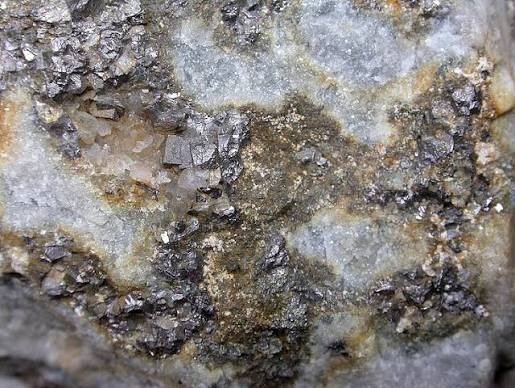
Bildningen av cattierit kan också involvera efterföljande omvandlings- och metamorfa processer som modifierar den ursprungliga mineralassociationen. När geologiska förhållanden förändras kan kobolt omfördelas mellan olika sulfidfaser, vilket producerar sammanväxningar eller ersättningsrelationer mellan cattierit och mineral som carrollit, pyrit, kopparkis och andra koboltbärande sulfider. I vissa fyndigheter förekommer cattierit som finkorniga disseminerade korn inom sulfidrik malm, medan den i andra kan bilda mer koncentrerade granulära aggregat. Dessa texturförhållanden är särskilt användbara för malmgeologer eftersom de registrerar sekvensen av mineraliseringshändelser och ger ledtrådar om utvecklingen av det hydrotermala eller sedimentbundna systemet där koboltmineraliseringen utvecklades.
Kristallstruktur av cattierit
Cattierit kristalliserar i det kubiska kristallsystemet och tillhör pyritstrukturgruppen. Dess kristallstruktur kännetecknas av en mycket symmetrisk anordning av koboltatomer och svavel-svavelpar. I strukturen upptar kobolt metallpositionerna medan svavelatomerna bildar parade enheter som är fördelade i det tredimensionella ramverket. Denna anordning är nära jämförbar med pyritens struktur, där järn upptar motsvarande metallpositioner. Den strukturella likheten mellan cattierit och pyrit är en viktig anledning till att dessa mineral grupperas tillsammans trots att de har olika kemiska sammansättningar.
Den kubiska symmetrin hos cattierit återspeglar den regelbundna koordinationsmiljön runt kobolt och den ordnade anordningen av disulfidgrupperna. Varje koboltatom är omgiven av svavelatomer i en relativt regelbunden koordinationsgeometri, vilket ger ett kompakt och stabilt kristallramverk. Denna strukturella organisation bidrar till mineralets relativt höga densitet, metalliska utseende och karakteristiska fysikaliska beteende. Cattierit kan bilda välutvecklade kubiska kristaller under gynnsamma förhållanden, men naturliga exemplar förekommer oftare som finkorniga aggregat, massivt material eller disseminerade korn i sulfidrika malmer. Dess kristallstruktur kan också rymma vissa kemiska variationer, och att studera dessa samband med andra pyritgruppsmineral ger användbar information om övergångsmetallers beteende i sulfidmineralsystem.
Fysikaliska och kemiska egenskaper hos cattierit
Cattierit är ett opakt sulfidmineral som kännetecknas av metallisk glans, relativt hög densitet och ett typiskt grått till ljusbronsfärgat utseende. Dess färg kan variera från stålgrå och gråvit till bronsgrå eller mässingsgrå beroende på provet, kornstorlek, ytbeskaffenhet och associerade mineral. Den förekommer vanligen i massiv, granulär eller disseminerad form, även om kristallina former kan förekomma under lämpliga förhållanden. Cattierit har en Mohs hårdhet på vanligtvis omkring 5 till 6, vilket placerar den i det mellersta hårdhetsintervallet för sulfidmineral. Dess metalliska glans är särskilt märkbar på färska ytor, medan vittrade eller oxiderade prov kan verka matta på grund av bildning av sekundära mineral eller ytbeläggningar. Eftersom dess fysiska utseende kan likna andra metalliska sulfider, är egenskaper som färg och glans vanligtvis otillräckliga för en definitiv identifiering.
Kemiskt har cattierit den ideala sammansättningen CoS₂, bestående av kobolt och svavel i ett atomförhållande på 1:2. Svavlet förekommer i strukturen som disulfidpar, en viktig egenskap som delas med andra mineral i pyritgruppen. Dess kemi återspeglar den starka relationen mellan kobolt och svavel under sulfidbildande geologiska förhållanden. Naturlig cattierit kan förekomma i komplexa mineralassociationer som innehåller järn, koppar, nickel och andra övergångsmetallsulfider, och mindre kemiska substitutioner eller intima sammanväxningar kan förekomma beroende på den geologiska miljön. Dessa kemiska relationer är betydelsefulla eftersom de kan avslöja förändringar i svavelaktivitet, temperatur, redoxförhållanden och metalltillgång under malmbildning. För noggrann identifiering och karaktärisering är tekniker såsom reflektionsmikroskopi, röntgendiffraktion, svepelektronmikroskopi och elektronmikrosondanalys ofta mer tillförlitliga än enkel visuell undersökning.
Typer och varianter av cattierit
Cattierit är allmänt erkänd som en distinkt mineralart snarare än ett mineral med många officiellt erkända varianter. Naturlig cattierit kan dock förekomma i flera olika texturmässiga och morfologiska former beroende på dess geologiska miljö, kristalltillväxtförhållanden och relation till associerade sulfidmineral.
- Massiv cattierit – Massiv cattierit förekommer som kompakta, oregelbundna massor utan tydligt utvecklade individuella kristallytor. Denna form återfinns vanligen i sulfidrika malmkroppar och kan vara tätt sammanvuxen med pyrit, carrollit, kopparkis och andra metalliska sulfidmineral. Eftersom enskilda korn kan vara svåra att särskilja, identifieras massiv cattierit ofta genom mineralogisk eller kemisk analys.
- Granulär cattierite – Granulär cattierit består av många små, tätt packade korn som kan variera från mikroskopiska partiklar till större synliga korn. Det är en viktig texturform i koboltrika malmer och kan förekomma i hela en sulfidbärande matris. Kornstorlek och fördelning kan ge användbar information om förhållanden och stadier av mineralisering.
- Disseminerad cattierit – Disseminerad cattierit förekommer som enskilda korn eller små aggregat utspridda i en värdbergart eller sulfidrik malm. Kornen kan vara omgivna av andra sulfider eller gångartsmineral, vilket ger ett fläckigt utseende i reflekterat ljus vid mikroskopering. Denna förekomst är särskilt betydelsefull inom ekonomisk geologi eftersom fördelningen av disseminerad cattierit kan påverka den totala kobolthalten och bearbetningsegenskaperna hos en malmkropp.
- Kristallin Cattierite – Kristallin cattierit utvecklar igenkännbara kristallformer under lämpliga geologiska förhållanden. Eftersom cattierit tillhör det kubiska kristallsystemet kan dess kristaller återspegla de symmetriska strukturella egenskaperna hos pyritgruppen. Välutvecklade kristaller är relativt ovanliga jämfört med massivt eller granulärt material och kan vara av särskilt intresse för mineralogiska studier och specialiserade samlingar.
- Sammanvuxen cattierite – Cattierit kan bilda intima sammanväxningar med andra sulfidmineral, särskilt pyrit, carrollit, kopparkis och relaterade kobolt- eller kopparhaltiga faser. Sådana sammanväxningar uppstår när olika mineral kristalliseras under överlappande stadier av malmbildning eller när senare vätskor delvis ersätter tidigare mineralfaser. Dessa texturer är användbara för att rekonstruera sekvensen av mineralisering och omvandling inom koboltrika fyndigheter.
- Finkornig cattierite – Finkornig cattierit består av mycket små kristaller eller aggregat som kan vara svåra att särskilja även under en lupp. Den förekommer vanligen i komplexa sulfidsammansättningar där kobolt är fördelat mellan flera mineralfaser. Identifiering av denna form kräver i allmänhet reflekterat ljusmikroskopi eller analytiska tekniker såsom elektronmikrosondanalys och svepelektronmikroskopi.
Förekomst och viktigaste fyndorter av cattierit
Cattierite är ett ovanligt mineral och förekommer huvudsakligen i geologiska miljöer som är berikade på kobolt och svavel. Dess förekomst är nära förknippad med komplexa sulfidmalmssystem där kobolt har koncentrerats genom hydrotermala, sedimentära, diagenetiska, metamorfa eller senare omvandlingsprocesser. Snarare än att förekomma som ett vanligt bergartsbildande mineral, är cattierite typiskt närvarande som en del av en specialiserad mineralassociation som innehåller andra sulfider av kobolt, koppar, järn och ibland nickel. Det kan förekomma som fint disseminerade korn, granulära aggregat, kompakta massor eller sammanväxningar inom malmbärande värdbergarter. Eftersom cattierite kan vara svårt att identifiera visuellt, är dess rapporterade förekomst i många fyndigheter beroende av detaljerad mineralogisk undersökning med reflekterat ljusmikroskopi, röntgendiffraktion, elektronmikrosondanalys och andra analytiska metoder.
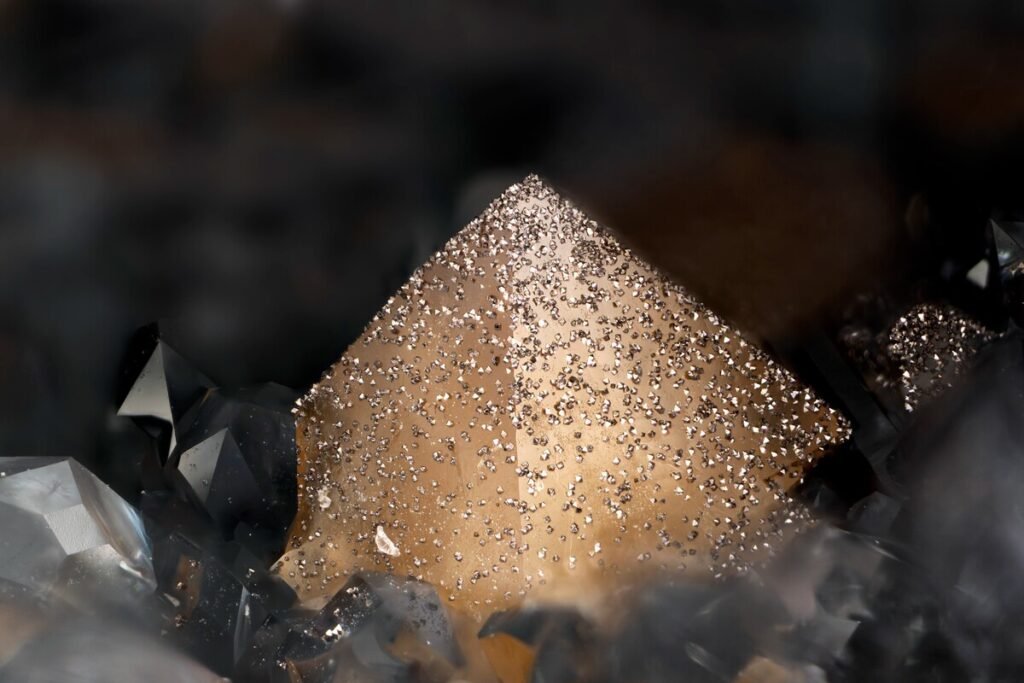
De historiskt viktigaste förekomsterna för cattierit är förknippade med koppar-koboltfyndigheterna i Centralafrikanska kopparbältet, särskilt i Demokratiska republiken Kongo. Denna region innehåller några av världens viktigaste koboltresurser och är känd för sina exceptionellt mångsidiga associationer av koppar- och koboltmineral. Cattierit förekommer inom dessa komplexa malmsystem tillsammans med mineral såsom carrollit, pyrit, kalkopyrit, bornit och andra koboltbärande sulfider. Dess närvaro återspeglar de särskilda kemiska förhållanden under vilka kobolt och svavel koncentrerades och mineraliserades. Ytterligare förekomster kan rapporteras från andra koboltrika sulfidfyndigheter världen över, men väldokumenterade exemplar förblir jämförelsevis ovanliga. Av denna anledning är lokalinformation särskilt viktig när man studerar eller samlar cattierit, eftersom den geologiska miljön kan ge värdefulla ledtrådar om mineralets bildning, associerade arter och kemiska egenskaper.
Associerade mineral av cattierit
Cattierite förekommer vanligen i komplexa sulfidassociationer snarare än som ett isolerat mineral. En av dess viktigaste associationer är med pyrit, som har en nära besläktad kristallstruktur och den kemiska formeln FeS₂. Cattierite kan också förekomma med carrollite, en koppar-koboltsulfid som är särskilt karakteristisk för koppar-koboltfyndigheterna i Centralafrika. Andra associerade sulfider kan inkludera kalkopyrit, bornit och olika kobolt- och nickelhaltiga mineral. Den exakta mineralassociationen beror på den geologiska miljön, sammansättningen av mineraliserande vätskor eller sediment och fyndighetens efterföljande omvandlingshistoria.
Relationerna mellan cattierit och dess associerade mineral kan vara särskilt värdefulla för att tolka malmbildningsprocesser. Fina sammanväxningar, ersättningstexturer och skillnader i kornstorlek kan indikera att flera sulfidmineral bildades under successiva mineraliseringsstadier snarare än samtidigt. Till exempel kan cattierit förekomma längs korngränser eller inom aggregat av andra sulfider, medan senare omvandling delvis kan ersätta eller omfördela de ursprungliga koboltbärande faserna. Noggrann undersökning av dessa texturer med reflektionsmikroskopi, svepelektronmikroskopi eller elektronmikrosondanalys kan hjälpa till att fastställa sekvensen för mineralbildningen och avslöja hur kobolt koncentrerades och omfördelades inom fyndigheten.
Tillämpningar av cattierit
Cattierit har begränsade direkta tillämpningar som mineral i sig, men den är viktig som en naturligt förekommande koboltbärande sulfid och kan bidra till det ekonomiska värdet hos koboltrika malmförekomster. Kobolt är en viktig industrimetall som används i högpresterande legeringar, superlegeringar, katalysatorer, hårdmetaller och teknik för uppladdningsbara batterier. Där cattierit förekommer i tillräckligt koncentrerad malm kan den utgöra en av de mineralfaser från vilka kobolt utvinns vid gruv- och metallurgisk bearbetning. Dess ekonomiska betydelse beror därför till stor del på dess förekomstmängd, kornstorlek, association med andra mineraler samt på malmfyndighetens totala halt och bearbetningsegenskaper.
Cattierit har också viktiga tillämpningar inom geologisk forskning och mineralprospektering. Dess närvaro kan fungera som en indikator på specifika kemiska förhållanden som är förknippade med koboltrika sulfidmineraliseringar, vilket hjälper geologer att förstå fördelningen och ursprunget av kobolt inom ett malmsystem. Mineraloger studerar cattierit för att undersöka pyritgruppens kristallkemi, övergångsmetallsulfider och interaktionerna mellan kobolt, svavel, järn, koppar och nickel under mineralbildning. Dessutom kan välkarakteriserade prover användas i mineralogiska samlingar, universitetsundervisning, laboratorieforskning och geologiska referensmaterial. Även om cattierit inte vanligtvis används direkt inom tillverkning, ger dess roll som koboltbärande mineral den fortsatt betydelse inom ekonomisk geologi och studier av mineralresurser.