
Полевой шпат — это не просто отдельный минерал, а монументальная группа породообразующих тектосиликатов, составляющих более 60% земной коры и служащих безмолвным фундаментом гор и равнин, по которым мы ходим. Это разнообразное семейство минералов — от обычного калиевого полевого шпата до переливчатого лабрадорита — формируется в основном в процессе охлаждения и кристаллизации расплавленной магмы или лавы, где конкретные температуры и химическая среда определяют его окончательную кристаллическую структуру. Исторически значимость полевого шпата насчитывает столетия; его название происходит от немецких слов Feld (поле) и Spath (порода, не содержащая руды), что отражает его повсеместное распространение в ландшафте. От критически важного компонента древних керамических глазурей до современной роли в производстве высококачественного стекла и драгоценных камней — история полевого шпата является хроникой промышленной эволюции человечества, отраженной в самой геологии нашей планеты.
Полное руководство по разновидностям полевого шпата
Серия щелочных полевых шпатов
Щелочные полевые шпаты определяются различным соотношением калия (K) и натрия (Na). Чаще всего они встречаются в «кислых» породах, таких как гранит.
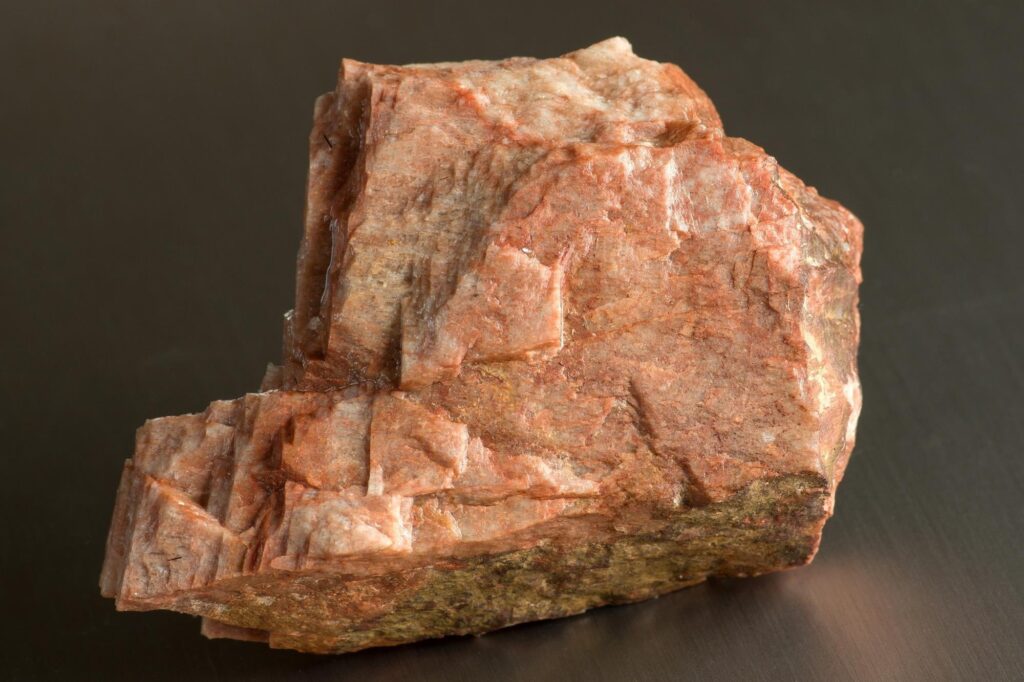
Ортоклаз
Ортоклаз — основной компонент земной коры и главный ингредиент гранита, часто придающий породе розоватый или серый оттенок. Он является эталоном твердости 6 по шкале Мооса. Минерал характеризуется двумя плоскостями спайности, пересекающимися под углом 90 градусов, что и послужило основой для его названия.
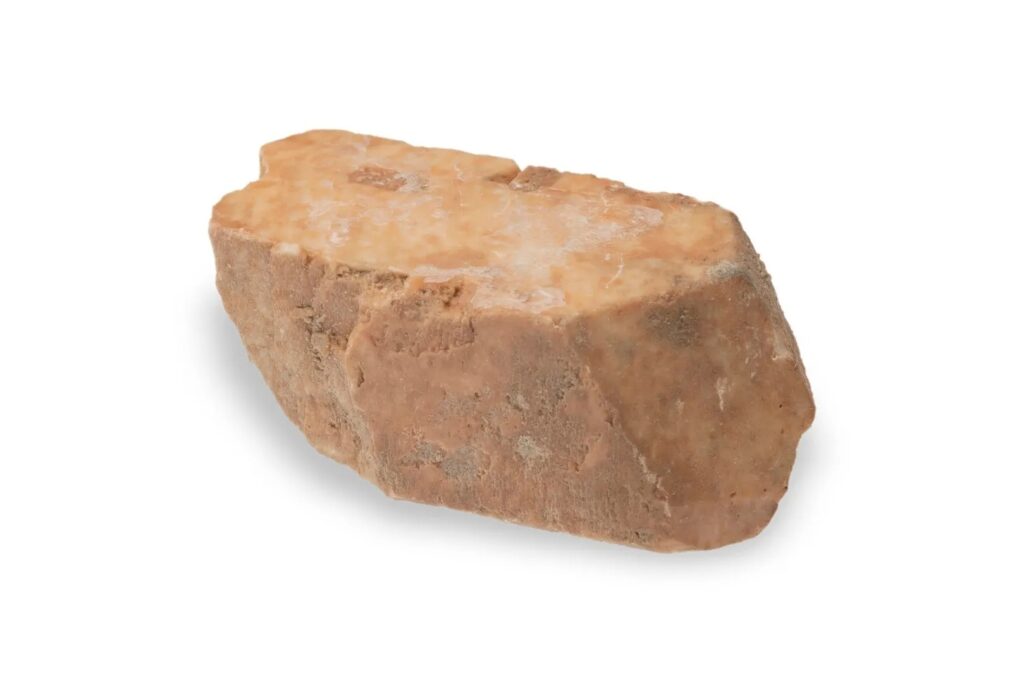
Санидин
Санидин — это высокотемпературная форма калиевого полевого шпата, которая обычно встречается в виде прозрачных стекловидных кристаллов в вулканических породах. Поскольку он формируется при быстром охлаждении, он сохраняет разупорядоченную внутреннюю структуру, что отличает его от других полевых шпатов. Он имеет твердость 6 по шкале Мооса и обладает типичной для этой группы спайностью под углом 90 градусов. Хотя он часто бесцветен или бел, он может иметь оттенки серого или светло-желтого цвета в зависимости от незначительных примесей. Геологи используют его в первую очередь для отслеживания истории охлаждения вулканических извержений.
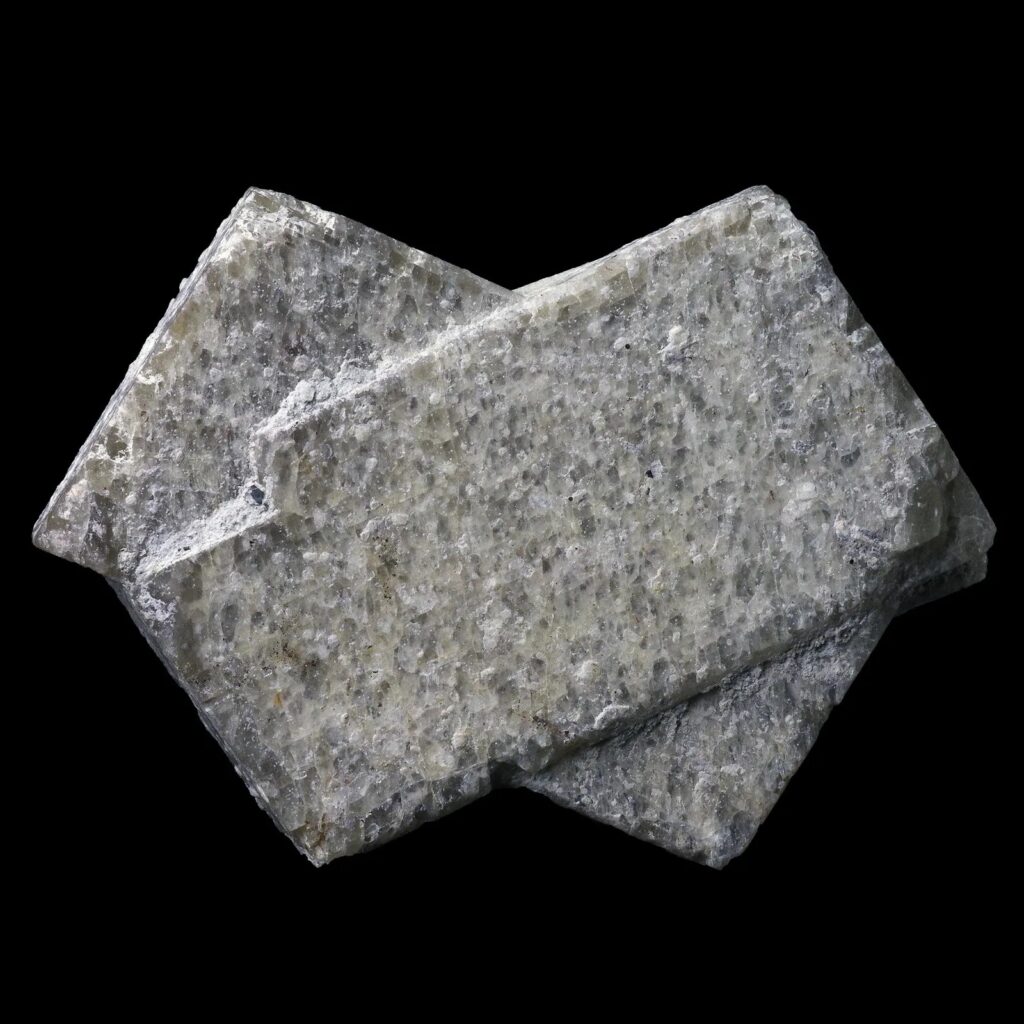
Микролин
Микроклин — это калиевый полевой шпат, который образуется в глубинных магматических породах, таких как гранит и пегматиты. Химически он идентичен ортоклазу, но имеет триклинную кристаллическую структуру, которая развивается при очень медленном охлаждении. Обычно он встречается в оттенках белого, серого или лососево-розового цвета и имеет твердость 6 по шкале Мооса. Известная разновидность от ярко-зеленого до сине-зеленого цвета называется амазонитом. Геологи идентифицируют микроклин под микроскопом по его характерному двойниковому рисунку в виде «решетки» или «шотландки».
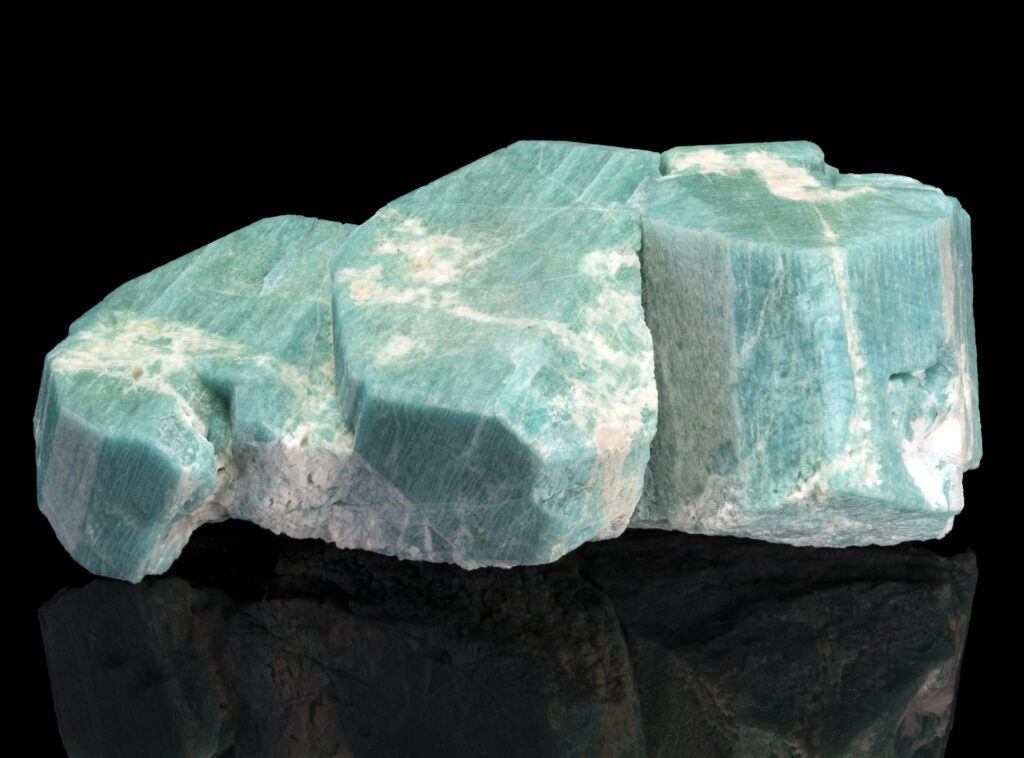
анортоклаз
Анортоклаз — это богатый натрием полевой шпат, образующий мост между щелочной серией и серией плагиоклазов. Он обычно встречается в вулканических породах с высоким содержанием натрия и стабилен только при высоких температурах. Минерал обычно выглядит как бесцветные, белые или серые кристаллы с твердостью 6 по шкале Мооса. В отличие от ортоклаза, анортоклаз относится к триклинной сингонии, хотя и сохраняет характерные углы спайности в 90 градусов. Под микроскопом его часто узнают по очень тонкому сетчатому двойниковому рисунку, похожему на микроклин, но в гораздо меньшем масштабе.
Адуляр
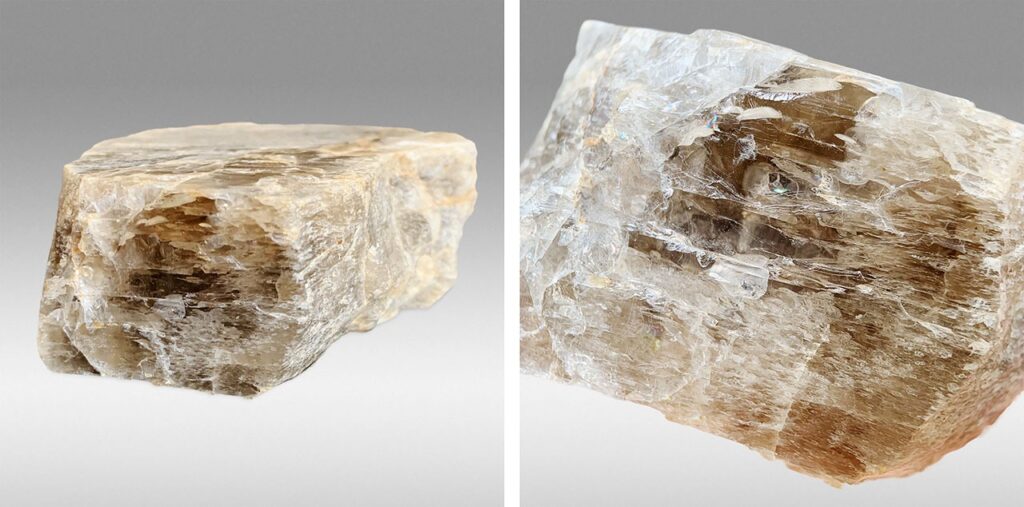
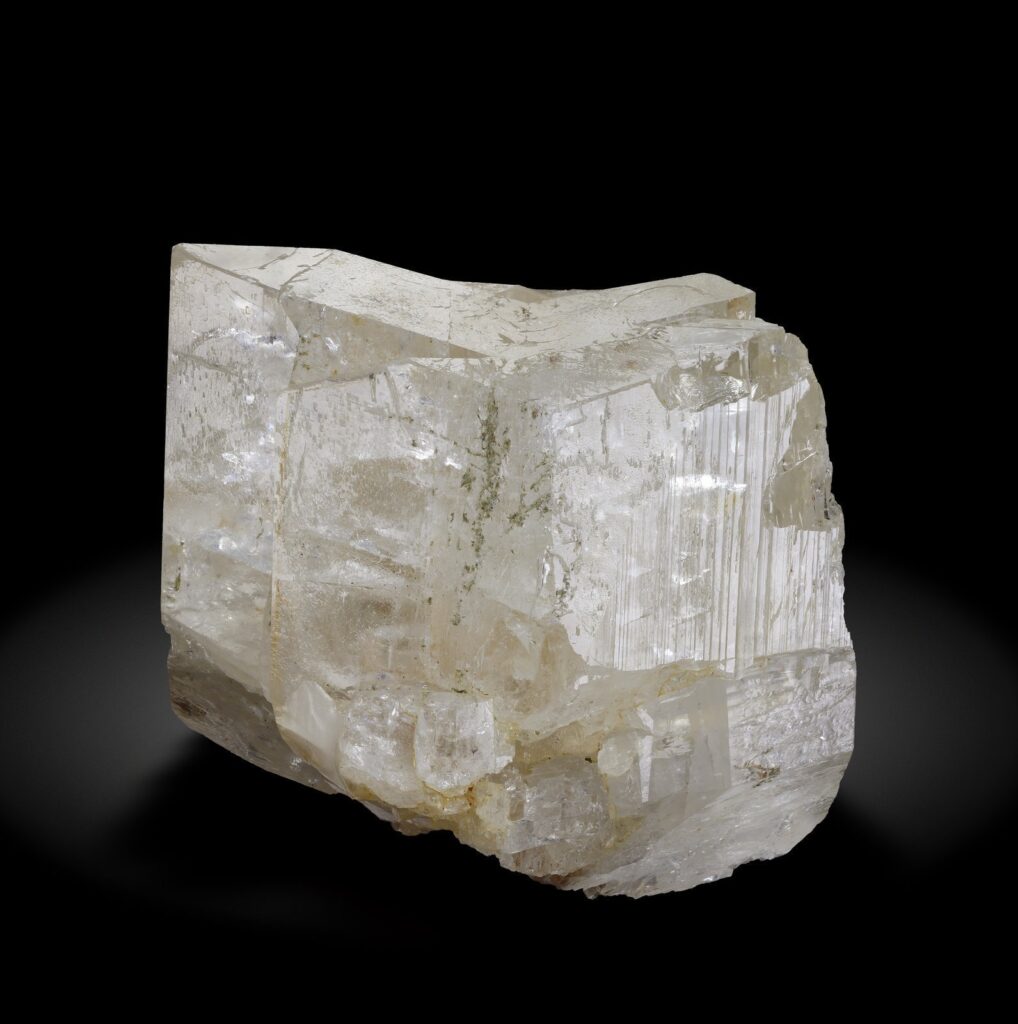
Адуляр — это низкотемпературная разновидность калиевого полевого шпата, которая обычно образуется в гидротермальных жилах и трещинах альпийского типа. Он характеризуется бесцветным или белым внешним видом и часто проявляет псевдоромбические формы кристаллов. Хотя он имеет тот же химический состав, что и ортоклаз, его формирование в более холодных условиях приводит к особому кристаллическому габитусу. Он имеет твердость 6 и стеклянный блеск. Когда адуляр содержит тонкие внутренние слои, рассеивающие свет, он создает эффект мерцания, характерный для лунного камня.
Серия плагиоклазовых полевых шпатов
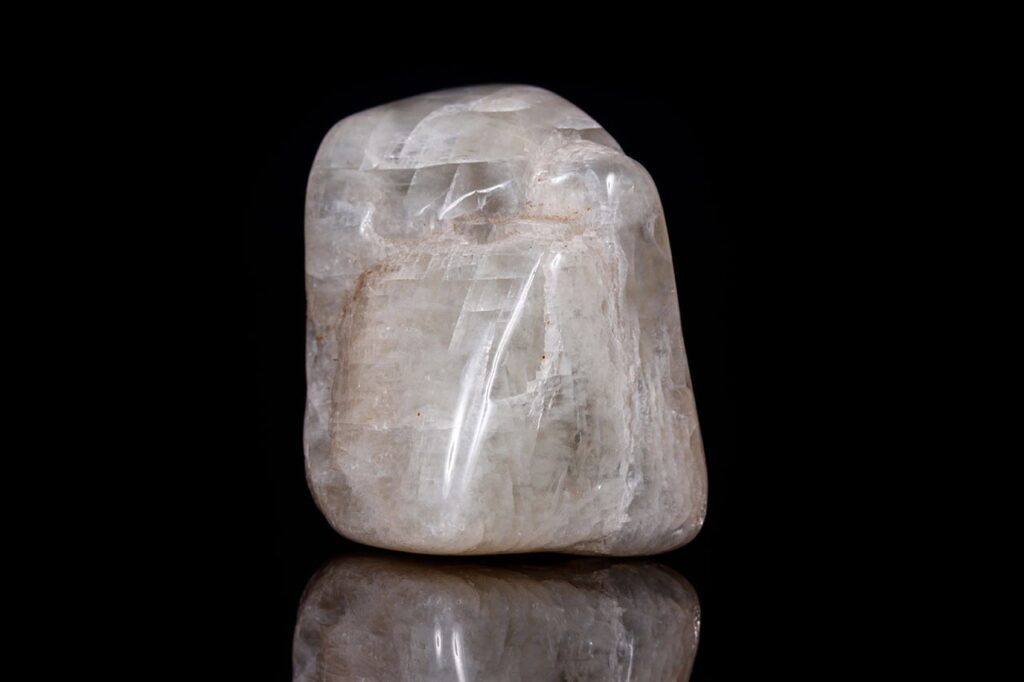
Эта серия образует непрерывный твердый раствор между натрием (Na) и кальцием (Ca). Геологи разделяют эту серию на шесть специфических минералов в зависимости от процентного содержания в них анортита (An):
Альбит (Ан 0%–10%)
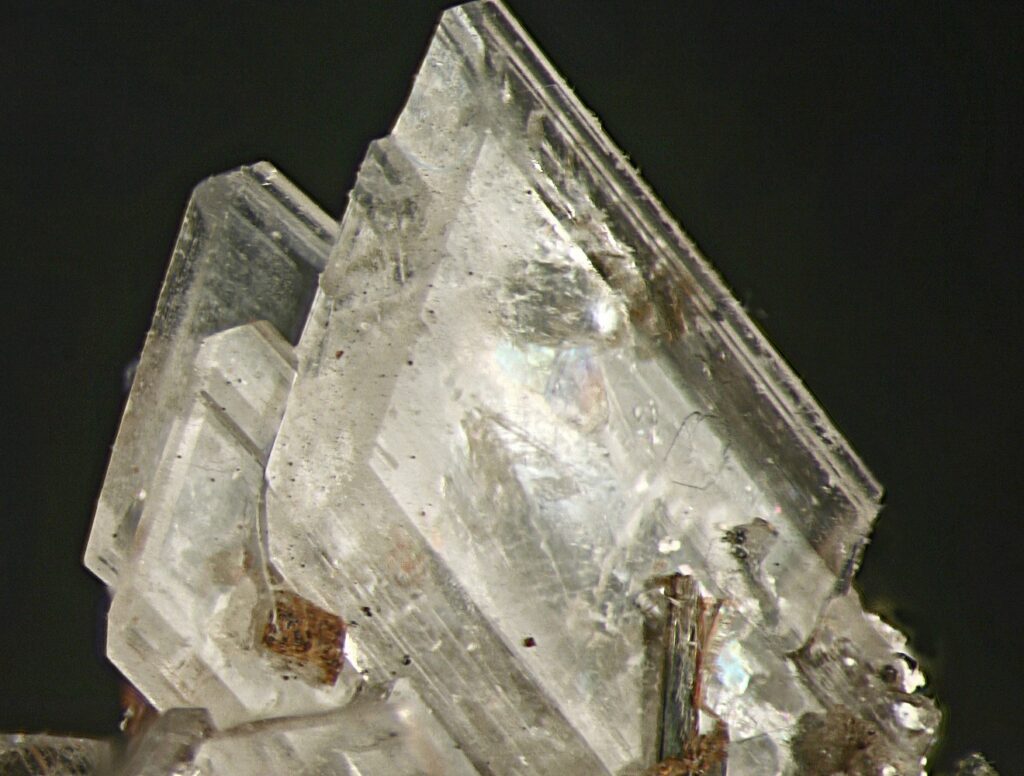
Альбит — это богатый натрием конечный член серии плагиоклазов, часто встречающийся в гранитах и пегматитах. Обычно он белый или бесцветный, что и послужило источником его названия, происходящего от латинского слова, означающего «белый». Минерал имеет твердость 6 по шкале Мооса и обладает характерной для группы полевых шпатов спайностью под углом 90 градусов. Он часто образуется в виде тонких пластинчатых кристаллов в разновидности, известной как клевеландит. Во многих геологических средах альбит встречается в виде тонких слоев внутри других полевых шпатов, что способствует возникновению различных оптических эффектов.
Олигоклаз (Ан 10%–30%)
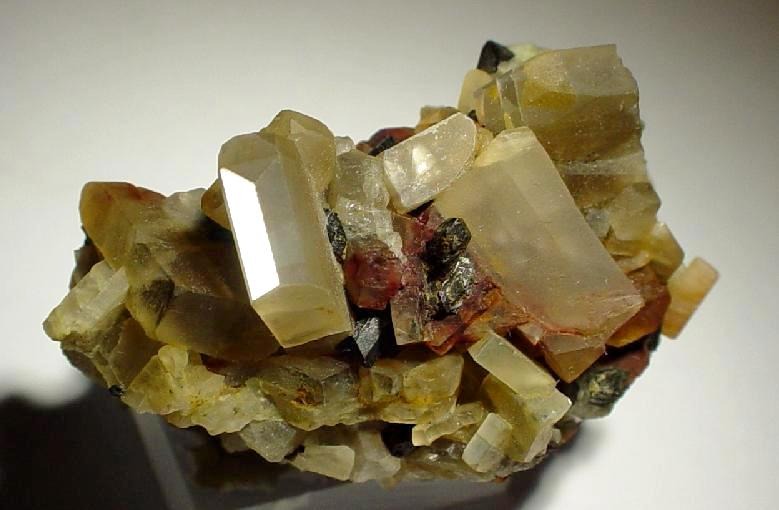
Олигоклаз — это представитель серии плагиоклазов, содержащий от 10% до 30% кальция. Он является обычным компонентом магматических пород, таких как гранит и сиенит, а также различных метаморфических пород. Минерал обычно белый, серый или бесцветный, с твердостью 6 по шкале Мооса. Некоторые образцы содержат мелкие включения гематита или гетита, которые отражают свет, создавая сверкающий эффект, известный как солнечный камень. Он отличается от других плагиоклазов в основном с помощью химического анализа или специальных оптических тестов под микроскопом.
Андезин (Ан 30%–50%)
Андезин — это плагиоклазовый полевой шпат, содержащий от 30% до 50% кальция. Он в основном встречается в средних вулканических породах, таких как андезит, и распространен в горных хребтах Анд. Минерал обычно выглядит как белые или серые кристаллы, хотя может быть и бесцветным, с твердостью 6 по шкале Мооса. Хотя это стандартный породообразующий минерал, некоторые полупрозрачные образцы используются в качестве драгоценных камней. Он идентифицируется по специфическому химическому соотношению натрия и кальция в ряду твердых растворов.
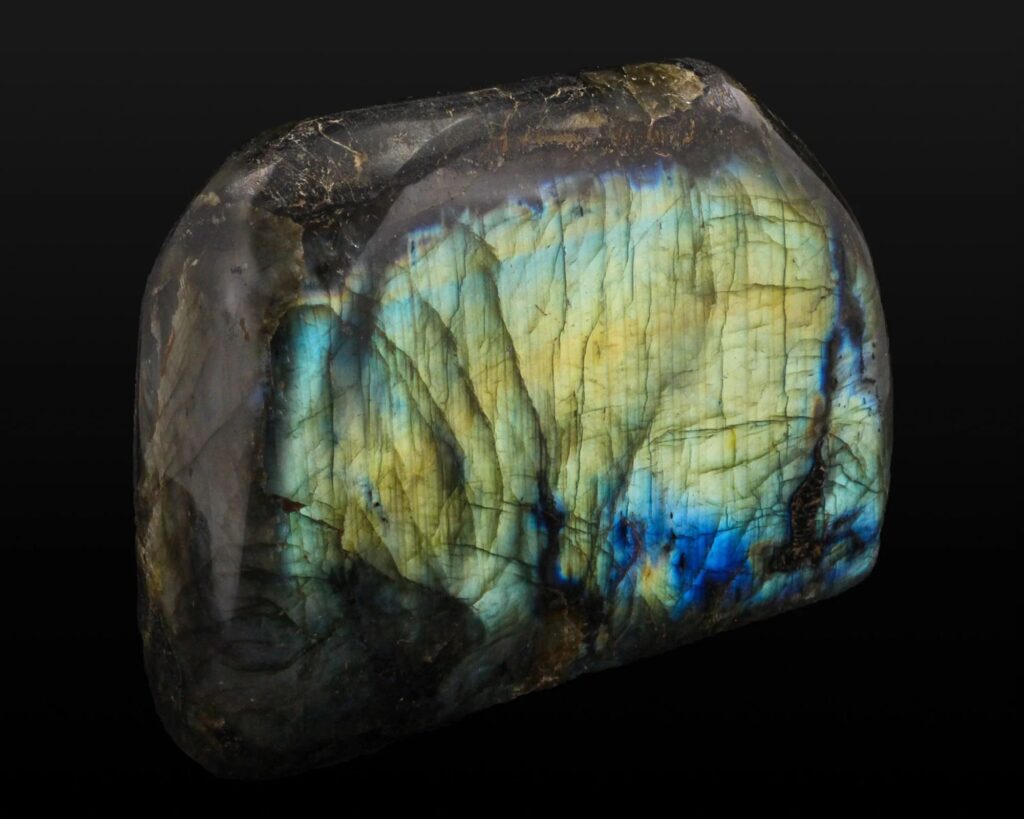
Лабрадорит (Ан 50%–70%)
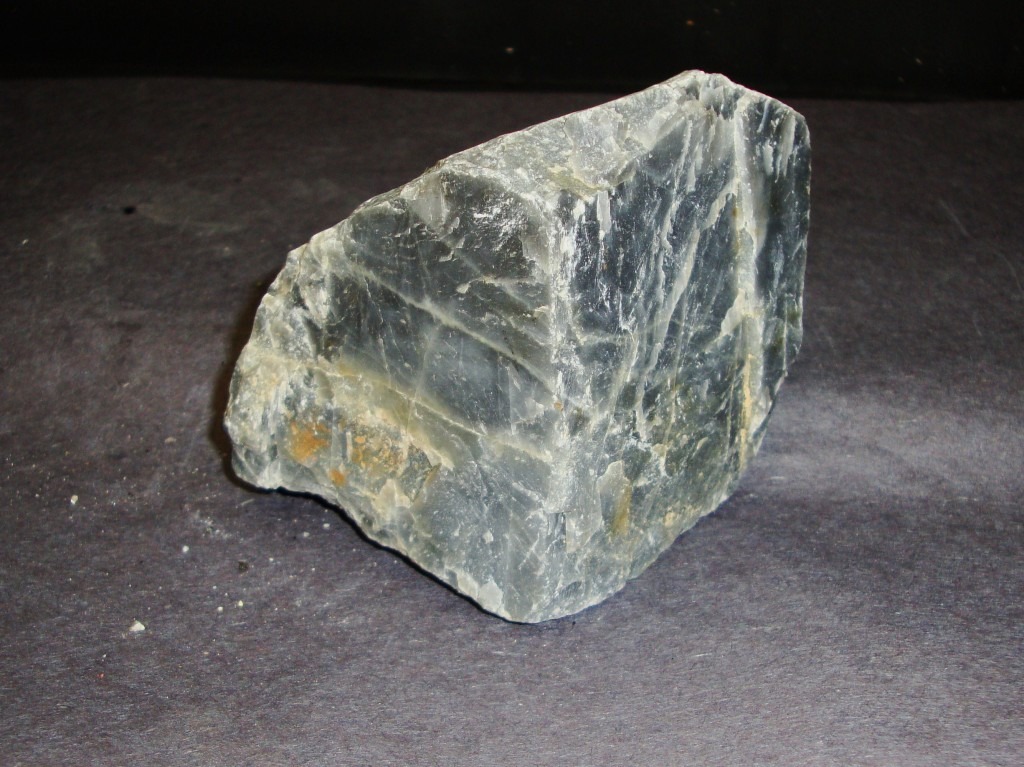
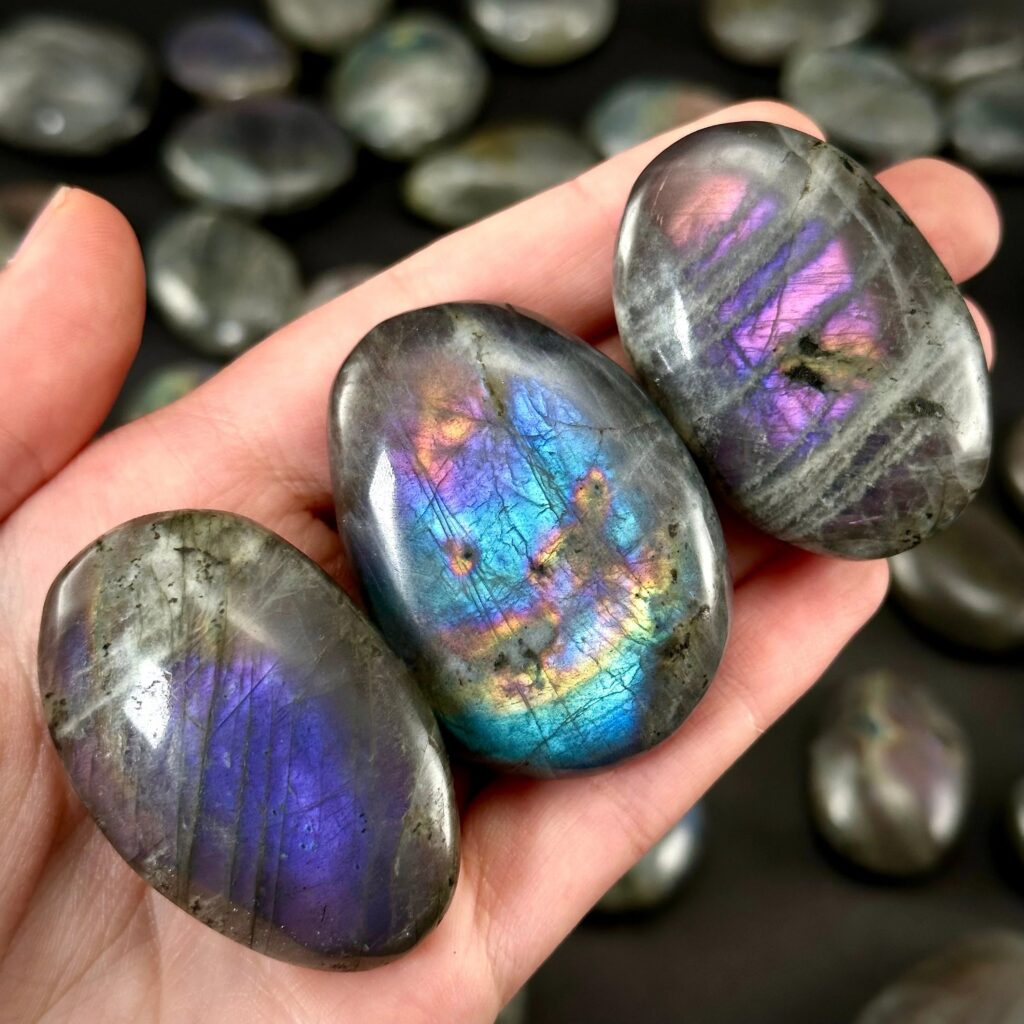
Лабрадорит — это плагиоклазовый полевой шпат, содержащий от 50% до 70% кальция. Он обычно встречается в основных магматических породах, таких как габбро и базальт. Минерал обычно темно-серый или черный, с твердостью 6 по шкале Мооса. Он наиболее известен благодаря оптическому эффекту под названием лабрадоресценция, при котором свет отражается от внутренних слоев, создавая металлические вспышки синего, зеленого, золотого или фиолетового цветов. Хотя это основной породообразующий минерал, его иризирующие разновидности часто используются в декоративных целях и в ювелирном деле.
Бытовнит (Ан 70%–90%)
Бытовнит — это редкий представитель серии плагиоклазов, содержащий от 70% до 90% кальция. Он обычно встречается в темных, богатых кальцием магматических породах, таких как габбро, и изредка попадается в метеоритах. Минерал обычно серый, белый или бесцветный и, как и другие полевые шпаты, имеет твердость 6 по шкале Мооса. Хотя он в основном существует в виде мелких зерен внутри горных пород, иногда он может образовывать прозрачные кристаллы. Химически он расположен между лабрадоритом и анортитом, представляя собой переход к чистому кальциевому конечному члену.
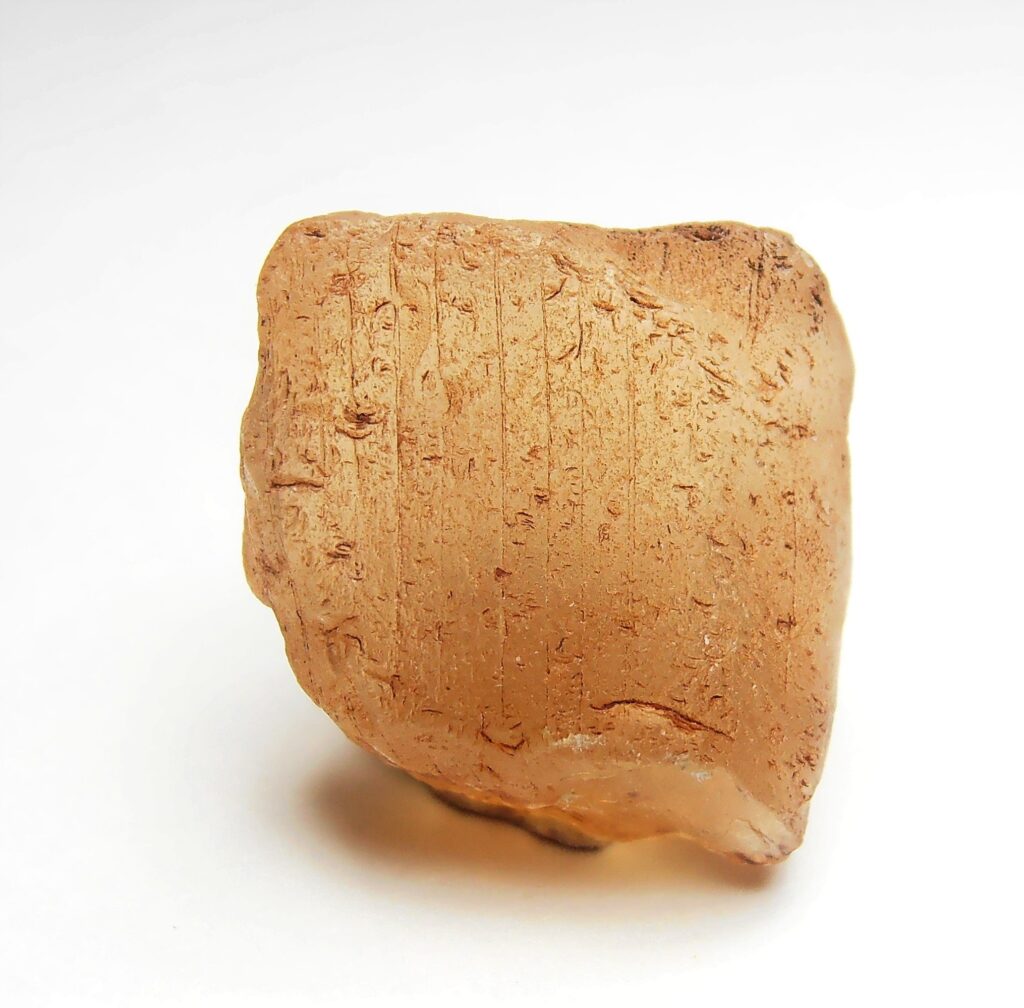
Анортит — это богатый кальцием конечный член серии плагиоклазов, содержащий от 90% до 100% кальция. Он является основным компонентом основных магматических пород, таких как базальт и габбро, а также часто обнаруживается в лунных породах и метеоритах. Минерал обычно белый, серый или бесцветный со стеклянным блеском и твердостью 6 по шкале Мооса. Из-за своей нестабильности на поверхности Земли в условиях выветривания он менее распространен в осадочных средах, чем богатые натрием полевые шпаты. Он характеризуется высокой температурой плавления и специфическим химическим составом на пределе твердого раствора плагиоклазов.
Редкие бариевые полевые шпаты
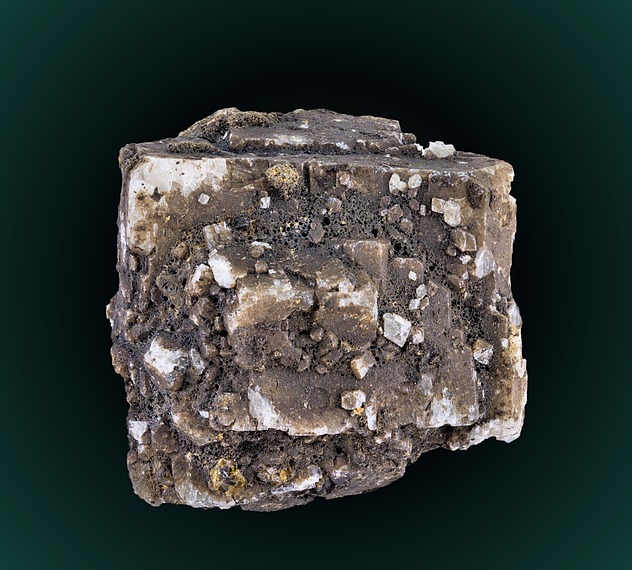
В редких геологических условиях барий (Ba) замещает калий в кристаллической решетке:
Цельзиан
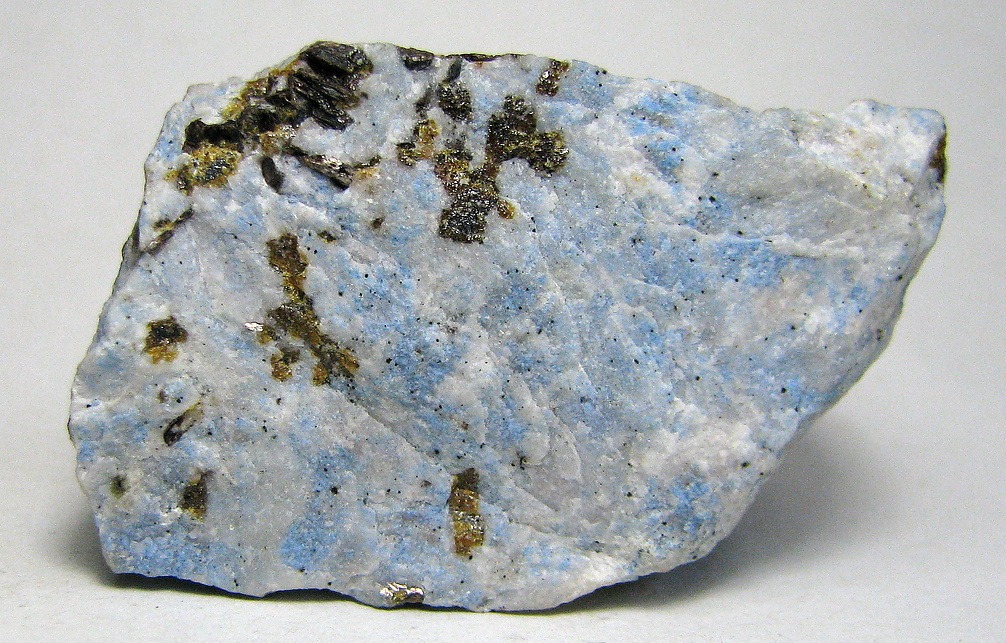
Цельзиан — редкий бариевый конечный член группы полевых шпатов. Он встречается в основном в контактово-метаморфических породах и специализированных месторождениях полезных ископаемых, богатых барием. Минерал обычно бесцветный, белый или желтоватый, со стеклянным блеском и твердостью 6 по шкале Мооса. Структурно он является бариевым эквивалентом анортита и относится к моноклинной сингонии. Хотя цельзиан редко встречается в земной коре, он является важным минералом для понимания химического замещения крупных катионов в решетке полевого шпата.
Гиалофан
Гиалофан — это промежуточный полевой шпат, содержащий как барий, так и калий. Он встречается в основном в метаморфических породах и некоторых месторождениях марганца, где образует бесцветные, белые или светло-желтые кристаллы. Минерал относится к моноклинной сингонии и имеет твердость 6 по шкале Мооса. Структурно он представляет собой химический переход между ортоклазом и более редким бариевым конечным членом — цельзианом. Обладая типичным для группы полевых шпатов стеклянным блеском, он имеет более высокий удельный вес по сравнению со стандартными калиевыми полевыми шпатами из-за повышенного содержания бария.
Разновидности драгоценных камней (Оптические эффекты)
Помимо геологической классификации, некоторые полевые шпаты ценятся в ювелирной промышленности за их уникальные оптические явления:
Лунный камень
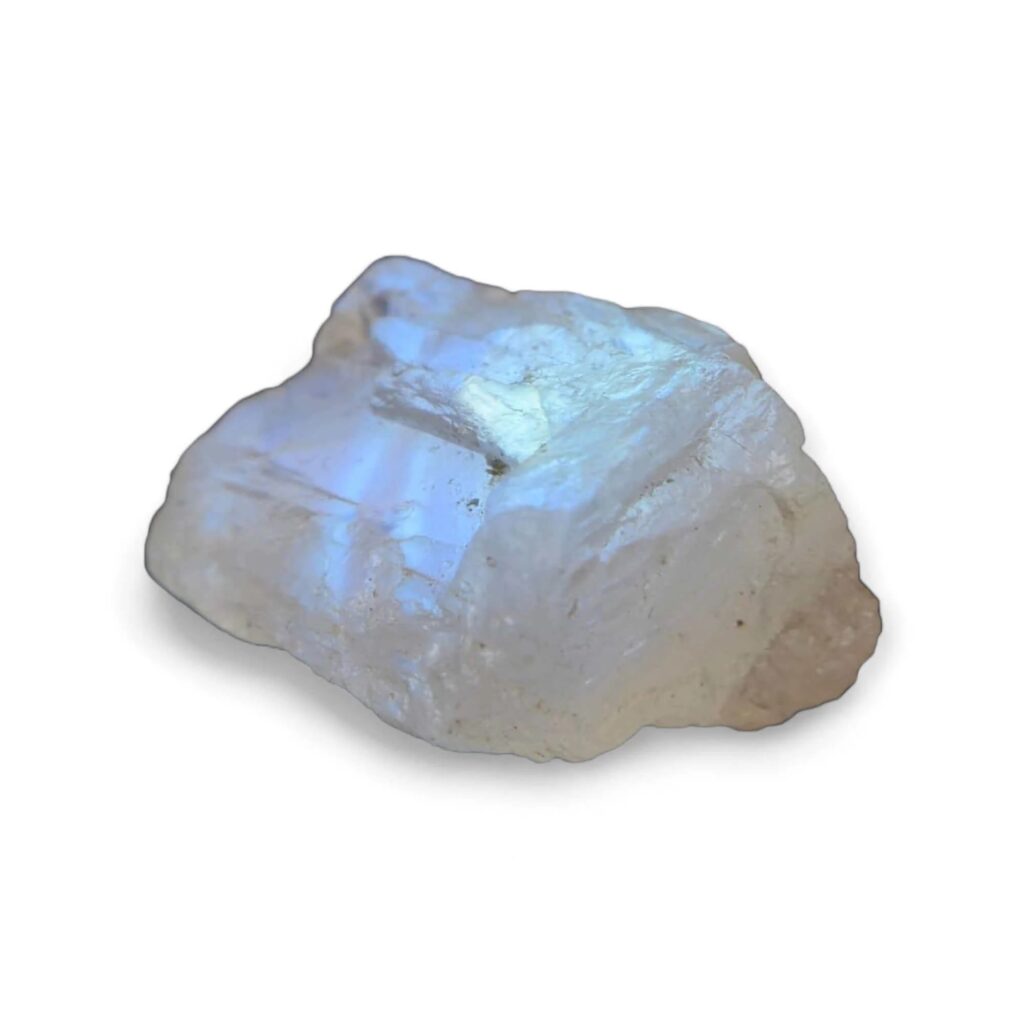
Лунный камень — это разновидность полевого шпата, состоящая из чередующихся слоев ортоклаза и альбита. Он характеризуется оптическим явлением, называемым адуляресценцией, которое проявляется в виде волнообразного синего или белого света, скользящего по поверхности камня. Минерал обычно просвечивающий или полупрозрачный и имеет твердость 6 по шкале Мооса. Хотя чаще всего он бесцветный или белый, он также может встречаться в серых, персиковых и зеленых оттенках. Визуальный эффект вызван рассеиванием света при его прохождении через микроскопические внутренние слои различных видов полевого шпата.
Солнечный камень
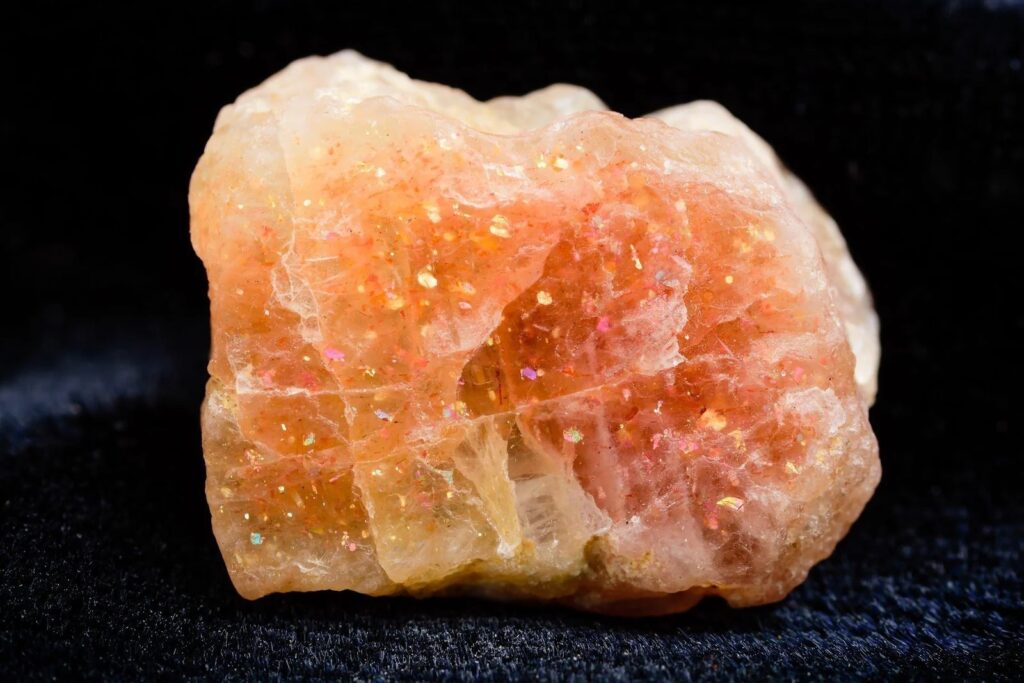
Солнечный камень — это разновидность плагиоклазового полевого шпата, обычно олигоклаза или лабрадорита, известная своими искрящимися внутренними отражениями. Этот оптический эффект, называемый авантюресценцией, вызван крошечными включениями таких минералов, как медь, гематит или гетит. Минерал обычно встречается в оранжевых, красных или золотистых оттенках и имеет твердость 6 по шкале Мооса. Он формируется как в магматических, так и в метаморфических средах, и его внешний вид зависит от размера и ориентации металлических включений. Хотя он используется в качестве драгоценного камня, он сохраняет стандартные физические свойства и спайность группы полевых шпатов.
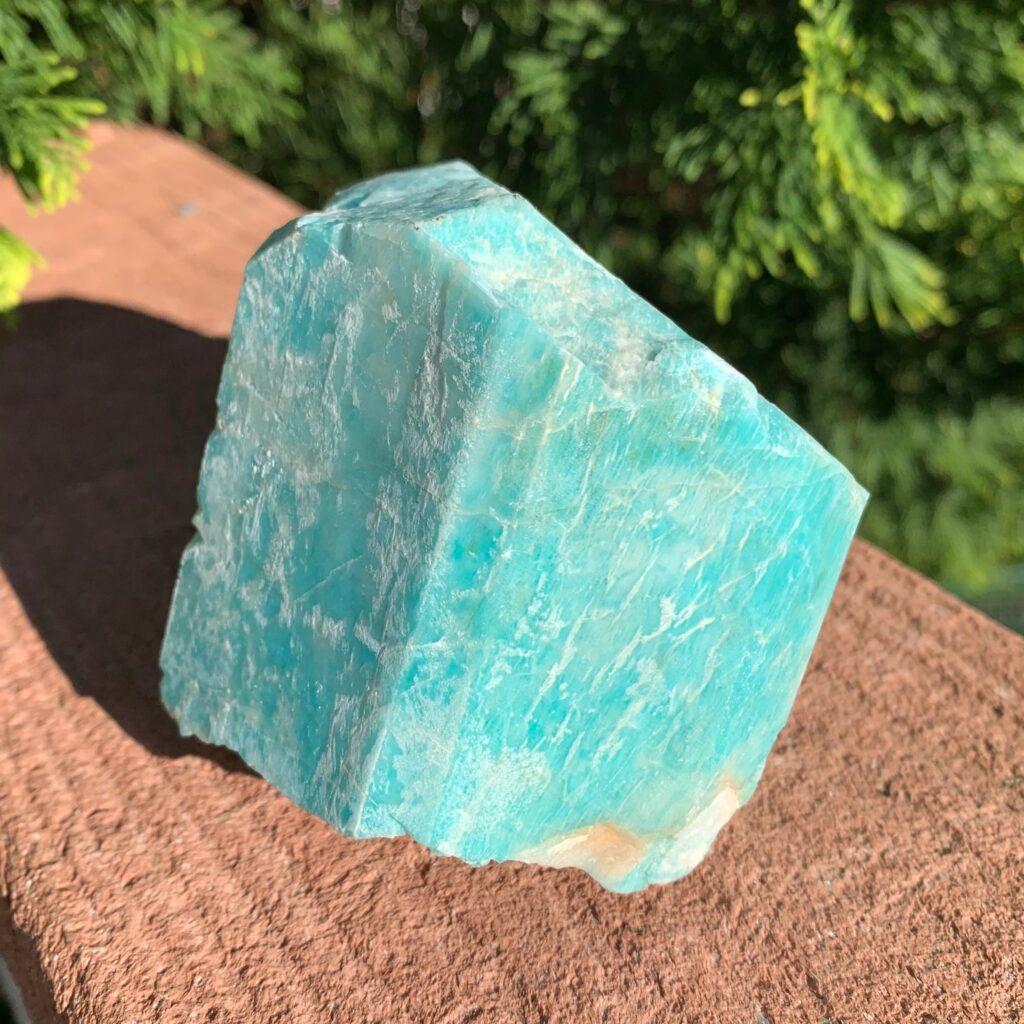
Амазонит
Амазонит — это зеленая или сине-зеленая разновидность микроклинового полевого шпата. Его характерный цвет обусловлен наличием свинца и воды в кристаллической структуре. Минерал обычно непрозрачный или просвечивающий, обладает стеклянным блеском и твердостью 6 по шкале Мооса. Он относится к триклинной сингонии и проявляет характерные для группы полевых шпатов углы спайности в 90 градусов. Часто встречается в гранитных пегматитах, нередко соседствуя с кварцем и слюдой. Хотя он используется в декоративных целях, он остается богатым калием силикатным минералом, определяемым его специфическим структурным строением.
Спектролит
Спектролит — это высококачественная разновидность лабрадора, встречающаяся в основном в Финляндии. Он отличается исключительно широким и ярким спектром иризирующих цветов, включая красный, оранжевый, желтый и фиолетовый, в то время как обычный лабрадор обычно демонстрирует только синий и зеленый цвета. Минерал имеет твердость 6 по шкале Мооса и обладает той же триклинной кристаллической структурой и спайностью, что и другие плагиоклазы. Этот интенсивный оптический эффект вызван интерференцией света в микроскопических внутренних слоях. Хотя в определенных магматических формациях он является породообразующим минералом, его добывают в основном из-за уникальных декоративных и геммологических свойств.
Структурные прорастания и специализированные формы
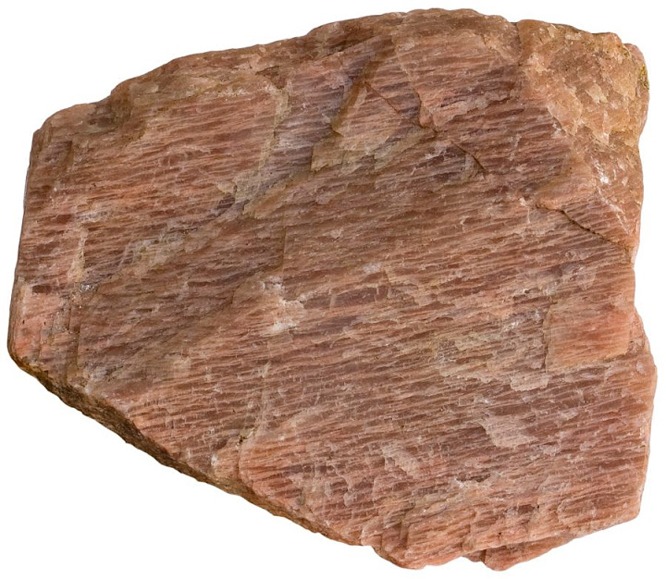
Пертит
Пертит — это текстура в гранитных породах, состоящая из вкраплений калиевого и натриевого полевого шпата. Он образуется в результате процесса, называемого распадом твердого раствора (экссолюцией), который происходит при охлаждении высокотемпературного однородного полевого шпата и его разделении на две отдельные фазы. Основным минералом (матрицей) обычно является ортоклаз или микроклин, в то время как более светлые полосы или прожилки состоят из альбита. Он сохраняет твердость 6 по шкале Мооса и проявляет стандартную спайность группы полевых шпатов. Геологи используют пертитовые текстуры для определения истории охлаждения и условий давления в магматических средах, где сформировался минерал.
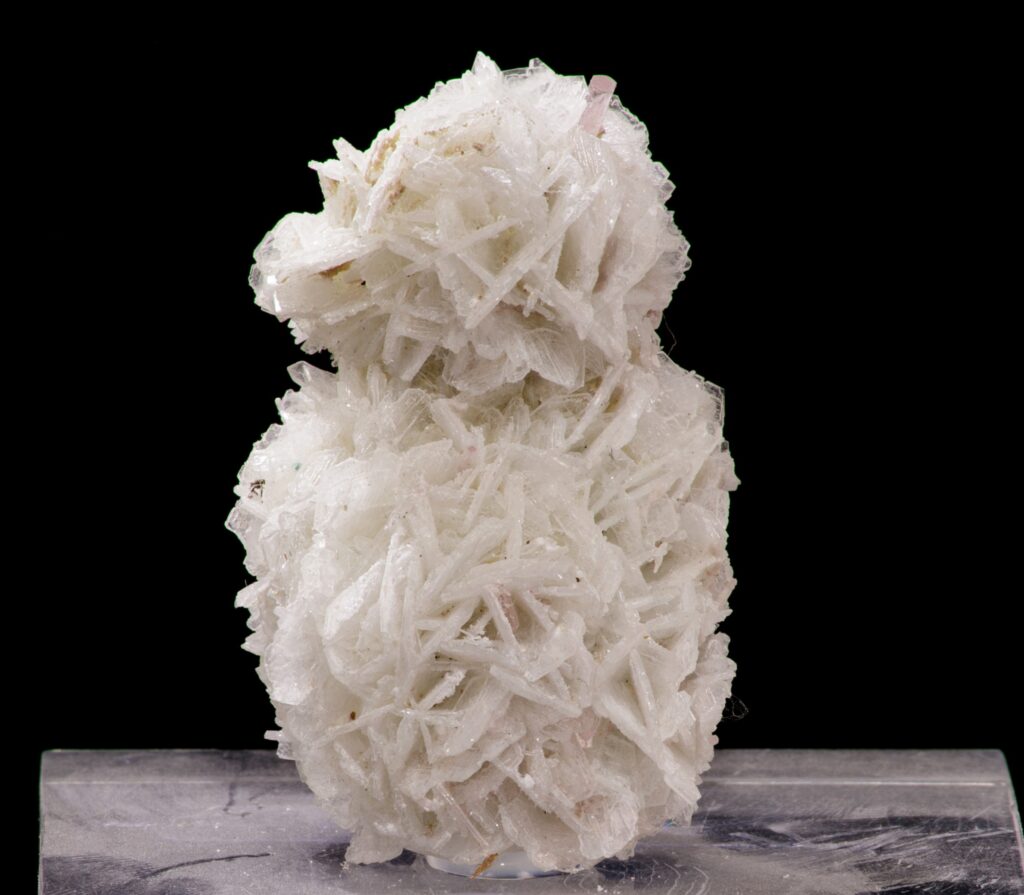
Кливландит
Кливландит — это плагиоклазовый полевой шпат, являющийся особой разновидностью альбита. Он характеризуется тонким пластинчатым или таблитчатым кристаллическим габитусом, в отличие от блочной формы, характерной для большинства полевых шпатов. Минерал обычно белый или бесцветный, с перламутровым или стеклянным блеском и твердостью 6 по шкале Мооса. Он обычно формируется в гранитных пегматитах на поздних стадиях кристаллизации, часто проявляясь в виде веерообразных или радиально-лучистых скоплений пластин. Хотя он имеет тот же химический состав, что и стандартный альбит, его уникальная физическая структура делает его узнаваемым индикатором специфических геохимических условий в пегматитовых месторождениях.
Маскелинит
Маскелинит — это стекло, встречающееся в некоторых метеоритах и ударных кратерах, образовавшееся в результате ударного плавления плагиоклазового полевого шпата при высокоскоростных столкновениях. В отличие от большинства полевых шпатов, он лишен кристаллической структуры, что делает его аморфным изотропным веществом, а не минералом в строгом смысле слова.
Применение и значение полевого шпата
Полевой шпат является самой распространенной группой минералов в земной коре и служит незаменимым сырьем для современной промышленности. Как силикатный минерал, богатый алюминием и щелочами, такими как калий, натрий и кальций, он ценится прежде всего за свою роль мощного плавня (флюса) и функционального наполнителя, способствуя химической и физической целостности бесчисленных продуктов. В стекольном секторе, на долю которого приходится около 70% мирового производства полевого шпата, этот минерал выступает в качестве жизненно важного флюса. Снижая температуру плавления кварца, он значительно сокращает потребление энергии при производстве. Кроме того, содержание глинозема повышает долговечность, прозрачность и устойчивость конечного продукта к химической коррозии и термическому удару. Это делает его необходимым для всего — от обычного тарного стекла и окон до специализированной стекловолоконной изоляции и лабораторной стеклянной посуды.
Керамическая промышленность полагается на полевой шпат как на фундаментальный структурный компонент, который часто называют «позвоночником» гончарного дела. В процессе обжига полевой шпат плавится, образуя стеклянную матрицу, которая связывает воедино другие материалы, такие как каолин и кварц. Этот процесс витрификации (стеклования) гарантирует, что керамическая плитка, сантехника и изысканная столовая посуда будут плотными, водонепроницаемыми и механически прочными. Помимо основы керамики, полевой шпат является основным ингредиентом глазурей и эмалей, обеспечивая гладкое, защитное и эстетически привлекательное покрытие как для глиняных, так и для металлических поверхностей. Помимо своей роли в высокотемпературной обработке, тонко измельченный полевой шпат используется в качестве высокоэффективного функционального наполнителя в лакокрасочной промышленности, производстве пластмасс и резины. Его химическая инертность, высокая яркость и твердость 6 по шкале Мооса делают его идеальным наполнителем, повышающим устойчивость к истиранию и атмосферным воздействиям. В красках он позволяет достичь высокой степени пигментации при сохранении низкой вязкости, а в пластмассах — повышает жесткость и долговечность компонентов, используемых в автомобильном и упаковочном секторах.
В специализированных областях применения разнообразные физические свойства полевого шпата обеспечивают уникальные преимущества. Его умеренная твердость позволяет использовать его в качестве мягкого абразива в бытовых чистящих средствах, эффективно очищающих поверхности, не оставляя глубоких царапин. В области геохронологии калиевый полевой шпат имеет решающее значение для аргон-аргонового (Ar-Ar) датирования, предоставляя ученым точные «часы» для определения возраста вулканических событий и тектонических сдвигов. От структурной целостности небоскребов до точности геологической истории, полевой шпат остается безмолвной, но жизненно важной опорой промышленного и научного прогресса.