{{ osCmd }} K
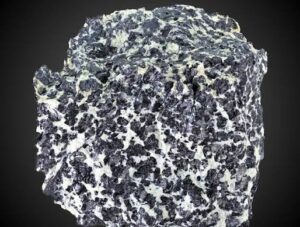
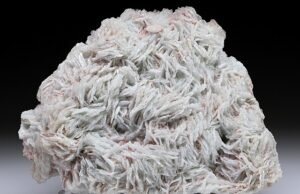
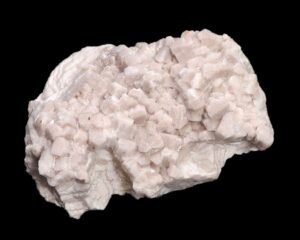
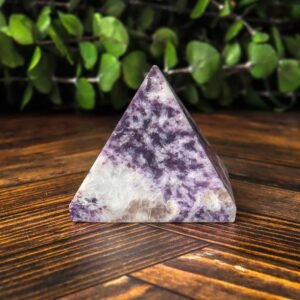
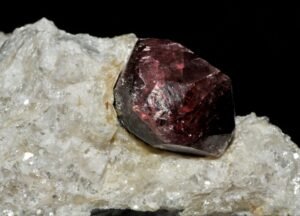
보라색과 흰색이 섞인 리튬 운모로 제작된 연마된 사각뿔로, 입상 결정 구조와 리튬으로 인한 독특한 라벤더 및 아이보리 색상을 보여줍니다.
레피돌라이트: 속성, 의미, 용도 및 완전한 광물 가이드

Lepidolite is a fascinating lithium-rich phyllosilicate mineral that represents a critical component of the mica group, primarily recognized by its elegant lilac to deep purple hues and its role as a secondary source of the element lithium. This mineral typically forms through late-stage magmatic processes, most commonly occurring within granitic pegmatites where volatile elements like fluorine and lithium have become highly concentrated. As these specialized geological environments cool, lepidolite crystallizes in association with other rare-element minerals such as tourmaline, spodumene, and amblygonite, often appearing in massive scaly aggregates or distinct “books” of crystal sheets. Its internal architecture is defined by a complex crystal chemistry where lithium and aluminum ions occupy specific octahedral sites within a layered silicate framework, a structure that reflects the unique chemical evolution of the surrounding magma. Beyond its formation, the mineral is defined by its monoclinic crystal system and the classic structural hallmark of all micas: a sophisticated sheet-like arrangement of tetrahedral and octahedral layers. Within these individual planes, the atomic bonds are exceptionally strong, yet the bonds between the layers themselves remain remarkably weak. This specific atomic configuration dictates the mineral’s physical behavior, resulting in perfect basal cleavage that allows it to split easily into thin, flexible flakes. This structural vulnerability also explains its characteristic softness, often ranking between 2.5 and 3 on the Mohs scale. Visually, these overlapping layers create a pearly to vitreous luster that interacts with light to produce a shimmering effect, making lepidolite not only a scientifically significant subject for studying crustal evolution but also a visually distinctive specimen highly valued in mineralogical collections and industrial lithium extraction. Color Variations and Optical Properties The color variations and optical properties of lepidolite are primarily driven by its unique chemical impurities and the way its layered mica structure interacts with light. While the mineral is most famous for its characteristic lilac, lavender, and rose-pink hues, it can also appear in shades of gray, yellowish-white, or even colorless depending on its specific geological environment. These vibrant purple and pink tones are typically not caused by the lithium itself, but by trace amounts of manganese substituted within the crystal lattice. When manganese is present in its trivalent state, it absorbs specific wavelengths of light, resulting in the saturated “orchid” colors that make lepidolite so visually distinctive. In some rarer instances, environmental radiation or the presence of other transition metals can shift these tones toward deeper reds or even pale blues, though the classic lithium-mica signature remains a cool-toned violet.From an optical perspective, lepidolite is classified as a biaxial mineral, typically crystallizing in the monoclinic system. One of its most striking optical features is its pearly to vitreous luster, which is a direct result of light reflecting off the many layers of its perfect basal cleavage. Because the mineral forms in thin, stacked sheets, light often penetrates the upper layers and reflects back through the crystal, creating a shimmering, almost metallic glow known as schiller or “aventurescence” in scaly aggregates. When viewed under a microscope in thin sections, lepidolite often exhibits pleochroism, meaning it can show subtle color changes when rotated under polarized light. These optical properties, combined with a refractive index that fluctuates slightly based on the fluorine and lithium content, allow geologists to distinguish lepidolite from other similar-looking micas like muscovite or phlogopite, which lack the same manganese-driven color profile and specific light-handling characteristics. Major Sources and Global Occurrence of Lepidolite Lepidolite is found in specialized geological environments across the globe, with its occurrence primarily restricted to lithium-bearing granitic pegmatites. These rare-element pegmatites form during the final stages of magmatic crystallization, where incompatible elements like lithium, rubidium, and cesium become highly concentrated in residual fluids. Because lepidolite requires these specific chemical conditions to crystallize, its distribution is localized to a few key mining districts worldwide. Historically and industrially, the most significant deposits are located in Brazil, particularly in the Minas Gerais region, which remains a premier global supplier of high-quality lithium mica specimens and industrial ore. In North America, the United States holds notable occurrences in the pegmatite fields of Maine and the Black Hills of South Dakota, where lepidolite often appears alongside other lithium minerals like spodumene. Canada also contributes to global supply, with significant deposits located in the Tanco Mine in Manitoba. Outside of the Americas, Africa has emerged as a major player in the global lithium market, with extensive lepidolite and petalite resources found in Zimbabwe and Namibia. In Europe, Portugal and Germany contain historical lithium mica mines that have seen renewed interest due to the rising demand for battery-grade lithium.The occurrence of lepidolite is often a key indicator for geologists seeking larger lithium-cesium-tantalum (LCT) pegmatite systems. In Asian markets, China has significantly expanded its domestic lepidolite mining operations in provinces like Jiangxi, treating the mineral as a vital strategic resource for the electric vehicle industry. Whether extracted for its lithium content or harvested as mineral specimens, the global distribution of lepidolite highlights the unique tectonic and magmatic history of the Earth’s crust, marking areas where ancient continental plates once hosted intense, volatile-rich volcanic activity. Jewelry Applications and Material Durability of Lepidolite While lepidolite possesses an enchanting lilac to deep purple palette and a delicate pearly luster, its role in the world of jewelry is specialized and distinct from mainstream gemstones. This is primarily due to its inherent physical properties as a member of the mica group. With a Mohs hardness of only 2.5 to 3, lepidolite is exceptionally soft, making it susceptible to scratches even from everyday objects. More significantly, its perfect basal cleavage creates a layered structure that allows the crystal to split or flake away easily along parallel planes. Because of this structural fragility, transparent or high-quality lepidolite crystals are rarely cut into traditional faceted gemstones, as the cutting process is technically demanding and the resulting stones remain too delicate for high-impact jewelry like rings or bracelets. Symbolic Meaning and Metaphysical Associations of Lepidolite In the realm of mineral symbolism and contemporary lapidary traditions, lepidolite is frequently
제트 원석

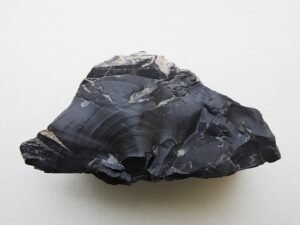
제트 원석: 선사 시대 나무에서 유래한 독특한 유기질 검은 보석

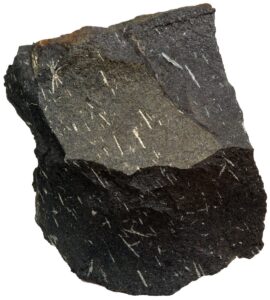
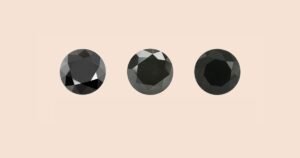
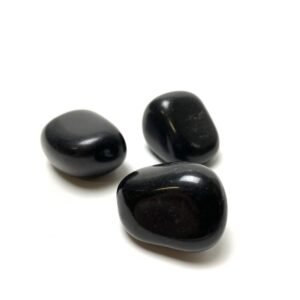
What Is Jet? To understand what jet is, one must look back approximately 180 million years to the Jurassic Period. Jet is not a mineral in the traditional sense; it does not possess a crystalline structure. Instead, it is a high-grade, fossilized form of wood—specifically from trees in the Araucariaceae family, ancestors of the modern-day Monkey Puzzle tree. When these ancient logs were swept into deep, stagnant water or buried under heavy layers of sedimentary mud, they were deprived of oxygen. Over millions of years, the immense weight of the overlying earth created intense pressure, chemically altering the wood through a process known as coalification. This specialized environment prevented the wood from rotting and instead compressed it into a dense, carbon-rich material that is chemically similar to lignite coal but physically much more stable and durable.From a gemological perspective, jet is categorized as an organic gemstone, placing it in an exclusive group that includes amber, pearl, and coral. What distinguishes jet from ordinary coal is its remarkable toughness and its ability to take a high-luster metallic polish. On the Mohs scale of mineral hardness, jet typically ranks between 2.5 and 4.0, making it relatively soft compared to silicate gems but ideal for intricate lapidary work and detailed carving. One of its most distinctive physical traits is its extremely low specific gravity—it is so lightweight that it often feels warm to the touch and can even float in highly saline water. This tactile warmth and lack of weight made it a favorite for large, elaborate Victorian jewelry pieces that would otherwise be too heavy to wear if crafted from black onyx or glass. There are two primary varieties of this gemstone: hard jet and soft jet. Hard jet, most famously sourced from the cliffs of Whitby in North Yorkshire, England, was formed in a marine environment where the wood was compressed by salt water, resulting in a stable material that does not crack or degrade when exposed to changes in temperature or humidity. In contrast, soft jet was typically formed in freshwater environments and is more prone to brittleness and “crazing” over time. Regardless of the variety, the defining characteristic of true gem-quality jet is its deep, uniform, “jet-black” color—a hue so intense that it became the namesake for the English expression used to describe the darkest shades of black. Famous Jet Jewelry and Iconic Museum Collections The history of jet is punctuated by several extraordinary collections and individual masterpieces that define its cultural significance across different eras. The most iconic examples of jet craftsmanship are inextricably linked to the Victorian Era and the coastal town of Whitby, England. Perhaps the most significant collection of jet jewelry in existence belonged to Queen Victoria herself. Following the sudden and devastating death of Prince Albert in 1861, the Queen entered a period of perpetual mourning that lasted for the rest of her life. During this time, the strict court etiquette regarding mourning attire meant she exclusively wore black jewelry. Her personal preference for Whitby Jet, which was prized for its deep, somber luster and surprisingly lightweight nature, single-handedly transformed the material from a regional curiosity into a global luxury. Intricate brooches, massive yet comfortable chain links, and memento mori lockets from her personal collection remain the definitive archetypes of 19th-century mourning jewelry. Many of these historically significant pieces are preserved today within the Royal Collection Trust, serving as a testament to the era’s sophisticated lapidary skills. The Victoria and Albert Museum in London houses one of the world’s most comprehensive and visually stunning displays of jet artistry. Their collection highlights the extraordinary versatility and structural integrity of the material, featuring massive, elaborately carved snake bracelets, ornate hair combs, and book-shaped lockets that showcase the incredible level of detail Victorian craftsmen could achieve. One of the museum’s most celebrated exhibits is a mid-19th-century jet suite consisting of a grand necklace and matching drop earrings. Each individual link in this set is hand-carved with delicate floral motifs, illustrating why jet was considered the premier choice for large-scale statement pieces; if these items had been crafted from black glass, tourmaline, or onyx, their weight would have made them physically impossible to wear for extended periods. Beyond the major metropolitan galleries, the Whitby Jet Heritage Centre in North Yorkshire stands as a dedicated repository for the finest historical specimens ever found in the region. It is home to the world-famous Whitby Jet Chess Set, a masterpiece of Victorian carving that demonstrates the gemstone’s ability to hold sharp, precise edges and endure over time without cracking. Furthermore, the British Museum maintains an essential collection of ancient jet artifacts that predate the Victorian craze by nearly two millennia. This collection includes Roman-era hairpins and Gorgon amulets discovered in the ancient city of York, known then as Eboracum. These archaeological finds prove that the Romans valued jet not only for its aesthetic beauty but also for its perceived protective properties. They believed that the material’s electrostatic charge, which is generated when the stone is rubbed, possessed the power to ward off evil spirits and negative energy.Another notable historical tradition is the Spanish Jet, or Azabache, movement centered in Santiago de Compostela. For centuries, jet was the primary material used by Spanish artisans to carve Figas, which are traditional fist-shaped amulets, and scallop shell pendants intended for pilgrims completing the Camino de Santiago. Many of these exquisite 15th and 16th-century religious carvings are now preserved in the Cathedral of Santiago de Compostela Museum and the Museo del Azabache. These collections represent a distinct continental style of jet artistry that flourished long before the English mourning jewelry movement began, highlighting the stone’s enduring role as a medium for both spiritual protection and artistic expression across Europe. How to Identify and Differentiate Black Gemstones Texture Gemstone Hardness Weight & Touch Geological Details Jet 2.5 – 4.0 Ultra-light; Warm Organic mineraloid (fossilized wood). Waxy luster; can flake. Obsidian 5.0 – 5.5 Moderate; Cool Natural volcanic glass. Sharp conchoidal edges if broken. Onyx 6.5

다이아몬드

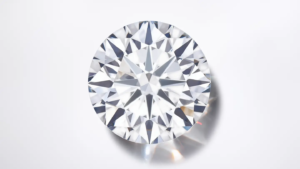
다이아몬드: 역사, 과학, 그리고 4C에 관한 종합 가이드

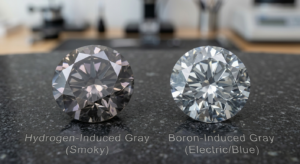
What Is Diamond? From a rigorous mineralogical perspective, a diamond is much more than a gemstone; it is the most concentrated and stable allotrope of pure carbon found in nature. What defines a diamond’s extraordinary character is its diamond cubic crystal structure, where each carbon atom is locked into a rigid, three-dimensional tetrahedral lattice through intense covalent bonding. This unique atomic arrangement is the scientific secret behind its legendary status as the hardest natural substance on Earth, earning a definitive 10 on the Mohs scale. Unlike most other minerals that are chemical compounds of multiple elements, the diamond’s elemental purity and the extreme density of its atoms allow it to resist scratching and chemical erosion better than any other material, making it not only a symbol of eternal love for April birthdays but also an indispensable tool in high-tech industrial and scientific applications. History of Diamonds: From Ancient India to Modern Luxury  The history of diamonds begins in the riverbeds of ancient India, where the first recorded stones were discovered over three thousand years ago. Initially valued for their extreme hardness and ability to refract light, these early diamonds were used as religious icons and engraving tools rather than personal adornment. By the fourth century BCE, diamonds had become a prized commodity, traded along the Silk Road reaching as far as China and the Mediterranean. For centuries, India remained the world’s only known source of diamonds, producing legendary stones such as the Koh-i-Noor, which came from the prolific Golconda mines. During the Middle Ages and the Renaissance, diamonds began to migrate into European royal treasuries. However, it was not until the fourteenth century that the art of diamond cutting began to evolve, transforming dull, octahedral crystals into faceted gemstones that could finally showcase their internal brilliance. The discovery of diamonds in Brazil during the early eighteenth century briefly shifted the global supply chain after India’s mines began to deplete. Yet, the modern diamond industry as it is recognized today was truly born in the late 1860s with the discovery of massive primary deposits in Kimberley, South Africa. This find marked the transition from diamonds being an ultra-rare gemstone reserved for the highest nobility to a cornerstone of the global luxury market. In the twentieth century, the narrative of the diamond was further reshaped by sophisticated marketing and industrial standardization. The introduction of the four Cs—carat, color, clarity, and cut—by the Gemological Institute of America provided a universal language for evaluating diamond quality, bringing transparency to the trade. Today, the industry continues to evolve through the integration of ethical sourcing protocols and the emergence of laboratory-grown alternatives. From their origins as sacred talismans in the Vedic period to their current status as the ultimate symbol of commitment and craftsmanship, diamonds remain one of the most enduring intersections of geological wonder and human cultural history. How Are Diamonds Formed in Nature? Natural diamonds are formed deep within the Earth’s mantle, approximately 150 to 250 kilometers below the surface, where pure carbon is subjected to pressures of up to 60,000 atmospheres and temperatures exceeding 1,100°C. Under these extreme conditions, carbon atoms are forced into a rigid, three-dimensional tetrahedral lattice known as a diamond cubic crystal structure, resulting in the hardest natural substance known to science. These crystals remain in the mantle for millions or even billions of years until they are transported to the surface by rare, deep-seated volcanic eruptions through kimberlite or lamproite pipes. This violent ascent occurs at high speeds, cooling the magma quickly enough to prevent the diamonds from turning into graphite, ultimately preserving their unique atomic bond and unmatched brilliance. Why Diamonds Are the Hardest Natural Material The unmatched hardness of a diamond is rooted in its unique atomic architecture and the specific nature of its chemical bonding. As a pure form of carbon, each atom within a diamond is linked to four neighboring carbon atoms through exceptionally strong covalent bonds, forming a rigid, three-dimensional tetrahedral lattice. This crystalline structure ensures that the atoms are packed incredibly densely, leaving no planes of weakness for the material to be easily displaced or scratched.On the Mohs scale of mineral hardness, diamonds occupy the definitive position of 10, meaning they can only be scratched by another diamond. This extreme durability is not merely a result of the element itself—as seen in graphite, which is also pure carbon but remains one of the softest minerals—but rather the way the atoms are organized under the immense pressure of the Earth’s mantle. This combination of elemental purity and a flawless, interconnected geometry makes the diamond the ultimate natural material for both high-end jewelry and demanding industrial cutting and grinding applications. Diamond Crystal Structure Explained The extraordinary physical properties of a diamond, from its extreme hardness to its high thermal conductivity, are the direct result of its sophisticated atomic arrangement. At its core, a diamond is a crystalline form of pure carbon where every atom is locked into a rigid, three-dimensional network known as a diamond cubic crystal structure. In this configuration, each carbon atom is covalently bonded to four neighboring carbon atoms, located at the corners of a regular tetrahedron. These covalent bonds are among the strongest chemical bonds in nature, requiring immense energy to break. Unlike graphite, where carbon atoms are arranged in loosely bonded sheets that can slide past one another, the atoms in a diamond are interconnected in all directions. This uniform, dense packing ensures that there are no natural planes of structural weakness, which is why a diamond can only be scratched by another diamond.The symmetry of this tetrahedral lattice also plays a critical role in the gemstone’s optical performance. Because the atoms are arranged with such high precision, light entering the crystal is reflected and refracted with minimal interference, allowing for the high refractive index and dispersion that define a diamond’s brilliance. From a mineralogical perspective, this structure represents the most stable and compact arrangement of carbon atoms possible under high-pressure conditions, serving as a perfect example of how

에카나이트 (Ekanite)

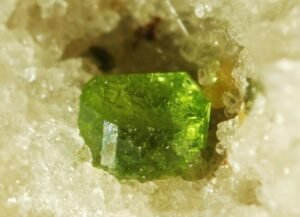
에카나이트: 자연 방사성을 띠는 희귀한 녹색 보석

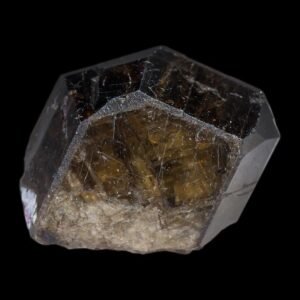
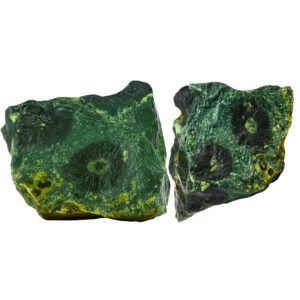
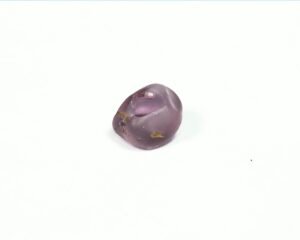
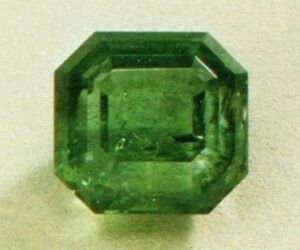
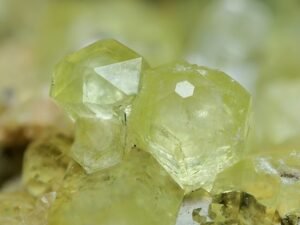
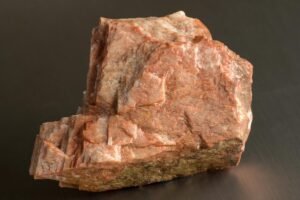
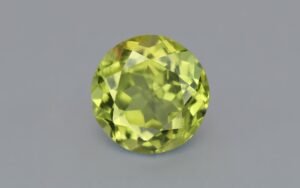
Ekanite is one of the rarest and most scientifically significant gemstone minerals documented in gemology. Unlike traditional gemstones valued for their optical brilliance and physical durability, ekanite is distinguished by its specific chemical composition and inherent radioactivity. The mineral was first discovered in 1953 within the alluvial gem gravels of Sri Lanka and was subsequently named in honor of mineralogist F. L. D. Ekanayake, who first identified the specimen. As a calcium thorium silicate, ekanite contains radioactive isotopes of thorium and often uranium, which subject the mineral to a process known as metamictization. During this process, the internal crystal lattice is gradually disrupted by radioactive decay, eventually transforming the material into an amorphous or glass-like state. This characteristic makes ekanite a subject of study not only for gem collectors but also for researchers interested in the long-term effects of radiation on crystalline structures. Formation and Geological Origin of Ekanite The formation of ekanite is primarily associated with high-temperature, contact metamorphic environments and specific types of igneous activity. It typically occurs in areas where silica-rich fluids interact with limestone or other calcium-rich rocks under intense heat and pressure. This process often takes place in contact zones known as skarns, where the introduction of rare-earth elements and radioactive isotopes like thorium and uranium from intruding magma allows for the crystallization of calcium thorium silicate. In its primary geological setting, ekanite crystallizes as a tetragonal mineral. However, its most famous occurrence is in the secondary alluvial deposits of Sri Lanka. In these locations, the mineral has been weathered out of its original host rock over millions of years and transported by water into gem-bearing gravels. Over geological timescales, the radioactive decay of thorium and uranium within the mineral’s own structure leads to its gradual transition from a crystalline state to a metamict or amorphous state. This unique evolutionary path—from high-temperature metamorphic crystallization to internal structural breakdown—makes ekanite a significant subject for geochronological and mineralogical research. Color and Appearance Ekanite exhibits a specific range of visual characteristics, primarily manifesting in various shades of green, such as yellowish-green, olive-green, and brownish-green. Less frequent occurrences include specimens that appear gray or nearly colorless. In its natural state, the mineral typically displays a vitreous luster and its transparency varies from translucent to opaque. Due to the internal structural damage caused by prolonged radioactive decay, well-defined crystals are exceptionally rare. This structural degradation often results in a more massive or water-worn appearance in rough specimens, which significantly increases the value of high-quality or intact crystals for both gemological collectors and scientific researchers. Radioactivity and Safety Profile The defining scientific characteristic of ekanite is its inherent radioactivity. As a calcium thorium silicate, the mineral contains significant concentrations of thorium (Th), and frequently uranium (U), as part of its essential chemical structure. The radioactive decay of these elements emits alpha, beta, and gamma radiation, the intensity of which depends on the specific concentration of the isotopes within a given specimen. Over geological time, this internal radiation causes the phenomenon of metamictization. The alpha particles emitted during decay collide with the mineral’s crystal lattice, systematically displacing atoms from their original positions. This process eventually collapses the orderly tetragonal structure, transforming the ekanite into an amorphous, glass-like state. While this makes the mineral a fascinatng subject for geochronological study, it also dictates specific handling and storage protocols for collectors. From a safety perspective, while a single small ekanite gemstone generally does not pose an immediate acute health risk if handled briefly, it should be managed with caution. The primary concern is the cumulative exposure to gamma radiation and the potential inhalation of radon or thoron gas—radioactive byproducts of the decay chain—if the specimen is kept in an unventilated space. Collectors are advised to store ekanite specimens in lead-lined containers or well-ventilated areas away from living quarters. Furthermore, ekanite should never be worn as jewelry in direct contact with the skin for extended periods, and any dust generated from damaged or rough specimens should be treated as a hazardous bio-contaminant. Ekanite serves as a significant case study in mineralogy, illustrating the complex intersection between crystalline order and radioactive decay. As a thorium-bearing silicate, it is defined not only by its rare olive-green coloration but also by the process of metamictization, where internal radiation gradually transitions the mineral from a structured lattice into an amorphous state. This unique characteristic provides researchers with a natural laboratory to observe the long-term effects of radioactive isotopes on solid matter over millions of years.From its initial discovery in the gem gravels of Sri Lanka to its classification as a highly specialized collector’s mineral, ekanite remains a subject of distinct scientific interest. Its dual nature—as both a geological product of contact metamorphism and a victim of its own internal chemical instability—places it in a unique category of “living” minerals. For the scientific community and advanced collectors, the value of ekanite lies in this transformative history. Maintaining its integrity through proper storage and handling remains a fundamental requirement for the ongoing study and preservation of this rare calcium thorium silicate.

구리석

큐프라이트: 구리 기반 산화 광물

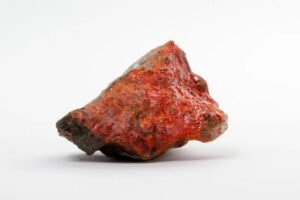
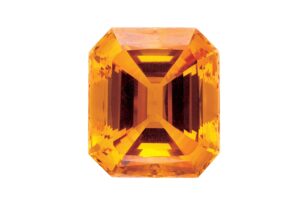
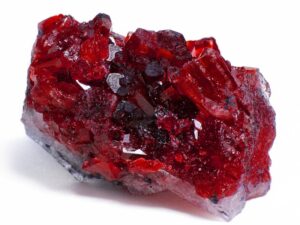
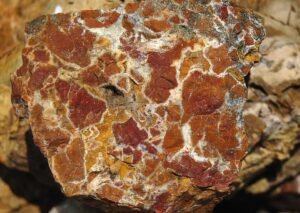
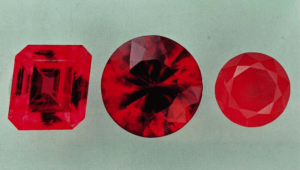
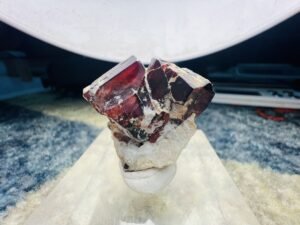
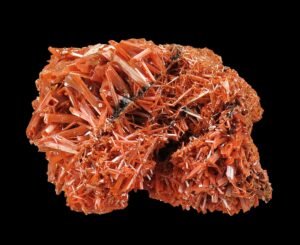
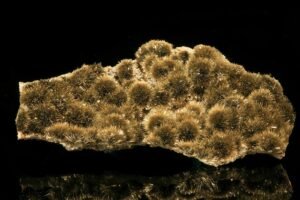
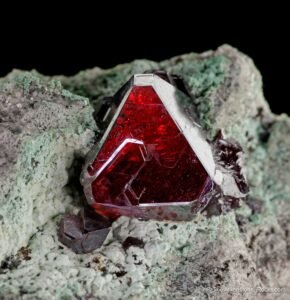
Cuprite is a copper(I) oxide mineral and a significant secondary mineral found within the oxidation zones of copper ore deposits. It typically forms through the chemical weathering of primary copper sulfides, such as chalcopyrite, when exposed to oxygen-rich meteoric environments over extended geological periods. This paragenetic process often results in the crystallization of cuprite alongside other secondary minerals like malachite, azurite, and native copper. These crystals frequently exhibit isometric habits, including cubic or octahedral forms, as recorded in the: Handbook of Mineralogy ,these crystals frequently exhibit isometric habits, including cubic or octahedral forms. The nomenclature of the species is derived from the Latin word cuprum, which directly translates to “copper,” reflecting both its high metallic content and its primary chemical composition. While it serves as a minor ore of copper, its gemological significance lies in its exceptional refractive index of 2.849, which surpasses that of diamond. However, due to its relatively low Mohs hardness of 3.5 to 4.0, cuprite is primarily valued as a collector’s gemstone rather than for use in traditional jewelry. Its deep red color and adamantine luster remain its most defining diagnostic features for identification in the field, as documented in the Mindat.org mineral database. Optical Properties and Visual Characteristics Cuprite is characterized by its exceptionally saturated color profile, primarily manifesting in deep, coppery red to brownish-red hues. This coloration is a direct result of its high copper content and its unique crystal chemistry, which allows for a range of appearances from a translucent, vivid crimson—often compared to fine ruby—to a nearly opaque, metallic black in larger, more massive specimens. When viewed in thin fragments or under strong transmitted light, even the darkest crystals typically reveal a signature internal fire of intense red. The optical appeal of this species is further enhanced by its adamantine to sub-metallic luster, a consequence of its high refractive index. When faceted, gem-quality cuprite displays a brilliance that can surpass that of a diamond, though such transparent material is exceedingly rare. In addition to the standard crystalline form, cuprite occasionally occurs in a capillary variety known as chalcotrichite, which consists of matted, needle-like crystals that exhibit a distinct silky appearance. Durability and Lapidary Use In gemological practice, cuprite is significantly more prevalent in mineral collections than in commercial jewelry due to its inherent physical limitations. With a Mohs hardness rating of 3.5 to 4.0, the species is highly susceptible to surface scratching and abrasion, making it largely unsuitable for high-impact applications such as ring stones. While pendants, earrings, and brooches represent lower-risk alternatives, any jewelry application requires protective settings to maintain the integrity of the stone. Most cuprite crystals are characterized by small dimensions or high opacity, which limits their suitability for traditional faceting. However, cuprite frequently forms as a constituent of multi-mineral aggregates alongside other secondary copper minerals like malachite, chrysocolla, and azurite. These mixed mineral specimens are highly valued by lapidaries, who typically process them into cabochons to showcase the distinctive color contrasts and patterns formed by the various copper-bearing species. Identification and Authentication To identify cuprite, gemologists analyze its extreme physical and optical constants, which distinguish it from more common red stones like garnet, ruby, or spinel. The most definitive indicator is its extraordinary refractive index of 2.848—significantly higher than a diamond’s—which creates a subtle, bluish metallic luster under reflected light, while transmitted light reveals its signature deep crimson body color. Furthermore, cuprite is exceptionally dense, with a specific gravity between 6.0 and 6.14. This high density helps separate it from other “over-the-limit” (OTL) red minerals like proustite or wulfenite. As an isometric mineral, it is naturally singly refractive, though anomalous birefringence may occur due to surface stress from traditional diamond-paste polishing; professional studies suggest using alkaline silica solutions to maintain its true optical integrity.While cuprite has been synthesized for industrial research and archaeological restoration, lab-grown material is not widely used in the gemstone market. Historical simulants include devitrified glass “Maple Stones” or glass beads colored with copper(I) oxide, yet natural cuprite remains the standard for collectors. A brownish-red streak is diagnostic but should never be attempted on faceted stones as it is a destructive test. Because cuprite generally receives no treatments or enhancements, its identification remains focused on confirming its natural oxide chemistry and remarkable light-handling properties. Is it Cuprite or Red Garnet? While cuprite and red garnets can look nearly identical at first glance, they are actually very different minerals. The most practical way to tell them apart is by their weight and luster. Cuprite is much denser than garnet; if you hold a piece of each in your hands, the cuprite will feel significantly heavier for its size. Additionally, cuprite has a brilliant metallic or “greasy” shine, whereas garnets typically have a glassy luster similar to window glass. Another key difference is durability. Garnets are hard and tough, making them perfect for everyday jewelry like rings. Cuprite, however, is quite soft and can be easily scratched by a steel nail or even a common copper coin. If you look at the crystals in their natural state, cuprite is often found growing alongside green malachite or blue azurite—a combination you won’t see with garnets. Finally, while a garnet’s light properties can be measured with standard tools, cuprite’s light-bending power is so high that it goes “off the charts” for most common gem-testing equipment. Cuprite remains a distinct species in the mineralogical world, primarily defined by its extreme optical and physical constants. Its refractive index, which exceeds that of diamond, and its high copper-driven density make it a subject of significant interest for both gemologists and mineral collectors. While its inherent softness limits its practical application in everyday jewelry, these same constraints highlight its status as a specialized collector’s gem.Whether viewed as a raw mineral specimen or a rare faceted stone, cuprite serves as a clear example of the unique aesthetic results produced by the oxidation of copper deposits. Understanding its diagnostic properties—from its metallic luster to its specific gravity—is essential for accurately identifying and valuing this

플루오르카나사이트

카나사이트: 러시아의 외딴 북부 지역에서 발견되는 희귀한 라벤더색 광물

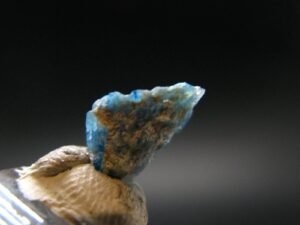
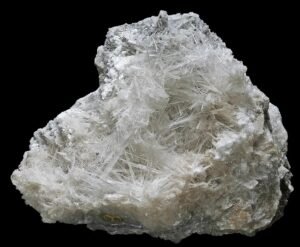
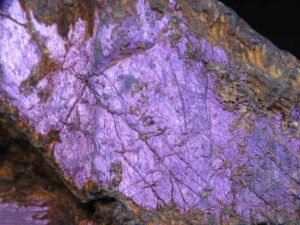
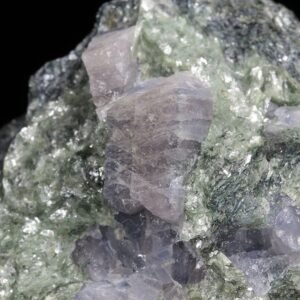
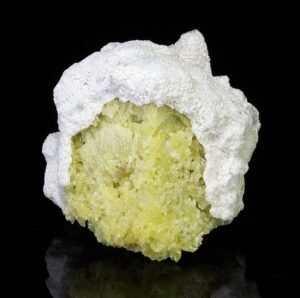
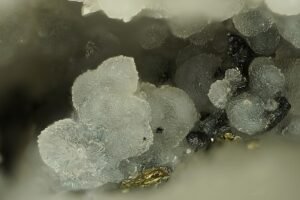
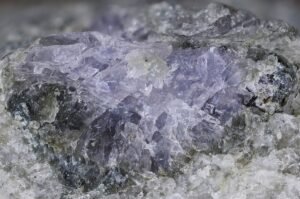
Canasite is a rare silicate mineral primarily found in highly alkaline igneous environments. It is characterized by its distinct purple to violet coloration, which can range from pale lavender to deep, saturated hues. While it shares a similar color profile with minerals like Amethyst, Canasite is distinguished by its unique chemical composition and geological origin. It is most famously associated with the Khibiny and Lovozero massifs on Russia’s Kola Peninsula, though it has been documented in a few other specialized locations worldwide, such as Namibia. The name “Canasite” is a literal reflection of its primary chemical building blocks: Calcium, Natrium (Sodium), and Silicon. Structurally, it often forms as fibrous or prismatic aggregates, which contribute to its characteristic vitreous to pearly luster. Origin and Discovery The primary source for gem-quality canasite is a specific geological region in Russia. The mineral was first identified during the 1970s within the Murun Massif, located in eastern Siberia. This remote area is recognized by geologists for its complex alkaline igneous formations, which favor the crystallization of rare silicate minerals. The Murun complex is also the type locality for charoite, an ornamental stone characterized by its distinct purple coloration and swirled texture. Due to the specific geochemistry required for their formation, canasite is occasionally found in association with charoite within the same alkaline host rocks. The accessibility of these deposits is constrained by both the remote geographical location and the technical challenges associated with extracting mineral specimens from the host rock without inducing fracturing. Consequently, the limited output of gem-quality material has maintained the scarcity of canasite in the mineral market. Verified occurrences of canasite outside of this Siberian region are geographically isolated, reinforcing its status as a specialized specimen for mineralogical collections. Classification within the Canasite Group In systematic mineralogy, “canasite” is not merely a single mineral species, but the namesake of a distinct mineral group. Due to variations in chemical composition—specifically the proportions of fluorine and hydroxyl groups—and shifts in crystal symmetry, the International Mineralogical Association (IMA) recognizes three separate but closely related species within this group. 1. Canasite Canasite is the foundational species of the group, crystallizing in the monoclinic system. Its structural framework consists of a complex silicate chain integrated with calcium, sodium, and potassium, incorporating both fluorine and hydroxyl groups. It is characteristically found in highly alkaline igneous environments, typically appearing as purple to violet fibrous or prismatic aggregates. 2. Fluorcanasite First reported by a team led by Alexander P. Khomyakov in 2003, fluorcanasite is the fluorine-dominant analogue of canasite. Its chemical structure indicates the complete substitution of the hydroxyl group by fluorine. While it maintains a physical appearance similar to canasite—often presenting in shades of purple—its chemical purity regarding fluorine content establishes it as a distinct mineral species. 3. Frankamenite Frankamenite represents the most structurally distinct member of the group. Unlike the monoclinic canasite and fluorcanasite, frankamenite crystallizes in the triclinic system. It was discovered in the charoitic rocks of the Murunskii Massif and officially named in 1996 to honor the Russian crystallographer Victor Albertovitch Frank-Kamenetsky. In addition to its unique symmetry, frankamenite contains structural water within its framework, setting it apart from the anhydrous structure of the other members. Visually, frankamenite can manifest in a broader spectrum of hues than the standard purple canasite, including various shades of green, blue, and lilac-gray. The canasite group stands as a compelling example of mineralogical complexity within alkaline igneous environments. What may appear to the naked eye as a simple purple stone is, upon closer inspection, a sophisticated interplay of crystal lattice adjustments and elemental substitutions. Whether it is the fundamental canasite, the fluorine-enriched fluorcanasite, or the structurally distinct, water-bearing frankamenite, each member of this group provides critical insights into the geological conditions of their formation.

아쿠아마린

아쿠아마린: 맑은 투명함과 바다를 닮은 빛깔로 사랑받는 평온한 "3월의 탄생석"이며, 평온, 용기, 그리고 제왕적 우아함의 영원한 상징입니다.

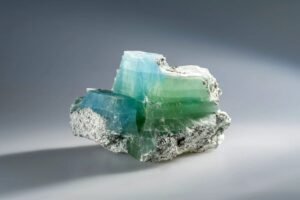
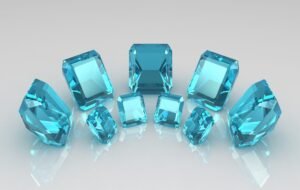
What Is Aquamarine? Aquamarine is arguably one of the most beloved gemstones in the world, cherished for its breathtaking, peaceful blue color that seems to capture the very essence of the ocean. The name itself is a beautiful reflection of this—coming from the Latin words aqua (water) marina (sea). For centuries, this gem has been a symbol of calmness, hope, and protection, once carried by ancient mariners as a talisman to ensure safe passage across the waves. Beyond its poetic appeal, aquamarine is a gemologist’s dream because of its rare combination of beauty and durability. Belonging to the beryl mineral family, it is a close cousin to the emerald. However, while emeralds are famous for being delicate and often filled with natural inclusions, aquamarine is renowned for its remarkable transparency and structural integrity. It is naturally “clean,” meaning it often forms in large, clear crystals that allow light to pass through with incredible brilliance.What makes aquamarine truly practical for everyday life is its strength. With a hardness rating of 7.5 to 8 on the Mohs scale, it is tough enough to withstand the wear and tear of daily use. It doesn’t scratch or break easily, which is why you will often see it set in everything from delicate rings to bold statement necklaces. Because of its glass-like luster and wide range of blues—from a soft, icy whisper of color to a deep, intense sky blue—it offers a versatility that few other stones can match. Whether you are drawn to its soothing energy or its sparkling, clean aesthetic, aquamarine remains a timeless treasure that manages to feel both luxurious and effortlessly wearable. How Aquamarine Forms in Nature Understanding the geological roots of aquamarine helps us appreciate why it remains one of the world’s most sought-after gemstones. Aquamarine belongs to the prestigious beryl mineral family (Be₃Al₂Si₆O₁₈), the same distinguished group that includes other famous gems like emerald and morganite. While its chemical composition—a beryllium aluminum silicate—is relatively straightforward, the environment required to create a gem-quality specimen is quite unique. Aquamarine typically forms in granitic pegmatites and hydrothermal veins, which are specialized geological pockets rich in volatile elements like water, lithium, and boron. Because these environments allow for a slow, steady cooling process, the minerals have the perfect conditions to grow into large, beautifully structured crystals, often developing into iconic, well-defined hexagonal prisms. The mesmerizing blue hue of the stone is a product of its elemental makeup, primarily caused by trace amounts of iron trapped within its crystal lattice. The specific shade of blue depends on the oxidation state and the concentration of these iron ions, resulting in a stunning spectrum that ranges from the lightest, icy sky-blue to rich, saturated blue-green tones. From a mineralogical perspective, what sets aquamarine apart is its incredible clarity; because it often forms with very few internal flaws compared to its cousin, the emerald, it offers a level of transparency that allows light to dance through the stone with ease. This unique combination of structural integrity, natural transparency, and the ability to grow into substantial, clean sizes makes aquamarine a perennial favorite for both high-end jewelry designers and passionate mineral collectors alike. Aquamarine Treatments and Enhancements While natural, untreated aquamarine is highly prized by collectors, it is common industry practice to enhance the gem’s appearance through heat treatment. Most aquamarine crystals emerge from the earth with greenish or yellowish undertones, which are caused by the presence of iron within the crystal lattice. To achieve the highly desired pure blue color, these stones are carefully heated in a controlled environment. This process effectively reduces the yellow components and shifts the stone’s color toward the classic, cool blue tones that consumers love. This heat treatment is stable and permanent, meaning the enhanced color will not fade over time. It is a widely accepted and expected practice in the jewelry trade, provided that it is disclosed to the buyer. Unlike some other gemstones that undergo more invasive treatments—such as fracture filling or irradiation—heat-treated aquamarine remains essentially the same natural mineral it was before the process, maintaining its structural integrity and long-term durability. When purchasing, it is always a good practice to ask for a professional gemological report, which will clearly state whether a stone has undergone heat treatment, ensuring transparency and peace of mind in your investment. Aquamarine: From Royal Crowns to Modern Masterpieces Aquamarine doesn’t need loud marketing to make its mark; it earns its place in the world of fine jewelry through pure, unadulterated clarity. As a member of the beryl family, it’s got a natural edge—a transparency that feels like staring straight into a clear, shallow sea. For any jewelry designer worth their salt, aquamarine is one of the few stones that can hold its own at a massive, multi-carat size without ever looking garish. With a Mohs hardness of 7.5 to 8, it’s tough enough for everyday wear, too. Whether you’re looking at an engagement ring or a minimalist pendant, this stone is as practical as it is beautiful. One of the best things about aquamarine is how versatile it is with metals. Personally, I’ve always loved the crisp, modern look of aquamarine set in platinum or white gold, but there’s something undeniably striking about how those cool blue tones pop against the warmth of yellow or rose gold—it gives the piece a vintage, heirloom quality that’s hard to beat. And then there’s the history. It’s hard to talk about this gem without thinking of the icons. You’ve got the Brazilian Aquamarine Parure—that legendary set gifted to Queen Elizabeth II—which essentially defined royal elegance for decades. Then there’s Princess Diana’s emerald-cut ring, a piece so simple yet so recognizable that it’s become the gold standard for many collectors. And for those who want to see the absolute pinnacle of what’s possible, there’s the “Dom Pedro” obelisk. At over 10,000 carats, it’s not just a gem; it’s a masterclass in how human artistry can take geological perfection and turn it into something breathtaking. At the end

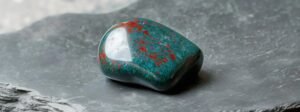
질감이 있는 짙은 회색의 판석 위에 놓인, 선명한 붉은색 산화철 내포물이 흩뿌려진 짙은 숲색 매트릭스의 매끄러운 블러드스톤 연마석 표본.

혈석 (블러드스톤): 보석학적 특성, 형성 및 가치

What is Bloodstone? Bloodstone, historically known as Heliotrope, stands as one of the most enigmatic and storied varieties within the vast chalcedony family of quartz. Instantly recognizable by its deep, forest-green opaque matrix—often speckled with dramatic, iron-rich inclusions that resemble droplets of fresh blood—the stone possesses a visual intensity that has captivated humanity for millennia. Unlike the ephemeral brilliance of transparent gemstones, bloodstone derives its charm from an earthy, primal contrast, a characteristic that has woven it deeply into the fabric of human myth, legend, and spiritual devotion across diverse civilizations. From a gemological perspective, bloodstone is far more than an aesthetic curiosity; it is a testament to the complex geochemical processes of the Earth, valued as much for its remarkable durability as for its unique color patterns. Each specimen acts as a distinct, natural mosaic, ensuring that no two pieces are ever truly identical, a trait that remains a cornerstone of its appeal to collectors and lapidary enthusiasts alike. Beyond its physical composition, bloodstone functions as a profound cultural artifact, serving as an enduring bridge between the ancient world—where it was coveted by soldiers as a protective talisman of strength—and the contemporary era, where it persists as a respected and historic birthstone for the month of March, bridging the gap between geological formation and the human imagination. The Genesis and Lore of Bloodstone The formation of bloodstone is a remarkable geological event, occurring primarily within low-temperature hydrothermal veins where silica-rich fluids permeate porous host rocks. As these fluids cool, they precipitate as microscopic quartz crystals, creating the dense, opaque structure of chalcedony. The stone’s signature red flecks are the result of localized oxidation: as iron-rich mineral solutions infiltrate the chlorite-infused green matrix, they undergo a chemical reaction to form inclusions of hematite—the very essence that bestows the stone with its evocative name. This earthly origin is deeply intertwined with a rich tapestry of folklore, as the stone’s striking appearance has historically been interpreted through diverse mystical lenses. In antiquity, the stone was known as Heliotrope, a name derived from the Greek words for “sun” and “turn.” As documented in Pliny the Elder’s Natural History (Book XXXVII), the ancients believed the gem possessed the magical ability to turn the sun’s rays red when submerged in water. Pliny himself recorded the lore that magicians once used the stone to confer invisibility upon its wearer—a belief that persisted well into the Middle Ages, notably appearing in Giovanni Boccaccio’s Decameron (Eighth Day, Third Tale). Throughout the Roman Empire, soldiers carried heliotrope as a powerful talisman of vitality and protection, firmly believing that it could staunch the flow of blood from battle wounds. By the medieval period, the stone’s symbolism shifted to incorporate Christian iconography; it became widely known as the “Martyr’s Stone.” A pervasive legend emerged claiming that the gem was first formed when drops of Christ’s blood fell onto a piece of dark green jasper at the foot of the Cross, staining the earth for eternity. This association with the Crucifixion led to the stone being carved into intaglios depicting sacred scenes, cementing its role as a revered amulet of spiritual strength and divine healing. Whether regarded as a tool of ancient sorcery or a relic of religious sacrifice, bloodstone remains a profound intersection of geological formation and human imagination. Varieties and Color Variations of Bloodstone While the hallmark of true bloodstone—or heliotrope—is its deep, opaque green matrix punctuated by distinct red hematite inclusions, the marketplace often classifies several related chalcedony varieties under the same umbrella. Understanding these distinctions is essential for both collectors and jewelry enthusiasts, as the term “bloodstone” can sometimes be applied broadly to various forms of spotted or patterned jasper and chalcedony. Heliotrope Heliotrope is the traditional and scientific name for bloodstone. Historically used in classical texts and early mineralogical descriptions, the term refers to the dark green chalcedony marked with red hematite inclusions. In modern gemology and jewelry trade, heliotrope and bloodstone are generally considered synonymous, both describing the distinctive green stone with red “blood-like” spots. Blood Jasper Blood jasper is a trade name sometimes used for stones that resemble bloodstone but display a more jasper-like structure. These materials may show darker red patches, brownish tones, or black matrices rather than the typical green background of classic bloodstone. Many specimens also contain white or gray quartz veining, giving them a more mottled and high-contrast appearance. Despite the name, blood jasper is usually classified separately from true bloodstone. Oriental Jasper This is a classic trade term, historically applied to high-quality bloodstone or blood-jasper sourced from Asian deposits. The prefix “Oriental” was traditionally utilized in the gemstone industry to denote material of exceptional quality or to lend an air of exoticism and prestige to the stone in Western markets. Fancy Jasper This is a broad trade category encompassing chalcedony or jasper that displays a spectrum of colors beyond the traditional green and red. Fancy Jasper may include shades of yellow, purple, orange, or cream in various mottled or swirling patterns. While these specimens are geologically related to bloodstone, they lack the specific “blood-like” red hematite drops that define the primary birthstone. Plasma In mineralogical terms, plasma is a bright, leek-green variety of chalcedony. If this green material contains the signature red hematite spots, it is classified as bloodstone. However, if the red inclusions are absent, the stone is simply referred to as plasma. Prase Similar to plasma, prase is a duller, leek-green chalcedony. While it can occasionally contain red spotting and be grouped with bloodstone, it is generally distinguished by a lighter, more muted green base color compared to the deep “imperial” green favored in high-quality bloodstone specimens. Does Bloodstone Make a Good Jewelry Stone? Bloodstone is an exceptional choice for jewelry, perfectly balancing bold aesthetics with impressive physical durability. As a member of the quartz family, it possesses a Mohs hardness of 6.5 to 7, making it sufficiently scratch-resistant for daily wear in rings, bracelets, and pendants. Its greatest strength lies in its toughness; because it lacks

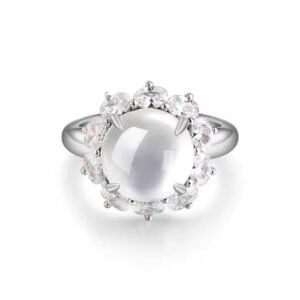
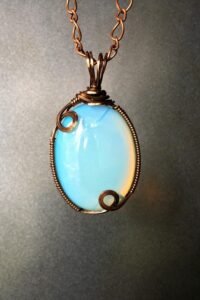
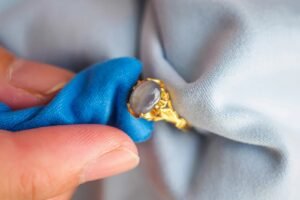
이 펜던트에 보이는 타원형 스톤처럼, 오팔라이트(Opalite)는 문스톤을 모방하기 위해 자주 사용되는 유리 소재입니다.

보석학 가이드: 유리 보석, 모조석 및 특성 식별

In the context of gemology, glass is an amorphous solid—a material that lacks the orderly, repeating internal atomic structure characteristic of natural gemstones. While mineral gems like diamonds or rubies form through slow geological processes that result in a defined crystal lattice, glass is created when a molten mixture of silica (often sand), soda, and lime is cooled so rapidly that the atoms are “frozen” in a disordered, liquid-like state. Because it lacks a crystal structure, glass is optically isotropic, meaning it displays the same physical and optical properties in every direction. When faceted, glass can mimic the luster and dispersion of precious stones, but its physical composition—marked by a distinct conchoidal (shell-like) fracture and internal signatures such as gas bubbles or flow lines—fundamentally distinguishes it from its natural counterparts. What Is Glass? glass is an amorphous, non-crystalline solid produced by the rapid cooling of a molten, silica-rich mixture, a process that prevents atoms from organizing into a structured crystal lattice and leaves them in a permanently disordered state. The foundation of this material typically relies on silica (SiO2) as the primary glass-former, while the addition of soda (Na2O) is utilized to lower the necessary melting temperature and lime (CaO) is incorporated to enhance chemical stability and durability. Beyond these basic components, the composition is frequently augmented with various oxides—such as lead (PbO), barium (BaO), or titanium (TiO2)—which are meticulously introduced to modify the material’s refractive index and dispersion, allowing artisans to tailor the optical performance of the glass to mimic the brilliance and fire of natural gemstones. Glass Gemstones: A Guide to Types and Names Alexandrium™ Alexandrium™ is a sophisticated synthetic glass specifically engineered to replicate the prestigious “alexandrite effect,” a dramatic optical phenomenon where a material undergoes a perceived change in color depending on the spectral distribution of the ambient light source. Unlike natural gemstones that rely on trace elements within a crystal lattice, this amorphous material utilizes a precise formulation of metallic additives and rare-earth elements, such as neodymium, to create specific light absorption bands. In natural daylight or cool-spectrum fluorescent lighting—which is rich in blue and green wavelengths—the glass exhibits a vibrant green or bluish-green hue. However, when moved under incandescent light or warm-spectrum candlelight—which is dominated by red wavelengths—it undergoes a distinct and immediate shift to a reddish-purple or raspberry-pink tone. While its visual performance is highly convincing, it can be definitively identified in gemological testing by its single refraction under a polariscope, a refractive index typically ranging between 1.50 and 1.58, and the presence of microscopic gas bubbles or swirl marks characteristic of its man-made origin. Cat’s Eye Glass Cat’s Eye Glass is a specialized synthetic material engineered to replicate chatoyancy—the “cat’s eye” phenomenon—which is a striking optical effect traditionally found in rare natural minerals like chrysoberyl and tourmaline. This effect is achieved through a complex manufacturing process that incorporates thousands of parallel-aligned glass fibers or microscopic internal reflective inclusions within the glass matrix. When the material is expertly shaped into a cabochon cut, these dense, longitudinal structures interact with light to reflect a singular, luminous band that stretches across the surface of the stone. This bright line of light, often referred to as the “eye,” appears to glide and shimmer across the dome as the stone is tilted or the light source moves, mimicking the slit pupil of a feline. In gemological study, Cat’s Eye Glass is distinguished from its natural counterparts by its highly uniform fiber arrangement and intense, often vibrant color saturation. While natural chatoyant stones may exhibit irregular inclusions or subtle variations in the “eye,” the man-made version is characterized by a nearly perfect, razor-sharp band. Despite its convincing visual appeal, it can be identified by its specific gravity and refractive index, which align with glass properties rather than crystalline structures. Furthermore, when viewed under magnification from the side, Cat’s Eye Glass often reveals a unique “honeycomb” or cellular structure created by the fused glass fibers, a hallmark feature that clearly separates this elegant simulant from earth-mined gemstones. Dichroic Glass Dichroic glass is a technologically advanced material that achieves its striking appearance through an intricate process known as thin-film physics. Unlike traditional stained glass which uses pigments, this modern variety is created via the vacuum deposition of multiple ultra-thin layers of different metal oxides—such as titanium, chromium, or magnesium—onto the surface of a glass substrate. These microscopic layers, sometimes totaling more than thirty, act as a series of interference filters that selectively allow certain wavelengths of light to pass through while reflecting others. This produces an intense, multidimensional color-shift or iridescent effect that changes dramatically depending on the angle of observation and the lighting conditions. In gemology, it is often utilized to mimic the complex play-of-color found in natural precious opal or the labradorescence seen in high-grade labradorite. While the visual depth of dichroic glass is remarkably captivating, it can be identified by its characteristic “metallic” luster on the layered surface and the absence of a natural crystal structure. Under magnification, the thin-film coating can sometimes be seen as a distinct, paper-thin layer on the edge of the glass, a diagnostic feature that separates this high-tech simulant from the organic or mineral structures of natural iridescent gemstones. Saphiret Saphiret is a historical type of glass manufactured primarily in Gablonz, Bohemia, during the 19th and early 20th centuries. It is highly valued by vintage collectors due to its unique optical properties, which are achieved by adding metallic gold into the molten glass mixture during the production process. When observed in neutral or ambient lighting, Saphiret typically displays a semi-opaque, brownish or cocoa-colored base. However, when light interacts with the internal composition—often dispersed through scattering effects—it produces a striking, glowing opalescent flash of azure or cornflower blue. This vivid color shift is responsible for the popular, albeit non-scientific, collector’s nickname “dragon’s breath.” From a gemological perspective, Saphiret is an amorphous glass simulant rather than a mineral; its diagnostic features include a refractive index consistent with glass, typical conchoidal fracturing, and, under

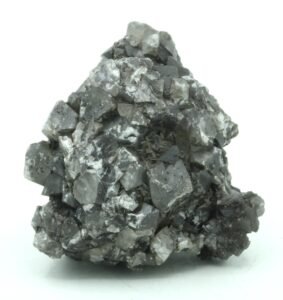
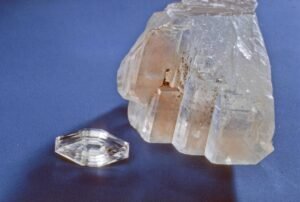
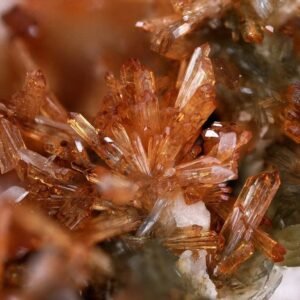
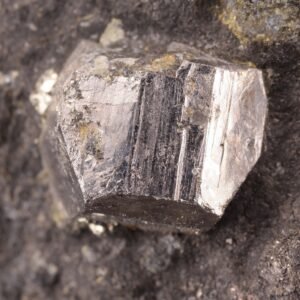
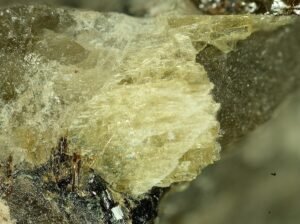
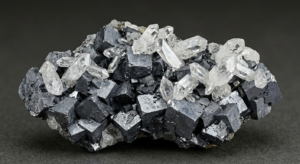
지질 변형 산화된 납 광상에서 1차 광물(회색 큐브 형태의 갈레나)이 2차 광물(투명하고 반짝이는 결정 형태의 앵글사이트)로 변질되는 상세한 모습.

앵글사이트: 다이아몬드 같은 불꽃과 취약성 사이의 수집가의 역설

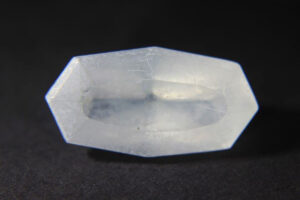
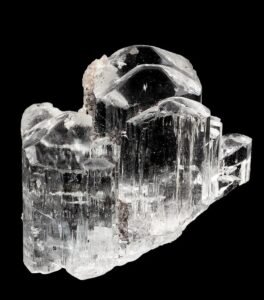
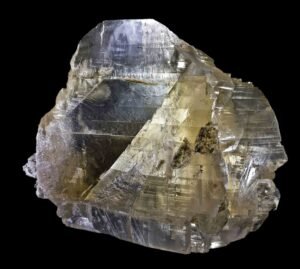
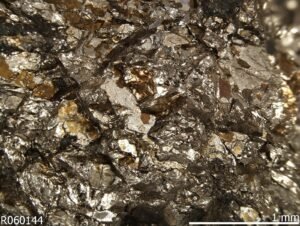
Anglesite occupies a unique niche in the mineral kingdom, standing as a collector’s gem that bridges the gap between industrial ore and ethereal beauty. As a secondary lead sulfate mineral typically formed within the oxidation zones of lead deposits, it is prized by gemologists for a rare trifecta of physical properties: an adamantine luster, remarkable density, and a fire (dispersion) that can rival that of a diamond.While its chemical composition grants it a signature heaviness and brilliant optical performance, that same lead-rich nature renders the stone exceptionally fragile. Consequently, while transparent crystals are occasionally faceted into breathtaking gems, Anglesite remains a treasure reserved for the display case rather than the jewelry box—a brilliant paradox of nature’s power and vulnerability. Geological Origins and Formation Anglesite is primarily a secondary mineral, meaning it does not crystallize directly from molten rock or hydrothermal fluids. Instead, it is a product of “secondary enrichment.” It forms through the chemical weathering and oxidation of primary lead sulfide minerals, most notably galena. When galena is exposed to oxygenated meteoric waters (rainwater) in the upper, oxidized zones of ore deposits, a chemical reaction occurs where the sulfur in the galena is replaced by sulfate. This transformation often happens in situ, sometimes resulting in “pseudomorphs” where the Anglesite retains the original cubic shape of the galena it replaced. These deposits are typically found in arid or semi-arid regions where the water table is deep, allowing for extensive oxidation of the ore body. Historically, the mineral’s name pays homage to its type locality: the Parys Mountain copper mines on the Isle of Anglesey, Wales. However, the most significant gem-quality crystals have since been discovered in the Tsumeb Mine in Namibia and the Touissit district in Morocco, where the geological conditions allowed for the growth of large, transparent, and structurally sound crystals. The Palette of Anglesite: From Ethereal Clarity to Earthy Hues While the most celebrated specimens of Anglesite are those of pure, colorless transparency, the mineral actually occurs in a surprisingly diverse range of colors. These variations are typically the result of trace impurities or minute inclusions of other minerals trapped during the oxidation process. Colorless and White: The “purest” form of Anglesite is colorless. In its transparent, faceted state, it is often mistaken for diamond due to its high dispersion. When it occurs in massive or microcrystalline forms, it often appears as a milky or opaque white. Golden Yellow and Amber: Among collectors, the warm, honey-colored to vibrant lemon-yellow varieties are highly sought after. these golden hues are often attributed to trace amounts of iron oxides or other metallic impurities absorbed from the surrounding ore body during formation. Pale Blue and Green: Perhaps the rarest and most enigmatic varieties are the delicate blues and soft greens. These colors are frequently caused by trace amounts of copper (often sourced from nearby minerals like malachite or azurite) being incorporated into the crystal lattice. Grey and Black: In many mining localities, Anglesite appears in darker, more somber tones. These specimens are often “stained” by microscopic inclusions of unoxidized galena, giving the crystals a metallic grey or even a soot-black internal phantom. Brown and Orange: Deep brownish-orange or “cognac” colored stones can be found, particularly in Moroccan deposits. These earthy tones provide a sophisticated backdrop for the mineral’s high-lead sparkle. Is Anglesite Good for Jewelry? Despite possessing an adamantine luster and fire that can rival a diamond, Anglesite is rarely found in mainstream jewelry. Its absence from the commercial market is primarily due to its extreme physical vulnerability. With a Mohs hardness of only 2.5 to 3.0, the stone is soft enough to be scratched by a copper penny or even a fingernail. Furthermore, its perfect cleavage and brittle nature make it highly susceptible to fracturing during the setting process or under the stresses of daily wear. Beyond its fragility, the mineral’s high lead content—approximately 70%—presents a toxicity risk if dust is inhaled during cutting or if worn against the skin for extended periods. Consequently, faceted Anglesite is strictly regarded as a “collector’s gemstone,” intended for display and study rather than functional adornment. Market Characteristics and Collector Demand Anglesite occupies a specialized niche within the mineral and collector gemstone market rather than the mainstream jewelry trade, and its value is determined primarily by crystal quality, aesthetic appeal, structural integrity, and locality prestige rather than standardized commercial grading systems. Because of its low hardness (2.5–3 on the Mohs scale), perfect cleavage, and brittleness, faceting is technically challenging and high-yield cutting is uncommon; as a result, most clean faceted stones under 3–4 carats typically trade in a limited collector range of approximately $30 to $150 per carat, depending on clarity, color, and origin, while larger eye-clean examples above 4 carats may command higher—but still highly locality-dependent—prices within a small specialist market. For many collectors, however, natural crystal specimens are more desirable than cut gems, particularly well-formed transparent crystals displayed on contrasting matrices such as Galena, where aesthetic balance and condition strongly influence value. Specimens from historically significant localities, especially the Tsumeb Mine and the Touissit, often carry locality premiums; museum-quality pieces from these sources may trade in the approximate range of $500 to $2,500 or more depending on crystal size, clarity, coloration, and overall specimen integrity. Despite its rarity in gem-quality form, Anglesite should be regarded primarily as a collector mineral of aesthetic and scientific interest rather than a conventional investment gemstone, as its market remains small, specialized, and driven more by connoisseur demand than by broad financial speculation. Identification and Diagnostic Methods Because Anglesite can be confused with other high-luster gems like Cerussite, Phosgenite, or even Diamond, gemologists rely on a combination of physical and optical tests: Extreme Density: One of the most immediate identifiers is its specific gravity. At approximately 6.3, it feels unnaturally heavy for its size. In a laboratory setting, hydrostatic weighing will quickly separate it from lighter look-alikes. Luster and Dispersion: Under a jeweler’s loupe, Anglesite displays a distinct “adamantine” (diamond-like) luster. Its dispersion—the ability to split white light

보석 백과사전

A부터 Z까지 모든 보석 목록 및 각 보석에 대한 상세 정보

탄생석

이 인기 있는 보석들과 그 의미에 대해 자세히 알아보세요

커뮤니티

보석 애호가 커뮤니티에 가입하여 지식과 경험, 새로운 발견을 공유해 보세요.