{{ osCmd }} K
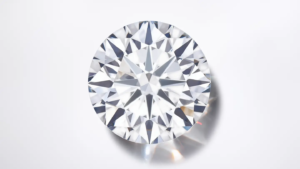
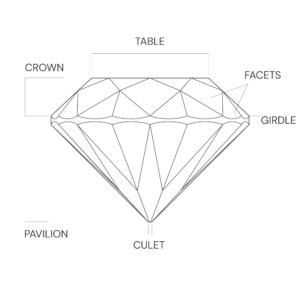
다이아몬드 해부도: 테이블, 크라운, 패싯, 거들, 파빌리온, 쿨레트 등 각면 처리된 보석의 구조를 설명하는 도면.
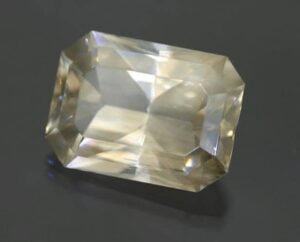
보석 등급 평가 기준 실용 가이드

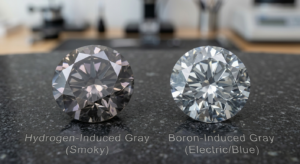
Gemstone grading is the process used to evaluate and describe a gem’s quality in a clear, professional, and comparable way. Whether you are a collector, a first-time buyer, or simply interested in gemstones, understanding grading standards helps you judge beauty, rarity, and value with greater confidence. The Diamond Four Cs Standard Whether you are buying an engagement ring or a timeless piece of jewelry, understanding the Diamond 4Cs is essential. This international standard was created by the GIA to describe diamond quality using four key factors: Cut, Color, Clarity, and Carat Weight. By mastering these four pillars, you can find a diamond that perfectly balances beauty, brilliance, and budget. Color: Measuring Purity Diamond color refers to the presence or absence of color within a white diamond. The GIA color scale begins with D, which represents completely colorless diamonds, and continues down to Z, where a noticeable yellow or brown tint is visible.Colorless diamonds in the D to F range are rare and highly valued. Diamonds graded G to J are considered near colorless and often offer excellent value, as they appear white to the naked eye at a lower price point. Diamonds in the K to Z range show increasingly warm tones that are more visible, especially in larger stones.Metal choice can also influence color selection. Diamonds set in platinum or white gold typically benefit from higher color grades, while yellow or rose gold settings can mask slight warmth, allowing for a lower color grade without sacrificing appearance. Clarity: Evaluating Natural Characteristics Most natural diamonds contain internal features known as inclusions or external characteristics called blemishes. Clarity grading measures how visible these features are and how much they affect the diamond’s appearance.Flawless and Internally Flawless diamonds have no visible inclusions, even under magnification, but they are extremely rare and expensive. Diamonds graded Very Slightly Included or Slightly Included often represent the best balance of beauty and value. Many of these stones appear completely clean to the naked eye, even though minor inclusions may be visible under magnification.When evaluating clarity, the goal is usually to find an “eye-clean” diamond that looks flawless without paying the premium for the highest clarity grades. Carat Weight: Understanding Size and Value Carat weight measures how much a diamond weighs rather than how large it appears. While larger diamonds are generally rarer, carat weight alone does not determine beauty or brilliance. Cut quality and shape can significantly affect how large a diamond looks when worn. Diamond prices tend to increase sharply at popular weight milestones, such as one carat or two carats. Choosing a diamond slightly below these thresholds can offer substantial savings while maintaining a nearly identical visual size. A well-cut diamond with a slightly lower carat weight can often appear larger than a heavier diamond with poor proportions. Choosing the Right Balance of the 4Cs The Diamond 4Cs are designed to work together, not in isolation. A diamond with excellent cut, balanced color, eye-clean clarity, and an efficient carat weight often delivers the best overall value. Understanding these grading standards allows you to make confident decisions and focus on what truly matters for your personal style and budget. Grading Factor Main Grading Parameters Standard Scale / Terms Cut Proportions, symmetry, polish, light performance Excellent, Very Good, Good, Fair, Poor Color Degree of color presence in white diamonds D, E, F (Colorless); G, H, I, J (Near Colorless); K–Z (Light Yellow to Brown) Clarity Type, size, number, and visibility of inclusions and blemishes FL, IF, VVS1–VVS2, VS1–VS2, SI1–SI2, I1–I3 Carat Weight Diamond weight measured in carats 1 carat = 0.20 grams; commonly recorded to two decimal places The Core Factors Used in Gemstone Grading Color Color is often the most important factor for colored gemstones. Gem color is described using three aspects. Hue is the basic color, such as blue, red, or green. Tone shows how light or dark the color appears. Saturation measures the intensity or purity of the color. High-quality gemstones usually have a balanced tone, vivid saturation, and minimal unwanted color changes. Clarity Clarity refers to natural internal features or surface characteristics. Unlike diamonds, many colored gemstones naturally have inclusions, and some inclusions are expected. Clarity is evaluated based on the size, location, and visibility of these features, as well as their effect on transparency and durability. Each type of gemstone has its own clarity standards. What is acceptable for one gemstone may reduce the value of another. Cut Cut describes how a gemstone is shaped and faceted, not just its overall form. A good cut enhances brilliance, color, and symmetry. Poor cutting can make even a high-quality gemstone look dull, while a well-cut gemstone appears brighter and more appealing. Carat Weight Carat weight measures how much a gemstone weighs, not how large it looks. Larger gemstones are usually rarer, but value does not increase evenly with weight. Two gemstones of the same weight can have very different prices depending on their color, clarity, and cut. Diamond Grading vs. Colored Gemstone Grading Diamond grading is highly standardized, with precise scales for color and clarity. This level of standardization is possible because diamonds are relatively consistent in appearance. Colored gemstones, however, present more complexity: As a result, colored gemstones are usually graded using descriptive analysis rather than fixed numerical scales. Professional Gemstone Grading Professional gemstone grading involves a detailed and systematic evaluation of a gemstone using specialized tools and techniques. Gemologists examine each stone carefully to determine its quality and characteristics in a way that is consistent and reliable. Precision Instruments Grading begins with the use of precision instruments. Gemologists often use a 10x loupe to inspect inclusions and surface features. For more detailed analysis, microscopes allow for a closer examination of internal structures, clarity, and natural growth patterns. Refractometers and other optical instruments measure how light interacts with the gemstone, providing critical information about refractive index, birefringence, and optical properties. Laboratory Standards Professional grading follows standardized laboratory protocols to ensure consistency. By applying internationally recognized grading systems, gemologists can describe a
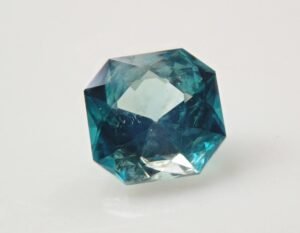
가넷

가넷

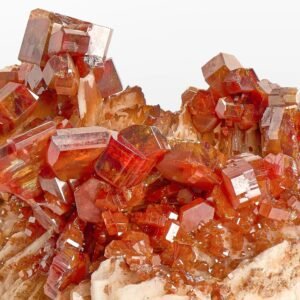
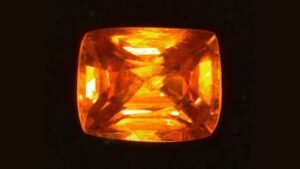
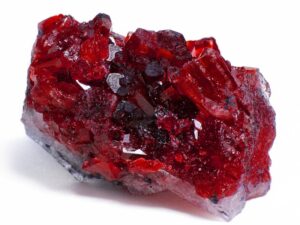
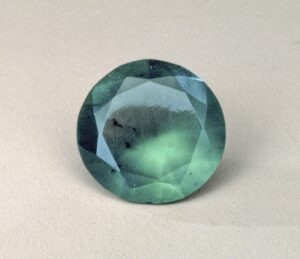
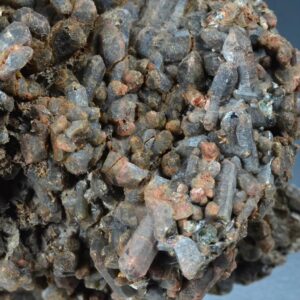
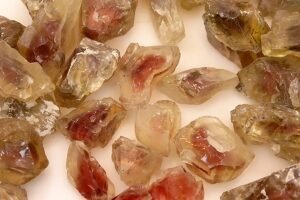
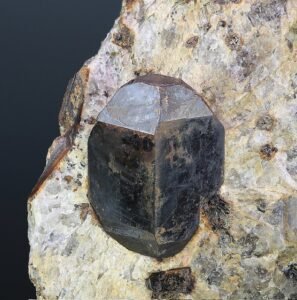
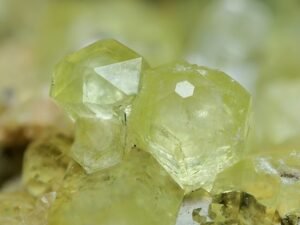
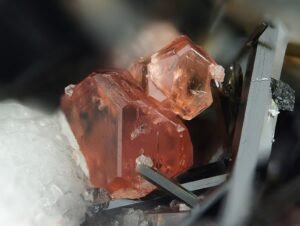
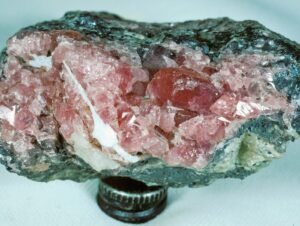
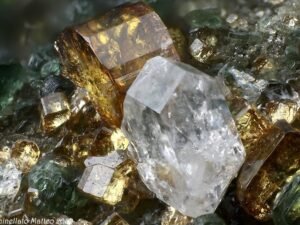
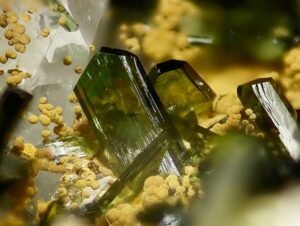
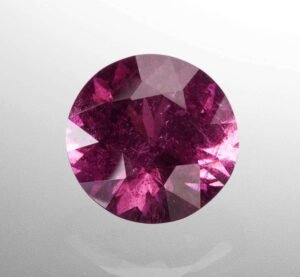
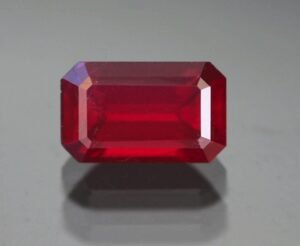
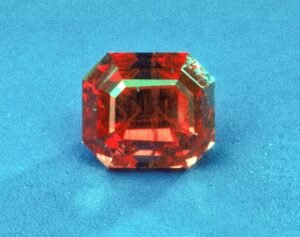
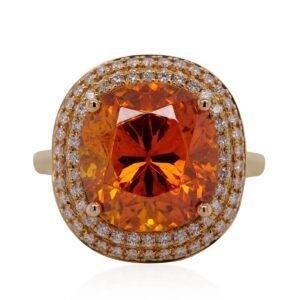
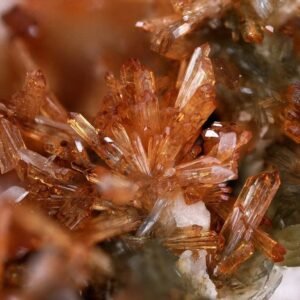
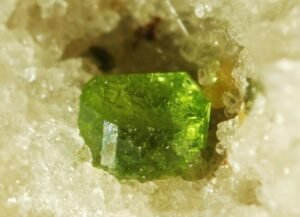
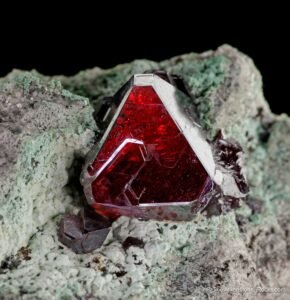
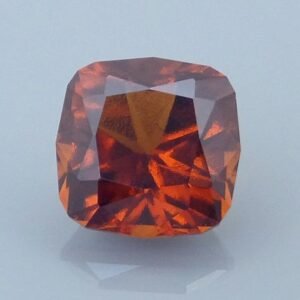
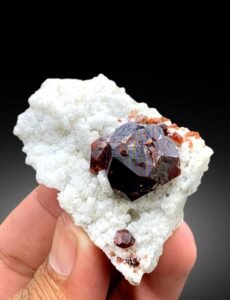
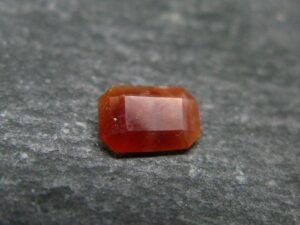
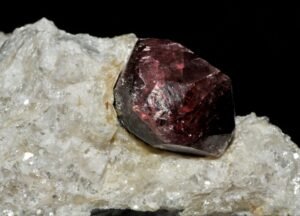
Garnet is a group of naturally occurring silicate minerals that has been valued for thousands of years. While it is most commonly known for its deep red color, garnet actually comes in a wide range of colors, including green, orange, purple, brown, and nearly colorless varieties. Its diversity and durability make garnet one of the most versatile gemstones in nature. Origin of the Name The name “garnet” comes from the Latin word granatum, which means “pomegranate.” This is a direct reference to the gemstone’s deep red crystals, which closely resemble the small, jewel-like seeds of the fruit. In addition to describing its color, this connection also emphasizes the stone’s symbolic qualities. In many cultures, pomegranate seeds were associated with life, fertility, and protection, and by extension, garnet was seen as a stone that could carry similar meanings. Garnet’s name first appeared in written records during the Middle Ages in Europe, although the gemstone itself had been used by humans for thousands of years before that. Ancient civilizations, including the Egyptians, Greeks, and Romans, valued garnet for both decorative and practical purposes. The Egyptians set garnets into inlays for jewelry and burial ornaments, while the Romans carved them into signet rings and engraved gemstones for personal seals. The use of the name granatum also reflects how people historically understood gemstones by comparing them to familiar objects in nature. Much like how diamonds were sometimes called “adamant” to indicate hardness, garnet’s association with pomegranate seeds made its color and shape easy to recognize and describe. Over time, the term “garnet” became the standard across Europe and eventually worldwide, firmly linking the gemstone’s identity to its striking red appearance and rich cultural history. Mineral Composition and Color Garnet is not a single gemstone but a family of closely related silicate minerals that share a similar cubic crystal structure. This structure causes garnets to naturally form symmetrical shapes, often appearing as dodecahedrons or trapezohedrons, which give the stones a distinctive geometric beauty. The wide range of garnet colors is due to variations in chemical composition, with elements such as aluminum, iron, magnesium, calcium, and manganese replacing each other within the crystal lattice. For instance, almandine garnet is rich in iron and aluminum, producing a deep red color, while pyrope garnet contains more magnesium, giving it a brighter red hue. Spessartine garnets are typically orange because of high manganese content, grossular garnets can range from green to yellow depending on trace elements like chromium or vanadium, and andradite garnets may appear green, yellow, or brown, often prized for their brilliance. Despite their differences in color, hardness, and refractive properties, all garnets share the same cubic structure, making them a coherent mineral family. This combination of structural uniformity and chemical diversity has made garnet a fascinating gemstone for collectors, jewelers, and scientists for centuries. Hardness and Durability Garnet has a hardness ranging from 6.5 to 7.5 on the Mohs scale, which makes it a relatively durable gemstone suitable for a variety of jewelry, including rings, necklaces, bracelets, and earrings. Its hardness allows it to resist minor scratches and abrasions from everyday wear, making it a practical choice for pieces that are worn frequently. However, garnet is not as hard as diamonds, sapphires, or rubies, so it can be scratched if it comes into contact with these or other harder materials. In addition to hardness, garnet’s toughness, which measures its resistance to breaking or chipping, is generally good, though certain inclusions or internal fractures can make some stones more vulnerable. To maintain its beauty and longevity, it is recommended to clean garnet jewelry with mild soap and warm water, avoid harsh chemicals, and store it separately from harder gemstones to prevent scratches. With proper care, garnet can retain its color, luster, and structural integrity for many years, making it both a visually appealing and resilient gemstone. How They Are Evaluated One of the most distinctive features of garnet is its wide range of colors, which plays a central role in how gemologists evaluate and value this gemstone. While deep red garnets are the classic and most widely recognized type, other varieties, such as green tsavorite and demantoid garnets, are highly prized for their intense and vivid coloration, as well as their relative rarity. When assessing garnet quality, experts typically focus on several key aspects of color: the hue, which refers to the basic color of the stone; the tone, which describes how light or dark the color appears; and the saturation, which measures the intensity or purity of the color. Generally, garnets with more vibrant, evenly distributed colors are considered superior, and certain rare shades, such as intense emerald green or the blue-green color‑change garnets, can command particularly high value. In addition to color, factors such as clarity, cut, and carat weight are also taken into account, but color remains the most influential element in determining the beauty and market appeal of garnet. Optical Properties and Brilliance Garnet is admired not only for its color but also for its unique optical properties, which influence how the gemstone interacts with light. One important characteristic is its relatively high refractive index, which measures how much light bends when entering the stone. A higher refractive index allows garnet to reflect and refract light more effectively, producing noticeable brilliance and a subtle sparkle that enhances its visual appeal. Some garnet varieties, such as demantoid garnets, are especially valued for their extraordinary brilliance and fire. Demantoid garnets have a high dispersion rate, meaning they can split light into its spectral colors, creating flashes of rainbow-like colors similar to those seen in diamonds. This combination of strong refractive qualities and dispersion makes certain garnets particularly captivating in jewelry, giving them a lively sparkle even under moderate lighting. These optical properties, along with the gemstone’s color diversity and durability, contribute significantly to garnet’s enduring popularity among jewelers and gemstone collectors. Clarity, Inclusions, and Special Effects Most garnets naturally contain inclusions, which are tiny internal features that formed as the gemstone crystallized over thousands

보석 백과사전

A부터 Z까지 모든 보석 목록 및 각 보석에 대한 상세 정보

탄생석

이 인기 있는 보석들과 그 의미에 대해 자세히 알아보세요

커뮤니티

보석 애호가 커뮤니티에 가입하여 지식과 경험, 새로운 발견을 공유해 보세요.