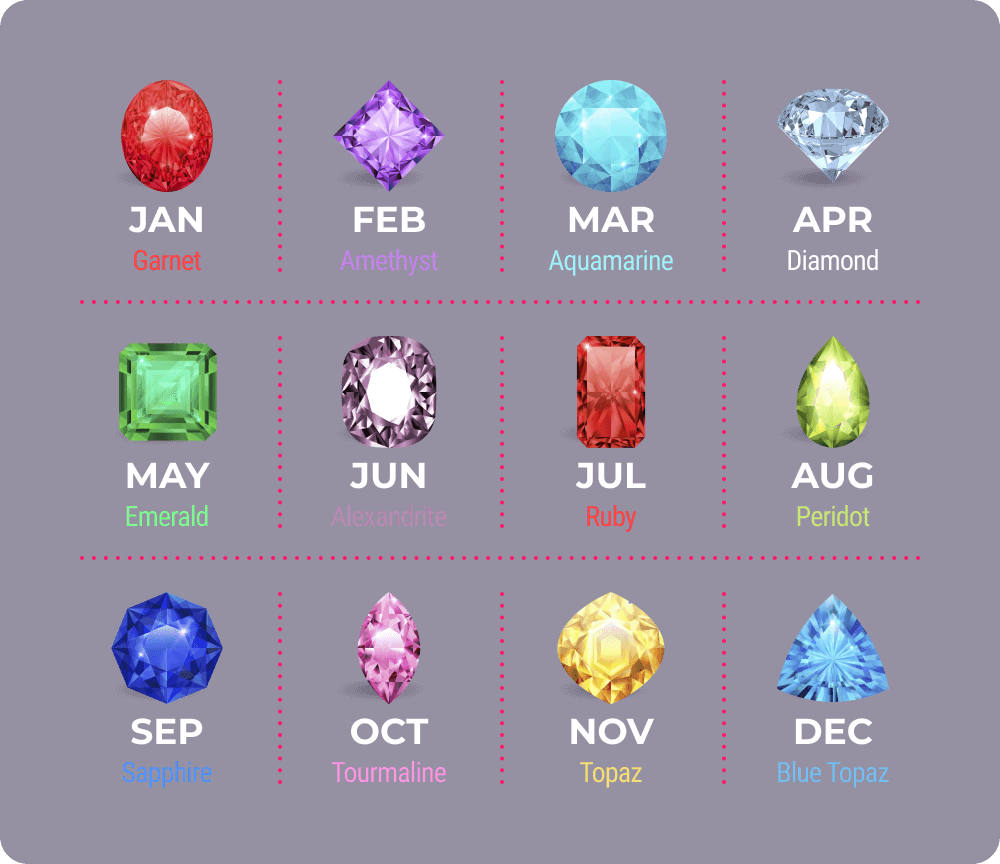
Aguamarina: La serena "piedra de nacimiento de marzo", apreciada por su claridad cristalina y sus tonos oceánicos, sigue siendo un símbolo eterno de tranquilidad, coraje y elegancia real.
What Is Aquamarine? Aquamarine is arguably one of the most beloved gemstones in the world, cherished for its breathtaking, peaceful blue color that seems to capture the very essence of the ocean. The name itself is a beautiful reflection of this—coming from the Latin words aqua (water) marina (sea). For centuries, this gem has been a symbol of calmness, hope, and protection, once carried by ancient mariners as a talisman to ensure safe passage across the waves. Beyond its poetic appeal, aquamarine is a gemologist’s dream because of its rare combination of beauty and durability. Belonging to the beryl mineral family, it is a close cousin to the emerald. However, while emeralds are famous for being delicate and often filled with natural inclusions, aquamarine is renowned for its remarkable transparency and structural integrity. It is naturally “clean,” meaning it often forms in large, clear crystals that allow light to pass through with incredible brilliance.What makes aquamarine truly practical for everyday life is its strength. With a hardness rating of 7.5 to 8 on the Mohs scale, it is tough enough to withstand the wear and tear of daily use. It doesn’t scratch or break easily, which is why you will often see it set in everything from delicate rings to bold statement necklaces. Because of its glass-like luster and wide range of blues—from a soft, icy whisper of color to a deep, intense sky blue—it offers a versatility that few other stones can match. Whether you are drawn to its soothing energy or its sparkling, clean aesthetic, aquamarine remains a timeless treasure that manages to feel both luxurious and effortlessly wearable. How Aquamarine Forms in Nature Understanding the geological roots of aquamarine helps us appreciate why it remains one of the world’s most sought-after gemstones. Aquamarine belongs to the prestigious beryl mineral family (Be₃Al₂Si₆O₁₈), the same distinguished group that includes other famous gems like emerald and morganite. While its chemical composition—a beryllium aluminum silicate—is relatively straightforward, the environment required to create a gem-quality specimen is quite unique. Aquamarine typically forms in granitic pegmatites and hydrothermal veins, which are specialized geological pockets rich in volatile elements like water, lithium, and boron. Because these environments allow for a slow, steady cooling process, the minerals have the perfect conditions to grow into large, beautifully structured crystals, often developing into iconic, well-defined hexagonal prisms. The mesmerizing blue hue of the stone is a product of its elemental makeup, primarily caused by trace amounts of iron trapped within its crystal lattice. The specific shade of blue depends on the oxidation state and the concentration of these iron ions, resulting in a stunning spectrum that ranges from the lightest, icy sky-blue to rich, saturated blue-green tones. From a mineralogical perspective, what sets aquamarine apart is its incredible clarity; because it often forms with very few internal flaws compared to its cousin, the emerald, it offers a level of transparency that allows light to dance through the stone with ease. This unique combination of structural integrity, natural transparency, and the ability to grow into substantial, clean sizes makes aquamarine a perennial favorite for both high-end jewelry designers and passionate mineral collectors alike. Aquamarine Treatments and Enhancements While natural, untreated aquamarine is highly prized by collectors, it is common industry practice to enhance the gem’s appearance through heat treatment. Most aquamarine crystals emerge from the earth with greenish or yellowish undertones, which are caused by the presence of iron within the crystal lattice. To achieve the highly desired pure blue color, these stones are carefully heated in a controlled environment. This process effectively reduces the yellow components and shifts the stone’s color toward the classic, cool blue tones that consumers love. This heat treatment is stable and permanent, meaning the enhanced color will not fade over time. It is a widely accepted and expected practice in the jewelry trade, provided that it is disclosed to the buyer. Unlike some other gemstones that undergo more invasive treatments—such as fracture filling or irradiation—heat-treated aquamarine remains essentially the same natural mineral it was before the process, maintaining its structural integrity and long-term durability. When purchasing, it is always a good practice to ask for a professional gemological report, which will clearly state whether a stone has undergone heat treatment, ensuring transparency and peace of mind in your investment. Aquamarine: From Royal Crowns to Modern Masterpieces Aquamarine doesn’t need loud marketing to make its mark; it earns its place in the world of fine jewelry through pure, unadulterated clarity. As a member of the beryl family, it’s got a natural edge—a transparency that feels like staring straight into a clear, shallow sea. For any jewelry designer worth their salt, aquamarine is one of the few stones that can hold its own at a massive, multi-carat size without ever looking garish. With a Mohs hardness of 7.5 to 8, it’s tough enough for everyday wear, too. Whether you’re looking at an engagement ring or a minimalist pendant, this stone is as practical as it is beautiful. One of the best things about aquamarine is how versatile it is with metals. Personally, I’ve always loved the crisp, modern look of aquamarine set in platinum or white gold, but there’s something undeniably striking about how those cool blue tones pop against the warmth of yellow or rose gold—it gives the piece a vintage, heirloom quality that’s hard to beat. And then there’s the history. It’s hard to talk about this gem without thinking of the icons. You’ve got the Brazilian Aquamarine Parure—that legendary set gifted to Queen Elizabeth II—which essentially defined royal elegance for decades. Then there’s Princess Diana’s emerald-cut ring, a piece so simple yet so recognizable that it’s become the gold standard for many collectors. And for those who want to see the absolute pinnacle of what’s possible, there’s the “Dom Pedro” obelisk. At over 10,000 carats, it’s not just a gem; it’s a masterclass in how human artistry can take geological perfection and turn it into something breathtaking. At the end