
Xonotlite is a rare calcium silicate mineral belonging to the group of hydrated calcium silicates, with the chemical formula Ca₆Si₆O₁₇(OH)₂. It is typically found as a secondary mineral formed during the alteration of calcium-rich rocks under hydrothermal conditions, especially in environments where limestone, marble, or other carbonate rocks interact with silica-rich fluids at elevated temperatures. Xonotlite is known for its fine fibrous, needle-like, or compact crystal aggregates and is an important member of the calcium silicate hydrate (C–S–H) mineral group, which has attracted scientific interest because of its relationship to cement chemistry and geological processes. Although it is not a widely recognized gemstone, Xonotlite has considerable mineralogical importance due to its unique structure, formation conditions, and role in understanding natural calcium silicate systems.
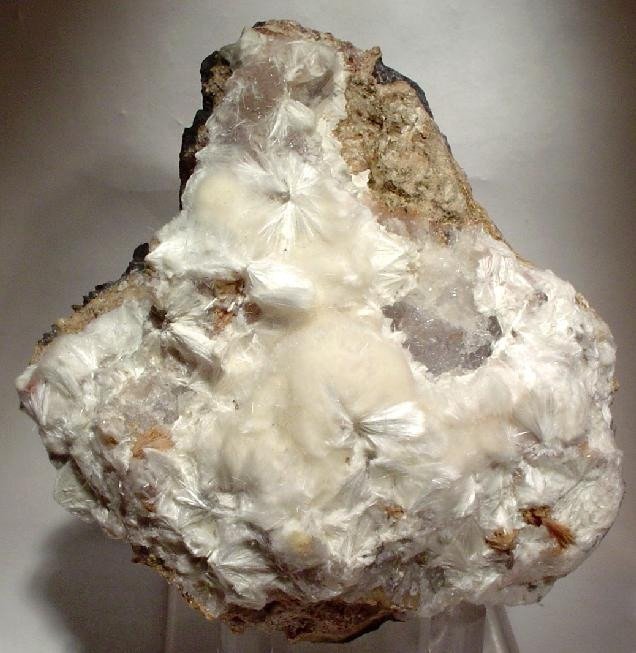
The mineral was first described in the late 19th century and was named after the Xonotla region in Mexico, where it was originally discovered. Xonotlite usually appears white, grayish-white, pale yellow, or colorless, with a silky to pearly luster caused by its fibrous crystal structure. Individual crystals are often extremely small and may form radiating clusters, veins, or massive aggregates rather than large well-developed specimens. Because of its delicate appearance and limited occurrence, Xonotlite is mainly valued by mineral collectors and researchers rather than as an ornamental stone. Its formation requires specific geological conditions involving the combination of calcium, silicon, water, and heat, making it a relatively uncommon mineral compared with other calcium silicate species.
From a scientific perspective, Xonotlite provides valuable information about mineral reactions in high-temperature, water-rich environments. It commonly occurs in contact metamorphic zones, skarn deposits, and altered limestone environments where intrusive igneous activity introduces heat and silica-bearing fluids into surrounding rocks. The mineral represents an intermediate stage in the evolution of calcium silicate minerals and can coexist with other minerals such as wollastonite, tobermorite, calcite, and garnet depending on the chemical conditions of the host rock. Beyond geology, Xonotlite has attracted attention in materials science because synthetic forms of this mineral are used as lightweight calcium silicate materials with applications in insulation and high-temperature construction products. Its combination of low density, thermal stability, and resistance to heat makes it an important mineral analogue for engineered calcium silicate compounds.
History and Discovery of Xonotlite
Xonotlite has a relatively recent history compared with many common minerals, with its first recognized description dating back to the late 1800s. The mineral was discovered in the Xonotla area of Mexico, from which it received its name. Early mineralogists studied Xonotlite because of its unusual fibrous crystal habit and its chemical composition, which differed from many other calcium silicate minerals known at the time. During the initial investigations, researchers identified that Xonotlite was a hydrated calcium silicate rather than a simple anhydrous silicate like wollastonite, making it an important example of how water can influence the formation and stability of silicate minerals in geological environments.
As mineralogical research advanced, Xonotlite became better understood through improvements in chemical analysis, optical studies, and later X-ray diffraction techniques. These studies revealed that Xonotlite possesses a complex layered and chain-like silicate structure related to other calcium silicate hydrate minerals. Its discovery contributed to broader knowledge of hydrothermal alteration processes, especially reactions between carbonate rocks and silica-rich fluids. Modern mineral research continues to examine Xonotlite because its structure closely resembles calcium silicate hydrate phases that naturally occur in rocks and are also produced during cement hydration. This connection has made Xonotlite significant not only in traditional mineralogy but also in materials science, where researchers investigate its properties for the development of durable and heat-resistant synthetic materials.
Formation and Geological Occurrence of Xonotlite
Xonotlite forms primarily through hydrothermal alteration and contact metamorphic processes in environments where calcium-rich rocks interact with silica-bearing fluids under elevated temperatures. It commonly develops in areas where limestone, marble, or calcium-rich volcanic rocks are affected by nearby igneous intrusions. During these geological events, hot fluids carrying dissolved silica penetrate the host rocks and trigger chemical reactions between calcium minerals and silicate components. Under suitable conditions of temperature, pressure, and water availability, these reactions produce hydrated calcium silicate minerals such as Xonotlite. The formation process is highly dependent on the balance between calcium and silica, as well as the stability conditions of other associated minerals that may form alongside it.
Xonotlite is often found in skarn deposits, metamorphosed carbonate rocks, and hydrothermal veins associated with intrusive bodies. It typically occurs together with minerals such as wollastonite, tobermorite, calcite, garnet, vesuvianite, and diopside, reflecting the complex chemical environments where calcium and silica-rich fluids interact. Unlike many common minerals that form in broad geological settings, Xonotlite requires relatively specific conditions, which explains its limited distribution and rarity in natural occurrences. The mineral may appear as white fibrous masses, radiating crystal groups, or compact aggregates filling fractures and cavities within altered rocks. Its presence is often considered an indicator of particular temperature and chemical conditions during hydrothermal alteration, making it useful to geologists studying metamorphic reactions and the evolution of mineral systems.
Crystal Structure of Xonotlite
Xonotlite has a complex crystal structure that places it within the group of hydrated calcium silicate minerals. It crystallizes in the monoclinic crystal system and is characterized by interconnected silicate chains combined with calcium and hydroxyl groups. The structure consists of silicate tetrahedra (SiO₄) arranged into chains, which are linked by calcium ions and hydroxyl groups to create a stable but hydrated framework. This arrangement gives Xonotlite its distinctive fibrous crystal habit and contributes to its ability to maintain structural stability under high temperatures. The presence of hydroxyl groups within the crystal lattice distinguishes Xonotlite from anhydrous calcium silicates such as wollastonite, allowing it to form under water-rich geological conditions.
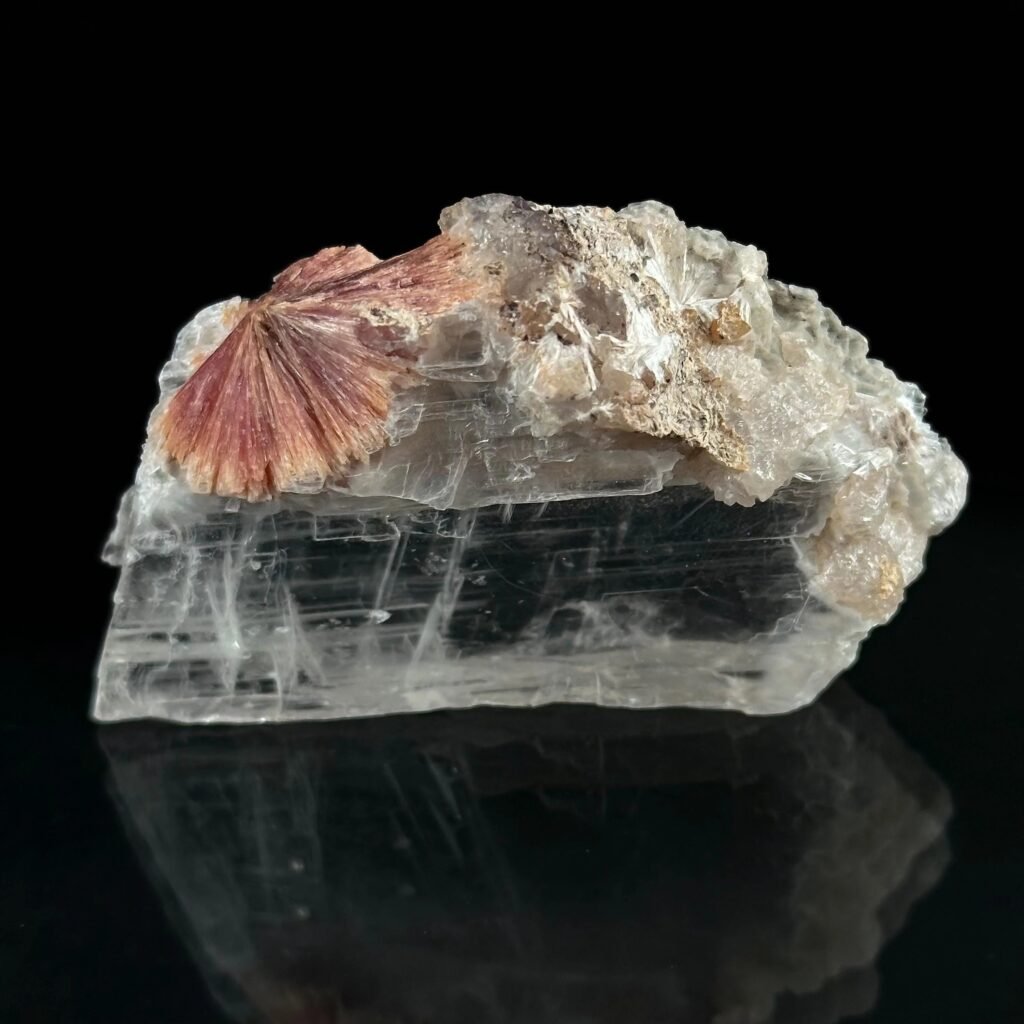
The atomic arrangement of Xonotlite is closely related to other calcium silicate hydrate minerals, particularly tobermorite, although it has a different degree of crystallinity and structural organization. Its layered chain structure allows limited flexibility while maintaining strong bonding between calcium and silicate components. This structural characteristic is one reason why synthetic Xonotlite-like materials are studied for industrial applications, especially in thermal insulation and construction materials. The mineral’s ability to combine low density, chemical stability, and resistance to heat is directly linked to its crystal structure. Understanding the structure of natural Xonotlite also helps scientists investigate the behavior of calcium silicate hydrate phases, which are important in both geological processes and modern cement technology.
Types and Varieties of Xonotlite
Xonotlite is recognized as a single mineral species and does not have officially established varieties in mineral classification systems. However, natural specimens can display different appearances and textures depending on the conditions under which they formed, including temperature, chemical composition of the surrounding fluids, and the presence of impurities. These variations are mainly based on crystal habit, aggregation style, and color rather than differences in chemical composition.
- Fibrous Xonotlite – This is the most characteristic form of the mineral, appearing as fine needle-like fibers or silky aggregates. The fibrous texture develops from the chain-like arrangement of silicate units within the crystal structure and is often seen in hydrothermal veins or altered carbonate rocks.
- Radiating Xonotlite Aggregates – In some specimens, Xonotlite crystals grow outward from a central point, forming fan-shaped or star-like clusters. These aggregates are especially valued by collectors because they display the mineral’s distinctive crystal growth patterns.
- Massive Xonotlite – Some occurrences consist of compact, fine-grained masses where individual crystals are difficult to distinguish. Massive Xonotlite may appear white, gray, or pale-colored and is commonly associated with metamorphic rocks and skarn environments.
- Impure or Associated Xonotlite Specimens – Natural Xonotlite often occurs together with other calcium silicate minerals, carbonates, or metamorphic minerals. The presence of minerals such as calcite, wollastonite, or garnet can influence its color, texture, and overall appearance.
Although these forms are not considered separate mineral varieties, they demonstrate the diversity of natural Xonotlite occurrences. Differences in crystal habit and aggregation provide important clues about the geological conditions during mineral formation and help researchers understand the complex processes involved in calcium silicate mineral development.
Physical and Chemical Properties of Xonotlite
Xonotlite is a hydrated calcium silicate mineral with the chemical formula Ca₆Si₆O₁₇(OH)₂. It generally appears as white, grayish-white, colorless, or occasionally pale yellow aggregates, with its appearance strongly influenced by its fibrous crystal structure and associated minerals. The mineral typically has a vitreous to silky or pearly luster, especially on surfaces where fine fibers are exposed. It has a Mohs hardness of approximately 6.5, making it relatively durable compared with many hydrated minerals, although its fibrous structure can make some specimens appear fragile. Xonotlite has a specific gravity of around 2.7–2.8, which is typical for calcium silicate minerals. It usually forms in compact or fibrous masses rather than large transparent crystals, and well-developed specimens are considered uncommon among collectors.
Chemically, Xonotlite belongs to the calcium silicate hydrate group and contains calcium, silicon, oxygen, and hydroxyl groups within its crystal structure. It is stable under relatively high-temperature hydrothermal conditions and forms when calcium-rich materials react with silica-bearing fluids in the presence of water. Unlike simple calcium silicates such as wollastonite (CaSiO₃), Xonotlite contains structural hydroxyl groups, which reflect its hydrated nature. The mineral is generally resistant to chemical weathering but may be altered under strongly acidic conditions or through prolonged interaction with different geological fluids. Its thermal stability and ability to retain structural integrity at elevated temperatures have made Xonotlite an important subject of study in materials science, particularly in the development of synthetic calcium silicate products used for insulation and heat-resistant applications.
Occurrence and Locations of Xonotlite
Xonotlite is a relatively uncommon mineral that occurs in specific geological environments where calcium-rich rocks and silica-bearing fluids interact under hydrothermal or metamorphic conditions. It is most frequently found in contact metamorphic zones, skarn deposits, and areas where limestone or marble has been altered by nearby igneous activity. When magma intrudes into carbonate-rich rocks, heat and chemically active fluids can promote reactions between calcium carbonate and silica, producing a variety of calcium silicate minerals, including Xonotlite. These environments typically provide the combination of temperature, pressure, and water necessary for the formation of hydrated calcium silicates.
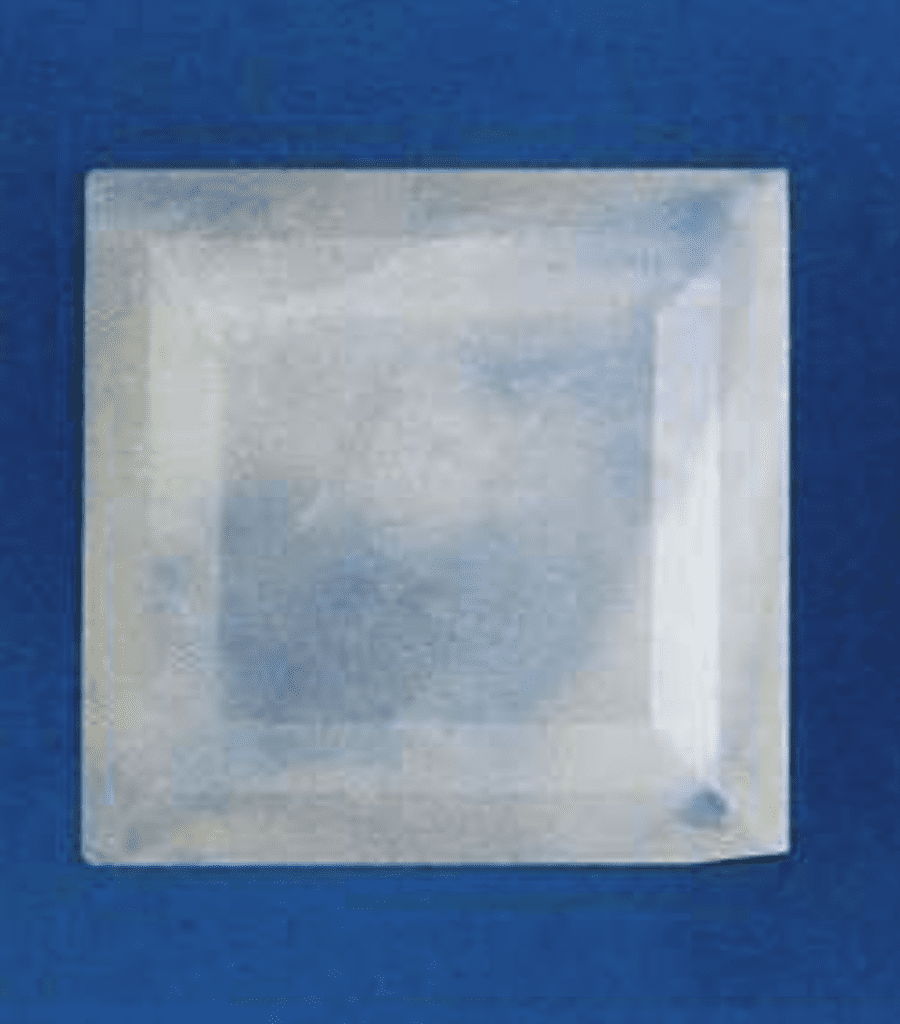
The original discovery locality of Xonotlite is located in Xonotla, Mexico, where the mineral was first identified and described. Since its discovery, additional occurrences have been reported from several regions around the world, including parts of Europe, Asia, and North America. It has been found in association with metamorphic rocks, hydrothermal veins, and altered limestone deposits where minerals such as wollastonite, calcite, garnet, diopside, and vesuvianite commonly occur. Notable occurrences have been reported in countries such as Italy, Japan, Russia, and the United States, although high-quality specimens remain relatively limited. Because Xonotlite formation requires very specific geological conditions, it is generally considered a collector’s mineral rather than a widespread rock-forming mineral. Its presence in a geological deposit often provides valuable information about the temperature conditions, fluid composition, and chemical reactions that occurred during rock alteration.
Uses and Applications of Xonotlite
Although Xonotlite is not widely used as a gemstone or ornamental mineral due to its rarity and generally fibrous, fine-grained nature, it has significant importance in scientific research and industrial materials development. Natural Xonotlite specimens are mainly collected by mineral enthusiasts and studied by geologists because they provide valuable information about hydrothermal alteration, metamorphic processes, and the formation of calcium silicate minerals. Its distinctive structure and relationship with other hydrated calcium silicates make it an important reference mineral for understanding natural mineral reactions involving calcium, silicon, and water.
Beyond its geological importance, Xonotlite has attracted considerable attention in the field of materials science because synthetic Xonotlite-based materials possess excellent thermal and physical properties. Artificial Xonotlite is used in the production of lightweight calcium silicate insulation materials, which are valued for their low thermal conductivity, high temperature resistance, dimensional stability, and resistance to fire. These materials are commonly applied in industrial furnaces, high-temperature equipment, building insulation systems, and heat-resistant construction products. Compared with many traditional insulating materials, Xonotlite-based products can maintain their structural strength even under elevated temperatures, making them useful in demanding environments.
In addition, Xonotlite plays a role in research related to cement chemistry and construction technology. Because its structure is closely related to calcium silicate hydrate phases that form during cement hydration, studying Xonotlite helps scientists better understand the long-term stability and performance of cement-based materials. Researchers continue to investigate its formation mechanisms and synthetic production methods to develop more durable, lightweight, and environmentally efficient construction materials. Although natural Xonotlite remains a rare mineral, its synthetic counterparts demonstrate how knowledge of mineral structures can contribute to modern engineering and industrial applications.