
Euclase is a rare beryllium aluminum silicate mineral with the chemical formula BeAlSiO₄(OH). It belongs to the beryllium silicate mineral group and is recognized for its exceptional crystal clarity, vitreous luster, strong pleochroism, and attractive blue to green coloration. Although euclase is not among the most commercially important gemstones, it is considered a highly desirable collector gemstone because fine-quality crystals are uncommon and often occur as beautifully formed transparent specimens.
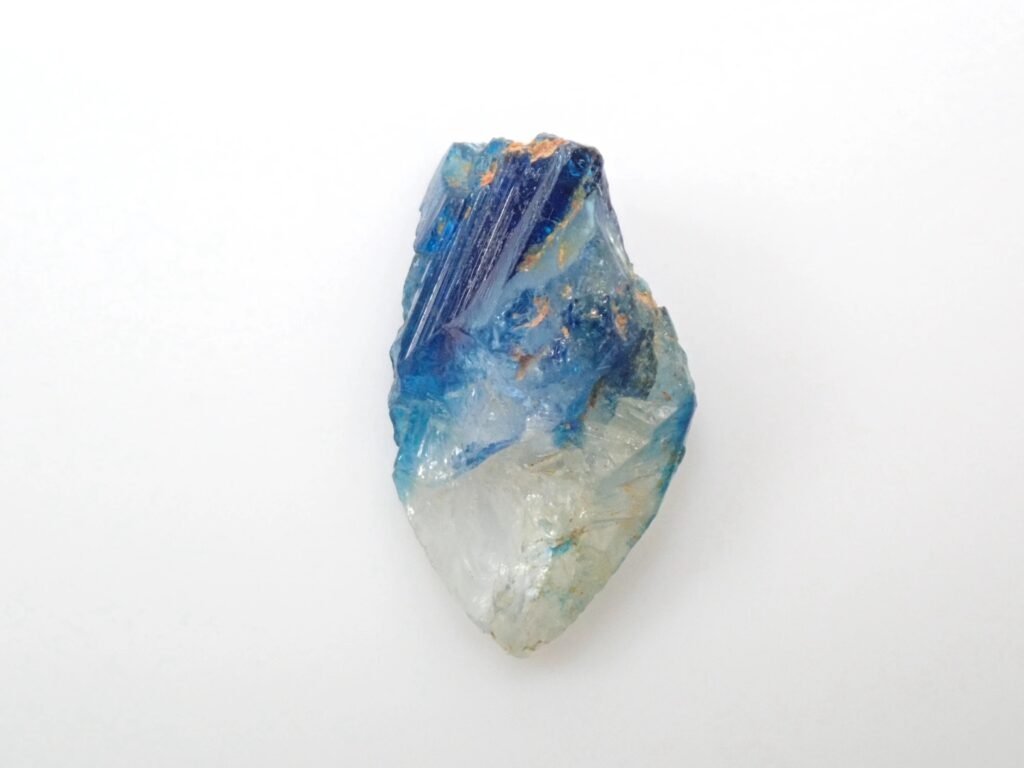
The mineral is particularly notable for its well-developed prismatic crystals and perfect cleavage, a characteristic reflected in its name. The term Euclase originates from the Greek words eu meaning “good” and klasis meaning “fracture,” describing its ability to split easily along certain crystallographic directions. This perfect cleavage makes euclase challenging to cut and polish compared with more durable gemstones, but it also provides important diagnostic information for mineral identification.Euclase is chemically related to other beryllium-bearing minerals such as beryl, phenakite, and chrysoberyl, which often occur in similar geological environments. However, euclase has a unique crystal structure and chemical composition that distinguish it from these minerals. Unlike beryl, which contains a ring silicate structure, euclase belongs to the orthosilicate-related group where isolated silicon-oxygen tetrahedra are linked with aluminum, beryllium, and hydroxyl groups.
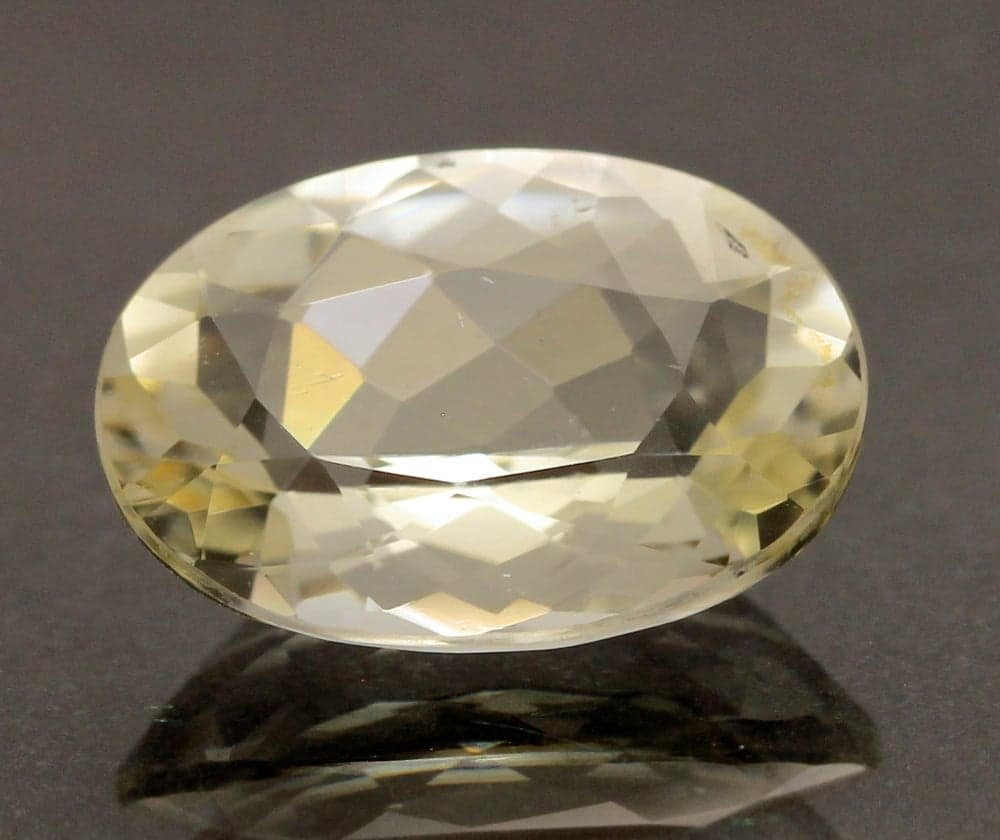
The most famous euclase specimens display a vivid blue color similar to aquamarine or blue topaz. However, natural euclase can also appear colorless, pale green, yellowish-green, or bluish-green depending on trace elements and structural defects within the crystal lattice. The finest transparent blue crystals are exceptionally rare and are highly valued by mineral collectors, museums, and specialized gemstone enthusiasts.Because of its rarity, fragile nature, and limited availability, euclase is mainly collected as a mineral specimen rather than used in mass-market jewelry. Well-formed crystals with excellent transparency and strong coloration are considered important representatives of rare gemstone minerals.
History and Discovery of Euclase
Euclase has a long history connected with the famous mineral deposits of Minas Gerais, Brazil, a region known worldwide for producing exceptional gemstones and rare mineral specimens. The mineral was first discovered in the late 18th century in gold-bearing deposits near Ouro Preto, Brazil. These deposits also produced other important minerals, including topaz, tourmaline, and various beryllium minerals, making the region one of the most significant mineral localities in geological history.
Euclase was scientifically described in 1792 by the French mineralogist René Just Haüy, who made important contributions to the development of crystallography and mineral classification. Haüy studied the mineral’s distinctive cleavage behavior and crystal form, recognizing it as a separate mineral species. His work helped establish early principles of crystallographic analysis and contributed to the modern understanding of mineral structures.
During the 19th century, euclase attracted considerable attention from European mineral collectors because of its unusual combination of transparency, color, and crystal shape. However, its perfect cleavage prevented it from becoming a widely used gemstone. Many early specimens were preserved in museums and private collections because cutting the mineral often resulted in damage or loss of valuable material.With advances in gem cutting techniques and improved geological exploration, interest in euclase increased during the 20th and 21st centuries. New discoveries from locations outside Brazil expanded knowledge of the mineral’s distribution. Today, euclase remains a prized specimen mineral, especially when found as transparent crystals with strong blue coloration and excellent crystal development.
Geological Formation of Euclase
Euclase forms under specialized geological conditions where beryllium-rich fluids interact with aluminum- and silica-bearing rocks. It is most commonly associated with granitic pegmatites, hydrothermal veins, and altered metamorphic environments. These geological settings provide the necessary elements and chemical conditions required for euclase crystal growth.
In granitic pegmatite environments, euclase develops during the final stages of magma crystallization. As granite magma cools, residual fluids become enriched in volatile elements such as water, fluorine, lithium, and beryllium. These highly mobile fluids can migrate into fractures and cavities within surrounding rocks. When temperature, pressure, and chemical conditions become suitable, minerals containing rare elements—including euclase—begin to crystallize.Hydrothermal formation is another important process for euclase development. Hot, mineral-rich fluids moving through fractures can dissolve and transport elements from existing rocks. When these fluids cool or chemically react with surrounding minerals, new crystals may form. Euclase often occurs in association with minerals that indicate beryllium-rich geological environments, including beryl, phenakite, quartz, feldspar, muscovite, and tourmaline.
The formation of euclase requires a precise balance of chemical components. A sufficient supply of beryllium is essential because this element is relatively rare in Earth’s crust. Additionally, suitable levels of aluminum and silica must be available, along with conditions that allow hydroxyl groups to become incorporated into the crystal structure. These strict requirements explain why euclase deposits are limited and why large, transparent crystals are uncommon.Unlike many common silicate minerals that form in a wide variety of environments, euclase is considered a mineral of specialized geological settings. Its occurrence often provides valuable information about the evolution of pegmatitic and hydrothermal systems, making it significant not only for collectors but also for mineralogical research.
Types and Varieties of Euclase
Euclase does not have officially recognized varieties based on chemical composition. However, mineral collectors and gemologists often classify euclase specimens according to their color, transparency, crystal quality, and collecting value.
- Blue Euclase
Blue euclase is the most famous and valuable form of the mineral. Colors range from pale blue and turquoise-blue to deep saturated blue shades. The coloration is believed to result from trace elements and structural factors within the crystal lattice. Transparent blue crystals with strong brilliance are among the most sought-after euclase specimens. - Green and Bluish-Green Euclase
Green euclase is less common than blue material and may display shades from pale green to blue-green. These colors are usually associated with minor chemical substitutions or trace elements incorporated during crystal growth. Green specimens are especially appreciated when they show good transparency and sharp crystal formation. - Colorless Euclase
Colorless euclase occurs when there are few color-causing impurities or structural defects. Although it lacks the visual appeal of colored varieties, transparent colorless crystals are valuable for mineralogical studies because they clearly display the mineral’s internal structure and optical properties. - Gem-Quality Euclase
Gem-quality euclase refers to transparent crystals suitable for faceting. These specimens require excellent clarity, attractive color, and sufficient size. Due to euclase’s perfect cleavage and brittleness, producing faceted gems requires careful cutting techniques. - Collector-Quality Euclase Crystals
Many euclase specimens are collected for their natural crystal form rather than gemstone use. Sharp prismatic crystals, unusual crystal associations, and aesthetic mineral combinations significantly increase their scientific and collector value.
Crystal Structure of Euclase
Euclase crystallizes in the monoclinic crystal system and belongs to the prismatic crystal class. Its crystal structure is characterized by a framework of isolated silicate tetrahedra, where silicon atoms are surrounded by four oxygen atoms to form SiO₄ groups. These isolated tetrahedral units are connected with beryllium, aluminum, and hydroxyl groups, creating a stable but relatively complex arrangement within the crystal lattice.
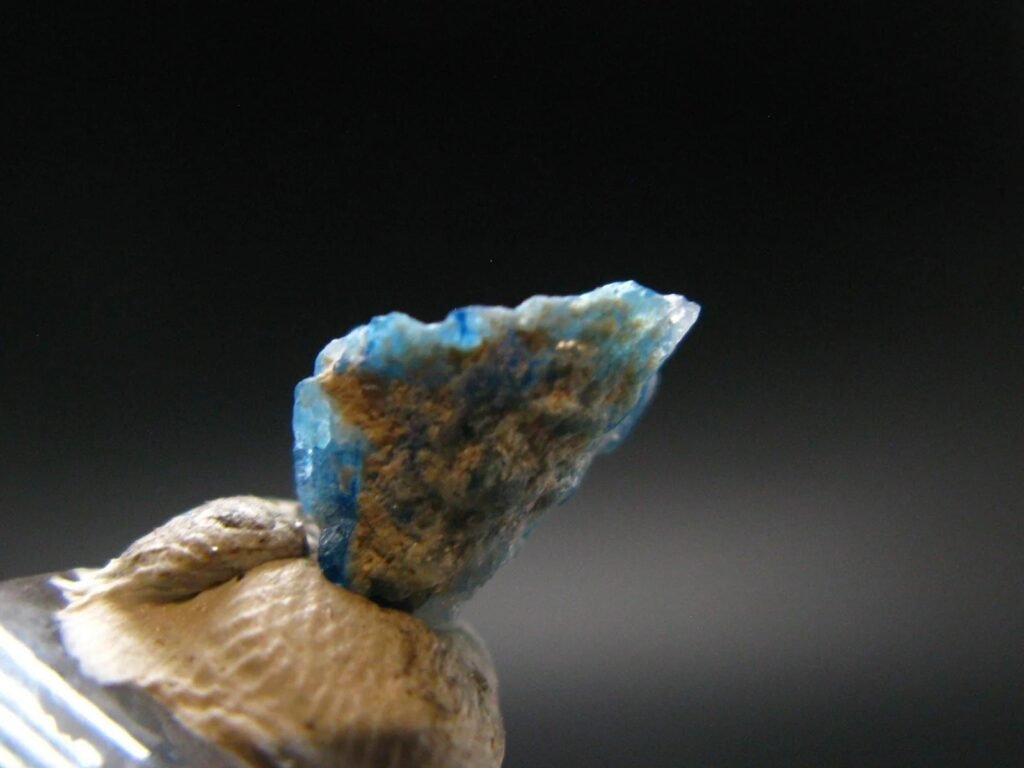
The presence of beryllium is a defining feature of euclase and plays an important role in its structural characteristics. Beryllium atoms are typically coordinated with oxygen atoms, while aluminum occupies different crystallographic positions and contributes to the overall stability of the mineral structure. Hydroxyl groups are incorporated into the lattice and influence the mineral’s physical properties, including its optical behavior and crystal chemistry.Euclase commonly forms elongated prismatic crystals with well-developed faces and distinct vertical striations. These crystals are often transparent to translucent, allowing collectors to observe their internal structure and optical effects. The monoclinic arrangement of atoms contributes to euclase’s strong cleavage, which occurs because certain bonding directions within the structure are weaker than others.The crystal structure also explains many of euclase’s gemological properties. Its refractive behavior, pleochroism, and luster are directly related to the way light interacts with the ordered arrangement of atoms inside the crystal. When high-quality crystals are properly cut, euclase can display attractive brilliance and color variation, although its cleavage requires careful handling during cutting and polishing.
Physical and Chemical Properties of Euclase
Euclase is a beryllium aluminum silicate mineral with the chemical formula BeAlSiO₄(OH). It contains essential elements including beryllium, aluminum, silicon, oxygen, and hydrogen in the form of hydroxyl groups. The mineral commonly occurs in shades of blue, green, bluish-green, yellowish-green, and colorless varieties. Among these, transparent blue crystals are considered the most attractive and valuable because of their resemblance to some popular blue gemstones.
The mineral has a Mohs hardness of approximately 7.5, giving it relatively good resistance to scratching. However, its perfect cleavage makes it fragile and vulnerable to breakage when exposed to strong impact or pressure. Euclase has a specific gravity of around 3.05–3.15 and generally exhibits a vitreous luster, especially on freshly broken or polished surfaces. Transparent specimens can display excellent clarity, although many natural crystals contain inclusions, fractures, or growth features formed during crystallization.
Optically, euclase is a biaxial mineral and shows noticeable pleochroism, meaning it can display different colors when viewed from different crystallographic directions. This property is especially visible in colored specimens, where blue crystals may shift between lighter and darker tones depending on the viewing angle. Its refractive properties, cleavage behavior, and optical effects help gemologists distinguish euclase from similar minerals such as aquamarine, topaz, and other transparent silicates.
Major Localities of Euclase
Euclase is a relatively rare mineral with only a limited number of significant occurrences worldwide. The most famous locality is the Minas Gerais region of Brazil, particularly around Ouro Preto, where the mineral was first discovered. Brazilian euclase specimens are highly regarded because they often display excellent crystal shapes, strong blue coloration, and exceptional transparency. Many historic specimens from this region are preserved in museums and important private mineral collections.
The geological environments of Minas Gerais contain complex pegmatites and hydrothermal deposits rich in rare elements. These conditions allowed beryllium-bearing minerals, including euclase, to form alongside quartz, feldspar, mica, tourmaline, beryl, and other rare silicates. The combination of favorable geology and long mining history has made Brazil one of the most important sources of fine euclase specimens.Additional euclase occurrences have been reported from countries including Zimbabwe, Colombia, Austria, Russia, and the United States. These deposits are generally associated with granitic pegmatites or hydrothermal systems where beryllium-rich fluids were present. Although specimens from these locations may vary in color, size, and crystal form, they have contributed greatly to scientific understanding of the mineral’s global distribution.
Because euclase deposits are uncommon and high-quality crystals are difficult to obtain, locality has a strong influence on specimen value. Material from classic deposits, especially those producing well-formed transparent crystals, remains highly desirable among collectors. New discoveries are carefully studied because even small deposits can provide important additions to mineral collections and geological research.
Uses and Applications of Euclase
Euclase has limited industrial applications because of its rarity, fragile nature, and the small size of known deposits. Unlike minerals that are mined for commercial raw materials, euclase is mainly valued as a collector mineral and gemstone specimen. Well-formed crystals with vivid blue coloration, excellent transparency, and sharp prismatic shapes are highly prized by mineral collectors, museums, and research institutions. These specimens are often preserved for their scientific and aesthetic importance, providing valuable examples for studying beryllium-bearing mineral formation, pegmatite environments, and hydrothermal geological processes.
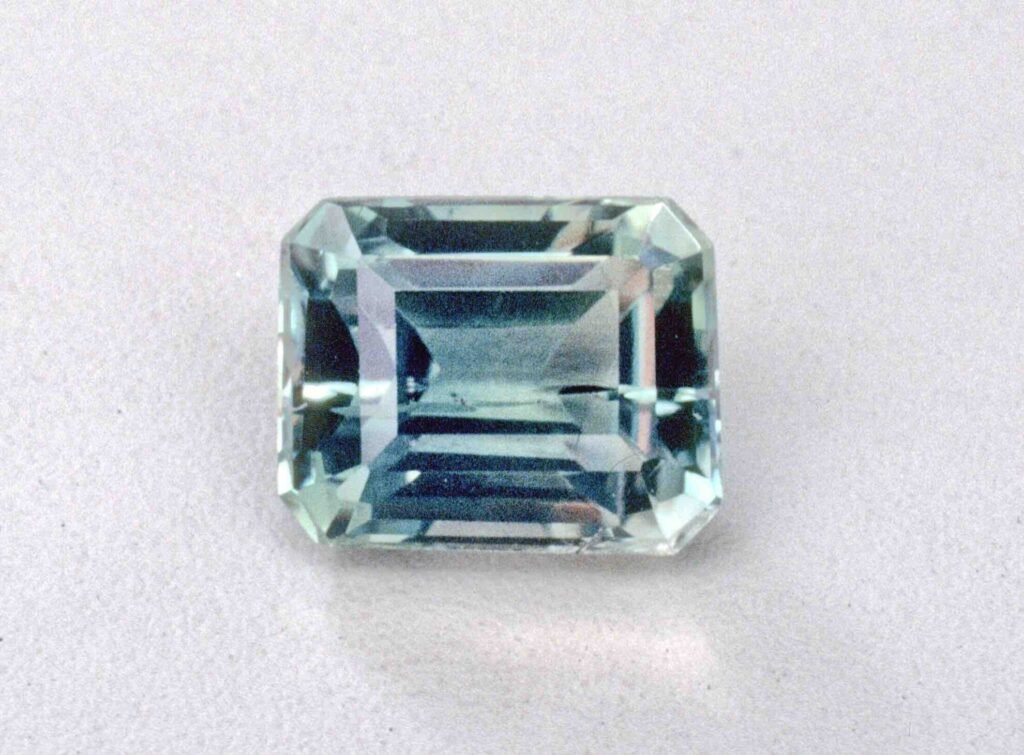
In the gemstone field, euclase is occasionally cut into faceted stones for specialized collectors and gemstone enthusiasts. Transparent blue or greenish-blue crystals with high clarity are particularly desirable because of their attractive optical properties and rarity. However, its perfect cleavage and brittleness make it difficult to cut and unsuitable for most everyday jewelry applications. Beyond gem use, euclase also plays a role in mineralogical and crystallographic research, where its unique chemical composition and crystal structure help scientists better understand rare mineral formation and the geological conditions responsible for beryllium-rich deposits.