
Boleite is a rare secondary halide mineral composed primarily of lead, copper, silver, chlorine, and hydroxyl groups. Its ideal chemical formula is Pb₂₆Ag₉Cu₂₄Cl₆₂(OH)₄₈·3H₂O, reflecting a complex structure that incorporates several metallic elements alongside chlorine, hydroxyl groups, and water molecules. The mineral is best known for its deep indigo-blue to blue-black color, distinctive cubic crystals, and complex chemical composition. Well-formed boleite crystals often display a striking combination of intense blue coloration, a vitreous to adamantine luster, and sharply defined geometric faces.
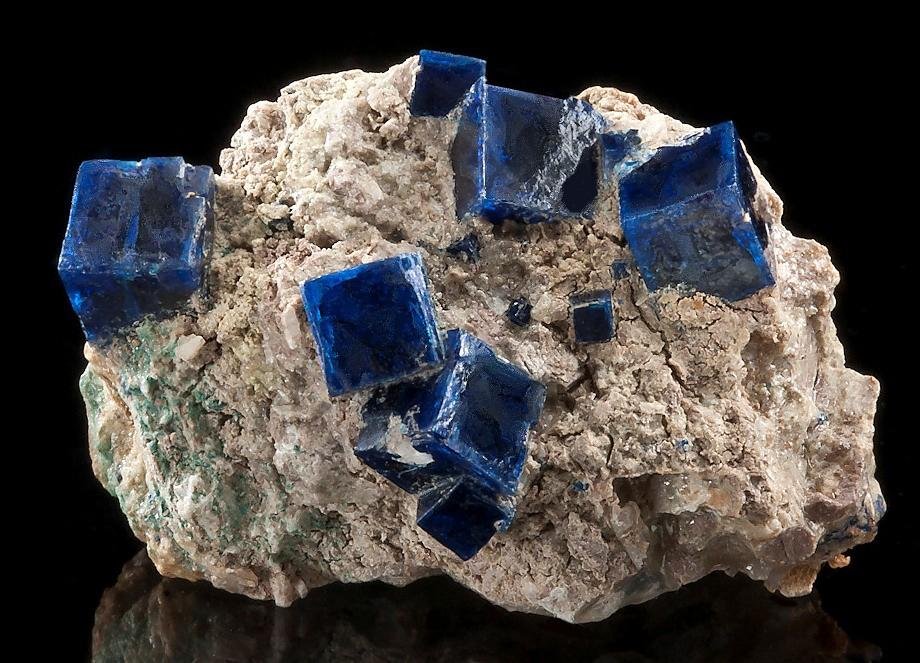
Boleite typically occurs as a secondary mineral in the oxidized zones of lead- and copper-bearing deposits, where it develops through chemical reactions involving pre-existing ore minerals and chloride-rich solutions. It is most closely associated with arid, oxidizing geological environments in which soluble metal-bearing fluids can interact with chlorine-bearing materials. Although boleite is not an economically important ore mineral because of its rarity, it is valued by mineral collectors for its unusual composition, characteristic crystal form, and association with other uncommon secondary halide minerals. Its distinctive appearance and complex crystal chemistry also make it a subject of interest in mineralogical research.
History and Discovery of Boleite
Boleite was first described in 1891 by French mineralogists Ernest Mallard and Édouard Cumenge, following its discovery in the Boleo mining district near Santa Rosalía, in what is now Baja California Sur, Mexico. The mineral was named after this locality, which became its type locality and remains the most important source of well-developed specimens. Its initial identification was associated with the study of complex secondary minerals formed in lead- and copper-bearing ore deposits.
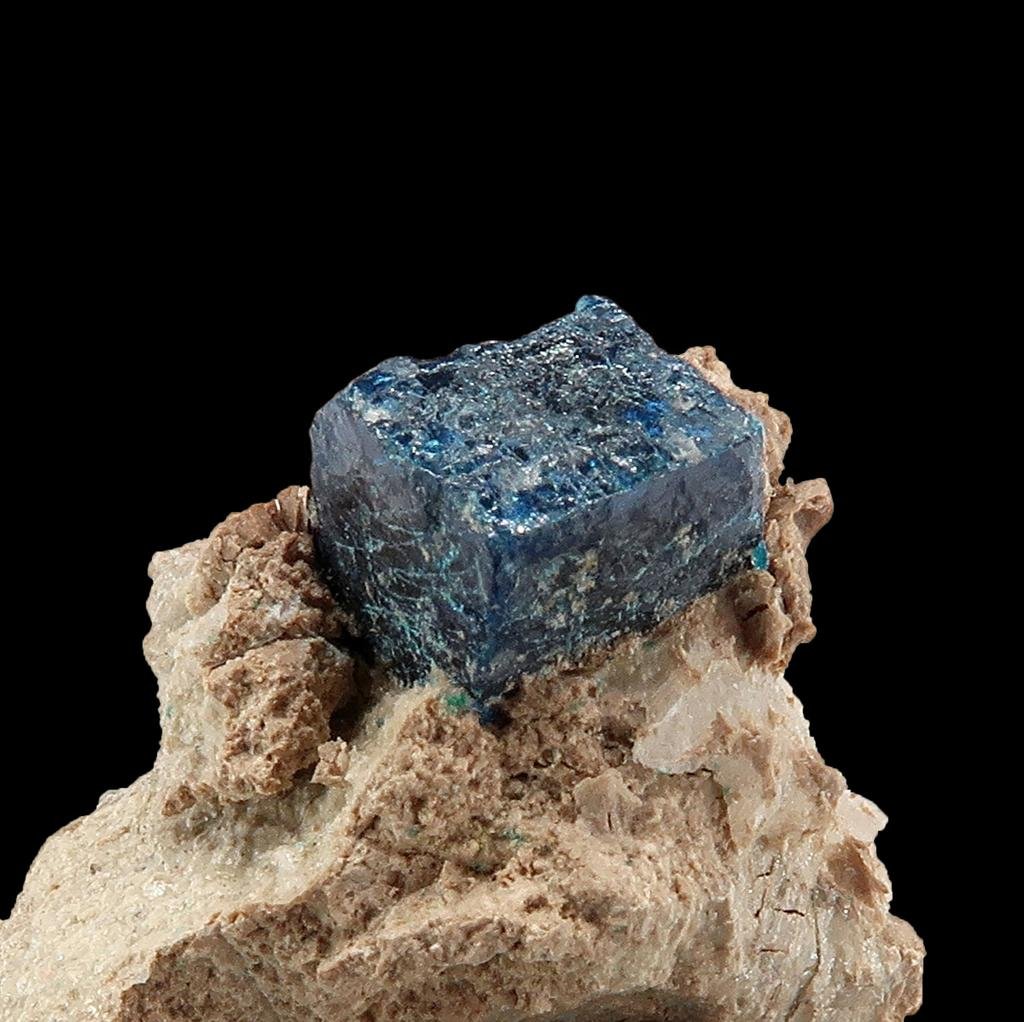
Early mineralogical investigations established boleite as a distinct mineral species, but its unusually complex composition and crystal structure required further study. Subsequent research examined its relationships with related minerals, including pseudoboleite, cumengite, and diaboleite, which can occur in similar geological environments and share certain structural characteristics. In 1973, crystallographic research by Roland C. Rouse investigated the arrangement of atoms in boleite, including its distinctive silver-containing structural components. Later work by Mark A. Cooper and Frank C. Hawthorne, published in 2000, resolved its chemical formula as KPb₂₆Ag₉Cu₂₄Cl₆₂(OH)₄₈, clarifying the proportions of potassium, lead, silver, copper, chlorine, and hydroxyl groups within the mineral. These studies helped establish a more detailed understanding of boleite’s chemical composition and structural characteristics.
Formation and Geological Occurrence of Boleite
Boleite forms as a secondary mineral in the oxidized portions of polymetallic ore deposits, particularly those containing lead, copper, and silver. Its formation depends on the availability of these metals, chlorine-bearing solutions, and suitable chemical conditions that allow complex chloride minerals to crystallize. During the weathering of primary sulfide ores, oxygenated groundwater and other circulating fluids react with existing minerals, releasing metal ions and transporting them through fractures, cavities, and porous zones within the host rock. When these solutions encounter appropriate concentrations of chloride and hydroxyl-bearing species, boleite may precipitate as a secondary phase.
The mineral is particularly associated with the oxidation and alteration of copper- and lead-rich mineral assemblages in environments where chloride is readily available. The breakdown of primary sulfides can generate a range of secondary minerals, including oxides, carbonates, sulfates, and halides. Boleite forms under a relatively specific combination of chemical conditions, which helps explain its rarity compared with more common secondary copper minerals. Variations in metal availability, chloride concentration, acidity, and the movement of groundwater can influence whether boleite develops or other secondary minerals form instead.
Boleite is especially well known from the Boleo mining district near Santa Rosalía, Baja California Sur, Mexico. The deposits in this region contain complex assemblages of copper-bearing minerals and secondary chloride species, providing the chemical conditions necessary for boleite crystallization. The district is also known for pseudoboleite, cumengite, and diaboleite, minerals that occur in related environments and may be found in close association. These minerals illustrate how relatively small changes in chemical composition and structural organization can produce distinct mineral species within the same deposit.
In the field, boleite is generally encountered in cavities, fractures, or altered portions of mineralized rocks rather than as a major constituent of the original ore. Its occurrence reflects secondary mineralization following the alteration of earlier mineral assemblages. Although the Boleo district remains its classic locality, the mineral’s specialized chemical requirements mean that confirmed occurrences are uncommon. The study of boleite and its associated minerals provides useful information about the geochemical processes governing the formation of complex secondary halides in oxidized ore deposits.
Crystal Structure of Boleite
Boleite crystallizes in the cubic crystal system and is characterized by a complex arrangement of lead, copper, silver, potassium, chlorine, oxygen, and hydrogen within its crystal lattice. Its commonly cited ideal chemical formula is KPb₂₆Ag₉Cu₂₄Cl₆₂(OH)₄₈. The structure belongs to the cubic space group Pm\(\bar{3}\)m, with a unit-cell edge of approximately 15.29 Å. Unlike minerals with relatively simple chemical compositions, boleite contains numerous crystallographically distinct atomic sites and interconnected coordination environments, making its structure an important subject of mineralogical investigation.
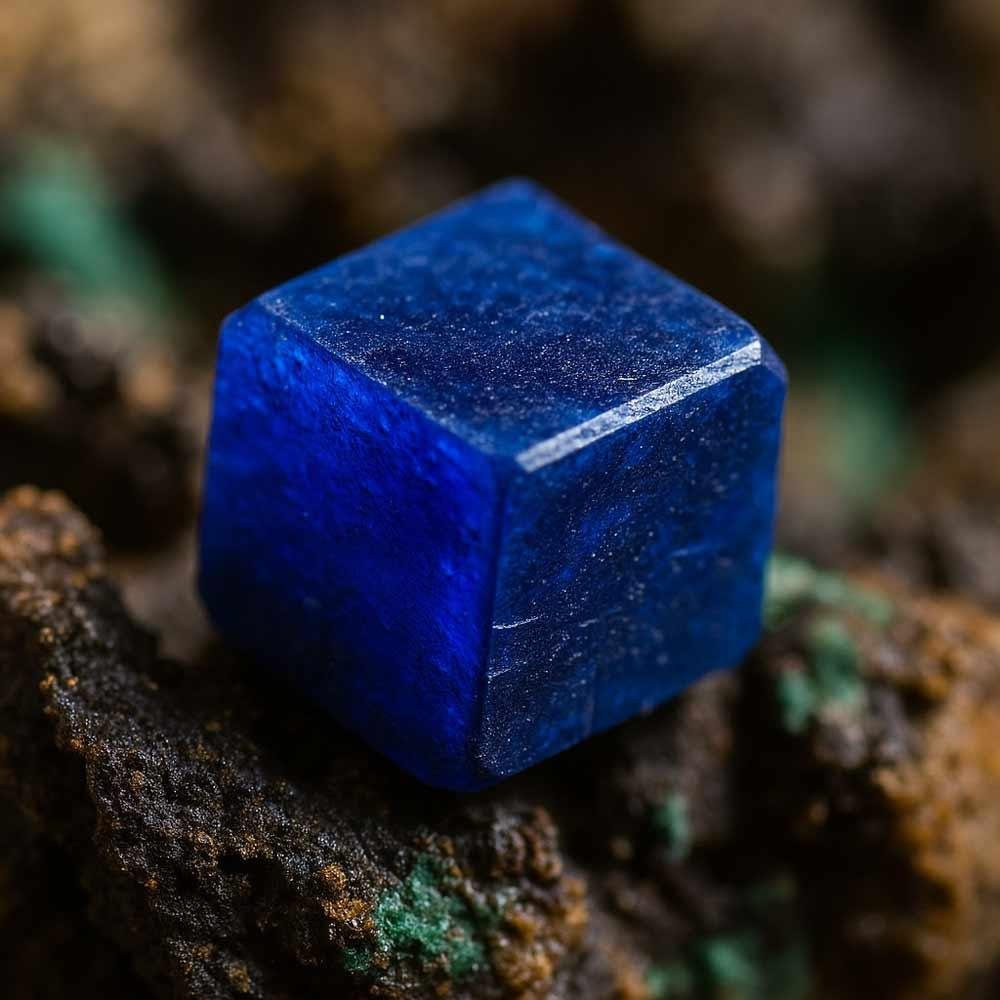
The external crystal habit of boleite commonly reflects its cubic symmetry, with individual crystals developing well-defined square faces and sharp edges. Crystals can reach approximately 1–2 cm, although smaller specimens and intergrown aggregates are also encountered. In some specimens, the cubic faces are modified by additional crystal forms, while epitaxial overgrowths of related minerals can create more complicated geometric outlines. These intergrowths are particularly notable because boleite may form a central cubic crystal surrounded by pseudoboleite or cumengite, producing specimens in which several distinct crystal habits occur together.
Structural research has revealed that boleite’s crystal lattice contains unusual arrangements of silver atoms alongside its lead- and copper-bearing components. A 2025 study published in American Mineralogist used chemical analysis, single-crystal X-ray diffraction, and neutron diffraction to investigate its composition and hydrogen-bonding network. The study clarified that the structure contains hydroxyl groups rather than the water molecules implied by some earlier descriptions, while also documenting partial substitution among elements occupying a potassium-associated site. These findings demonstrate that the mineral’s structural chemistry is more complex than its simple cubic exterior might suggest.
Physical and Chemical Properties of Boleite
Boleite is a rare copper-, lead-, and silver-bearing halide mineral with the ideal chemical formula KPb₂₆Ag₉Cu₂₄Cl₆₂(OH)₄₈. Its composition is characterized by high concentrations of lead and copper, together with silver, potassium, chlorine, oxygen, and hydrogen. Structurally, these elements occur in a complex arrangement of metal coordination sites, chloride ions, and hydroxyl groups. Boleite crystallizes in the cubic crystal system, and its highly organized crystal lattice gives rise to the mineral’s characteristic cubic habit. Its chemical composition and structure distinguish it from related secondary halide minerals, including pseudoboleite, cumengite, and diaboleite, which may occur in similar geological environments but differ in their elemental proportions and structural arrangements.
Boleite typically displays a deep Prussian blue to indigo-blue color, although some specimens may appear nearly blue-black. Thin edges and translucent portions can show bluish-green tones. Its streak is generally blue to light greenish blue, while its luster is weakly vitreous and may appear pearly on cleavage surfaces. The mineral ranges from translucent to opaque, depending on crystal thickness and specimen characteristics. Well-formed crystals are commonly cubic, with distinct square faces and sharp edges, although modified crystals and intergrown aggregates also occur. Its cubic symmetry is accompanied by perfect cleavage on the planes, which can produce smooth, flat surfaces when the mineral breaks along its crystallographic directions.
Boleite has a Mohs hardness of approximately 3–3.5 and a specific gravity of about 5.05. Its relatively low hardness means that it can be scratched by harder common minerals, while its high density reflects the substantial proportion of heavy elements, particularly lead, in its composition. These properties provide useful clues during mineral identification, especially when considered alongside its distinctive color, cubic habit, and geological associations. Chemically, boleite is a secondary mineral that forms under conditions where copper, lead, silver, and chloride are available in suitable proportions. Its formation is associated with the alteration of mineralized deposits, particularly in oxidized zones where circulating fluids facilitate the transport and redistribution of metallic elements. The presence of hydroxyl groups in its structure also reflects the role of water-bearing geological environments in its formation, although the precise conditions depend on the local geochemistry.
Because boleite shares its color and geological setting with several related minerals, identification should rely on a combination of physical characteristics, chemical analysis, and crystallographic examination rather than appearance alone. Its high density, relatively low hardness, perfect cleavage, and cubic crystal form are useful preliminary indicators, while techniques such as X-ray diffraction and elemental analysis can help distinguish it from visually similar halide minerals.
Types and Varieties of Boleite
Boleite is a recognized mineral species rather than a broad mineral group with numerous officially established varieties. However, it occurs alongside several related secondary halide minerals that share similar colors, chemical components, and geological environments. These minerals are important for understanding boleite’s associations and for distinguishing individual species in mineral specimens.
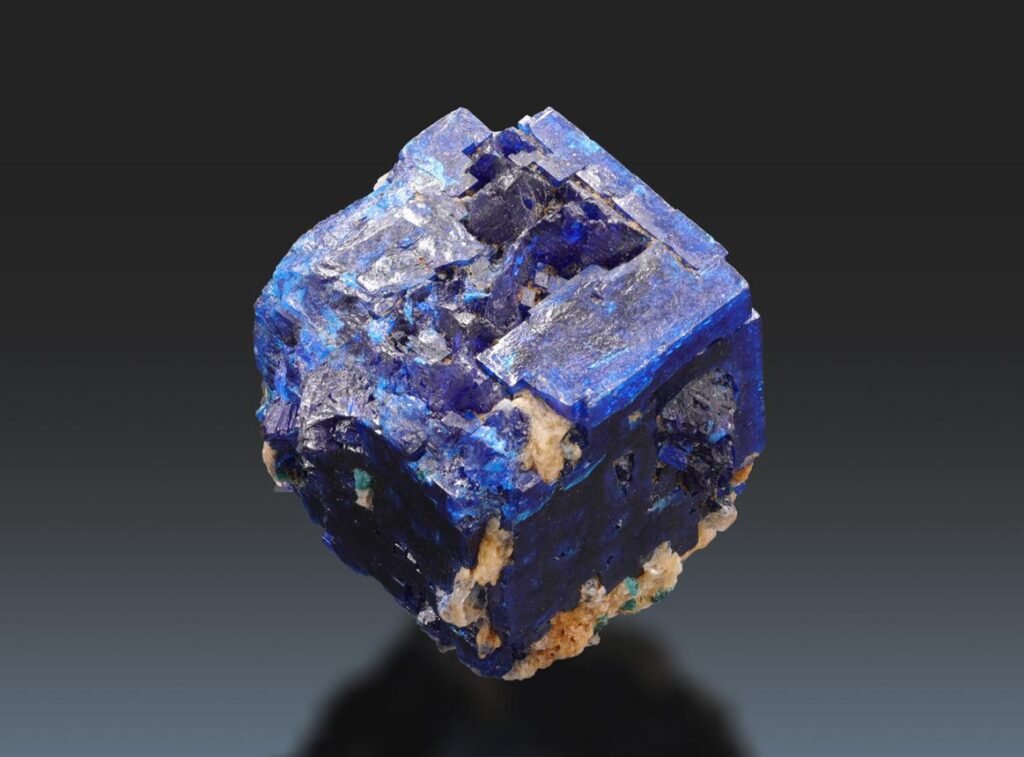
- Boleite: The principal species, characterized by its potassium-, lead-, silver-, and copper-bearing composition, deep indigo-blue color, and cubic crystal symmetry.
- Pseudoboleite: A closely related lead- and copper-bearing chloride mineral with the formula Pb₃₁Cu₂₄Cl₆₂(OH)₄₈. It commonly forms as an overgrowth on boleite crystals and can produce complex, layered cubic specimens.
- Cumengite: A secondary copper-lead chloride mineral with the formula Pb₂₁Cu₂₀Cl₄₂(OH)₄₀·6H₂O. It is known for its blue coloration and distinctive tetragonal crystals, which may occur in association with boleite.
- Diaboleite: A copper-lead chloride mineral with the formula Pb₂CuCl₂(OH)₄. It typically forms blue to blue-green crystals and occurs in similar oxidized ore deposits.
These minerals are not varieties of boleite in the strict mineralogical sense. Each has its own chemical composition and crystallographic characteristics, although intergrowths can make them difficult to distinguish visually.
Mineral Associations of Boleite
Boleite occurs with a range of secondary minerals formed during the oxidation and alteration of lead- and copper-bearing deposits. At its type locality in the Boleo district of Mexico, associated minerals include pseudoboleite, cumengite, diaboleite, atacamite, anglesite, cerussite, phosgenite, and gypsum. These associations reflect the presence of lead, copper, chlorine, sulfur, and carbonate-bearing components within the mineralizing environment.
Anglesite (PbSO₄) and cerussite (PbCO₃) are secondary lead minerals that form through the alteration of primary lead ores. Atacamite, a copper chloride hydroxide, is associated with chloride-rich conditions and is commonly found in oxidized copper deposits. Phosgenite (Pb₂CO₃Cl₂) represents another lead-bearing chloride mineral, while gypsum (CaSO₄·2H₂O) may develop through reactions involving calcium and sulfate in the surrounding environment. The coexistence of these minerals provides evidence of the chemical conditions under which boleite formed.
Boleite’s association with pseudoboleite and cumengite is particularly significant for mineral collectors because specimens may contain multiple species in a single crystal aggregate. Careful examination, and sometimes laboratory analysis, is necessary to determine which minerals are present and how they are distributed within the specimen.
Major Occurrences of Boleite
Boleite is a rare secondary mineral with a restricted distribution, and its best-known occurrence is the Boleo mining district near Santa Rosalía in Baja California Sur, Mexico. This locality is the type locality from which the mineral was originally described and named. The district contains complex copper-bearing deposits in which the interaction of metal-rich mineral assemblages with chloride-bearing solutions has produced a diverse range of secondary minerals. Boleite is particularly associated with pseudoboleite, cumengite, and diaboleite, making the area an important source of specimens for mineralogical research and private collections.
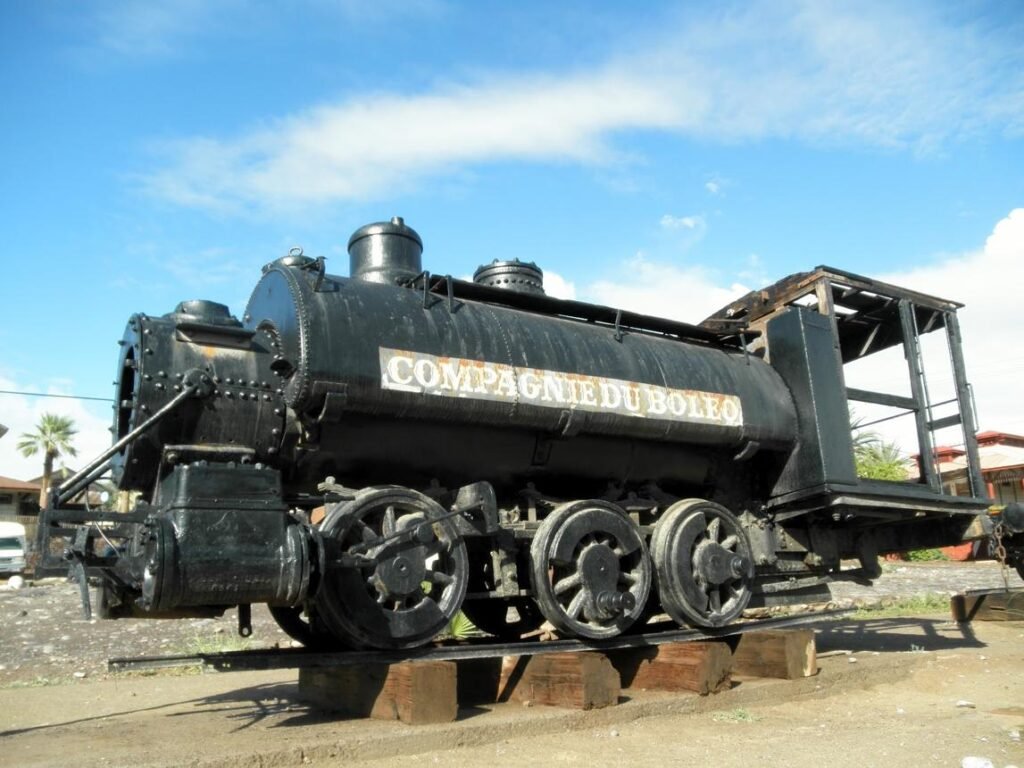
The Boleo district is notable for the variety of copper and lead minerals formed during the alteration of its ore deposits. Boleite typically occurs in cavities and mineralized zones where secondary crystals can develop under suitable chemical conditions. Specimens from this locality may contain sharply defined cubic crystals, sometimes accompanied by overgrowths or aggregates of related minerals. These complex associations are among the most recognizable features of boleite specimens and provide opportunities to study the relationships between mineral composition, crystal structure, and the geochemical conditions of formation.
Outside its type locality, confirmed occurrences of boleite are comparatively uncommon. Its formation requires a specific combination of available metals, chloride-bearing fluids, and suitable conditions during secondary mineralization. Consequently, it is not as widely distributed as many common copper oxides, carbonates, or sulfates. Reports of blue cubic minerals from other localities should therefore be evaluated carefully, since visually similar secondary halides may be mistaken for boleite without detailed mineralogical identification.
Uses and Applications of Boleite
Boleite has limited practical applications because of its rarity, complex composition, and relatively small crystal occurrences. Although it contains lead, copper, and silver, it is not considered a significant commercial ore of these metals. The mineral generally occurs in small quantities within secondary mineral assemblages, and extracting its constituent elements would not normally be economically viable compared with established metal ores.
Its principal use is in mineral collecting and scientific research. Well-formed cubic crystals, especially specimens from the Amelia Mine in the Boleo district of Mexico, are sought after for their deep blue color, distinctive geometry, and associations with pseudoboleite and cumengite. Specimens containing multiple related minerals are particularly useful for illustrating differences in crystal habit and chemical composition. In mineralogical research, boleite has also been studied to investigate complex crystal structures, silver-containing atomic arrangements, and the relationships between chemical composition and crystallographic properties.

Handbook of Mineralogy
+1
Boleite is occasionally discussed in the context of gemstones because of its intense blue color and visual appeal. However, its relatively low hardness, perfect cleavage, rarity, and lead-rich composition make it unsuitable for most conventional jewelry applications. It is primarily preserved as a collector’s mineral rather than cut into faceted gemstones or used as a durable ornamental material.
How to Identify Boleite
Boleite can be recognized initially by its deep indigo to Prussian-blue color, cubic crystal habit, high density, and association with secondary copper and lead minerals. Well-developed crystals often have sharply defined faces and may occur as blue cubes on a contrasting mineral matrix. Some specimens show surface layers or overgrowths of pseudoboleite, which can produce complex cubic forms and make visual identification more difficult.
Its physical properties provide additional diagnostic information. Boleite has a Mohs hardness of approximately 3–3.5, perfect cleavage on , and a specific gravity of about 5.05. The combination of relatively low hardness and high density is particularly useful when assessing a suspected specimen. Its blue streak can provide another clue, although streak testing should be performed cautiously on valuable or fragile crystals.
Distinguishing boleite from pseudoboleite is especially important because the two minerals commonly occur together. Boleite crystallizes in the cubic system and contains silver and potassium, whereas pseudoboleite has a different chemical composition and tetragonal crystal symmetry. Cumengite and diaboleite may also resemble boleite because of their blue coloration and similar geological settings. For reliable identification, mineralogists use chemical analysis and X-ray diffraction to establish elemental composition and crystal structure. Because boleite contains substantial lead, specimens should be handled with care, and dust should not be generated or ingested.
Boleite and Similar Minerals
| Mineral | Key characteristics | Main distinction from boleite |
|---|---|---|
| Pseudoboleite | Blue, commonly forms cubic-looking overgrowths | Different composition and tetragonal symmetry |
| Cumengite | Blue crystals, often with a tetragonal habit | Different chemical composition and crystal structure |
| Diaboleite | Blue to blue-green, copper-lead chloride | Simpler chemical composition and different structure |
| Atacamite | Green to dark green copper chloride hydroxide | Usually green rather than indigo blue |
| Fluorite | Often forms cubes and can be blue or purple | Much lower density and greater hardness |
These minerals can sometimes be distinguished by color and crystal form, but appearance alone is not conclusive. Chemical composition, cleavage, density, and crystallographic data provide more reliable identification criteria.