
Kurnakovite is a rare hydrated magnesium borate mineral with the chemical formula MgB₃O₃(OH)₅·5H₂O. It belongs to the borate mineral class and is classified as a member of the Inderite Group, a group of hydrated magnesium borate minerals that typically form in boron-rich evaporite environments. One of its most notable characteristics is its relationship with the mineral inderite. Although Kurnakovite and inderite have exactly the same chemical composition, they possess different internal atomic arrangements and therefore crystallize in different crystal systems. Kurnakovite crystallizes in the triclinic crystal system, whereas inderite is monoclinic, making the two minerals dimorphs of one another. This crystallographic relationship has made Kurnakovite an important mineral for studies of mineral polymorphism and crystal chemistry.
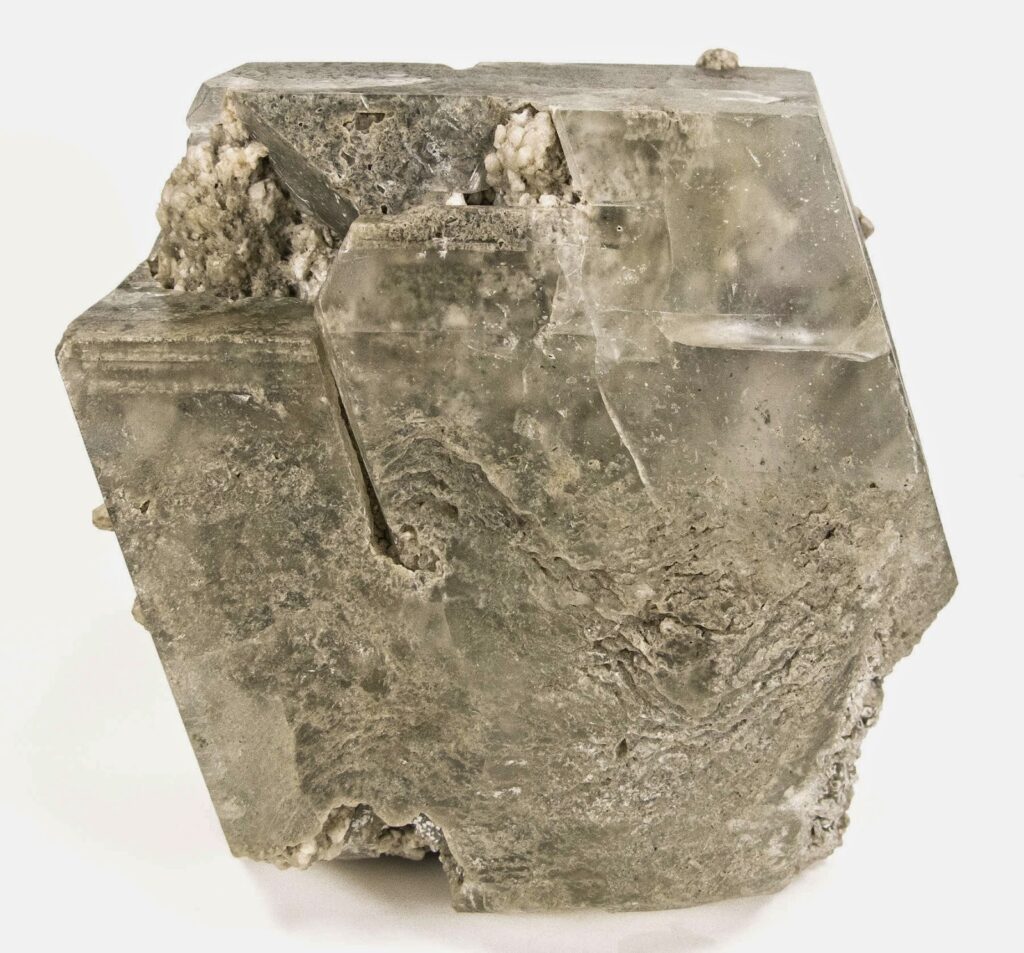
Kurnakovite is considerably less common than many other borate minerals that are mined on an industrial scale. Unlike minerals such as borax, colemanite, or kernite, which serve as important commercial sources of boron, Kurnakovite generally occurs in relatively small quantities within evaporite deposits. It is primarily valued for its scientific significance rather than its economic importance. Mineralogists study Kurnakovite to better understand the formation of hydrated borates, while collectors appreciate well-formed specimens for their rarity and attractive crystal habits. Depending on the locality, the mineral may occur as transparent to translucent prismatic crystals, fibrous aggregates, or compact crystalline masses with a vitreous to slightly silky luster.
Because of its hydrated composition, Kurnakovite is relatively soft, with a Mohs hardness of approximately 2.5 to 3, and has a low specific gravity compared with many other borate minerals. Its delicate crystal structure and high water content make it unsuitable for use in jewelry, gemstones, or ornamental carvings, as the mineral can be easily scratched or damaged. Instead, Kurnakovite is most commonly found in museum collections, university teaching collections, and specialized mineral collections where it serves as an example of the diversity of hydrated borate minerals. Although it is not widely known outside mineralogical circles, Kurnakovite provides valuable insight into the geological processes that produce boron-rich evaporite deposits and remains an interesting subject of research in mineralogy and geochemistry.
History and Discovery of Kurnakovite
Kurnakovite was first described in 1940 from the borate deposits surrounding Lake Inder in the present-day Atyrau Region of Kazakhstan, an area that remains the mineral’s type locality. The mineral was named in honor of Nikolai Semenovich Kurnakov (1860–1941), a distinguished Russian chemist and mineralogist whose work contributed significantly to physical chemistry, crystallography, and the study of mineral resources. His research played an important role in advancing the scientific understanding of mineral systems in the former Soviet Union, making the naming of Kurnakovite a recognition of his lasting contributions to the field.
The discovery of Kurnakovite occurred during a period of increasing scientific interest in borate minerals and evaporite deposits. Researchers studying the unique chemical environments of saline lakes and inland basins identified numerous previously unknown hydrated borates, many of which formed under highly specialized geological conditions. Kurnakovite attracted attention because it represented a new magnesium borate species with a crystal structure distinct from the chemically identical mineral inderite. This finding helped demonstrate that minerals with identical chemical formulas could crystallize in different structural arrangements, providing another example of mineral dimorphism.
Since its original description, Kurnakovite has been reported from several borate-producing regions around the world, including the United States, Turkey, Argentina, China, and additional localities in Central Asia. Although its global distribution has expanded through continued geological exploration, the mineral remains relatively uncommon compared with major commercial borates. Modern analytical techniques such as X-ray diffraction, electron microprobe analysis, and infrared spectroscopy have allowed researchers to better understand its crystal structure, chemical composition, and stability under varying environmental conditions. Today, Kurnakovite continues to be studied as an important member of the hydrated magnesium borate mineral group and as an indicator of boron-rich evaporite environments.
How Kurnakovite Forms
Kurnakovite forms primarily in evaporite environments, where saline lakes, playa basins, and enclosed inland depressions experience prolonged evaporation under arid or semi-arid climatic conditions. As surface water gradually evaporates, dissolved elements including boron, magnesium, sodium, calcium, and potassium become increasingly concentrated within the remaining brine. Once the solution reaches suitable chemical conditions, hydrated borate minerals begin to crystallize in a predictable sequence, with Kurnakovite forming during specific stages of this evaporative process. These environments often develop over thousands of years and are closely associated with regions that contain abundant volcanic ash or other boron-rich source rocks.
The formation of Kurnakovite depends on several geological and geochemical factors, including the concentration of dissolved magnesium and boron, water chemistry, temperature, evaporation rate, and groundwater circulation. Small variations in these conditions may favor the crystallization of different borate minerals, which is why Kurnakovite commonly occurs alongside minerals such as inderite, borax, hydroboracite, ulexite, and colemanite. In some deposits, changes in humidity or groundwater composition after initial crystallization may also influence the stability of hydrated borates, allowing one mineral to partially replace or coexist with another over geological time.
As a hydrated mineral containing five molecules of structural water, Kurnakovite reflects the environmental conditions present during its formation. Its water-bearing crystal structure indicates that it developed under relatively low-temperature surface conditions rather than deep within the Earth’s crust. Because hydration plays an important role in its stability, prolonged exposure to elevated temperatures or extremely dry environments may gradually affect the mineral’s physical condition. The occurrence of Kurnakovite therefore provides geologists with valuable evidence for reconstructing the chemical evolution of ancient saline lakes and understanding the processes responsible for the formation of boron-rich evaporite deposits.
Types of Kurnakovite
Kurnakovite is recognized as a single mineral species by the International Mineralogical Association (IMA) and does not have any officially recognized compositional varieties, subspecies, or commercial trade names. Unlike some mineral groups that exhibit extensive chemical substitution or multiple species within a solid-solution series, Kurnakovite maintains a relatively consistent chemical composition of MgB₃O₃(OH)₅·5H₂O. As a result, mineralogists generally classify all verified specimens under the same species regardless of their locality or appearance. Differences observed among specimens are primarily related to crystal habit, crystal size, degree of crystallization, and the geological conditions under which the mineral formed rather than differences in chemistry.
Although there are no true varieties of Kurnakovite, specimens collected from different borate deposits may display noticeable differences in their physical appearance. Factors such as the rate of crystal growth, the composition of the surrounding brine, available space for crystallization, and subsequent geological alteration can all influence how the mineral develops. Well-formed crystals are relatively uncommon, while many occurrences consist of compact or intergrown masses associated with other hydrated borate minerals. These differences are useful for specimen identification and collecting purposes but do not represent separate mineral species.
Common crystal habits and appearances include:
- Transparent prismatic crystals – The most desirable form for mineral collectors, consisting of elongated transparent to translucent crystals with a vitreous luster.
- White crystalline aggregates – Clusters of numerous small intergrown crystals that commonly fill cavities or occur within borate deposits.
- Massive granular material – Dense compact masses composed of fine mineral grains with little visible crystal development.
- Fibrous or compact evaporite aggregates – Fine-grained or fibrous material formed within evaporite sediments, often closely associated with other hydrated magnesium borates.
These forms simply reflect variations in crystal growth and depositional conditions. Regardless of appearance, all specimens share the same crystal chemistry and are classified as the mineral species Kurnakovite.
Crystal Structure
Kurnakovite crystallizes in the triclinic crystal system, which represents the lowest symmetry among the seven crystal systems recognized in mineralogy. In the triclinic system, all three crystallographic axes are of different lengths and intersect at angles that are not exactly 90 degrees. This relatively low degree of symmetry results in crystals that often appear elongated, irregular, or slightly distorted when compared with minerals belonging to higher-symmetry crystal systems. Although well-developed crystals are relatively uncommon, carefully preserved specimens may display distinct prismatic habits that reflect the mineral’s underlying triclinic structure.
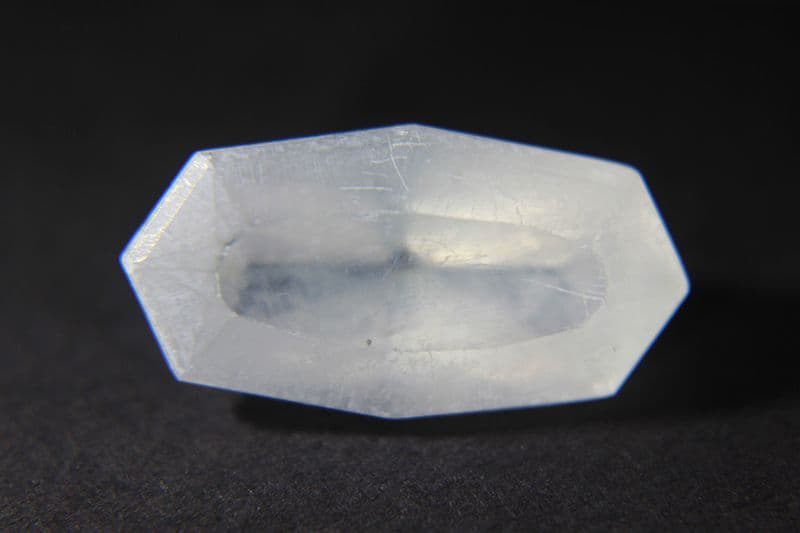
The crystal structure of Kurnakovite consists of magnesium ions coordinated with complex borate groups and numerous structurally bound water molecules. These components are connected through a network of chemical bonds and hydrogen bonding that stabilizes the hydrated crystal lattice. The presence of five molecules of water within the structure plays an important role in determining the mineral’s physical properties, including its relatively low density, softness, and stability under near-surface geological conditions. Because hydration is essential to its crystal structure, environmental changes such as prolonged heating or dehydration may affect the mineral over time.
One of the most significant crystallographic characteristics of Kurnakovite is its relationship with inderite. Both minerals possess the identical chemical formula MgB₃O₃(OH)₅·5H₂O, yet they crystallize in different crystal systems due to differences in the arrangement of their atoms. Kurnakovite is the triclinic dimorph of the monoclinic mineral inderite, making the pair an important example of mineral polymorphism. This relationship has been the subject of numerous crystallographic studies because it demonstrates how identical chemical compositions can produce distinctly different crystal structures under varying geological conditions. Consequently, Kurnakovite continues to serve as an important reference mineral in research involving hydrated borates, crystal chemistry, and evaporite mineral formation.
Physical and Chemical Properties
Kurnakovite is typically colorless or white, although slight grayish or pale cream tones may occasionally be observed due to impurities or inclusions from the surrounding host rock. The mineral ranges from transparent to translucent depending on crystal quality and generally exhibits a vitreous luster that may appear slightly pearly on certain crystal surfaces. Individual crystals are commonly elongated and prismatic, but in many localities Kurnakovite occurs as fibrous aggregates, granular masses, or compact crystalline material closely intergrown with other hydrated borate minerals. Because well-formed crystals are relatively uncommon, many specimens found in collections consist of aggregate material rather than isolated crystals.
In terms of physical properties, Kurnakovite is a relatively soft mineral with a Mohs hardness of approximately 2.5 to 3, allowing it to be scratched easily by common metal objects. It has a specific gravity of about 1.85, reflecting the large amount of structurally bound water contained within its crystal lattice. Cleavage is generally poor or indistinct, while fracture ranges from uneven to subconchoidal, and the mineral is considered brittle. Its relatively low hardness and delicate crystal structure mean that specimens should be handled carefully to avoid scratching or breakage, particularly when preserving well-developed crystals for museum or research collections.
Chemically, Kurnakovite is a hydrated magnesium borate composed of magnesium, boron, oxygen, hydrogen, and five molecules of water that are incorporated directly into its crystal structure. It is generally stable under normal surface conditions but may gradually dissolve in acidic solutions or undergo dehydration if exposed to elevated temperatures or extremely dry environments for extended periods. Optical studies show relatively low refractive indices and moderate birefringence, making the mineral distinguishable under polarized light during petrographic examination. Because Kurnakovite closely resembles other hydrated magnesium borates in appearance, laboratory techniques such as X-ray diffraction (XRD), Raman spectroscopy, and chemical analysis are often required for definitive identification, particularly when distinguishing it from its dimorph inderite or other borate minerals found within the same evaporite deposits.
Kurnakovite Localities
Kurnakovite has a relatively limited global distribution and is considered an uncommon mineral compared with many other naturally occurring borates. It is primarily found in boron-rich evaporite deposits that formed in arid or semi-arid regions where saline lakes and enclosed sedimentary basins experienced prolonged evaporation. Because the mineral develops only under specific geochemical conditions involving high concentrations of magnesium and boron, its occurrences are generally restricted to a small number of well-studied borate districts around the world. Most localities are associated with large evaporite sequences that also contain numerous other hydrated borate minerals.
The type locality of Kurnakovite is the borate deposits surrounding Lake Inder in the Atyrau Region of Kazakhstan, where the mineral was first identified and described. Since its discovery, additional occurrences have been documented in several countries with significant borate resources. In the United States, Kurnakovite has been reported from the famous borate deposits at Boron in Kern County, California, as well as from evaporite environments within Death Valley National Park. Other important occurrences include the Kırka borate district in Turkey, the Tincalayu borate deposit in Salta Province, Argentina, and boron-rich saline lakes on the Tibetan Plateau in China. These regions represent some of the world’s most significant natural borate-producing environments and have yielded a wide variety of hydrated borate minerals.
Kurnakovite is commonly associated with minerals such as inderite, borax, colemanite, hydroboracite, kernite, ulexite, gypsum, halite, and calcite. Its occurrence alongside these minerals reflects the progressive evaporation of boron-rich brines and the changing chemical conditions within saline lake systems over time. Although the mineral has been identified from several countries, it is rarely abundant, and well-crystallized specimens remain relatively uncommon. Most specimens available in museum collections and private mineral collections originate from a limited number of classic borate localities where geological conditions favored the growth and preservation of high-quality crystals.
Uses of Kurnakovite
Kurnakovite has very limited commercial value because of its rarity, relatively small occurrence, and hydrated composition. Unlike borax, colemanite, or kernite, which are mined extensively as industrial sources of boron, Kurnakovite is not considered an economically significant ore mineral. Its limited abundance and delicate physical properties make it unsuitable for large-scale industrial extraction, and it is rarely encountered outside specialized geological environments. Nevertheless, the mineral has important scientific and educational value that makes it significant within the fields of mineralogy and geochemistry.
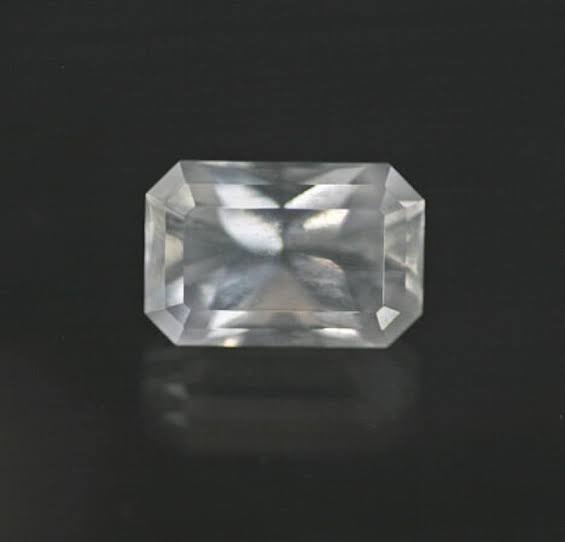
One of the primary uses of Kurnakovite is in scientific research. Mineralogists study its crystal structure, chemical composition, and relationship with inderite to better understand mineral polymorphism, hydrated borate chemistry, and the formation of evaporite deposits. Because Kurnakovite forms under specific environmental conditions, it also serves as a useful indicator mineral for reconstructing the geological history of ancient saline lakes and boron-rich sedimentary basins. Modern analytical techniques such as X-ray diffraction, Raman spectroscopy, infrared spectroscopy, and electron microprobe analysis have made Kurnakovite an important subject in crystallographic and geochemical investigations.
Kurnakovite is also valued by mineral collectors, museums, and universities. Well-formed transparent crystals from classic localities are sought after by collectors specializing in rare borate minerals, although high-quality specimens remain relatively uncommon. Museums and educational institutions include Kurnakovite in systematic mineral collections to demonstrate the diversity of hydrated borates, the concept of mineral dimorphism, and the geological processes responsible for evaporite mineral formation. While the mineral has no practical use in jewelry or decorative objects due to its softness and sensitivity, it remains an important specimen for research, teaching, and the preservation of mineral diversity.