
Parisite is a rare and scientifically significant rare-earth fluorocarbonate mineral belonging to the parisite group, with the ideal chemical formula Ca(Ce,La,Nd)₂(CO₃)₃F₂. It is classified as a carbonate mineral due to the presence of carbonate (CO₃) groups within its crystal structure, while fluorine and rare-earth elements contribute to its unique mineralogical characteristics. The most common species is parisite-(Ce), in which cerium is the dominant rare-earth element, although lanthanum- and neodymium-rich varieties may occur through natural chemical substitution. Structurally, parisite occupies an intermediate position between the closely related rare-earth minerals bastnäsite and synchysite, and it often forms complex intergrowths with these minerals in nature. Crystallizing in the trigonal crystal system, parisite typically develops as elongated pseudo-hexagonal crystals, steep double pyramids, tabular aggregates, or distinctive stepped and acorn-shaped forms that are highly recognizable to experienced collectors. Its coloration varies from honey-yellow, amber, orange-brown, and reddish-brown to deep chocolate-brown, depending on trace-element composition and growth conditions. The mineral exhibits a vitreous to resinous luster, a white streak, moderate cleavage, and a Mohs hardness of approximately 4.5 to 5, making it relatively soft compared to common gemstone minerals. Because well-formed crystals are uncommon and often occur in aesthetically striking associations with other rare minerals, parisite is highly sought after by mineral collectors and museums worldwide, while transparent specimens are occasionally cut into rare collector gemstones.
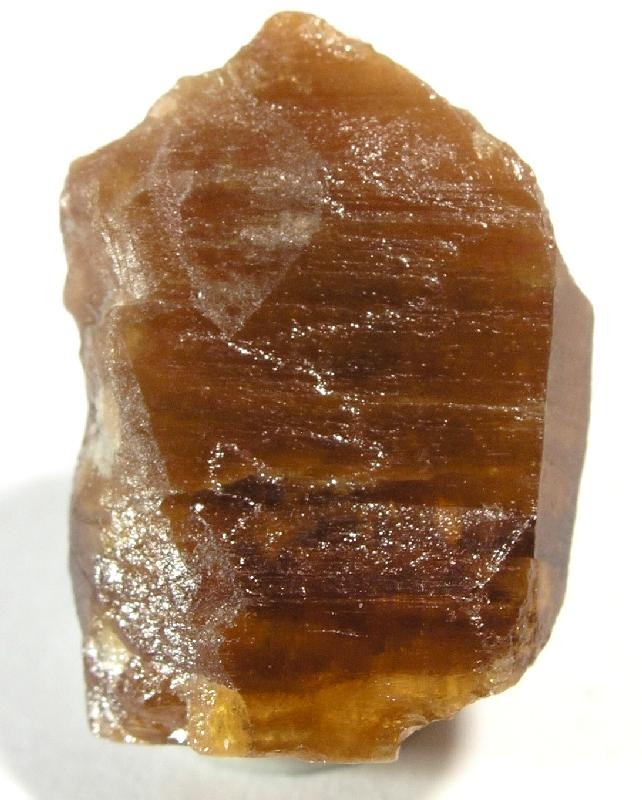
The formation of parisite is closely linked to geological environments enriched in rare-earth elements (REEs), fluorine, calcium, and carbon dioxide. These elements must become concentrated within specialized hydrothermal or magmatic systems, making the conditions required for parisite crystallization relatively uncommon on a global scale. Most parisite forms during the late stages of magmatic evolution, when residual fluids become enriched in incompatible elements such as cerium, lanthanum, fluorine, and carbonates. As these hot, chemically complex fluids migrate through fractures, faults, and porous zones within surrounding rocks, they interact with calcium-bearing host formations, triggering a series of mineral-forming reactions. Under suitable temperatures, pressures, and chemical conditions, dissolved rare-earth elements combine with calcium, fluorine, and carbonate ions to precipitate parisite crystals. The mineral commonly occurs in hydrothermal veins, carbonatites, alkaline igneous complexes, pegmatites, and metasomatic alteration zones associated with syenites and other alkaline rocks. In Colombia’s famous emerald districts, parisite develops within black carbonaceous shales and quartzo-carbonate veins where hydrothermal fluids rich in fluorine and rare-earth elements interacted with sedimentary rocks during mountain-building processes. These deposits frequently contain associated minerals such as calcite, dolomite, pyrite, fluorite, quartz, and emerald, reflecting the complex geochemical environment in which parisite forms. The rarity of these highly specialized conditions explains why significant parisite deposits are found only in a limited number of locations around the world.
Parisite has a rich historical background that is deeply connected to the development of mineralogy and the exploration of Colombia’s legendary emerald deposits. The mineral was first discovered in the renowned Muzo emerald mining district of Boyacá, Colombia, one of the world’s most famous gemstone-producing regions. During the early nineteenth century, specimens collected from the area attracted the attention of European scientists due to their unusual crystal habit and chemical composition. The mineral was subsequently named in honor of J.J. Paris, a French entrepreneur and mining administrator who managed and operated the Muzo emerald mines between 1828 and 1848. His efforts played a significant role in revitalizing emerald production in the region and facilitating the collection of mineral specimens for scientific study. Parisite was formally described in 1845 by the Italian mineralogist Lavinio de’ Medici-Spada, who recognized it as a distinct mineral species. For many decades following its discovery, the Colombian emerald deposits were believed to be the sole source of parisite, enhancing its reputation as one of the world’s rarest collector minerals. Advances in geological exploration during the twentieth century eventually led to the identification of additional occurrences in rare-earth-rich environments across the globe. Important localities were later discovered in the United States, particularly Montana and Colorado, as well as in Malawi, Norway, Brazil, China, Russia, Pakistan, and Madagascar. Despite these discoveries, fine crystallized specimens remain relatively scarce, and Colombian material continues to be regarded as some of the most historically important and aesthetically desirable parisite ever found.
Crystal Structure
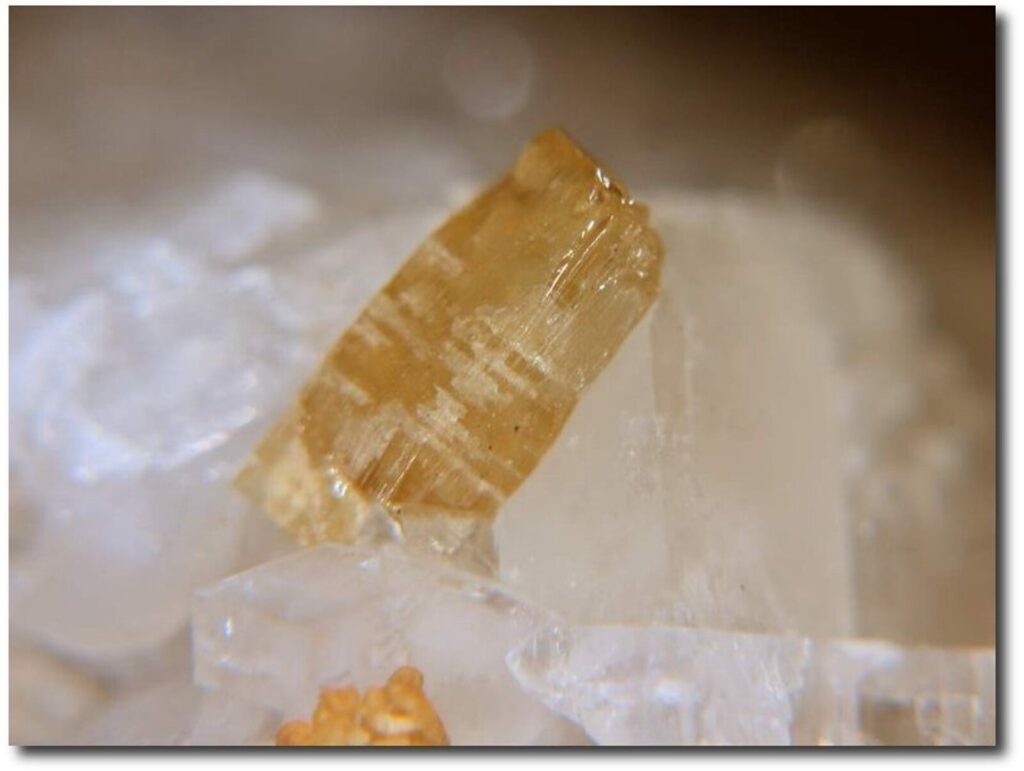
Parisite crystallizes in the trigonal crystal system and possesses a highly ordered layered crystal structure that reflects its complex chemical composition. At the atomic level, the structure consists of alternating sheets of rare-earth-carbonate units and calcium-fluoride layers stacked along the crystallographic c-axis. This arrangement creates a structural relationship between the minerals bastnäsite and synchysite, leading many mineralogists to describe parisite as an intermediate member within the rare-earth fluorocarbo nate series. The crystal lattice accommodates substantial ionic substitution among rare-earth elements, particularly cerium, lanthanum, and neodymium, without significantly altering the overall structure. This flexibility contributes to the formation of various compositional varieties and explains the frequent occurrence of intergrowths with other REE-bearing minerals. Well-developed crystals commonly exhibit pseudo-hexagonal symmetry, elongated prismatic forms, acute double pyramids, and distinctive stepped crystal faces. Under microscopic examination, parisite often reveals complex growth zoning that records changes in fluid chemistry during crystal development, making it an important mineral for studying the evolution of rare-earth-bearing hydrothermal systems.
Phenomenal Effects in Parisite
Although parisite is best known for its rarity, complex rare-earth chemistry, and distinctive crystal habits, certain exceptional specimens display remarkable optical phenomena that are highly valued by both gemologists and mineral collectors. The most notable of these is asterism, a rare effect produced when densely packed microscopic fibrous inclusions, internal growth tubes, or oriented structural features interact with incoming light. When properly cut into a cabochon, these inclusions can reflect light in a highly organized manner, creating a distinct star-shaped pattern on the stone’s surface. In particularly rare examples, a sharp six-rayed star may appear, producing a striking six-point asterism similar to that observed in star sapphires. Some transparent parisite specimens have also been reported to exhibit subtle color-change or photochromic effects, a characteristic attributed to the mineral’s high concentration of rare-earth elements such as cerium, lanthanum, and neodymium. Under natural daylight, these stones may display rich reddish-brown to amber hues, while under incandescent or warm artificial lighting they can shift toward softer yellowish-brown or golden tones. In addition, transparent gem-quality parisite often exhibits a distinctive absorption spectrum when examined with gemological instruments, reflecting the selective absorption of specific wavelengths by rare-earth ions within the crystal lattice. These uncommon optical characteristics, combined with the mineral’s scarcity and scientific significance, make phenomenal parisite specimens among the most fascinating and sought-after examples within the world of rare-earth minerals.
Color and Optical Properties
Parisite is renowned for its attractive range of colors and distinctive optical characteristics, which contribute significantly to its desirability among collectors. The mineral typically displays shades of honey-yellow, golden-brown, amber, orange-brown, reddish-brown, and deep chocolate-brown, although lighter yellow and nearly colorless zones may occasionally occur in exceptionally pure crystals. These colors are primarily controlled by the concentration and distribution of rare-earth elements, especially cerium and neodymium, as well as trace amounts of iron and other transition metals incorporated during crystal growth. Parisite is generally transparent to translucent and exhibits a vitreous to resinous luster that enhances the depth and richness of its coloration. Optically, it is a uniaxial mineral due to its trigonal symmetry and possesses moderate birefringence, allowing it to display interference colors when viewed under polarized light. The refractive indices are relatively high compared to many carbonate minerals, reflecting the presence of heavy rare-earth elements within the structure. In some specimens, subtle color zoning and variations in transparency can be observed, providing valuable clues about the changing chemical conditions present during mineral formation.
Physical and Chemical Properties
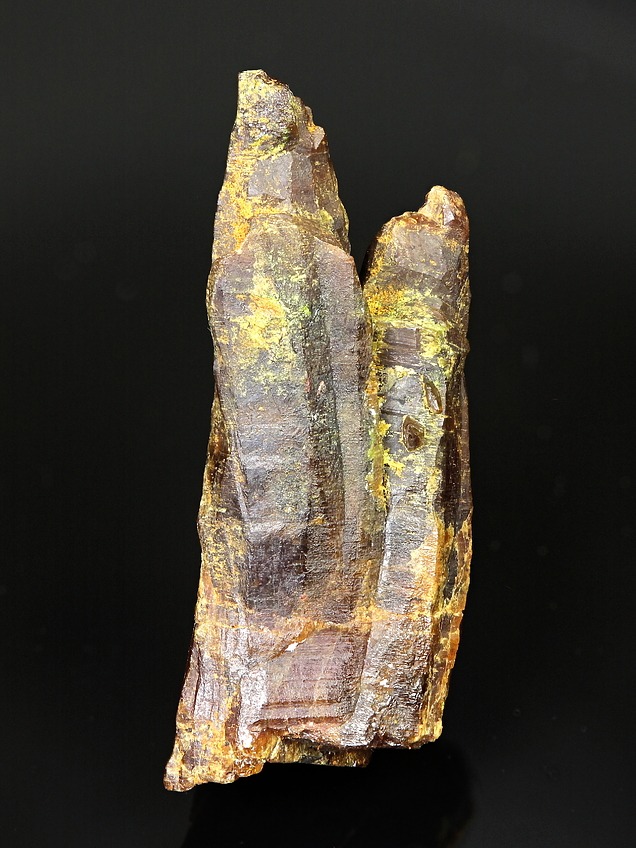
Parisite exhibits a combination of physical and chemical characteristics that distinguish it from other carbonate and rare-earth minerals. It has a Mohs hardness of approximately 4.5 to 5, making it moderately soft and somewhat susceptible to scratching and cleavage damage. The mineral possesses a specific gravity ranging from about 4.2 to 4.4, noticeably higher than that of most common carbonates due to its enrichment in heavy rare-earth elements. Its cleavage is typically distinct but imperfect, while fracture surfaces are uneven to subconchoidal. Chemically, parisite is a complex calcium rare-earth fluorocarbo nate containing significant amounts of cerium, lanthanum, neodymium, fluorine, and carbonate groups. The ideal formula, Ca(Ce,La,Nd)₂(CO₃)₃F₂, reflects its role as an important repository of light rare-earth elements within geological systems. Parisite is generally stable under normal environmental conditions but can undergo gradual alteration to related REE minerals through weathering and hydrothermal processes. In laboratory analyses, techniques such as X-ray diffraction (XRD), Raman spectroscopy, electron microprobe analysis, and scanning electron microscopy are commonly used to identify parisite and distinguish it from chemically similar minerals such as bastnäsite and synchysite. Its unique combination of high rare-earth content, elevated density, and fluorocarbonate chemistry makes parisite an important mineral for both economic geology and rare-earth element research.
Applications and Uses of Parisite
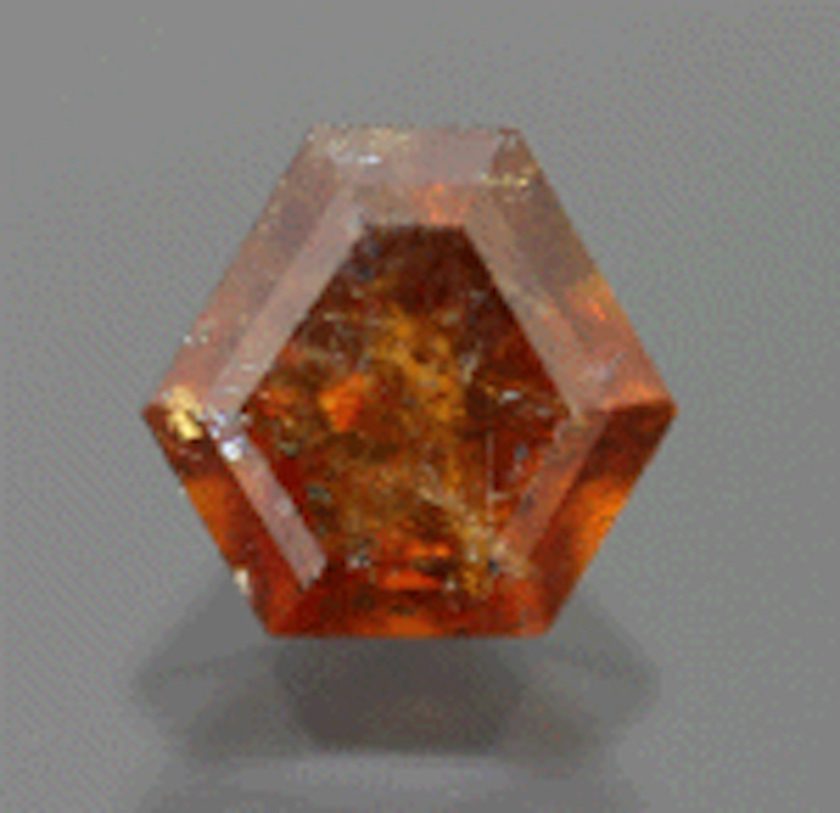
Although parisite is not currently mined as a major commercial ore mineral, it holds considerable scientific and economic significance due to its enrichment in light rare-earth elements (REEs), particularly cerium, lanthanum, and neodymium. These elements are essential components in a wide range of advanced technologies, including permanent magnets, electric vehicles, wind turbines, rechargeable batteries, catalytic converters, optical devices, and various electronic applications. As a result, parisite is of particular interest to economic geologists studying rare-earth element deposits and the processes responsible for REE concentration in the Earth’s crust. Beyond its scientific importance, parisite is highly valued within the mineral collecting community. Well-formed crystals from classic localities such as Colombia, Malawi, and Montana are considered premium collector specimens due to their rarity, aesthetic crystal habits, and association with other desirable minerals. Transparent material is occasionally faceted into uncommon collector gemstones, though the mineral’s moderate hardness and cleavage limit its use in mainstream jewelry. Museums, universities, and research institutions also preserve notable parisite specimens for mineralogical study and educational display.
Metaphysical Meaning and Crystal Healing Beliefs
In metaphysical and crystal-healing traditions, parisite is often regarded as a stone of spiritual awareness, intellectual growth, and energetic transformation. Practitioners believe that its strong connection to rare-earth elements symbolizes hidden potential, personal evolution, and the discovery of deeper knowledge. Parisite is frequently associated with the higher chakras, particularly the crown and third-eye chakras, where it is thought to enhance intuition, mental clarity, creativity, and spiritual insight. Some crystal enthusiasts use parisite during meditation practices, believing it can help strengthen focus, encourage self-discovery, and facilitate communication with higher states of consciousness. Its warm golden and brown hues are also said to promote grounding and emotional stability while supporting confidence during periods of personal change. However, these metaphysical interpretations are based on spiritual and cultural beliefs rather than scientific evidence. While many individuals appreciate parisite for its perceived energetic qualities, its established value remains rooted in its rarity, geological significance, and exceptional mineralogical beauty.