
Humite is a complex magnesium iron silicate mineral that serves as the definitive member of the Humite group, a chemical family that also includes Norbergite, Chondrodite, and Clinohumite. Characterized by its chemical formula (Mg,Fe²⁺)₇(SiO₄)₃(F,OH)₂, it is classified as a nesosilicate, often distinguished by its vitreous luster and a color palette ranging from translucent white and pale yellow to deep orange and resinous brown. While it possesses a respectable hardness of 6 on the Mohs scale, it is relatively rare in gem quality, making it a prized specimen for specialized mineral collectors rather than a staple of commercial jewelry. Its unique internal structure, which layers magnesium silicates with magnesium fluorides, makes it a subject of intense study for those interested in the chemical diversity of the Earth’s crust.
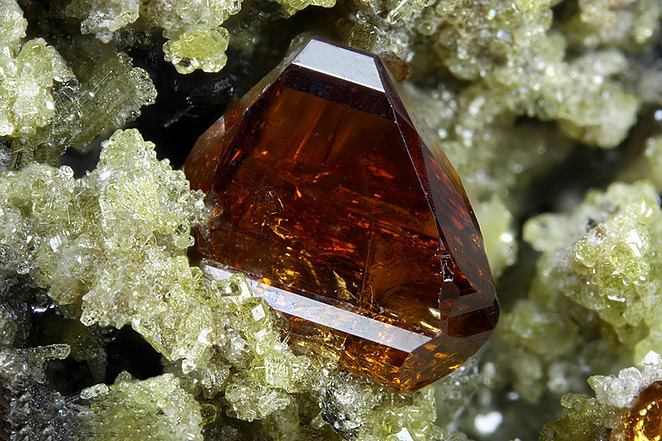
Formation of Humite is a sophisticated geological process occurring primarily within high-temperature metamorphic environments rich in magnesium and fluorine, most commonly birthed when magnesium-rich carbonate rocks like dolomite or magnesian limestone are intruded by hot, silica-rich igneous masses. During this encounter, a process known as metasomatism takes place as chemically active fluids enriched with fluorine react with the host rock, creating a geochemical recipe that requires a precise balance of heat and pressure to facilitate crystallization. These contact metamorphic zones, particularly skarns and thermally altered dolomitic marbles near intrusive plutonic bodies, serve as the primary setting for Humite, where it is frequently found alongside associated minerals like spinel, phlogopite, and calcite. Beyond these contact zones, Humite is famously documented in volcanic ejecta, such as the magnesium-rich xenoliths found at Mount Vesuvius, and has even been identified in mantle-derived rocks, making it a crucial indicator for deep Earth volatile transport. Research indicates that fluorine availability is the critical factor in stabilizing the (Mg,Fe²⁺)₇(SiO₄)₃(F,OH)₂ structure, whether it forms through direct metamorphism or via fluorine-rich hydrothermal fluids moving through high-pressure geological systems.
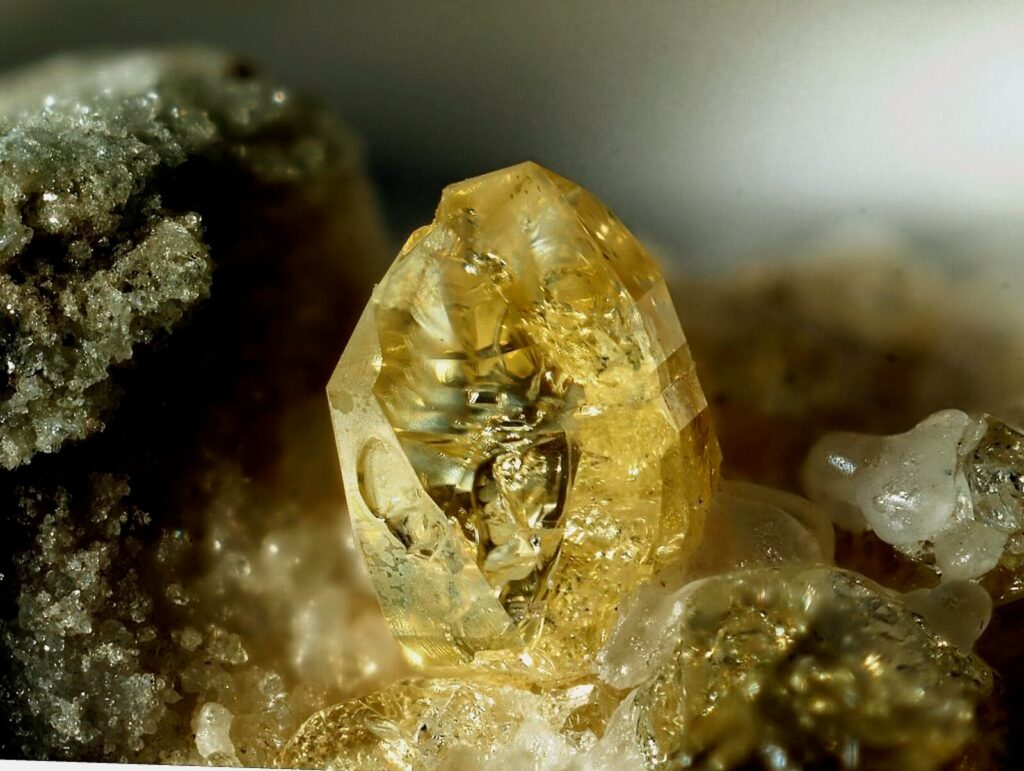
History of Humite is deeply intertwined with the golden age of mineralogy in the early 19th century. It was first identified in 1813 among the volcanic “ejected blocks” of Mount Vesuvius in Italy. These blocks provided a unique opportunity for scientists to examine deep-seated rocks that had been brought to the surface by volcanic eruptions. The mineral was named in honor of Sir Abraham Hume, a prominent British baronet and avid mineral collector whose patronage helped advance the Earth sciences during his era. Over the centuries, Humite has transitioned from a mere curiosity found on the slopes of a volcano to a vital tool for modern geologists, who use its presence to determine the temperature and pressure history of metamorphic terrains and to study how volatiles like water and fluorine are stored deep within the Earth’s mantle.
Chemical Composition and Physical Properties of Humite
Chemical composition and physical properties of Humite reveal a complex magnesium-dominant silicate structure where iron substitution frequently occurs, directly influencing the mineral’s density and color depth. While magnesium remains the primary cation, the host environment often introduces trace elements such as titanium and manganese into the crystalline lattice. Physically, the mineral is defined by its orthorhombic crystal system, exhibiting a layered internal architecture that alternates between olivine-like silicate units and magnesium fluoride layers. It possesses a Mohs hardness of 6 and a brittle tenacity, characterized by an uneven to subconchoidal fracture and a vitreous luster.
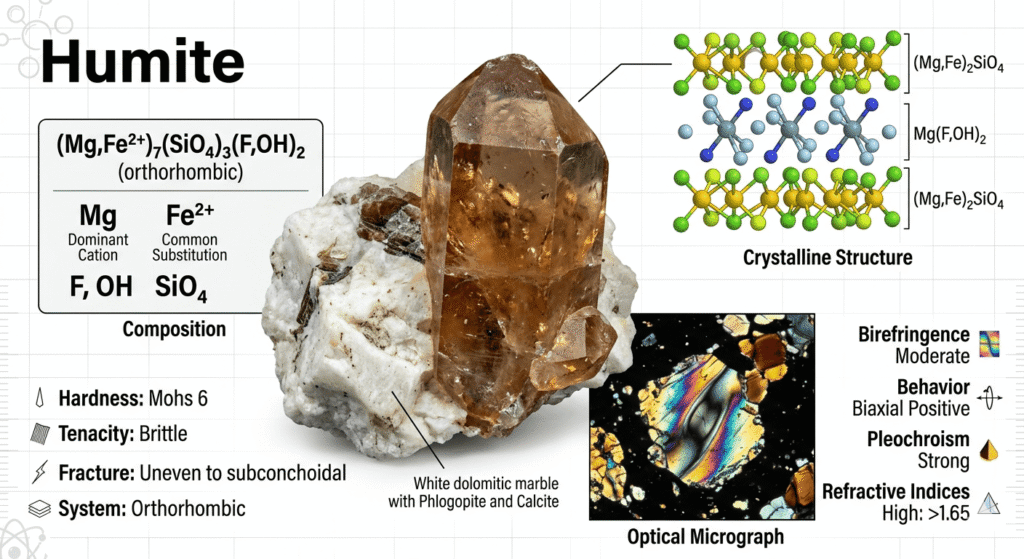
Optical characteristics of Humite are equally distinctive, making it a critical subject for petrographic microscopy and precise mineral identification. It demonstrates biaxial positive optical behavior and moderate birefringence, which allows geologists to differentiate it from other members of the Humite group. In colored or translucent specimens, the mineral displays strong pleochroism, where its hue shifts significantly depending on the angle of light observation. Furthermore, Humite exhibits high refractive indices relative to common silicates, a property that scientists utilize to analyze the composition of metamorphic rock assemblages and the volatile concentrations present during the mineral’s crystallization.
Geological Settings and Primary Localities of Humite
The global distribution of Humite is intimately tied to specific geochemical environments where magnesium, silica, and fluorine intersect under high-temperature conditions. Its primary occurrence is within contact metamorphic zones, where the heat from intrusive igneous bodies—such as granite or granodiorite—alters magnesium-rich carbonate rocks like dolomite and magnesian limestone. During this process, fluorine-rich fluids from the cooling magma facilitate the crystallization of Humite, typically resulting in its presence within skarns and thermally altered dolomitic marbles. In these environments, it is frequently found in mineral assemblages alongside species like spinel, phlogopite, and calcite.Historically and scientifically, the most famous locality for Humite is the Mount Vesuvius region in Naples, Italy. Here, the mineral occurs within “ejected blocks”—xenoliths of deep-seated rock that were torn from the Earth’s crust and propelled to the surface during volcanic eruptions. These specific volcanic deposits provided the type specimens for the mineral’s original identification in 1813. Beyond these surface-level metamorphic and volcanic settings, Humite-group minerals have also been identified in mantle-derived rocks and mantle xenoliths. These deep-seated occurrences are of particular interest to researchers as they indicate the transport and storage of volatiles like water and fluorine within the Earth’s mantle. Additionally, Humite can form in fluorine-rich hydrothermal environments where elevated temperatures and pressures allow for crystallization even outside the immediate vicinity of a contact zone.
Norbergite
Represents the simplest structural endmember of the group, crystallizing in the orthorhombic system with a 1:1 ratio of olivine to fluoride/hydroxide layers, yielding the chemical formula Mg₃(SiO₄)(F,OH)₂. It typically occurs as granular aggregates rather than well-formed crystals, showcasing colors that range from creamy white and pale yellow to light brownish-yellow. Norbergite is arguably the rarest member of the entire group. Because its crystals are almost exclusively micro-crystalline, dull, or opaque, it virtually never yields facetable gemstone-quality material. Consequently, it holds no commercial gemological value and is sought after purely as a rare specimen by advanced mineral collectors and geologists.
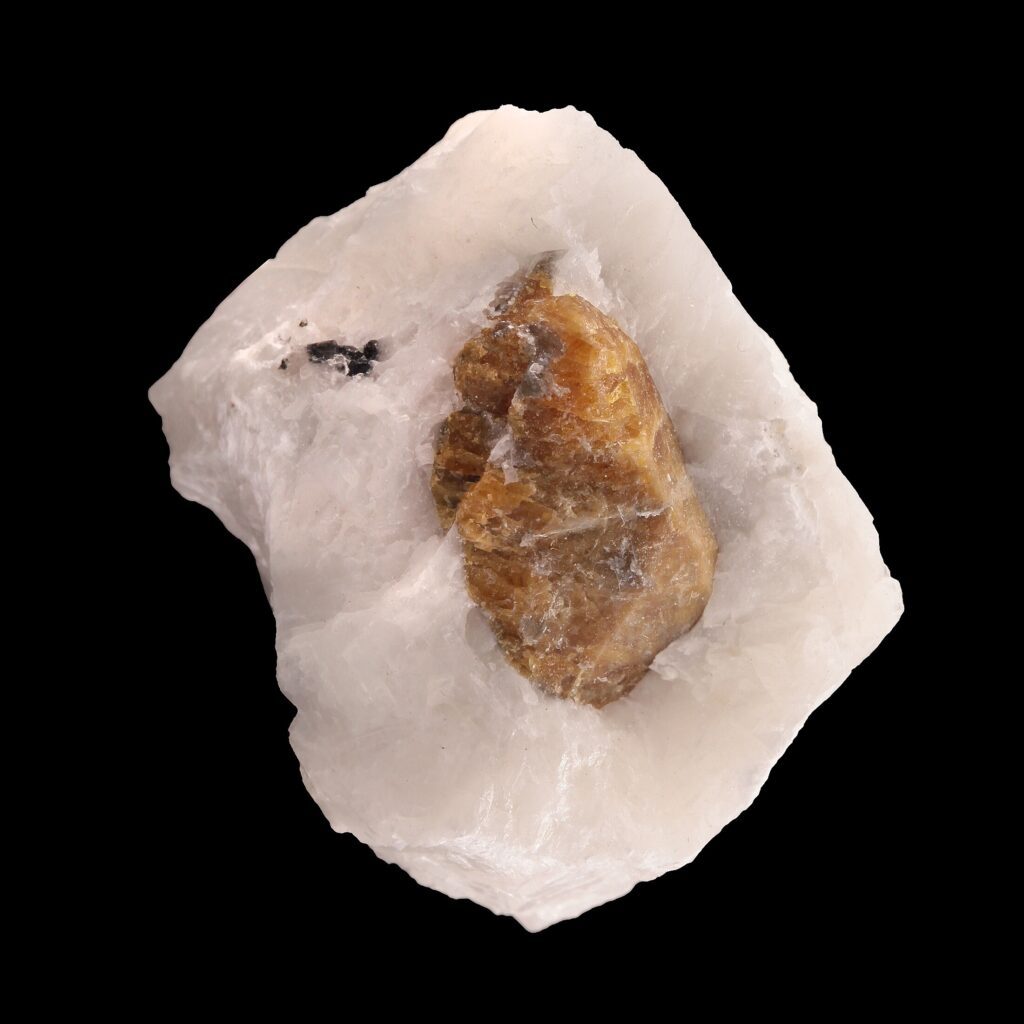
Chondrodite
Shifts the crystal symmetry to the monoclinic system, featuring a 2:1 structural layer ratio and the chemical formula Mg₅(SiO₄)₂(F,OH)₂. Its name, derived from the Greek word for “grain” (chondros), perfectly describes its typical habit of occurring as isolated, rounded grains isolated within metamorphic marble matrices. Chondrodite is celebrated for its deep, rich coloration, frequently appearing in vibrant shades of dark yellow, fiery orange, and deep reddish-brown. While still globally rare, it is the second most abundant member of the group. Occasionally, pockets of highly transparent, well-developed crystals are discovered, allowing gem cutters to fashion them into exquisite, highly prized collector exotic gemstones.
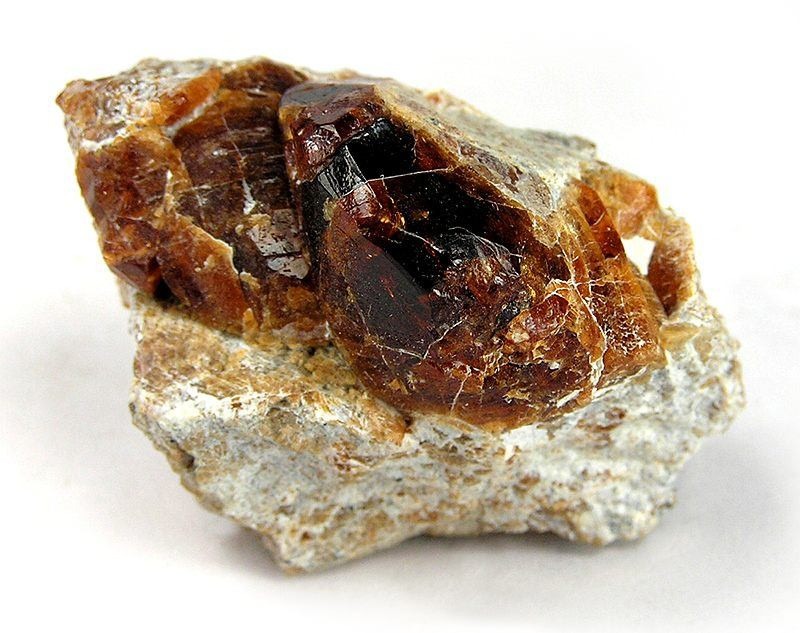
Humite
Serves as the namesake for the mineral group and returns to the orthorhombic crystal system with a 3:1 layer ratio, expressed as Mg₇(SiO₄)₃(F,OH)₂. It typically forms short, stubby, prismatic or thick tabular crystals that display colors ranging from translucent white and honey-yellow to dark orange and brown. Ironically, despite giving its name to the entire mineral family, true Humite is exceedingly rare in nature. Transparent, eye-clean crystals suitable for faceting are extraordinarily difficult to find, meaning finished Humite gemstones are practically non-existent in the commercial gem trade and are heavily monopolized by specialized connoisseurs.
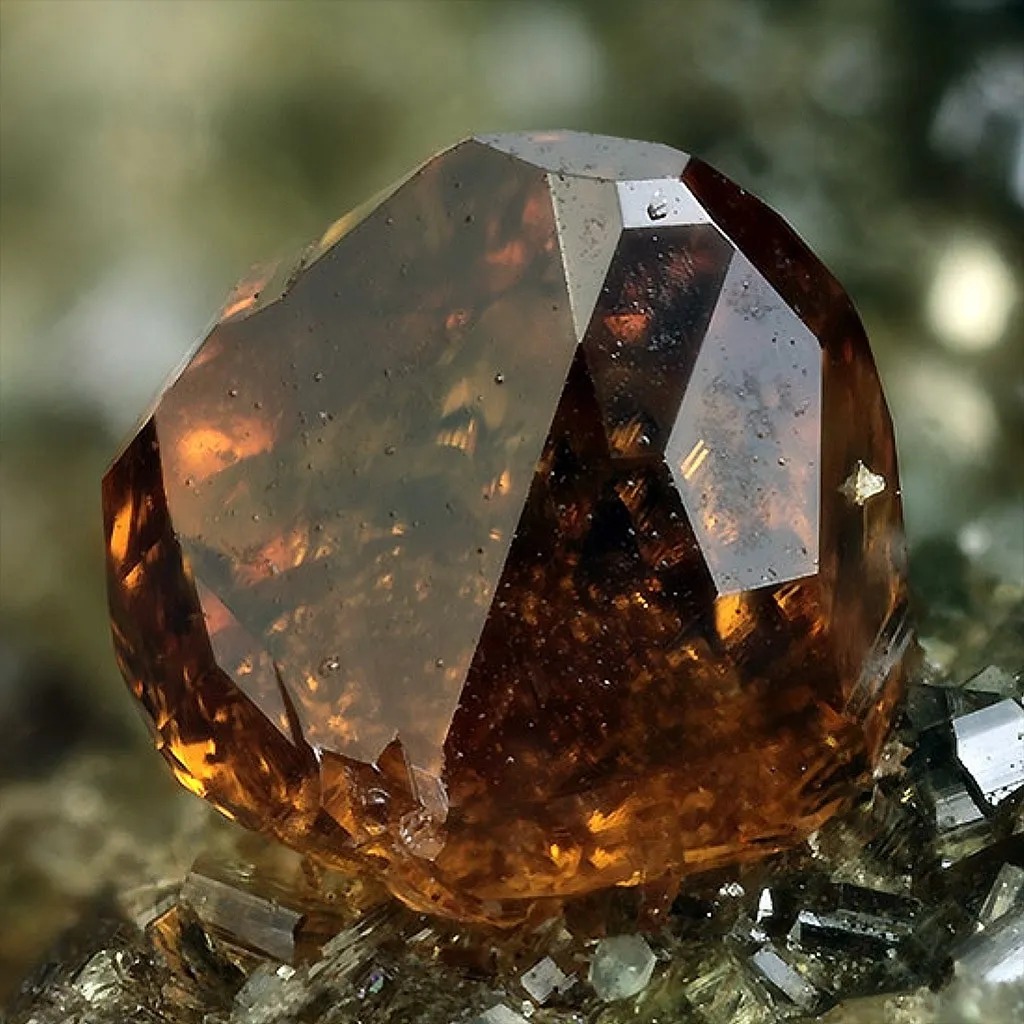
Clinohumite
Is the most structurally complex and celebrated member of the group, possessing a 4:1 layer ratio with the formula Mg₉(SiO₄)₄(F,OH)₂ and crystallizing in the monoclinic system—its name directly referencing its inclined symmetry relative to Humite. Exhibiting a spectacular range of brilliant fiery oranges, intense honey-yellows, and deep mahogany browns, Clinohumite is the definitive gemstone of this mineral family. Thanks to legendary, sporadic yields from places like the Pamir Mountains in Tajikistan and the Taymyr region in Russia, it produces the largest, cleanest, and most chemically pure single crystals of the group, cementing its status as a highly coveted prize in the elite colored gemstone market.
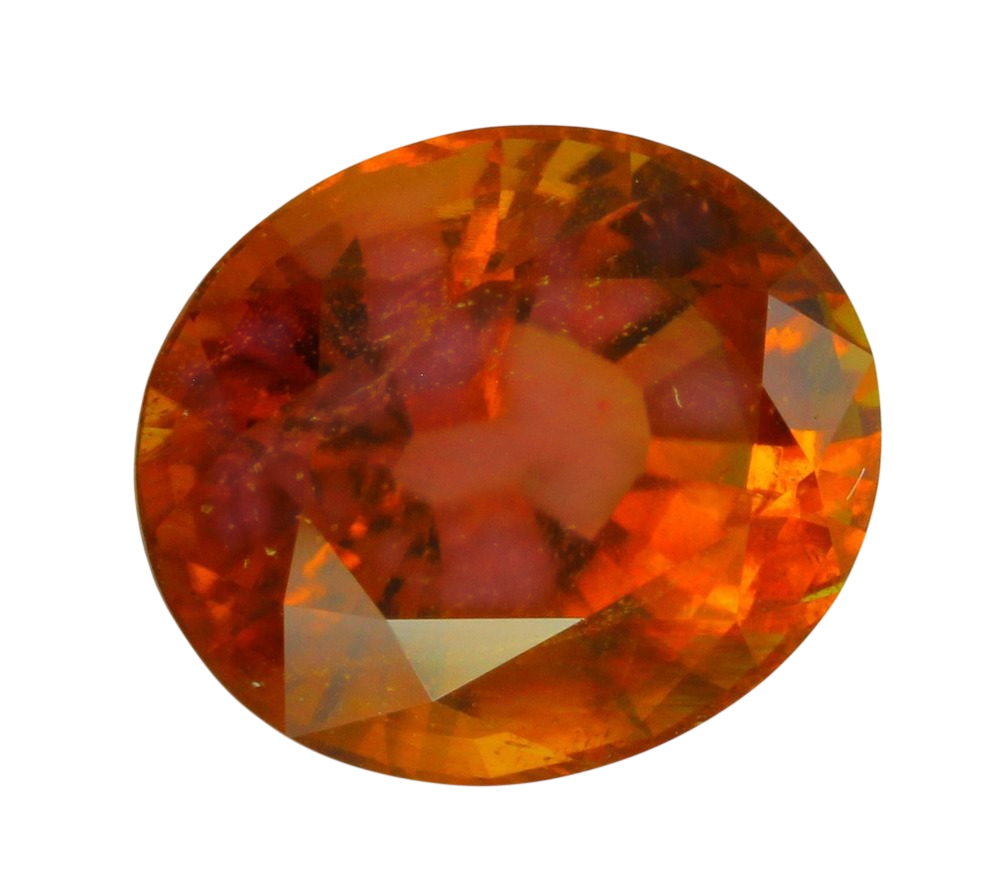
The Humite Group Minerals Comparison
The Humite Group consists of a chemically and structurally interrelated series of magnesium silicate minerals. While they share similar color palettes and geological environments, they differ systematically in their crystal systems and layered structural arrangements.
| Feature | Norbergite | Chondrodite | Humite | Clinohumite |
|---|---|---|---|---|
| Structure Ratio (n) | n = 1 | n = 2 | n = 3 | n = 4 |
| Chemical Formula | Mg₃(SiO₄)(F,OH)₂ | Mg₅(SiO₄)₂(F,OH)₂ | Mg₇(SiO₄)₃(F,OH)₂ | Mg₉(SiO₄)₄(F,OH)₂ |
| Crystal System | Orthorhombic | Monoclinic | Orthorhombic | Monoclinic |
| Typical Habit | Granular aggregates; rarely as well-formed crystals. | Isolated, rounded grains embedded within matrices. | Short, stubby, prismatic or thick tabular crystals. | Large, well-developed crystals with inclined symmetry. |
| Color Range | Creamy white, pale yellow, to light brownish-yellow. | Vibrant shades of dark yellow, fiery orange, to red-brown. | Translucent white, honey-yellow, to dark orange and brown. | Brilliant fiery oranges, intense honey-yellows, to deep mahogany. |
| Gem Availability | Virtually never yields facetable gemstone-quality material. | Globally rare, but occasionally cut into exquisite collector gems. | Exceedingly rare; finished gems are practically non-existent. | The definitive gemstone of the family; highly coveted prize. |
| Primary Value | Sought after purely as rare specimens by mineral collectors. | Valued as highly prized exotic gemstones for investors. | Heavily monopolized by specialized mineral connoisseurs. | Widely recognized and celebrated in the elite colored gem market. |
Scientific Significance and Applications of Humite
While Humite is not a common industrial commodity, its value is deeply rooted in high-level geological research, specialized gemology, and academic study. Its primary scientific application is as a geothermometer and a critical marker for the transport of volatiles within the Earth. Because Humite can incorporate fluorine and hydroxyl groups into its (Mg,Fe)₇(SiO₄)₃(F,OH)₂ structure, petrologists analyze its presence in skarns and mantle-derived rocks to understand the storage and movement of water and other volatiles in deep-earth environments. In these contexts, the mineral serves as a precise indicator of the specific temperature and fluid chemistry present during contact metamorphism between igneous intrusions and magnesium-rich carbonate rocks.
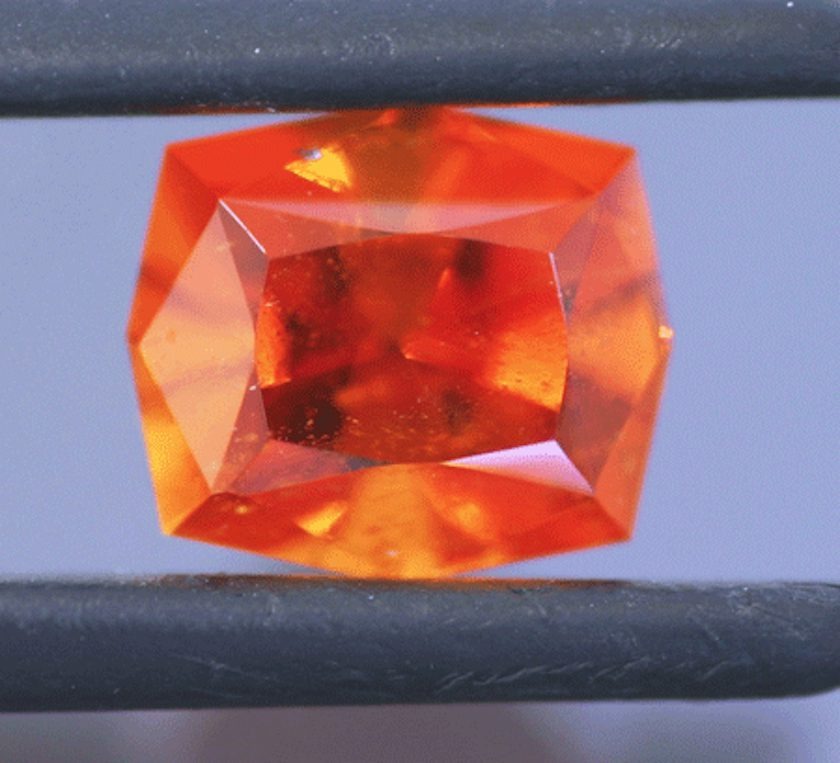
Beyond its research utility, Humite holds a prestigious niche in the gemstone and mineral collecting markets. Although it is rarer in gem-quality form than its relative, Clinohumite, transparent crystals with vibrant honey-yellow or orange hues are occasionally faceted for high-end collectors who value rarity and specific mineralogical provenance. Raw specimens are also highly prized for educational and museum displays, particularly when the translucent Humite crystals are aesthetically embedded in a contrasting matrix of white dolomitic marble alongside minerals like phlogopite and calcite.In academic and technical settings, Humite is frequently used as a standard for advanced mineralogical identification techniques. Its high refractive index of over 1.65 and moderate birefringence make it an ideal specimen for training students in polarized light microscopy and optical mineralogy. Additionally, its distinct orthorhombic crystalline structure provides a clear “fingerprint” used to calibrate X-ray diffraction (XRD) equipment. Even in material science, the thermal stability of Humite-group minerals has informed research into specialized ceramics and refractory materials designed to withstand extreme industrial temperatures.
Humite has little documented connection to ancient mythology or historical spiritual traditions due to its exceptional rarity and limited recognition outside specialized mineralogical circles. Consequently, most metaphysical interpretations of humite originate from modern crystal healing practices rather than long-established cultural beliefs. Within these contemporary traditions, humite is commonly associated with grounding energy, mental clarity, discipline, and gradual personal transformation. Its warm yellow, orange, and reddish-brown coloration is often linked to the Solar Plexus chakra, symbolizing confidence, intellect, motivation, and inner strength. Practitioners sometimes describe humite as a stone that encourages structured thinking and emotional stability, particularly during periods of intense focus or self-reflection. The layered internal structure characteristic of Humite-group minerals has also inspired symbolic interpretations centered around progressive inner growth and the slow uncovering of deeply rooted emotional patterns. Although these metaphysical associations are not scientifically verified, humite remains appreciated within niche crystal and meditation communities for its rarity, grounding symbolism, and strong connection to volcanic and metamorphic geological environments.