
Hessonite, historically admired and scientifically classified as the yellow-orange to reddish-orange variety of grossular garnet, remains one of the most distinctive members of the vast garnet group. Often referred to by its evocative trade name, the “cinnamon stone,” this gemstone is defined by its warm, honey-to-cinnamon hues, which are chemically derived from its status as a calcium-aluminum silicate Ca₃Al₂(SiO₄)₃. Beyond its rich color palette, hessonite has fascinated gemologists and collectors for centuries due to its characteristic internal appearance—most notably the “roiling” or “syrup-like” visual effect caused by its unique inclusions. Balancing historical prestige with accessibility, hessonite serves as both a vital subject for gemological study and a beautiful, inexpensive option for fine jewelry.
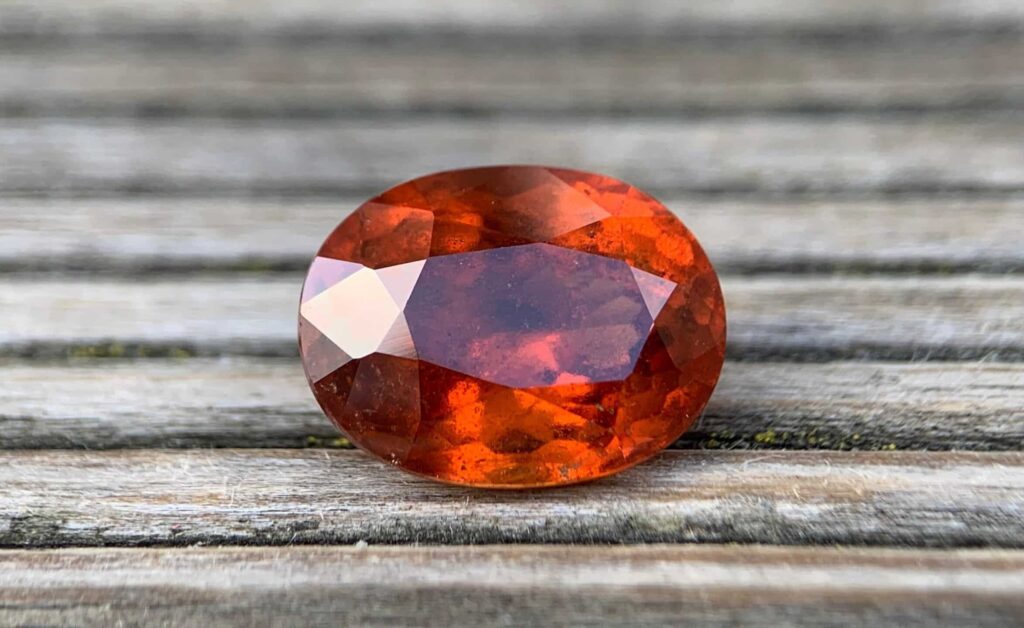
Color Range and Visual Appeal
- Golden yellow
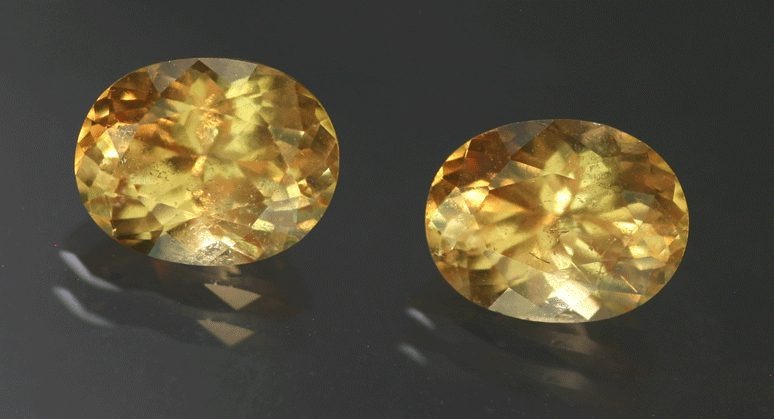
- Honey orange
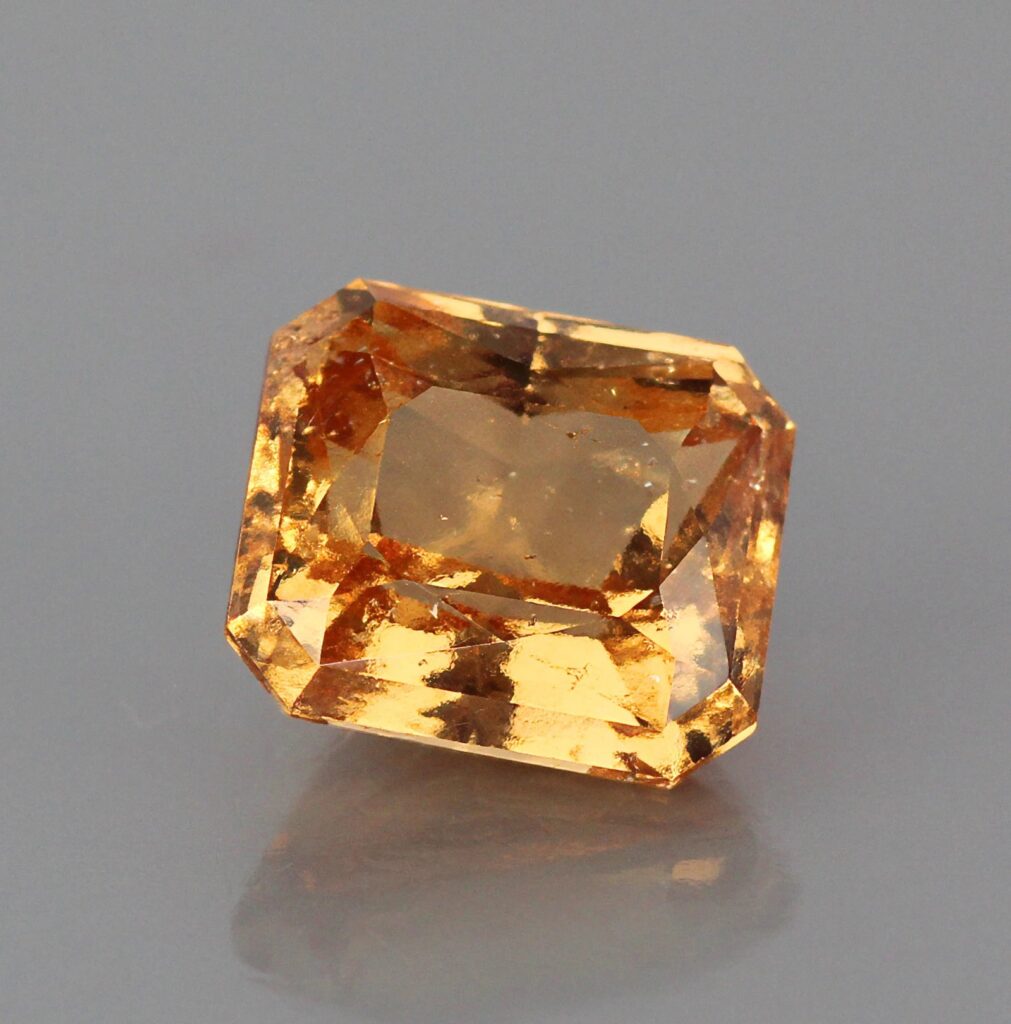
- Cinnamon brown
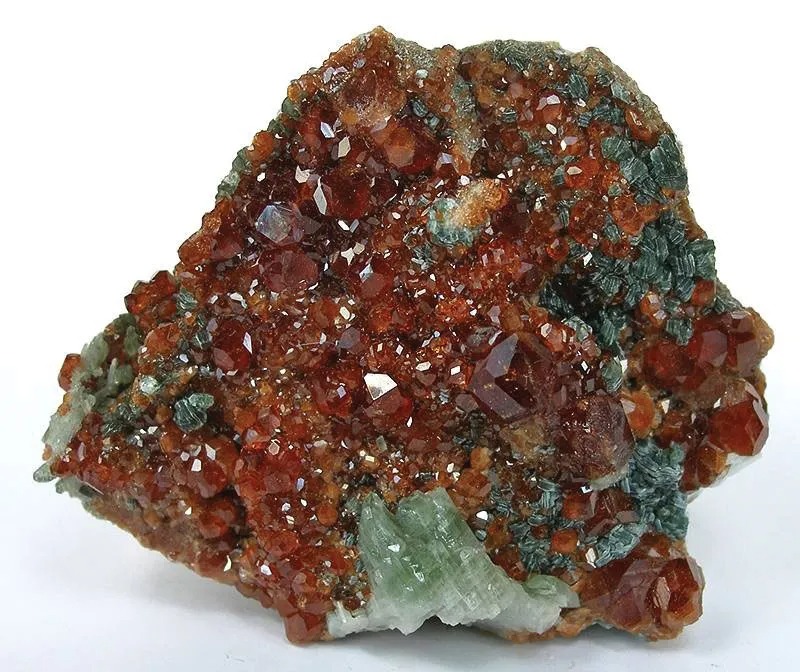
- Reddish orange
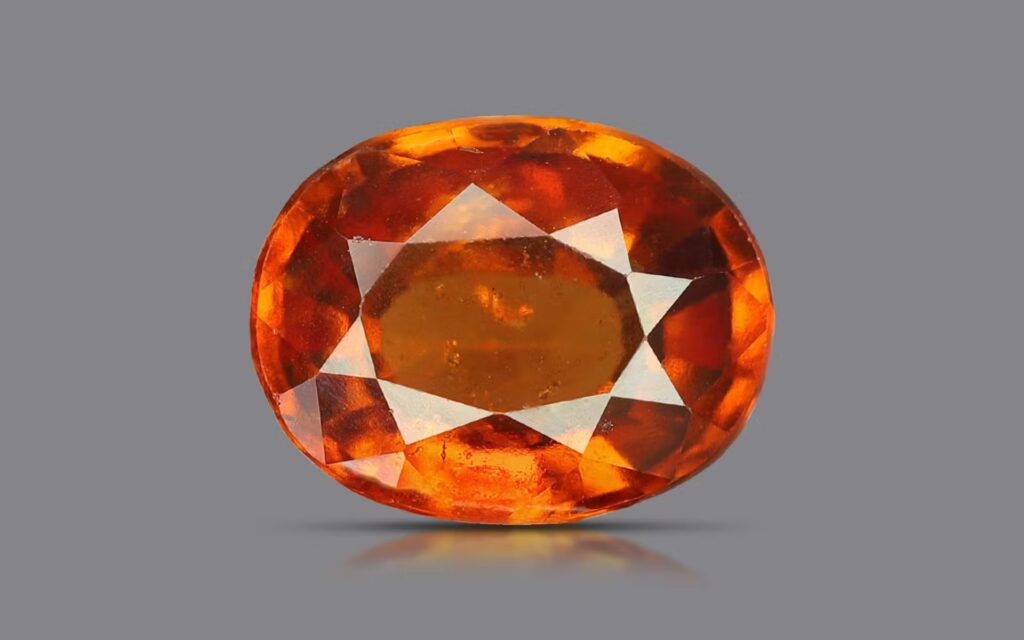
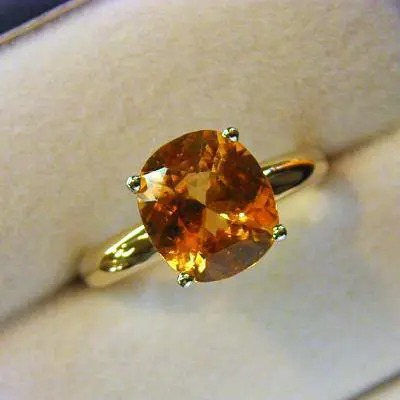
The most prized specimens display a rich, saturated cinnamon-orange color characterized by high transparency and minimal darkening. Beyond its vibrant palette, hessonite is one of the most distinctive varieties within the vast garnet group due to its characteristic internal appearance. Its warm tones make it especially attractive in yellow gold settings, where the metal enhances the gem’s natural, fiery glow. Furthermore, as a durable and relatively abundant variety, hessonites make beautiful yet inexpensive jewelry stones for collectors and enthusiasts alike.
The Suitability of Hessonite for Jewelry
Hessonite is an exceptional choice for jewelry, balancing historical prestige with practical durability. As a variety of grossular garnet, it possesses a Mohs hardness of 6.5 to 7.0, making it resilient enough for daily wear in pieces such as pendants, earrings, and brooches. Because it lacks cleavage, this calcium aluminum silicate gemstone is notably resistant to splitting, though it should be set with care in rings to protect it from heavy impact.
Identifying Characteristics: The “Whisky in Water” Phenomenon
Identifying hessonite involves observing unique optical and internal signatures that stem from its calcium aluminum silicate structure. Although it belongs to the isometric crystal system, hessonite often exhibits anomalous double refraction (ADR) due to internal strain. While typically included—sometimes heavily enough for features to be visible to the naked eye—these inclusions rarely detract from the gem’s value unless they compromise its structural integrity. The most diagnostic feature is the “whisky in water” or “heat wave” effect, a roiled internal appearance that makes the stone appear more translucent than transparent. While this syrupy texture is a classic hallmark, it is important to note that modern specimens from Afghanistan and Orissa, India, often lack this effect, offering a level of high transparency that expands the traditional visual profile of the variety.