
Что такое гелиотроп (кровавый камень)?
Гелиотроп (кровавик), исторически известный как ГелиотропГелиотроп (кровавик) является одной из самых загадочных и легендарных разновидностей в обширном семействе халцедонового кварца. Этот камень, мгновенно узнаваемый по глубокой, лесно-зеленой непрозрачной матрице, часто испещренной драматическими включениями, богатыми железом и напоминающими капли свежей крови, обладает визуальной интенсивностью, которая завораживает человечество на протяжении тысячелетий. В отличие от эфемерного блеска прозрачных драгоценных камней, гелиотроп черпает свое очарование в земном, первобытном контрасте — характеристике, которая глубоко вплела его в ткань человеческих мифов, легенд и духовной преданности в различных цивилизациях. С геммологической точки зрения гелиотроп — это не просто эстетическая диковинка; это свидетельство сложных геохимических процессов Земли, ценящееся как за его замечательную долговечность, так и за уникальные цветовые узоры. Каждый образец представляет собой особый природный мозаичный узор, гарантирующий, что двух абсолютно одинаковых камней не существует — черта, которая остается краеугольным камнем его привлекательности как для коллекционеров, так и для любителей камнерезного искусства. Выходя за рамки своего физического состава, гелиотроп функционирует как глубокий культурный артефакт, служа прочным мостом между древним миром, где его жаждали воины как защитный талисман силы, и современной эпохой, где он остается уважаемым и историческим камнем рождения для месяца марта, связывая геологическое формирование с человеческим воображением.
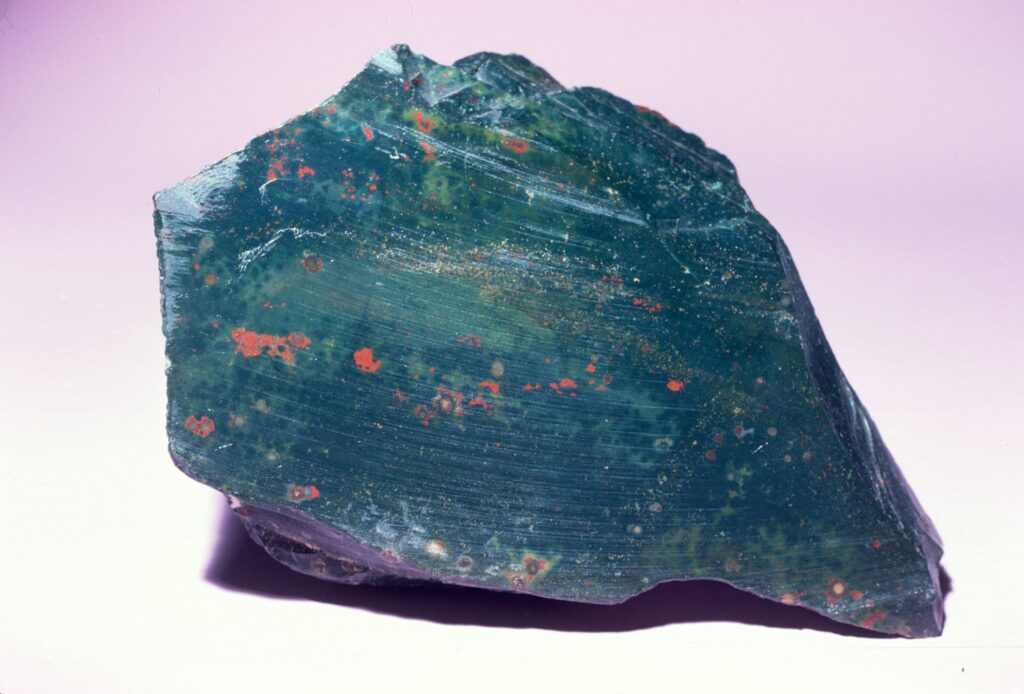
Происхождение и легенды о гелиотропе
Образование гелиотропа — это удивительное геологическое событие, происходящее преимущественно в низкотемпературных гидротермальных жилах, где богатые кремнеземом флюиды проникают в пористые вмещающие породы. По мере остывания эти флюиды выпадают в осадок в виде микроскопических кристаллов кварца, создавая плотную непрозрачную структуру халцедона. Характерные красные пятна камня являются результатом локального окисления: когда богатые железом минеральные растворы проникают в хлорит-содержащую зеленую матрицу, они вступают в химическую реакцию, образуя включения гематита — именно та сущность, которая и дает камню его запоминающееся название.
Это земное происхождение тесно переплетено с богатым фольклорным наследием, поскольку поразительный внешний вид камня исторически интерпретировался через различные мистические призмы. В древности этот камень был известен как Гелиотропимя, производное от греческих слов «солнце» и «поворот», как задокументировано в Плиний Старший Естественная история (Книга XXXVII)древние верили, что этот камень обладает магической способностью окрашивать солнечные лучи в красный цвет при погружении в воду. Сам Плиний записал предание, согласно которому маги использовали его, чтобы сделать владельца невидимым — вера, сохранявшаяся вплоть до Средневековья, что особенно ярко отражено в Джованни Боккаччо «Декамерон» (Восьмой день, Третья новелла). На протяжении всей Римской империи солдаты носили гелиотроп как мощный талисман жизненной силы и защиты, твердо веря, что он может остановить кровь из боевых ран. К средневековью символика камня сместилась, включив в себя христианскую иконографию; он стал широко известен как «Камень мученика». Появилась распространенная легенда о том, что этот драгоценный камень впервые образовался, когда капли крови Христа упали на кусок темно-зеленой яшмы у подножия Креста, навеки окрасив землю. Эта связь с Распятием привела к тому, что на камне стали вырезать инталии с изображением священных сцен, что закрепило за ним роль почитаемого амулета духовной силы и божественного исцеления. Будь то инструмент древнего колдовства или реликвия религиозного жертвоприношения, кровавик остается глубоким местом пересечения геологического формирования и человеческого воображения.
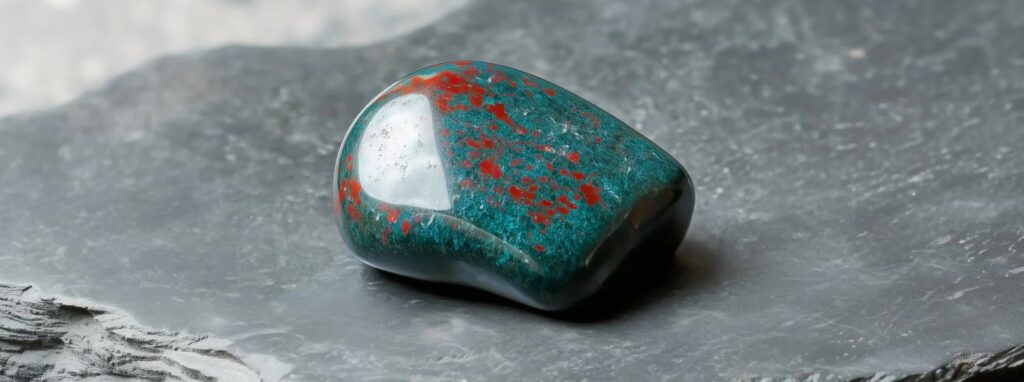
Разновидности и цветовые вариации гелиотропа
Хотя отличительным признаком настоящего кровавика — или гелиотропа — является глубокая, непрозрачная зеленая матрица с четкими красными включениями гематита, рынок часто классифицирует несколько родственных разновидностей халцедона под одним общим названием. Понимание этих различий необходимо как коллекционерам, так и любителям ювелирных изделий, поскольку термин «кровавик» иногда может широко применяться к различным формам пятнистой или узорчатой яшмы и халцедона.
Гелиотроп
Гелиотроп — это традиционное и научное название кровавика. Исторически использовавшийся в классических текстах и ранних минералогических описаниях, этот термин относится к темно-зеленому халцедону с включениями красного гематита. В современной геммологии и ювелирной торговле гелиотроп и кровавик обычно считаются синонимами, оба описывают характерный зеленый камень с красными пятнами, «похожими на кровь».
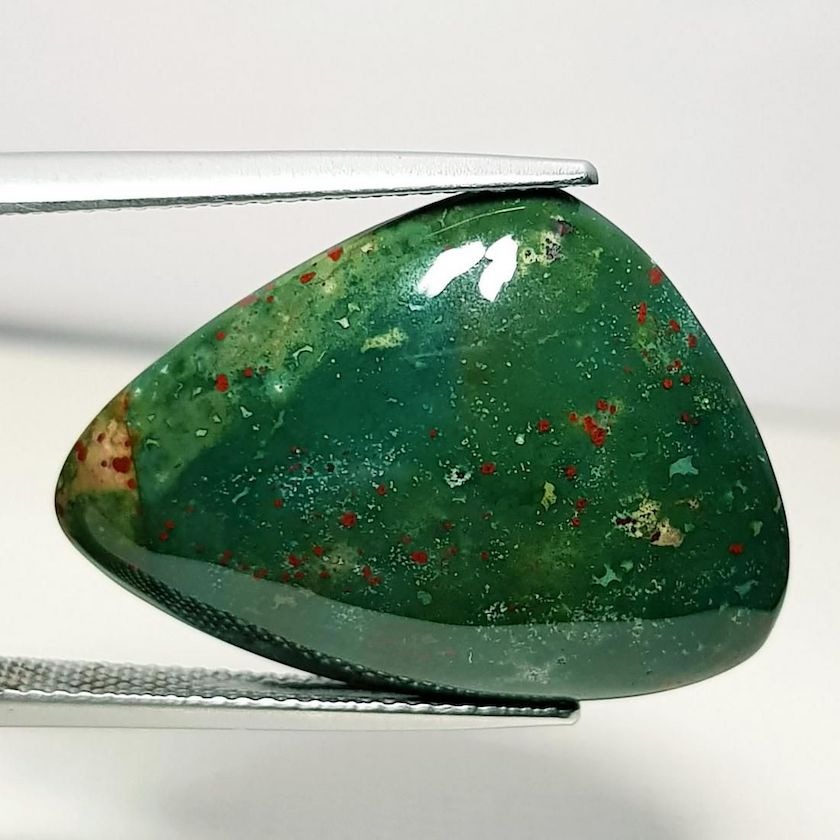
Кровавая яшма
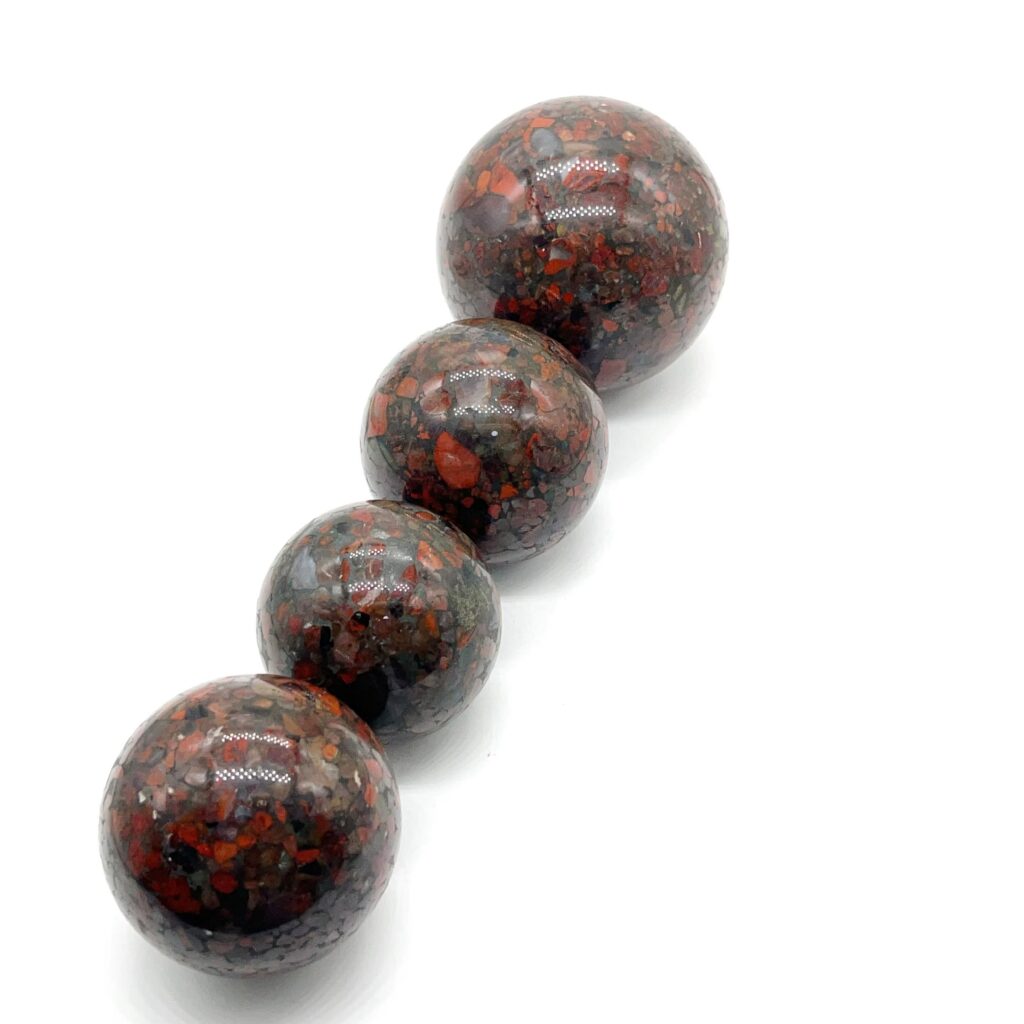
«Кровавая яшма» (Blood jasper) — это торговое название, иногда используемое для камней, которые напоминают гелиотроп, но имеют структуру, более характерную для яшмы. Эти материалы могут демонстрировать более темные красные пятна, коричневатые оттенки или черные матрицы вместо типичного зеленого фона классического гелиотропа. Многие образцы также содержат прожилки белого или серого кварца, что придает им более пестрый и контрастный вид. Несмотря на название, кровавая яшма обычно классифицируется отдельно от настоящего гелиотропа.
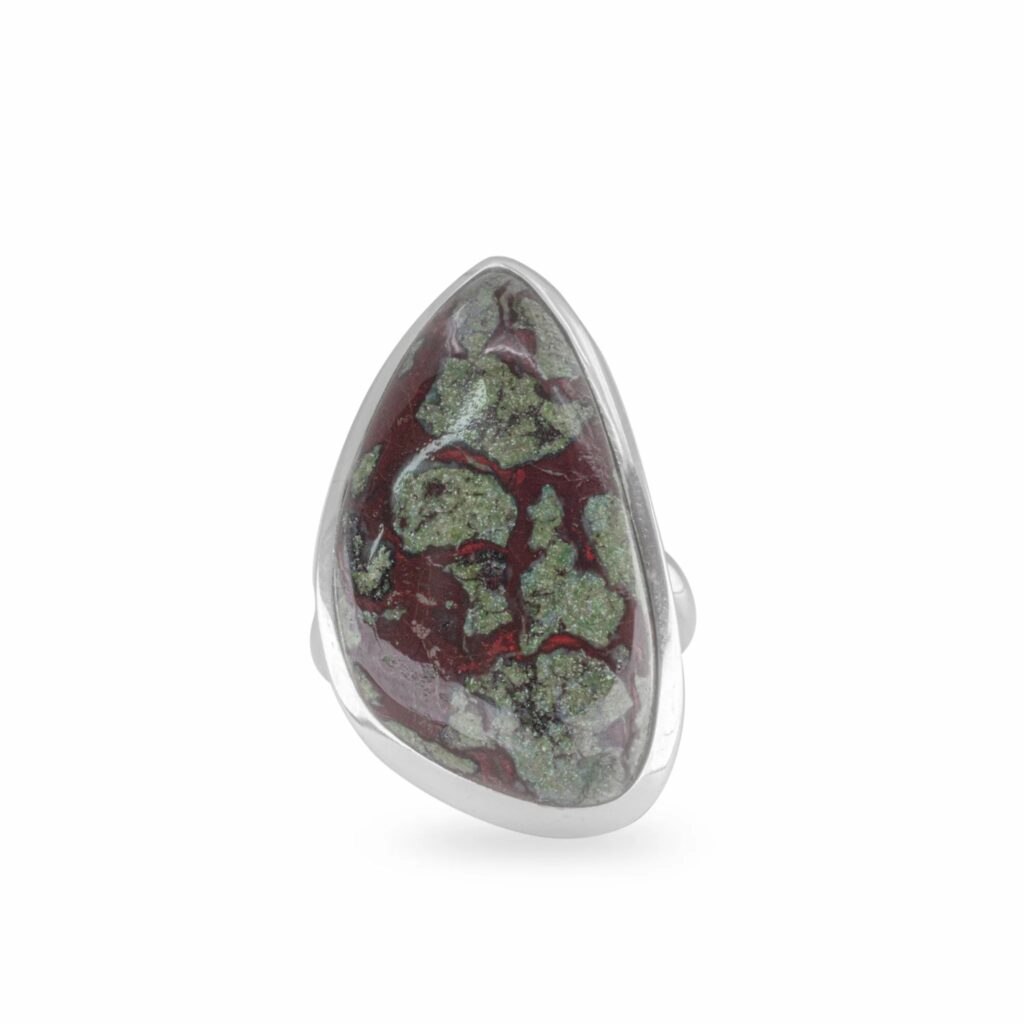
Восточная яшма
Это классический торговый термин, исторически применявшийся к высококачественному гелиотропу или «кровавой яшме», добываемым из азиатских месторождений. Приставка «восточный» (Oriental) традиционно использовалась в ювелирной индустрии, чтобы подчеркнуть исключительное качество материала или придать камню нотку экзотичности и престижа на западных рынках.
Фэнси-яшма (Декоративная яшма)
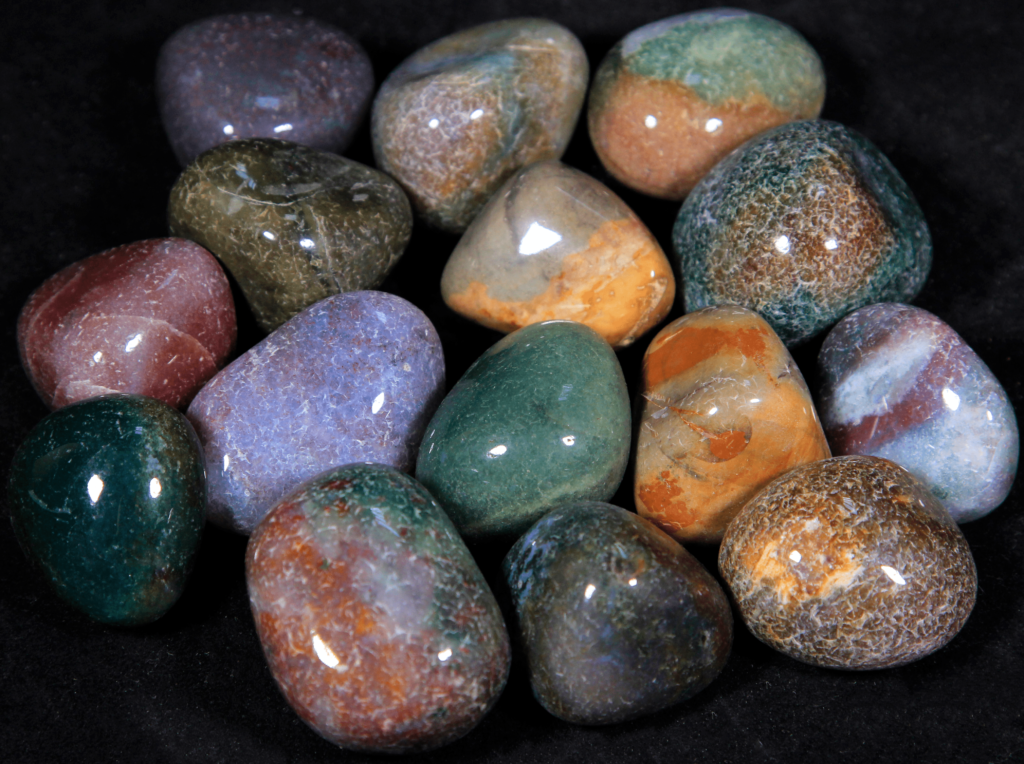
Это широкая торговая категория, охватывающая халцедон или яшму, которые демонстрируют спектр цветов, выходящий за рамки традиционных зеленого и красного, Фэнси-яшма (Декоративная яшма) может включать оттенки желтого, фиолетового, оранжевого или кремового цветов с различными пятнистыми или вихревыми узорами. Хотя эти образцы геологически связаны с гелиотропом, в них отсутствуют характерные красные капли гематита, «похожие на кровь», которые определяют этот главный камень по знаку рождения.
Плазма
В минералогических терминах плазма — это разновидность халцедона ярко-луково-зеленого цвета. Если этот зеленый материал содержит характерные красные пятна гематита, он классифицируется как кровавик. Однако, если красные включения отсутствуют, камень просто называют плазмой.
Празем
Подобно плазме, празем представляет собой халцедон более тусклого луково-зеленого цвета. Хотя он иногда может содержать красные пятна и классифицироваться вместе с кровавиком, он обычно отличается более светлым и приглушенным базовым зеленым цветом по сравнению с глубоким «императорским» зеленым, который ценится в высококачественных образцах кровавика.
Подходит ли гелиотроп для ювелирных украшений?
Кровавик — исключительный выбор для ювелирных украшений, идеально сочетающий смелую эстетику с впечатляющей физической прочностью. Как представитель семейства кварцев, он обладает твердостью по шкале Мооса от 6,5 до 7, что делает его достаточно устойчивым к царапинам для повседневного ношения в кольцах, браслетах и подвесках. Его главная сила заключается в ударной вязкости: поскольку у него нет спайности — склонности раскалываться вдоль определенных внутренних плоскостей, — он значительно более устойчив к случайным сколам и трещинам, чем многие другие популярные драгоценные камни. Хотя его можно подвергать огранке, чаще всего ему придают форму кабошона или выполняют сложную резьбу, что лучше всего подчеркивает уникальный глубокий лесно-зеленый фон камня и характерные красные включения гематита, «похожие на кровь».
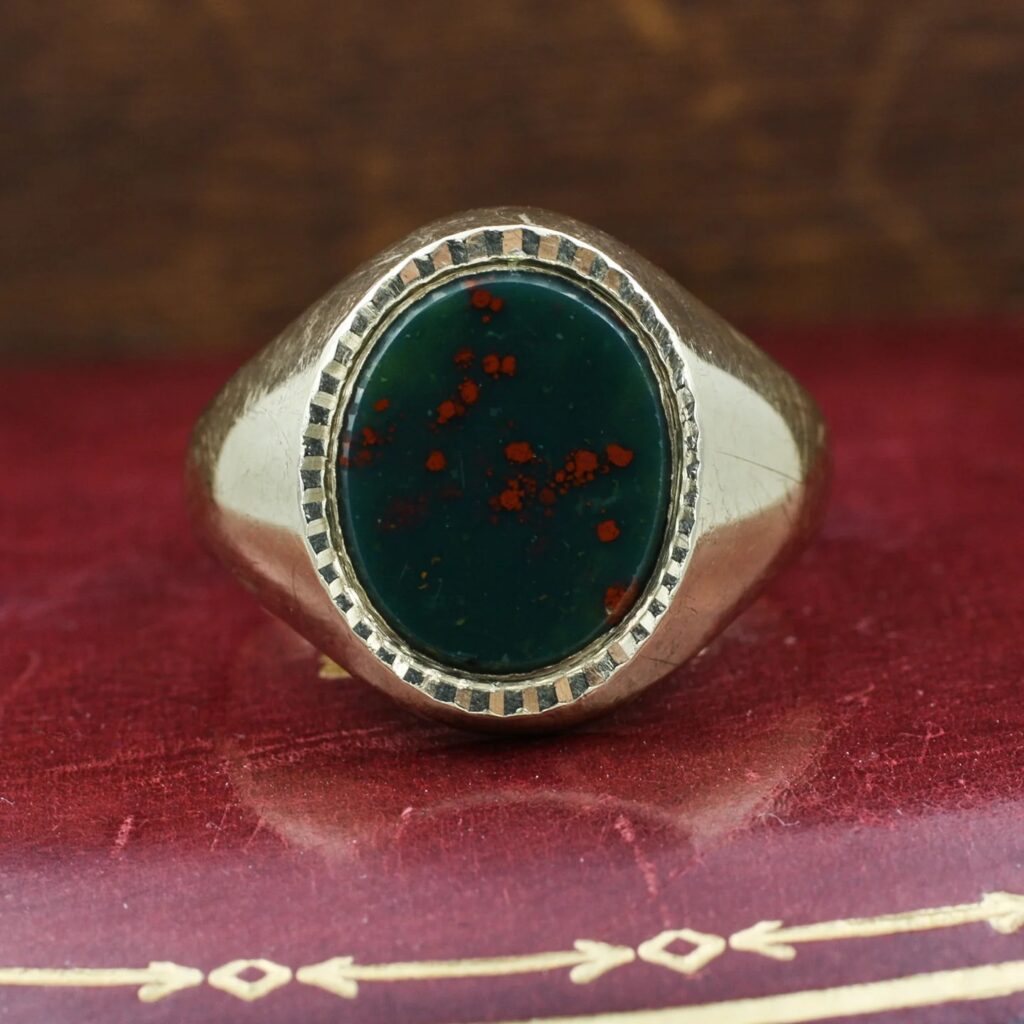
Визуальная привлекательность кровавика кроется в его драматичной, контрастной цветовой палитре, благодаря которой нет двух абсолютно одинаковых камней, что придает каждому ювелирному изделию уникальный, органичный характер. Будь то оправа из полированного стерлингового серебра или оксидированного металла, его изысканные землистые тона сделали его фаворитом как для традиционных колец-печаток, так и для современных украшений. Поскольку это непрозрачный материал, требующий минимального ухода, он является надежным и стильным выбором для тех, кто ценит драгоценный камень, обладающий как исторической значимостью, так и прочностью, способной выдержать испытания активного образа жизни.
Символизм и культурное значение гелиотропа
Кровавик долгое время ассоциировался с силой, мужеством и жизненной энергией благодаря своему характерному внешнему виду. Темно-зеленый фон камня с красными включениями гематита напоминает капли крови, что побудило многие древние культуры связывать его с жизненной силой и защитой. В Древней Греции и Риме кровавик часто носили как защитный амулет, особенно солдаты, которые верили, что он может придать храбрости и обеспечить физическую защиту в бою. Исторически также считалось, что этот камень помогает укрепить тело и повысить выносливость, что способствовало его репутации символа стойкости и жизненной силы.
В Средние века кровавик приобрел сильное духовное значение в Европе. Согласно христианской традиции, красные пятна на камне считались символом крови Христа, что привело к использованию кровавика в религиозной резьбе, печатях и предметах религиозного культа. Благодаря этой ассоциации камень стал символом веры, жертвенности и духовной силы. Сегодня, хотя эти верования являются скорее частью исторической и культурной традиции, чем научным фактом, кровавик продолжает почитаться как символ решимости, заземления и внутренней силы, отражая неизменное увлечение человечества природной красотой и символикой драгоценных камней.