
Sillimanite is a distinguished anhydrous aluminum silicate mineral with the chemical formula Al₂SiO₅, representing the high-temperature, moderate-pressure endmember of the diagnostic polymorphic triad that includes Kyanite and Andalusite. While these three species are chemically identical, their distinct crystal structures—Sillimanite being orthorhombic—serve as a critical “geological speedometer” and thermometer for petrologists; the presence of sillimanite specifically indicates that a rock has undergone high-grade metamorphism, often exceeding temperatures of 600°C. Found predominantly within pelitic schists and gneisses, this mineral is prized for its exceptional refractory properties, maintaining structural integrity under extreme thermal stress, which makes it indispensable for high-tension industrial ceramics and furnace linings. Beyond its industrial utility, sillimanite holds a prestigious niche in the gemological market; while faceted transparent crystals are exceedingly rare, its fibrous variety, often termed “fibrolite,” is celebrated for its remarkable chatoyancy. When cut into cabochons, these specimens exhibit a sharp, silky “cat’s eye” effect that rivals more famous gemstones, offering a unique blend of geological significance and understated aesthetic elegance that appeals deeply to mineralogists and elite collectors alike.
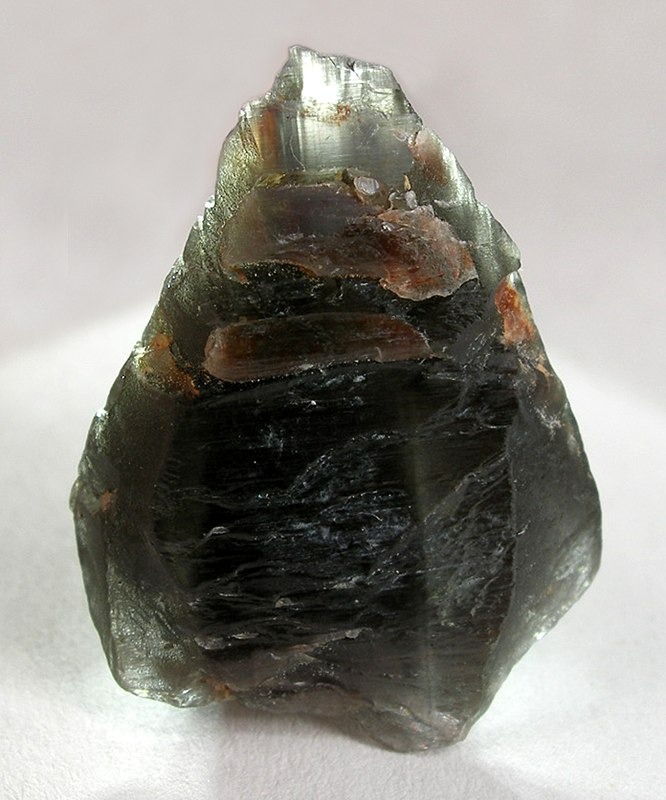
Is Sillimanite a Gemstone?
While sillimanite technically qualifies as a gemstone, its presence in the commercial jewelry market is constrained by a unique set of mineralogical challenges. Unlike the ubiquitous quartz or the robust sapphire, sillimanite suffers from a scarcity of large, inclusion-free crystals suitable for high-end faceting. Furthermore, its moderate hardness (approximately 6.5 to 7.5 on the Mohs scale) and perfect basal cleavage make it susceptible to fracturing during the delicate cutting process, requiring an expert hand to navigate its structural fragility.
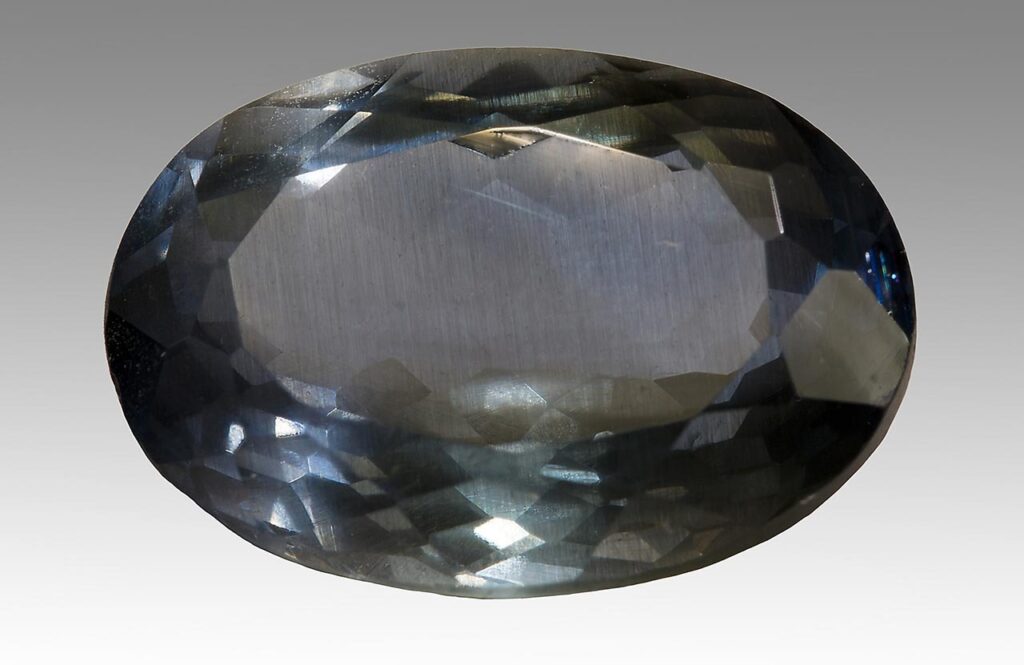
Despite these hurdles, sillimanite is highly coveted by “connoisseur” collectors for its distinct optical phenomena. When the mineral occurs in its transparent crystalline form, it can be faceted into stones with a vitreous luster and sophisticated hues of pale green, yellow, or violet-blue. However, it is the fibrous variety, historically known as “fibrolite,” that truly captivates the niche market. When these dense, parallel fibers are expertly cut into cabochons, they produce a striking chatoyancy, or “cat’s eye” effect, characterized by a sharp, silky band of light dancing across the surface. Ultimately, sillimanite remains a “geologist’s gem”—valued more for its role as a high-temperature metamorphic indicator and its rare optical signatures than for mass-market consumption.
The chromatic and optical profile of sillimanite is a masterclass in trace-element chemistry and structural alignment. While chemically pure sillimanite is colorless, it acts as a versatile host for transition metal impurities—most notably iron, titanium, and occasionally chromium—which imbue the mineral with a sophisticated palette. These range from subtle, watery pastels and sun-drenched yellows to deep olive greens and rare, sought-after violet-blues that can mimic the appearance of fine sapphire.
Major Sources of Sillimanite
Sillimanite occurs worldwide, especially in regions with high-grade metamorphic rocks. Notable sources include:
- India
- Sri Lanka
- United States
- Myanmar
- Brazil
Sri Lanka, in particular, has produced gem-quality sillimanite suitable for faceting.
Industrial Uses of Sillimanite
Beyond its niche in the world of gemology, sillimanite is a formidable industrial powerhouse, prized for its exceptional refractory properties and chemical resilience. Its utility is primarily driven by a high aluminum-to-silica ratio and a crystal structure that remains remarkably stable under extreme thermal stress. Unlike many other minerals that expand or fracture when subjected to intense heat, sillimanite maintains its structural integrity and resists the corrosive effects of molten glass and acidic slags, making it an essential component in heavy manufacturing.
The true industrial “magic” of sillimanite occurs during high-temperature processing. When heated to temperatures exceeding approximately 1550°C, sillimanite undergoes a critical phase transformation known as mullitization. During this process, it decomposes into mullite (3Al₂O₃ · 2SiO₂) and a liquid silica phase. Mullite is a rare needle-like mineral in nature but a “super-material” in industry, valued for its low thermal expansion, high creep resistance, and superb mechanical strength at elevated temperatures.
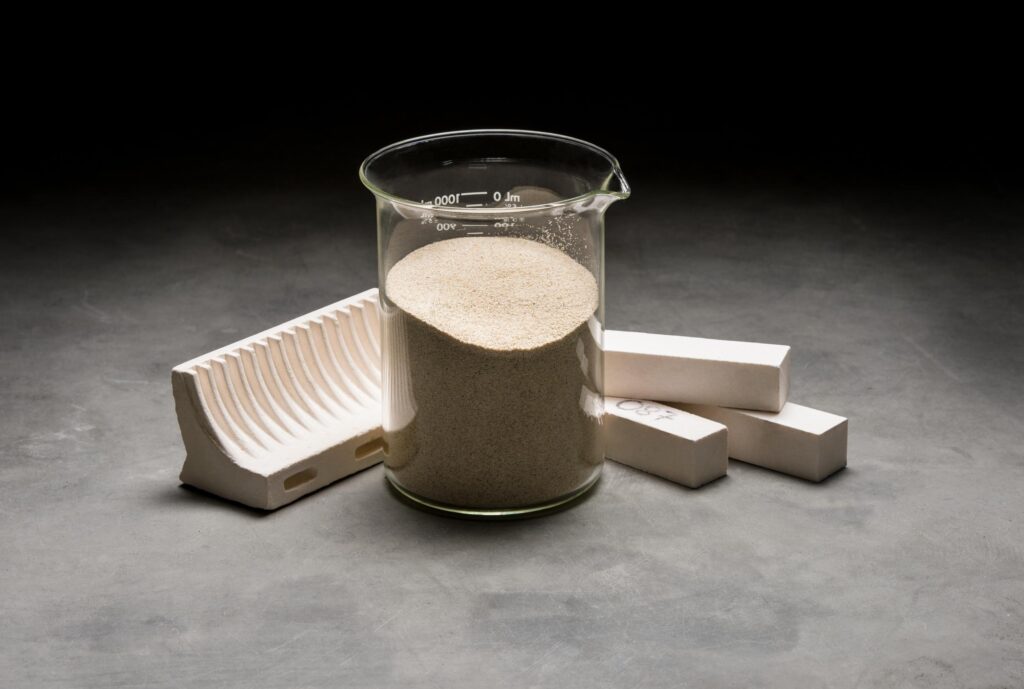
Consequently, sillimanite is the primary raw material for several high-performance applications:
- Refractory Bricks and Kiln Linings: It forms the protective “armor” inside blast furnaces, cement kilns, and glass-melting tanks, where it must withstand constant thermal cycling and chemical erosion.
- Precision Ceramics: Used in the production of spark plug insulators, laboratory crucibles, and high-tension electrical porcelains.
- Foundry and Casting: It is often ground into “sillimanite flour” to create molds for high-precision metal casting, ensuring smooth finishes and dimensional accuracy.