
Rose Quartz is a macrocrystalline variety of the mineral quartz that is primarily defined by its range of pink colorations, which can vary from a very pale, almost imperceptible pink to a deep, translucent rose-red. From a mineralogical perspective, it is composed of silicon dioxide, though it rarely develops the distinct, well-terminated crystal faces seen in other quartz varieties like amethyst or smoky quartz. Instead, it is most commonly found in massive, irregular aggregates. The characteristic pink hue was once thought to be caused by trace amounts of titanium, manganese, or iron, but modern analytical techniques have identified the presence of microscopic, aligned fibers of a pink borosilicate mineral within the quartz. These dense, internal fibers often give the stone a hazy or milky translucency rather than complete transparency. When these fibers are oriented in a specific geometric pattern, they can produce a rare optical effect known as asterism, where a luminous six-rayed star appears on the surface of the stone when it is cut into a rounded cabochon shape and viewed under a single light source.
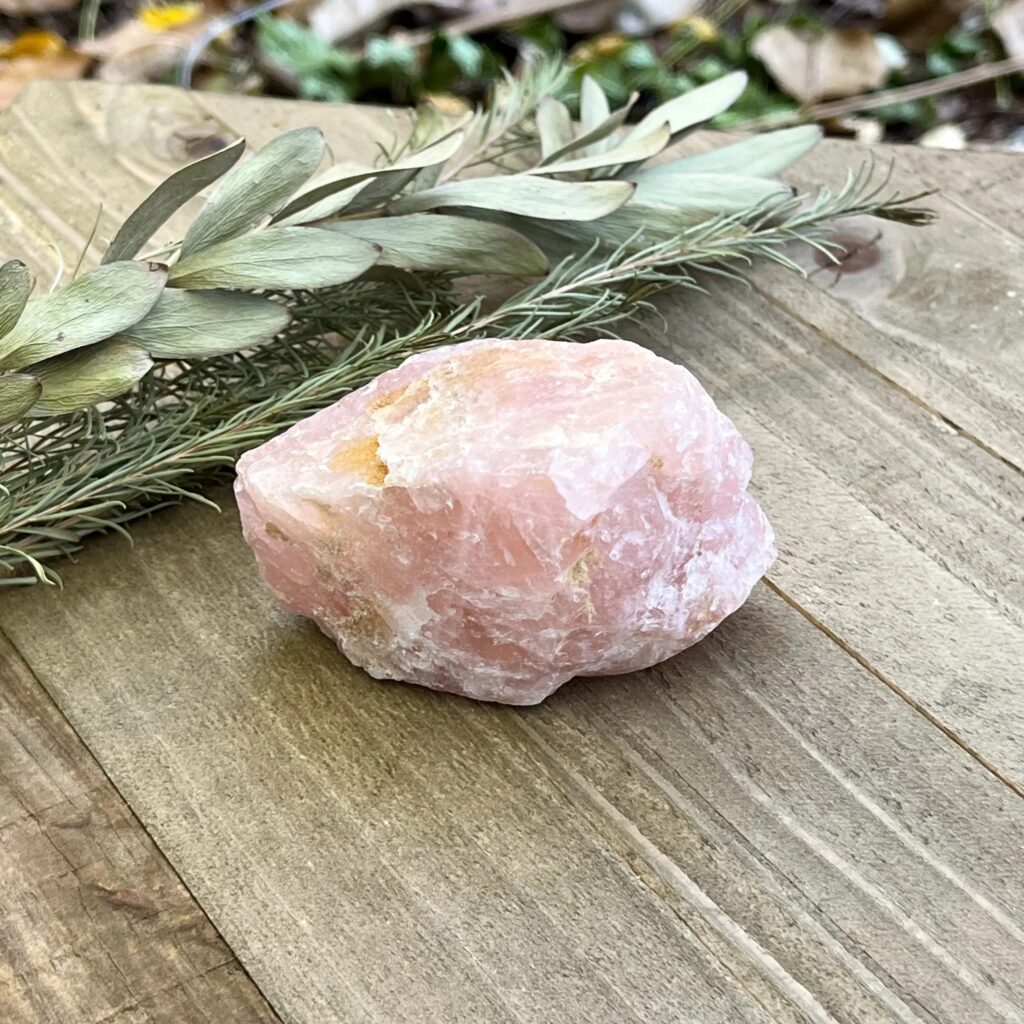
The formation of Rose Quartz is a geological process tied to the cooling of magma, specifically within coarse-grained igneous rocks known as pegmatites. These rocks form during the final stages of a magma body’s crystallization, where a high concentration of volatile elements and water allows for the growth of large mineral structures. Rose Quartz typically crystallizes at high temperatures and pressures within the core zones of these pegmatite veins. As the hydrothermal fluids rich in silica begin to cool and solidify, the microscopic borosilicate fibers are trapped within the growing quartz structure, resulting in the uniform pink tint. Major global sources of high-quality material are located in Brazil, particularly the state of Minas Gerais, as well as Madagascar, South Africa, India, and the United States. While the massive variety is abundant, rare instances of “pink quartz” that form distinct crystals do exist, though they are geologically and chemically distinct from the standard massive Rose Quartz.
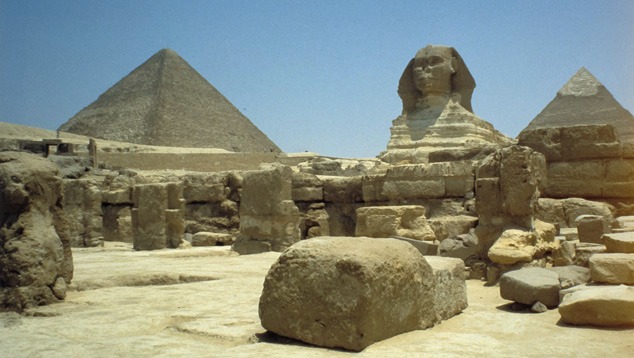
The historical record of Rose Quartz reflects its long-standing utility as a material for adornment and symbolic objects across diverse cultures. Archeological evidence suggests that human use of the stone dates back as far as 7000 BCE in ancient Mesopotamia, where rose quartz beads have been recovered from historical sites. In ancient Egypt, the stone was carved into amulets and cosmetic tools, as it was valued for its aesthetic appeal and was associated with physical preservation. During the Roman and Greek periods, it was widely used in lapidary arts to create intaglio seals, which were pressed into wax to authenticate documents and signify ownership. In Eastern civilizations, particularly in China and Tibet, the stone was utilized for intricate carvings, figurines, and ceremonial ornaments. Throughout these various eras, the stone was consistently selected for its relative durability—ranking seven on the Mohs scale of mineral hardness—making it an ideal medium for both functional tools and decorative objects that have survived for millennia in the archaeological record.
Where is Rose Quartz Found?
Rose Quartz forms primarily within the core zones of complex pegmatites through the slow cooling of silica-rich magma. While quartz is globally abundant, the specific conditions required for its pink coloration are concentrated in a few key regions. Brazil, particularly Minas Gerais, is the leading producer of high-quality, transparent material and rare crystal formations. Madagascar is another critical source, prized for its vibrant lavender-pink hues and silken inclusions that produce the star effect known as asterism.Significant commercial deposits also span Africa, with Namibia, Mozambique, and South Africa providing consistent material for the decor industry. In Asia, India and Sri Lanka contribute semi-opaque, milky varieties ideal for large-scale carvings. Although U.S. production in the Black Hills of South Dakota has diminished, it remains historically significant for mineralogical study. Additional deposits in Germany, Russia, and Kazakhstan further ensure the mineral’s diverse global distribution.
Main Applications of Rose Quartz
Jewelry and Lapidary Arts
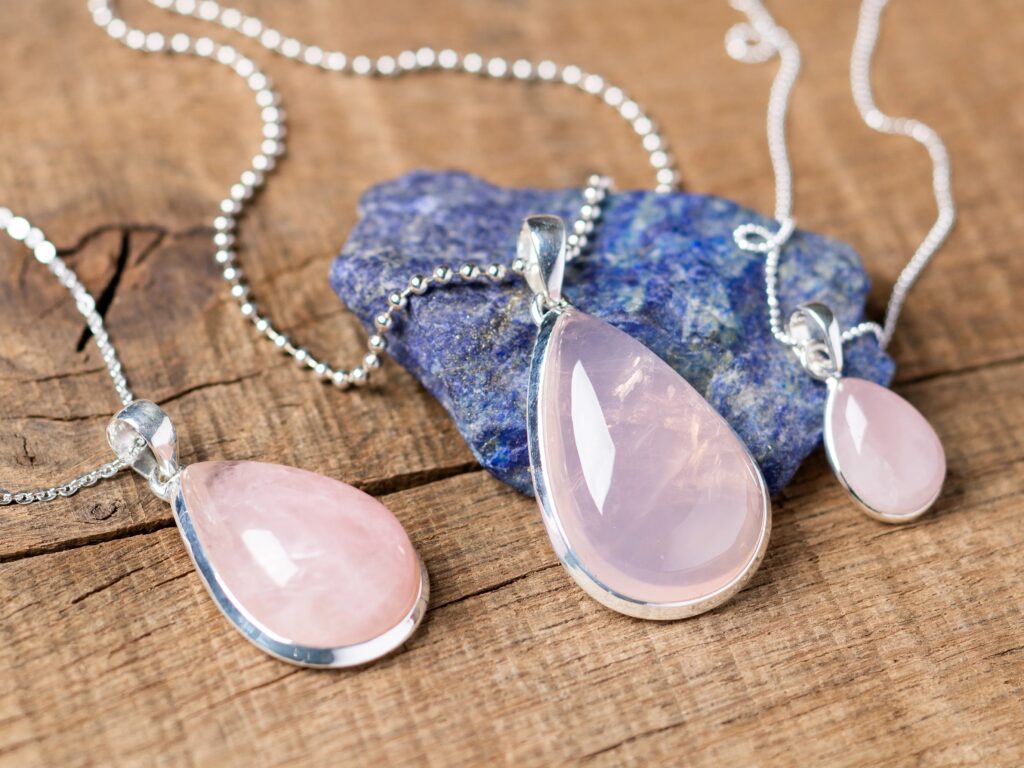
Rose Quartz is processed according to its optical grade. Transparent specimens are typically faceted for rings and pendants, while translucent or “milky” varieties are shaped into beads, cabochons, and tumbled stones. A specialized application involves Star Rose Quartz; by precisely orienting internal silken fibers during the cutting process, lapidaries produce a six-rayed star effect known as asterism, which is highly valued in collector-grade jewelry.
Ornamental and Architectural Integration
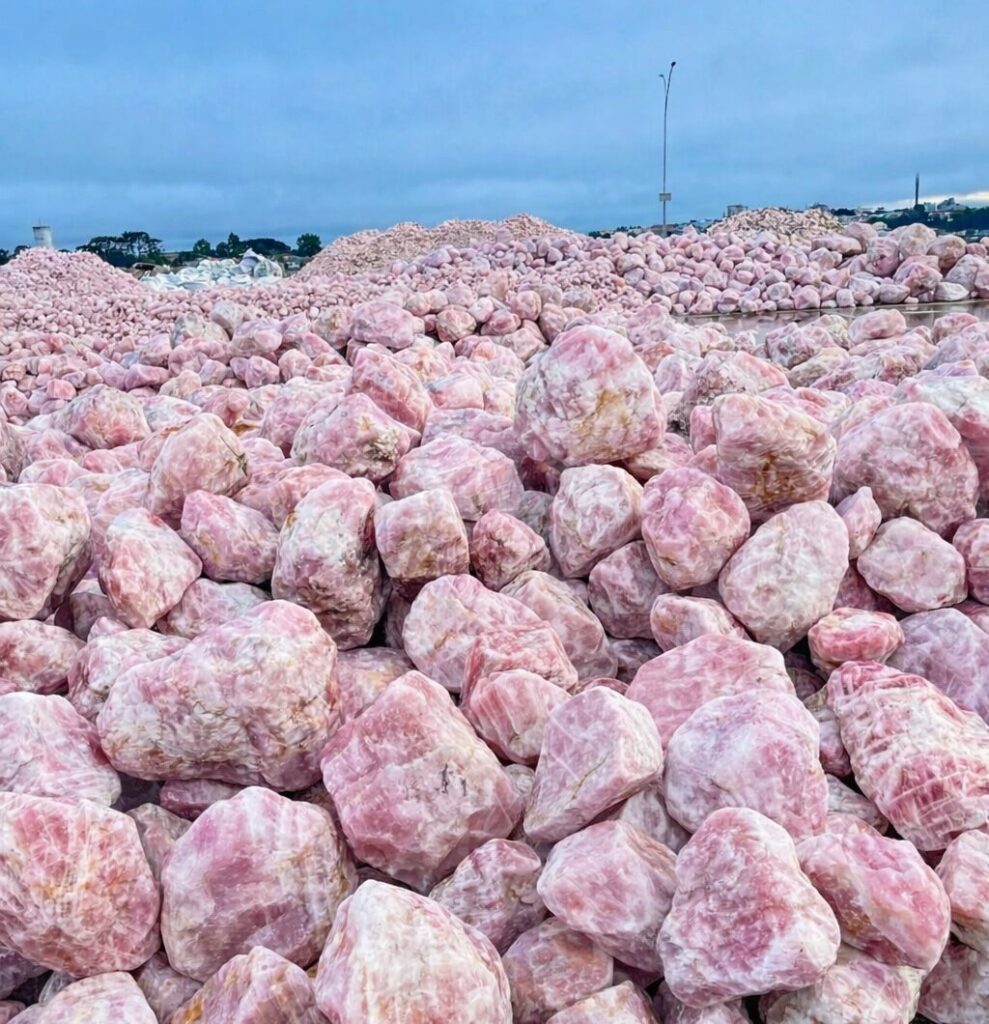
Due to its occurrence in massive boulders, Rose Quartz is uniquely suited for large-format architectural use. It is frequently processed into thin slabs for high-end interior design, including backlit wall paneling that utilizes its natural translucency to create glowing surfaces. Additionally, the stone is used for luxury furniture inlays, vanities, and complex sculptural carvings. Because it lacks a distinct cleavage plane, it can be shaped into large spheres and figurines without the risk of splitting.
Cosmetic and Precision Tools
The mineral’s thermal conductivity and density have led to its extensive use in the personal care industry, where it is manufactured into facial rollers and ergonomic massage tools. These applications take advantage of its ability to remain cool and resist chemical erosion from oils. In precision manufacturing, Rose Quartz is utilized for decorative components in high-end watchmaking and luxury writing instruments, valued for its weight and vitreous luster.
Industrial and Collection Standards
Beyond finished goods, Rose Quartz is a staple in the mineral specimen market. Unpolished “rough” chunks are sold in bulk for landscaping, fountain construction, and as aquarium substrate. Because its color is light-fast and chemically inert, the mineral provides a stable, long-lasting aesthetic in both indoor and outdoor environments.
The Meaning and Benefits of Rose Quartz
Rose quartz, with its signature soft pink essence, is a stone of the heart and a crystal of unconditional love. It carries a soft, feminine energy of compassion and peace, tenderness and healing, nourishment and comfort. It speaks directly to the Heart Chakra, dissolving emotional wounds, fears, and resentments, and circulates a Divine loving energy throughout the entire aura. Re-establishing the gentle yet powerful connection to the self, it provides a deep sense of personal fulfillment and contentment, forming a foundation from which one can truly give and receive love from others.
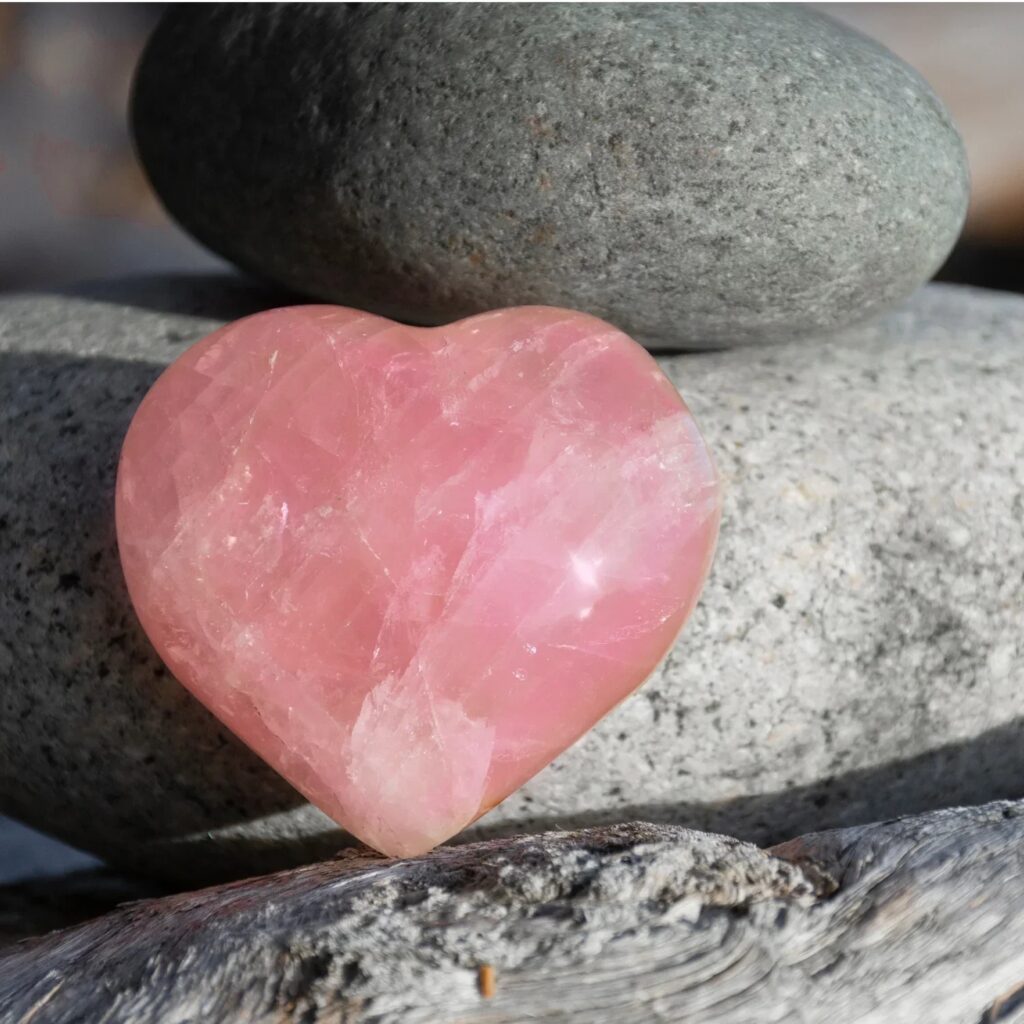
In the realm of emotional healing, rose quartz is a powerful ally. It is widely used to help the wearer or practitioner let go of toxic emotions and unexpressed grief. By encouraging self-forgiveness and trust, it assists in building a positive self-image. This stone doesn’t just “fix” heartbreak; it helps transform one’s perspective, allowing for a more empathetic understanding of both oneself and the world. Many find that keeping the stone nearby during stressful times helps to lower heart rates and calm irregular breathing.Beyond emotional wellness, rose quartz has significant practical and aesthetic applications. In modern skincare, rose quartz rollers and Gua Sha tools are prized for their ability to remain naturally cool, helping to de-puff the skin and promote lymphatic drainage. Within a living space, placing rose quartz in the bedroom or a central family area is believed to restore harmony and encourage a peaceful atmosphere. Whether used as a meditative tool or a decorative accent, it serves as a constant visual reminder to move through the world with kindness and an open heart.