
Onyx stands as one of nature’s most geometrically disciplined masterpieces. As a distinguished variety of chalcedony, it is a microcrystalline form of quartz fundamentally composed of silicon dioxide. While many gemstones are defined by their chaotic brilliance, onyx is celebrated for its orderly internal architecture; traditionally, “true” onyx is characterized by its signature parallel black and white bands. These straight, ribbon-like layers are the stone’s mineralogical fingerprint, providing a sharp visual contrast that distinguishes it from the concentric, curved swirls found in its close relative, agate. Formed over aeons within the gas cavities of volcanic rock, these bands are the result of rhythmic silica deposits, where subtle shifts in mineral impurities during the crystallization process “paint” the distinct color transitions. This unique structural layering has made onyx the premier canvas for lapidary artists throughout history, particularly in the creation of cameos and intaglios, where carvers utilize the contrasting depths to bring three-dimensional figures to life. Whether in its natural banded state or its modern, sleek solid-black finish, onyx remains a symbol of grounded elegance and architectural precision in the gemstone world.
Is Onyx a Type of Agate? Clarifying the Relationship
Onyx and agate are siblings in the mineral world, both belonging to the chalcedony family, which is a microcrystalline form of quartz composed of silicon dioxide . While they share the same chemical DNA and a dense, waxy texture, they are distinguished by their internal architecture.
The fundamental difference lies in the geometry of their banding:
Onyx: Characterized by straight, parallel bands that resemble neatly stacked ribbons.
Agate: Known for curved, concentric, or irregular bands that often follow the rounded contours of the volcanic cavities where they formed.
Technically, both gemstones are varieties of banded chalcedony. However, in the precise language of gemology, onyx is not a sub-type of agate. They are best described as closely related cousins. The straight-layered nature of onyx is what historically made it the premier choice for cameo carving, as it allowed artists to cut a figure on one flat color layer against a contrasting background layer.
Onyx Varieties: Exploring Different Types
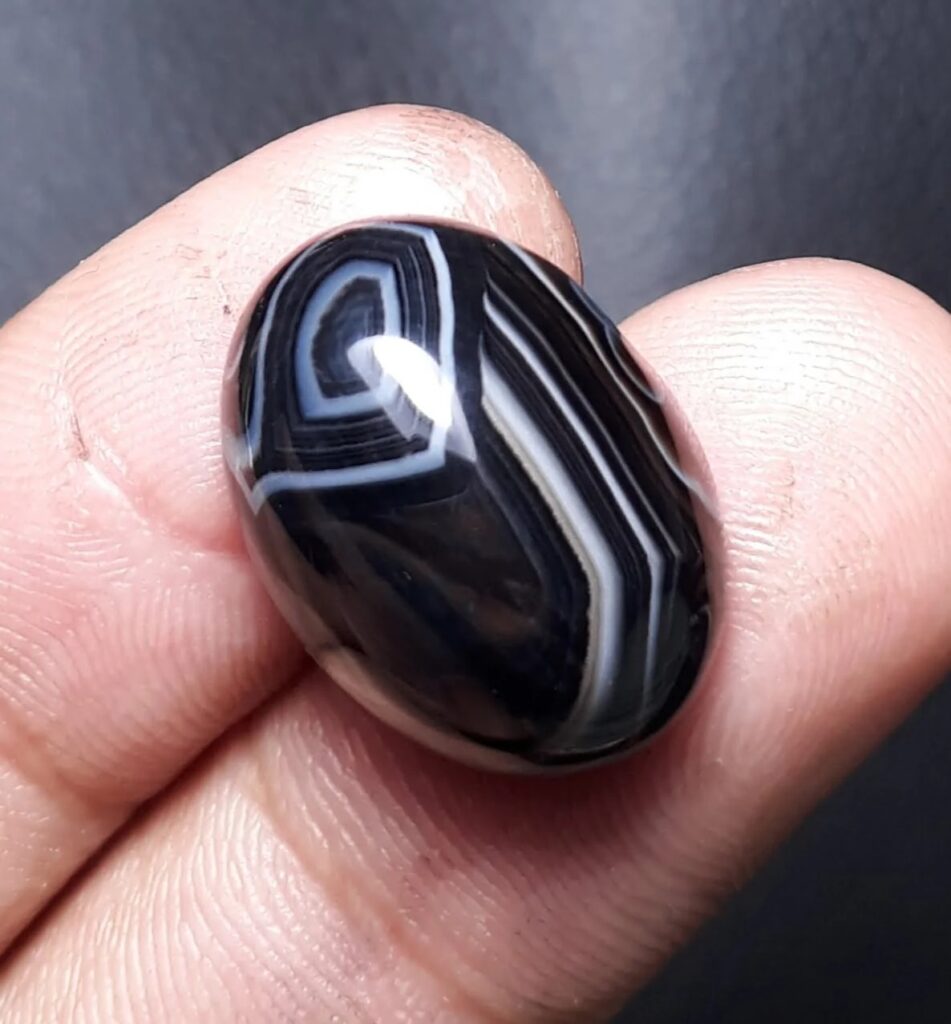
True Onyx: The Classic Black and White Stone
True onyx traditionally refers to the most iconic form of the gemstone, featuring strongly defined, parallel black and white bands. This stark contrast made it the premier material for ancient glyptography, specifically for carving cameos and intaglios. By skillfully navigating the flat layers, artisans could carve a white figure in high relief against a deep black background. Its alternative name, Arabic onyx, reflects its historical trade routes and the high-quality specimens found in the Arabian Peninsula.
Sardonyx: The Colorful Variety
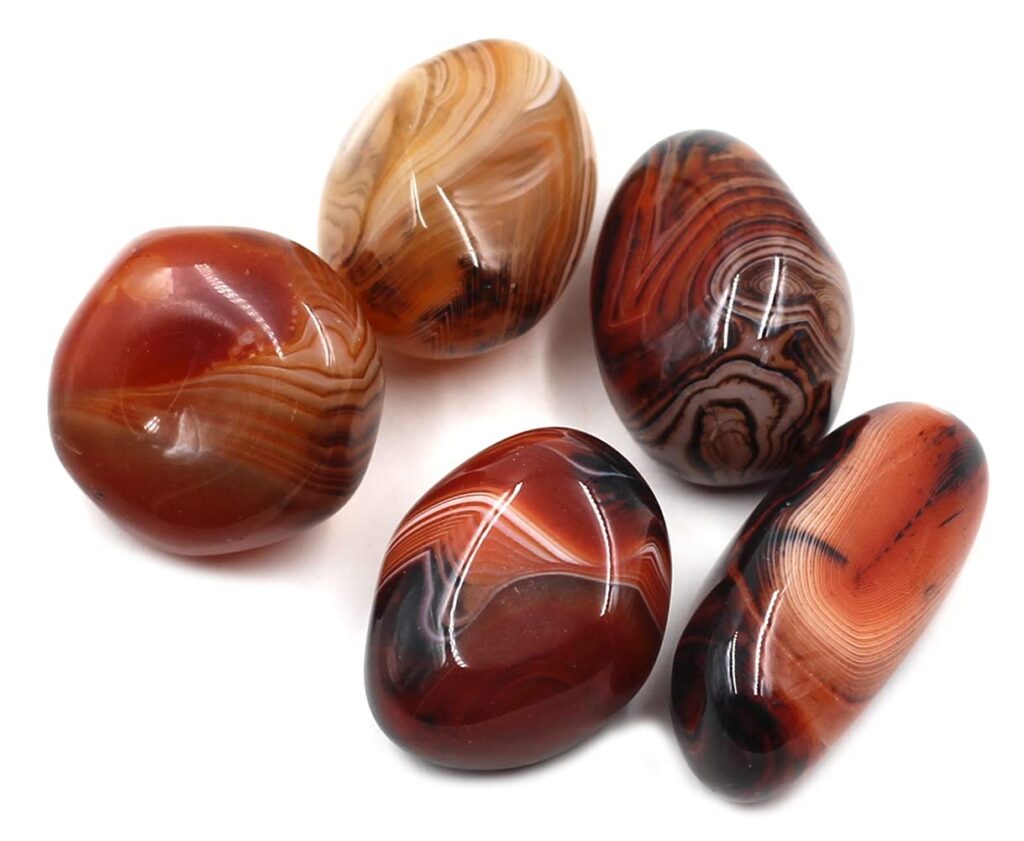
Sardonyx is a vibrant variation that features reddish-brown layers, known as sard, combined with crisp white bands. This material was highly valued in ancient Rome, where it was the preferred stone for seals and engraved signet rings because hot wax would not stick to its smooth surface. Beyond its functional use, sardonyx is historically associated with July birthstone traditions and was often carried by Roman soldiers as an amulet of courage.
Nicolo Onyx: The Blue-Appearing Variation
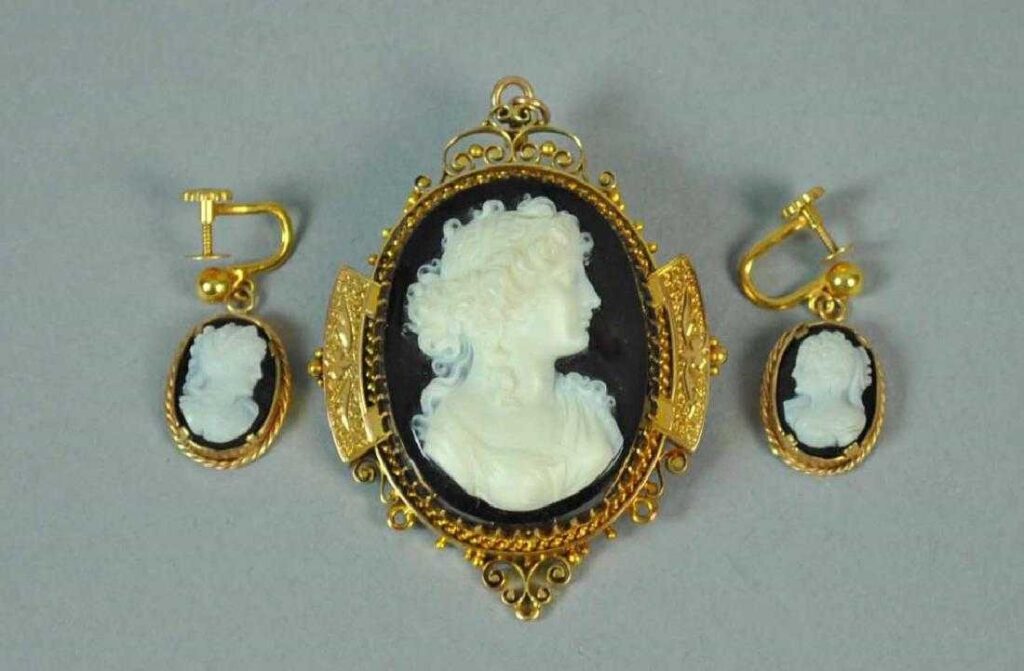
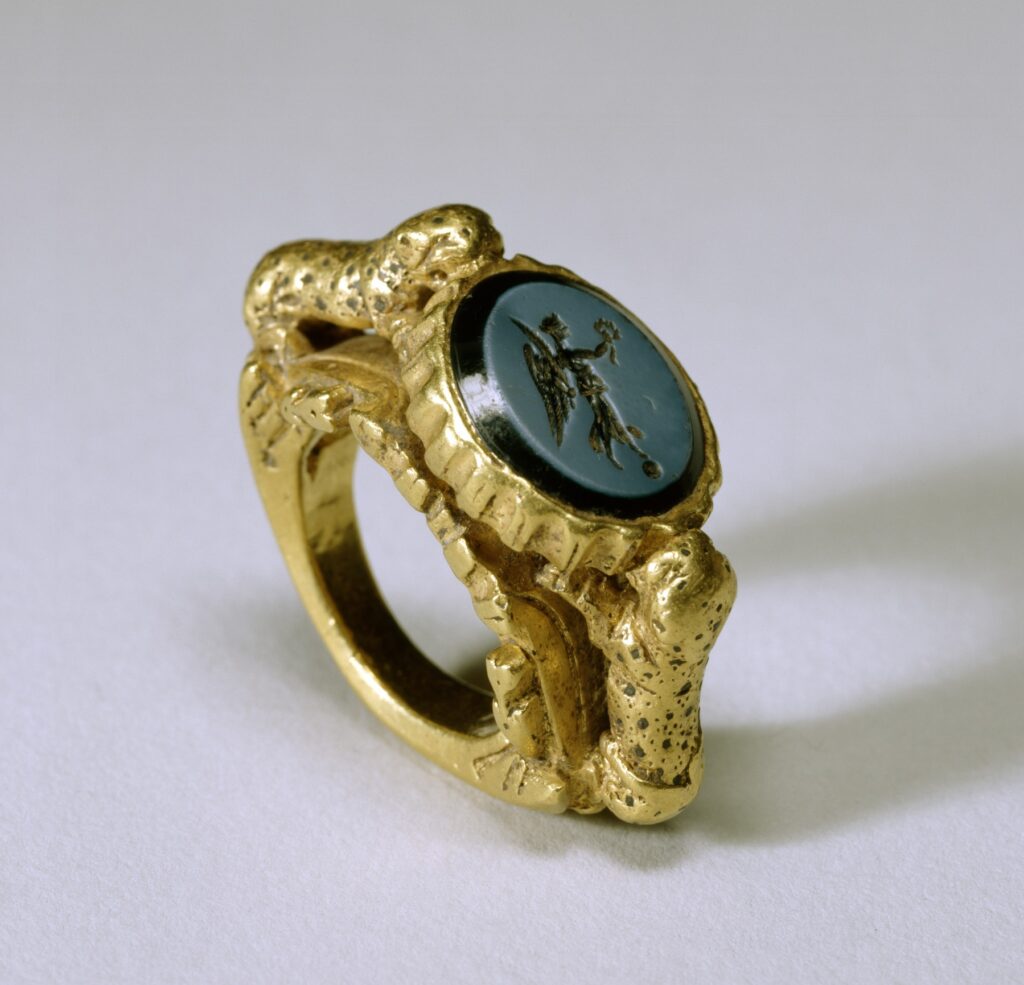
Nicolo onyx is a specialized variety consisting of a very thin black or dark brown upper layer over a lighter, often grey or white base. When the top layer is cut extremely thin, it creates a visual phenomenon where the stone appears bluish due to the transmission of light through the layers. This subtle, smoky blue effect was especially popular in antique cameo carvings during the Renaissance and Victorian eras, as it added a soft, ethereal quality to the finished piece.
Black Onyx: The Most Popular Form
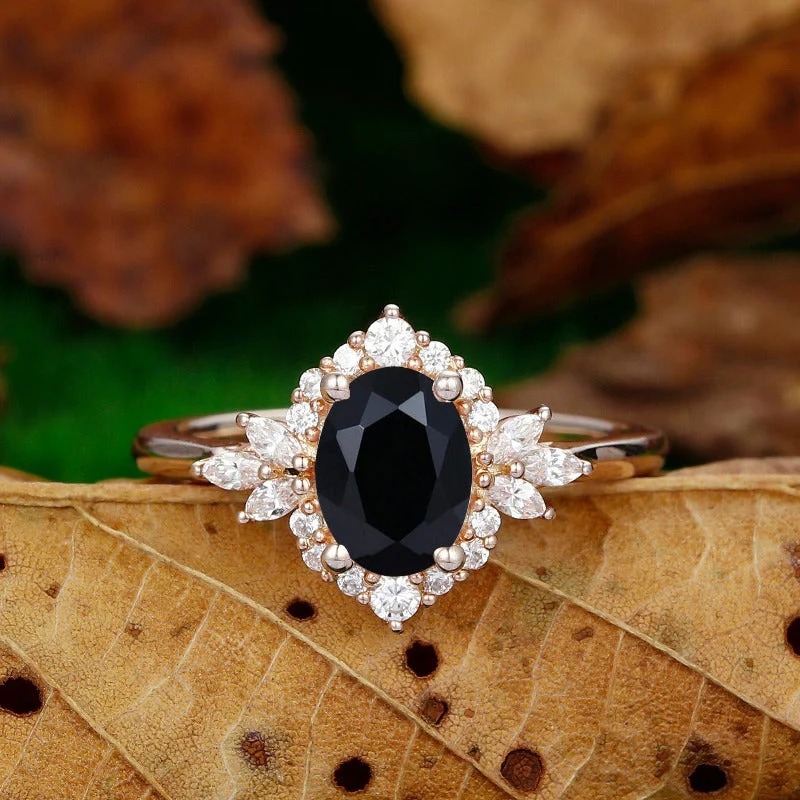
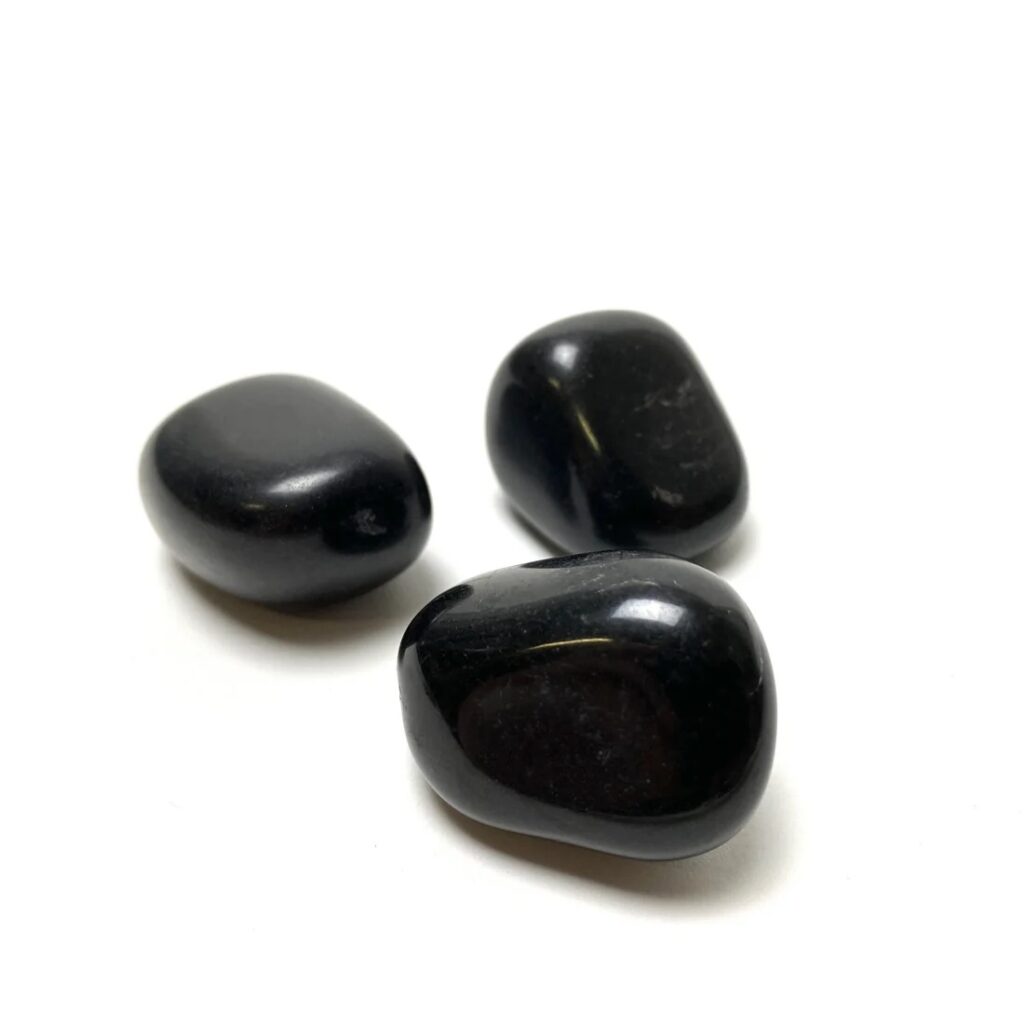
Solid black onyx is the most commercially significant variety in the modern gemstone market. While naturally occurring jet-black chalcedony is rare, most stones available today achieve their uniform, midnight-black color through a permanent dyeing process that has been practiced since Roman times. This treatment enhances the stone’s natural porosity to create a sleek, consistent appearance. Its affordability and deep, reflective luster make it a staple in contemporary jewelry design.
Where Are Onyx Stones Found?
- North America: United States, Canada
- South America: Argentina, Brazil, Uruguay
- Europe: Czech Republic, France, Germany, Scotland (United Kingdom)
- Asia: China, India, Indonesia, Yemen
- Africa: Madagascar
- Oceania: Australia
- Eurasia: Russia
Onyx Misnomers: Avoiding Common Confusion
Mexican Onyx – Actually Banded Calcite, Not Quartz
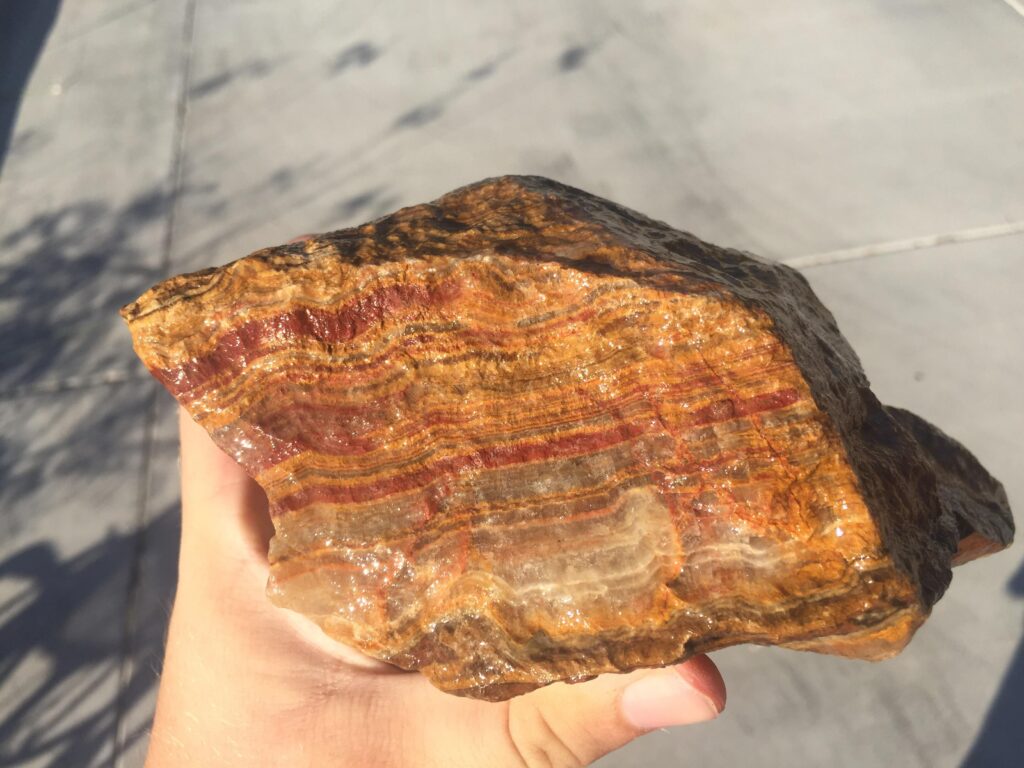
Mexican onyx is one of the most frequent misnomers found in the decor and interior design industry. Despite its name, this material is actually a form of banded calcite or aragonite. Unlike the silica-based true onyx, which has a hardness of 7 on the Mohs scale, Mexican onyx is composed of calcium carbonate and is much softer, typically ranking around 3. It is often used for carved bowls, lamps, and decorative bookends because it is easier to shape, but it lacks the durability and quartz structure of authentic onyx.
Marble Onyx – Decorative Stone, Not Chalcedony
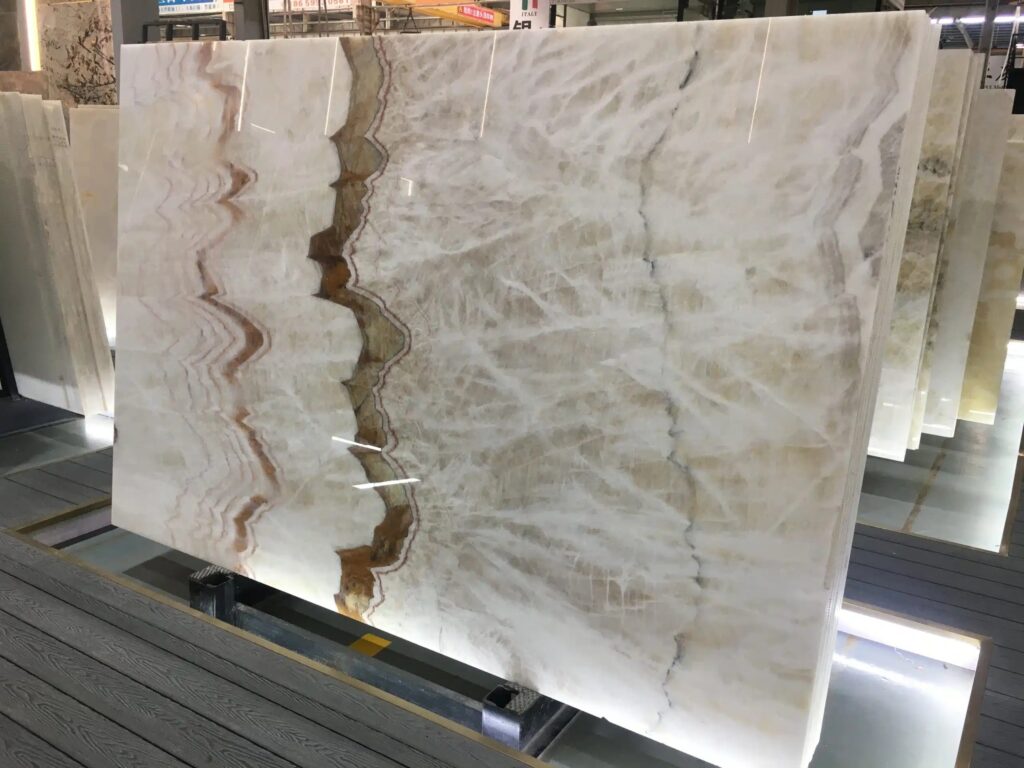
Marble onyx is another term used to describe a variety of banded, translucent limestone. While it is prized as a luxury building material for countertops and wall cladding due to its stunning visual layers, it is not chalcedony. From a geological perspective, marble onyx is a sedimentary rock formed from the drip-stone deposits in caves or around cold springs. It is chemically identical to marble and calcite, making it reactive to acids and prone to scratching, which stands in stark contrast to the acid-resistant and hardy nature of true quartz onyx.
Obsidian – Volcanic Glass, Not Onyx
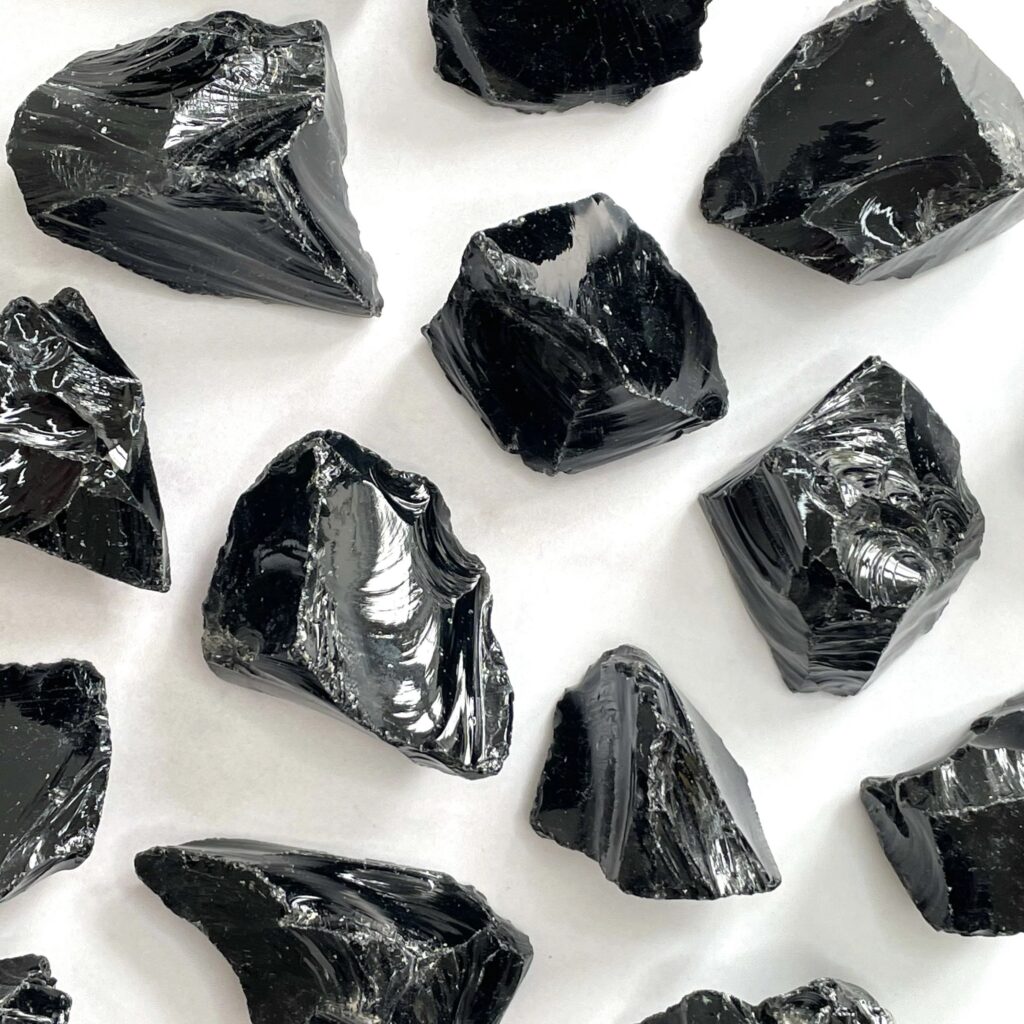
Because of its deep, uniform black color, obsidian is occasionally confused with or sold as black onyx. However, obsidian is a naturally occurring volcanic glass formed by the rapid cooling of silica-rich lava. Because it cools so quickly, it lacks a crystalline structure entirely, whereas onyx is microcrystalline. Obsidian is also more brittle and exhibits a conchoidal (shell-like) fracture pattern, which differs from the way onyx breaks.
The Essential Distinction: True Onyx Is Always a Quartz Variety
To avoid confusion, it is important to remember that true onyx is strictly a member of the chalcedony family. Its defining characteristics are its silicon dioxide composition and its specific microcrystalline growth. If a stone can be scratched by a steel knife or reacts to vinegar, it is likely a carbonate-based misnomer like Mexican onyx or marble onyx rather than a genuine gemstone.
Are There Synthetic Onyx Stones?
While there are no true synthetic quartz onyx stones grown in laboratories due to the high cost of synthesis compared to the abundance of natural material, the market is filled with various imitations and substitutes. These range from glass and plastic—which can be identified by their softness, air bubbles, or warmth to the touch—to more convincing alternatives like dyed agate, which is the most common industry-accepted treatment used to achieve a uniform black hue. Other natural gemstones, such as black spinel, are also used as high-quality substitutes because of their superior hardness and brilliance, though they lack the signature parallel banding of genuine onyx. Given the prevalence of these imitations, purchasing from reputable jewelers is essential to ensure authenticity and receive proper disclosure regarding any treatments.
Do Onyx Stones Receive Gem Enhancements?
In the gemstone industry, enhancement treatments for onyx are not just common—they are standard practice. Because naturally occurring, solid-black chalcedony is exceptionally rare in nature, human intervention is often required to achieve the uniform, deep hues that consumers expect. These enhancements are designed to improve color consistency and visual appeal, though ethical trade standards require that such processes always be disclosed to potential buyers.
Common enhancement methods include:
- Dyeing to intensify black color: This is the most prevalent method used to create the iconic “midnight” look of commercial black onyx. Because chalcedony is naturally porous, it readily absorbs pigments that saturate the stone with a deep, permanent color.
- Sugar-acid treatments: This ancient technique, dating back to Roman times, involves soaking the stone in a concentrated sugar solution and then boiling it in sulfuric acid. The acid carbonizes the sugar trapped within the microscopic pores of the quartz, leaving behind a rich, stable black carbon residue.
- Heat treatments: Controlled heating is frequently applied to varieties like sardonyx to brighten reddish-brown layers or to stabilize color transitions between parallel bands. This process mimics the natural geothermal heat that forms gemstones but at an accelerated, man-made pace.
While these treatments result in more durable and attractive stones for jewelry, they transform the material from its raw, often gray or translucent state into the “black onyx” found in retail stores.ers.
How to Care for Onyx Stones
Because many onyx gemstones undergo color-enhancement treatments, following specific care protocols is vital for maintaining their appearance. The safest method for cleaning is to use a soft-bristled brush, a mild detergent, and lukewarm water. It is important to avoid ultrasonic or mechanical cleaning systems, as these high-vibration methods can potentially damage the stone or its delicate surface.
Special consideration should be given to vintage and antique pieces; even ancient jewelry may have undergone historical treatments that make it particularly sensitive to modern cleaning techniques. To preserve the vibrancy of the stone, avoid extended exposure to direct, strong sunlight, which can cause dyed colors to fade over time. Finally, because onyx is a variety of quartz, it should be stored separately from harder gemstones like diamonds or sapphires to prevent surface scratching. For more detailed maintenance instructions, you may refer to a professional gemstone jewelry cleaning guide.