
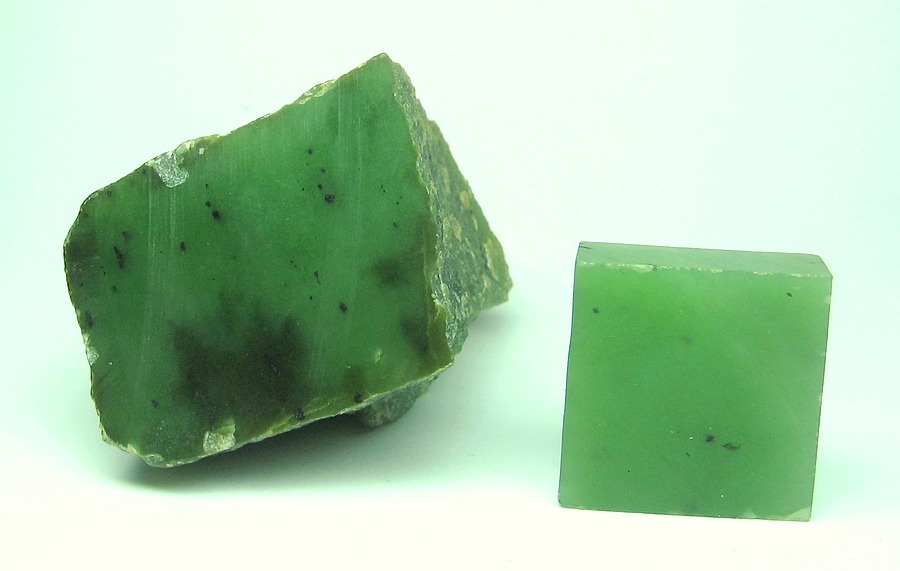
Nephrite is a silicate mineral aggregate that belongs to the tremolite-actinolite solid solution series within the amphibole group. It is one of two distinct mineral species traditionally classified as jade, distinguished by an interlocking, felt-like arrangement of microcrystalline fibers rather than a single crystalline structure. This unique internal configuration provides the material with exceptional fracture toughness and tenacity, making it significantly more resistant to impact than many minerals with higher numerical hardness. While it shares the jade designation with jadeite, nephrite is mineralogically distinct, typically exhibiting a more subdued, oily luster and a different density compared to its pyroxene counterpart. Its physical properties are defined by a dense, matted weave of microscopic crystals, which allows for both delicate ornamental carving and the creation of durable tools throughout history.
Historical Significance and Cultural Heritage of Nephrite
The history of nephrite spans over seven millennia, marking it as one of the oldest utilized gemstones in human civilization. In ancient China, nephrite was revered as the “Stone of Heaven,” embodying the Confucian virtues of benevolence, integrity, and wisdom. It was used extensively during the Neolithic Liangzhu and Hongshan cultures to craft ritual objects like the bi disk and cong tube, which served as bridges between the earthly and spiritual realms. Beyond its ceremonial role, its extreme durability led to its use in the “Stone Age” for crafting high-quality axe heads, adzes, and blades. This utilitarian history is also reflected in the traditions of the Māori people of New Zealand, who call nephrite “Pounamu.” They utilized the stone for both lethal weapons, such as the mere club, and sacred ornaments like the hei-tiki, passing them down through generations as ancestral heirlooms.
The name “nephrite” itself carries a medical legacy, derived from the Greek word “nephros,” meaning kidney. This stems from the 16th-century European belief that the stone could cure ailments of the kidneys and loins when pressed against the body. Throughout the dynasties in Asia, nephrite remained the primary material for imperial seals, scholarly objects, and ornate jewelry until the 18th century, when jadeite from Burma began to enter the Chinese market. Even as newer gemstones gained popularity, nephrite retained its status due to its unique “warm” texture and deep cultural roots, remaining a symbol of longevity and protection across various global cultures to this day.
Is Nephrite a Gemstone?
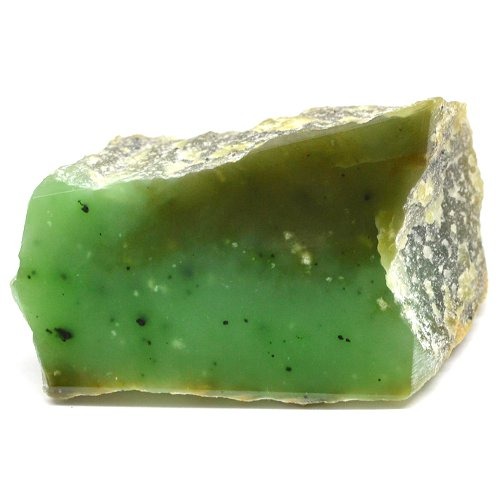
Nephrite is officially classified as a gemstone, though it occupies a unique niche in gemology as an ornamental stone rather than a traditional faceted transparent gem. Unlike diamonds or sapphires, which are valued for their brilliance and fire, nephrite is prized for its translucency, texture, and color. In the jewelry trade, it is categorized as one of the two true jades. Its status as a gemstone is cemented by its historical rarity and the high degree of craftsmanship required to work with its tough, fibrous structure. While high-quality specimens, such as the pure white mutton fat jade from the Hotan region, can command prices that rival precious stones, the material is also widely accessible in various green, gray, and black varieties used for beads, cabochons, and large-scale sculptures.
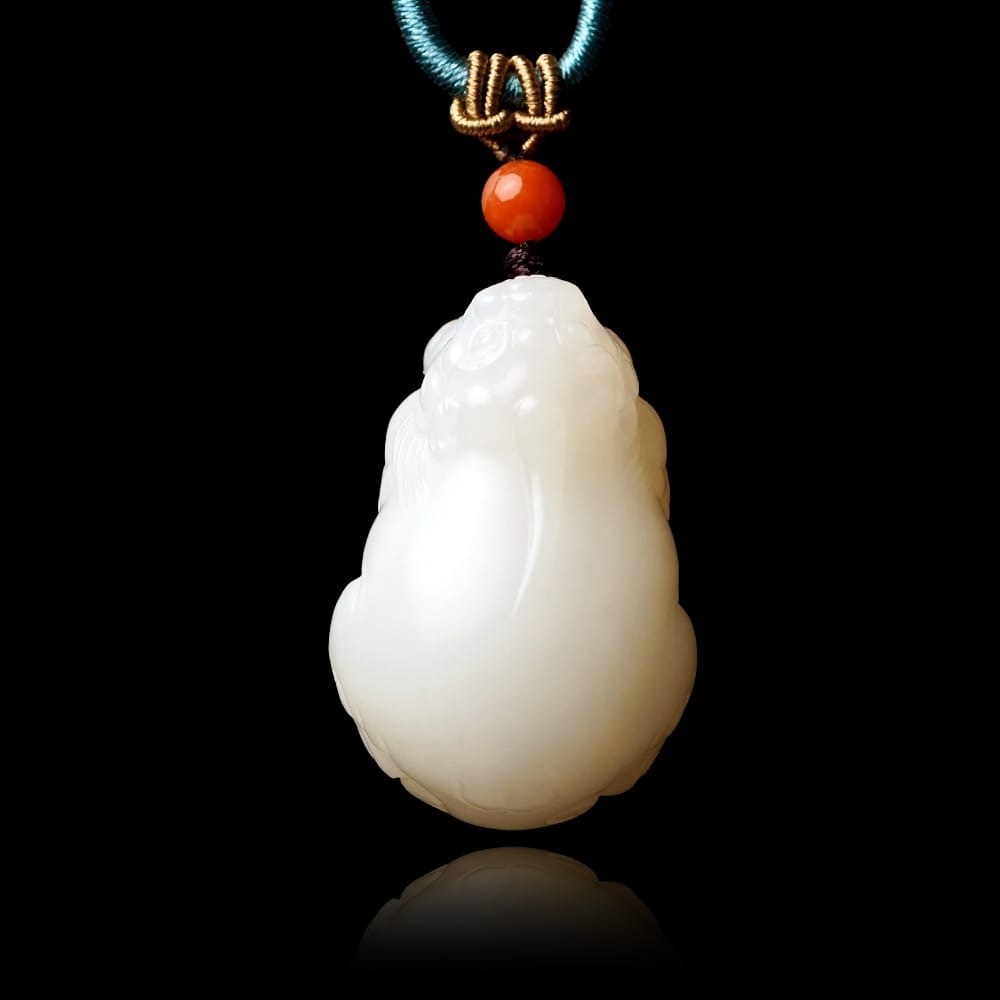
Beyond its aesthetic appeal, nephrite meets the three fundamental criteria for a gemstone: beauty, durability, and rarity. Its beauty is found in its characteristic oily luster and deep, resonant colors, while its durability is nearly unmatched due to its superior toughness. Though nephrite deposits are found globally in countries like Canada, Russia, and New Zealand, finding material with the ideal color saturation and lack of inclusions remains a challenge for collectors. Today, it remains a staple in both luxury jewelry houses and traditional artisan workshops, bridging the gap between historical artifact and modern gemstone fashion.
| Category | Type / Variety | Key Characteristics | Visual |
|---|---|---|---|
| Classification by Color |
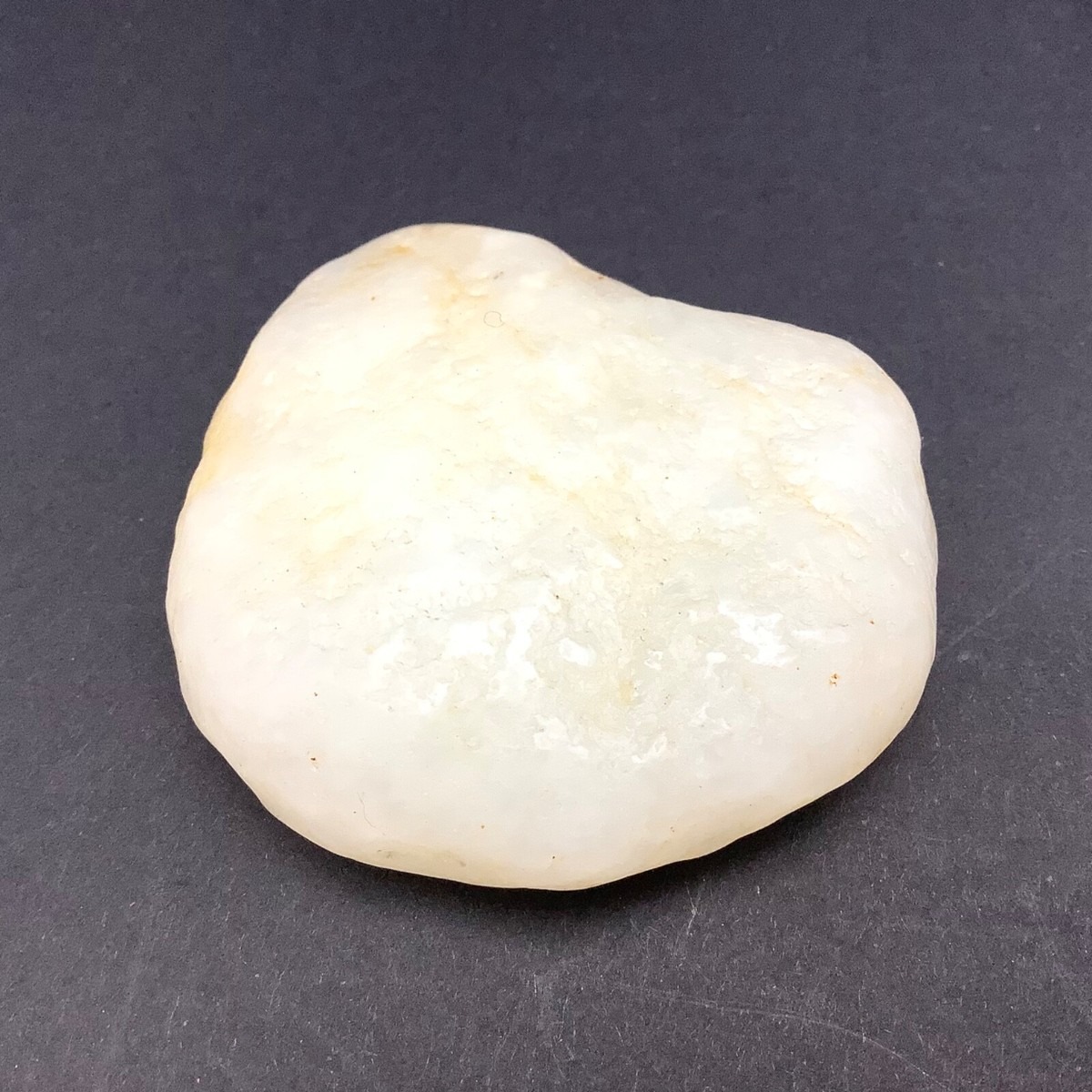
Mutton Fat Jade (White) | Pure white with an distinctively “oily” luster. This variety is highly translucent and has minimal iron impurities. Historically and commercially considered the most valuable form of Nephrite. |
|
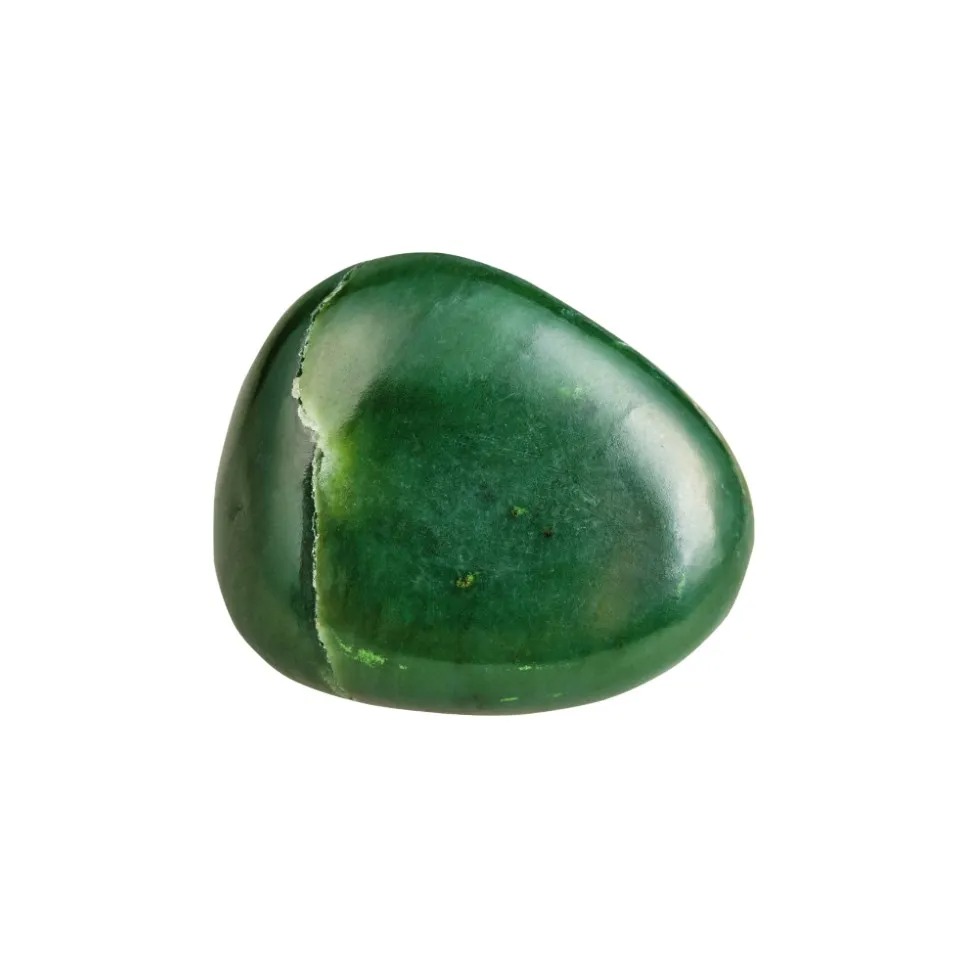
| Spinach Green Nephrite | The most common variety, ranging from light “willow leaf” green to a deep spinach green. Its color is derived from chromium or iron. Russian spinach jade is known for having very few black inclusions. |
|
|
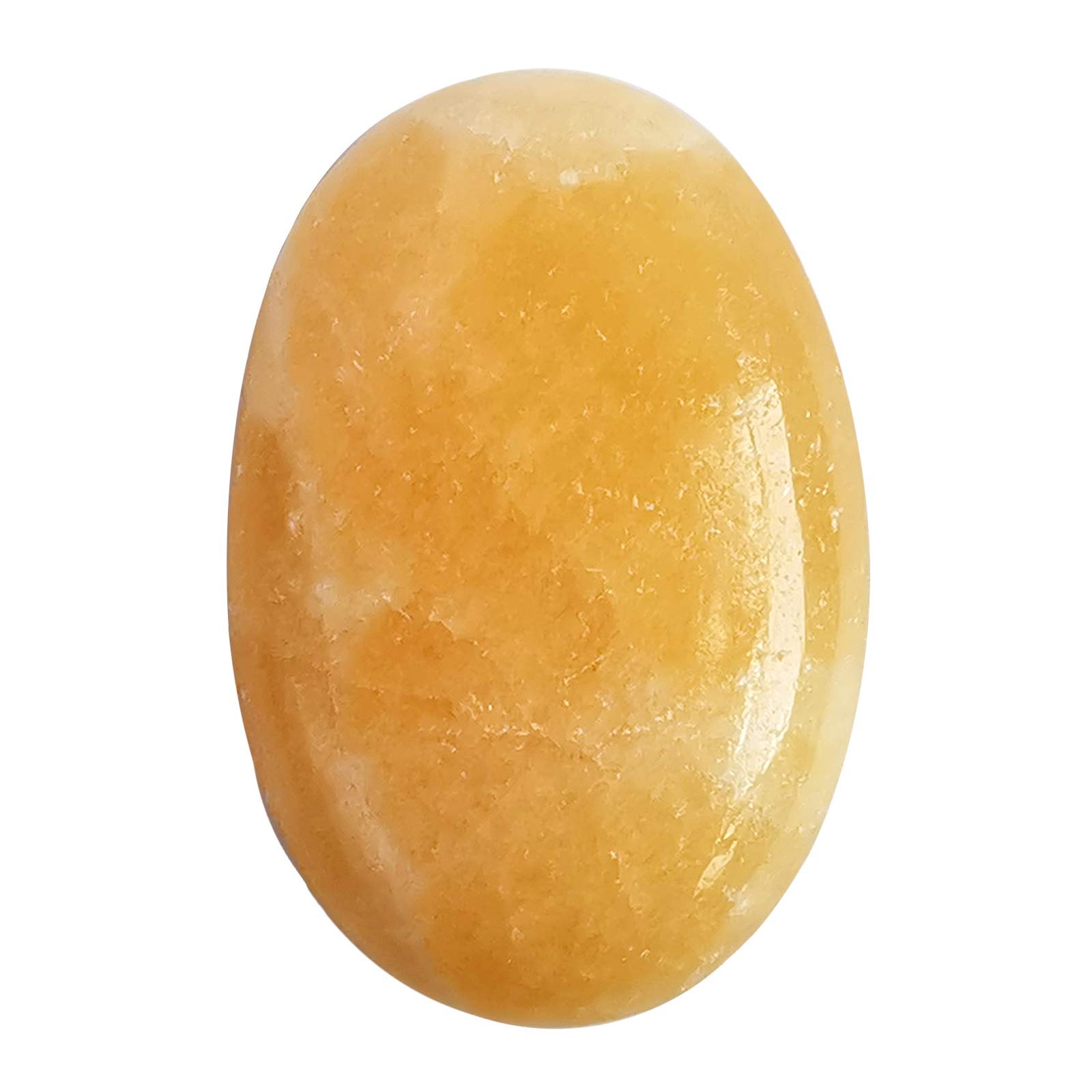
| Yellow Jade | A rare and highly collectible variety where the color is typically caused by the oxidation of minerals or the presence of ions like ferric iron. Hües range from pale lemon to deep golden honey. |
|
|
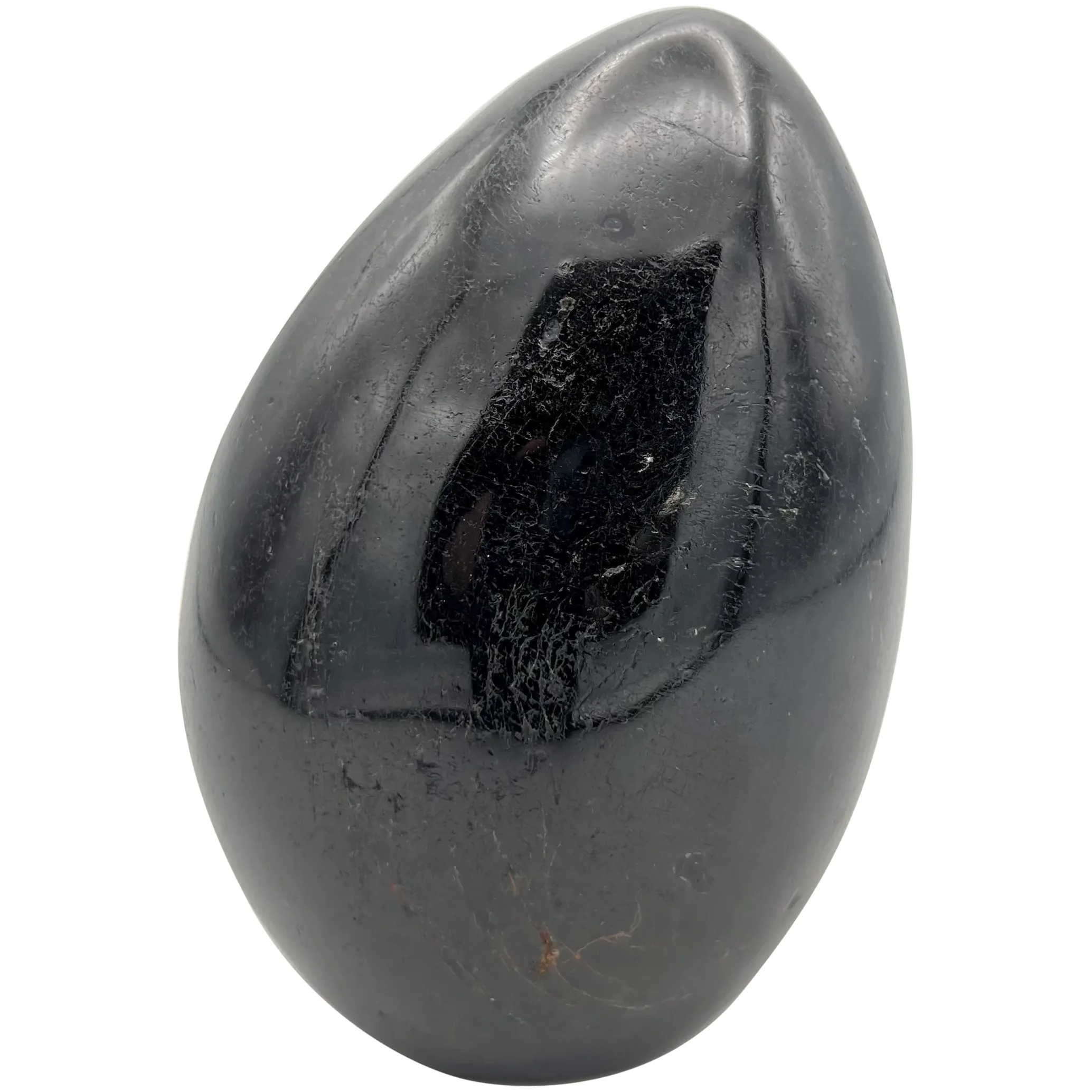
| Black Jade | Typically caused by high graphite or magnetite content, this variety is generally opaque and black to the eye. Some pieces may reveal a dark green or yellow translucency when strongly backlit. |
|
|
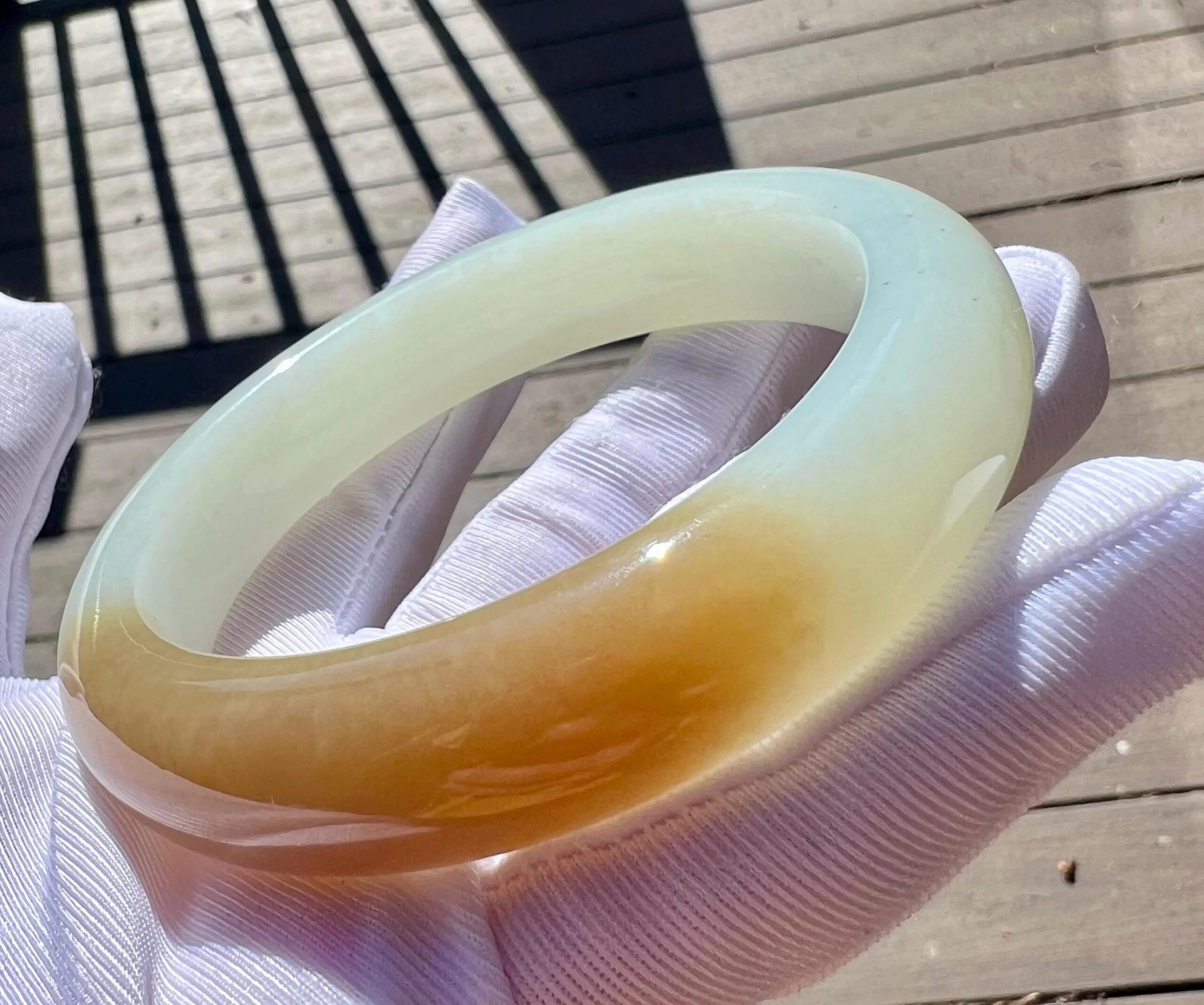
| Sugar Jade | Characterized by its reddish-brown to burnt amber coloration, resembling brown sugar. This distinctive ‘skin’ color is caused by iron oxide staining from surrounding environmental minerals over geological time. |
|
|
| Geological Occurrence |
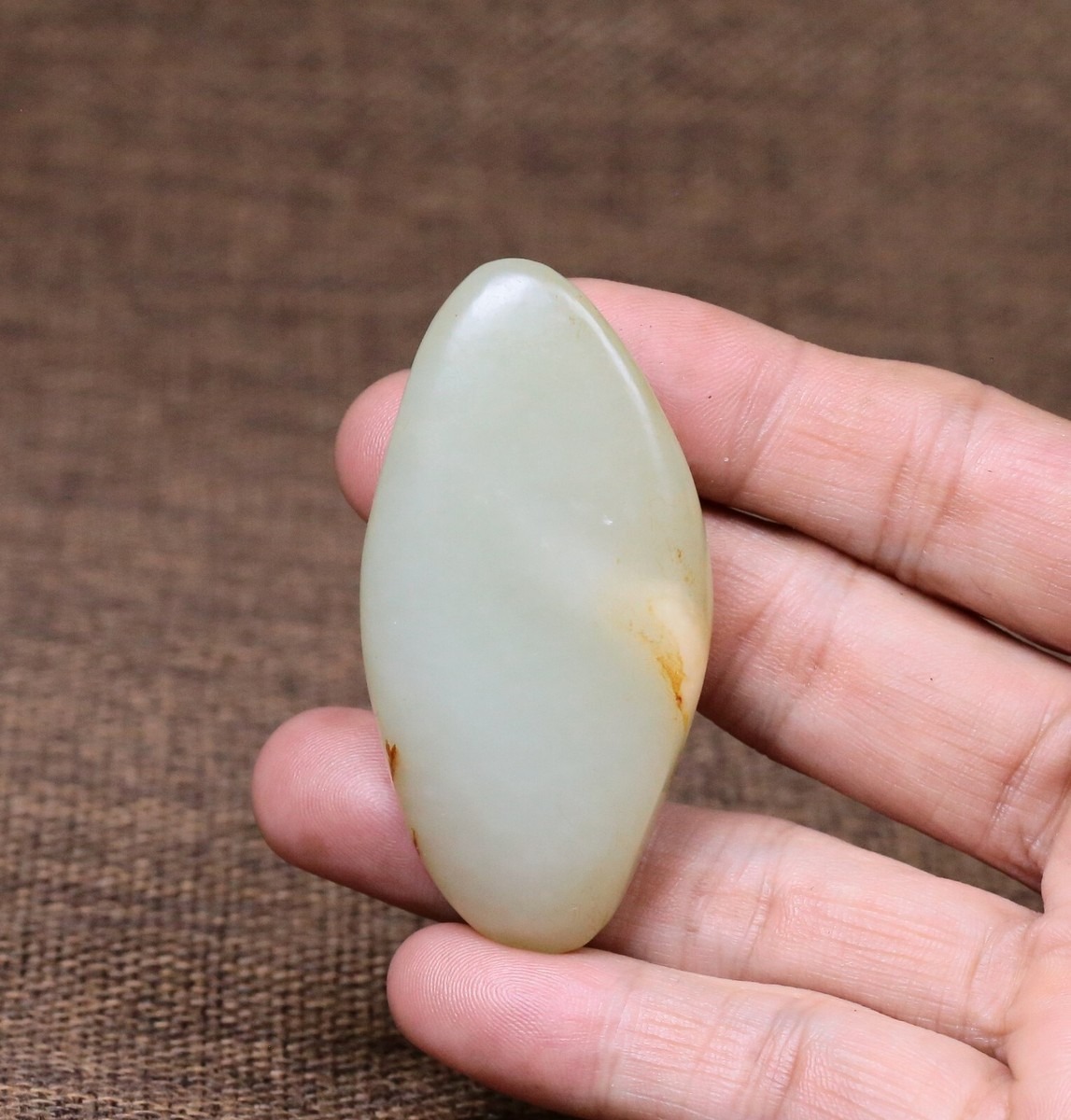
Seed Material (Zi Liao) | Found in riverbeds, having been transported and eroded by water for millennia. Renowned for its flawless, incredibly smooth, and compact texture, often with a colorful skin. |
|
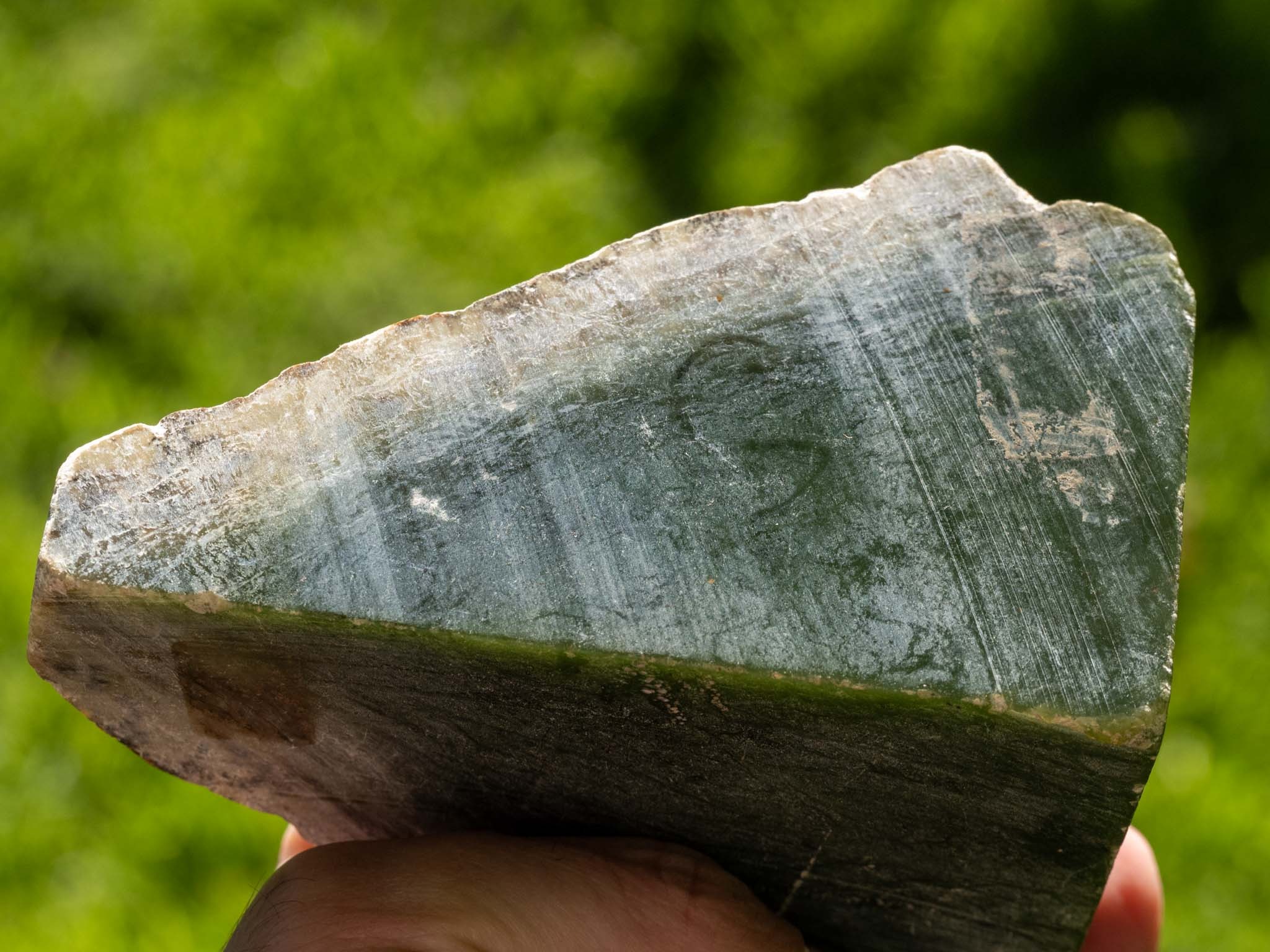
| Mountain Material | The primary deposits of nephrite mined directly from rock veins. Usually larger in size than seed material, with angular shapes and sometimes more internal internal fractures. |
|
|
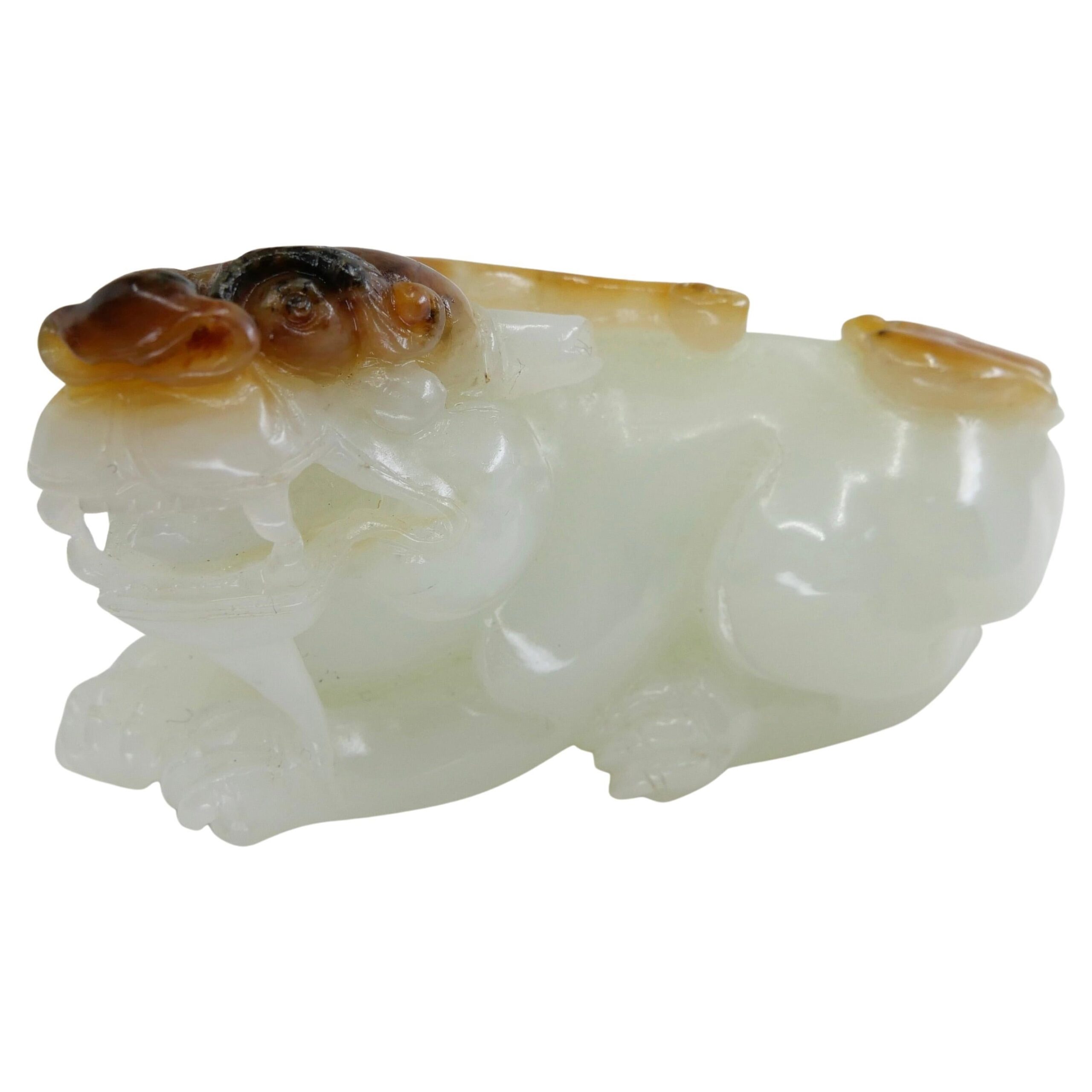
| Major Origins | Hetian, China (Xinjiang) | The historical gold standard for nephrite, especially the Seed Material. Famously associated with extreme ‘oily’ texture, fine grain size, and profound cultural significance. |
|
| Russian Nephrite | Noted for producing the brightest whites among primary deposits (mutton fat quality) and vivid ‘spinach’ greens with high translucency. Often has fewer black spots than Canadian jade. |
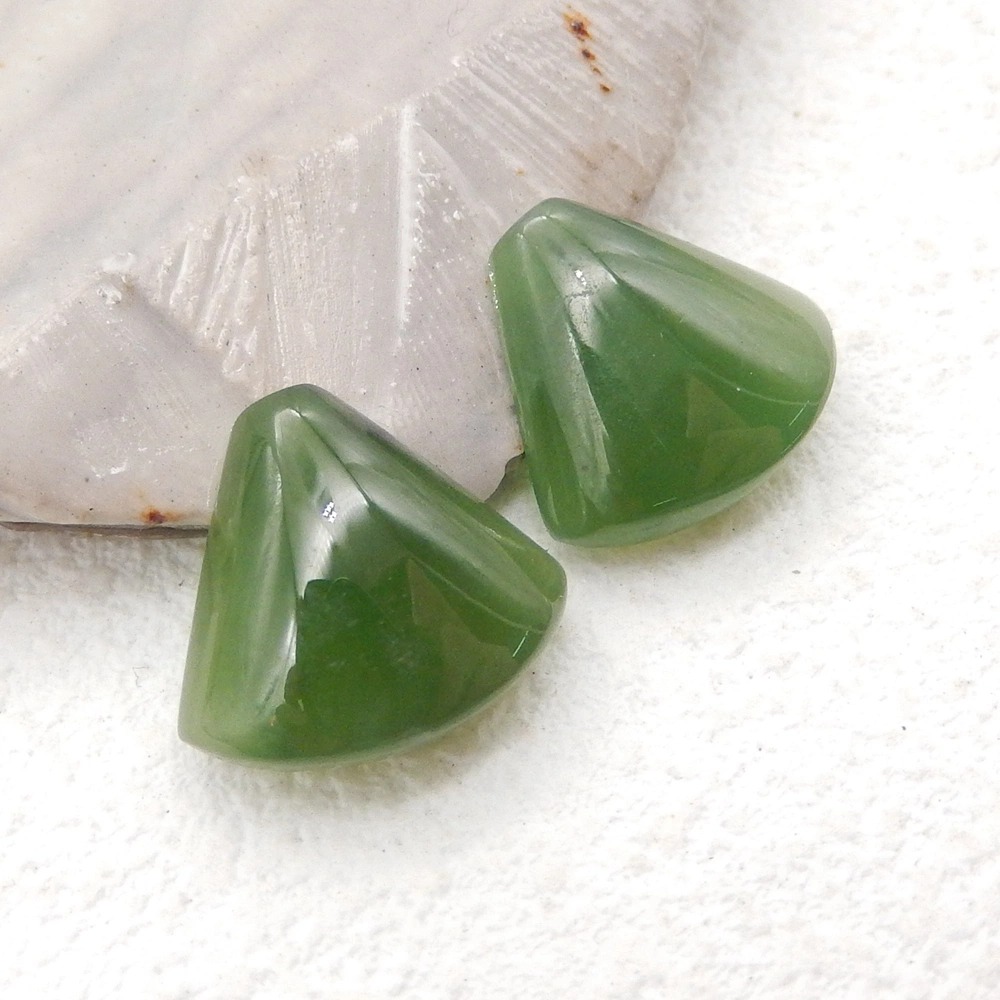
|
|
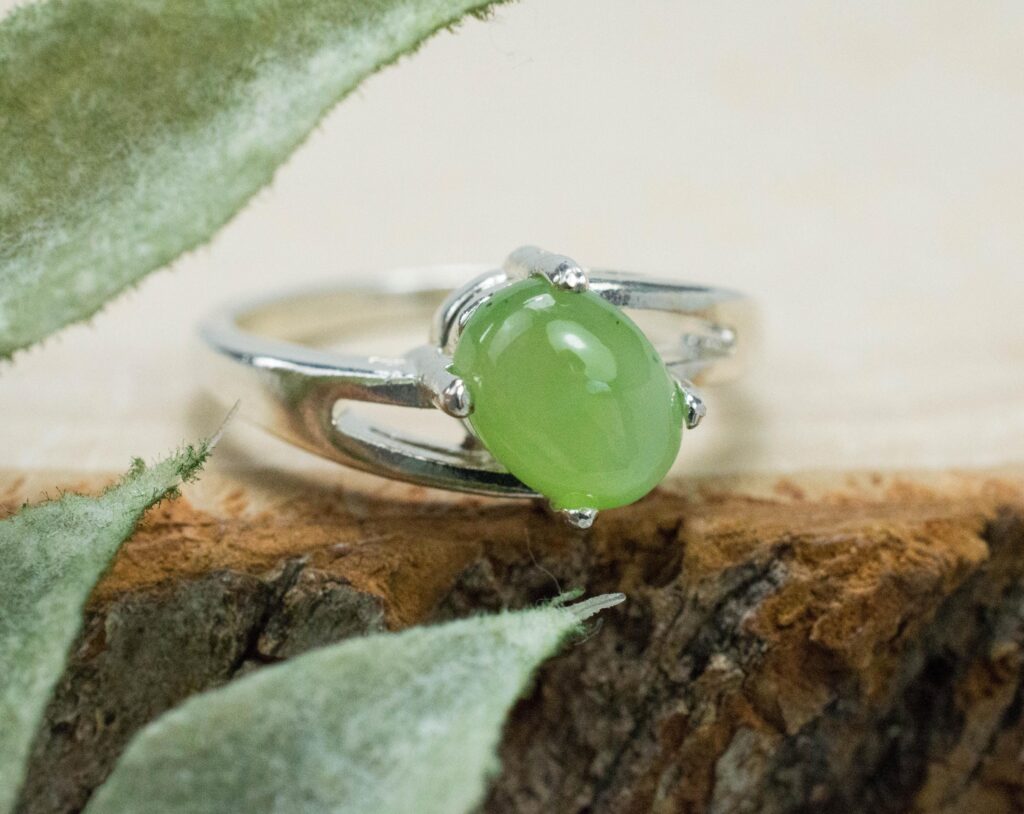
| Canadian Jade (BC) | British Columbia is a major world source for durable, vibrant green nephrite used globaly in modern jewelry, sculptures, and architectural elements. |
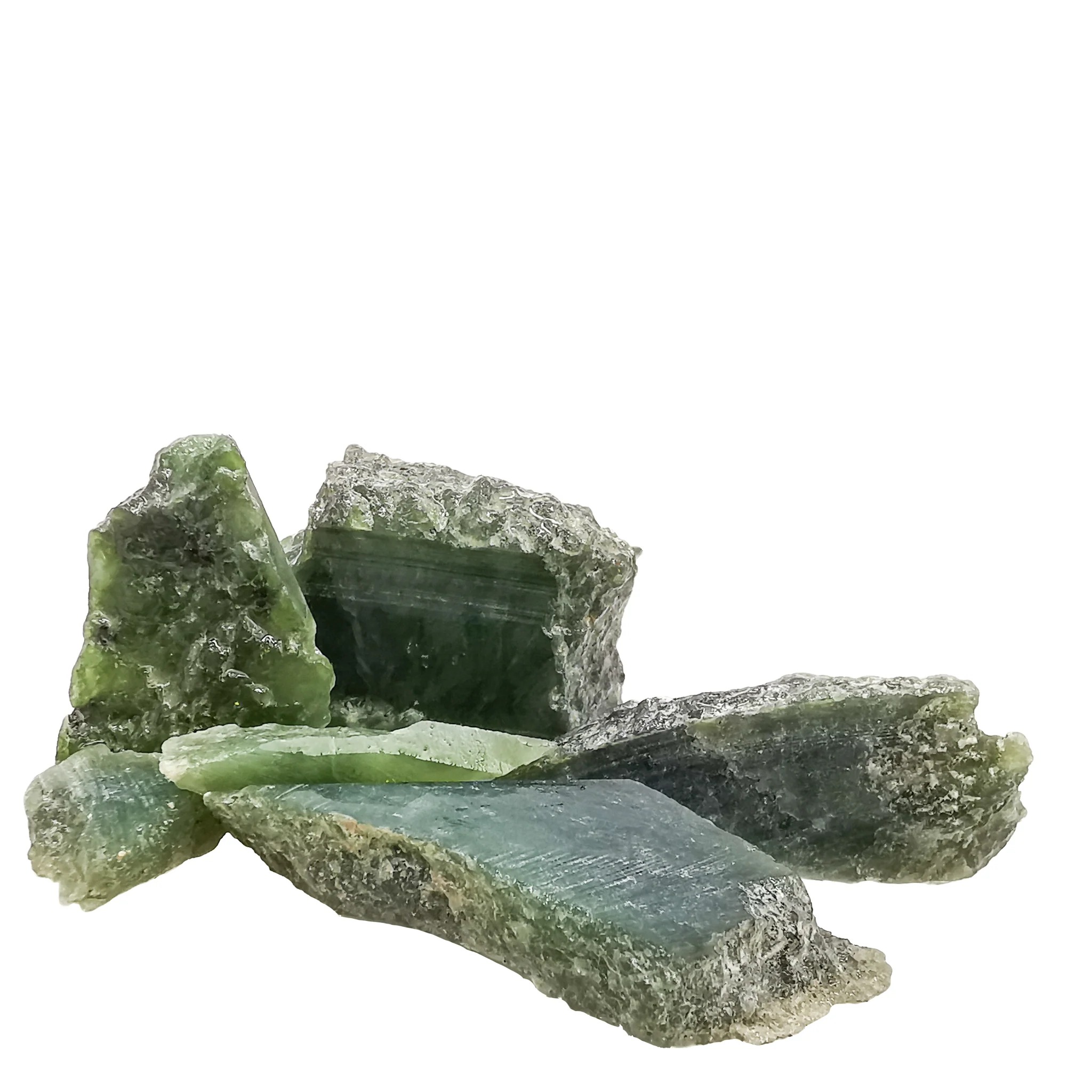
|
|
| New Zealand Pounamu | Deeply significant to the Māori culture of NZ. Found on the South Island, it typically ranges from bright translucent greens to dark, clouded teal hues. Highly prized for carvings. |
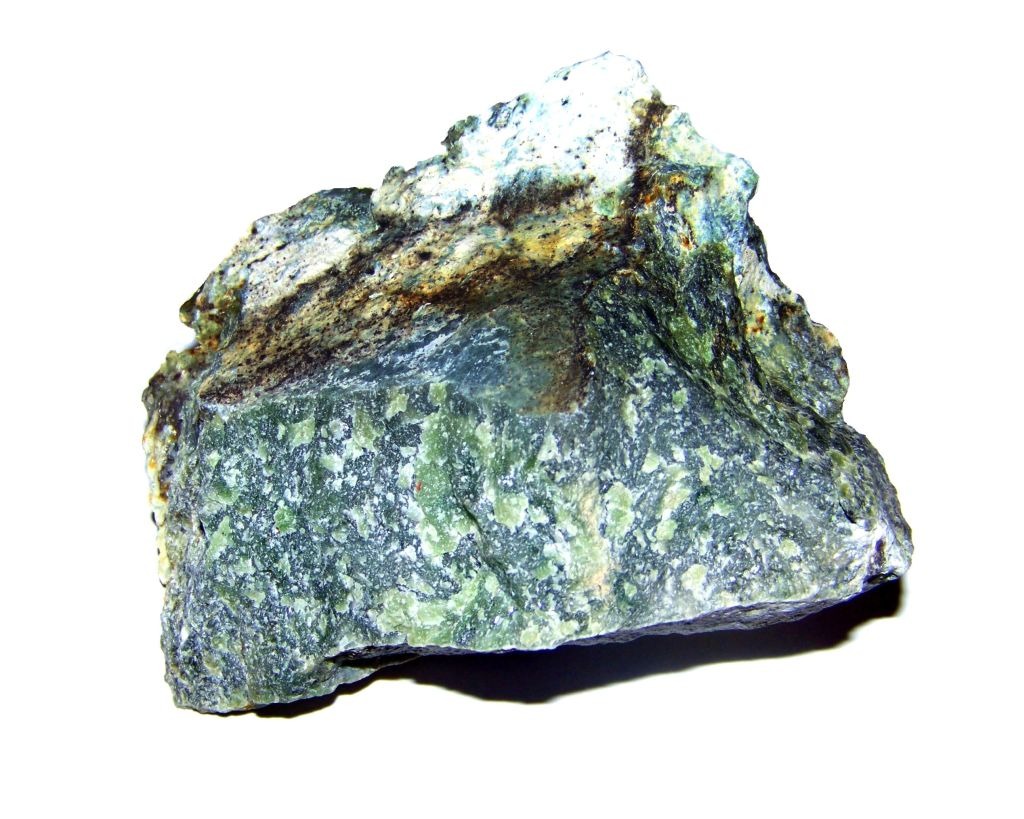
|
Primary Sources and Global Deposits of Nephrite
Nephrite deposits are found in various geological environments worldwide, typically formed through the metamorphism of magnesium-rich rocks or the interaction between silica-rich fluids and dolomite. The most prestigious and historically significant source is the Kunlun Mountains in the Xinjiang region of China, specifically around the city of Hotan. This area is famous for producing “mutton fat” jade, found both as “mountain jade” extracted directly from primary deposits and “river jade” (seed jade) gathered from ancient riverbeds where the stones have been naturally tumbled and polished for millennia.Beyond China, Russia is a major global supplier of high-quality nephrite. The deposits in the Sayan and Baikal regions of Siberia are renowned for producing exceptionally white and vivid green nephrite that often rivals Chinese material in translucency and purity. In the Western Hemisphere, British Columbia, Canada, holds some of the world’s largest nephrite reserves. Known commercially as “Polar Jade” or “Canadian Jade,” this material is characterized by its vibrant green hues and is a staple for large-scale sculptures and modern jewelry.
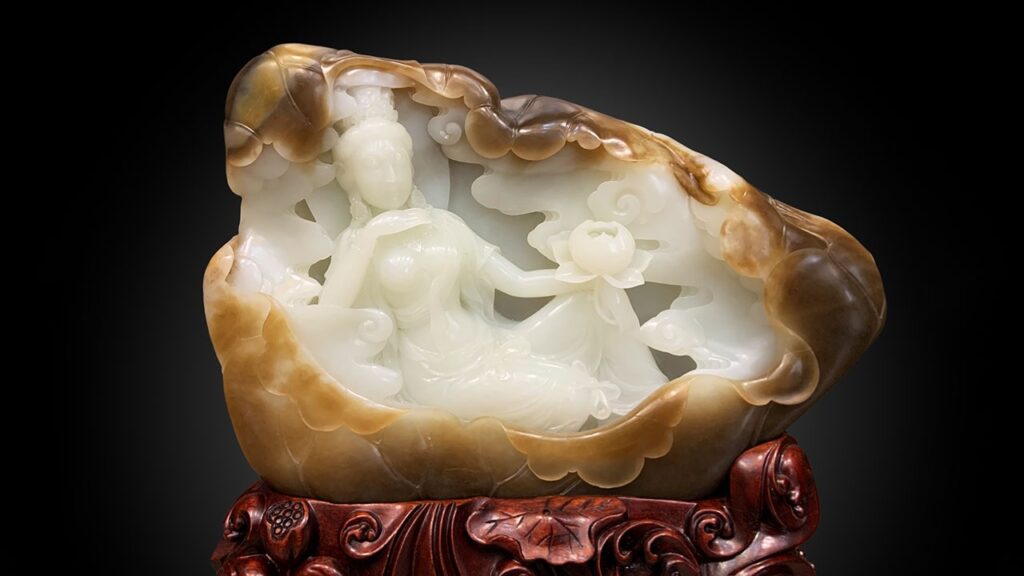
Other significant international sources include New Zealand’s South Island, where the stone is protected and culturally revered by the Māori as Pounamu. Australia also hosts substantial deposits in South Australia, known for its fine-grained green varieties. Additional smaller but notable deposits are found in Taiwan, South Korea, Poland, and the United States (specifically Wyoming and Alaska), contributing to the global diversity of color, from creamy whites and earthy yellows to deep, spinach greens.
Differences Between Nephrite and Jadeite
Nephrite is not the same as jadeite, although both are traditionally and commercially classified under the umbrella term “jade.” In Chinese culture, nephrite is often referred to as “soft jade” (软玉), while jadeite is known as “hard jade” (硬玉) or “Fei Cui” (翡翠). While they may appear similar to the untrained eye, they are mineralogically distinct species belonging to entirely different mineral groups.(Jadeite)
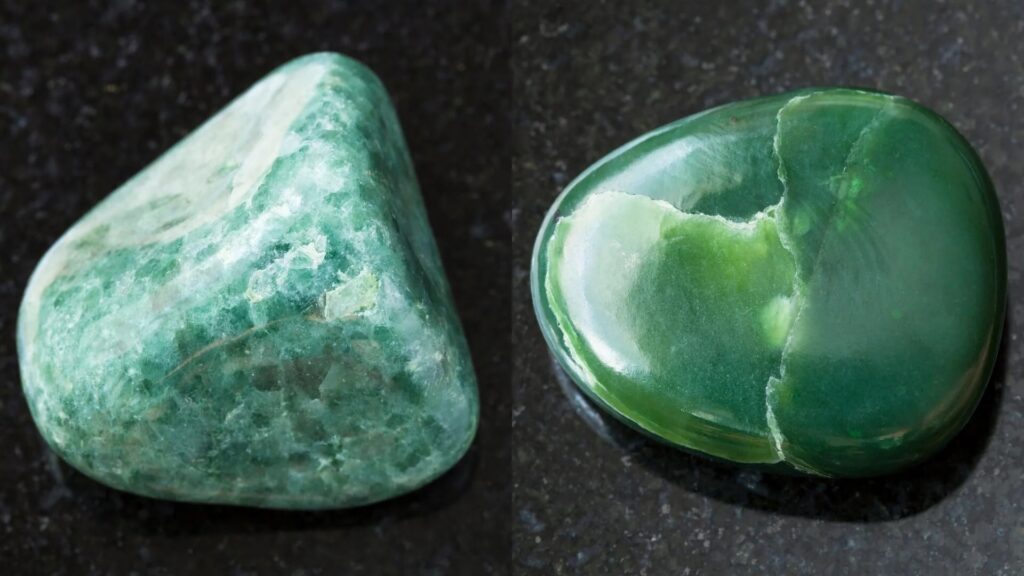
The primary distinction lies in their chemical composition and crystalline structure. Nephrite is an amphibole silicate, a magnesium-rich mineral with a fibrous, interlocking structure similar to felted wool. Jadeite, on the other hand, is a pyroxene mineral composed of sodium aluminum silicate with a granular, interlocking crystalline structure. This structural difference accounts for their varying physical properties; jadeite is slightly harder (6.5 to 7.0 on the Mohs scale) and can achieve a vitreous, glass-like transparency, whereas nephrite is slightly softer (6.0 to 6.5) but possesses superior toughness, making it more resistant to fracturing.Visually, the two stones exhibit different lusters and color profiles. Nephrite typically displays a subdued, oily or waxy luster and is most famous for its creamy whites and deep “spinach” greens. Jadeite is prized for its intense, vivid colors—most notably the translucent “Imperial Green”—and its ability to take a high, mirror-like polish. Furthermore, they differ in density; jadeite is noticeably heavier, with a specific gravity of approximately 3.33, compared to nephrite’s 2.95. Throughout history, nephrite was the traditional jade of ancient China, while jadeite only gained widespread popularity in the 18th century after being imported from Burma.
Contemporary and Industrial Applications of Nephrite
While nephrite is most prominently recognized for its role in lapidary arts and jewelry, its unique mechanical properties have historically facilitated a range of functional applications. Due to its exceptional fracture toughness—a result of its interlocking microcrystalline structure—nephrite was utilized as a primary material for high-impact tools such as celts, adzes, and scrapers before the widespread adoption of metallurgy. In modern contexts, this durability remains its defining utility. Beyond ornamental carvings and cabochons, nephrite is occasionally employed in specialized industrial settings that require materials capable of resisting extreme mechanical stress and abrasion without brittle failure.
In the specialized gemstone market, nephrite serves as a critical medium for large-scale monumental sculpture and architectural inlay, where its structural integrity allows for intricate, expansive designs that more brittle gemstones cannot sustain. It is also utilized in the production of precision instruments and luxury lifestyle goods, such as high-end watch components and writing instruments, where both its tactile “oily” feel and its resistance to chipping are valued. Academically, nephrite remains a subject of study in materials science for its “toughening mechanisms,” providing a natural blueprint for developing advanced synthetic ceramics and composite materials that mimic its fibrous, crack-resistant internal configuration.