
Microcline is a member of the feldspar group and is a potassium-rich silicate mineral found within various igneous and metamorphic rocks. As a tectosilicate, it serves as a primary component in granitic environments and is often recognized for its common varieties, including the blue-green Amazonite. While it shares a similar composition with other potassium feldspars, Microcline is distinguished by its triclinic crystal system. This specific symmetry is the result of atoms arranging themselves in a low-energy, ordered pattern during the cooling of molten rock.
The formation of Microcline typically occurs in plutonic environments, such as granite pegmatites and hydrothermal veins, where cooling occurs over long geological periods. At higher temperatures, potassium feldspar exists in a monoclinic form, such as Orthoclase. However, as temperatures slowly decrease below approximately 400°C, the internal structure transitions into the more stable, ordered arrangement characteristic of Microcline. This slow cooling process often results in tartan or cross-hatched twinning, which is a key diagnostic feature used in mineral identification under a microscope.
Historically, Microcline was identified as a distinct mineral species in 1830 by the German mineralogist Johann Friedrich August Breithaupt. Its name is derived from the Greek words mikros, meaning small, and klinein, meaning to incline, which refers to the slight deviation of its cleavage planes from 90 degrees. Although its colorful variety, Amazonite, has been utilized in decorative objects and jewelry since antiquity, Microcline itself remains a fundamental subject in mineralogy as the most stable low-temperature form of potash feldspar.
Types of Microcline
Microcline primarily occurs in two distinct forms based on its color and physical appearance: common microcline and the variety known as amazonite. While both share the same triclinic crystal system and chemical composition, they are categorized differently in mineralogical and commercial contexts.
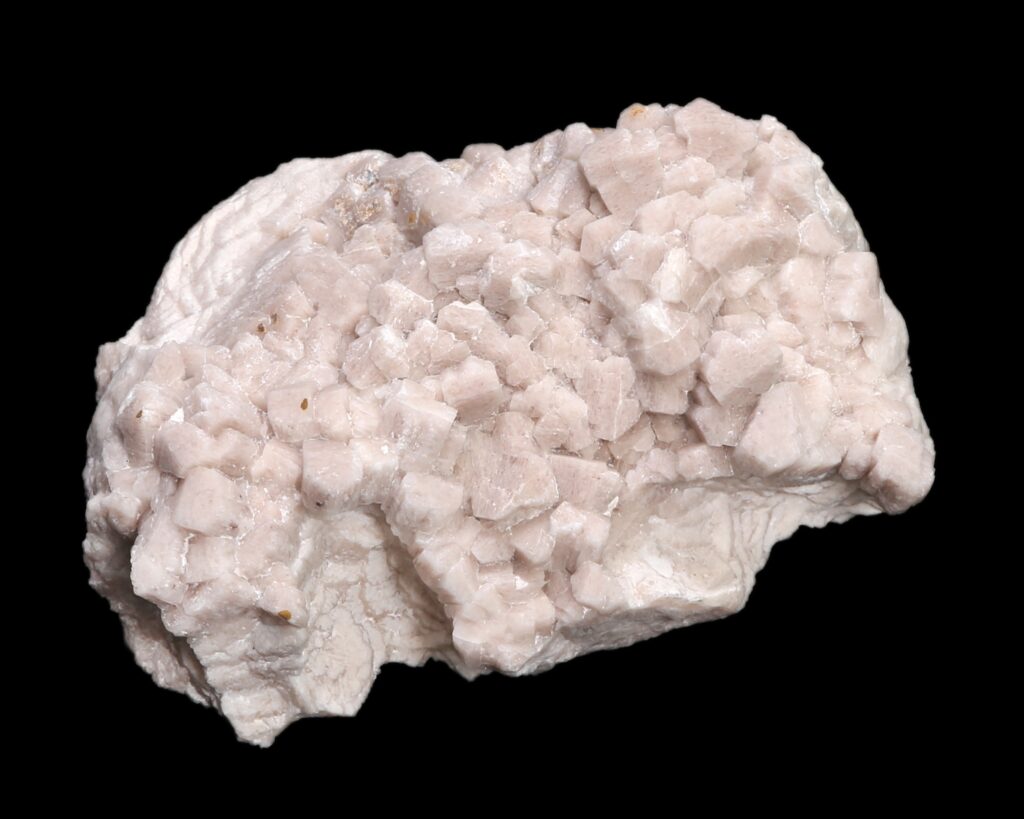
Common Microcline Common microcline is the most widely distributed form of this mineral. It typically appears in neutral shades such as white, gray, or pale yellow, though it can also manifest in light pink or reddish-tinted crystals due to trace inclusions of hematite. It is a major constituent of granites, syenites, and various metamorphic rocks like schists and gneisses. In industrial applications, common microcline is often utilized in the manufacture of glass and ceramics because of its high potassium content and fluxing properties.
Amazonite (Amazon Stone) Amazonite is a green to blue-green variety of microcline. Its distinctive coloration was historically attributed to copper, but modern spectroscopic analysis suggests the color is caused by trace amounts of lead and water within the crystal lattice. Amazonite often exhibits a perthitic texture, which appears as white streaks or veins caused by the exsolution of albite during cooling. While it possesses the same hardness and cleavage as common microcline, its aesthetic appeal makes it a frequent subject for lapidary work, carvings, and ornamental jewelry.
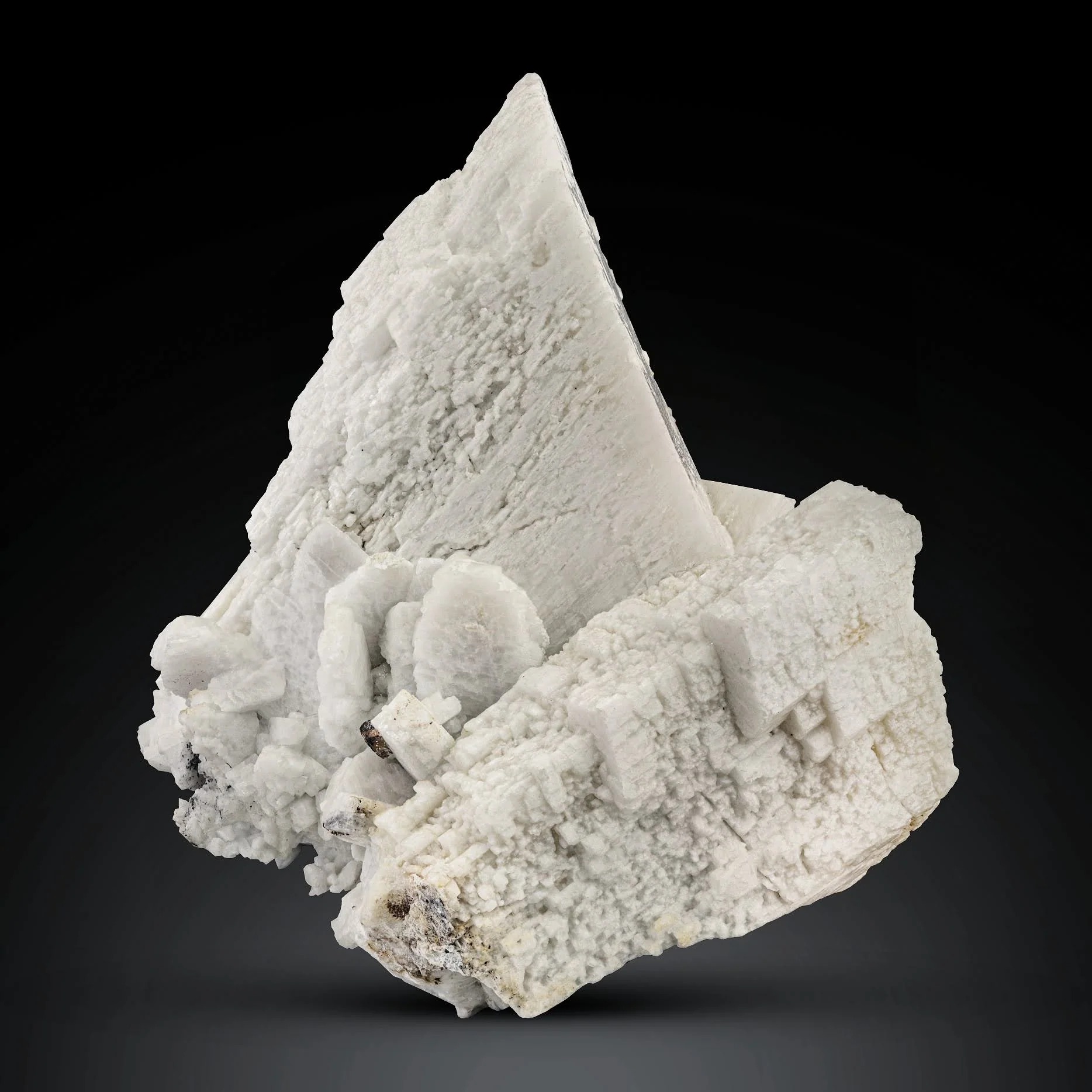
Common Microcline
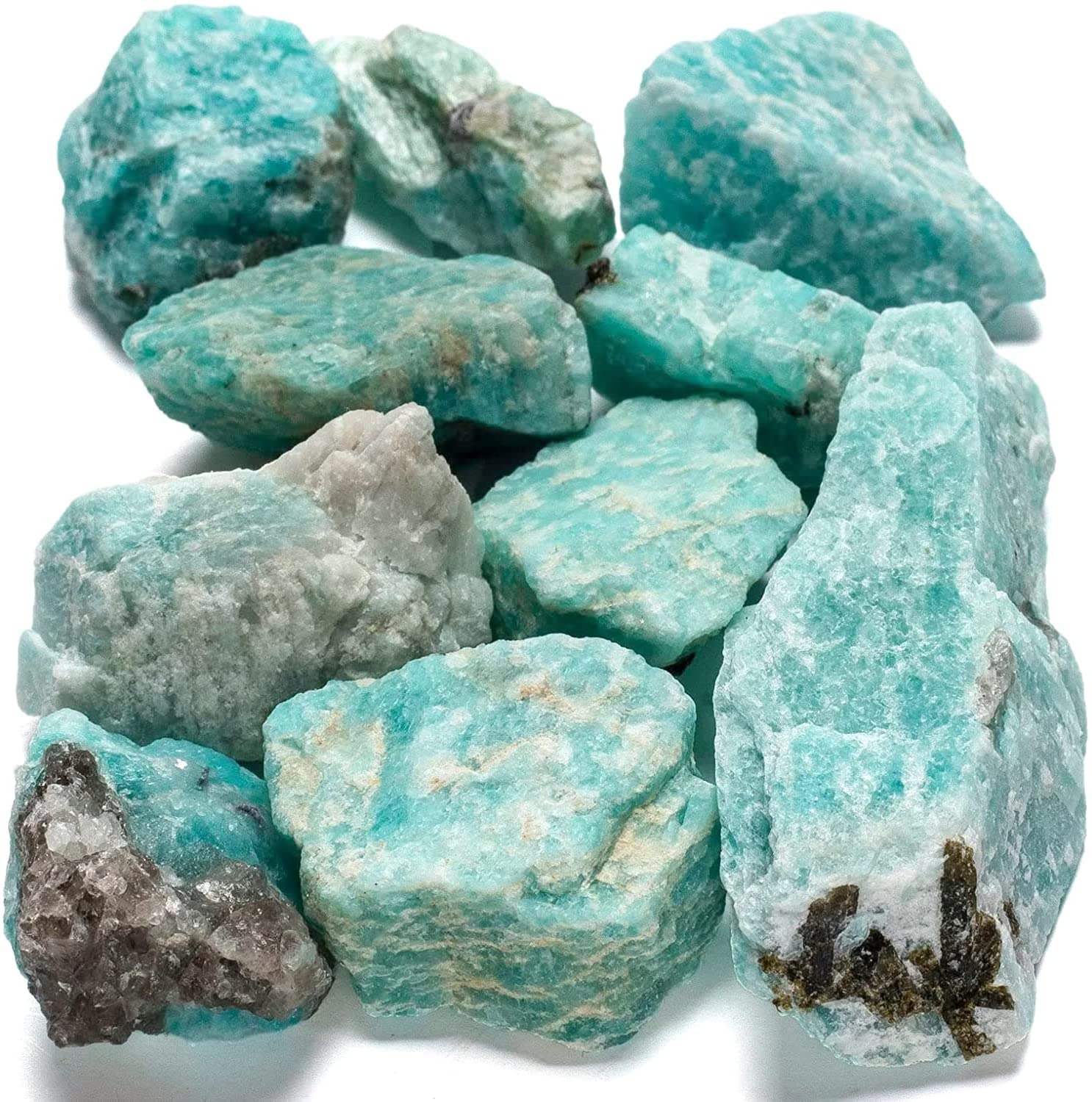
Amazonite
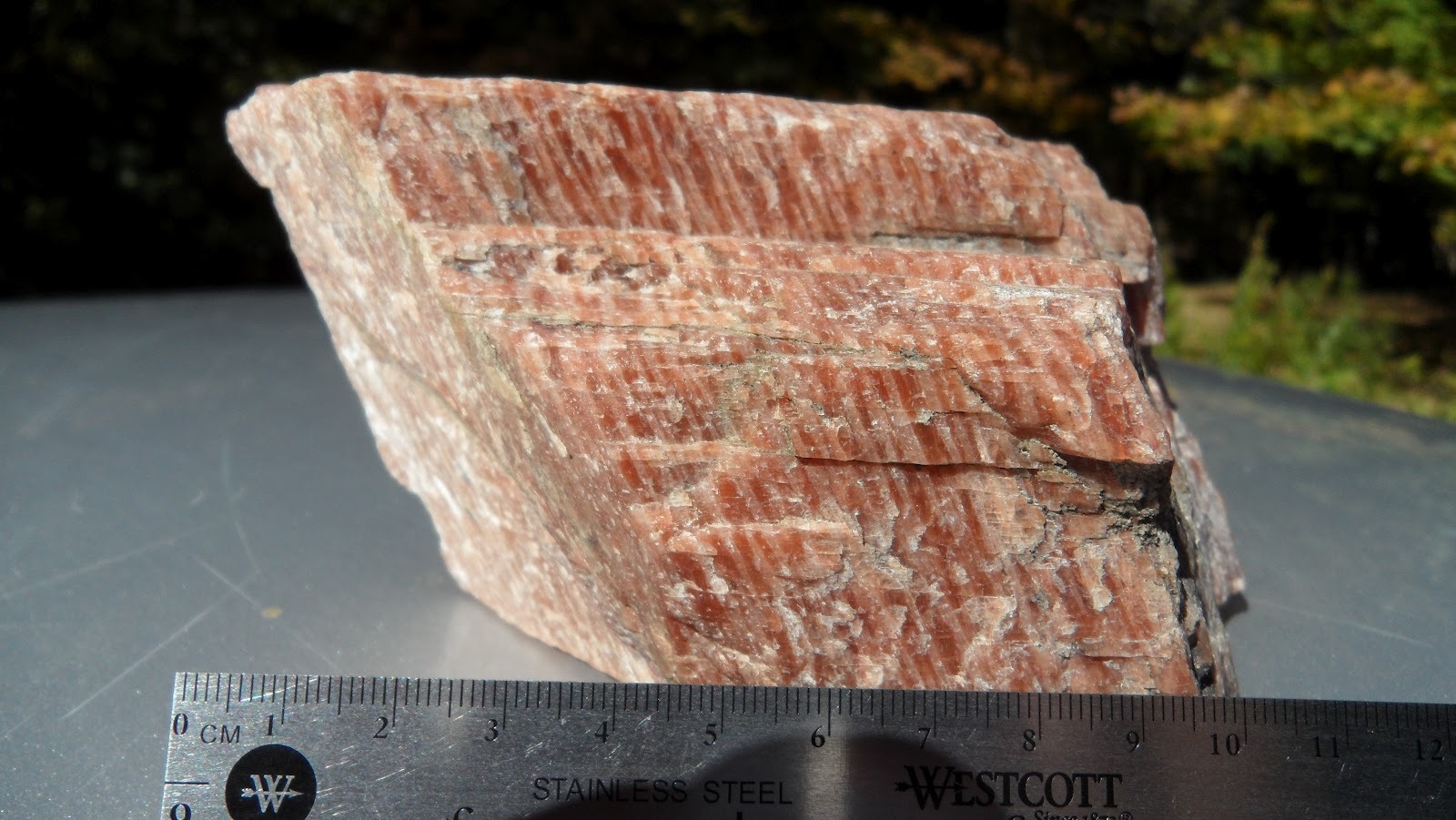
Perthite
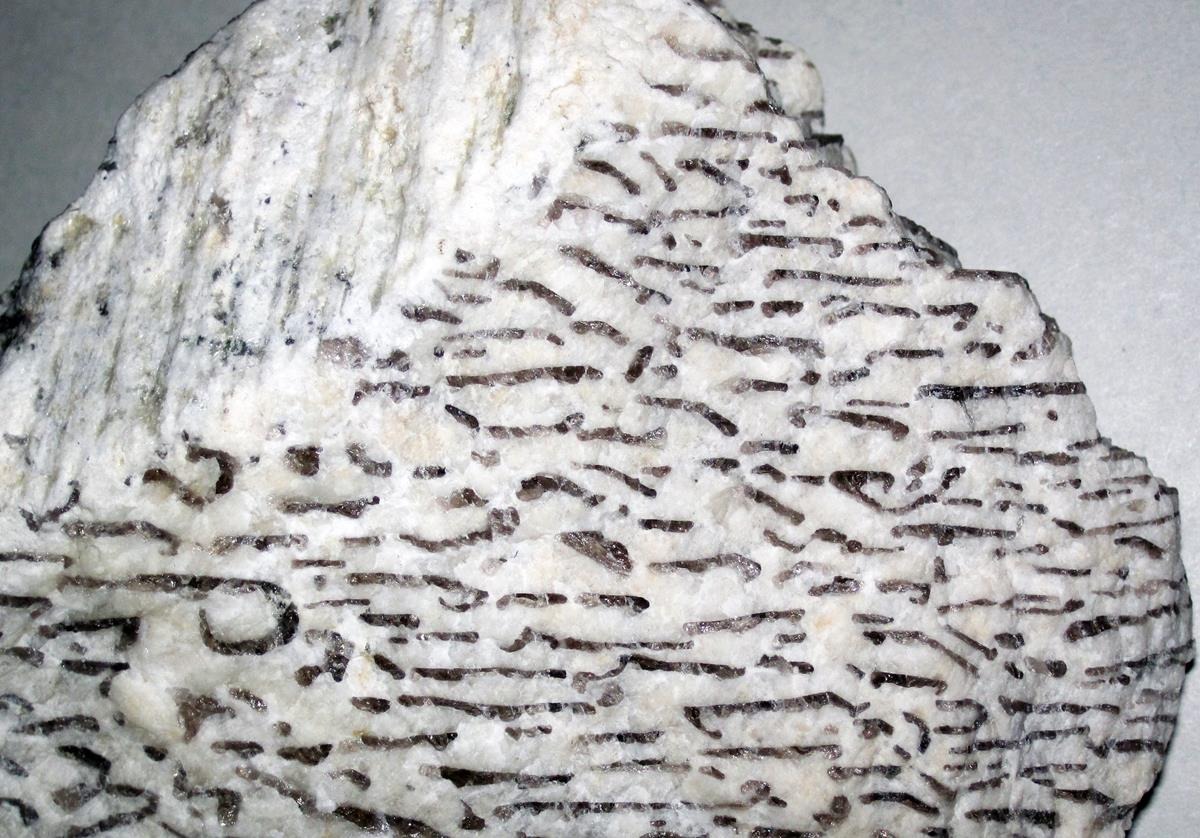
Graphic Granite
Applications and Industrial Uses of Microcline
Microcline serves several functional roles in industrial manufacturing and the gemstone market. In the industrial sector, its high potassium content and relatively low melting point make it a primary fluxing agent for the production of glass and ceramics. When incorporated into clay bodies, it lowers the required firing temperature and assists in the vitrification process, which is essential for manufacturing porcelain, floor tiles, and sanitaryware. It is also utilized in the production of enamel glazes and certain glass types to improve chemical durability and structural stability.
Beyond industrial applications, microcline is valued in gemology and decorative arts, particularly through its blue-green variety, amazonite. This variety is frequently processed into cabochons, beads, and carvings for use in jewelry and ornamental objects. Additionally, specific textural forms of microcline, such as graphic granite, are sometimes polished and used as architectural facing stones or decorative surfaces due to their distinct geometric patterns. In geological research, the presence and structural state of microcline are used as indicators to help determine the cooling history and formation conditions of igneous and metamorphic rock units.