
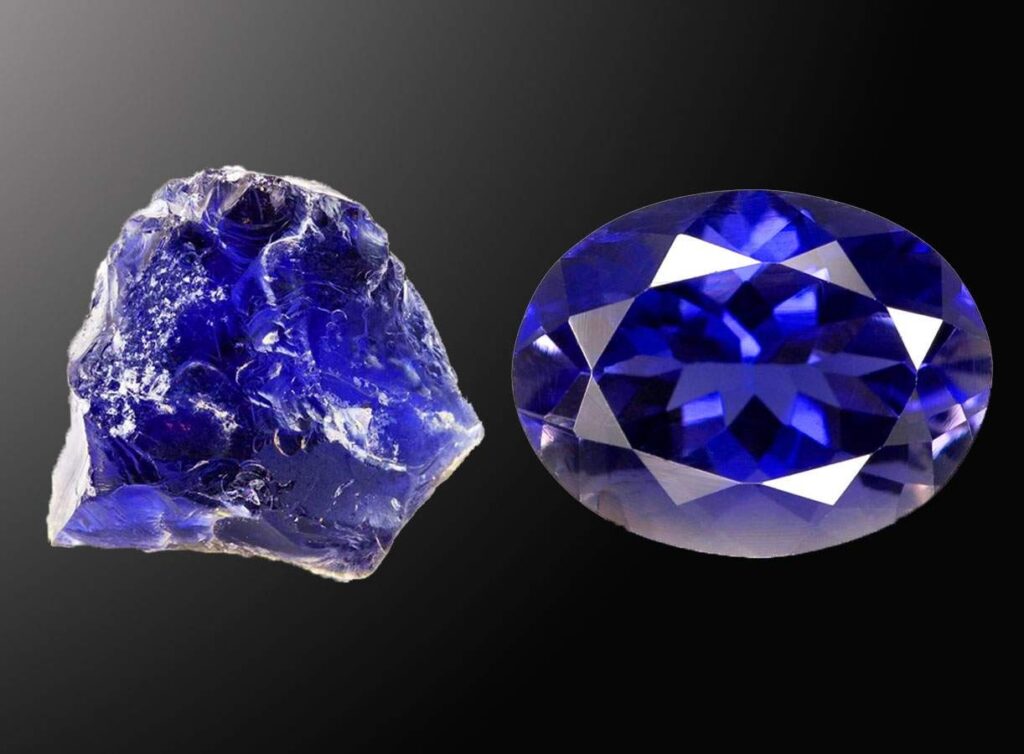
Iolite, a gem-quality variety of the mineral cordierite, is a captivating magnesium iron aluminum cyclosilicate that has fascinated geologists and gemologists alike for centuries. Known scientifically for its remarkable pleochroism, Iolite possesses the unique optical ability to display different colors—ranging from a deep, velvety violet-blue to a clear, yellowish-gray—when viewed from different angles. This phenomenon is so pronounced that it earned the stone the nickname “Water Sapphire,” though it is chemically distinct from the corundum family. Geologically, Iolite typically forms during the regional metamorphism of argillaceous (clay-rich) rocks. Under intense heat and pressure, minerals within schist and gneiss recrystallize to create the distinct orthorhombic structures of Iolite, often found in association with garnets, quartz, and biotite.
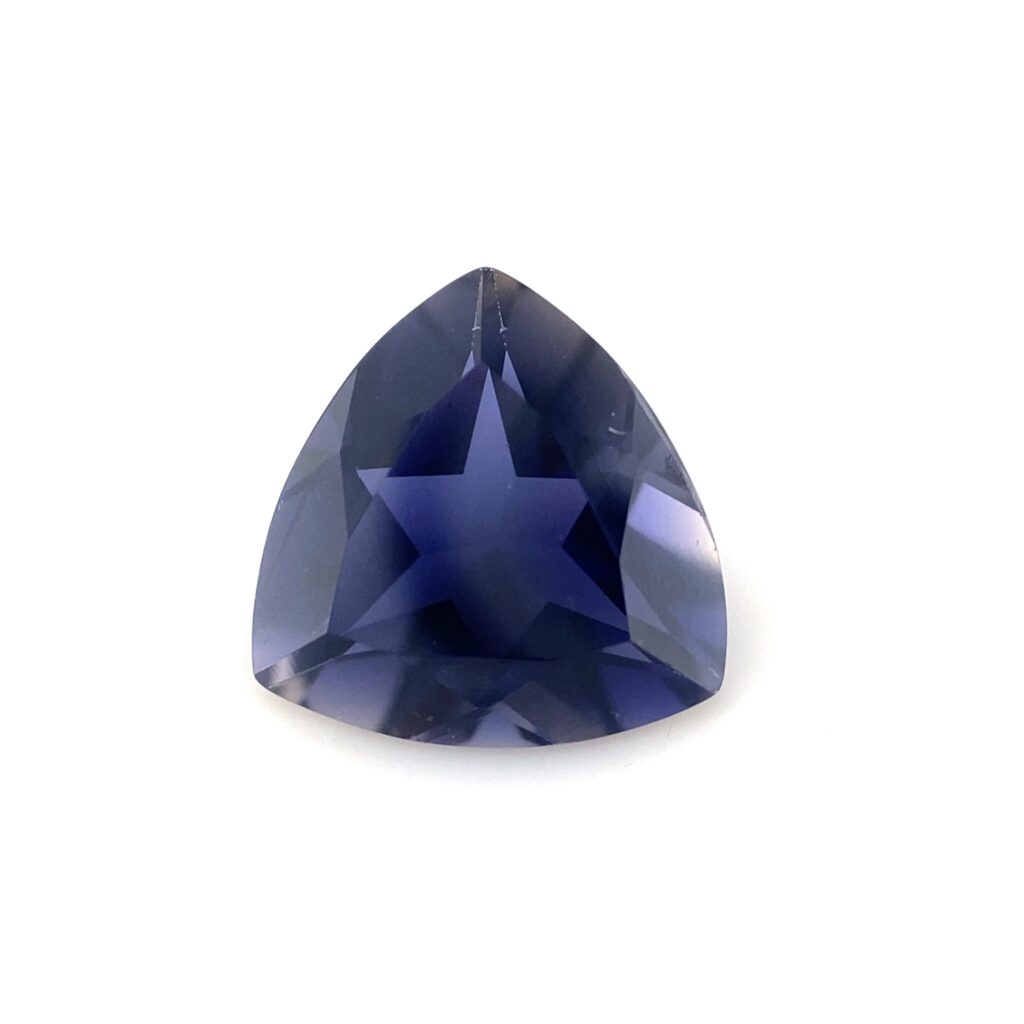
The history of Iolite is steeped in maritime lore, most famously linked to the Vikings. Historical accounts suggest that Norse navigators utilized thin slices of Iolite as the world’s first polarizing filters; by looking through an Iolite lens, they could cancel out glare and pinpoint the exact position of the sun on overcast days, allowing them to navigate the Atlantic with legendary precision. This “Viking Compass” legacy adds a layer of historical mystique to a stone that remains highly valued today for its natural, untreated beauty. Because most Iolite is not heat-treated or artificially enhanced, it stands as one of the most authentic and pure gemstones available on the modern market, offering a sophisticated aesthetic that balances ancient history with complex geological origins.
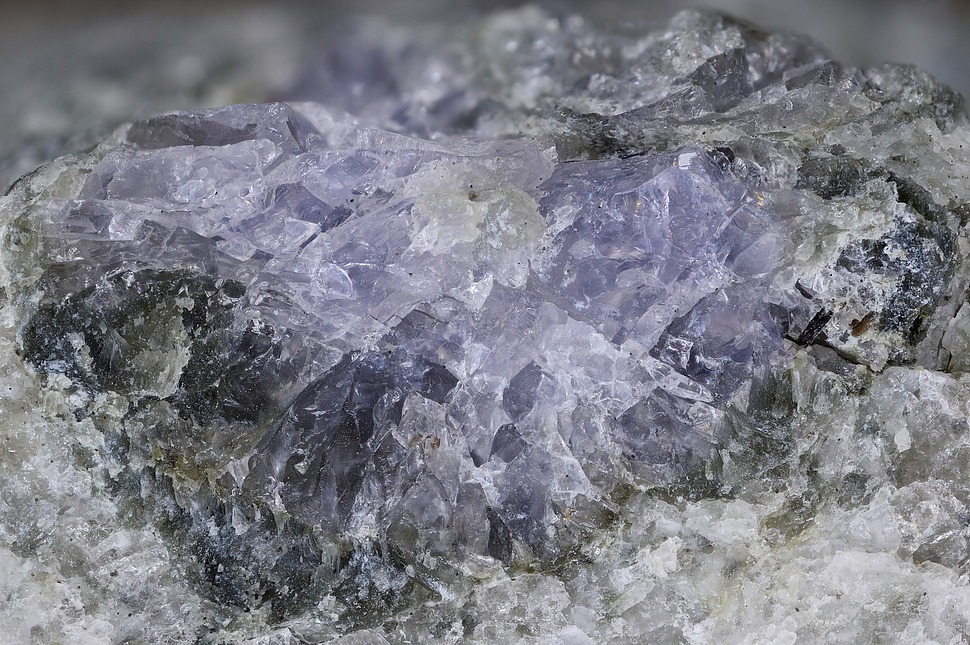
Types and Classifications of Iolite Stone
Standard Gem-Quality Iolite: This is the primary form of the mineral cordierite used in the gemstone trade. It is characterized by high transparency and a color profile ranging from light lavender to deep violet-blue. Its defining feature is strong pleochroism, which causes the stone to shift between blue, violet, and brownish-yellow or gray when viewed from different angles.
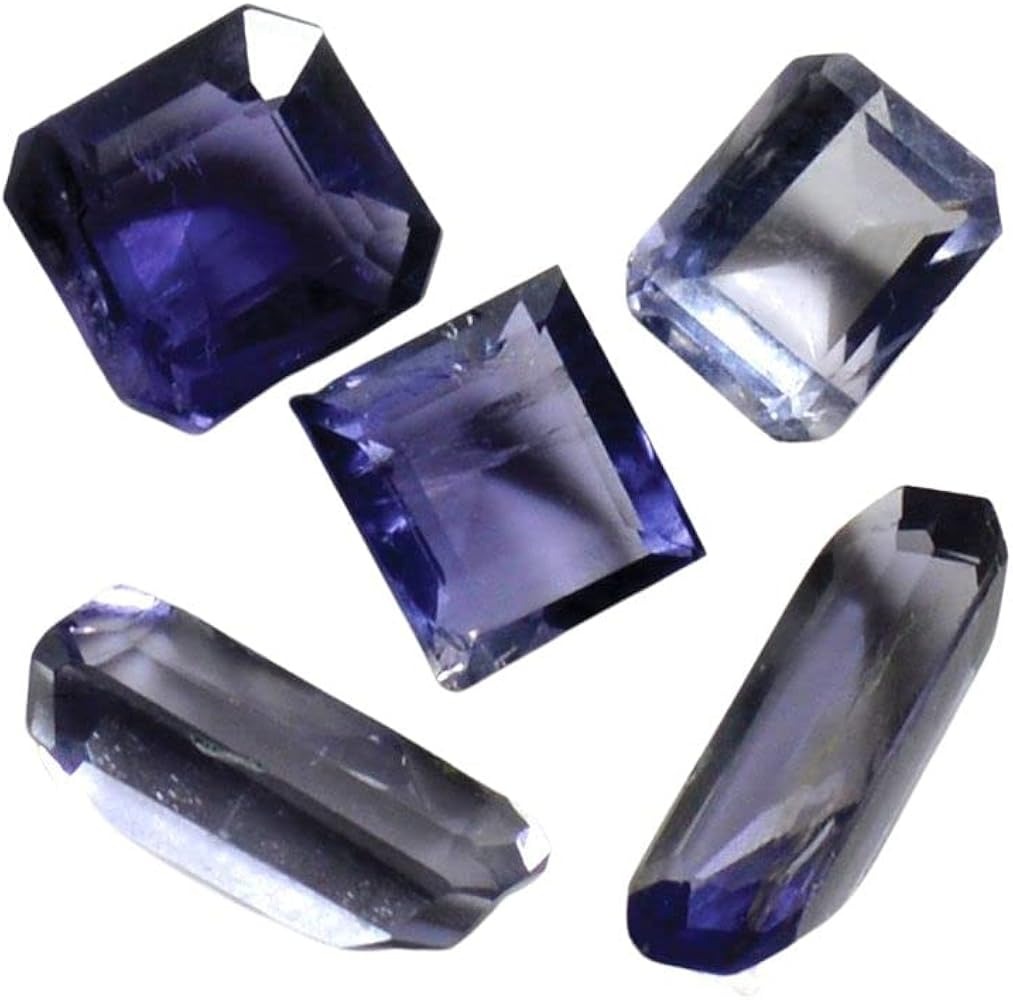
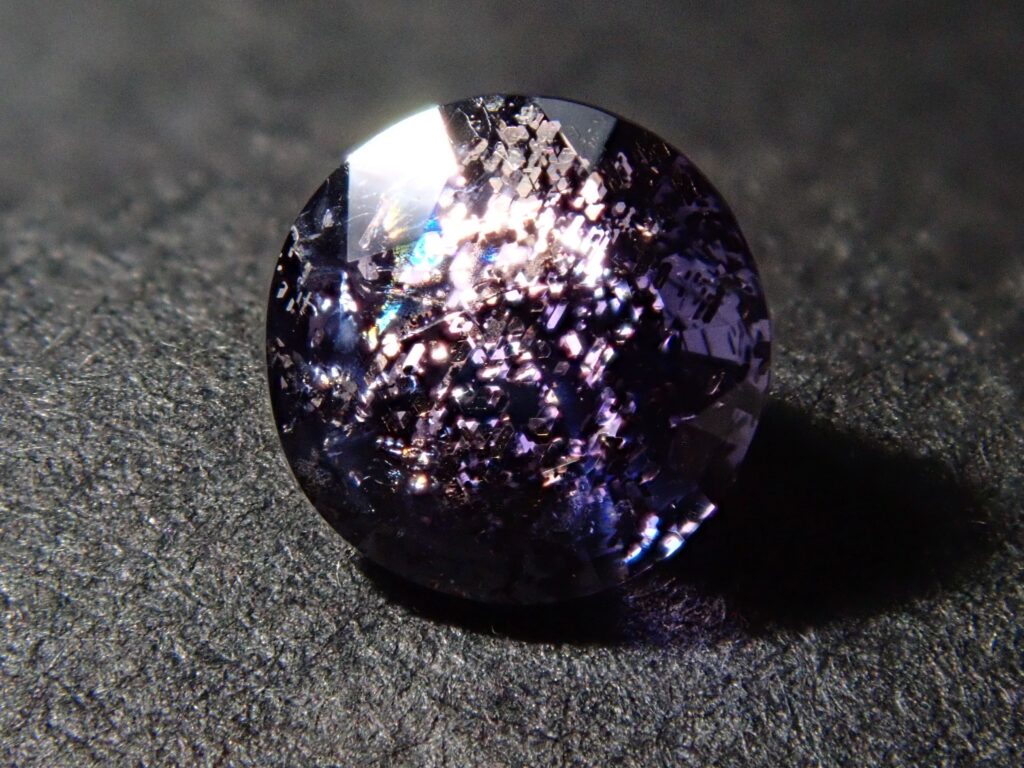
Bloodshot Iolite: A specific variety containing plate-like inclusions of iron oxides, such as hematite or goethite. These inclusions appear as small reddish flecks or “blood spots” within the blue crystal matrix. This variety is valued by collectors for its natural internal contrast and unique mineralogical character.
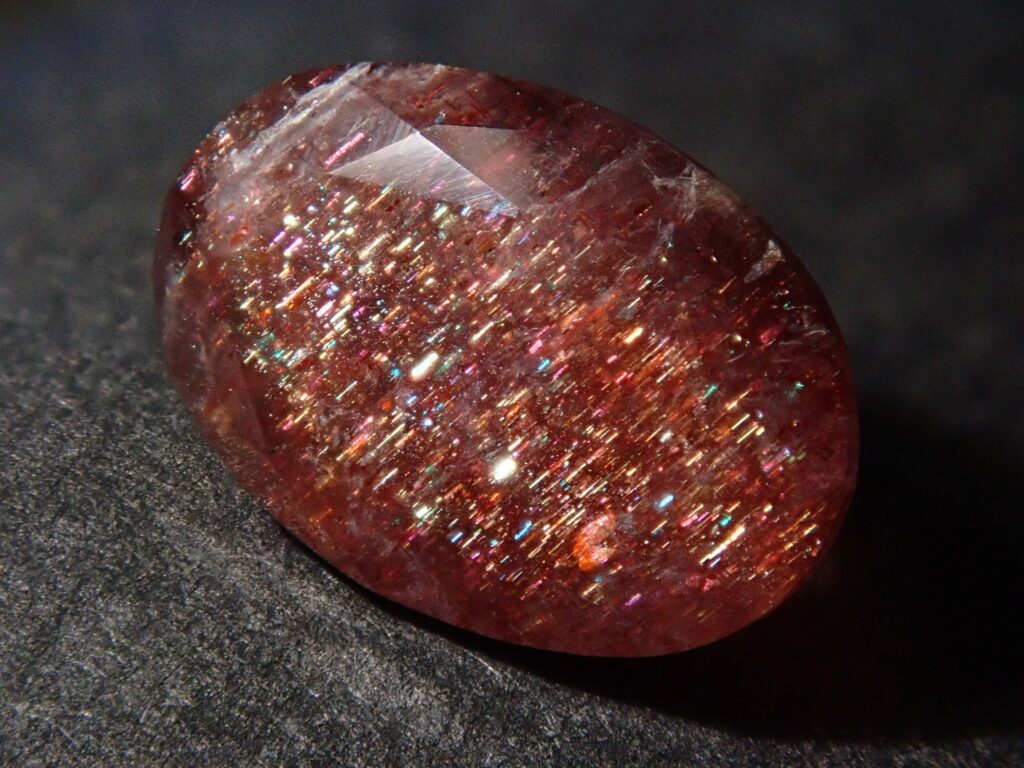
Iolite-Sunstone: A rare hybrid variety where a high concentration of hematite inclusions creates a phenomenon known as aventurescence. This produces a metallic glitter or “schiller” effect similar to that found in sunstone, occurring when light reflects off the perfectly aligned internal metallic plates.
Chatoyant Iolite (Cat’s Eye Iolite): An extremely rare classification containing parallel, needle-like or tube-like inclusions. When the material is cut into a cabochon, light reflects off these structures to create a single, vertical band of light across the surface, a phenomenon known as chatoyancy or the “cat’s eye” effect.

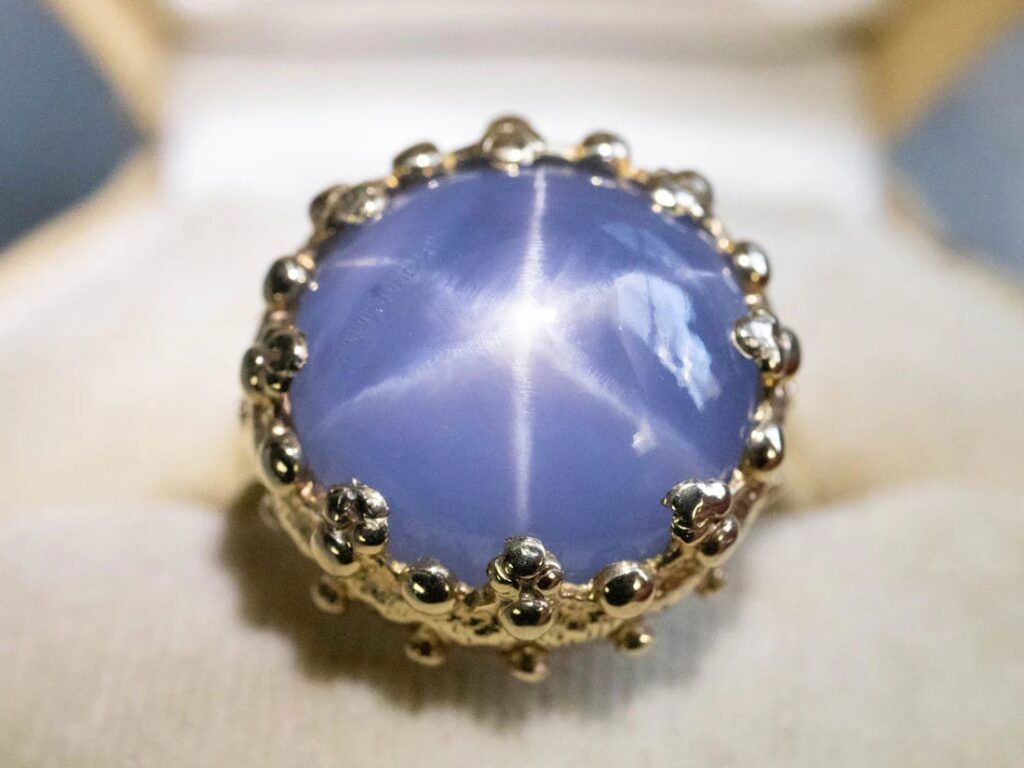
Star Iolite (Asterism): A rare optical variety featuring four-rayed or six-rayed stars. This occurs when multiple sets of needle-like inclusions intersect at specific angles. When viewed under a single light source, these intersections create a star-like pattern of reflected light on the stone’s surface.
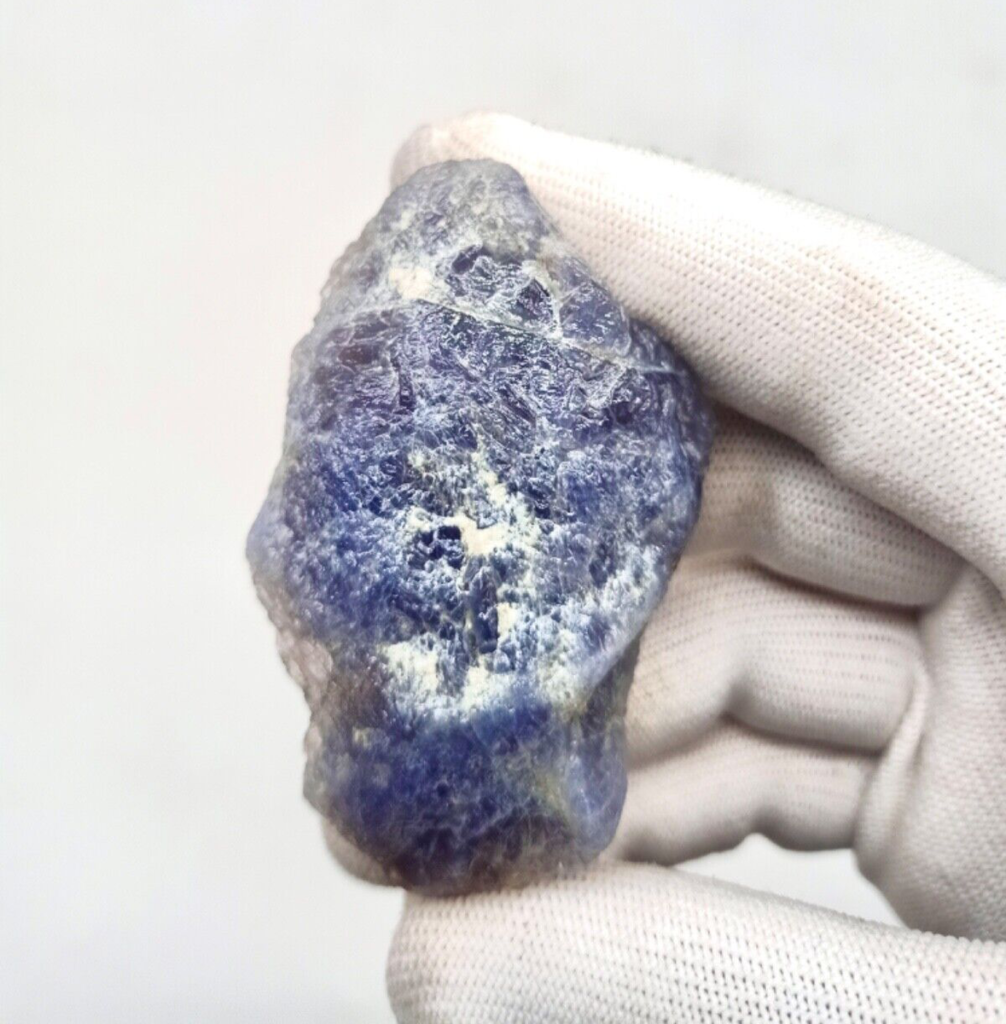
Massive and Opaque Iolite: Non-transparent cordierite that forms in large, solid blocks. It is typically grayish-blue and is used for carvings or industrial purposes rather than faceted jewelry.
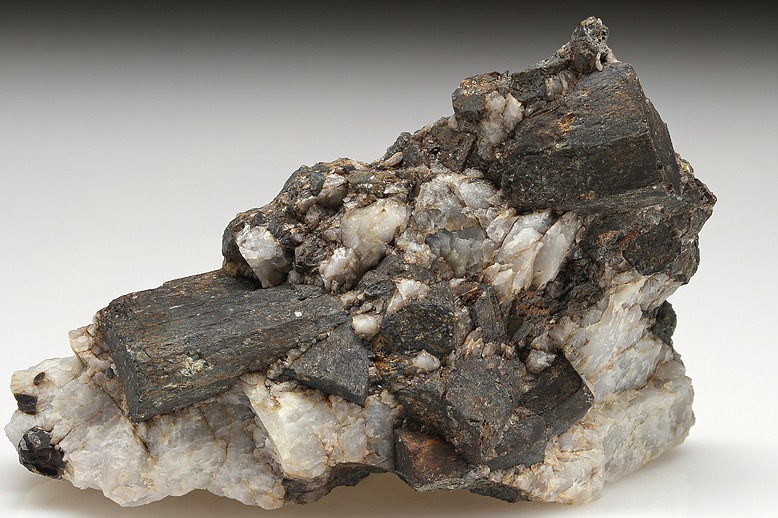
Pinite (Altered Cordierite): A mineralogical state where iolite has undergone hydrothermal alteration, turning into a soft, opaque, mica-rich material that is usually green or brown.
Water Sapphire: A traditional trade name used in the gemstone market to describe pale or exceptionally clear blue iolite, often used to compare its appearance to sapphire.
Iolite in Navigation, Jewelry, and Industrial Ceramics
The applications of iolite are divided into three primary areas: historical navigation, the modern gemstone trade, and industrial ceramics. Historically, iolite was utilized by Norse navigators as a natural polarizing filter. By looking through thin, polished slices of the crystal, it was possible to determine the sun’s position under overcast conditions by observing changes in light polarization. In contemporary industrial settings, the mineral form of iolite, cordierite, is manufactured for use in catalytic converters, kiln furniture, and heat-exchange components. This is due to its low thermal expansion coefficient and resistance to thermal shock, which allow the material to withstand rapid temperature changes without fracturing.
In the gemstone market, iolite is used as a faceted stone for jewelry such as rings, earrings, and pendants. Because it is rarely subjected to heat treatment or artificial irradiation, it is typically sold in its natural state. However, its distinct cleavage and extreme pleochroism require precise orientation during the cutting process; if cut incorrectly, the stone may appear brownish or gray rather than blue, and it remains susceptible to chipping upon impact. Beyond faceted gems, opaque or highly included specimens are shaped into cabochons or used for decorative carvings. In gemological education, iolite is frequently used as a standard specimen to demonstrate pleochroism and light absorption in orthorhombic crystal systems.