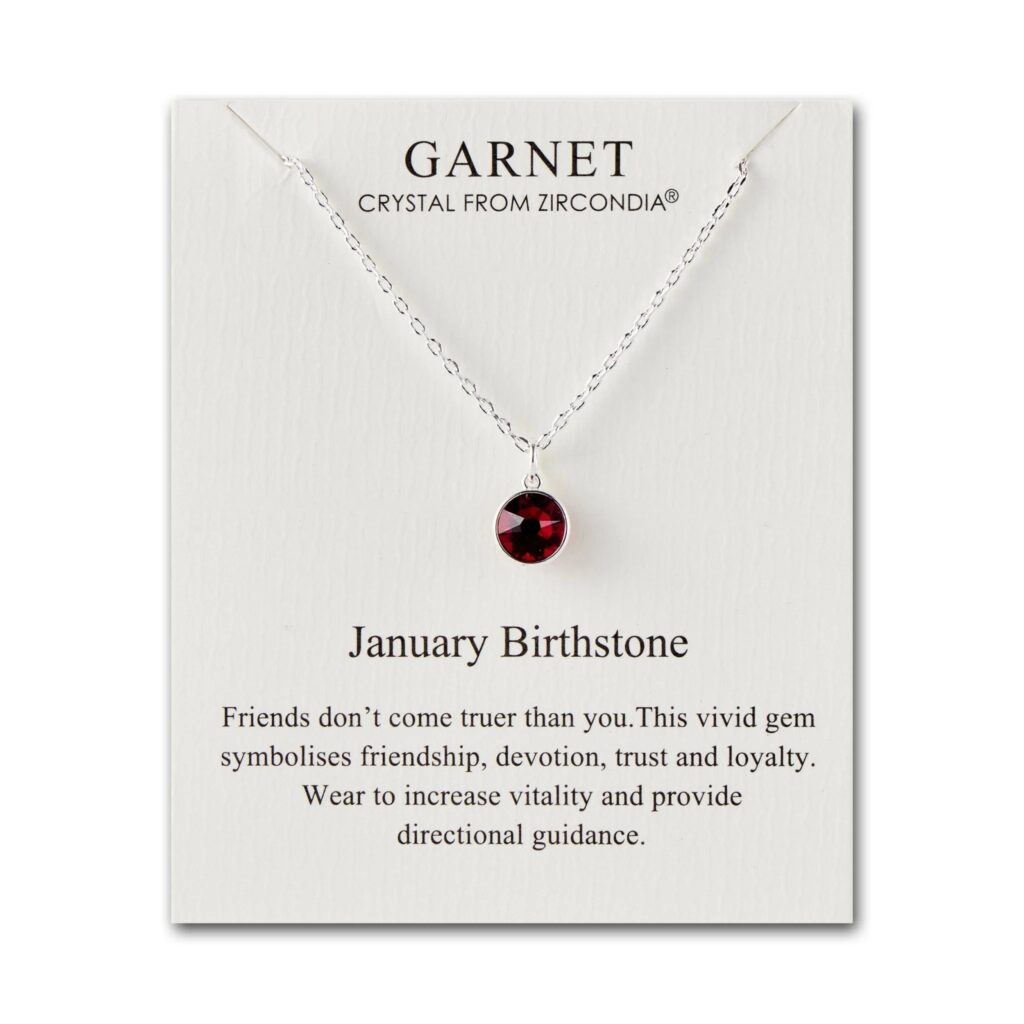
Garnet is a group of naturally occurring silicate minerals that has been valued for thousands of years. While it is most commonly known for its deep red color, garnet actually comes in a wide range of colors, including green, orange, purple, brown, and nearly colorless varieties. Its diversity and durability make garnet one of the most versatile gemstones in nature.
Origin of the Name
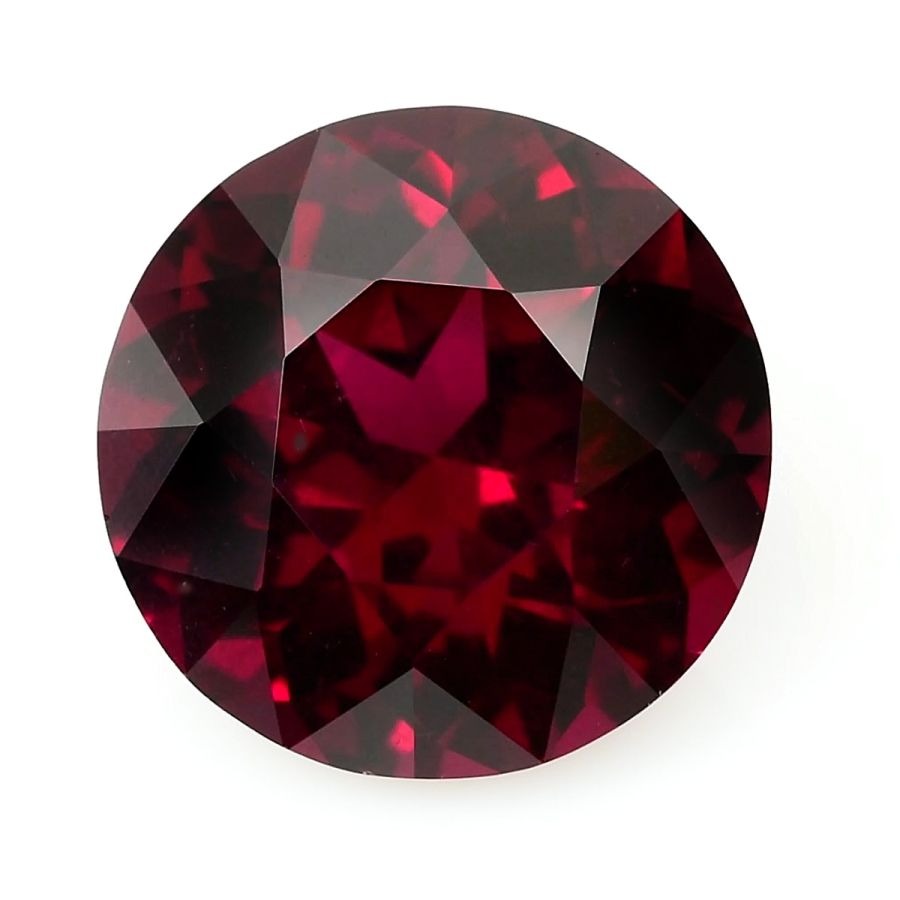
The name “garnet” comes from the Latin word granatum, which means “pomegranate.” This is a direct reference to the gemstone’s deep red crystals, which closely resemble the small, jewel-like seeds of the fruit. In addition to describing its color, this connection also emphasizes the stone’s symbolic qualities. In many cultures, pomegranate seeds were associated with life, fertility, and protection, and by extension, garnet was seen as a stone that could carry similar meanings.
Garnet’s name first appeared in written records during the Middle Ages in Europe, although the gemstone itself had been used by humans for thousands of years before that. Ancient civilizations, including the Egyptians, Greeks, and Romans, valued garnet for both decorative and practical purposes. The Egyptians set garnets into inlays for jewelry and burial ornaments, while the Romans carved them into signet rings and engraved gemstones for personal seals.
The use of the name granatum also reflects how people historically understood gemstones by comparing them to familiar objects in nature. Much like how diamonds were sometimes called “adamant” to indicate hardness, garnet’s association with pomegranate seeds made its color and shape easy to recognize and describe. Over time, the term “garnet” became the standard across Europe and eventually worldwide, firmly linking the gemstone’s identity to its striking red appearance and rich cultural history.
Mineral Composition and Color
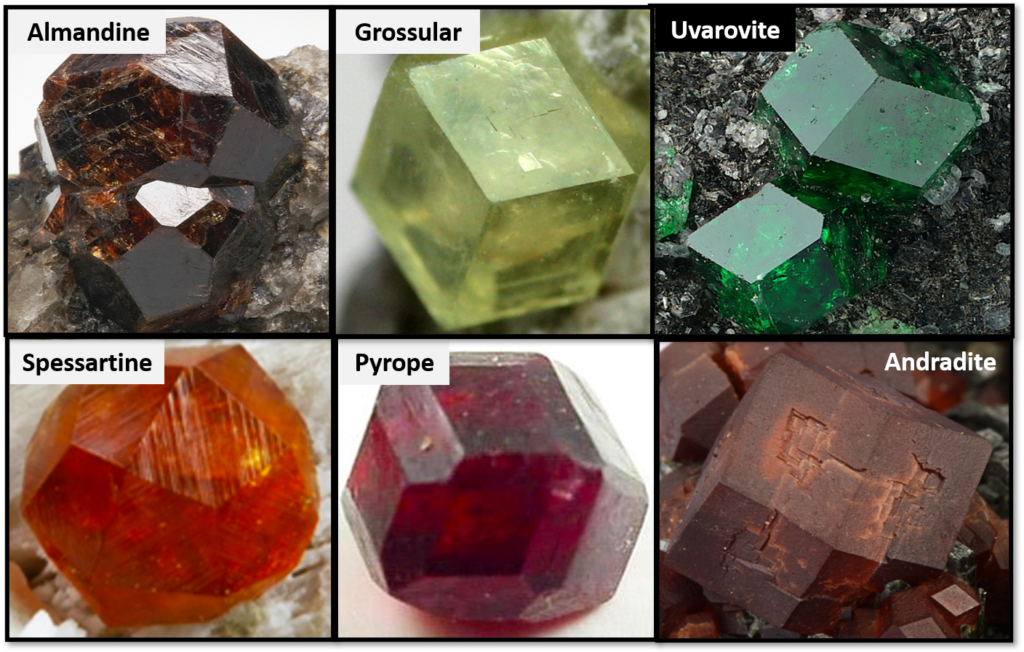
Garnet is not a single gemstone but a family of closely related silicate minerals that share a similar cubic crystal structure. This structure causes garnets to naturally form symmetrical shapes, often appearing as dodecahedrons or trapezohedrons, which give the stones a distinctive geometric beauty. The wide range of garnet colors is due to variations in chemical composition, with elements such as aluminum, iron, magnesium, calcium, and manganese replacing each other within the crystal lattice. For instance, almandine garnet is rich in iron and aluminum, producing a deep red color, while pyrope garnet contains more magnesium, giving it a brighter red hue. Spessartine garnets are typically orange because of high manganese content, grossular garnets can range from green to yellow depending on trace elements like chromium or vanadium, and andradite garnets may appear green, yellow, or brown, often prized for their brilliance. Despite their differences in color, hardness, and refractive properties, all garnets share the same cubic structure, making them a coherent mineral family. This combination of structural uniformity and chemical diversity has made garnet a fascinating gemstone for collectors, jewelers, and scientists for centuries.
Hardness and Durability
Garnet has a hardness ranging from 6.5 to 7.5 on the Mohs scale, which makes it a relatively durable gemstone suitable for a variety of jewelry, including rings, necklaces, bracelets, and earrings. Its hardness allows it to resist minor scratches and abrasions from everyday wear, making it a practical choice for pieces that are worn frequently. However, garnet is not as hard as diamonds, sapphires, or rubies, so it can be scratched if it comes into contact with these or other harder materials. In addition to hardness, garnet’s toughness, which measures its resistance to breaking or chipping, is generally good, though certain inclusions or internal fractures can make some stones more vulnerable. To maintain its beauty and longevity, it is recommended to clean garnet jewelry with mild soap and warm water, avoid harsh chemicals, and store it separately from harder gemstones to prevent scratches. With proper care, garnet can retain its color, luster, and structural integrity for many years, making it both a visually appealing and resilient gemstone.
How They Are Evaluated
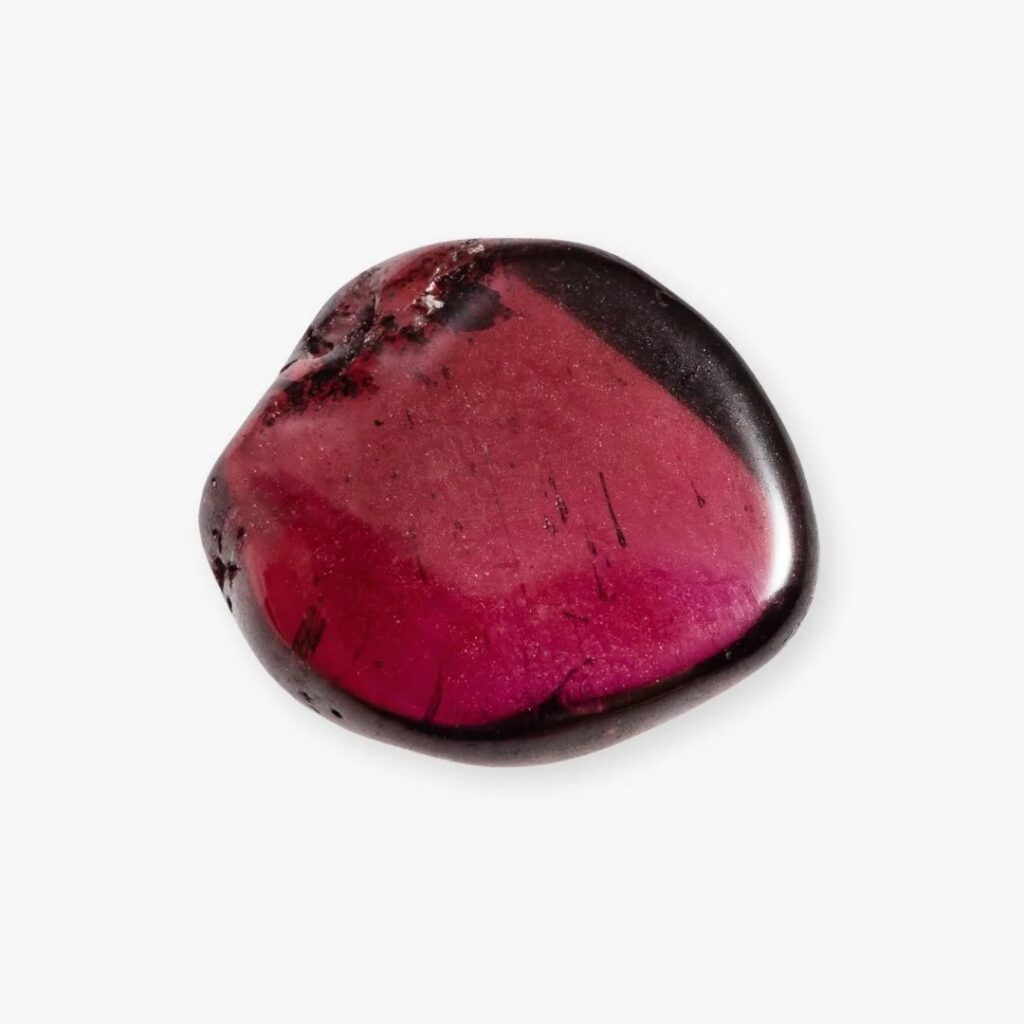
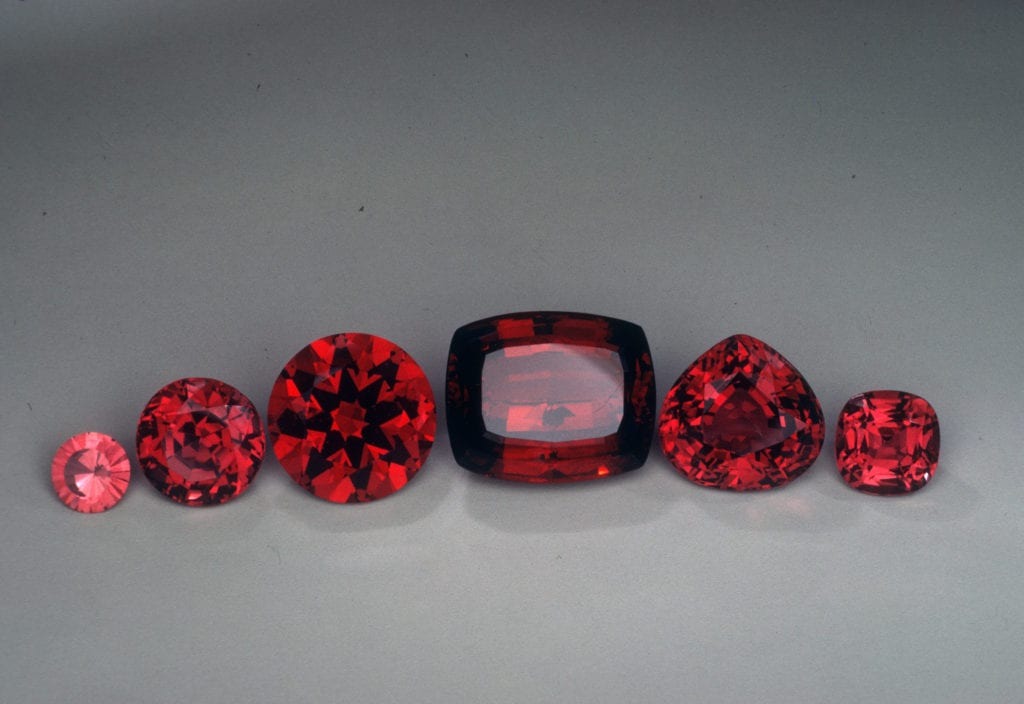
One of the most distinctive features of garnet is its wide range of colors, which plays a central role in how gemologists evaluate and value this gemstone. While deep red garnets are the classic and most widely recognized type, other varieties, such as green tsavorite and demantoid garnets, are highly prized for their intense and vivid coloration, as well as their relative rarity. When assessing garnet quality, experts typically focus on several key aspects of color: the hue, which refers to the basic color of the stone; the tone, which describes how light or dark the color appears; and the saturation, which measures the intensity or purity of the color. Generally, garnets with more vibrant, evenly distributed colors are considered superior, and certain rare shades, such as intense emerald green or the blue-green color‑change garnets, can command particularly high value. In addition to color, factors such as clarity, cut, and carat weight are also taken into account, but color remains the most influential element in determining the beauty and market appeal of garnet.
Optical Properties and Brilliance
Garnet is admired not only for its color but also for its unique optical properties, which influence how the gemstone interacts with light. One important characteristic is its relatively high refractive index, which measures how much light bends when entering the stone. A higher refractive index allows garnet to reflect and refract light more effectively, producing noticeable brilliance and a subtle sparkle that enhances its visual appeal. Some garnet varieties, such as demantoid garnets, are especially valued for their extraordinary brilliance and fire. Demantoid garnets have a high dispersion rate, meaning they can split light into its spectral colors, creating flashes of rainbow-like colors similar to those seen in diamonds. This combination of strong refractive qualities and dispersion makes certain garnets particularly captivating in jewelry, giving them a lively sparkle even under moderate lighting. These optical properties, along with the gemstone’s color diversity and durability, contribute significantly to garnet’s enduring popularity among jewelers and gemstone collectors.
Clarity, Inclusions, and Special Effects
Most garnets naturally contain inclusions, which are tiny internal features that formed as the gemstone crystallized over thousands or even millions of years. While inclusions can sometimes affect the clarity of a gemstone, they are often considered part of garnet’s unique natural character, adding to its individuality rather than diminishing its beauty. Some garnet varieties contain distinctive inclusions that produce remarkable optical effects. For example, certain stones can exhibit the “cat’s eye” phenomenon, where a bright line of light appears to move across the surface, or the asterism effect, producing a star-shaped pattern when cut as a cabochon. These effects are caused by the precise alignment of internal needle-like structures or mineral inclusions and are highly prized by collectors for their rarity and visual appeal. In addition, demantoid garnets are famous for their characteristic “horsetail” inclusions—fine, radiating fibers of chrysotile within the stone—which actually enhance the gemstone’s uniqueness and value rather than detract from it. Understanding the role of inclusions and special optical effects is essential for appreciating garnet’s diversity and recognizing that perfection in clarity is not always the primary factor in determining a garnet’s beauty or desirability.
Garnet as a Birthstone
In addition to its geological and historical significance, garnet is also recognized as the traditional birthstone for January. As a birthstone, it is often associated with qualities such as loyalty, protection, and enduring friendship. Many people choose garnet jewelry for January birthdays not only for its striking color and beauty but also for its symbolic meaning. Wearing garnet is believed to bring warmth, energy, and positive vibes during the cold winter months, making it a cherished gemstone for both personal adornment and meaningful gifts.