
Chrysoberyl is a distinct aluminate of beryllium with the chemical formula BeAl2O4. Despite the similarity in their names, it is not a member of the beryl family (such as emerald or aquamarine) but constitutes an independent mineral species. Renowned for its exceptional durability, it possesses a Mohs hardness of 8.5, making it the third-hardest natural gemstone, surpassed only by diamond and corundum. In its purest form, chrysoberyl is colorless; however, it is most frequently encountered in shades of yellow, green, and brown, colored by traces of iron or chromium. The species is most famous for its extraordinary varieties: Alexandrite, which exhibits a dramatic color-change effect under different lighting, and Cymophane (Cat’s Eye), which displays a sharp, silvery line of light across its surface due to fibrous inclusions.
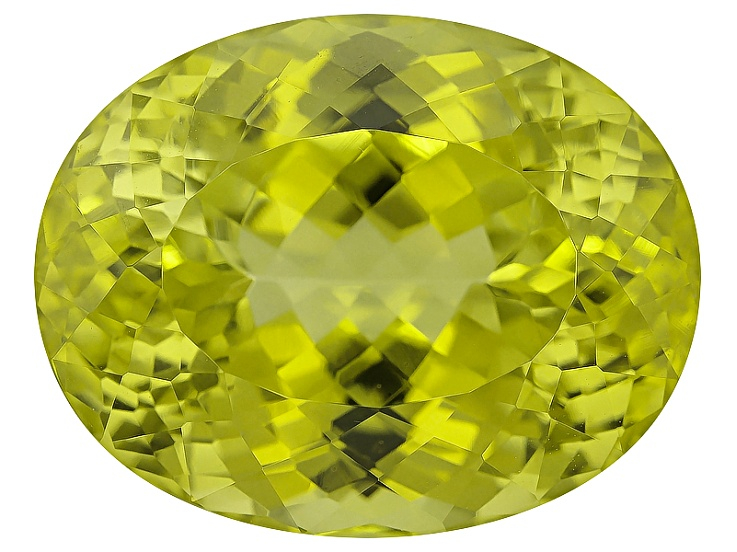
The formation of chrysoberyl typically occurs in granite pegmatites and mica schists, often in environments rich in beryllium but low in silica. It crystallizes through magmatic processes or high-grade regional metamorphism. Because beryllium and aluminum rarely concentrate in the same geological setting in high volumes, chrysoberyl is significantly rarer than many other gemstones. Due to its chemical stability and high density, the mineral is frequently found in alluvial deposits (placer deposits), where it has weathered out of its host rock and settled in riverbeds and gravels alongside other gemstones like sapphires and garnets. Primary sources today include Brazil, Sri Lanka, Madagascar, and Tanzania.
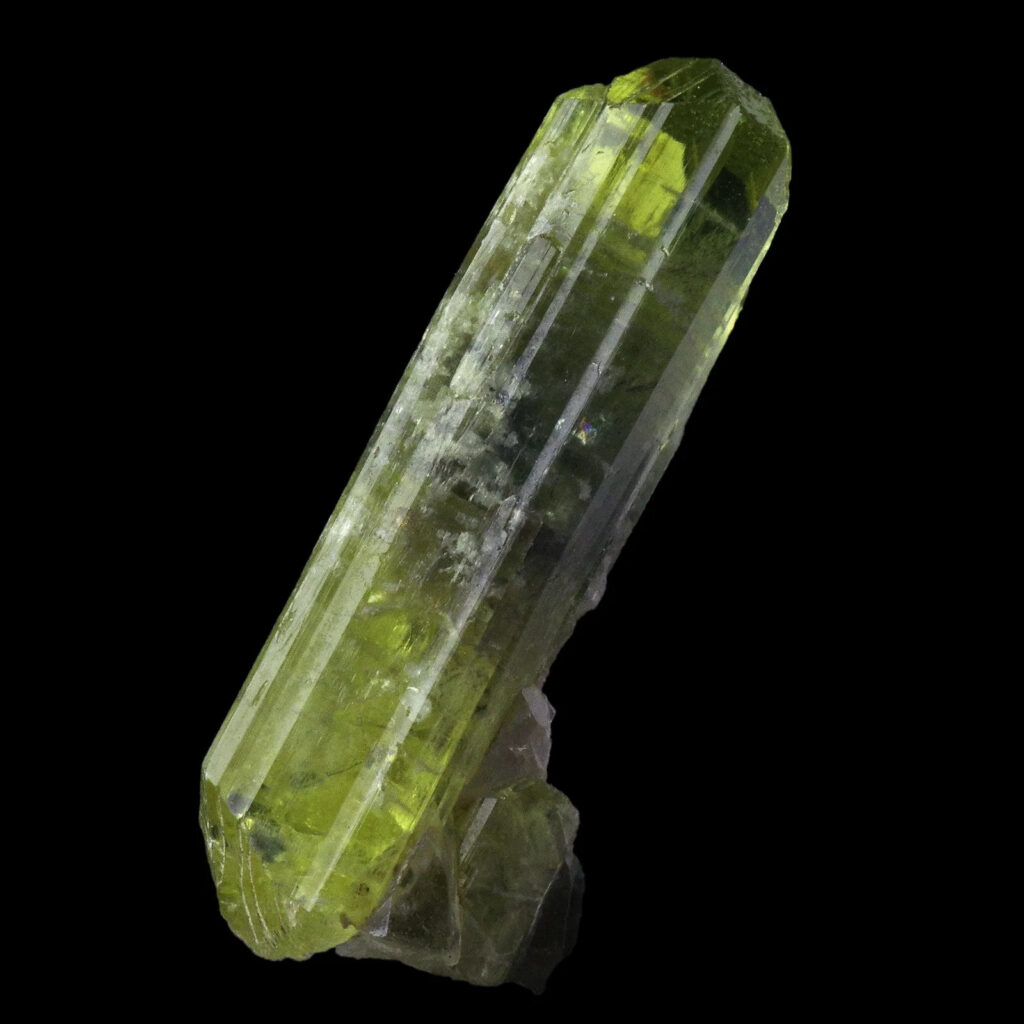
The history of chrysoberyl spans over two millennia, with its first recorded uses dating back to ancient India, where the cat’s eye variety was highly prized as a protective talisman. The name itself is derived from the Greek words chrysos (golden) and beryllos (beryl), reflecting its characteristic honey-gold hue. While ordinary chrysoberyl was a popular choice in Victorian and Edwardian jewelry—often paired with peridot or pearls—the mineral’s historical prestige surged in the 19th century. The discovery of the color-changing variety in Russia’s Ural Mountains in 1830 (named Alexandrite after Tsar Alexander II) and the popularity of Cymophane among the British Royal Family in the late 1800s elevated chrysoberyl from a mineralogical curiosity to one of the world’s most coveted and valuable gemstones.
Main Varieties of Chrysoberyl: From Cat’s Eye to Alexandrite
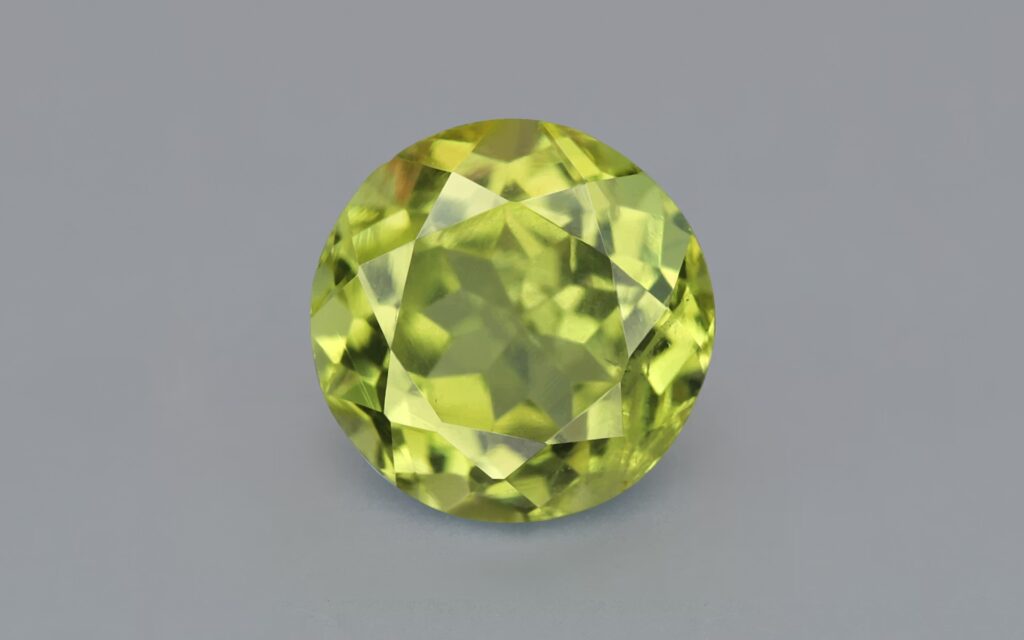
Ordinary Chrysoberyl: This is the most common variety, appearing as a transparent to translucent gemstone. It is primarily found in shades of yellow, yellow-green, and brownish-green. While it lacks special optical effects, it is highly valued in jewelry for its exceptional 8.5 hardness and vitreous luster. Historically, some yellowish-green specimens were called chrysolite, though this term is no longer used in professional gemology.
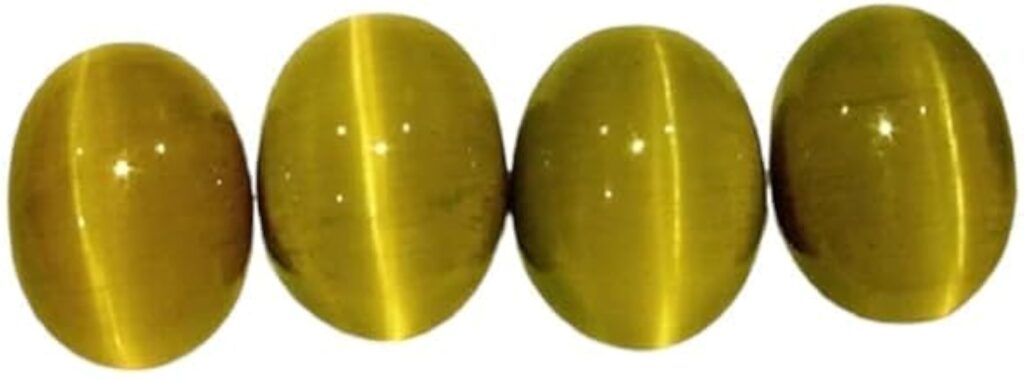
Cat’s Eye Chrysoberyl (Cymophane): This variety is famous for the optical phenomenon known as chatoyancy. It contains microscopic, needle-like inclusions of rutile oriented in parallel. When light reflects off these inclusions, it creates a sharp, silvery-white band across the surface of the stone. High-quality specimens often display the milk-and-honey effect, where the stone appears divided into two different shades when illuminated from the side. It is the only gemstone that can be legally sold as Cat’s Eye without any mineral name prefix.
Alexandrite: This is the rarest and most valuable variety of chrysoberyl, distinguished by its remarkable color-change ability caused by trace amounts of chromium. It famously shifts from a greenish hue in natural daylight or fluorescent light to a reddish or purplish-red color under incandescent light. This dramatic transition is often referred to by the phrase emerald by day, ruby by night.
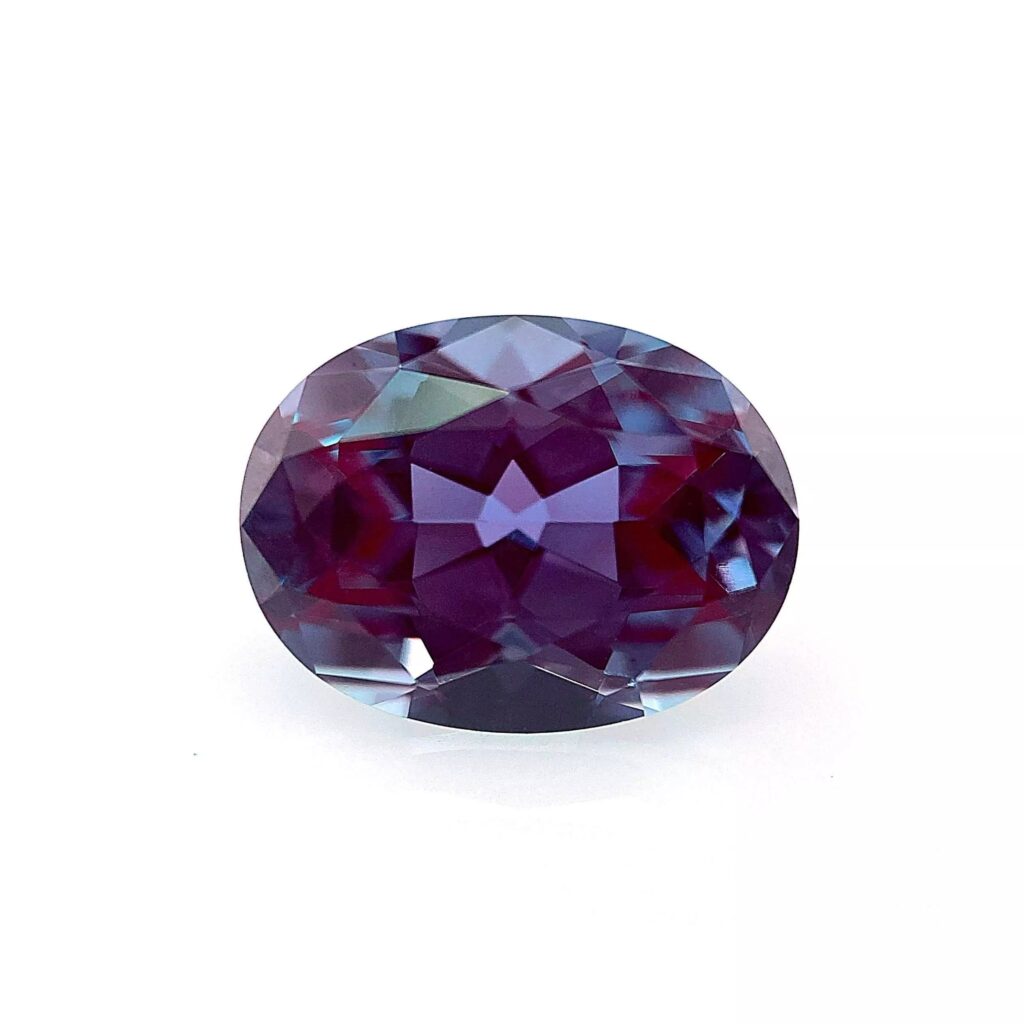
Cat’s Eye Alexandrite: An extremely rare hybrid variety that occurs when an alexandrite crystal also contains the necessary fibrous inclusions to produce chatoyancy. These rare stones exhibit both the dramatic color-change effect and the sharp cat’s eye band, making them among the most sought-after collector items in the world of mineralogy.

Applications of Chrysoberyl
Chrysoberyl is utilized across several sectors, primarily within the gemstone industry and specialized scientific fields, due to its inherent physical and chemical properties. In jewelry, the mineral is employed in various forms; transparent faceted specimens are frequently set in rings and pendants because of their 8.5 Mohs hardness and high refractive index, which allow for long-term durability against daily wear. The distinct varieties, specifically cat’s eye and alexandrite, occupy a significant position in the global collectors’ market. Its resistance to scratching and chemical erosion makes it a functional material for high-durability decorative applications where longevity is required.
Technically, the specific composition of beryllium aluminum oxide (BeAl2O4) is relevant in material science and laser technology. While natural mineral specimens are rarely used for industrial purposes today due to rarity and inclusions, synthetic chrysoberyl—particularly chromium-doped alexandrite—serves as a critical gain medium in tunable solid-state laser systems. These alexandrite lasers are applied in various medical and cosmetic procedures, including dermatology and hair removal, as well as in LIDAR (Light Detection and Ranging) systems used for atmospheric research. The preference for this material in such contexts is based on its ability to provide high pulse energy and tunability within the infrared spectrum.
Historical and cultural applications of chrysoberyl have transitioned through several recorded periods. Evidence indicates its use in ancient and medieval Asian cultures within talismans and ceremonial objects, primarily involving the cat’s eye variety. During the 19th and early 20th centuries, it became a standardized component in European jewelry, often featured in designs that highlighted the color-change effect of alexandrite. Currently, while lab-grown versions fulfill the majority of industrial and medical requirements, natural chrysoberyl continues to be utilized as a benchmark for durability and optical rarity in the international gemological trade.