
Actinolite is more than just a mineral; it is a geological storyteller. Often recognized for its striking green needles and its fundamental role in the formation of Nephrite Jade, actinolite is a centerpiece of metamorphic petrology. Whether you are a mineral collector, a geologist, or a gemstone enthusiast, understanding the complexities of actinolite reveals a world where chemistry, pressure, and time converge.Actinolite is a member of the amphole group, specifically part of the double-chain silicate family. Its name is derived from the Greek word aktis (ray), a nod to its frequent occurrence in radiating, needle-like (acicular) clusters.Chemically, actinolite sits in the middle of a solid-solution series. On one end, you have the magnesium-rich Tremolite; on the other, the iron-rich Ferro-actinolite. Actinolite occupies the green middle ground where magnesium and iron swap places within the crystal lattice.
Pleochroism: The Color Shifter
One of the most fascinating optical properties of actinolite is pleochroism. When viewed through a microscope under plane-polarized light, actinolite “changes” color as the stage is rotated. It may shift from a pale yellow-green to a deep emerald green. This is a primary way geologists distinguish it from similar minerals like hornblende.
Chemical Composition and the Solid Solution Series
The beauty of actinolite lies in its chemical flexibility. In mineralogy, a solid solution series describes a mineral where specific elements can substitute for each other without changing the underlying structure.
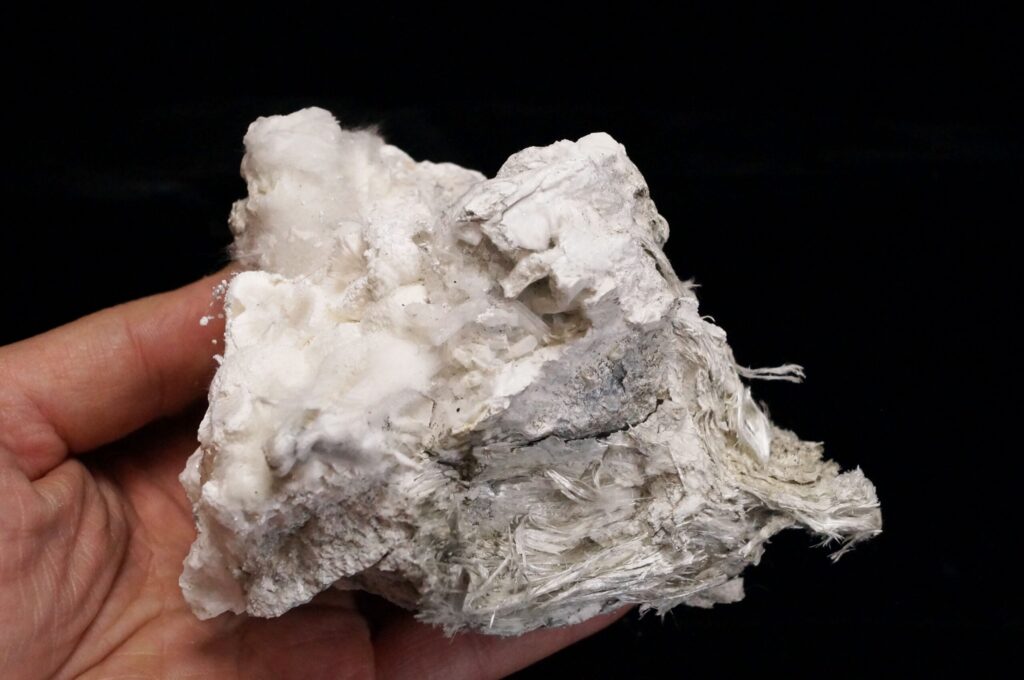
- Tremolite: Purely magnesium-rich (Mg > Fe). Often white or gray.
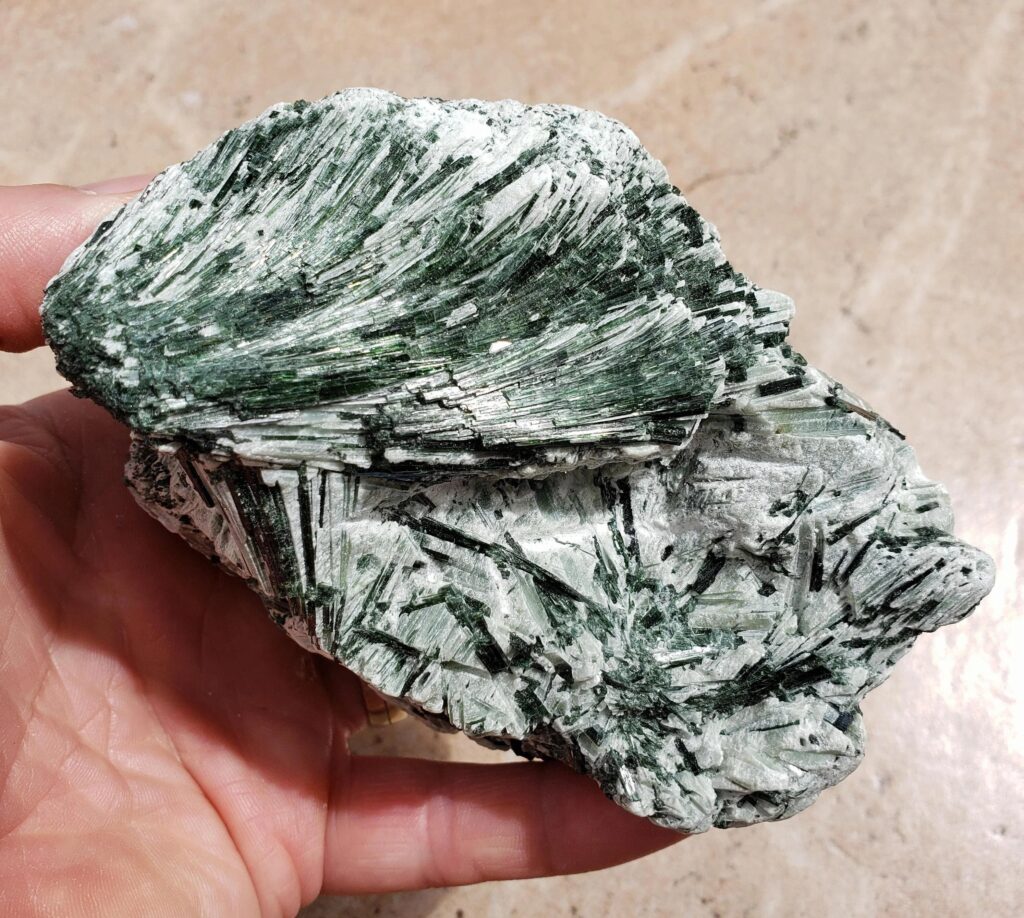
- Actinolite: A mix of magnesium and iron. The iron provides the signature green color.
- Ferro-actinolite: Purely iron-rich (Fe > Mg). Usually dark green to black.
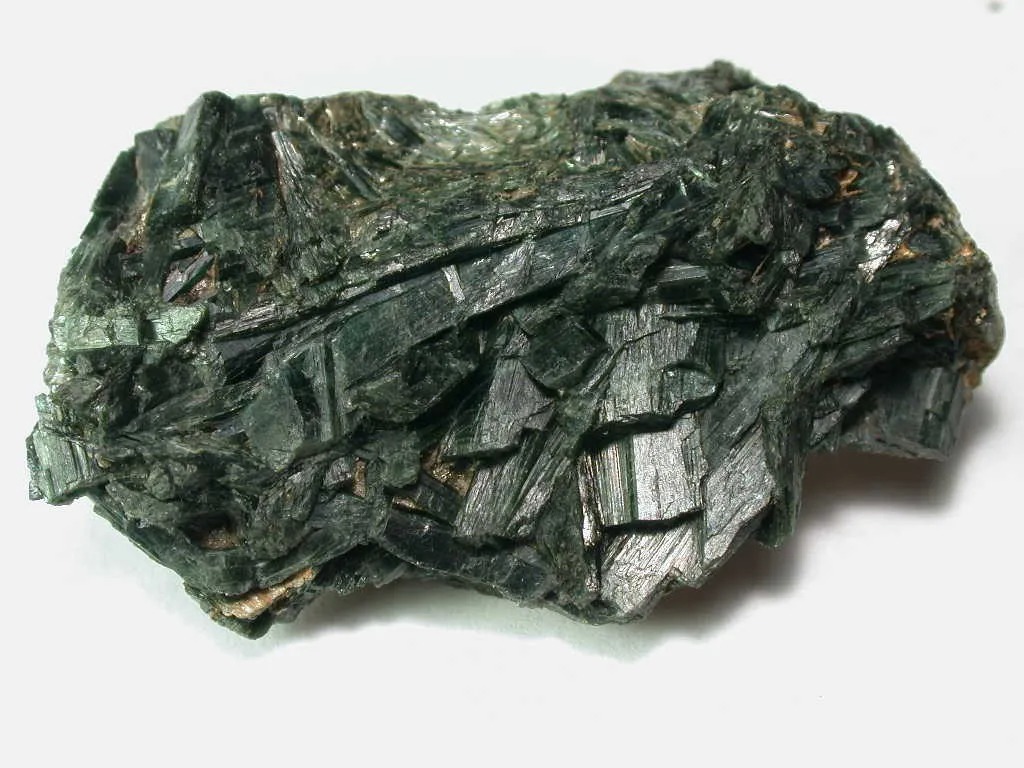
The iron content doesn’t just change the color; it affects the mineral’s density and refractive index. As iron increases, the mineral becomes heavier and more “optically dense.”
Where Does Actinolite Come From?
Actinolite is a “metamorphic” mineral. It is not born from cooling lava (igneous) or settling sand (sedimentary). Instead, it is forged from the transformation of pre-existing rocks under intense heat and pressure.
The Greenschist Facies
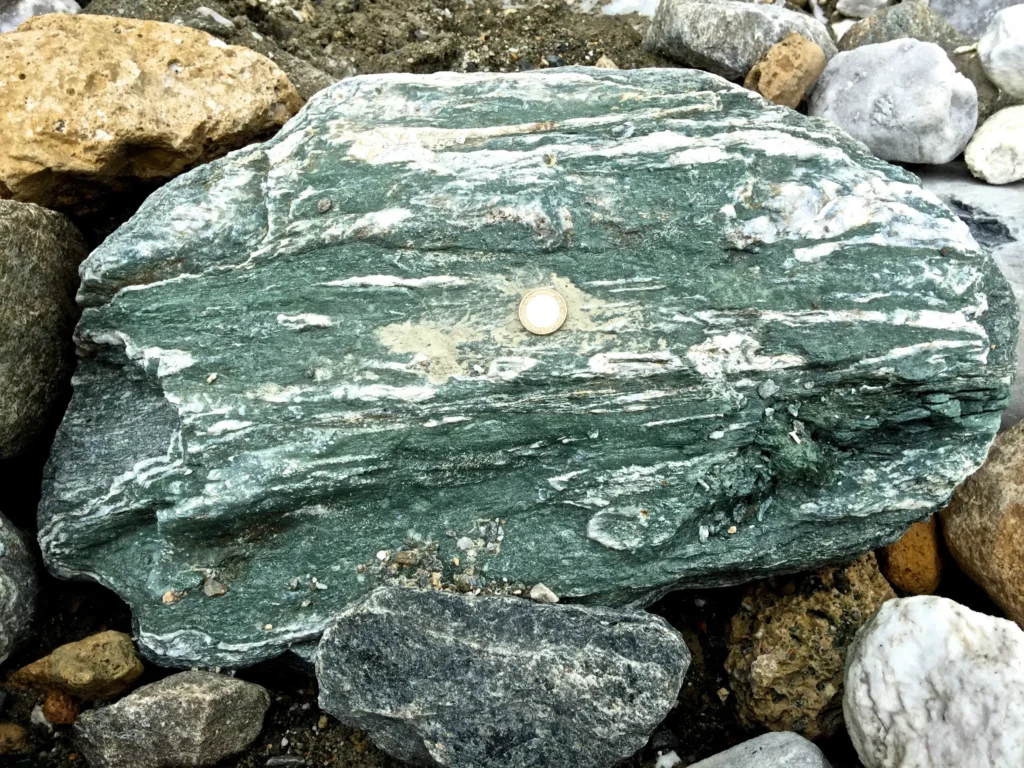
Actinolite is the “poster child” for the Greenschist Facies. When basalt or gabbro (dark, volcanic rocks) are buried miles deep and subjected to temperatures between 300°C and 450°C, they undergo a chemical makeover. The original pyroxenes and plagioclases break down, and actinolite grows in their place. This gives the resulting rock—aptly named Greenschist—its characteristic color and schistose texture.
Contact Metamorphism and Skarns
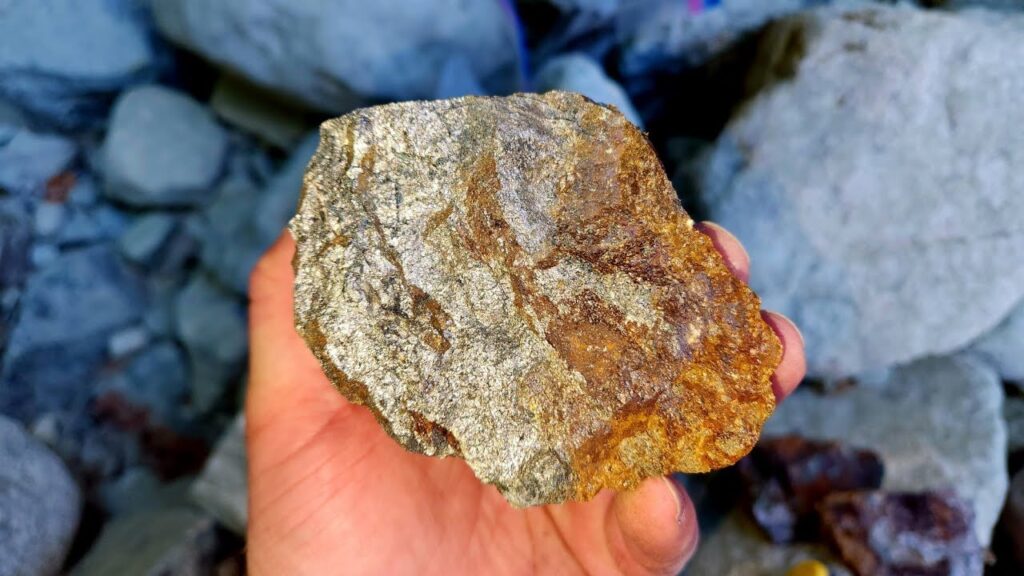
Beyond regional metamorphism, actinolite forms in skarns. These are zones where hot, mineral-rich fluids from a magma chamber “cook” surrounding limestone or dolomite. The reaction between the silica in the fluid and the calcium/magnesium in the carbonate rock produces spectacular actinolite crystals.
Actinolite and the “Jade” Connection
Perhaps the most famous form of actinolite is one you might already own: Nephrite Jade.
What is Nephrite?
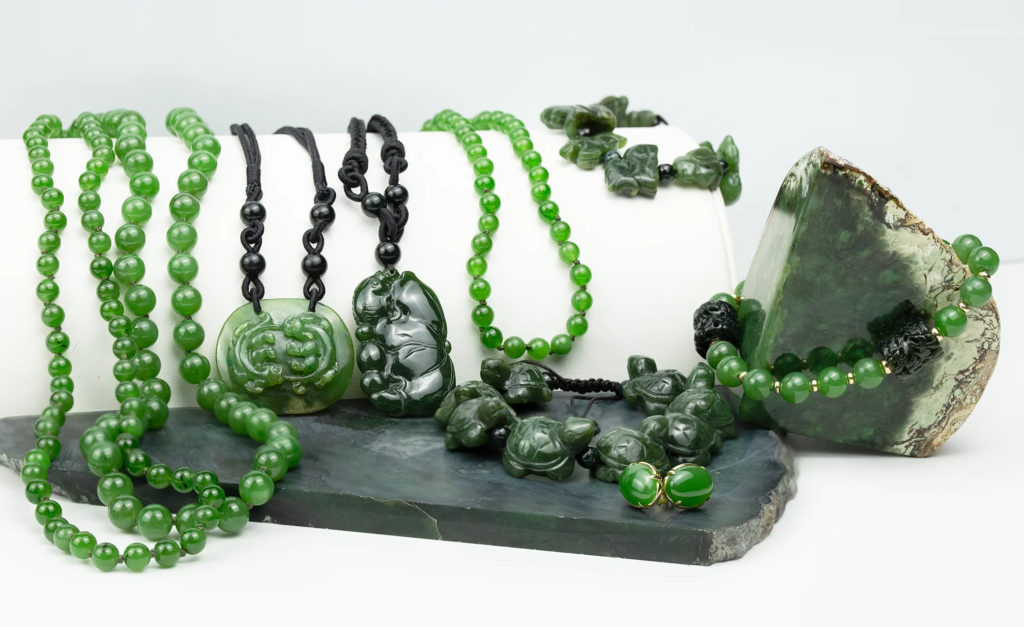
Nephrite is not a mineral in itself. It is a rock composed of extremely dense, felted, and interlocking fibers of actinolite and tremolite. This “interlocking” structure is key—it makes nephrite one of the toughest natural materials on Earth. While a diamond is harder (resisting scratches), nephrite is tougher (resisting shattering).
The Cultural Significance of Actinolite-Jade
- Ancient China: Used for over 5,000 years, jade was considered the “Imperial Gem,” symbolizing immortality and virtue.
- New Zealand (Maori Culture): Known as Pounamu, actinolite-rich nephrite is used to carve sacred hei-tiki pendants and mere (weapons).
- Central America: While the Olmecs and Mayans primarily used Jadeite (a different mineral), Nephrite-actinolite was also traded and carved into ornate jewelry.
Actinolite as Asbestos: Health and Safety
It is impossible to discuss actinolite without addressing its classification as one of the six types of asbestos.
Fibrous vs. Non-Fibrous
Actinolite occurs in two main “habits”:
Acicular/Prismatic: Long, needle-like crystals. These are generally safe to handle as large specimens.
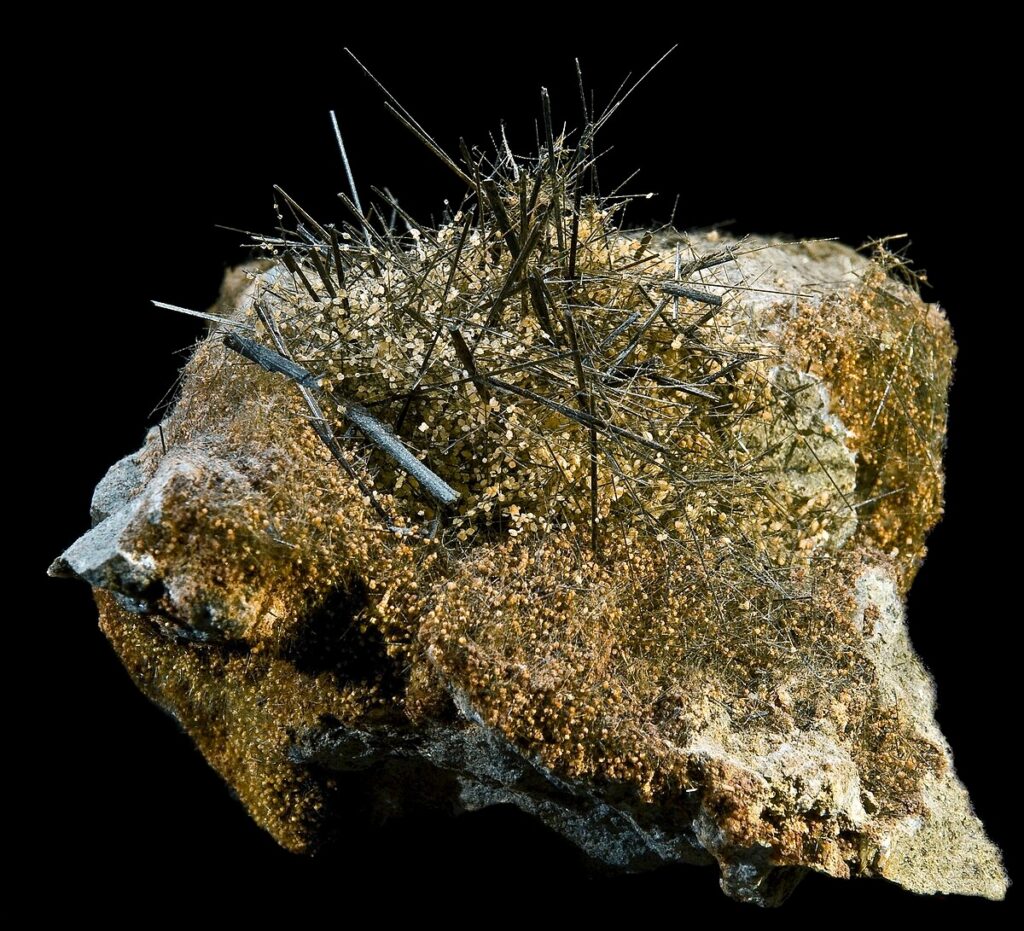
Asbestiform: Extremely thin, hair-like fibers that can be separated.
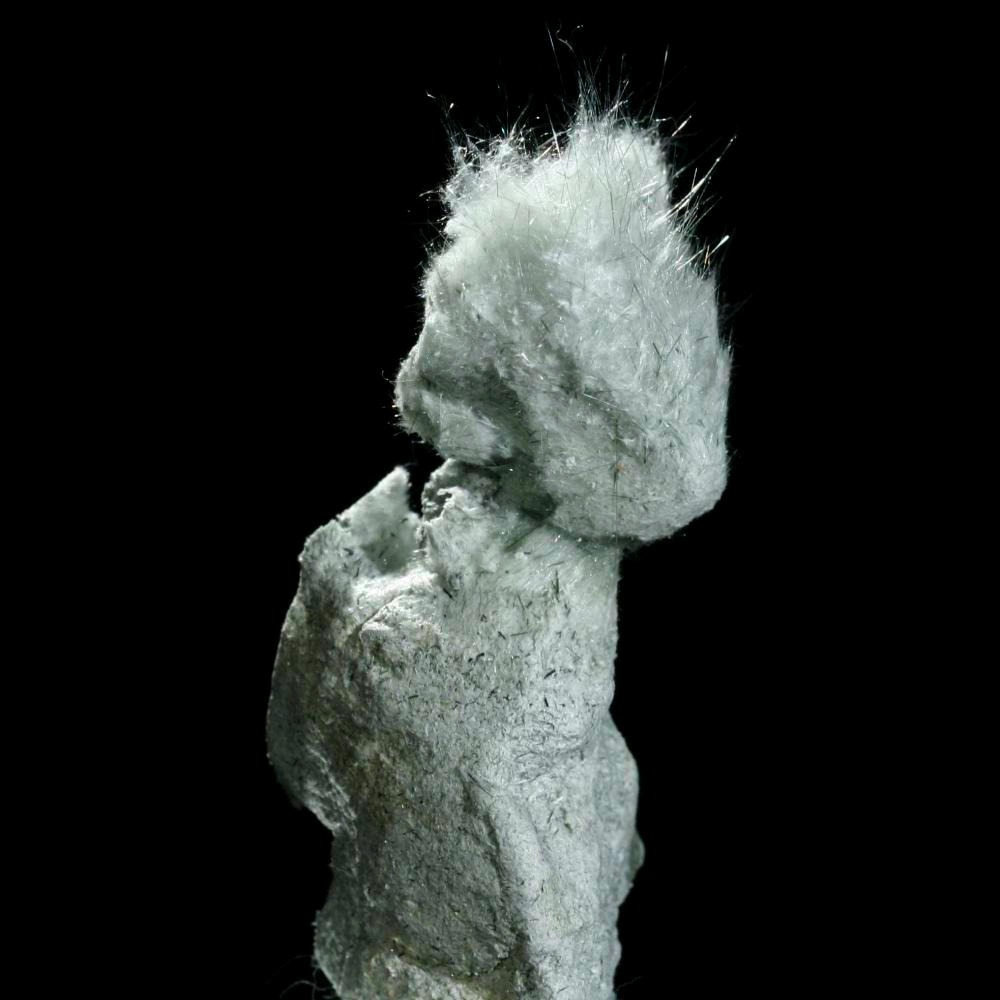
When actinolite grows in these hair-like fibers, it is considered asbestos. If these fibers become airborne and are inhaled, they can lodge in the lung lining (mesothelium), leading to serious health issues like asbestosis or mesothelioma.
Safety Tip: If you have a “fuzzy” or “hairy” specimen of actinolite, keep it in a sealed display box. Never grind, sand, or saw actinolite without proper respiratory protection and wet-cutting techniques.
Major Global Occurrences of Actinolite
Actinolite is a widely distributed mineral, appearing on every continent. However, several localities are particularly famous for the quality, size, or unique characteristics of their specimens:
Zillertal, Austria – This region is world-renowned for the striking “Actinolite in Talc” specimens. Here, vivid green actinolite crystals grow embedded in a snowy-white talc matrix, creating a sharp contrast that is highly prized by collectors and museums. The Zillertal deposits are especially noted for the long, slender crystal habits that display the mineral’s characteristic fibrous structure.
Taiwan – Taiwan is a major source of cat’s-eye actinolite, prized for its chatoyancy, and high-quality nephrite. The deposits are mainly located in metamorphic rocks where actinolite forms under specific temperature and pressure conditions. Taiwanese actinolite often exhibits a silky luster, making it highly sought after for jewelry and ornamental carvings.
British Columbia, Canada – This province hosts some of the largest and most significant nephrite jade deposits in the world. Actinolite is a key component of these nephrite formations, and the jade extracted here is renowned for its deep green color, toughness, and uniform texture. The quality of Canadian nephrite has made it a major material for both traditional carving and modern jewelry.
California, USA – In the Coast Ranges of California, actinolite occurs extensively within glaucophane schists, a type of metamorphic rock. These localities yield specimens ranging from fibrous to granular forms. Collectors often seek samples that show the mineral’s classic green coloration and well-defined crystal structure.
Madagascar – Madagascar produces some of the largest and most transparent actinolite crystals, which are occasionally suitable for rare faceted gemstones. These crystals are highly valued for gem cutting due to their clarity and vivid green hues. The Malagasy deposits also provide specimens with exceptional size, making them important for both collectors and the gem trade.
In summary, actinolite’s global distribution offers a remarkable variety of forms and qualities. From the fibrous chatoyant cat’s-eye stones of Taiwan to the massive nephrite jade of Canada and the transparent gem-quality crystals of Madagascar, each locality contributes unique characteristics that enhance the mineral’s scientific and aesthetic value.
Identifying Actinolite vs. Similar Minerals
In the field, actinolite is often confused with other green minerals. Here is how to tell them apart:
Actinolite vs. Hornblende
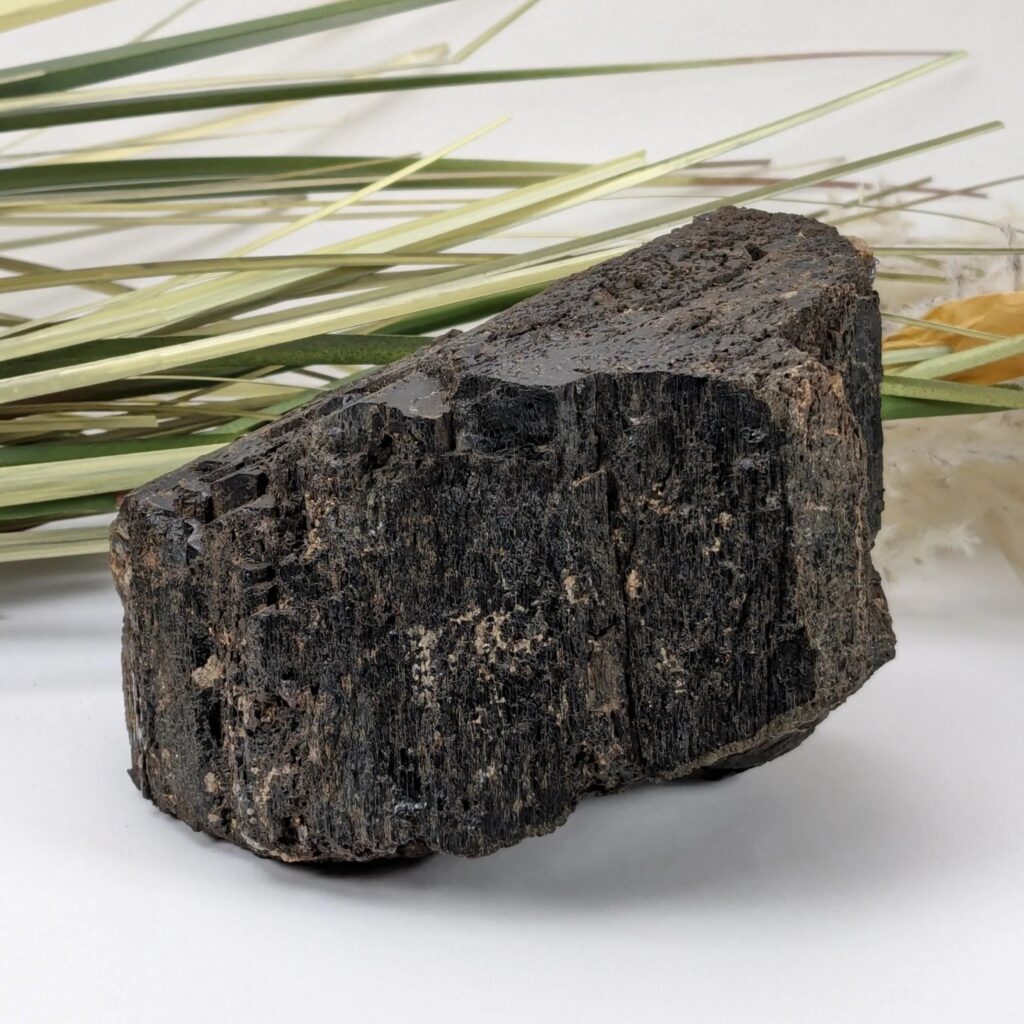
Hornblende is another amphibole, but it is usually much darker (black) and contains aluminum. Actinolite is typically greener and forms thinner, more needle-like crystals.
Actinolite vs. Epidote
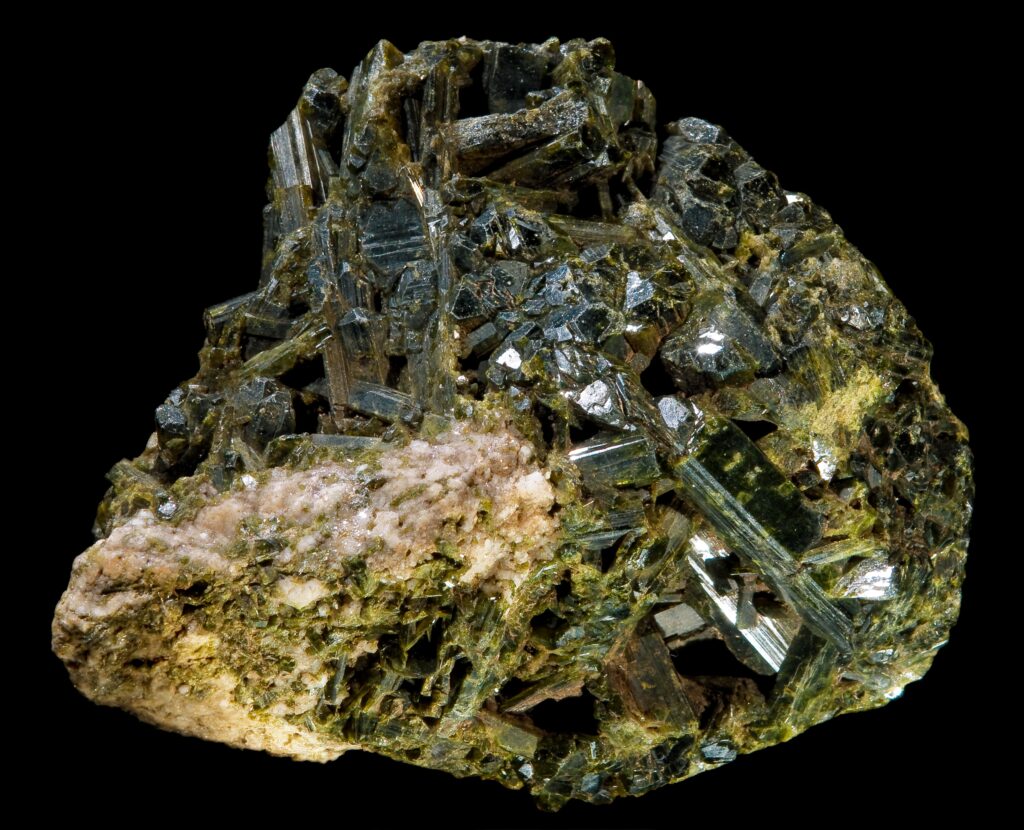
Epidote often has a “pistachio green” color and only one direction of perfect cleavage, whereas actinolite has the characteristic 56°/124° amphibole cleavage.
Actinolite vs. Serpentinite
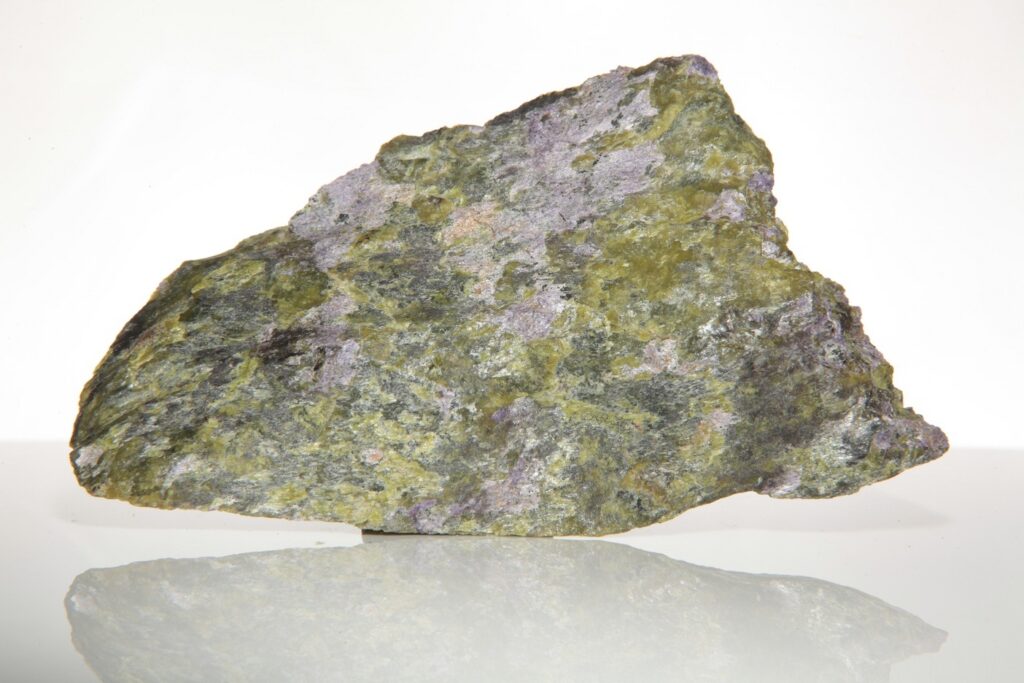
Serpentine is much softer (Mohs 2–3) and feels “waxy” or “greasy” to the touch, while actinolite is harder and more brittle.
Modern Industrial and Scientific Applications
While its use as a commercial asbestos has largely been banned or restricted, actinolite remains vital to modern science.
Tectonic Thermobarometry
Because actinolite only forms within specific temperature and pressure ranges, geologists use it as a “thermometer” and “barometer.” By analyzing the iron-to-magnesium ratio in a sample, scientists can calculate exactly how deep a mountain range was buried 200 million years ago.
Environmental Mineralogy
Actinolite is studied in the context of “Natural Occurrences of Asbestos” (NOA). When construction projects (like roads or tunnels) cut through metamorphic rock, environmental scientists must test for actinolite to ensure dust does not pose a public health risk.
Collecting Actinolite: A Guide for Hobbyists
If you are looking to add actinolite to your mineral collection, look for the following varieties:
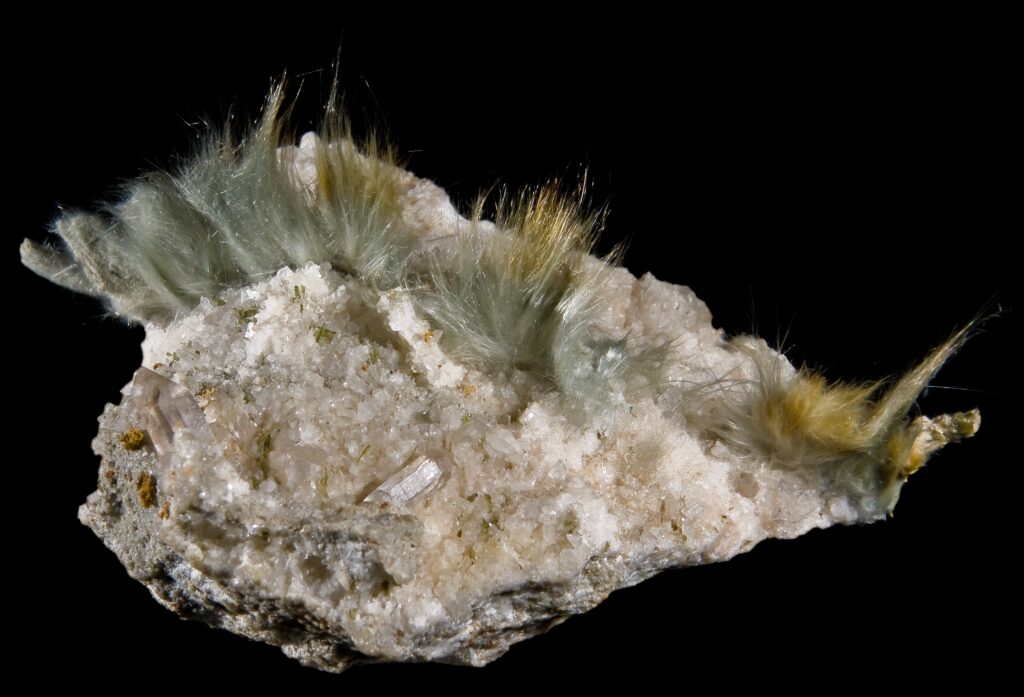
Byssolite: A variety of actinolite that forms hair-like, matted masses. It often grows on other minerals like quartz or epidote.
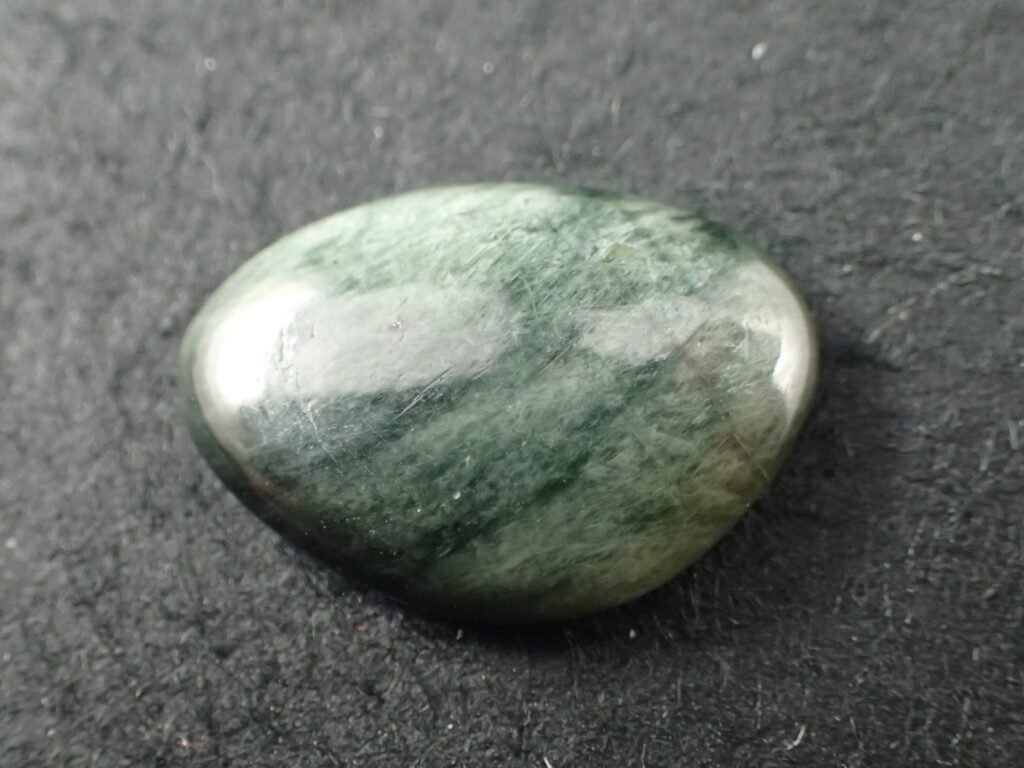
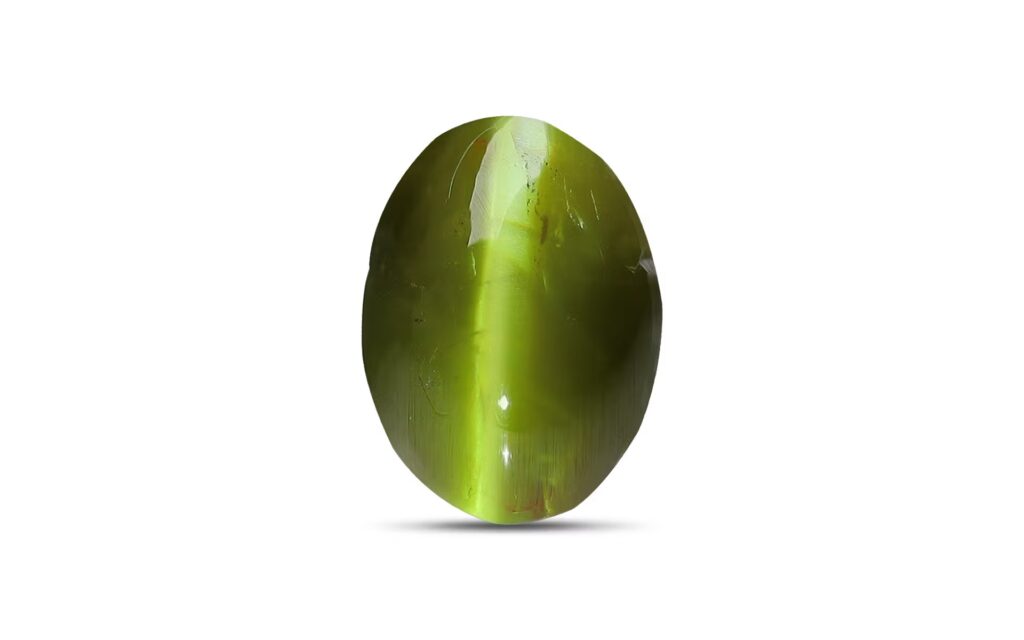
Cat’s Eye Actinolite: When the fibrous structure is aligned perfectly, the stone can be cut into a cabochon to display a “shimmering line” known as chatoyancy.
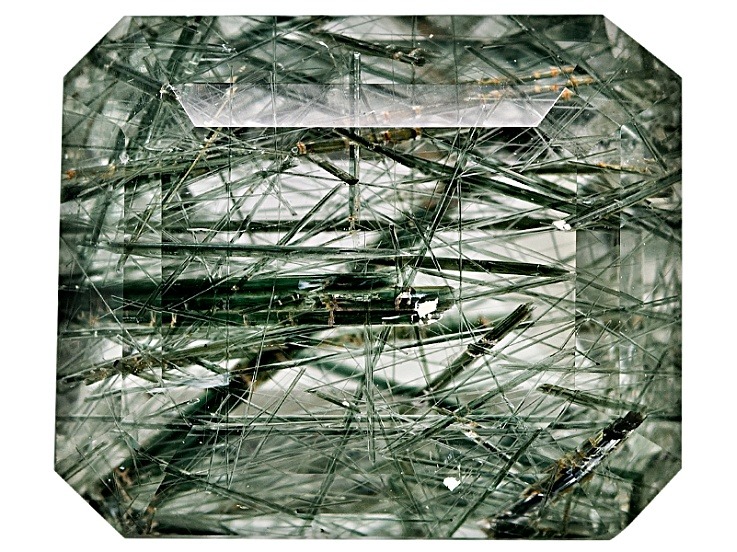
Actinolite in Quartz: Often sold as “Dream Quartz,” these are clear quartz crystals with green actinolite needles suspended inside.
Actinolite bridges the gap between the industrial and the beautiful. From the tough jade axes of Neolithic humans to the high-tech labs of modern petrologists, this mineral has remained a constant in human history. Its presence in the Earth’s crust is a testament to the transformative power of metamorphism—reminding us that under enough pressure, even common elements can rearrange themselves into something spectacular.