
Chromite is an iron chromium oxide mineral with the ideal chemical formula FeCr₂O₄. It belongs to the spinel group of minerals and represents the primary commercial source of chromium metal. Almost all chromium used in modern industries, especially for stainless steel production and high-performance alloys, originates from chromite ores.
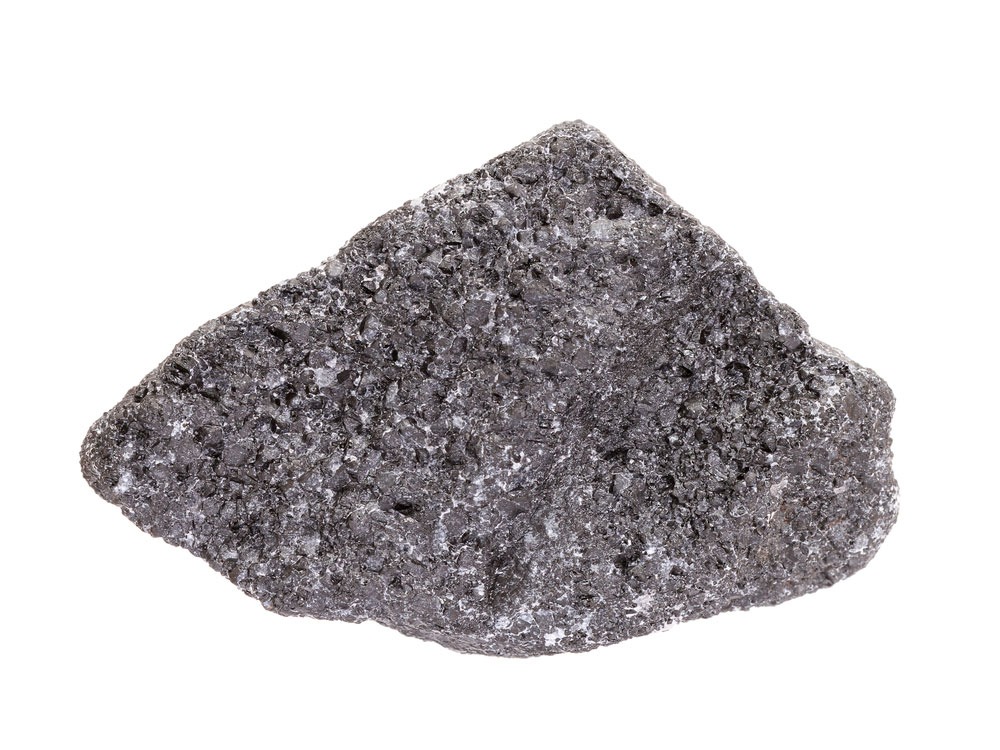
In nature, chromite is rarely found as a completely pure end-member mineral. Instead, it usually occurs as a complex solid solution in which iron, magnesium, aluminum, and other elements can substitute within the crystal structure. These chemical variations create a range of chromite compositions with slightly different physical and metallurgical properties.Chromite is highly valued because of its combination of hardness, high density, chemical stability, resistance to heat, and ability to provide chromium for industrial applications. When processed into ferrochrome, chromite becomes an essential material for producing corrosion-resistant stainless steel, while its refractory properties make it useful in furnaces and other high-temperature environments.
The History of Chromite
The history of chromite is closely associated with the discovery, identification, and industrial development of chromium. In 1797, French chemist Louis Nicolas Vauquelin isolated the element chromium from crocoite, a lead chromate mineral. The name chromium was derived from the Greek word chroma, meaning “color,” reflecting the remarkable range of colors produced by chromium compounds. Following the discovery of chromium, scientists gradually recognized that chromite represented the most abundant and economically significant natural source of this element.
Early chromite mining began in the 19th century, with important deposits first exploited in the Var region of France and later discovered in the Ural Mountains of Russia. However, the global importance of chromite expanded dramatically during the 20th century with the rapid growth of stainless steel production and alloy manufacturing. The development of modern metallurgy created an enormous demand for chromium because of its ability to improve hardness, corrosion resistance, and high-temperature performance in metals. Today, major chromite-producing regions include South Africa, Kazakhstan, India, Turkey, and Zimbabwe, with large-scale mining operations supplying the majority of the world’s chromium requirements.
Geological Formation of Chromite
Chromite is primarily an igneous mineral formed through magmatic processes within the Earth’s upper mantle and lower crust. It is strongly associated with ultramafic and mafic igneous rocks, particularly peridotite, dunite, and related metamorphic rocks such as serpentinite. The formation of chromite deposits requires specific geological conditions in which chromium-rich magma undergoes crystallization and differentiation. Because chromite has a relatively high density and crystallizes at an early stage during magma cooling, chromite crystals tend to separate from the silicate melt and accumulate into concentrated layers or isolated bodies.
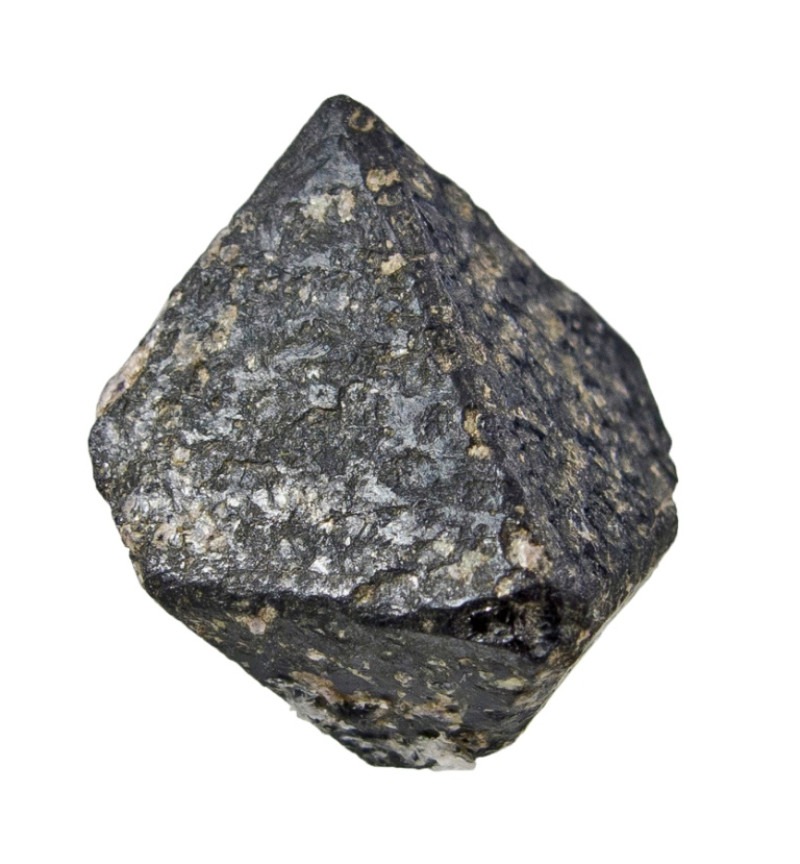
Economically significant chromite deposits are mainly classified into two geological types. Stratiform deposits form within large layered igneous intrusions where repeated cycles of magma crystallization produce extensive chromite-rich layers. During slow cooling inside a magma chamber, dense chromite crystals settle gravitationally and accumulate into horizontal seams known as chromitite layers. The Bushveld Igneous Complex in South Africa represents the largest and most important stratiform chromite deposit worldwide, containing vast resources that supply a significant proportion of global chromium production.
Podiform deposits represent another major geological environment for chromite formation. Unlike stratiform deposits, podiform deposits occur as irregular, lens-shaped, or pod-like concentrations within ophiolite complexes, which are fragments of oceanic crust and upper mantle material transported onto continental regions through tectonic processes. These deposits are typically smaller in size but may contain high-grade chromite ore. Important examples occur in Turkey, the Philippines, Albania, and Cuba, where tectonic activity has exposed portions of ancient oceanic lithosphere containing chromite-rich bodies.
Types and Varieties of Chromite
Chromite is not limited to a single fixed chemical composition but exists as part of a continuous spinel solid solution series. The substitution of different elements within the crystal lattice, especially magnesium, aluminum, and iron, produces a range of chromite varieties. These compositional differences influence the mineral’s physical characteristics, chemical behavior, and economic value. Commercial chromite ores are commonly evaluated according to their chromium-to-iron ratio (Cr:Fe ratio), which determines their suitability for ferrochrome production, refractory applications, or chemical processing.
Aluminian Chromite: A naturally occurring variety characterized by significant aluminum substitution for chromium. This type of chromite often shows modified chemical properties and is commonly found in geological environments where aluminum-rich minerals are present.
Magnesiochromite: A magnesium-rich chromite variety in which magnesium substitutes for divalent iron within the crystal structure. It has the approximate chemical formula MgCr₂O₄ and commonly occurs in magnesium-rich ultramafic environments.
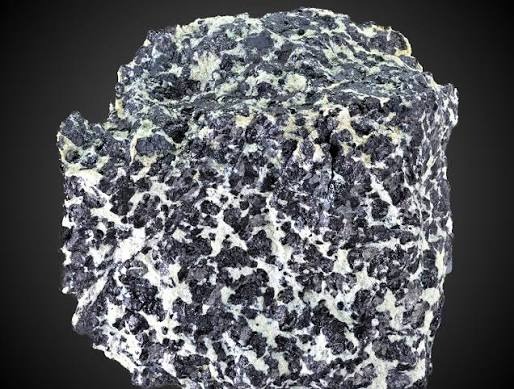
Hercynite-related Chromite: A compositionally intermediate variety formed when aluminum replaces chromium in the crystal lattice. This substitution shifts the composition toward hercynite, represented by the formula FeAl₂O₄, creating a continuous relationship between chromite and hercynite.
Crystal Structure of Chromite
Chromite crystallizes in the isometric crystal system and adopts the typical structure of the spinel group. The ideal spinel structural arrangement can be represented as AB₂O₄, where different metal cations occupy specific crystallographic positions within a closely packed oxygen framework. In chromite, divalent iron ions (Fe²⁺) primarily occupy tetrahedral sites, while trivalent chromium ions (Cr³⁺) occupy octahedral sites surrounded by oxygen ions.
This highly ordered cubic structure is responsible for many of chromite’s distinctive physical properties. The strong ionic and covalent interactions between metal ions and oxygen atoms contribute to its high hardness, density, thermal stability, and resistance to chemical degradation. The stability of the spinel structure allows chromite to survive intense geological processes and makes it particularly suitable for industrial applications involving extreme temperatures and chemically aggressive environments.
Physical and Chemical Properties of Chromite
Chromite displays a distinctive combination of physical characteristics that allow it to be identified both scientifically and in field geological studies. It commonly occurs as massive granular aggregates rather than well-developed crystals and exhibits an iron-black to brownish-black color. Its streak is typically dark brown, which provides an important diagnostic distinction from magnetite, a visually similar iron oxide mineral that produces a black streak. The mineral has a metallic to submetallic luster, although some specimens may appear greasy or pitch-like depending on surface conditions and alteration.
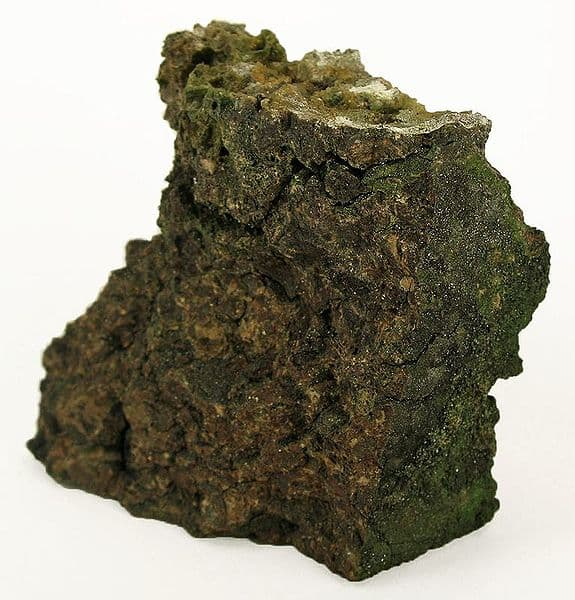
Chromite has a Mohs hardness of approximately 5.5, giving it moderate resistance to mechanical abrasion. Its specific gravity generally ranges from 4.5 to 4.8, reflecting its high concentration of heavy metallic elements. Unlike many minerals with strong cleavage planes, chromite has no distinct cleavage and commonly fractures unevenly or conchoidally. It is usually weakly magnetic, although magnetic properties can increase when iron content is higher or when alteration produces magnetite. Chemically, chromite is highly resistant to weathering, oxidation, and acidic environments, which contributes to its persistence in geological environments and its usefulness as a refractory material.
Applications of Chromite
Chromite has important industrial applications because it is the primary source of chromium, an element widely used for improving corrosion resistance, hardness, and high-temperature performance in materials. The majority of mined chromite is processed into ferrochrome for the production of stainless steel. Chromium in stainless steel forms a protective oxide layer that prevents corrosion, while chromium-containing alloys are also used in aerospace components, gas turbines, and other high-temperature applications.
Chromite is also widely used in the refractory industry due to its high melting point, thermal stability, and resistance to chemical attack. It is processed into refractory bricks and chromite sand for use in steel furnaces, cement kilns, glass production facilities, and metal casting operations, where materials must withstand extreme temperatures and corrosive environments.
In the chemical industry, chromite serves as a source of chromium compounds used in pigments, leather tanning, wood preservation, and electroplating. Chromium-based chemicals provide strong colors, improve material durability, and enhance the surface properties of metals. Because of its essential role in metallurgy, refractory materials, and chemical production, chromite remains one of the most important industrial minerals worldwide.