
Blue Diamond is a rare natural variety of diamond characterized by its distinctive blue coloration, ranging from pale icy blue to vivid deep blue and grayish-blue tones. Like all diamonds, it is composed of crystalline carbon (C) with a cubic crystal structure and possesses a Mohs hardness of 10, making it the hardest naturally occurring mineral known. The blue color is most commonly produced by trace amounts of boron incorporated into the crystal lattice during growth, which selectively absorb portions of visible light and create the gemstone’s characteristic appearance. These boron-bearing diamonds belong to the Type IIb classification and account for less than 0.1% of all natural diamonds, making them among the rarest gemstones in the world. In addition to their exceptional rarity, blue diamonds exhibit unique semiconductive properties that distinguish them from most other natural diamonds and contribute to their importance in both gemology and mineralogical research.Diamond
History of Blue Diamond
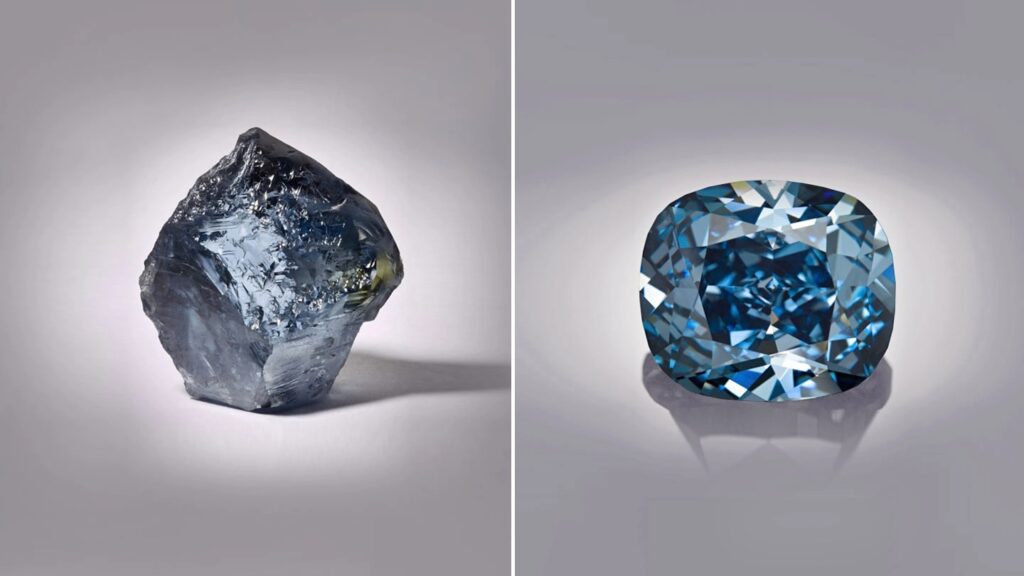
Blue diamonds have been admired for centuries and have played a significant role in the history of gemstones, royal collections, and international trade. Many of the earliest documented specimens originated from the historic Golconda diamond fields of India, which supplied some of the world’s finest diamonds until the eighteenth century. Among the most famous examples is the Hope Diamond, a celebrated blue diamond believed to have originated from the Kollur Mine before becoming part of the French Crown Jewels and later one of the most recognized museum specimens in existence. The discovery of diamond deposits in South Africa during the nineteenth century expanded global production, yet blue diamonds remained exceptionally scarce due to the uncommon geological conditions required for their formation. Today, notable mines such as the Cullinan Mine continue to produce occasional high-quality blue diamonds that frequently achieve record-breaking prices at international auctions, further reinforcing their reputation as symbols of rarity, scientific interest, and exceptional value.
Formation of Blue Diamond
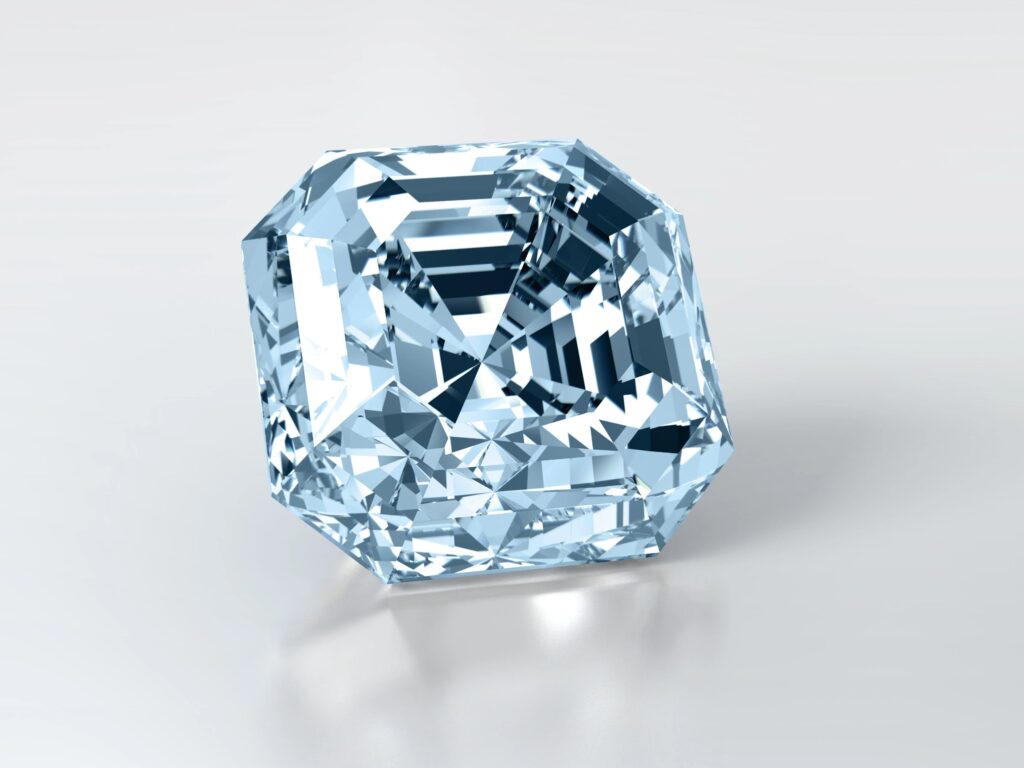
Blue diamonds form deep within the Earth’s mantle under extreme pressures exceeding 5 gigapascals and temperatures between approximately 1,100°C and 1,500°C, where carbon atoms crystallize into the highly ordered diamond structure over hundreds of millions or even billions of years. Their unique blue coloration develops when trace amounts of boron become incorporated into the crystal lattice during growth, a process that is believed to be associated with recycled oceanic crust and marine sediments transported into the deep mantle through tectonic subduction. Because boron is exceptionally rare in mantle environments, only a very small proportion of diamonds acquire this chemical signature, explaining the extraordinary scarcity of natural blue diamonds. Following their formation, these crystals are rapidly transported to the Earth’s surface by volatile-rich kimberlite or lamproite magmas during explosive volcanic eruptions, preserving their structure before they can transform into graphite. This combination of unusual geochemical conditions and rare geological processes makes blue diamonds one of the most exceptional and scientifically significant varieties of natural gemstone-quality diamond.
Where Are Blue Diamonds Found?
Natural blue diamonds are among the rarest gemstones on Earth and have been discovered in only a limited number of diamond-producing regions. Their scarcity is directly related to the unusual geological conditions required for boron to become incorporated into the diamond crystal during formation deep within the Earth’s mantle, making blue diamonds exceptionally uncommon even in productive diamond mines. Historically, some of the earliest and most famous specimens originated from the legendary Golconda diamond fields of present-day India, particularly the Kollur Mine, which supplied numerous gemstones to royal collections and is widely regarded as the source of the renowned Hope Diamond. In modern times, South Africa has become the world’s most important producer of natural blue diamonds, with the Cullinan Mine yielding several internationally celebrated Type IIb diamonds noted for their remarkable size, clarity, and vivid color. Additional blue diamonds have been recovered in limited quantities from Botswana, Canada, Russia, and Australia, although discoveries from these regions remain sporadic and account for only a small percentage of global production.
From a geological perspective, blue diamonds form at depths exceeding 150–250 kilometers beneath the Earth’s surface under extreme pressures and temperatures before being transported upward through explosive kimberlite or lamproite volcanic eruptions. Only a tiny fraction of these volcanic pipes contain boron-bearing diamonds, and only a small percentage of those crystals possess gem-quality characteristics suitable for jewelry. After mining, rough diamonds undergo advanced sorting, optical analysis, and gemological evaluation to identify the exceptionally rare blue specimens. The combination of unique mantle chemistry, deep-earth formation processes, and limited geographic occurrence explains why natural blue diamonds remain one of the most valuable and scientifically significant varieties of diamond known today.
How Are Blue Diamonds Graded?
Color
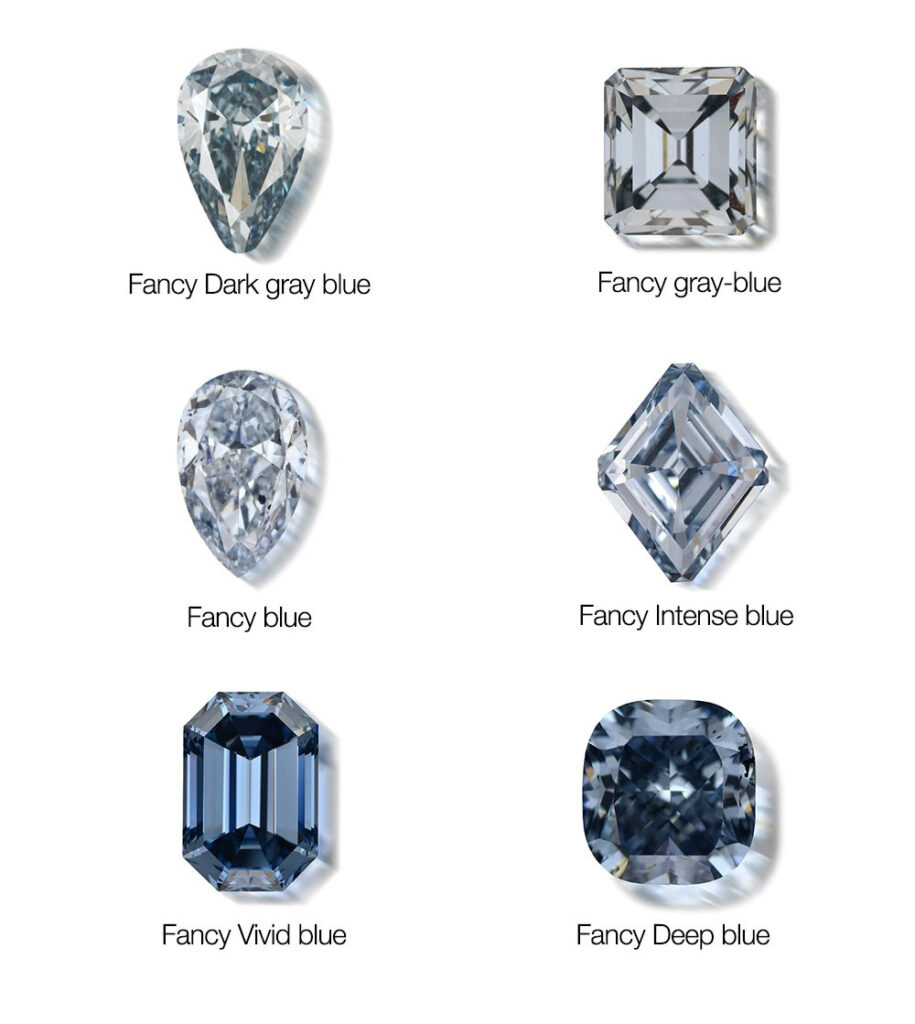
Blue diamonds are graded according to the internationally recognized Four Cs—color, clarity, cut, and carat weight—but unlike colorless diamonds, color is the dominant factor influencing rarity and market value. Gemological laboratories carefully evaluate hue, tone, and saturation, assigning standardized classifications such as Fancy Light Blue, Fancy Blue, Fancy Intense Blue, Fancy Vivid Blue, Fancy Deep Blue, and Fancy Dark Blue. Diamonds displaying a pure, evenly distributed blue color with strong saturation and minimal gray or green modifiers are generally considered the most desirable and command the highest prices. Clarity is also important, with many Type IIb blue diamonds exhibiting exceptional crystal purity and relatively few nitrogen-related inclusions, while an expertly executed cut is designed to maximize both brilliance and color intensity rather than simply preserve weight.
Cut
The cut of a diamond does not refer to its shape (such as round or pear), but rather to the meticulous engineering of its proportions, symmetry, and polish. It is the only one of the Four Cs directly controlled by human craftsmanship. Gemologists evaluate cut by analyzing how precisely a diamond’s facets are aligned and angled, which dictates how effectively the stone interacts with light. Grading categories are strictly assigned on a scale from Excellent and Very Good down to Good, Fair, and Poor.
- Brilliance: The total amount of internal and external white light reflected back to the viewer.
- Fire: The dispersion of light into flashes of vivid, rainbow-like colors.
- Scintillation: The sparkle and pattern of light and dark areas produced when the diamond, light source, or viewer moves.
Because an expertly executed cut can mask minor color tints or conceal subtle inclusions, it is widely considered the most influential factor in determining a diamond’s overall visual beauty and life.
Clarity
Clarity evaluates the structural purity of a diamond, mapping the presence of internal characteristics known as inclusions and surface anomalies termed blemishes. Formed deep within the Earth under immense heat and pressure, nearly all diamonds bear these tiny microscopic signatures of nature, which can include trapped crystals, tiny fractures, or clouding. Professional grading is performed under 10x magnification and categorizes stones into a standardized hierarchy:
- Flawless (FL) and Internally Flawless (IF): No inclusions visible under magnification; the pinnacle of absolute purity.
- Very Very Slightly Included (VVS1/VVS2): Inclusions are so minute that they are extremely difficult for even skilled graders to locate.
- Very Slightly Included (VS1/VS2): Minor inclusions that are visible under magnification but typically invisible to the naked eye (“eye-clean”).
- Slightly Included (SI1/SI2): Noticeable inclusions under magnification that may occasionally be visible to an astute untrained eye.
- Included (I1/I2/I3): Inclusions are prominent and may affect either the diamond’s transparency or its structural integrity.
Higher clarity grades indicate an absence of internal imperfections, representing greater crystal purity. Consequently, as clarity moves closer to Flawless, the diamond’s scarcity and market value escalate exponentially.
Carat Weight
Carat weight defines the physical mass of a diamond, with one metric carat precisely equal to 0.2 grams (further divided into 100 “points” for highly accurate measurements). While it is a common misconception that carat weight directly dictates the physical size or diameter of a stone, it is a definitive marker of geological rarity. As diamond crystals grow larger in nature, they become increasingly rare; thus, a single 2-carat diamond is far scarcer—and vastly more expensive—than two 1-carat diamonds of equal quality.
However, a diamond’s valuation does not increase linearly with its weight. Instead, prices jump exponentially at critical “magic numbers” or benchmark weights (such as 0.50 ct, 1.00 ct, or 2.00 ct). Ultimately, carat weight is a measure of size, not beauty. Two diamonds of identical carat weight can exhibit wildly disparate market values depending on how their weight is distributed via the Cut, the purity of their Clarity, and the richness or absence of their Color.Carat Weight represents a diamond’s mass, with one carat equal to 0.2 grams. While larger diamonds are generally rarer, value increases are not strictly proportional to weight. Two diamonds of identical carat weight may differ significantly in price depending on their cut quality, color grade, clarity, and overall visual appearance.
Blue Diamond Alternatives and Similar Gemstones
Because natural blue diamonds are among the rarest and most expensive gemstones in the world, many buyers explore alternative gemstones that offer a similar blue appearance while remaining more affordable and widely available. Among these, blue sapphire is considered the most popular substitute, prized for its rich royal-blue color, exceptional durability, and long history in fine jewelry. Aquamarine provides a lighter, transparent blue tone with excellent clarity, while blue spinel is appreciated for its natural brilliance, vivid color, and rarity as an untreated gemstone. Blue zircon, known for its high refractive index and strong fire, is another attractive option that delivers remarkable sparkle at a relatively accessible price point.
For those who prefer the optical and physical properties of diamond, laboratory-grown blue diamonds offer the same chemical composition, crystal structure, and Mohs hardness as natural diamonds but are produced under controlled conditions, making larger and higher-quality stones significantly more affordable. Color-enhanced natural diamonds, whose blue hues are created through irradiation or high-pressure, high-temperature treatments, also provide a cost-effective alternative while maintaining the durability and brilliance associated with diamond. Although none of these gemstones possess the geological rarity or collector prestige of a natural Type IIb blue diamond, each offers its own combination of beauty, performance, and value, making them excellent choices for jewelry enthusiasts seeking the elegance of a blue gemstone.
Famous Blue Diamonds
The Hope Diamond
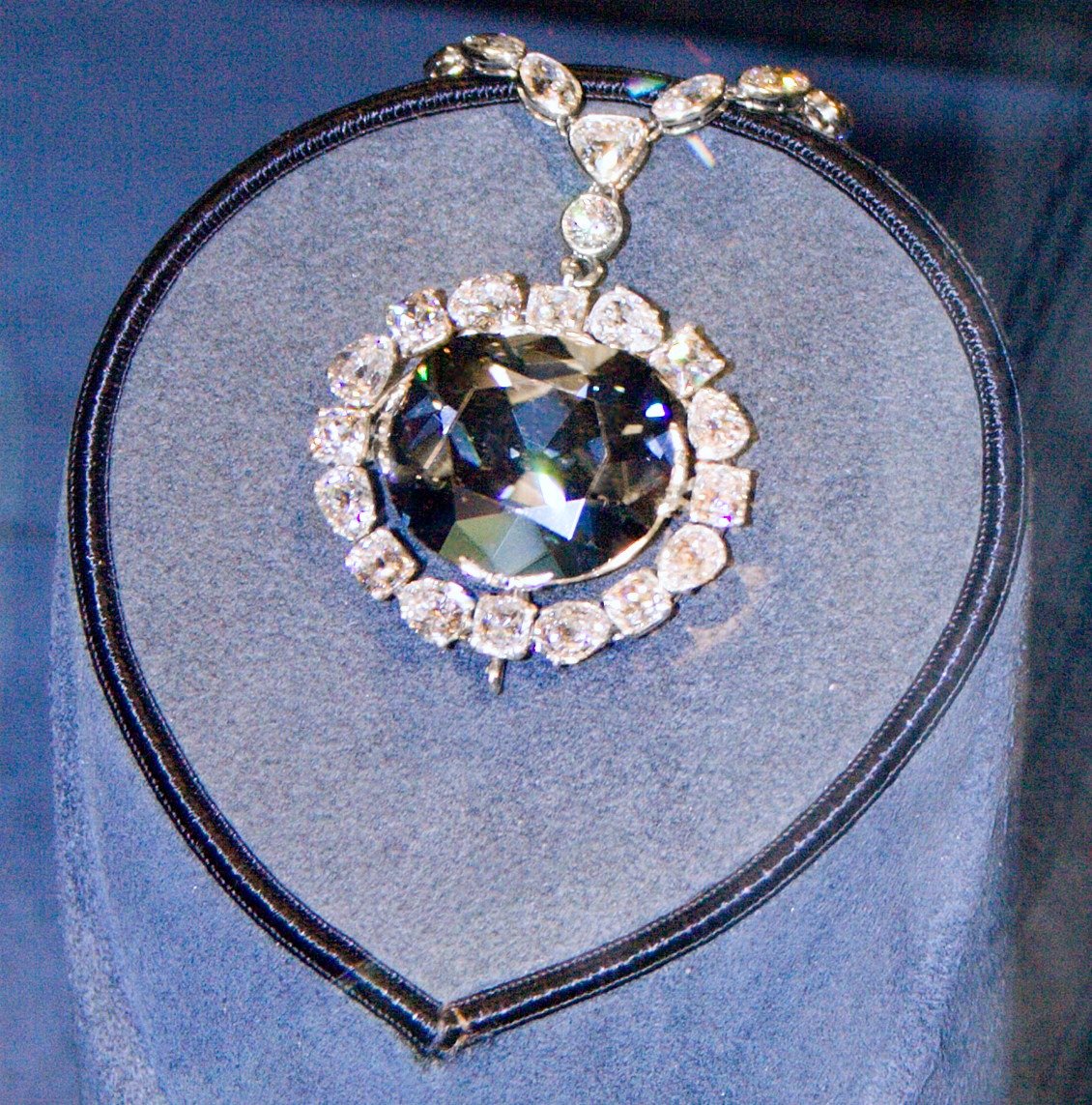
The Hope Diamond is the world’s most celebrated blue diamond and one of the best-known gemstones in history. Weighing 45.52 carats, this Fancy Dark Grayish Blue diamond is believed to have originated from the historic Golconda mines of India before passing through French royal collections and eventually becoming part of the Smithsonian Institution. Its legendary history, distinctive red phosphorescence, and exceptional geological characteristics have inspired centuries of scientific research, cultural fascination, and popular mythology.
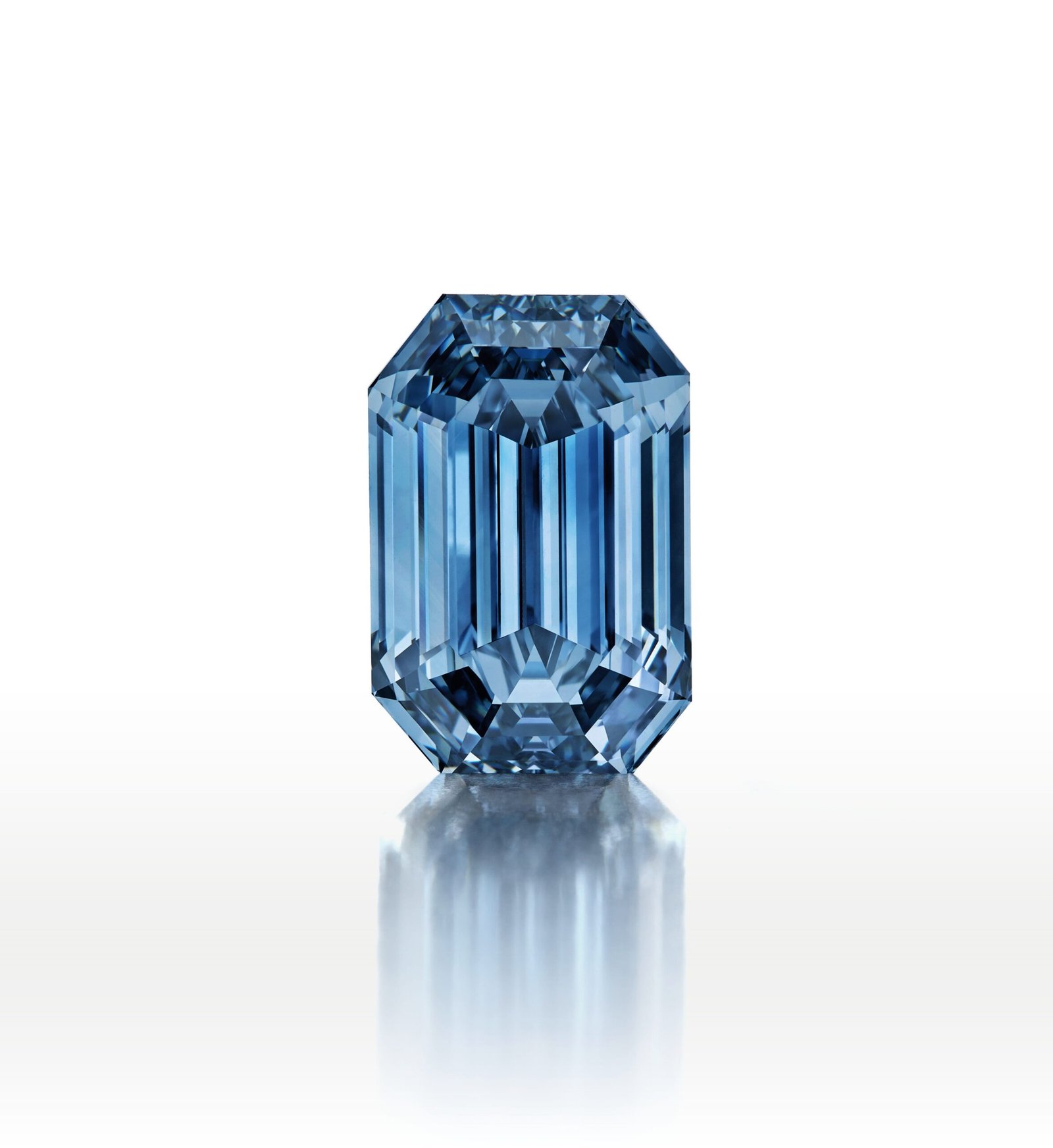
The Oppenheimer Blue
Named after Sir Philip Oppenheimer, this extraordinary 14.62-carat emerald-cut Fancy Vivid Blue diamond is regarded as one of the finest blue diamonds ever offered at auction. Its remarkable color saturation, exceptional transparency, and elegant proportions contributed to a record-breaking sale price, establishing it as one of the most valuable gemstones in the international market and a benchmark for premium Type IIb blue diamonds.
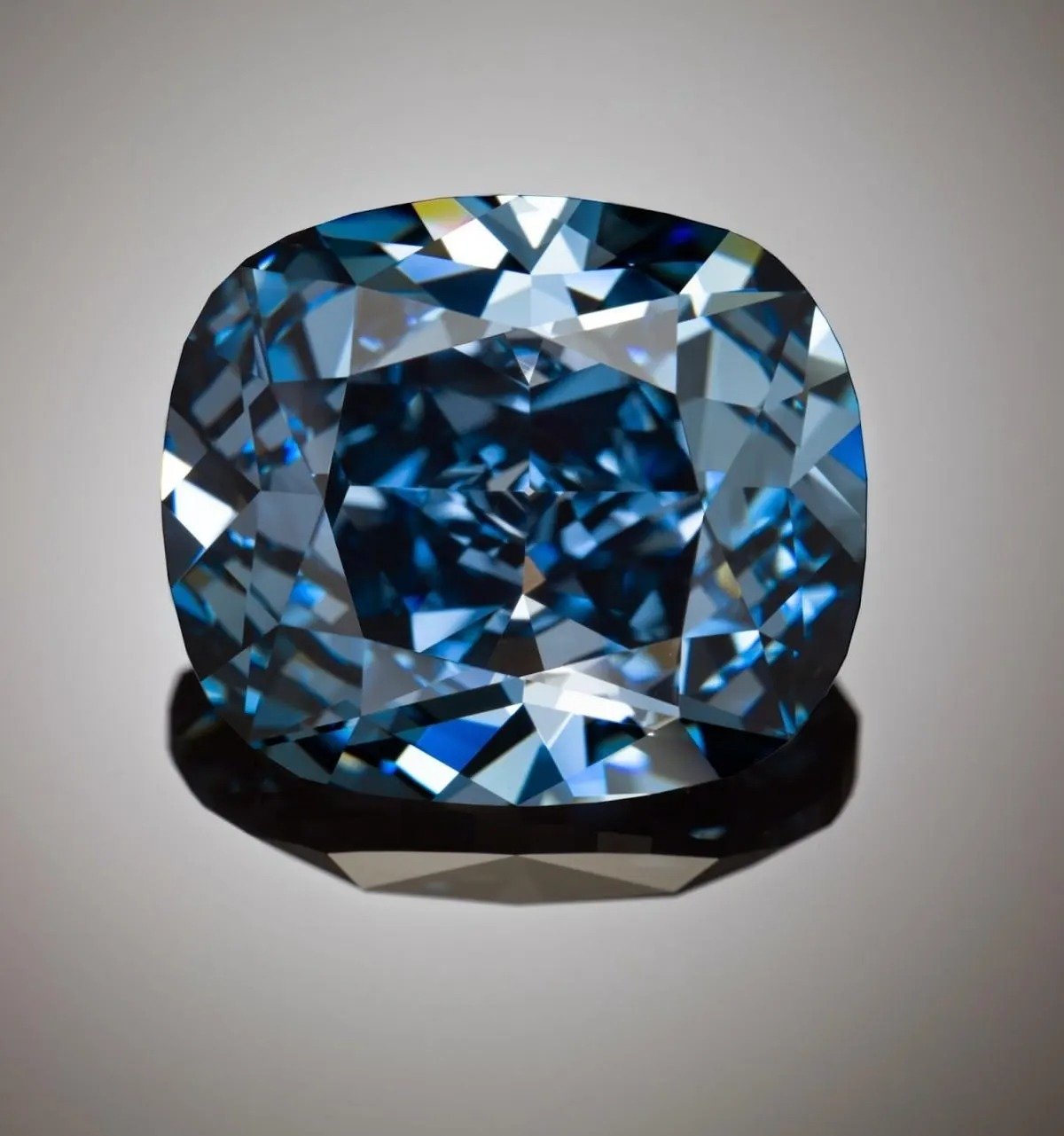
Blue Moon of Josephine
Recovered from South Africa’s famous Cullinan Mine, the Blue Moon of Josephine is a flawless 12.03-carat Fancy Vivid Blue diamond renowned for its extraordinary purity and vivid natural color. The gemstone achieved one of the highest per-carat prices ever recorded at auction, demonstrating the exceptional rarity and investment appeal of large, internally flawless natural blue diamonds.
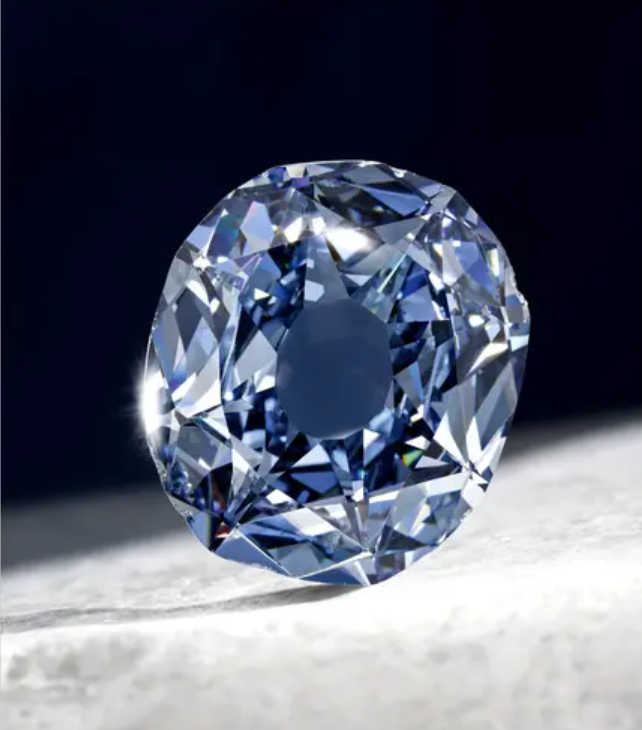
The Wittelsbach-Graff Diamond
Dating back to the seventeenth century, the Wittelsbach-Graff Diamond is one of Europe’s most historically important gemstones. Originally part of the Bavarian Crown Jewels, this deep blue diamond later underwent a meticulous recutting process that enhanced its brilliance while preserving its remarkable color. Today it remains an enduring symbol of royal heritage and master gem craftsmanship.
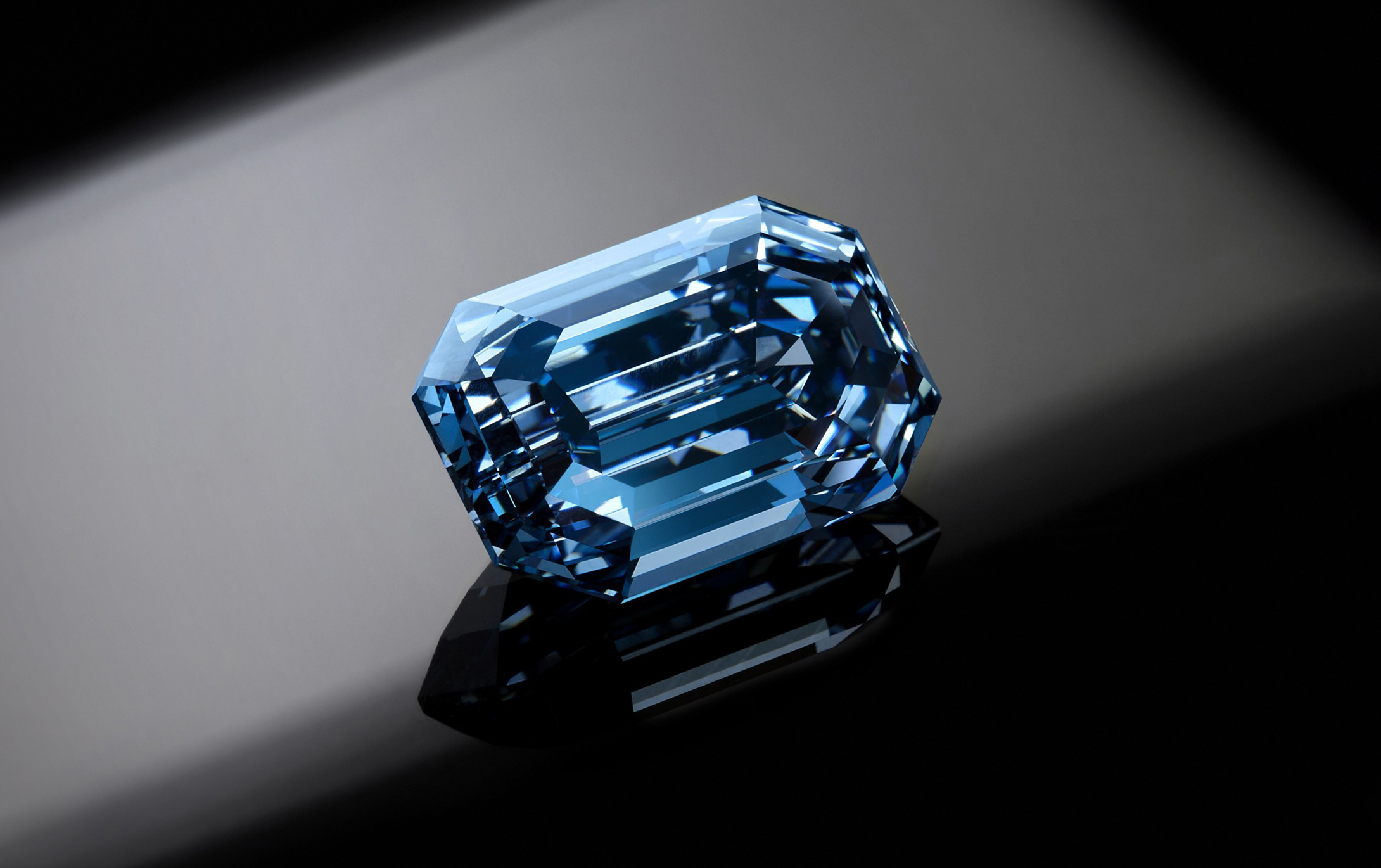
The De Beers Blue
The De Beers Blue is a spectacular 15.10-carat step-cut Fancy Vivid Blue diamond discovered at the Cullinan Mine and unveiled in 2022. Classified as a Type IIb diamond, it possesses exceptional transparency, intense saturation, and remarkable internal purity. Its appearance on the international market reinforced the mine’s reputation as the world’s premier source of museum-quality natural blue diamonds.
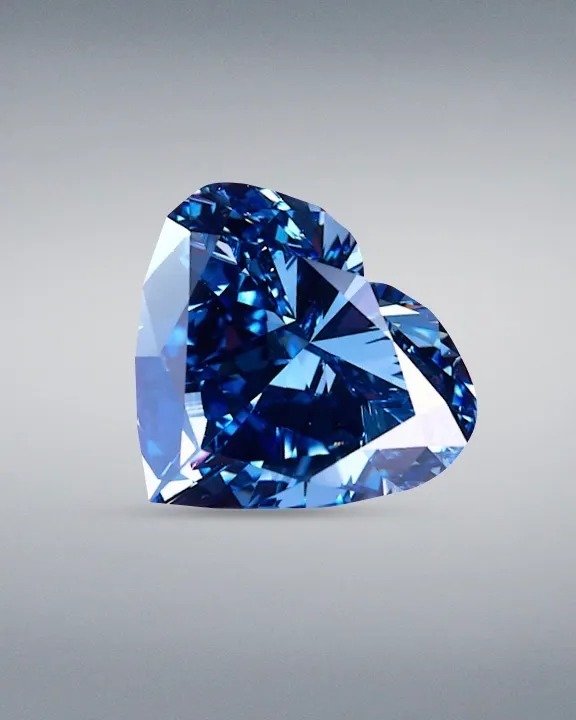
Heart of Eternity
The Heart of Eternity is an exceptionally rare 27.64-carat heart-shaped Fancy Vivid Blue diamond and one of the most recognizable members of the renowned De Beers Millennium Jewels collection. Distinguished by its perfectly symmetrical cut and captivating deep blue hue, it represents one of the largest and finest natural blue diamonds ever polished, showcasing the extraordinary beauty and rarity that define the world’s most prestigious colored gemstones.
Cultural Meaning and Symbolism of Blue Diamonds
Blue diamonds have long been admired not only for their extraordinary rarity but also for the rich symbolic meanings attributed to them across different cultures and historical periods. The unique blue hue is widely associated with wisdom, truth, integrity, and intellectual clarity, while the diamond itself has traditionally represented strength, permanence, and resilience due to its unparalleled hardness and durability. Together, these qualities have established the blue diamond as a powerful symbol of enduring values and exceptional character.In many cultural traditions, blue is regarded as a color of tranquility, trust, and emotional stability. As a result, blue diamonds are often chosen to commemorate significant milestones such as engagements, anniversaries, and family heirlooms, where they symbolize lasting commitment, loyalty, and sincere affection. Their exceptional scarcity further enhances this symbolism, making them representations of uniqueness, exclusivity, and achievements that are considered truly one of a kind. For collectors and connoisseurs, a natural blue diamond is frequently viewed as an expression of refined taste, prestige, and timeless elegance.
Some modern crystal and gemstone traditions also associate blue diamonds with enhanced communication, inner confidence, intuition, and spiritual awareness, suggesting that their calming color encourages thoughtful decision-making and emotional balance. While these metaphysical interpretations remain cultural and symbolic beliefs rather than scientifically verified properties, they continue to influence the popularity of blue diamonds in jewelry design and personal collections around the world.From a contemporary perspective, the symbolism of blue diamonds extends beyond romance and spirituality to encompass rarity, excellence, and enduring value. Their remarkable geological origin, limited natural occurrence, and association with some of history’s most celebrated gemstones have transformed them into icons of luxury and sophistication. Whether appreciated for their scientific significance, historical legacy, or symbolic meaning, blue diamonds remain enduring emblems of beauty, resilience, and timeless distinction.
Diamond Care and Diamond Cleavage
Although diamond is the hardest naturally occurring mineral, its exceptional hardness does not make it indestructible. Diamonds possess perfect diamond cleavage, a crystallographic property that allows the crystal to split along specific atomic planes when subjected to a sharp impact. For this reason, a diamond is generally more susceptible to chipping from a sudden blow than to scratching during everyday wear, especially if it features pointed shapes such as princess, pear, marquise, or heart cuts. To minimize the risk of diamond cleavage, jewelry should be removed before sports, heavy lifting, gardening, or other high-impact activities, and stored separately in a soft-lined jewelry box or fabric pouch to prevent contact with other gemstones or diamonds. Regular cleaning with warm water, mild soap, and a soft brush helps maintain brilliance without damaging the stone, while periodic inspections by a professional jeweler ensure that prongs and settings remain secure. Choosing protective settings, avoiding accidental impacts against hard surfaces, and understanding the natural cleavage characteristics of diamond are the most effective ways to preserve its structural integrity and ensure that it remains beautiful and durable for generations.