
Taaffeite is a rare beryllium magnesium aluminum oxide mineral with the chemical formula Mg₃BeAl₈O₁₆. It crystallizes in the hexagonal crystal system and is chemically positioned between spinel and chrysoberyl. On the Mohs hardness scale, it ranges from 8 to 8.5, and it possesses a specific gravity of approximately 3.60 to 3.62. Visually, taaffeite ranges from transparent to translucent, displaying colors that include pale mauve, lilac, violet, pink, and occasionally brownish or greenish hues. Unlike spinel, which is isotropic and singly refractive, taaffeite is uniaxially negative and exhibits weak double refraction (birefringence), which serves as a primary diagnostic feature for distinguishing the two minerals.
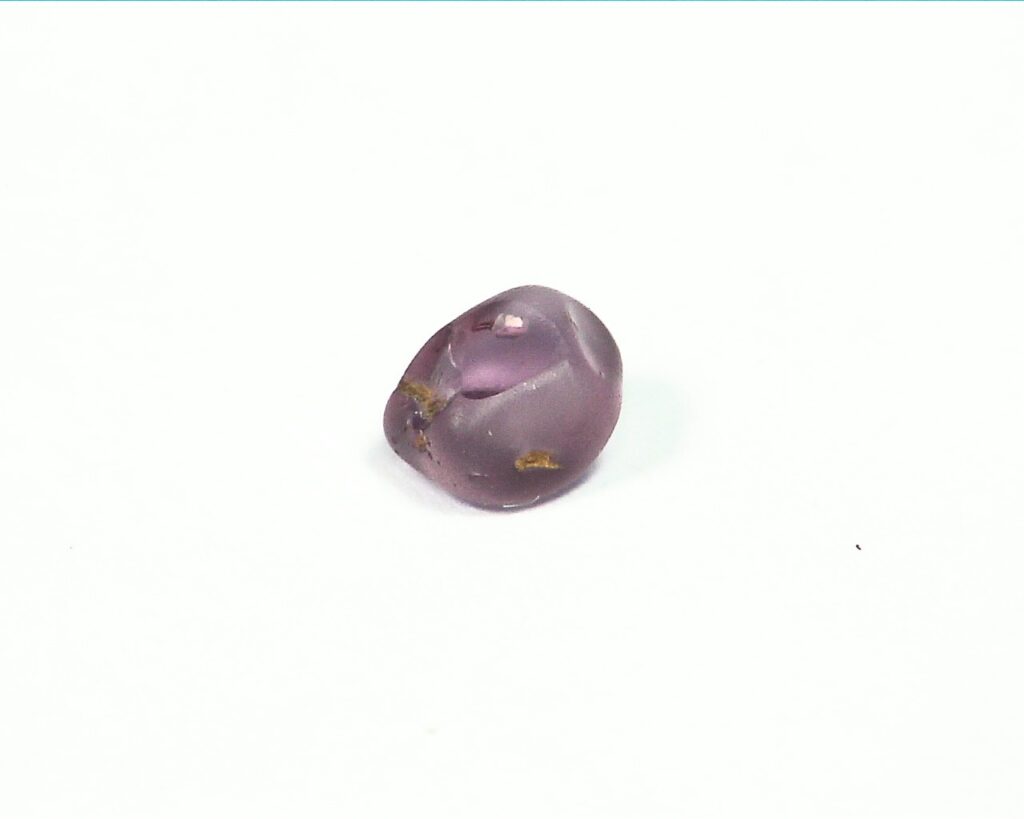
The identification of taaffeite occurred through an unusual sequence of events in gemological history. In November 1945, Richard Taaffe, a gemologist based in Dublin, Ireland, purchased a collection of cut gemstones sold as spinels. Upon optical examination, Taaffe noted that one mauve specimen exhibited double refraction, contradicting the cubic crystal structure of true spinel. To identify the anomaly, a portion of the stone was sent to the Laboratory of the London Chamber of Commerce and subsequently to the Natural History Museum in London. X-ray diffraction and chemical analysis confirmed that the material was a previously undocumented mineral species. The International Mineralogical Association officially recognized it under the name taaffeite in 1951, documenting it as the first new mineral to be discovered from a pre-faceted stone.
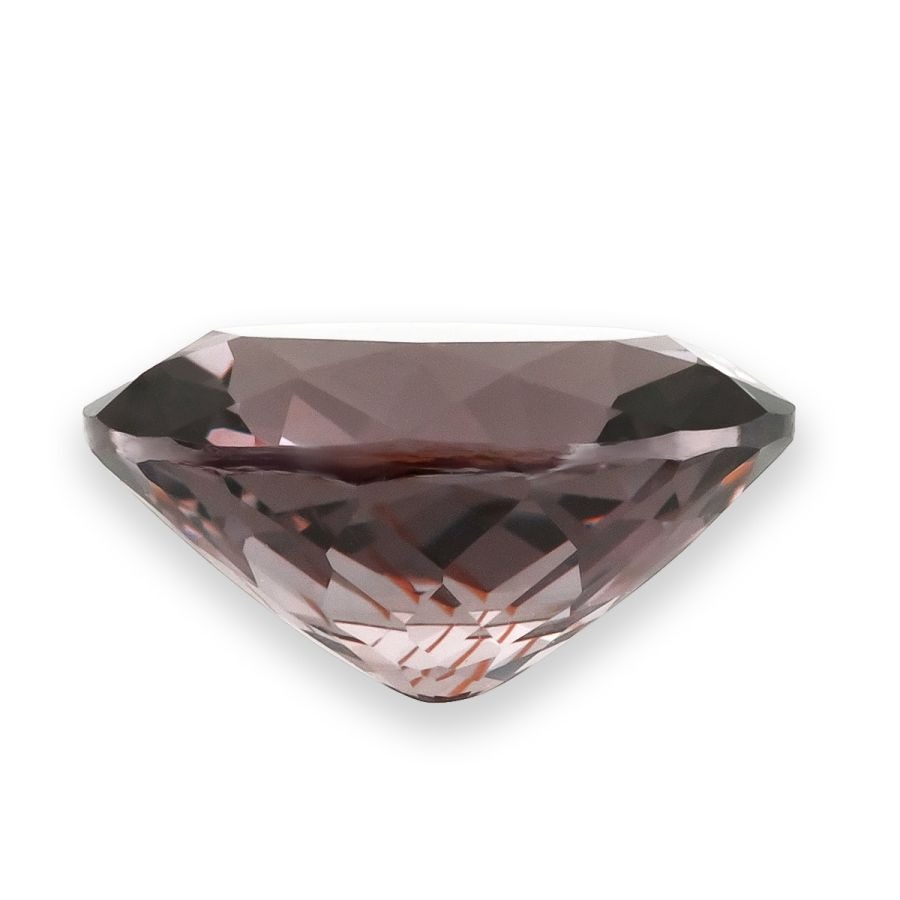
Taaffeite forms under specific paragenetic conditions within high-grade regional metamorphic zones or hydrothermal contact environments. It typically occurs where beryllium-bearing granitic pegmatites or hydrothermal fluids interact with magnesium-rich carbonate rocks, such as dolomites and skarns. The crystallization of taaffeite requires a precise chemical environment rich in beryllium, magnesium, and aluminum, combined with an exceptionally low concentration of silicon dioxide. If silicon dioxide is abundant in the system, beryllium preferentially reacts to form silicate minerals like beryl or chrysoberyl instead. Due to the rarity of these overlapping geological constraints, primary deposits are limited. The mineral is predominantly recovered as alluvial pebbles in the gemstone gravels of Sri Lanka and Myanmar, with minor occurrences documented in Madagascar, China, and Tanzania.
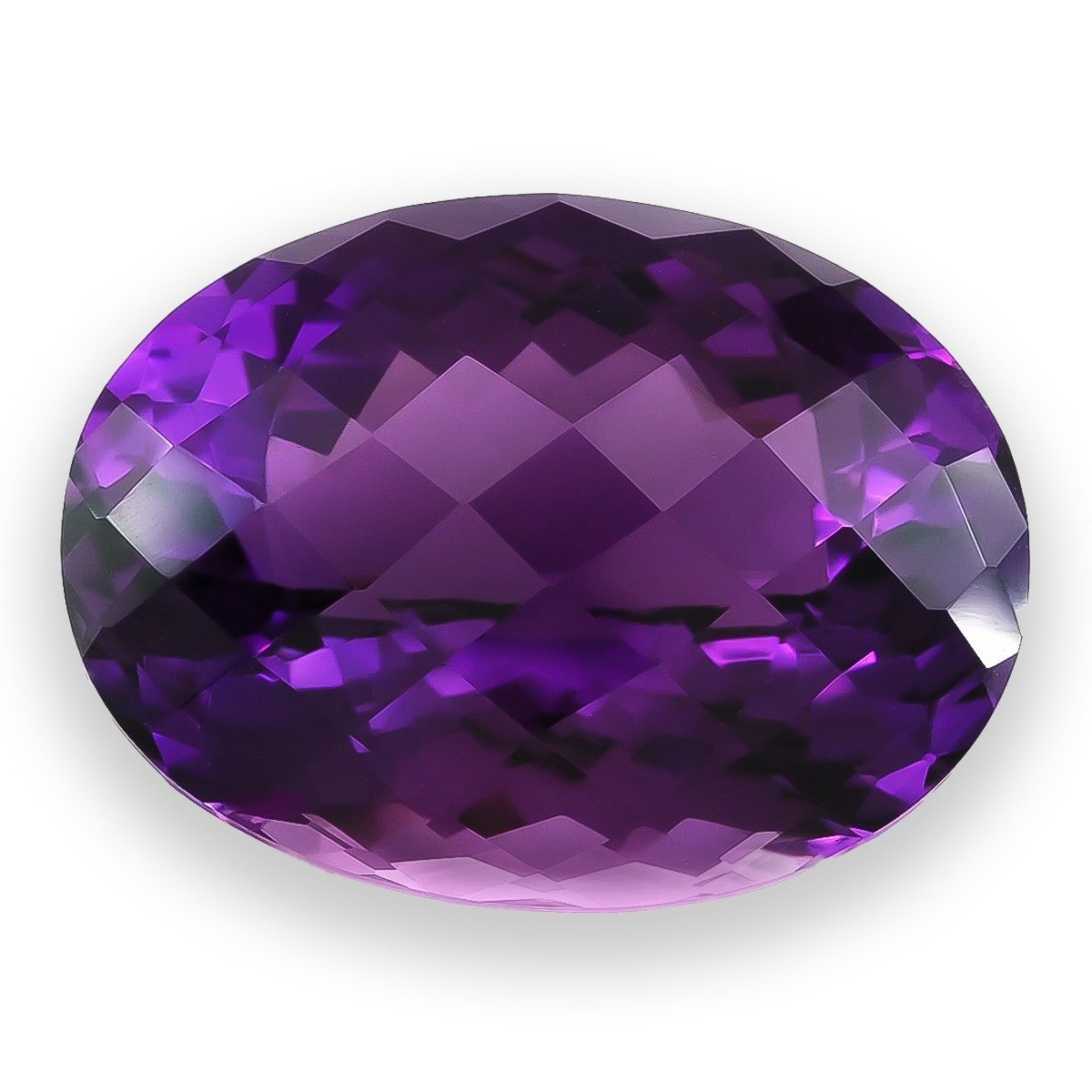
Physical and Chemical Properties of Taaffeite
Taaffeite is one of the rarest gemstone minerals known and is highly valued by both mineral collectors and gem enthusiasts. It is a beryllium magnesium aluminum oxide with the ideal chemical formula BeMg₃Al₈O₁₆ and belongs to the oxide mineral class. The mineral crystallizes in the hexagonal crystal system and is typically found as small crystals or waterworn gem fragments. Taaffeite commonly occurs in colors ranging from pale pink and lavender to violet, reddish-purple, and occasionally colorless. It exhibits a vitreous luster, transparent to translucent transparency, and a white streak. With a Mohs hardness of approximately 8–8.5, Taaffeite is harder than quartz and comparable to many durable gemstone materials. Its specific gravity generally ranges from 3.60 to 3.65, while its refractive index falls between approximately 1.72 and 1.73. One of the most important gemological characteristics of Taaffeite is its double refraction, which distinguishes it from spinel, a mineral with a similar appearance but different optical behavior. Chemically, Taaffeite is relatively stable and resistant to ordinary weathering processes. Minor substitutions of iron, chromium, zinc, or manganese may occur within its crystal structure, producing subtle variations in color and optical properties. The mineral is generally resistant to water and weak acids, although prolonged exposure to strong acids may gradually alter its surface.
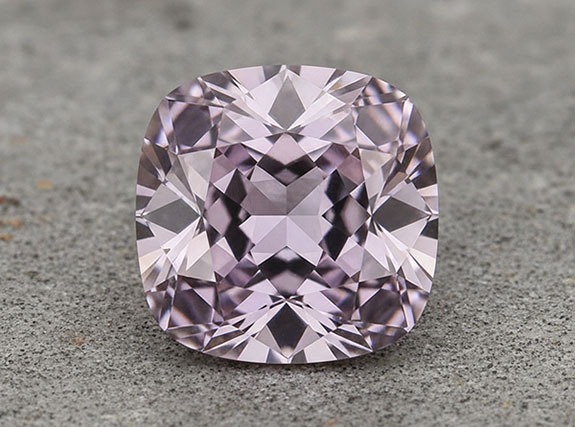
Applications and Significance of Taaffeite
Because of its exceptional rarity, Taaffeite has almost no industrial applications and is primarily valued as a gemstone and collectible mineral. High-quality transparent specimens are cut into faceted gems that are highly sought after in the international gemstone market. Due to the limited supply of gem-quality material, Taaffeite is often considered a collector’s gemstone rather than a mainstream jewelry stone. Nevertheless, its attractive pink, lavender, and violet colors, combined with its good hardness and brilliance, make it suitable for use in rings, pendants, earrings, and other fine jewelry pieces. Beyond its use as a gemstone, Taaffeite holds considerable scientific importance in the fields of mineralogy and gemology. Researchers study its crystal chemistry, optical properties, and geological occurrence to better understand the formation of rare beryllium-bearing minerals. Museums and educational institutions also value Taaffeite specimens because they represent one of the rarest naturally occurring gemstone minerals on Earth. As a result, the mineral occupies a unique position at the intersection of scientific research, mineral collecting, and luxury gemstone appreciation.