
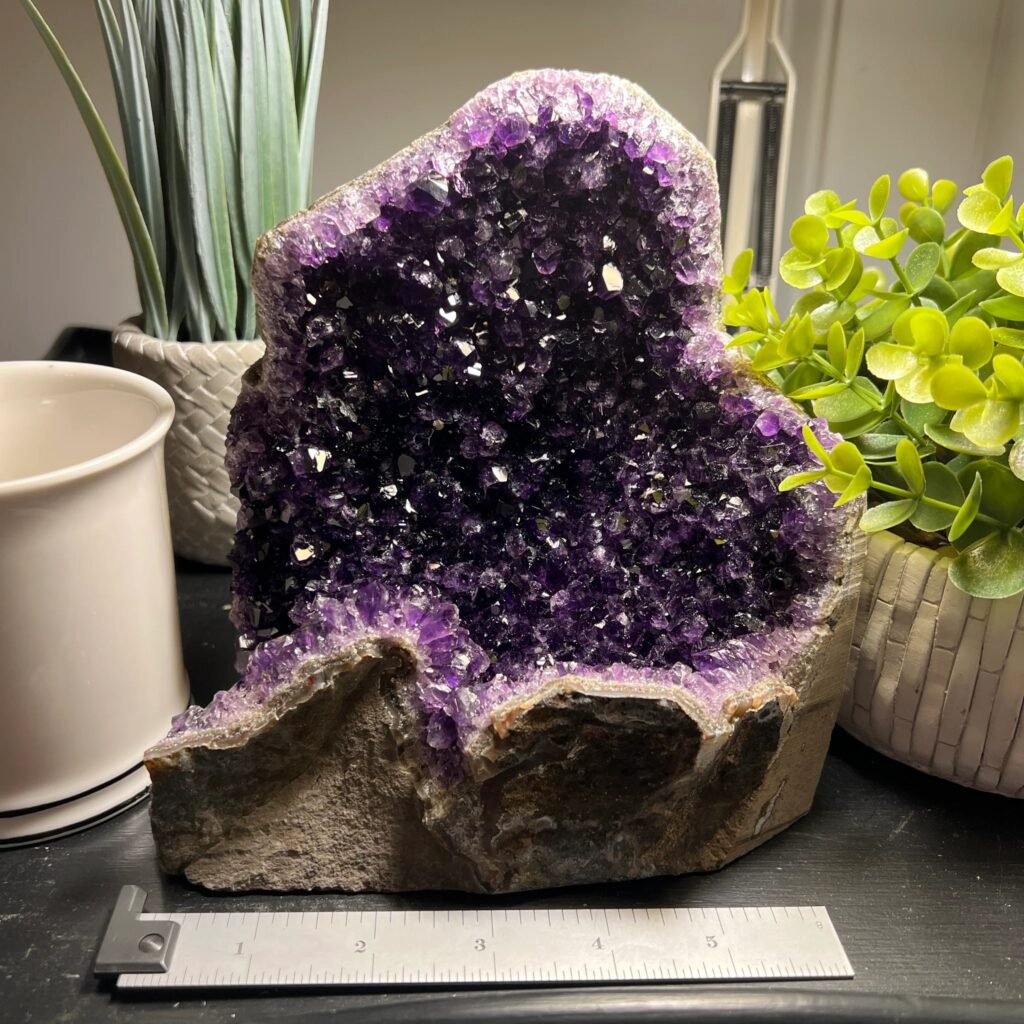
Amethyst is a violet-to-purple variety of quartz (SiO₂). Its distinctive color is caused by trace amounts of iron and natural irradiation during crystal formation. With a Mohs hardness of 7, amethyst is durable enough for everyday jewelry while still being easy to cut and polish.As a purple variety of quartz, amethyst has been admired for thousands of years for its beauty, durability, and symbolic meaning. From ancient royal jewelry to modern gemstone collections, amethyst continues to hold a special place in gemology and culture.
Amethyst Color and Rarity
Amethyst is the violet to purple variety of quartz, a mineral that is widely distributed throughout the Earth’s crust. While quartz itself is extremely common, truly exceptional amethyst is not. The finest quality is often referred to in the trade as “Siberian color,” a term used to describe a deep, rich purple resembling concord grapes, combined with subtle red or blue secondary flashes when viewed under incandescent light.These secondary flashes are a key indicator of top-quality amethyst and are typically visible only in stones with strong color saturation. Lighter or weaker purple material rarely displays this effect, which is why deeply colored amethyst with red or blue undertones is considered especially rare and desirable.
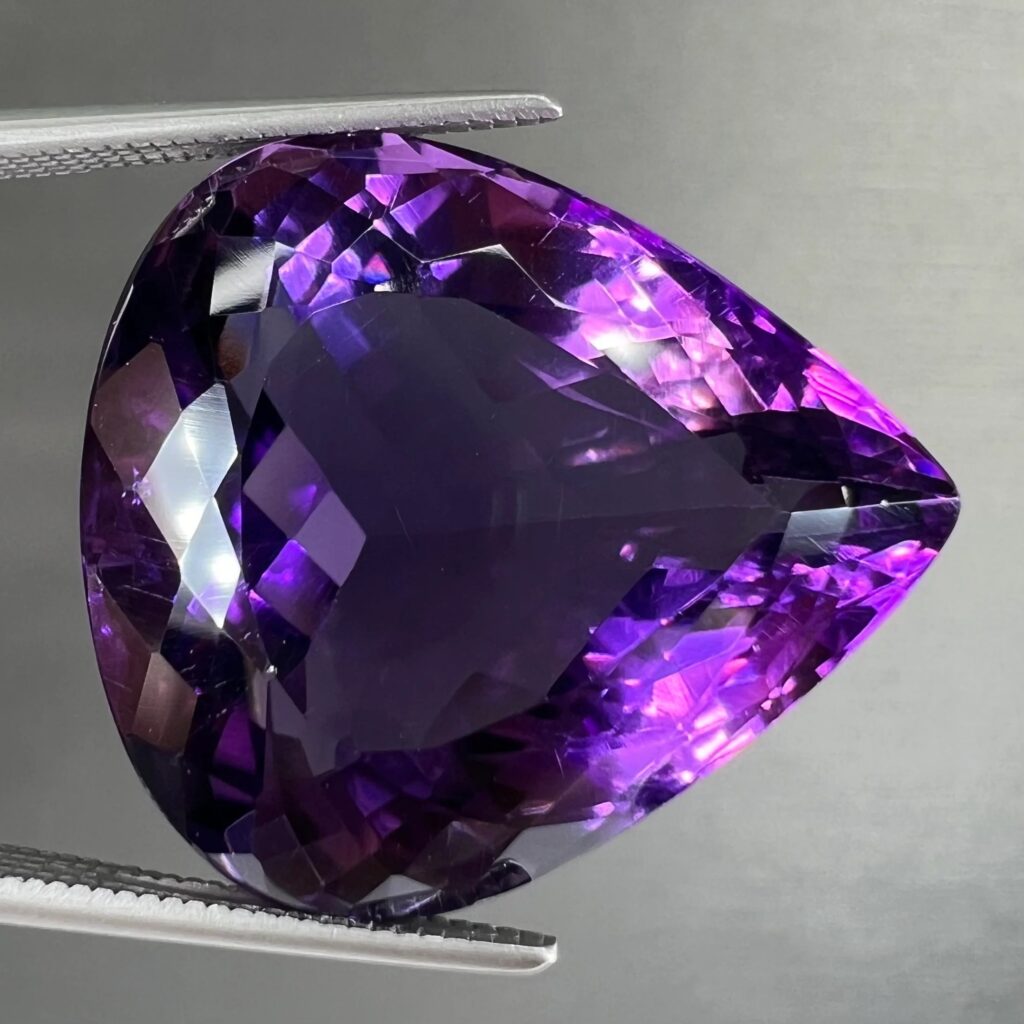
Most amethyst found on the market occurs in shades ranging from pale lavender and light violet to soft pinkish-purple tones. When cut properly, even lighter-colored amethyst can be very attractive, often showing excellent brilliance and liveliness due to the stone’s transparency.

In recent years, Brazil has produced notable lavender-pink amethyst that can occasionally resemble fine kunzite or morganite in appearance. This color was seen decades ago but disappeared from the market for many years, making its reappearance particularly interesting to cutters and collectors. Although exact matches remain rare, similar material continues to surface and is valued for its unique aesthetic.
Where Amethyst Comes From
The term “Siberian” refers to a color standard rather than a modern mining location. Despite its name, truly fine amethyst from Siberia is rarely seen today. Historically, one of the most important sources of top-quality amethyst was Zambia, especially during the 1980s and early 1990s. Zambian amethyst was prized for its deep, velvety purple color with strong red and blue secondary hues. However, this material often contained significant inclusions, requiring skilled cutting and careful removal of flawed sections. Production from this source declined sharply after the mid-1990s.
Brazil has long been the world’s largest producer of amethyst, known more for quantity and crystal size than consistent top color. Major Brazilian sources include Rio Grande do Sul, Bahia, and Marabá. Brazil is also unique in producing pink amethyst, bi-color material, and unusually clear purple stones that are rarely found elsewhere.
After Zambian production declined, Uruguay emerged as an important source. Uruguayan amethyst is known for its excellent crystal structure, high clarity, and saturated color, making it especially attractive to gemstone cutters. The strong crystal form often produces stones with deep color and exceptional brilliance.
Bolivia is famous for ametrine, a natural bi-color quartz combining purple amethyst with golden citrine in a single crystal. While Bolivia also produces amethyst-only stones, their color is generally lighter compared to material from other major sources.
North America produces limited quantities of amethyst, with notable deposits in Thunder Bay, Canada, and the Four Peaks mine in Arizona. Smaller occurrences are also found in Colorado and Maine. Madagascar, however, is considered by many experienced gem professionals to be one of the finest sources of all, producing deep amethyst with intense red and blue secondary flashes and outstanding color saturation.
Amethyst Grading Explained
Amethyst grading focuses primarily on color and clarity, rather than carat weight, because these two factors have the greatest influence on the gemstone’s appearance and value.
How to Grade Amethyst Clarity
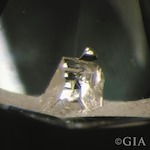
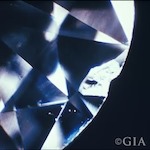
Amethyst clarity is graded by evaluating the presence, size, and visibility of internal inclusions and surface-reaching features. High-quality amethyst is typically considered eye-clean, meaning no inclusions are visible to the naked eye when the stone is viewed face-up under normal lighting conditions. Common inclusions in amethyst may include tiny crystals, faint fractures, color zoning, or needle-like mineral growths, all of which are natural characteristics of quartz. Stones with fewer and less noticeable inclusions allow light to pass through more freely, resulting in better brilliance and overall appearance. While minor inclusions are generally acceptable in amethyst, especially in larger stones, those that are easily visible, disrupt transparency, or weaken durability will lower the clarity grade and overall value of the gemstone.
Inclusions:



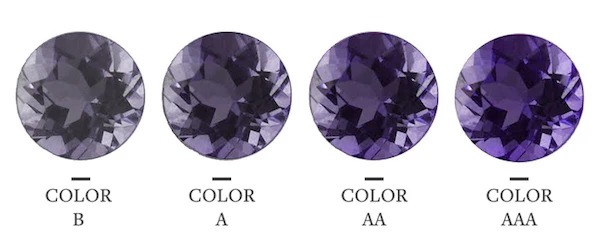
The Amethyst Grading Chart
AAAA – Top-tier amethyst with a deep, saturated purple color and excellent clarity; no visible inclusions to the naked eye.
AAA – High-quality stones with medium to dark purple hues and minimal inclusions.
AA – Medium purple with more noticeable inclusions; still attractive but less intense than higher grades.
A–B – Lighter or uneven color with visible inclusions; often used in beads or less formal jewelry.
Amethyst: Meaning, Symbolism, and Birthstone Significance
Amethyst has been revered across cultures for millennia, prized not only for its mesmerizing violet shades but also for its profound symbolic weight. From ancient legends to modern wellness, this gemstone remains one of the most storied jewels in history.
The Legend of Sobriety
The name “amethyst” finds its roots in the ancient Greek word amethystos, which translates literally to “not intoxicated.” This etymology reflects an early belief that the stone possessed the power to prevent drunkenness and instill a sense of mental clarity. To harness this protection, ancient Greeks and Romans would often fashion drinking vessels from amethyst, hoping the stone would ward off the physical and cognitive effects of excess wine.
Spiritual and Royal Heritage
Beyond its association with temperance, amethyst has long served as a vessel for spiritual and protective significance:
- Medieval Europe: The stone became a symbol of purity, humility, and inner peace.
- Ecclesiastical Use: Because its purple hue suggested spiritual devotion, it was frequently set into bishops’ rings and rosaries.
- Royalty: Its rare color—once one of the most expensive dyes to produce—made it a favorite among monarchs, representing power and divine connection.
The February Birthstone
Amethyst is universally celebrated as the official birthstone for February. This tradition evolved from ancient customs that linked specific gems to the months of the year, a practice rooted in religious texts and later standardized into modern gemstone calendars.
Today, giving amethyst to those born in February is a gesture that transcends beauty; it serves as a talisman for balance, clarity, and spiritual growth.
A Timeless Legacy
In the modern era, amethyst’s appeal remains undiminished. While it is still cherished for its aesthetic elegance, it continues to be sought after as a gemstone that embodies mental harmony and protection. Whether worn as a fashion statement or kept as a spiritual tool, amethyst remains a powerful symbol of a calm and centered mind.