
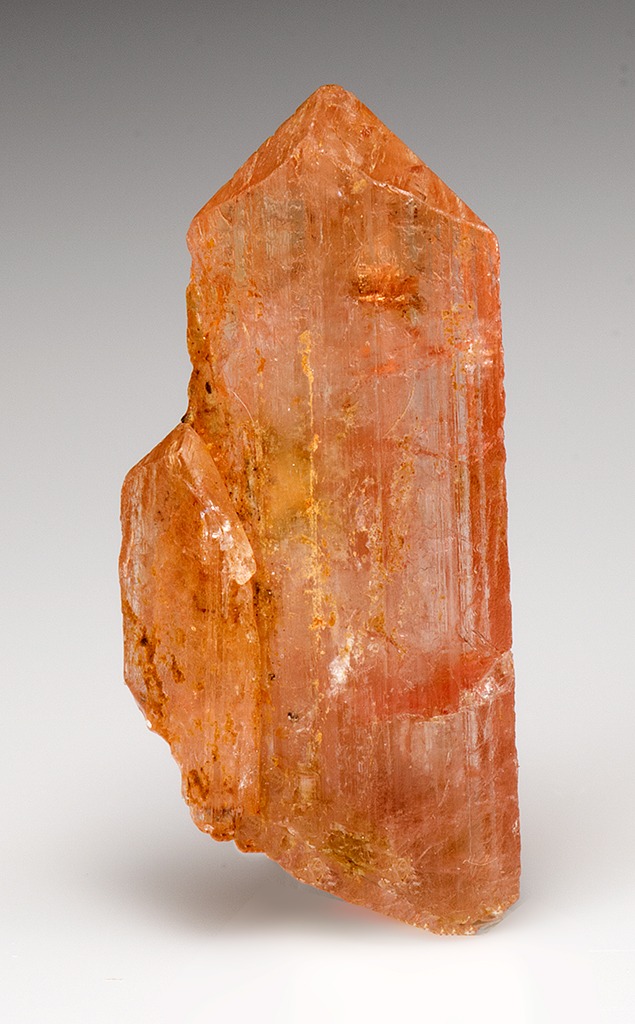
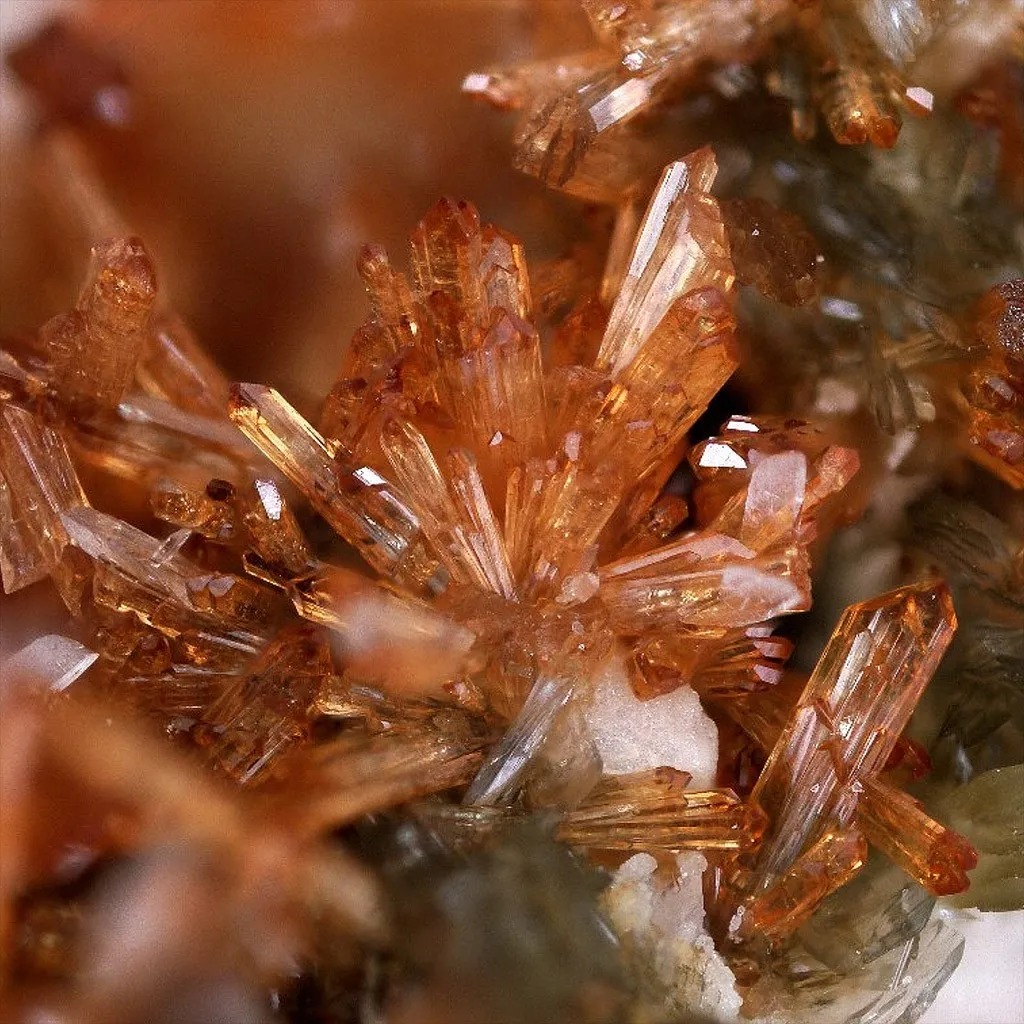
The nature and physical characteristics of eosphorite center on its identity as a rare hydrated manganese aluminum phosphate. This mineral is distinguished by its monoclinic crystal structure, which frequently manifests as elongated, prismatic blades or beautifully arranged radiating groups that resemble a frozen burst of light. The name itself is steeped in Greek etymology, originating from the word eosphoros, which translates to the bringer of dawn. This title was chosen specifically to reflect the delicate pink and rose-colored shades that characterized the original specimens, evoking the soft glow of a morning sky. However, the appearance of the mineral can vary significantly depending on its internal composition. It exists in a continuous chemical series with a similar mineral called childrenite, where manganese and iron swap places within the crystal lattice. When manganese is dominant, the stones retain their famous pink hue, but as the iron content increases, the color gradually shifts toward golden yellow, honey brown, or even deep shades of mahogany, often resulting in translucent crystals with a vitreous or glassy luster.
The Geological Formation of Eosphorite
The formation of eosphorite is a complex geological process that occurs primarily during the final stages of the crystallization of granite pegmatites. These pegmatites are igneous rocks that form from the last remnants of a cooling magma body, where the concentration of water, volatiles, and rare elements like manganese and phosphorus becomes exceptionally high. As the primary minerals such as feldspar and quartz crystallize, the remaining fluid becomes a specialized chemical soup. Eosphorite typically develops as a secondary mineral, meaning it does not crystallize directly from the initial molten rock but rather forms through the hydrothermal alteration of pre-existing primary phosphate minerals. When hot, chemically active fluids circulate through the cooling rock, they react with minerals like triphylite or lithiophilite, breaking down their structures and redepositing the manganese and phosphorus into new, stable forms. This transformative process requires very specific environmental conditions, particularly a high activity of water and a specific range of temperature and pressure within the pegmatite pockets, allowing the crystals to grow into open cavities or vugs where they can reach their full aesthetic potential.
History and Discovery
The historical timeline and scientific discovery of eosphorite date back to the late nineteenth century, specifically in the year 1878. It was first formally described by the prominent American mineralogists George J. Brush and Edward S. Dana, who were pioneers in the systematic classification of minerals in North America. The initial samples that led to its naming were identified at the Branchville Mica Mine in Connecticut, though the rich deposits in Maine were also being explored and documented during the same era. Throughout the twentieth century, eosphorite became an essential subject for researchers aiming to understand the complex relationship between manganese and iron in phosphate structures, leading to a clearer definition of how these elements influence the physical and optical properties of a crystal. Although the mineral is generally too soft for use in commercial jewelry, possessing a Mohs hardness of only five and a tendency to split along distinct cleavage planes, it has secured a prestigious reputation in the world of mineral collecting. It has evolved from a nineteenth-century scientific curiosity into a centerpiece for modern enthusiasts who prize its unique origins and the poetic connection to the colors of the dawn.
Where is Eosphorite Found
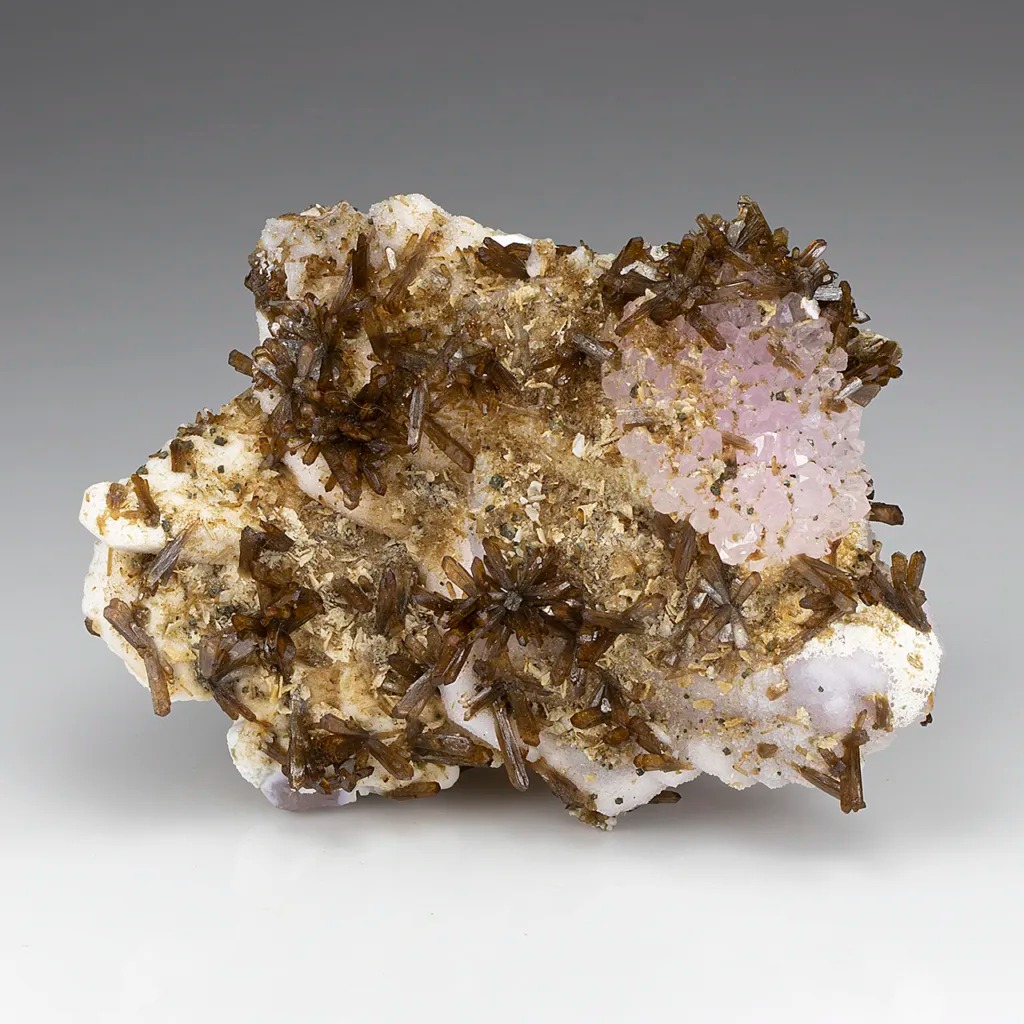
Regarding its geological occurrence and global distribution, eosphorite is primarily categorized as a secondary mineral that develops within complex granite pegmatites that are rich in phosphate. It typically forms through the hydrothermal alteration process, where primary phosphate minerals are chemically changed by the movement of hot, mineral-laden fluids through cracks in the earth’s crust over vast periods of time. The most prolific and celebrated source for high-quality eosphorite is the state of Minas Gerais in Brazil, particularly in the vicinity of Taquaral. The Brazilian deposits are legendary among mineralogists for producing large, transparent crystals that exhibit the most sought-after pink tones. In the United States, the pegmatites found throughout the state of Maine, especially within Oxford County, have provided significant specimens for scientific study and private collections for over a century. Beyond these primary locations, notable occurrences have been documented in mountainous regions of Pakistan, parts of Germany, and Argentina, where eosphorite is often found growing in aesthetic association with other pegmatite minerals such as smoky quartz, albite, and various mica group members.
Eosphorite Gemstone Properties and Quality Factors
| Property | Eosphorite Characteristics |
|---|---|
| Color | Despite the stone’s pink etymology, eosphorite can also be shades of red, yellow, brown, orange, and even colorless. Many of these colors are caused by different amounts of iron and manganese. Oxidized specimens will be brown to black, and these are generally least valuable. The most valuable eosphorites are brighter shades of pink, yellow, or orange. Orange hues are caused by high manganese content. |
| Cut | Although eosphorites aren’t difficult to cut, the rarity of facetable crystals makes faceted eosphorite gems less common and more valuable. Often, cuttable eosphorite crystals are faceted into fancy shapes, but round brilliant cuts bring out a pale orange or pink eosphorite dispersion phenomenally. Most often, you’ll see eosphorite for sale as rough crystals and specimens. You may also see carvings like spheres or beads made of other minerals mixed with eosphorite, such as andalusite or turquoise. |
| Clarity | Clarity describes the degree of visible inclusions in a gem, which can lower its transparency and value. Although eosphorites are translucent to transparent, they’re very rarely found without lots of visible inclusions. Many eosphorite crystals contain multiphase inclusions, which are cavities containing multiple phases like liquid, vapor, and solid. |
| Carat Weight & Size | Given the rarity of cuttable crystals, faceted eosphorite gems are almost always under 4 carats. Some exceptions exist, though, weighing 10+ carats. Rough eosphorite crystals can be found in large sizes, but most are small, and large crystals are usually attached to a matrix. |
Is Eosphorite a Gemstone and Suitable for Jewelry?
Whether eosphorite is classified as a gemstone depends on the context of its use, as it occupies a niche between a scientific mineral specimen and a rare collector’s gem. In a strictly gemological sense, eosphorite possesses the visual requirements of a gemstone, such as transparency, a glass-like luster, and attractive colors ranging from rose-pink to golden brown. However, it lacks the fundamental durability required for traditional jewelry. With a Mohs hardness of only 5 and a distinct cleavage, the stone is relatively soft and prone to internal fracturing or surface scratching. Because of this fragility, it is generally considered unsuitable for everyday jewelry like rings or bracelets. While it is technically a gemstone due to its beauty and rarity, it is categorized more accurately as a “collector’s stone” rather than a commercial jewelry gem.
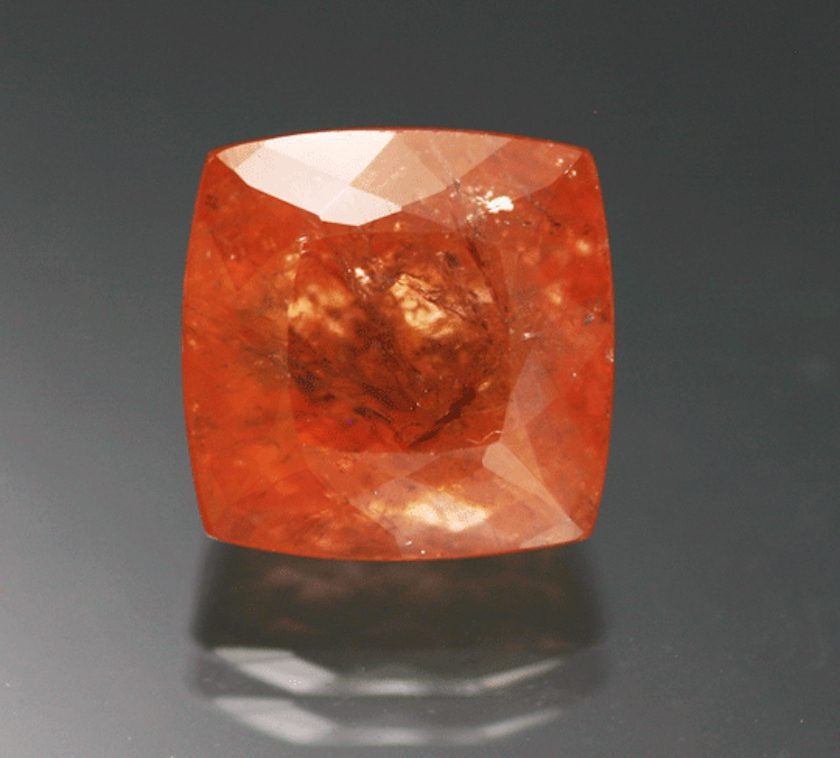
The practical applications of eosphorite in the jewelry industry are extremely limited and reserved for specialized markets. When it is cut, lapidaries typically use a faceted style to highlight its light dispersion, but these stones are almost exclusively intended for display in private collections or museums. If eosphorite is ever worn as jewelry, it is usually restricted to low-impact pieces such as pendants or earrings, where the stone is less likely to hit hard surfaces. Beyond this limited decorative use, eosphorite has no industrial or commercial applications. It does not possess the chemical or physical properties required for technological use, meaning its value is derived entirely from its scarcity and its aesthetic appeal to mineral enthusiasts.
The most common and significant application of eosphorite is as a mineralogical specimen for education and collection. For geologists and mineralogists, eosphorite provides important data regarding the hydrothermal alteration of phosphate-rich granite pegmatites. High-quality crystal clusters, especially those still attached to their host rock or matrix, are highly valued in the mineral market. For the majority of people in the gemstone trade, eosphorite remains a rare curiosity—a mineral that is admired for its “dawn-like” colors and complex crystal habits rather than its utility as a wearable ornament. Its role in the market is to serve as a high-end specimen that represents the diversity of phosphate chemistry in the earth’s crust.