
Cobaltite is a chemically complex and industrially significant mineral belonging to the sulfarsenide group, characterized by its distinct metallic luster and high cobalt content. Formally classified as a cobalt arsenic sulfide, it represents a primary ore of cobalt, a transition metal that has become the cornerstone of modern green energy and high-performance metallurgy. Geologically, cobaltite typically forms in high-temperature hydrothermal veins or contact metamorphic deposits, often appearing as striking cubic or pyritohedral crystals that can be mistaken for pyrite or arsenopyrite, though its subtle rose-pink or reddish-gray tint—a result of surface oxidation—remains a diagnostic hallmark for mineralogists.Cobaltite is recognized for its versatility in forming across a wide range of geological environments, from high-temperature ore deposits to lower-temperature hydrothermal systems. It is most famously associated with the “five metals” assemblage, where it coexists with nickel, silver, bismuth, and various arsenic-bearing minerals. Additionally, it is a frequent component of polymetallic mesothermal lodes, often found alongside common sulfides such as pyrite and arsenopyrite. In these settings, cobaltite typically appears early in the paragenetic sequence, often forming the core or inclusions within later base-metal sulfides like pyrrhotite, sphalerite, and chalcopyrite.
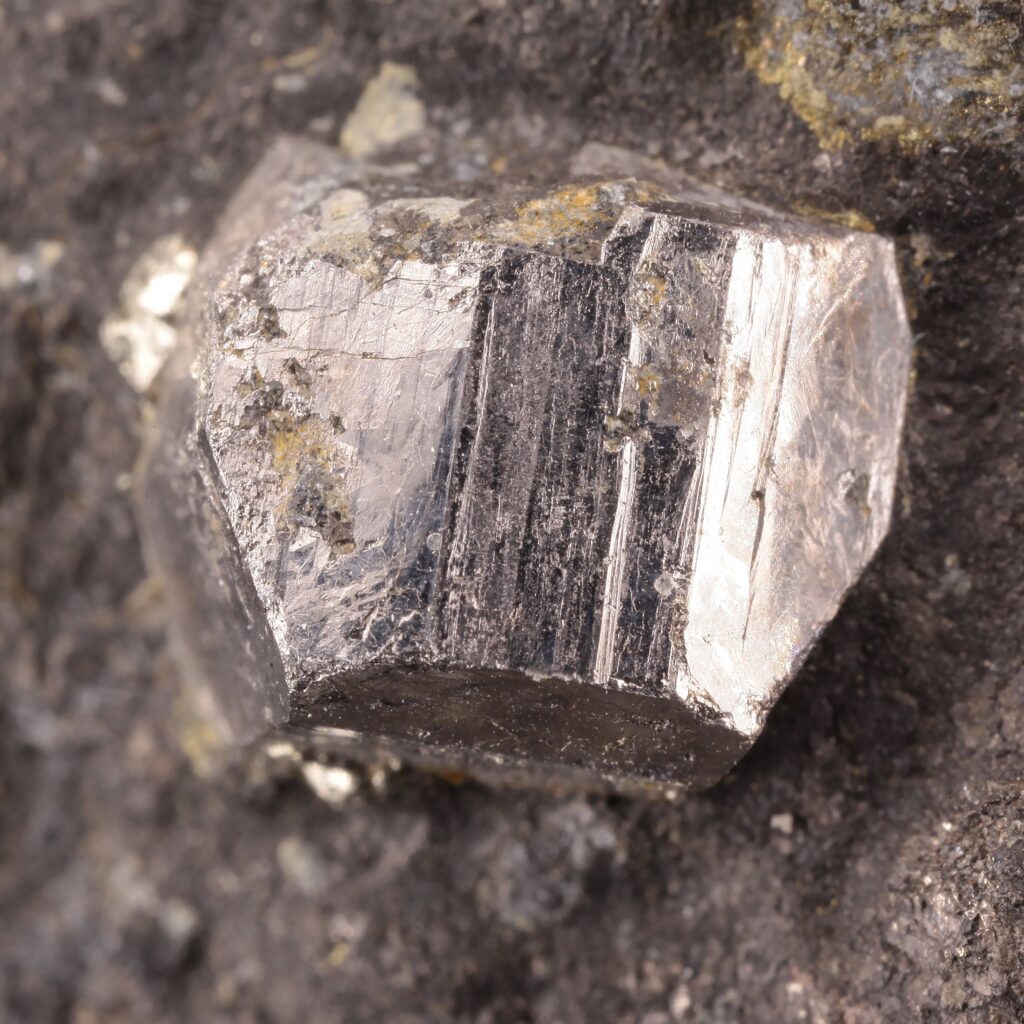
The history of cobaltite is deeply intertwined with the development of modern chemistry and the mining traditions of Northern Europe. Its name is derived from the German word kobold, meaning underground spirit or goblin, a term used by medieval miners who believed these spirits replaced valuable silver ore with the troublesome, arsenic-rich cobaltite that released toxic fumes during smelting. It was not until 1735 that Swedish chemist Georg Brandt successfully isolated cobalt from these ores, proving it to be a unique element.
Today, the authoritative value of cobaltite lies in its remarkable physical properties and its role in global supply chains. With a Mohs hardness of 5.5 and a high specific gravity of approximately 6.33, it is a dense, durable mineral that carries significant concentrations of both arsenic and sulfur. In the contemporary industrial landscape, the extraction of cobalt from cobaltite is a sophisticated metallurgical process essential for the production of lithium-ion battery cathodes, wear-resistant superalloys used in jet turbines, and permanent magnets. As the global transition toward electric vehicles and sustainable storage solutions accelerates, the mineralogy and ethical sourcing of cobaltite have transitioned from niche academic interests to critical priorities for global resource management.
Characteristic Colors and Surface Oxidation
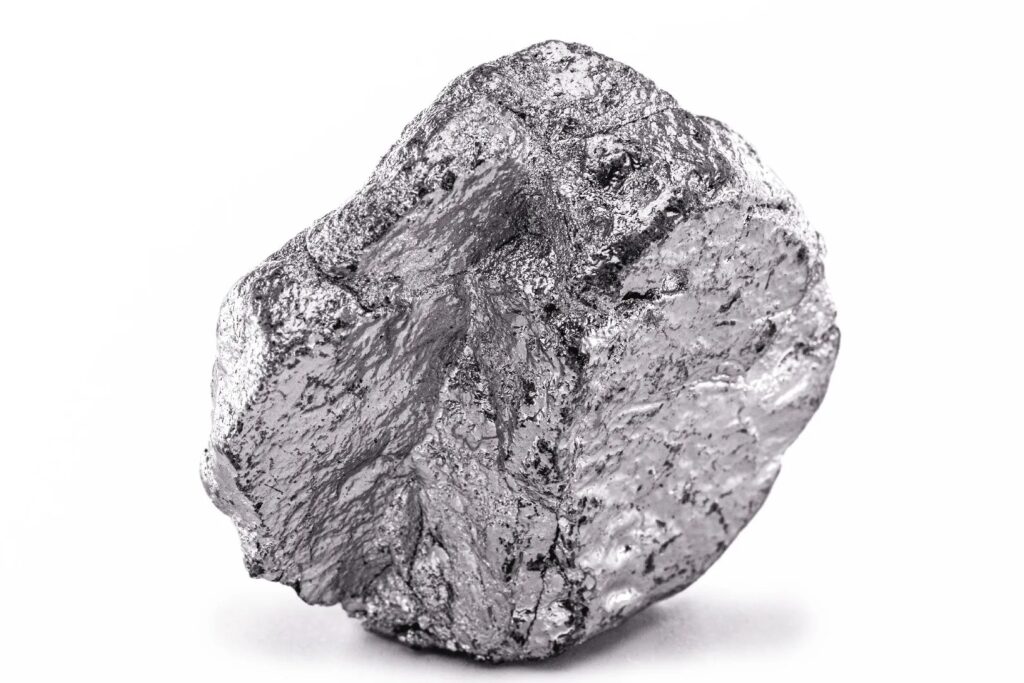
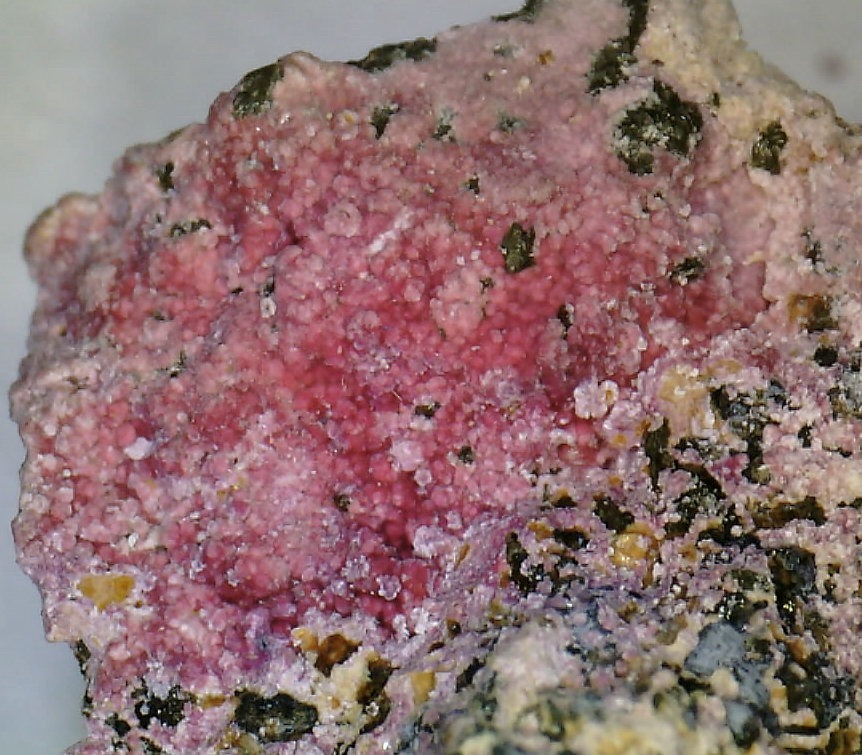
While cobaltite is fundamentally a metallic mineral, it frequently exhibits characteristic secondary coloration that is essential for both mineralogical identification and search optimization. Although its primary body color is a brilliant silver-white or steel-gray, the mineral is highly susceptible to surface oxidation. This process often results in a distinctive pink to reddish-purple tarnish, known as “cobalt bloom” or erythrite. These vibrant secondary hues, ranging from subtle rose tints to deep violet-red crusts, serve as a critical diagnostic hallmark for field geologists and collectors alike, as they directly indicate the presence of oxidized cobalt and arsenic within the specimen.
Cobaltite in Jewelry: Aesthetics and Safety Considerations
Despite its striking metallic luster and occasional rose-pink tint, cobaltite is rarely used as a traditional jewelry stone due to its specific physical and chemical limitations. From a gemological perspective, while its Mohs hardness of 5.5 makes it harder than many metallic minerals, it remains softer than common staples like quartz or sapphire, making it susceptible to scratching and loss of polish over time. Furthermore, cobaltite is naturally opaque and lacks the transparency and “fire” typically sought in gemstones, restricting its use to specialty cabochons or faceted specimens for collectors who appreciate its unique cubic symmetry. Beyond aesthetics, safety is a primary concern because cobaltite is a sulfarsenide mineral containing significant concentrations of arsenic. While it is generally stable in a polished, solid state and does not pose an immediate risk through simple skin contact, it is not recommended for jewelry that stays in constant, direct contact with the skin, as sweat and oils may react with the surface over long periods. The greatest risk occurs during the cutting or polishing processes, where the release of fine dust can lead to the accidental inhalation of toxic arsenic and cobalt particles. For these reasons, while owning a displayed specimen is perfectly safe, wearing cobaltite as raw or unsealed jewelry is generally discouraged by health experts and mineralogists.
In the modern era, cobaltite has evolved from a historical curiosity into a critical strategic resource. As a primary ore for cobalt extraction, its most significant application lies in the clean energy sector, specifically in the production of lithium-ion battery cathodes. These batteries power everything from smartphones to electric vehicles (EVs), where cobalt is essential for enhancing energy density, thermal stability, and overall cycle life. Beyond the battery supply chain, cobaltite-derived cobalt is indispensable in the aerospace and defense industries. It is used to create high-performance superalloys capable of maintaining structural integrity under extreme temperatures exceeding 1,000°C, making them vital for jet engine turbine blades and gas turbines. Additionally, its magnetic properties are utilized in the manufacturing of permanent magnets and high-strength cutting tools, while its chemical derivatives continue to be used as vibrant blue pigments in premium ceramics and glass.