
Lepidolite is a fascinating lithium-rich phyllosilicate mineral that represents a critical component of the mica group, primarily recognized by its elegant lilac to deep purple hues and its role as a secondary source of the element lithium. This mineral typically forms through late-stage magmatic processes, most commonly occurring within granitic pegmatites where volatile elements like fluorine and lithium have become highly concentrated. As these specialized geological environments cool, lepidolite crystallizes in association with other rare-element minerals such as tourmaline, spodumene, and amblygonite, often appearing in massive scaly aggregates or distinct “books” of crystal sheets. Its internal architecture is defined by a complex crystal chemistry where lithium and aluminum ions occupy specific octahedral sites within a layered silicate framework, a structure that reflects the unique chemical evolution of the surrounding magma.
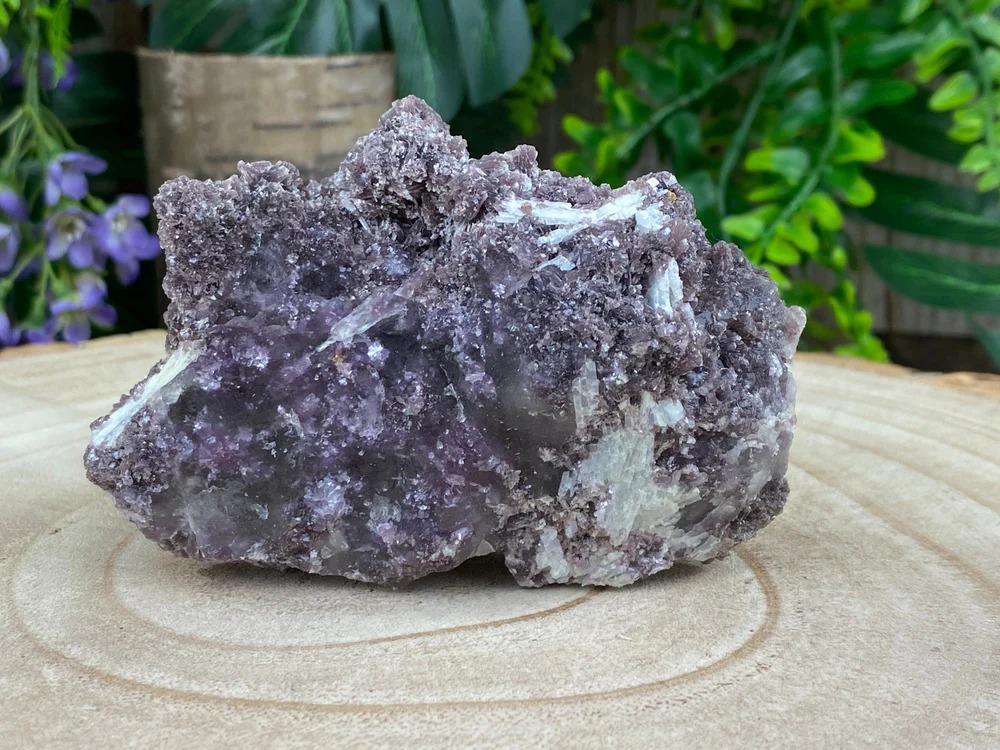
Beyond its formation, the mineral is defined by its monoclinic crystal system and the classic structural hallmark of all micas: a sophisticated sheet-like arrangement of tetrahedral and octahedral layers. Within these individual planes, the atomic bonds are exceptionally strong, yet the bonds between the layers themselves remain remarkably weak. This specific atomic configuration dictates the mineral’s physical behavior, resulting in perfect basal cleavage that allows it to split easily into thin, flexible flakes. This structural vulnerability also explains its characteristic softness, often ranking between 2.5 and 3 on the Mohs scale. Visually, these overlapping layers create a pearly to vitreous luster that interacts with light to produce a shimmering effect, making lepidolite not only a scientifically significant subject for studying crustal evolution but also a visually distinctive specimen highly valued in mineralogical collections and industrial lithium extraction.
Color Variations and Optical Properties
The color variations and optical properties of lepidolite are primarily driven by its unique chemical impurities and the way its layered mica structure interacts with light. While the mineral is most famous for its characteristic lilac, lavender, and rose-pink hues, it can also appear in shades of gray, yellowish-white, or even colorless depending on its specific geological environment. These vibrant purple and pink tones are typically not caused by the lithium itself, but by trace amounts of manganese substituted within the crystal lattice. When manganese is present in its trivalent state, it absorbs specific wavelengths of light, resulting in the saturated “orchid” colors that make lepidolite so visually distinctive. In some rarer instances, environmental radiation or the presence of other transition metals can shift these tones toward deeper reds or even pale blues, though the classic lithium-mica signature remains a cool-toned violet.From an optical perspective, lepidolite is classified as a biaxial mineral, typically crystallizing in the monoclinic system. One of its most striking optical features is its pearly to vitreous luster, which is a direct result of light reflecting off the many layers of its perfect basal cleavage. Because the mineral forms in thin, stacked sheets, light often penetrates the upper layers and reflects back through the crystal, creating a shimmering, almost metallic glow known as schiller or “aventurescence” in scaly aggregates. When viewed under a microscope in thin sections, lepidolite often exhibits pleochroism, meaning it can show subtle color changes when rotated under polarized light. These optical properties, combined with a refractive index that fluctuates slightly based on the fluorine and lithium content, allow geologists to distinguish lepidolite from other similar-looking micas like muscovite or phlogopite, which lack the same manganese-driven color profile and specific light-handling characteristics.
Major Sources and Global Occurrence of Lepidolite
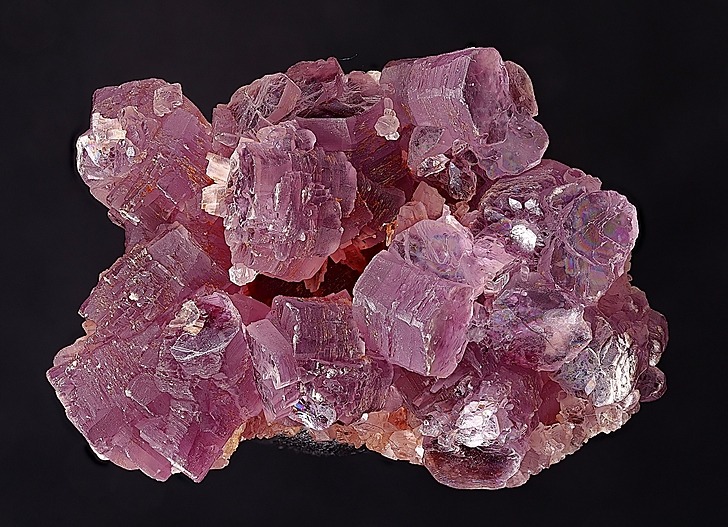
Lepidolite is found in specialized geological environments across the globe, with its occurrence primarily restricted to lithium-bearing granitic pegmatites. These rare-element pegmatites form during the final stages of magmatic crystallization, where incompatible elements like lithium, rubidium, and cesium become highly concentrated in residual fluids. Because lepidolite requires these specific chemical conditions to crystallize, its distribution is localized to a few key mining districts worldwide. Historically and industrially, the most significant deposits are located in Brazil, particularly in the Minas Gerais region, which remains a premier global supplier of high-quality lithium mica specimens and industrial ore.
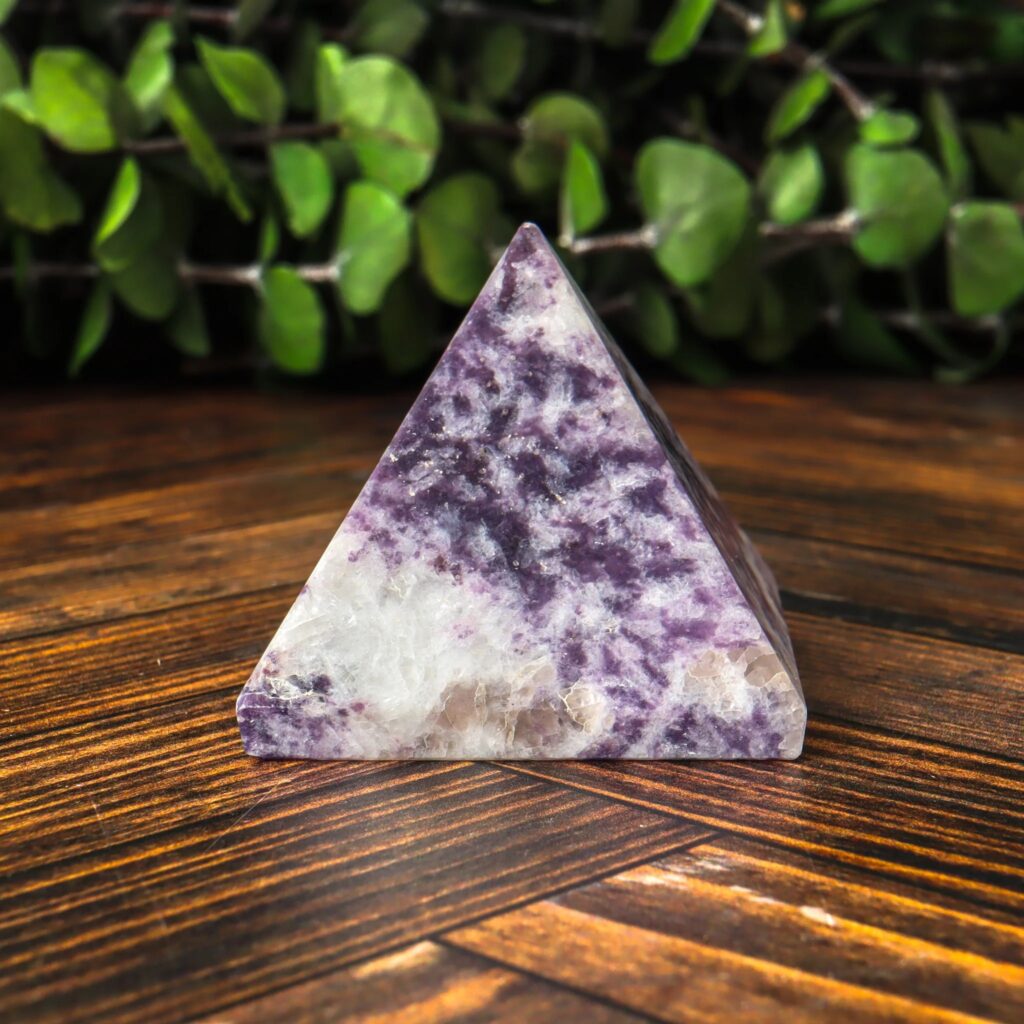
In North America, the United States holds notable occurrences in the pegmatite fields of Maine and the Black Hills of South Dakota, where lepidolite often appears alongside other lithium minerals like spodumene. Canada also contributes to global supply, with significant deposits located in the Tanco Mine in Manitoba. Outside of the Americas, Africa has emerged as a major player in the global lithium market, with extensive lepidolite and petalite resources found in Zimbabwe and Namibia. In Europe, Portugal and Germany contain historical lithium mica mines that have seen renewed interest due to the rising demand for battery-grade lithium.The occurrence of lepidolite is often a key indicator for geologists seeking larger lithium-cesium-tantalum (LCT) pegmatite systems. In Asian markets, China has significantly expanded its domestic lepidolite mining operations in provinces like Jiangxi, treating the mineral as a vital strategic resource for the electric vehicle industry. Whether extracted for its lithium content or harvested as mineral specimens, the global distribution of lepidolite highlights the unique tectonic and magmatic history of the Earth’s crust, marking areas where ancient continental plates once hosted intense, volatile-rich volcanic activity.
Jewelry Applications and Material Durability of Lepidolite
While lepidolite possesses an enchanting lilac to deep purple palette and a delicate pearly luster, its role in the world of jewelry is specialized and distinct from mainstream gemstones. This is primarily due to its inherent physical properties as a member of the mica group. With a Mohs hardness of only 2.5 to 3, lepidolite is exceptionally soft, making it susceptible to scratches even from everyday objects. More significantly, its perfect basal cleavage creates a layered structure that allows the crystal to split or flake away easily along parallel planes. Because of this structural fragility, transparent or high-quality lepidolite crystals are rarely cut into traditional faceted gemstones, as the cutting process is technically demanding and the resulting stones remain too delicate for high-impact jewelry like rings or bracelets.
Symbolic Meaning and Metaphysical Associations of Lepidolite
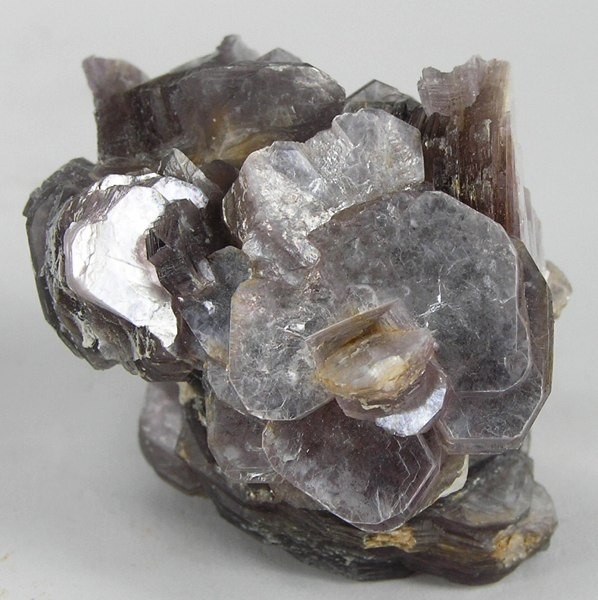
In the realm of mineral symbolism and contemporary lapidary traditions, lepidolite is frequently referred to as the stone of transition or the peace stone. This reputation stems largely from its high lithium content, which in a geological context is a stabilizing element, and in a symbolic context is associated with emotional balance and the cooling of intense energies. Many who value the mineral for its non-industrial properties view it as a tool for reorganization, suggesting that its layered, mica-based structure reflects a need to peel back complex emotional layers to reach a core of tranquility. Its characteristic lavender and lilac colors are often linked to themes of clarity, rest, and the soothing of a restless mind, making it a popular choice for those seeking a sense of calm in high-stress environments.
Beyond its association with peace, the meaning of lepidolite is often tied to the concept of independence and the breaking of stagnant patterns. Because the mineral literally flakes away and clears space through its perfect basal cleavage, it has become a metaphor for shedding the old to make way for the new. In various cultural interpretations, it is seen as a supportive companion during times of major life changes, helping to facilitate a smooth passage from one state of being to another. While these meanings are distinct from its scientific classification as a phyllosilicate, they contribute significantly to its popularity in the collector market, where the stone is prized as much for its perceived “serene energy” as it is for its shimmering, pearly luster.